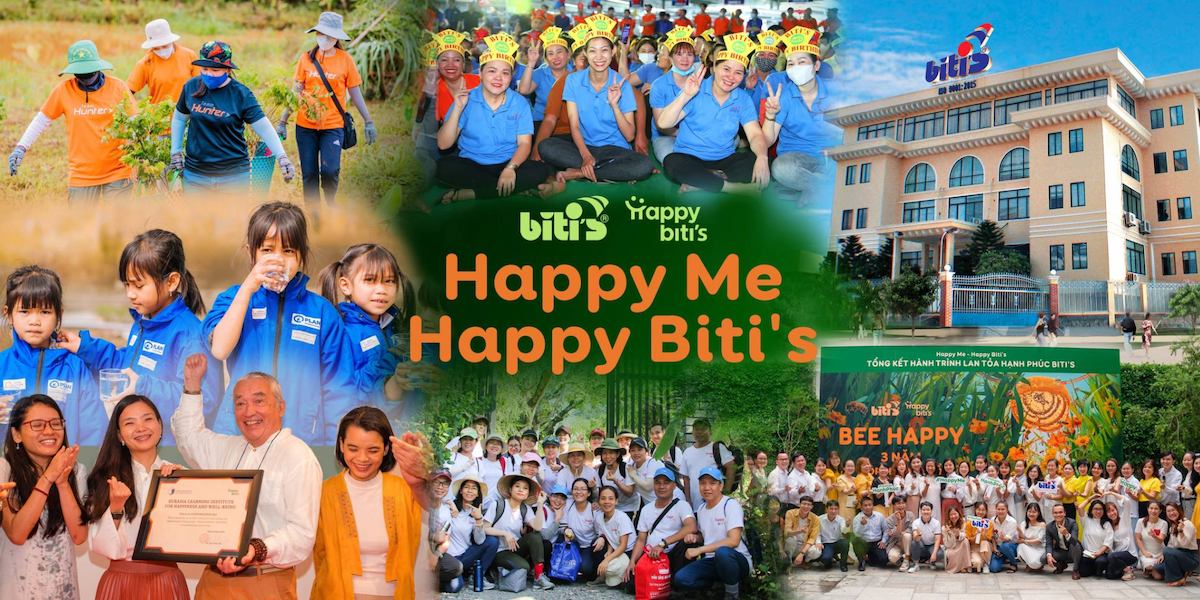
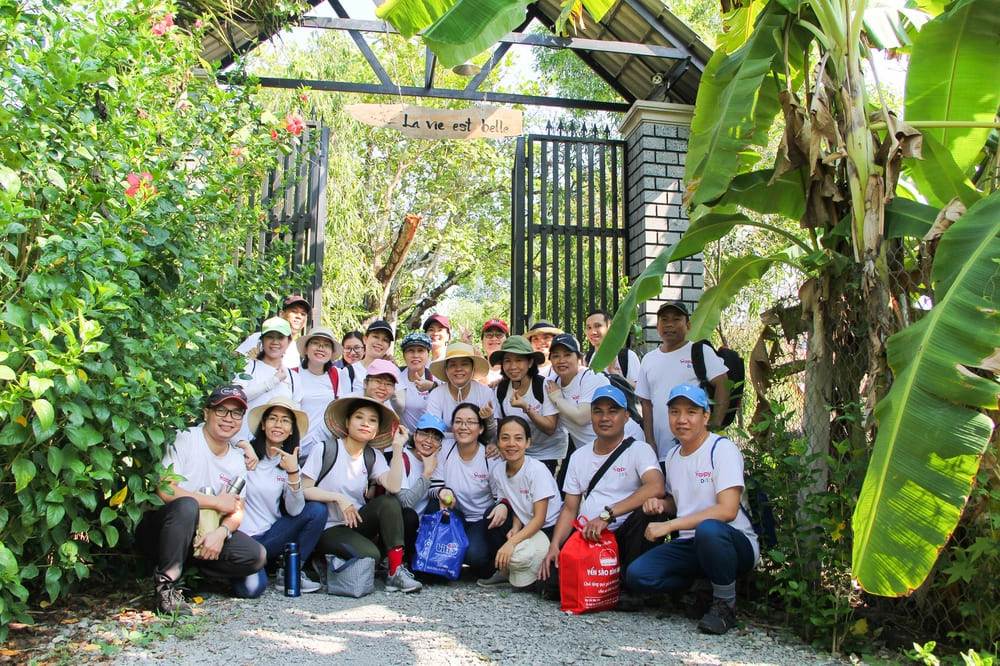
Originating in 2018 as a happiness skills training project for employees, Happy Biti's has become a source of energy and inspiration for nearly 10,000 Biti's members in both their work and lives.
Happy Biti's uses the GNH (Gross National Happiness—an initiative of Bhutan) framework as the guiding principle for all activities, focusing on the nine key GNH domains: Living Standards, Health, Psychological Well-being, Time Use, Education, Cultural Diversity and Resilience, Good Governance, Community Vitality, and Ecological Diversity and Resilience.
Through this, Happy Biti's has redefined Happiness through the practice of mindfulness and the cultivation of three connections: with oneself, with others, and with nature. Happy Biti's is not a destination; Happy Biti's is the path Biti's has chosen to nurture everyone's journey towards happiness. Particularly, Happy Biti's not only focuses on the happiness of employees but also demonstrates the company's responsibility to society.
When deciding to develop the Happy Biti's project, many external factors influenced this decision.
Firstly, Vietnam's workforce has experienced significant changes: Vietnam is facing serious labour migration and human capital flight. At the same time, the number of newly established businesses has increased rapidly, while the average employee turnover rate remains very high at 36%. This indicates that Biti's must make greater efforts to attract talent and implement more innovative recruitment solutions.
Secondly, the Ministry of Health of Vietnam (2019) reported that 15% of the population experiences health issues, with the majority being of working age. This highlights mental health as an issue that many companies need to address, particularly for a company with 10,000 employees such as Biti's.
Thirdly, income inequality and the gap between rich and poor in Vietnam continue to widen (Asia News Network, 2019). This reality provides a legitimate reason for Biti's to implement solutions to improve officer and employee income and balance living standards, especially since both employees' living standards and community vitality are key domains within the GNH framework.
Additionally, Vietnam ranks among the ten countries most severely affected by air pollution and has one of the fastest-growing per capita greenhouse gas emission rates, resulting in serious impacts on public health and quality of life.
Therefore, Biti's is committed to implementing the Happy Biti's project to increase happiness, support employees' mental well-being, and create positive impacts on the environment and society.
The greatest innovation underpinning the entire Happy Biti's project, and one that has been put into practice, is its philosophy of happiness and its approach to cultivating happiness within a community of thousands of people. Implementing the GNH-based happiness philosophy within a corporate organisation requires both persistence and flexibility. Happiness at Biti's does not focus on satisfying short-term pleasure but on creating the internal and external conditions that enable people to live in harmony with their deepest aspirations and highest potential. Specifically:
- Inner happiness for Biti's employees is built upon three connections: connecting with oneself through self-awareness and self-management; connecting with others by nurturing relationships through understanding and compassion; and connecting with nature through living in harmony with the natural environment and ecosystems.
- Community happiness at Biti's is based on the nine-domain GNH model: While GDP measures everything in monetary terms, GNH measures what truly makes life worth living. GNH is founded on the belief that the role of development is not merely to encourage continuous and unsustainable growth; rather, development should place people at its centre and create the conditions that enable every individual to achieve what matters most: happiness.
The GNH-based happiness philosophy also aligns with the United Nations Sustainable Development Goals (SDGs) and with emerging trends in building people-centred workplaces, supported by research in organisational science, neuroscience, and emotional intelligence (EQ).
Objective
The Happy Biti's project was established based on the belief that the happiness of every employee forms the foundation of a happy Biti's community. Therefore, Biti's CEO, Ms Vuu Le Quyen, wants joy and happiness to become the motivation that inspires her employees to come to work every day. She shared: "We need to change our culture, building it on compassion rather than fear." The project's slogan clearly reflects this belief: "Happy me – Happy Biti's".
The goal of Happy Biti's is not only to increase employee happiness but also to restructure the organisation into a business that is responsible towards society and the environment, in line with the philosophy of Gross National Happiness (GNH). GNH consists of two key dimensions: the internal dimension and the external dimension. The internal dimension focuses on developing happiness skills, while the external dimension focuses on creating a supportive social environment that promotes happiness and prosperity, based on the nine domains: Living Standards, Health, Psychological Well-being, Time Use, Education, Cultural Diversity and Resilience, Good Governance, Community Vitality, and Ecological Diversity and Resilience.
Vision
While Vietnam's economic and social context presents many challenges, Biti's internal environment has also undergone significant changes. The first and most important was the transition of business leadership from the founding generation to the next generation, when Mr. Vuu Khai Thanh, Chairman of the Members' Council, handed over the CEO position to Ms. Vuu Le Quyen in 2018.
Secondly, Biti's had recently recruited many young employees—people who perform best when inspired rather than driven by fear or pressure. The previous management style based on fear and discipline was appropriate during a period when the country faced many hardships but is no longer suitable today, making it more difficult for Biti's to attract candidates. Therefore, the establishment and implementation of Happy Biti's can help the company retain young talent.
Particularly, CEO Vuu Le Quyen aspires to create a positive, connected, and happy working environment for all Biti's employees. As a result, every day, nearly 10,000 people can find meaning in their work, allowing each individual to be themselves and to thrive within the community.
Implementation Process – Scope
The Gross National Happiness (GNH) model serves as the backbone of Happy Biti's today, with two main phases.
2018 - 2022: Foundation phase with key activities
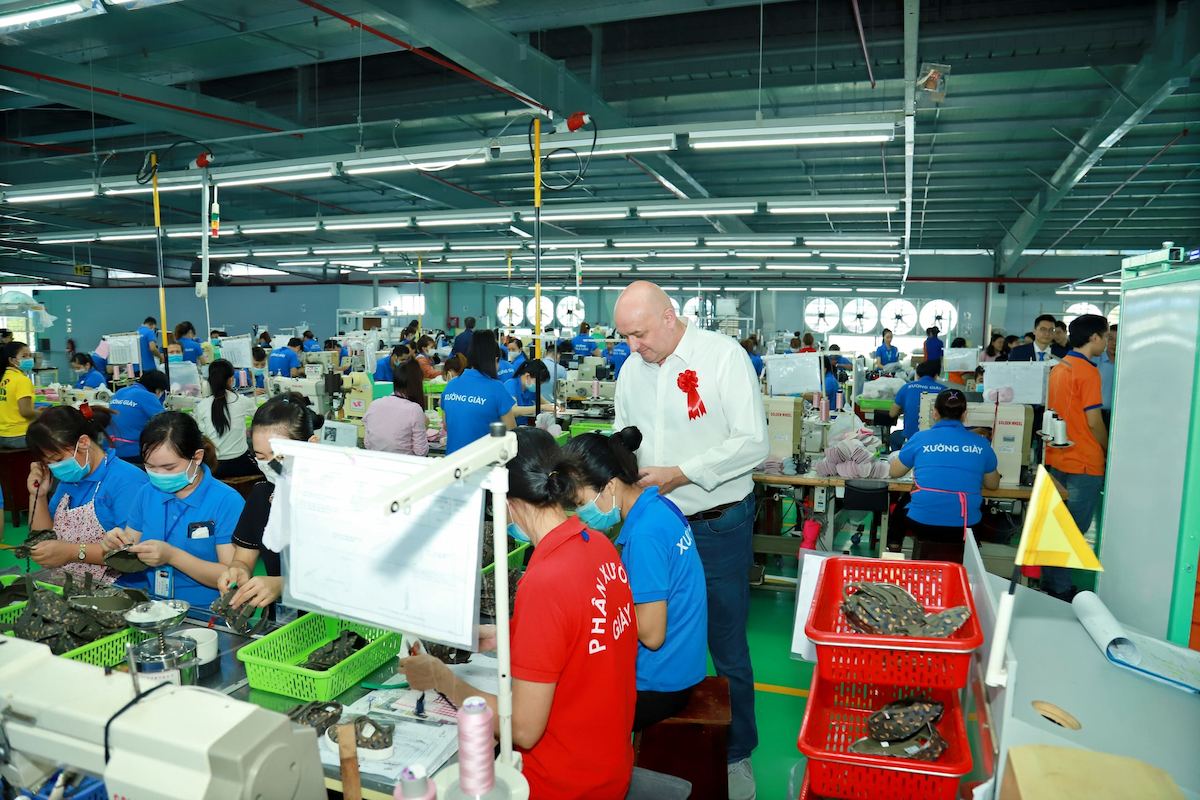
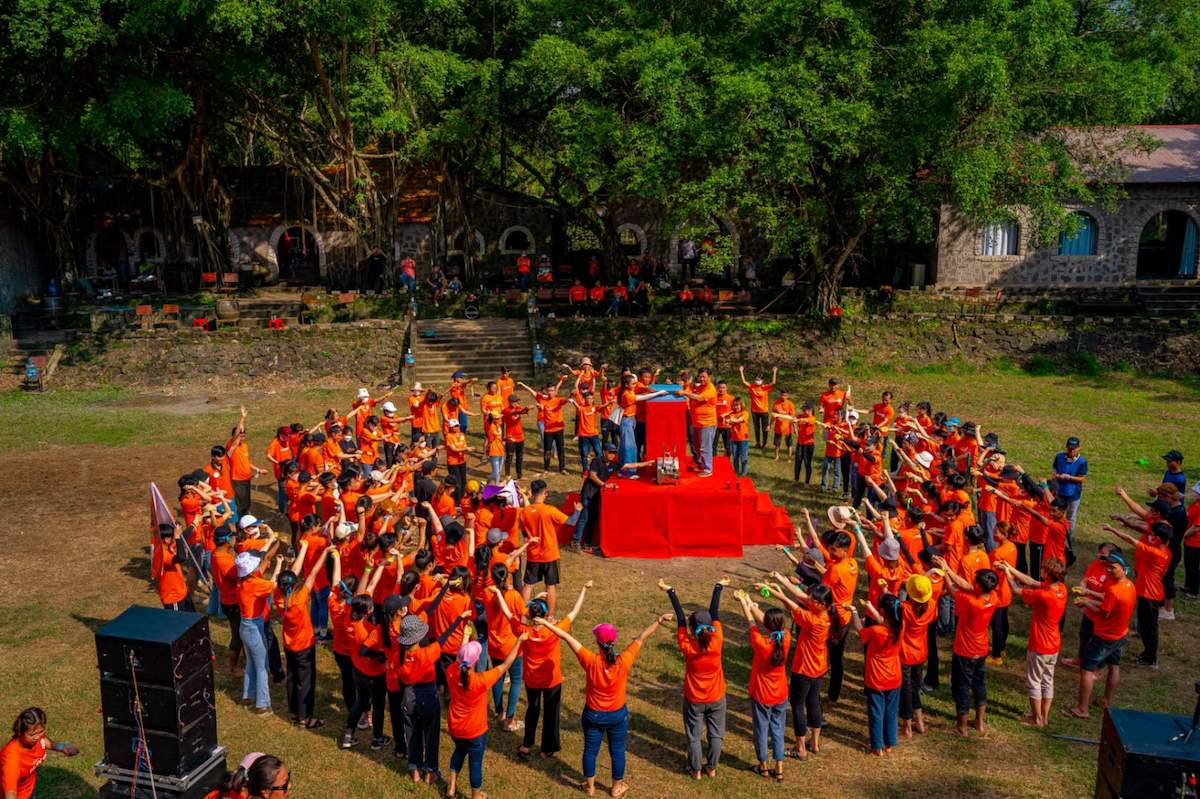
The Happiness Skills Learning Journey: Happiness skills were introduced to help everyone in the company understand happiness through three levels of connection: connection with oneself, connection with others, and connection with nature. At the same time, activities were organised to develop happiness skills for officers and employees, such as Happy Biti's Sharing Circles, programmes, workshops, field trips, and the Happy Biti's Magazine.
Development of the organisational GNH dimension: The Biti's GNH Survey was developed through numerous trials and feedback sessions with experts such as Dr. Ha Vinh Tho, former Programme Director of the Bhutan GNH Centre, where the GNH model originated. After four years of development, GNH was integrated into Biti's operational system.
From 2023 onwards: Expansion phase with key activities
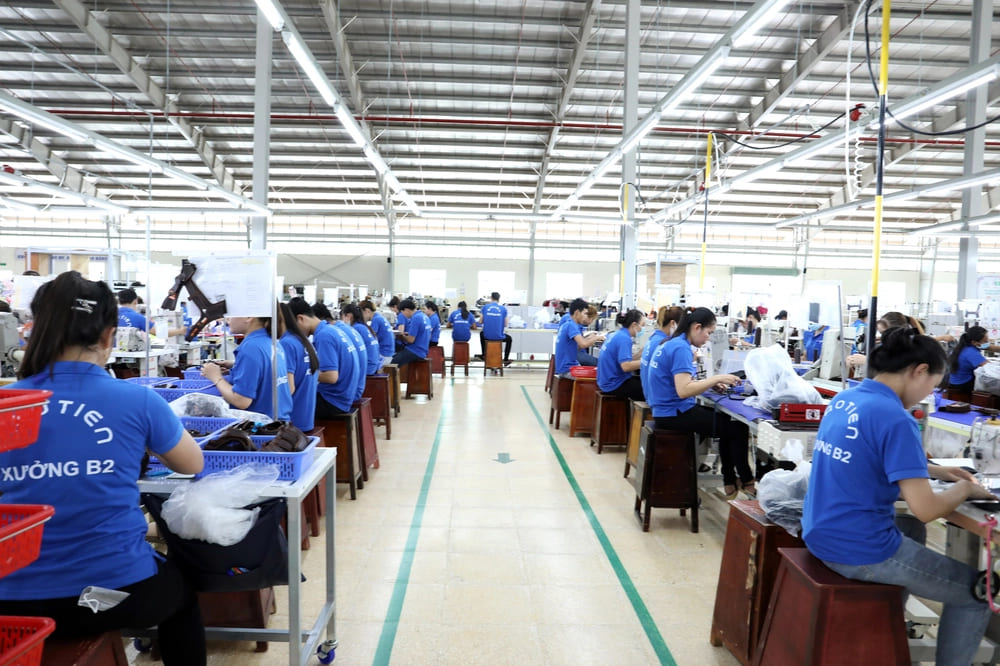
The Happy Biti's Happiness Skills Learning Journey was formally structured as the Culture Department, responsible for happiness culture and sustainable development. The Happiness Skills course was developed and delivered to all employees across the organisation, including both the Commercial Division and the Manufacturing Division.
Development of the organisational GNH dimension: Each month, Biti's selects one of the nine GNH domains as the theme for related activities, events, and communications. Biti's Board of Directors and senior managers hold annual and monthly meetings to review the nine GNH domains and the company's key issues.
Budget
The Foundation Phase (2018–2022)
Biti's initiated the project by introducing happiness skills to help employees understand happiness through three levels of connection: connection with oneself, connection with others, and connection with nature. At the same time, the GNH Survey was developed and integrated into operational systems, mid-year employee and management evaluations, CSR activities, products, internal communications, etc. During this phase, project implementation costs included:
- Happiness skills training costs: VND 2 billion over four years
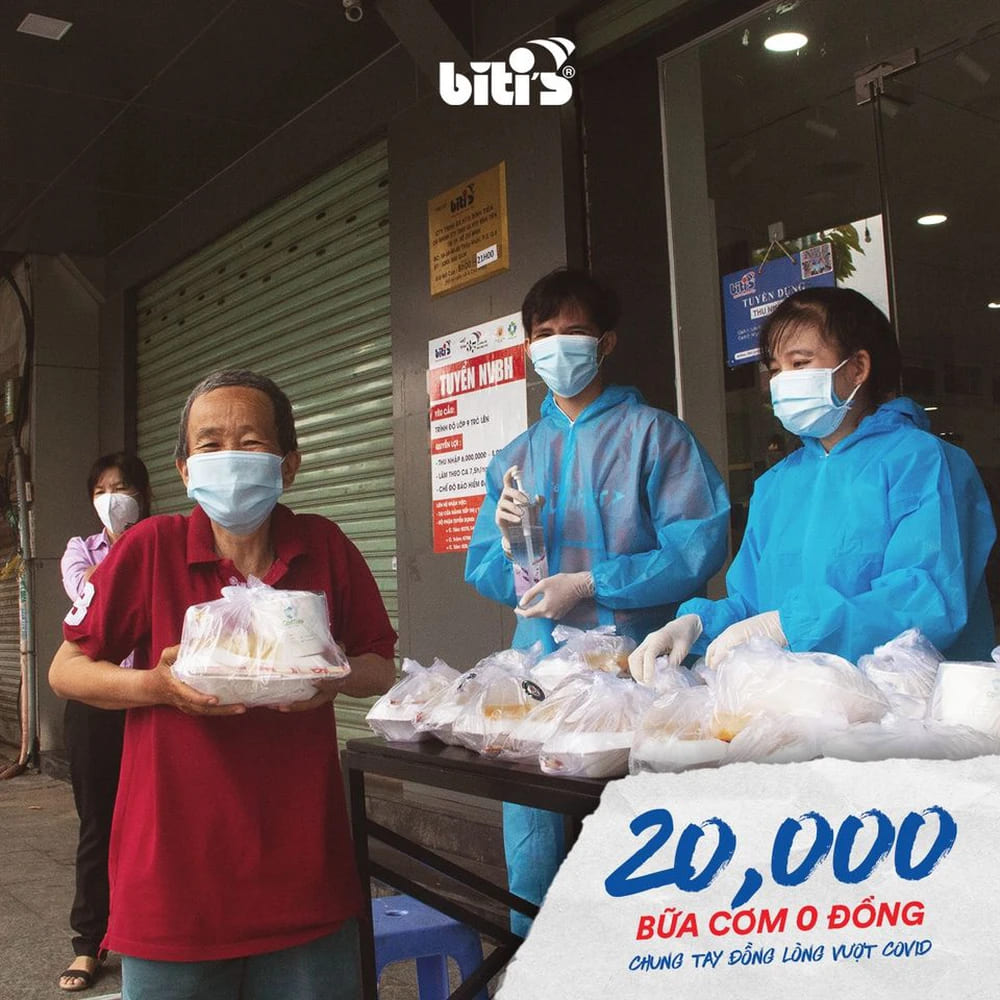
- Community support during the COVID-19 pandemic: VND 4.69 billion
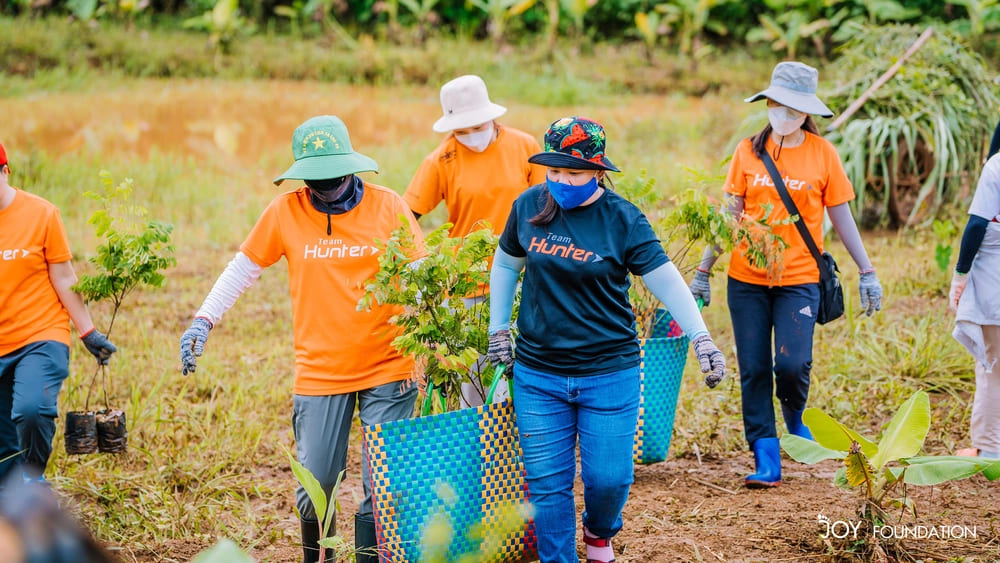
- Environmental care and CSR costs: VND 11.8 billion
- Nurturing Vietnamese Talent Scholarship costs for the Biti's community: VND 4.7 billion
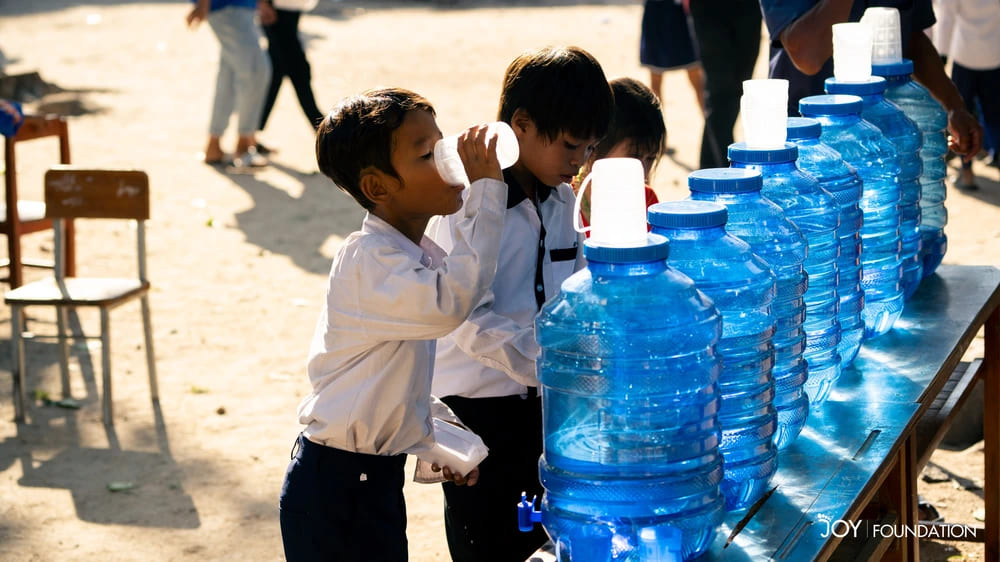
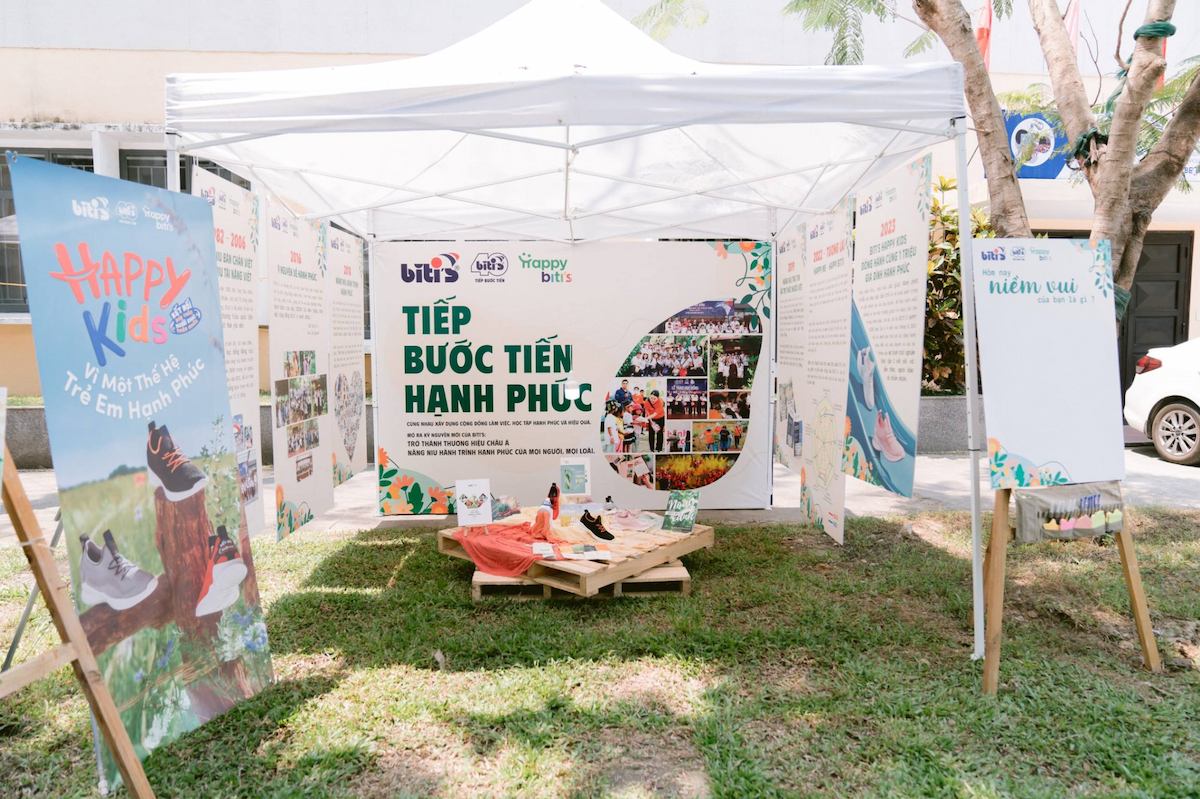
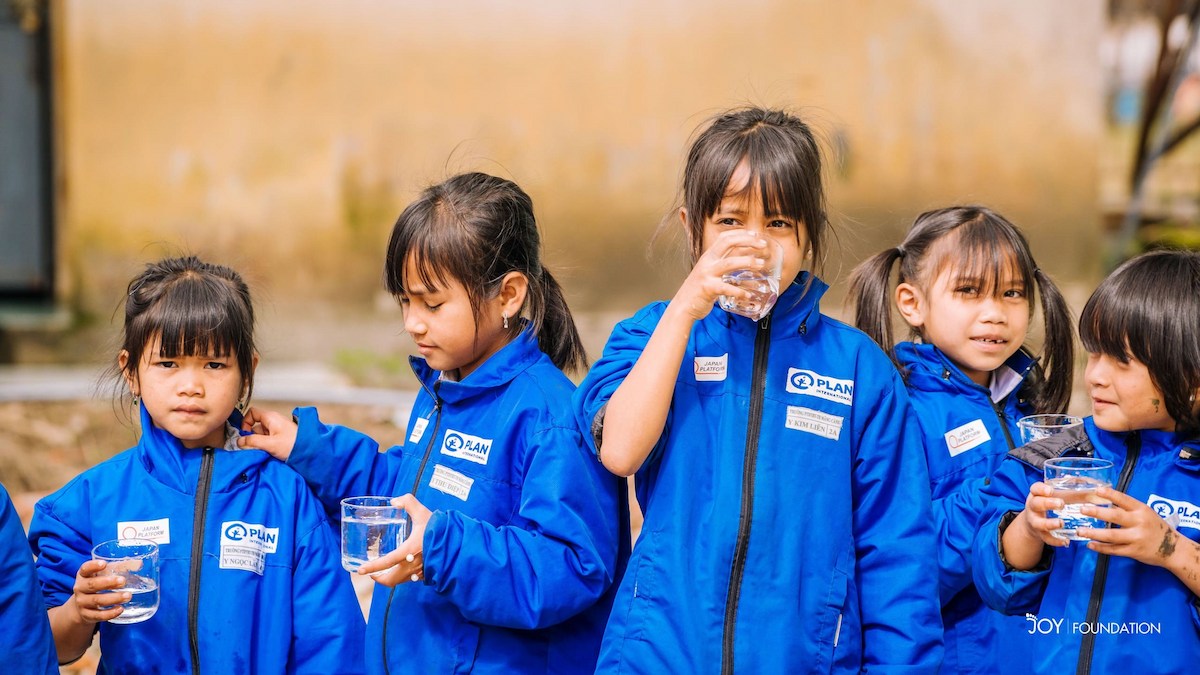
- Contribution to the Happy Schools Project: VND 500 million
From 2023 onwards
The project entered the Expansion Phase. During this phase, the Happiness Skills courses were refined and delivered to all employees. The leadership team also continuously evaluates and improves the nine GNH dimensions as well as business-related issues. Costs for this phase include:
- Happiness skills training costs: estimated VND 1.6 billion per year
- Community vitality and environmental care costs: estimated VND 4.3 billion per year
- Nurturing Vietnamese Talent Scholarship costs for the Biti's community: estimated from VND 1 billion per year
- Contribution to the Happy Schools Project: VND 3.55 billion (as of 2025)
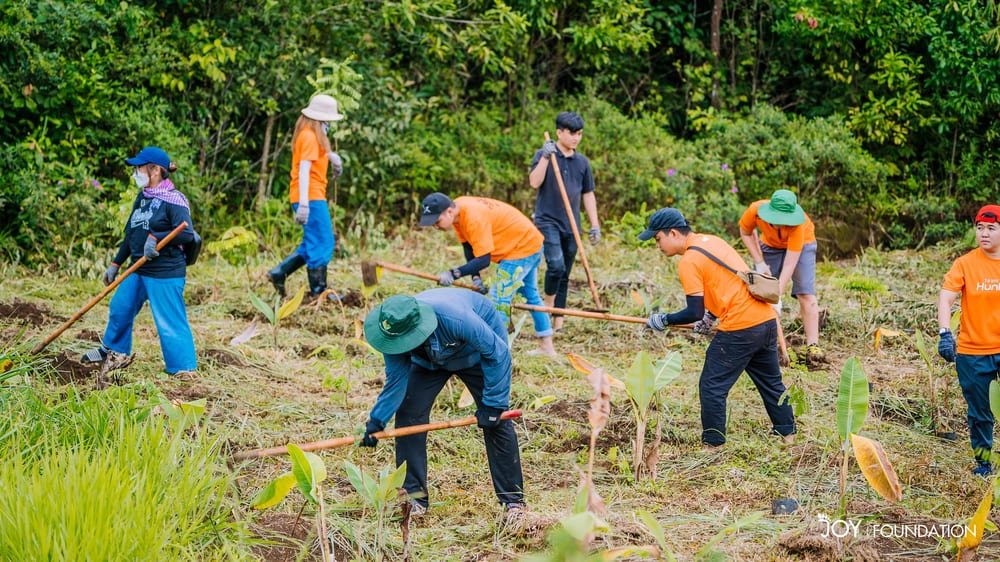
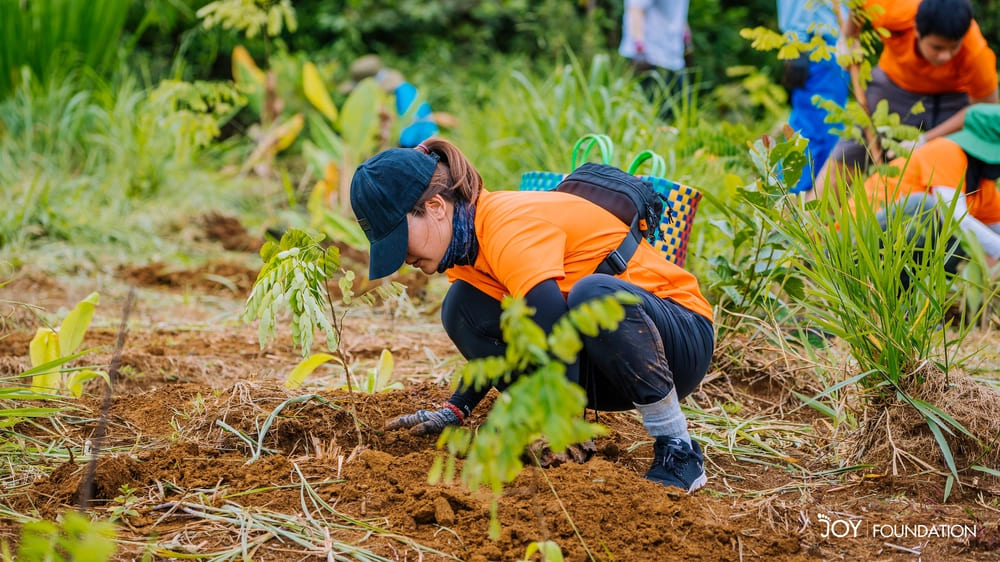
The company has recorded positive outcomes in both operational performance and internal engagement. A total of 10,000 employees have participated in the projects, reflecting a high level of workforce involvement. Labour productivity maintained steady growth, increasing by 3.4% during the 2018–2022 period, while average employee income increased by 7.2%, demonstrating improvements in both performance and employee welfare. In addition, the employee participation rate in internal activities reached 94%, reflecting a strong organisational culture. Notably, 14,500 trees have been contributed, creating positive environmental impacts and reinforcing the company's social responsibility.
Happy Biti's is not only a project but also a philosophy and methodology for building organisational and community culture. Happy Biti's continues to be expanded at multiple levels, from individuals and departments to factories and retail stores. Within the business community, the Happy Biti's model can be regarded as a comprehensive approach to supporting employee happiness.
To successfully expand Happy Biti's, five key factors should be recognised as the foundation for replicating this model.
- Firstly, the vision of the organisation's leader and the support of senior leadership are the key to the project's success.
- Secondly, leaders must embody the values they advocate before promoting them to employees.
- Thirdly, the project should be viewed as a living entity that develops naturally, without being rushed, allowing those involved sufficient time for reflection and transformation.
- Fourthly, GNH is a new model, and those implementing it must be willing to conduct research, experiment, make mistakes, and remain comfortable with uncertainty, particularly during the early stages.
- Fifthly, create opportunities for participants to form communities and practise together within the workplace.
After four years of implementation, Biti's has shifted from a management style based on fear to one founded on greater compassion, supported by a new vision and mission. This revolution will serve as a powerful and lively source of inspiration for businesses and organisations in Vietnam to learn from and replicate the Happy Biti's model.
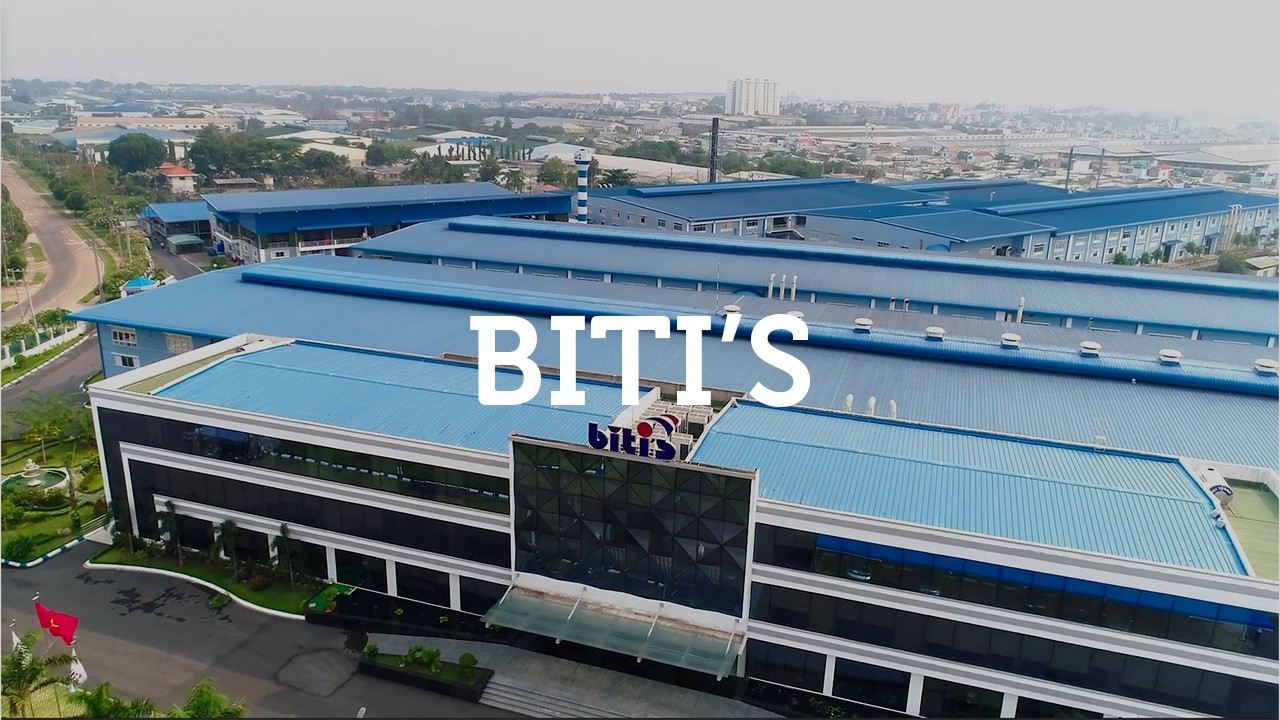
Happy Biti's
Case Ownership
Hosting Organisation: Binh Tien Consumer Goods Manufacturing Company Limited (Biti's)
Collaborating Partners: Dr Ha Vinh Tho, Bhutan GNH Centre, Happy Schools Project
Stakeholders and beneficiaries: Biti's employees across the entire organisation; Biti's leadership team, senior managers, departments, factories, and retail stores; The Biti's internal community and employees' families; Communities benefiting from CSR, environmental initiatives, and scholarship programmes; Businesses and organisations that can learn from and replicate the happiness culture model
Source: Human Act Prize
The copyright and legality of all images, videos, information, and data regarding the project published on this landing page are provided by and are the sole responsibility of the individuals/organizations registering for the Human Act Prize. The republished content on this landing page has been verified and authorised by VCCorp Corporation (the co-organiser of the Human Act Prize).
Specific SDG targets
SDG 3.4
Reduce premature mortality from non-communicable diseases and promote mental health and well-being
SDG 3.d
Strengthen the capacity for early warning, risk reduction, and management of national and global health risks
SDG 8.5
Achieve full and productive employment and decent work for all women and men
SDG 8.8
Protect labour rights and promote safe and secure working environments for all workers
SDG 4.4
Substantially increase the number of youth and adults with relevant skills, including technical and vocational skills, for employment, decent jobs, and entrepreneurship
SDG 4.7
Ensure that all learners acquire the knowledge and skills needed to promote sustainable development