The "Sang Laundry" project aims to improve livelihoods for the deaf and hard-of-hearing community and enhance the broader social status of people with disabilities.
The project was launched in December 2020, addressing urgent social issues such as employment for people with disabilities - particularly deaf individuals - while also raising public awareness about this community. Key challenges include limited employment opportunities, low social awareness, and barriers to confidence and social inclusion.
To tackle these issues, Sang Laundry not only creates job opportunities but also builds a supportive work environment that enhances public awareness and develops employees’ skills. The approach involves establishing a sustainable enterprise operated by deaf/hard-of-hearing staff in the laundry service sector, combined with structured vocational training programs. The project also emphasizes community-building and partnerships with social organizations to generate long-term and wide-reaching impact.
Vietnam has about 2.5 million deaf/hard-of-hearing individuals, accounting for 2% of the population with disabilities. According to the 2016 National Survey on Persons with Disabilities, only 32.64% of people with disabilities participate in the labour force (including those working or seeking work). Only about 10% of adults with hearing and communication disabilities are employed.
A 2019 employment research report in Hanoi conducted jointly by iSEE and Sang found that 85% (27 out of 31) of interviewed deaf individuals earned between 1.5–2 million VND per month - below the regional minimum wage (4,180,000 VND/month). Most worked in low-skilled, repetitive jobs requiring minimal communication, such as sewing, embroidery, restaurant assistance, shoe polishing, construction assistance, street food vending, handicrafts, statue polishing, Photoshop work, printing workshops, copying paintings, etc.
These situations can stem from:
- Deaf individuals use their own sign language. Access to education is limited due to the lack of widespread sign language use in schools, insufficient teaching materials, and limited accessible learning resources. This results in low educational attainment and reduced employment opportunities.
- Vocational training faces similar barriers. Teachers often cannot communicate effectively with deaf students, and the number of qualified sign language interpreters in Vietnam remains limited.
- Communication barriers restrict employment access. Deaf individuals may not fully understand job descriptions or effectively present their capabilities to employers.
Key innovations of Sang Laundry include
Social franchising model: By franchising the "Sang Laundry" brand, the project expands its scale while enabling others to participate in social entrepreneurship that supports people with disabilities.
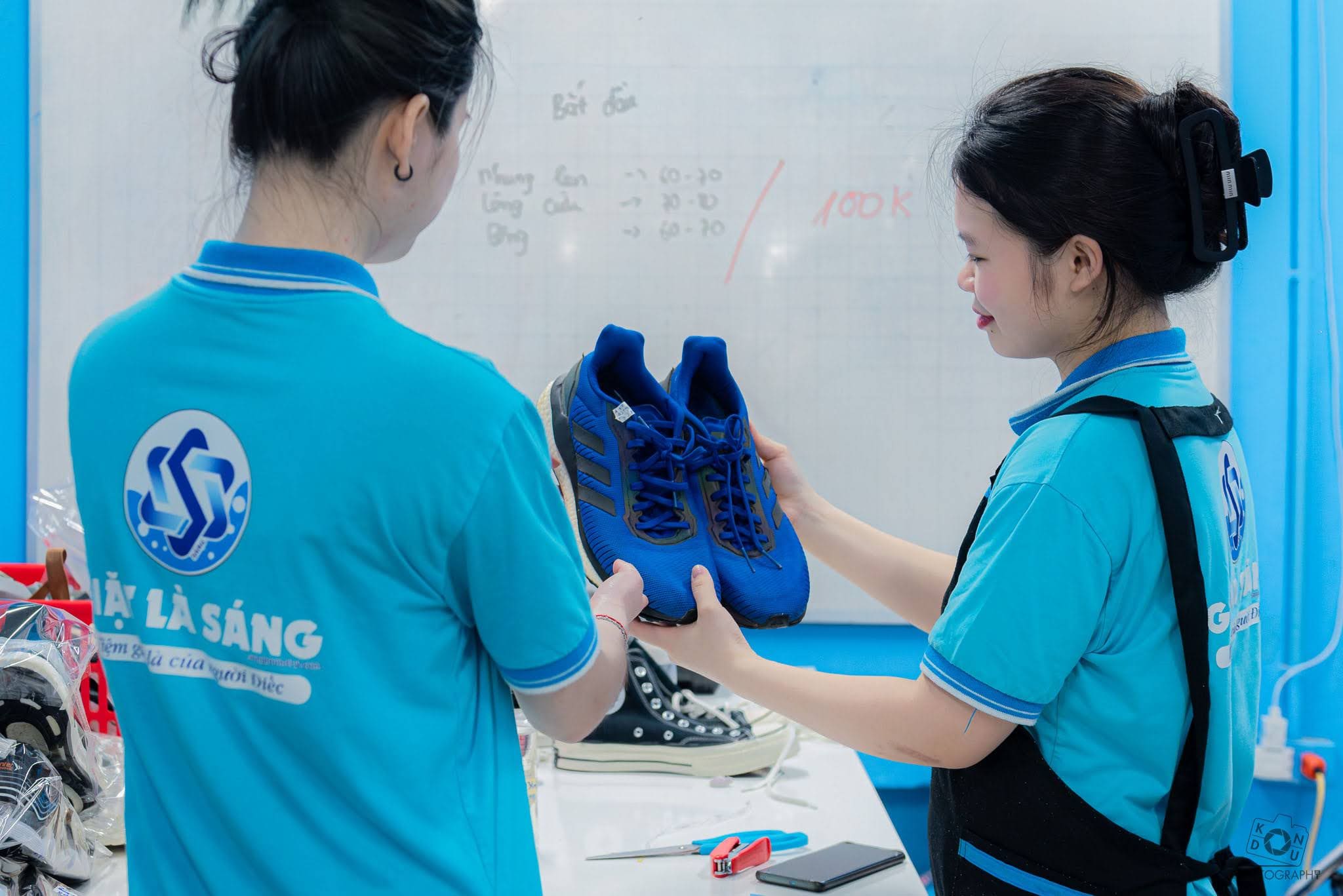
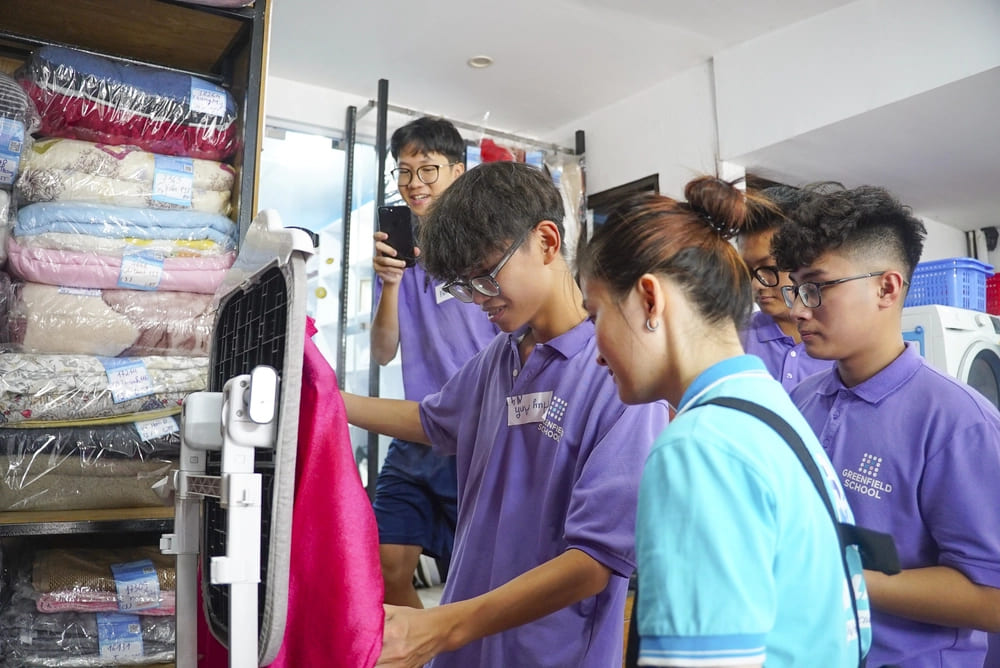
Specialised training for the deaf: Sang Laundry's unique proposition also included a tailored laundry training curriculum combining theory and practice, using visuals, videos, and sign language to ensure effective learning.
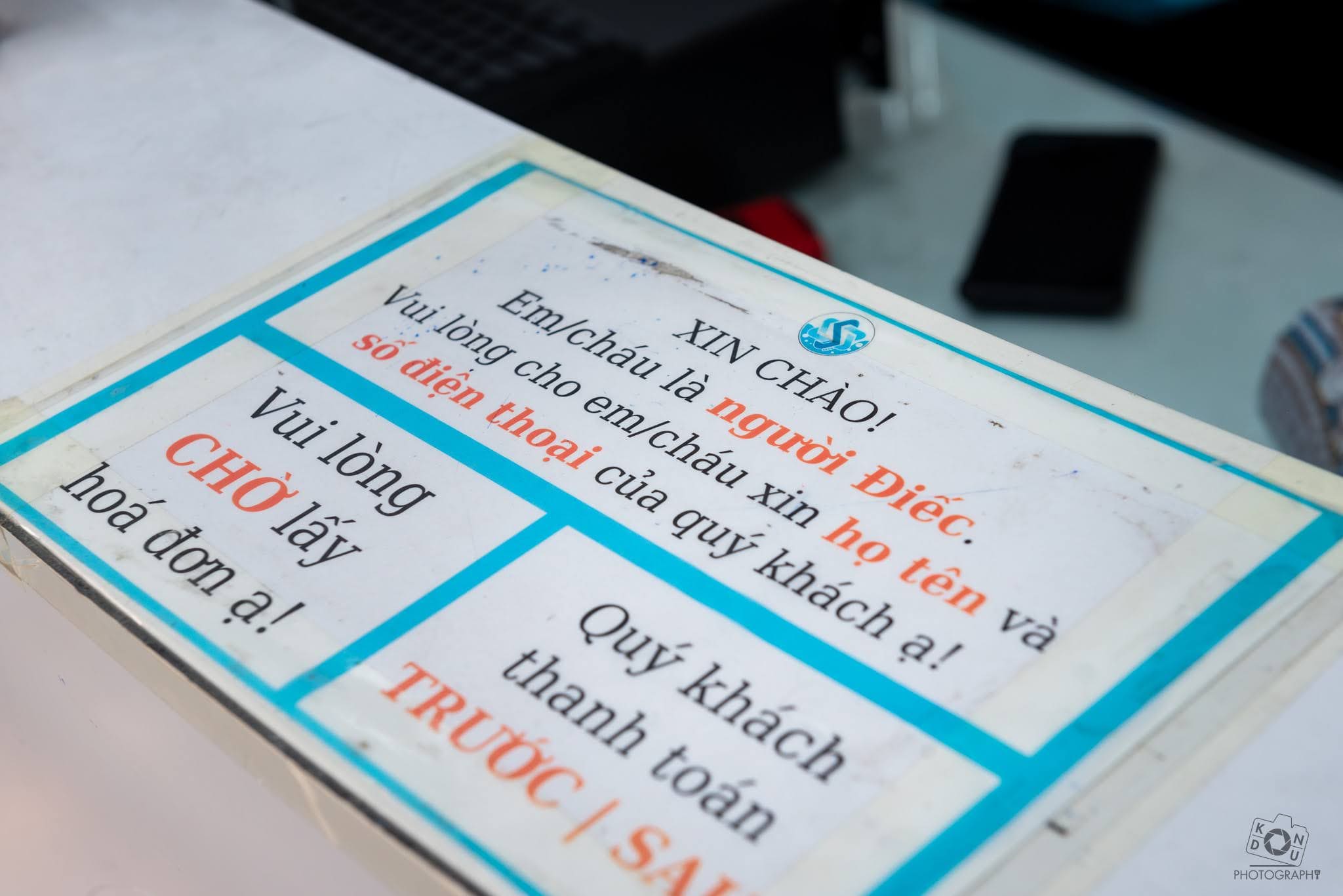
Building an effective communication system: To overcome language barriers, the project developed communication tools including information boards, mobile applications, and sign language interaction.
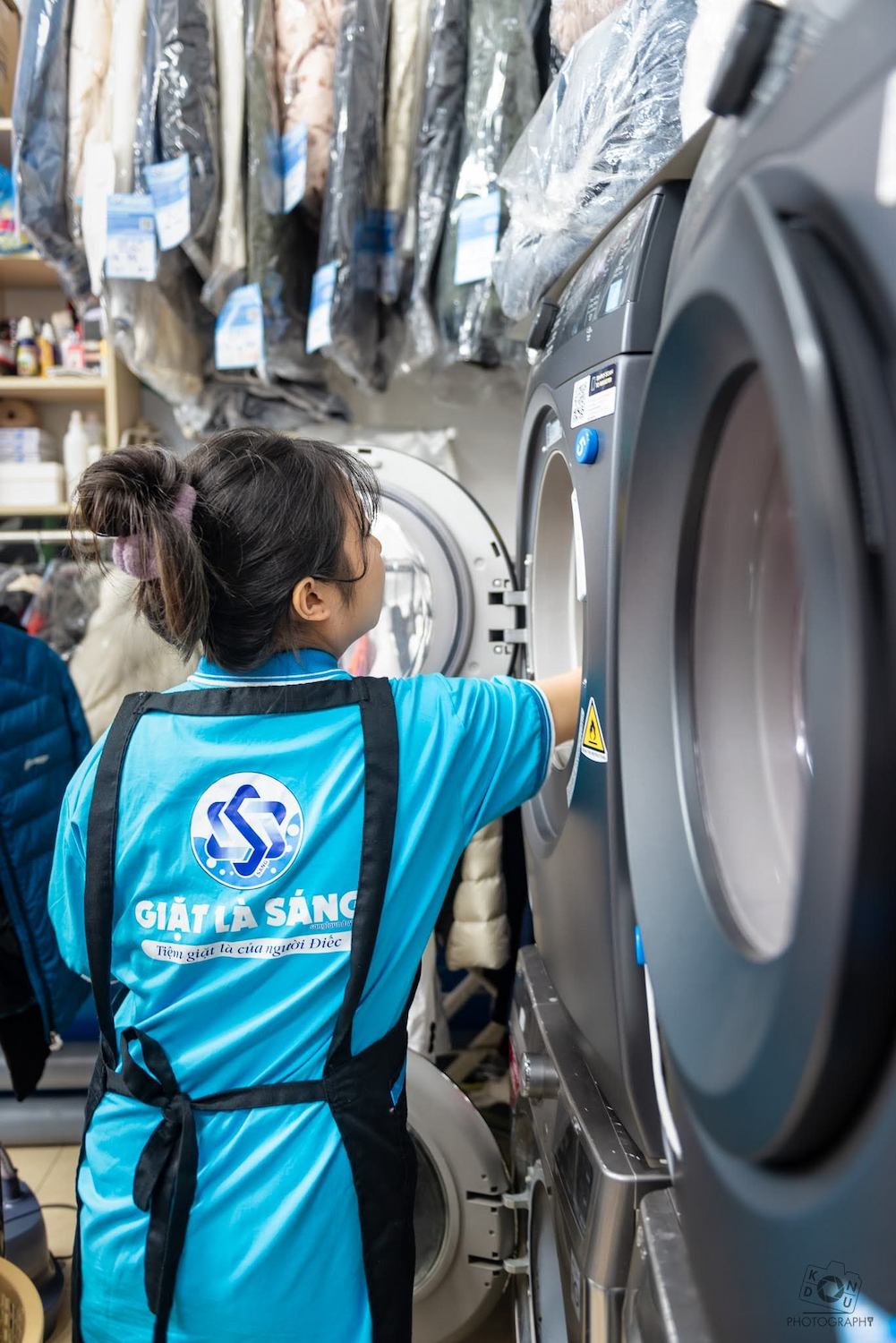
Integrate technology into production process: Modern technologies such as Lark, Odoo, order management software, online booking applications, and modern washing machines improve productivity and service quality.
Gathering the hard-of-hearing community: Beyond employment, the project fosters a supportive deaf community where members share experiences and grow together.
Unique project features that tackle the core issues
Shifting social perceptions: The project has helped change the way society views the deaf community, proving that they are fully capable of working and contributing to the community.
Creating equal opportunity: The project has created a level playing field for deaf people, giving them the chance to grow personally and prove their worth.
Developing a sustainable business model: The franchising model has made the project sustainable and allowed it to be rolled out across different regions.
Other factors contributing to the project’s success
A passionate founding team: The founders have a deep-seated drive to support and empower the deaf community.
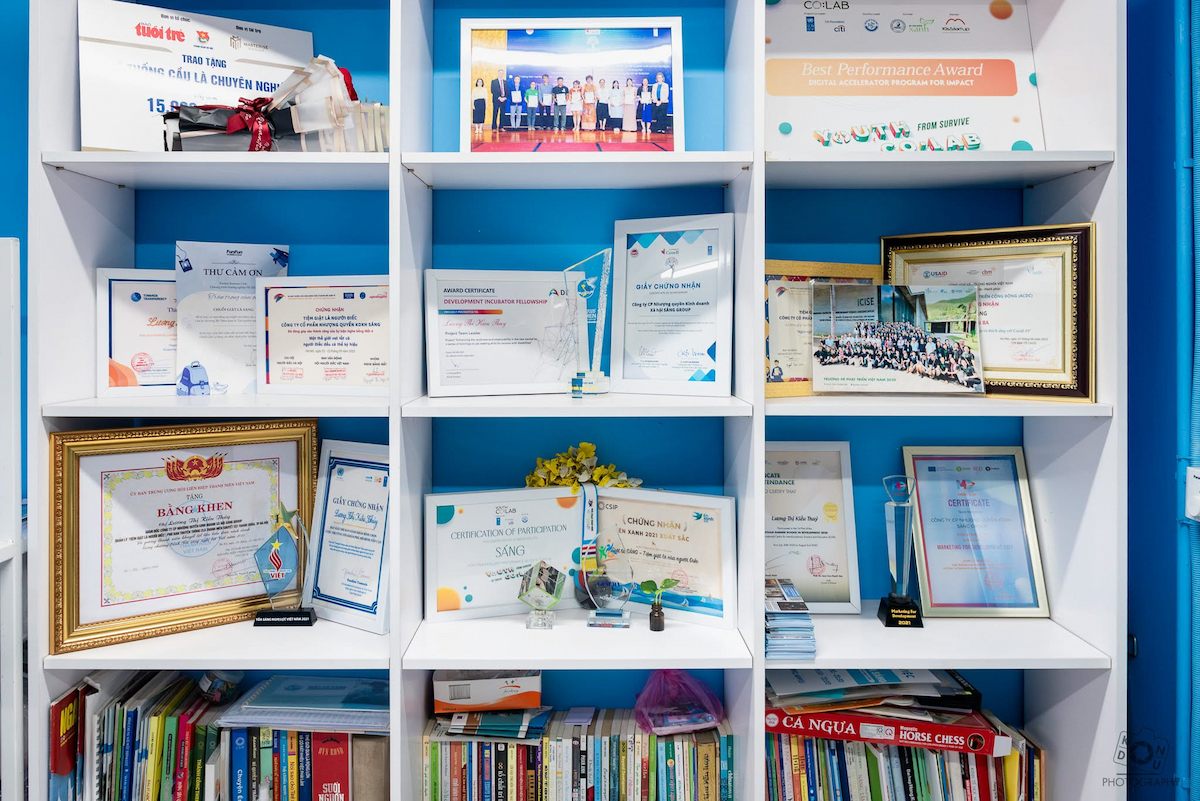
Community support: The project has been backed by various organisations, individuals, and the wider community.
Flexibility and adaptation: The project is always ready to pivot and improve to suit real-world conditions.
These initiatives and innovations have helped turn the Sang Laundry project into a successful social enterprise model that is well worth scaling up.
Vision
To become a pioneering social franchising enterprise for people with disabilities in Vietnam.
Pioneering
Sang aims to lead the way in applying the franchise model to support the community of people with disabilities. Beyond offering products or services, he provides the expertise, insights, and essential tools necessary for others to establish and scale their own sustainable businesses.
Social franchising
This model empowers people with disabilities to become business owners, allowing them to generate a stable income and achieve financial independence.
Society
Sang’s vision extends far beyond profit but is deeply committed to creating meaningful social impact. By empowering people with disabilities, Sang has reduced barriers and fostered a more equitable society.
Vietnam
Sang’s vision sets a clear objective: to empower people with disabilities in Vietnam, giving them the opportunity and contributing to the economy.
Sang’s vision embodies a deeper aspiration: to create a world where everyone - regardless of their abilities - can all succeed and lead a satisfactory life.
Objective
To cultivate a positive workplace where every employee can grow and earn the deserved recognition, and to become a leading enterprise for people with disabilities in Vietnam.
- Positive working environment: The project wants to build a workplace where everyone feels respected and encouraged to grow and feel comfortable raising their voice.
- Development: Sang is committed to investing in employee development, both in terms of skills and capabilities.
- Social recognition: The company aims to build a positive image for society, recognised as a socially responsible enterprise.
- A large-scale company for people with disabilities in Vietnam: This objective has shown that Sang has not only aimed to support people with disabilities but also thrived to compete with other enterprises in the market.
This objective has shown that the company has not solely focused on supporting vulnerable groups but also headed towards constructing a sustainable and developed enterprise. Through fostering a decent workplace, Sang has both attracted dedicated employees and imprinted a strong working culture.
Implementation Process - Scope - Budget
Project Launch (December 2020)
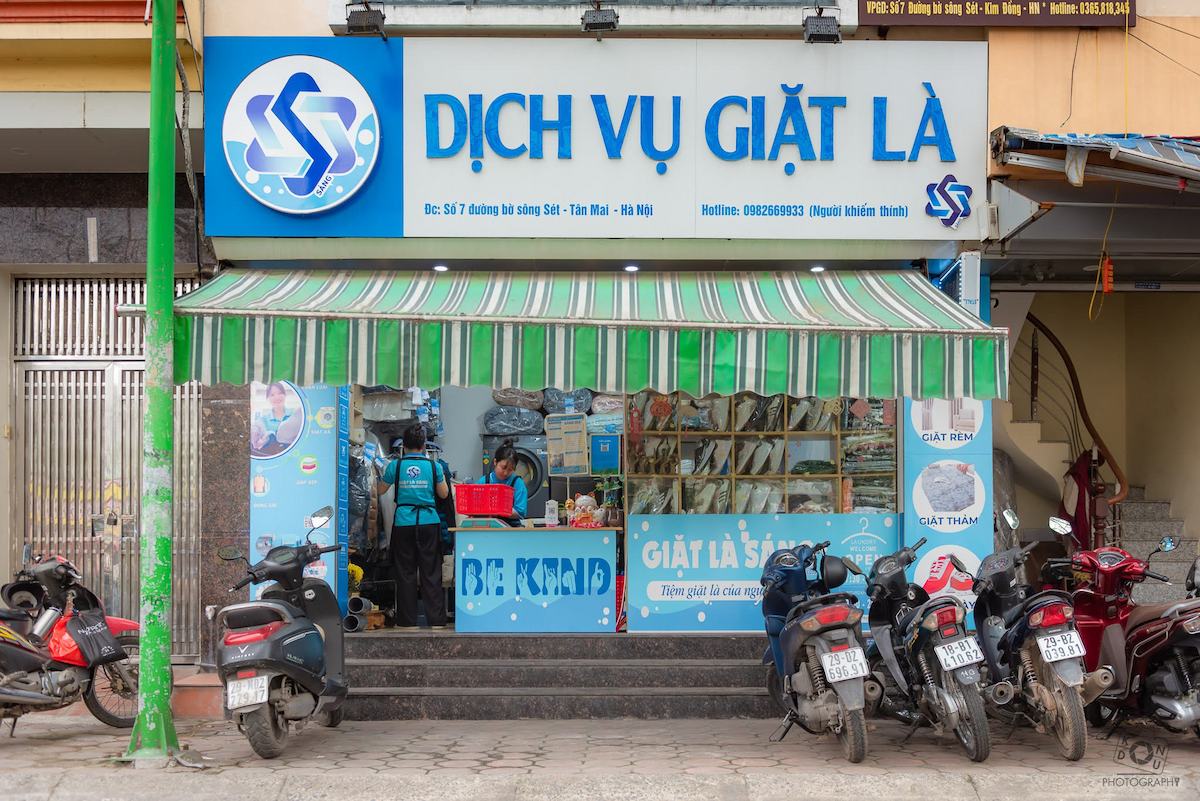
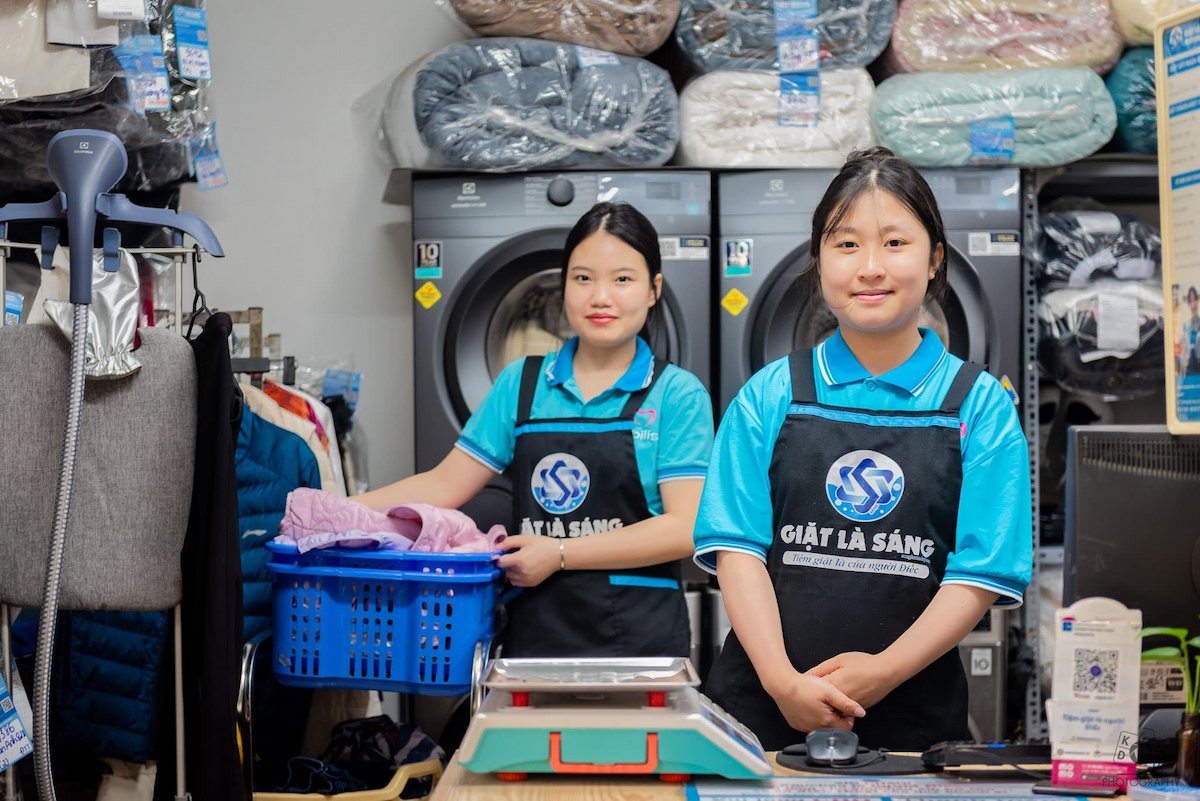
The Sang Laundry project began in a modest facility along the Set River in Hanoi, with the core mission to create jobs and improve livelihoods for the hard-of-hearing community. The founding team set a bold vision: to build a laundry enterprise entirely operated and managed by hearing-impaired staff.
Model development in Hanoi (2020 - Present)
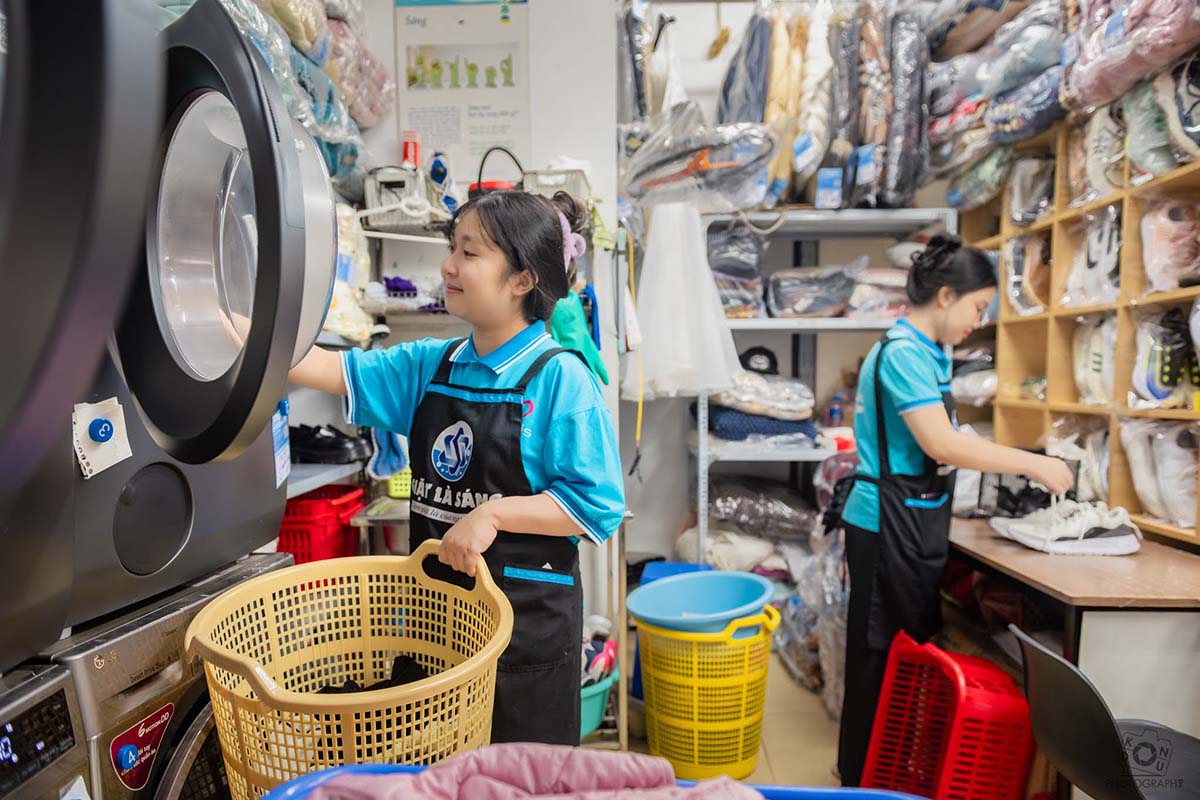
Building on the success of its first facility, Sang Laundry has expanded to two workshops in Hanoi, serving nearly 5,000 customers. The project provides stable employment for 10 deaf and hard-of-hearing staff members, with an average monthly salary of 5.8 million VND. Each workshop now generates a steady monthly revenue of 40 to 50 million VND.
Social enterprise certification and trademark protection (2021)
Driven to expand this model and create even more jobs for the disability community - specifically for the deaf and hard-of-hearing - Sang Laundry has officially registered as a Social Enterprise. We have secured intellectual property protection for the 'Sang Laundry' brand and are now fully eligible for franchising.
Sang Laundry has already achieved significant success in job creation and has made a powerful impression as a deaf-led business in the market. Our model offers three key advantages: Simple operations that maintain high service quality (proven over the last three years), a low investment cost of only 100 million VND (compared to 200 - 300 million VND for other models), and specialised training processes specifically designed to match the unique abilities of our team.
Expansion to Ho Chi Minh City (2022)
In 2022, recognising that Ho Chi Minh City and surrounding provinces have immense economic potential in the laundry industry, Sang Laundry expanded its operations by opening two new stores in the city. This expansion provided professional training and stable jobs for 10 additional deaf and hard-of-hearing staff members. These workshops quickly achieved steady revenue, establishing a solid foundation for sustainable growth in the Southern market.
Implementation in Dong Nai (2023)
Under a high demand for vocational training in Dong Nai - specifically at the Centre for Deaf Cultural Promotion, the highest educational institution for the deaf in Vietnam - Sang Laundry has expanded its model to this region.
Social impact achieve through "Sang Laundry model"
This initiative has proved the immense social value and impact of our business model, especially to the hard-of-hearing community in Vietnam. Below are some highlights:
- Generate stable jobs: The model has provided stable employment for a significant number of deaf individuals, enabling them to make ends meet and achieve financial independence.
- Elevate social position and change public perception: Beyond employment, this initiative has transformed public perception, proving that deaf people are fully capable of working and contributing to society.
- Skill development: Through their roles in the workshops, they develop essential soft skills such as teamwork, communication, and a strong sense of responsibility.
- Social Inclusion: This journey fosters better community integration, paving the way for a more inclusive and equitable society.
- Inspiring entrepreneurial spirit: This model stands as a powerful testament that people with disabilities can thrive and succeed in business - an inspiration to many others facing similar challenges.
- Develop local economy: Expanding this model across various provinces has created jobs, increased local incomes, and generated lasting social value for all.
Quantitative results
Four values the project has harnessed in the sustainable development journey:
- Economic issue: Deaf and hard-of-hearing individuals face a severe lack of suitable job opportunities and low wages. According to a 2019 iSEE and Sang study in Hanoi, their average annual income is only 48 million VND - significantly lower than the national average. For comparison, General Statistics Office data from 2022 shows that the national average monthly income reached 4.67 million VND.
- Educational Issue: There is a profound lack of access to specialised and vocational education. The same study revealed that 25 out of 31 interviewees had not finished primary school. With limited options for higher education, most are forced into low-skilled labour at a very young age. 100% of the classes in their home provinces lack specialised support; deaf students often sit in mainstream classrooms with teachers who do not know Sign Language, leaving them unable to keep up with their peers.
- Inequality issue: Discrimination remains a major barrier, especially in the workplace. While two-thirds of those surveyed are employed, only 41.9% are labourfied with their environment. Many reported receiving a lack of proper guidance and communication barriers, escalating into usual complaints and reprimands from both their customers and managers. This leads to frequent mistakes, unfair penalties, and a deep sense of stigma, compounded by meagre pay. All of this has further marginalised the hearing-impaired to feel oppressed and prevented them from receiving equality and social inclusion.
- Environmental issue: Traditional laundry operations often have a negative impact on the environment (water consumption and chemical waste).
Qualitative results
The program has generated clear and meaningful social impacts. Specifically, 5 laundry shops have been established and are fully operational, contributing to sustainable livelihoods for the community. It also created jobs for 20 deaf and hard-of-hearing employees, expanding equitable labor opportunities for this marginalised group. Through business services, the stores have served 15,290 customers, demonstrating a broad reach and have taught 15 specialised skills and services to enhance professional development capacity, while 51 deaf trainees have received skill-based training – a solid foundation for their social integration and long-term development.
The Sang Laundry model has not only brought deep social values but also stashed an enormous replication capability. Below are some features showing its self-replication ability and easy application or learning:
Feasibility and effectiveness
Clear business model: The laundry service model is proven to be an effective model and generates stable market demand.
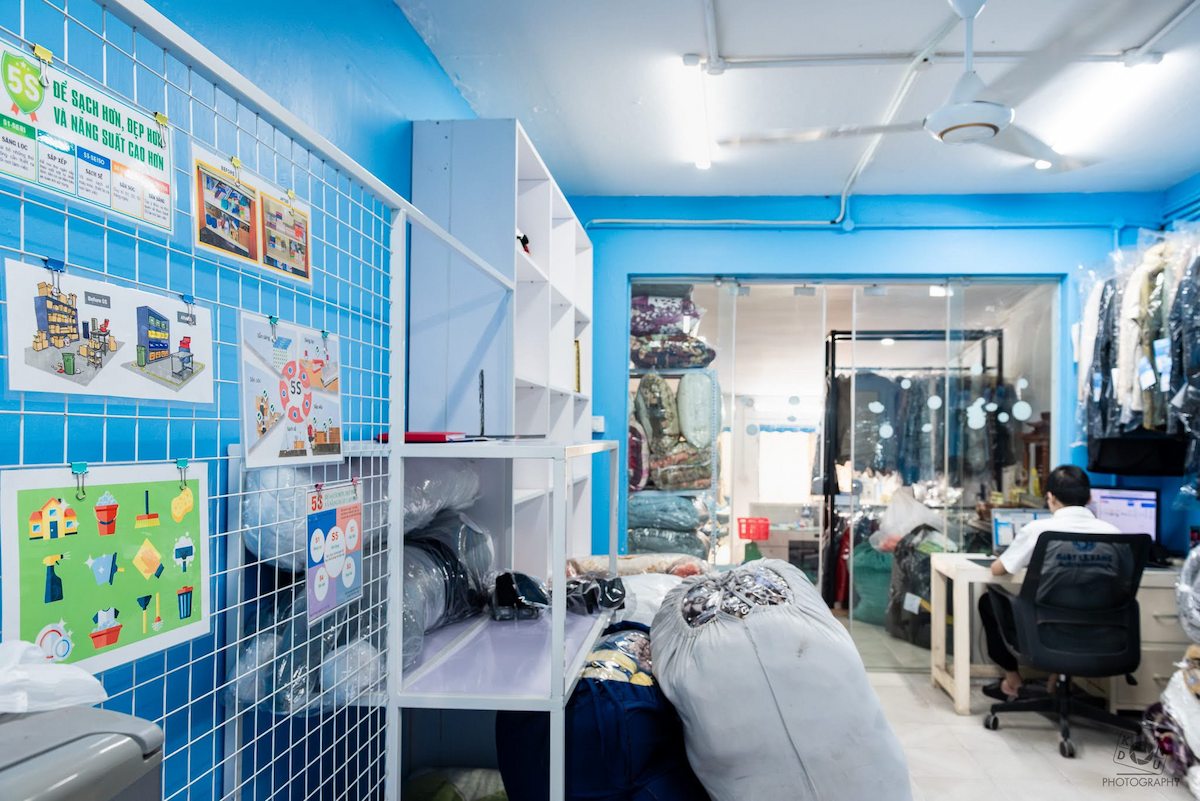
Simple operation process: Production, management and marketing processes from "Sang Laundry" can be easily standardised and delivered.
Profitability: This model has proven that social enterprises can not only bring meaningful values but also generate sustainable profit.
Human and society-oriented aspect
Resolve social issues: The project has created job opportunities for people with disabilities, contributing to social inclusion.
Build community value: Clients are pleased to dedicate themselves to supporting a socially meaningful enterprise.
Attract community attention: Easily receive support from organisations, individuals and the community.
Franchise potential
Clear franchise framework: Ability to build a detailed franchise system, including standard operating procedures, brand identity, and training support.
Flexibility: The model can be adjusted to suit different local contexts and customer segments.
Network building: Franchise outlets form a mutual support network, strengthening the overall brand power.
Ease of Learning and Implementation
Low capital requirement: Compared to many other business models, a laundry setup doesn't require a massive initial investment.
Accessible skill set: Tasks within the laundry are relatively straightforward, and staff can be trained in a short timeframe.
Versatile locations: This model can be applied in both urban and rural areas, as well as across different countries.
Factors Supporting Scalability
Professional training system: Providing courses in management, communication, and sales skills for franchise partners and staff.
Marketing and media support: Assisting franchise partners with branding and product marketing.
Support community: Creating a community of franchise partners to share experiences and back each other up.
Growth potential
Scaling up: Expanding the franchise network nationwide and even internationally.
Product diversification: Beyond standard laundry, services can expand to dry cleaning, steam ironing, and clothing repairs.
Developing other social business models: Applying this framework to other sectors like F&B or handicrafts.
Key Considerations for Scaling
Brand protection: Registering trademarks to prevent counterfeiting.
Quality assurance: Constantly maintaining high service standards to keep customer trust.
Evaluation and improvement: Regularly assessing the model's effectiveness and making necessary tweaks.
Building a professional management team: Ensuring the franchise system runs like a well-oiled machine.
In summary, the Sang Laundry model holds immense growth potential. With its advantages in feasibility, social impact, and franchiseability, it is well-positioned to be a successful social business model that delivers positive change to the community.
Sang Laundry
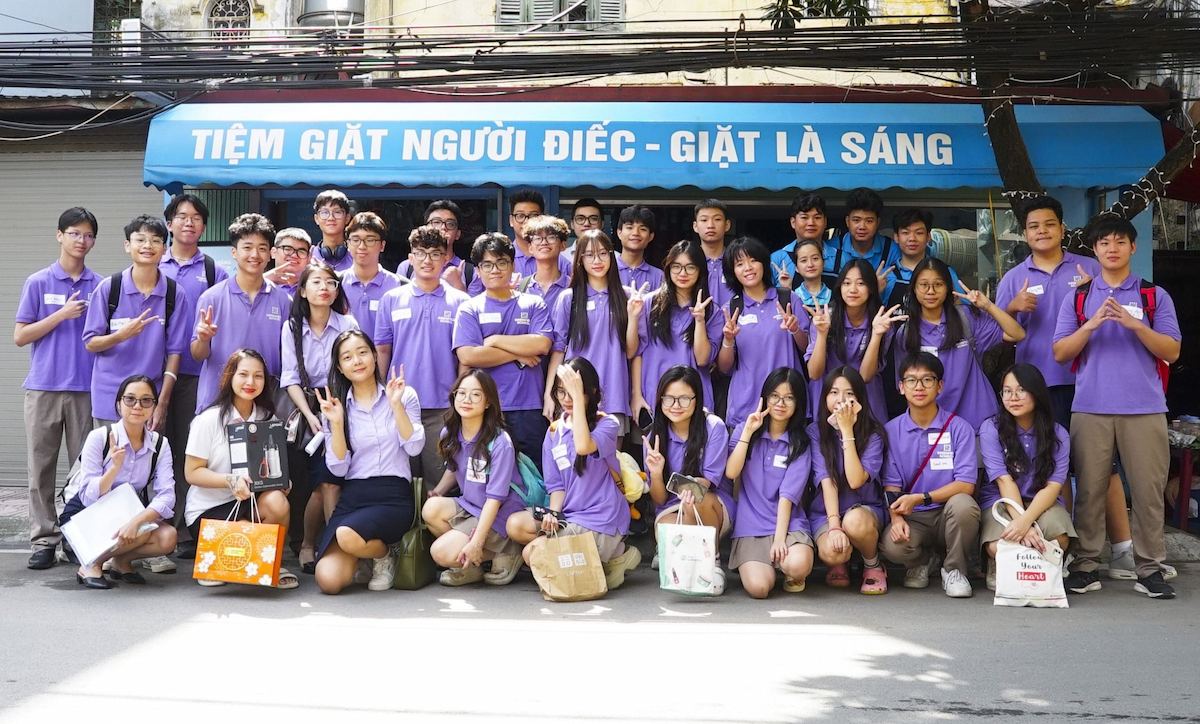
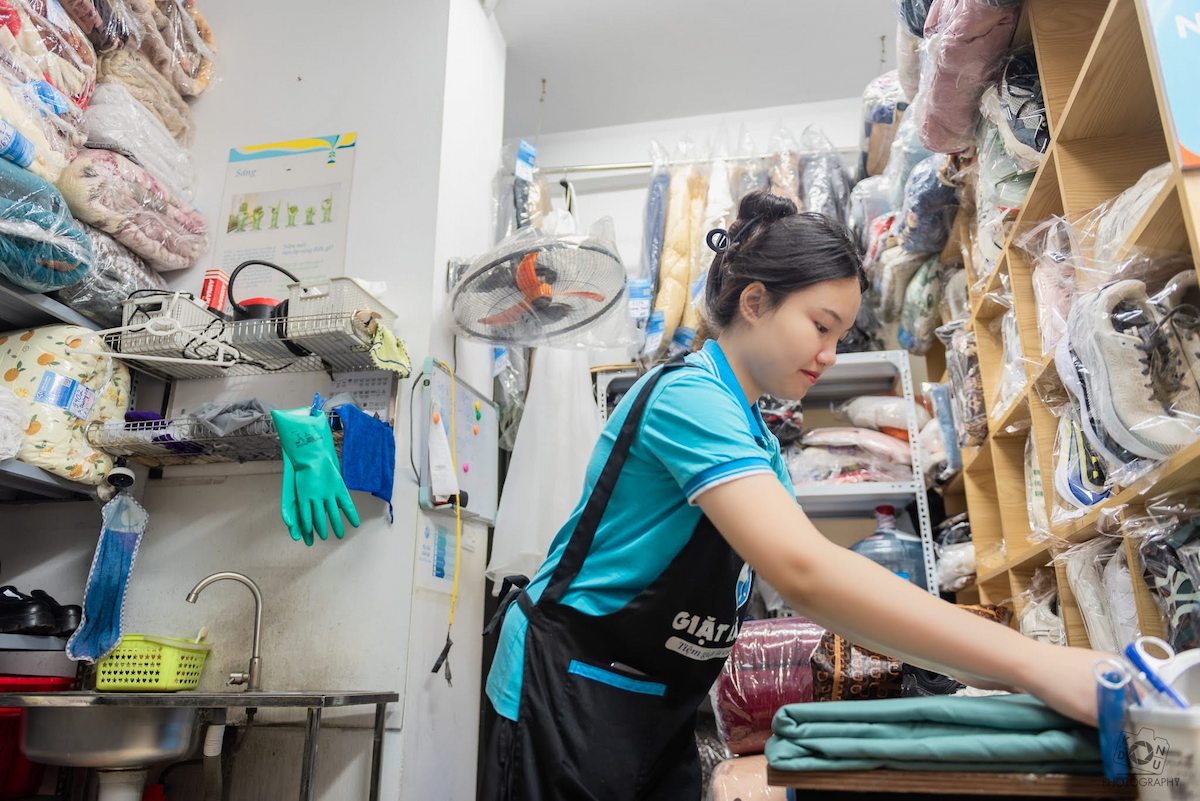
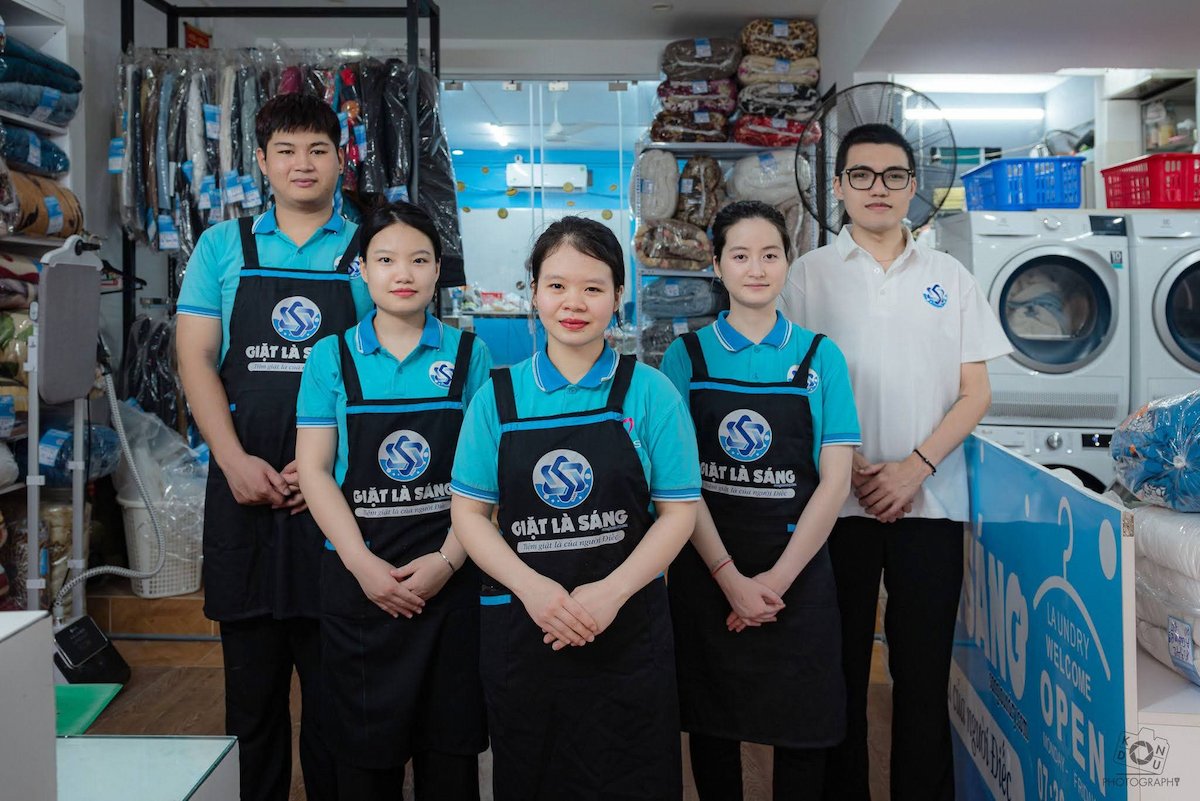
Case Ownership
Hosting Organisation: Sang Group Social Business Franchise Joint Stock Company
Collaborating Partners: iSEE, Deaf Culture Promotion Center, Local social organisations and hearing-impaired community groups
Stakeholders and beneficiaries: Deaf and hard-of-hearing individuals, Deaf trainees in vocational training, Families of Deaf individuals, Customers, Local communities
Source: Human Act Prize
The copyright and legality of all images, videos, information, and data regarding the project published on this landing page are provided by and are the sole responsibility of the individuals/organizations registering for the Human Act Prize. The republished content on this landing page has been verified and authorised by VCCorp Corporation (the co-organiser of the Human Act Prize).
Specific SDG targets
SDG 8.5
Full employment and decent work with equal pay
SDG 8.6
Promote youth employment, education and training
SDG 8.3
Promote policies to support job creation and growing enterprises
SDG 10.2
Promote universal social, economic and political inclusion
SDG 10.3
Ensure equal opportunities and end discrimination