With the slogan "Home at guard, home at border, our fellow countrymen are brothers" the Border Guard has always maintained close ties with ethnic minorities in border and island areas.
After recognising the struggling lives of the people, the Border Guard Command directed agencies and units throughout the force to actively participate in political foundations and enforce the local economy, culture, and society. Many excellent programs, innovative models and methods have been implemented to help students in difficult circumstances attend school, most notably the "Take Children to School" program launched in 2016 and the "Foster Children of Border Guard" program implemented since 2019. These two programs have assisted and provided schooling opportunities for 30,000 students.
During the 2010 - 2015 period, to comprehensively implementing Resolution of the 11th National Party Congress, the Central Government and local authorities introduced many policies and investments to develop the economy and society in border areas, gradually improving ethnic minorities lives. However, there remains relentless issues compared to other regions such as limited local political systems; incomplete infrastructure; insufficient health facilities; high rates of illiteracy and re-illiteracy, and students without learning support or dropping out; many outdated customs and habits, with some traditional cultural activities being neglected, appropriated, distorted,... Hostile and reactionary forces may took advantage of these conditions to promote "peaceful evolution" strategies. The political security, social order, and safety situations along the borders were basically stable but still contained potential complexities.
In 2016, the Party Committee of the Border Guard Command (BG) launched the "Take Children to School" program to help raise literacy, improve livelihoods, and contribute to the successful protection of territorial sovereignty and national border security in the new situation.
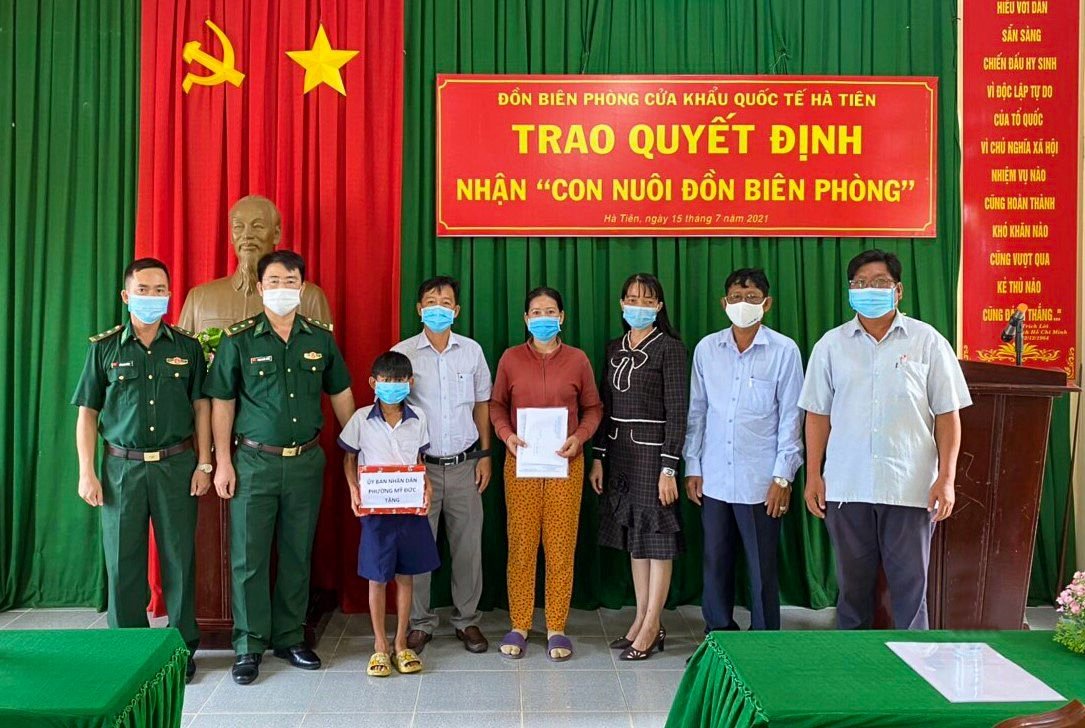
After more than 3 years, many children still faced exceptionally difficult circumstances, lacked the means to study, were at risk of dropping out or uneducated... Local Party committees, authorities, and many families hoped that BG units would continue to care for and help the children even more. From that practical need, the Border Guard Command directed the implementation of the "Foster Children of Border Guard" to elevate ethnic minority children, orphans, children without support, children of martyrs, wounded veterans, and families with meritorious contributions to the revolution...
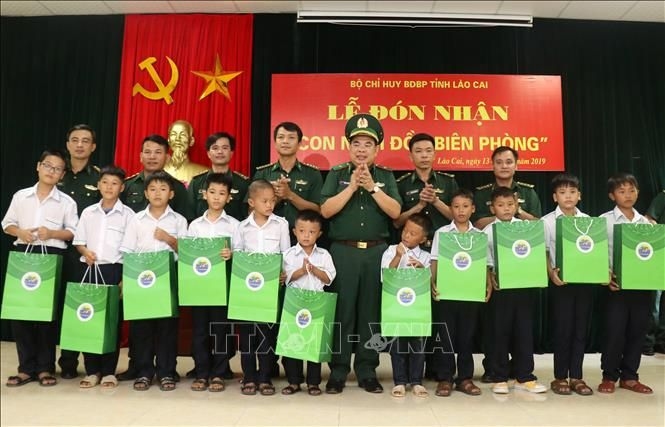
The "Take Children to School" and "Foster Children of Border Guards" programs are implemented continuously year after year, constantly selecting students in difficult circumstances in border areas to foster and support, ensuring they are eligible to attend school.
For children receiving assistance and support
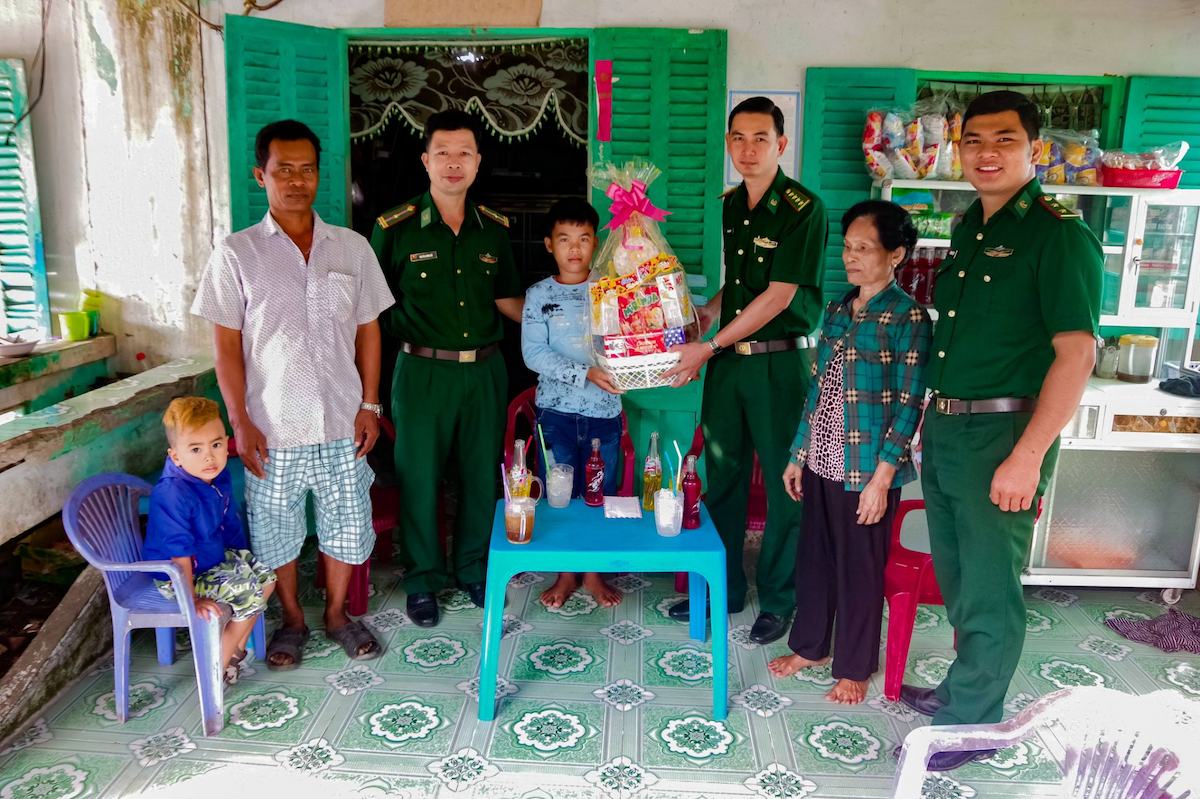
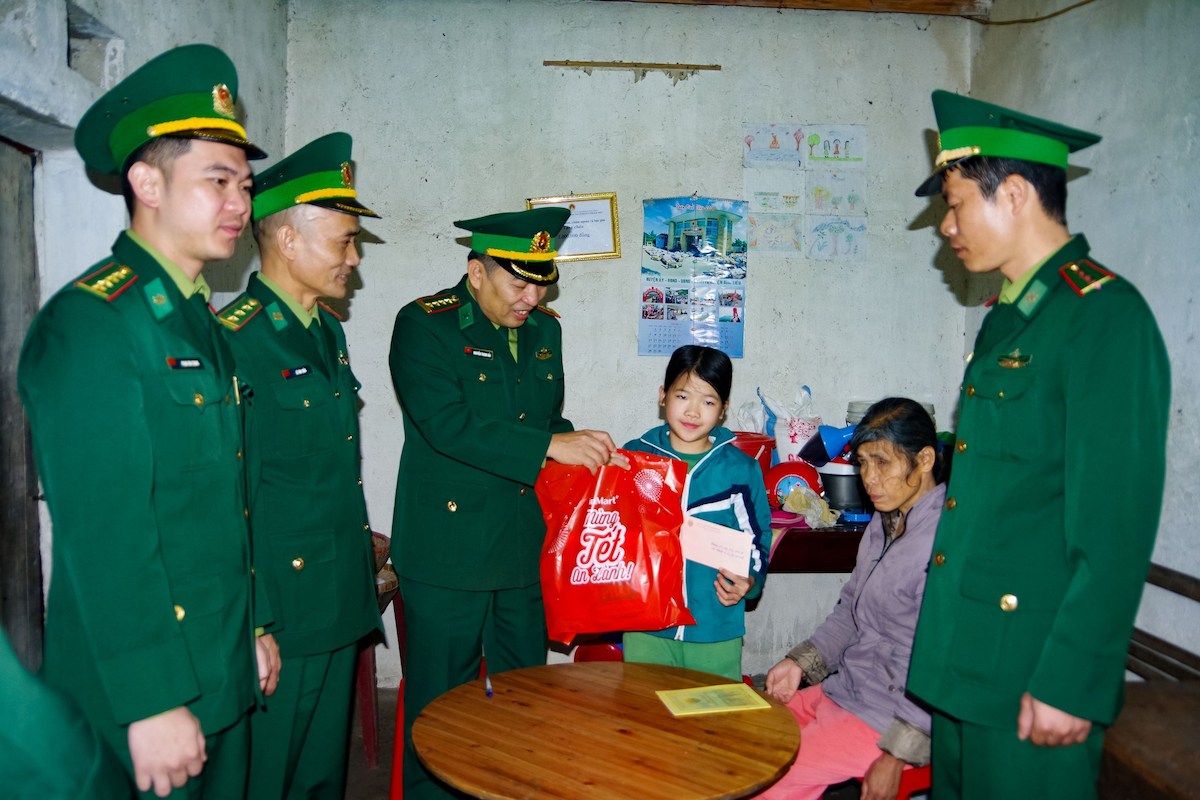
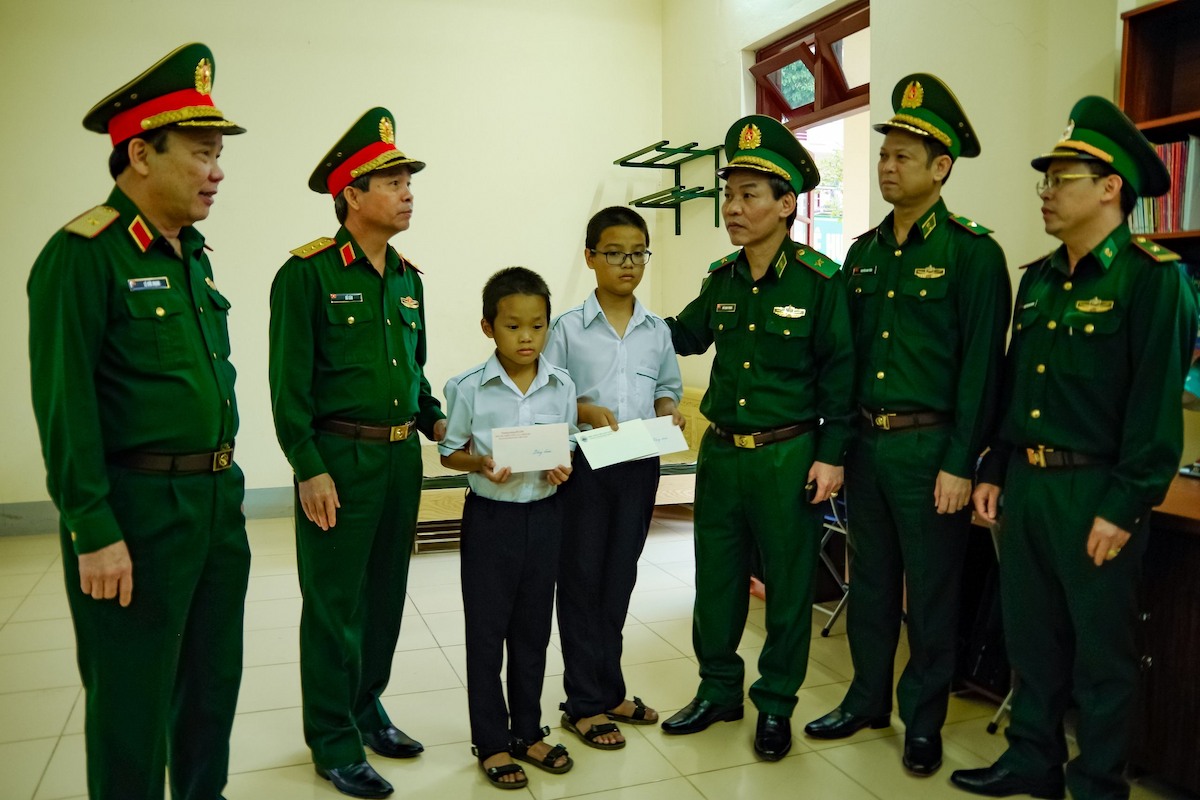
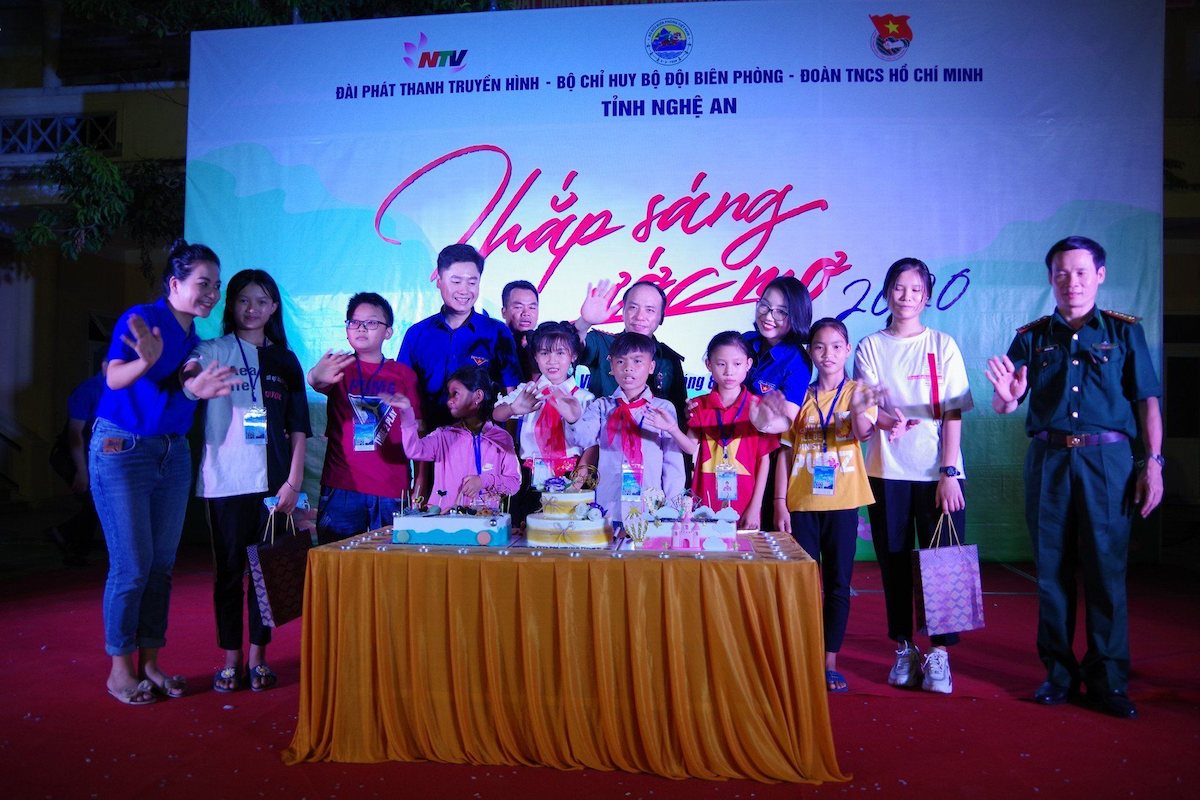
Border Guard stations assign officers to regularly meet and provide material help, spiritual encouragement to overcome difficulties, exchange ideas, and guide the children in studying, training, and physical activities.
Maintain close contact with local authorities, families, and schools where the children received a chance to exchange ideas, monitor learning progress, train responsibility and awareness towards the class, schools, families and communities, with encouragement and reward to those with positive actions and outstanding achievements.
Identify and correct improper actions or deviant behaviors, guide them to be good children, good students, and "Uncle Ho's Good Children".
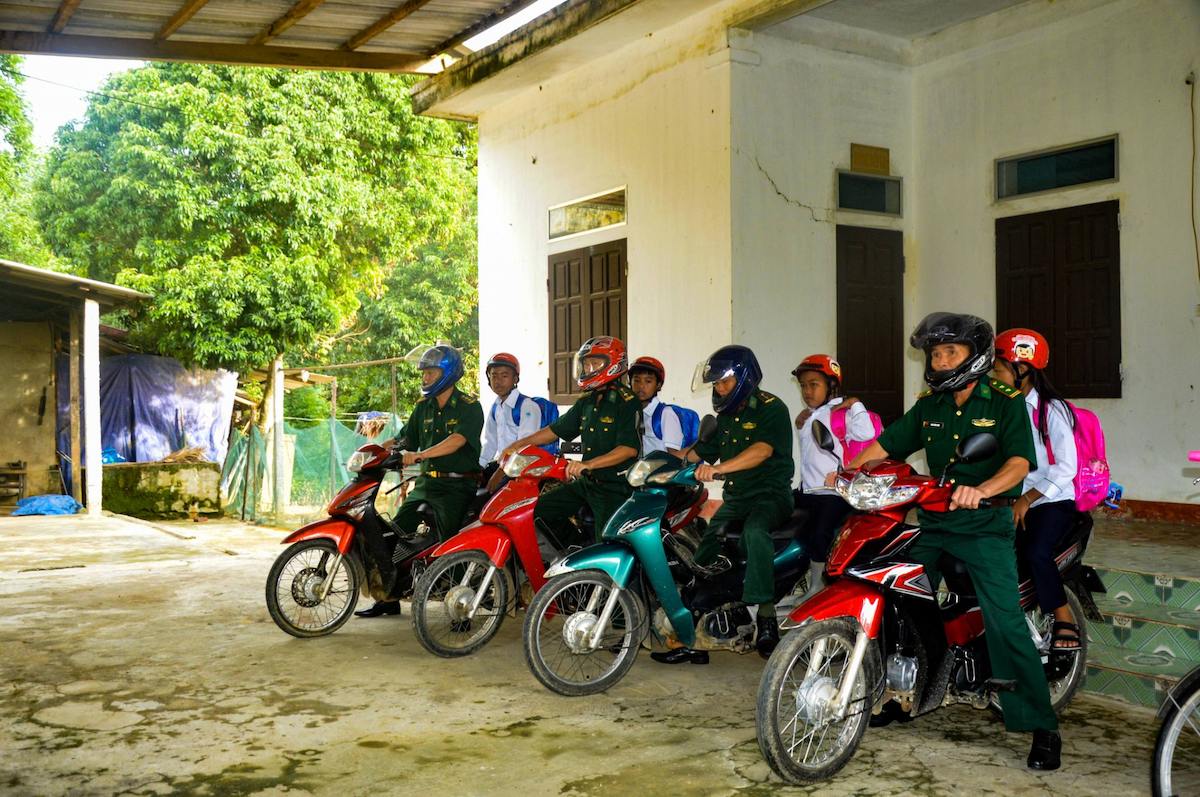
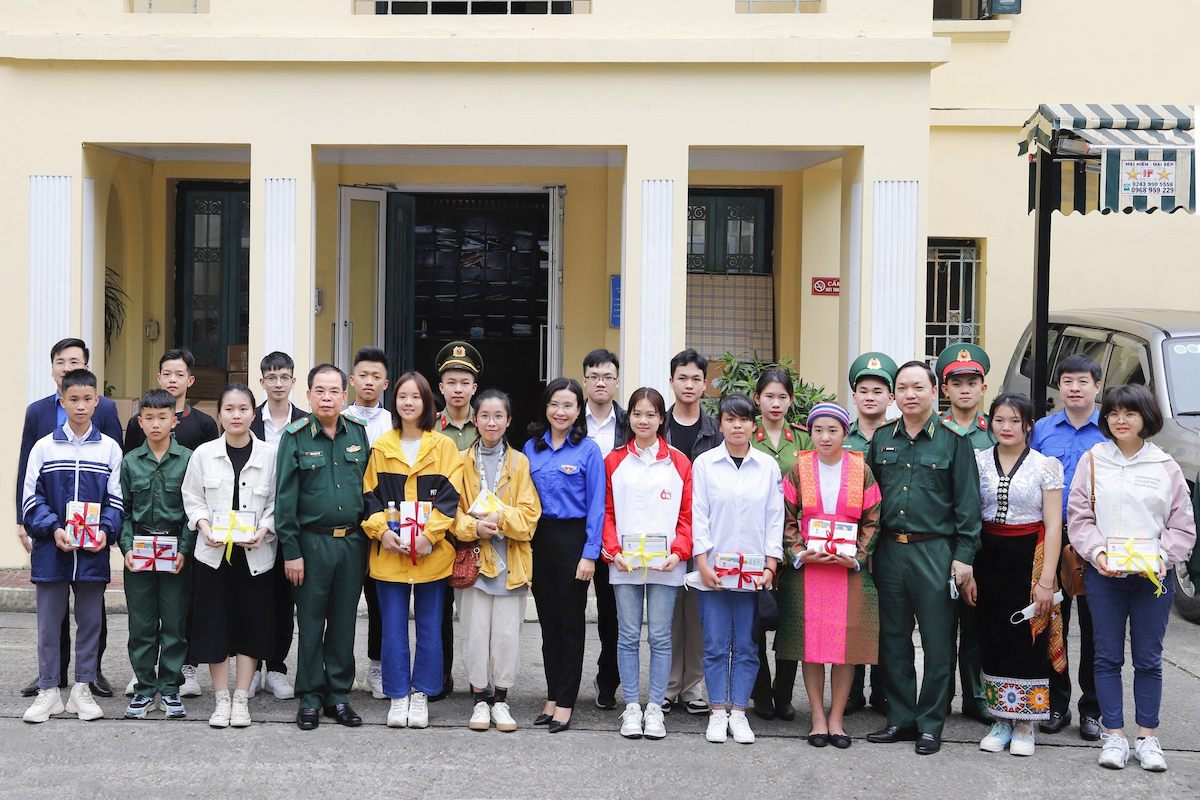
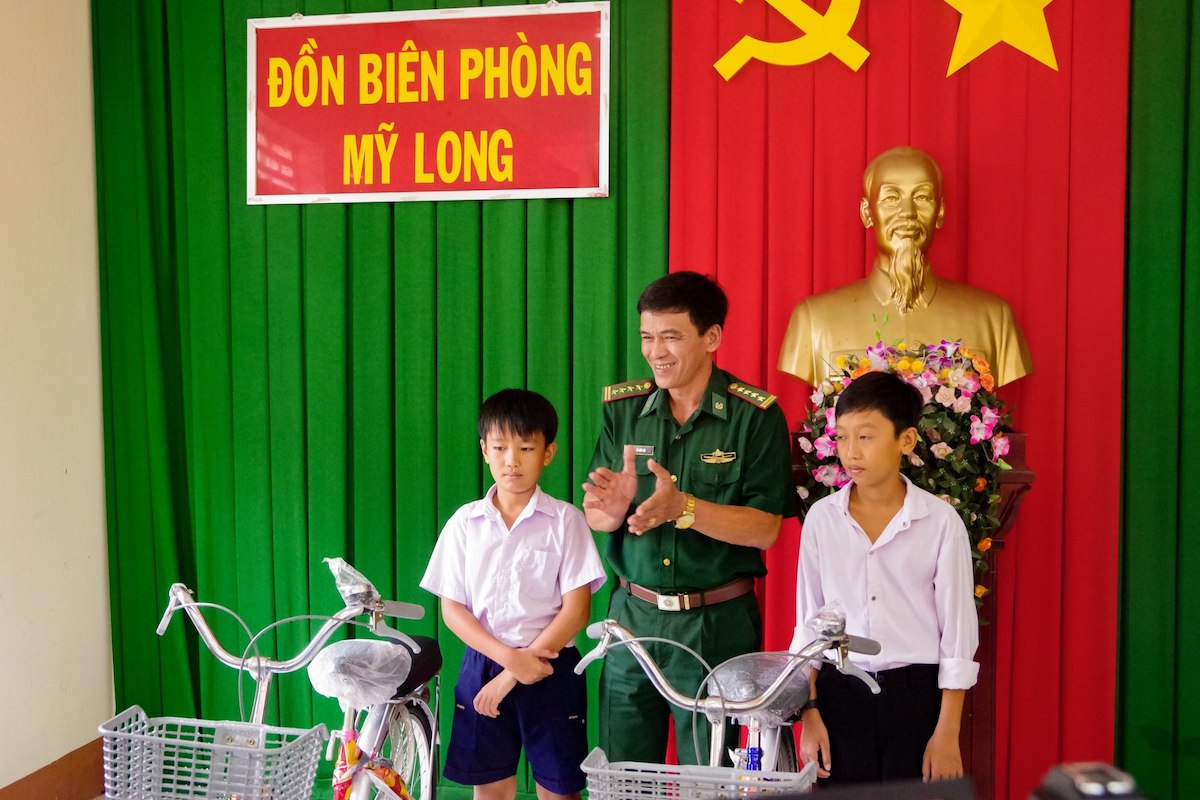
Implement many practical activities to help children have better learning conditions, such as: gifting bicycles, school supplies, clothes, and providing food support, etc.
For fostered children
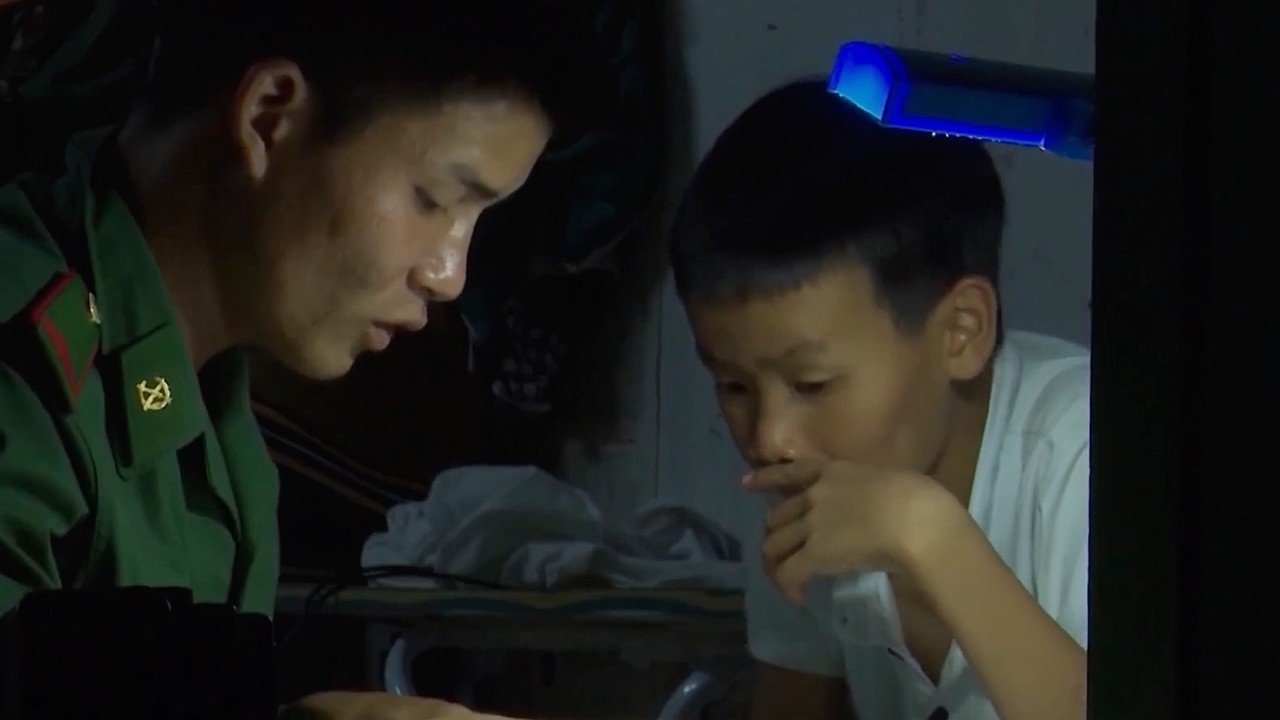
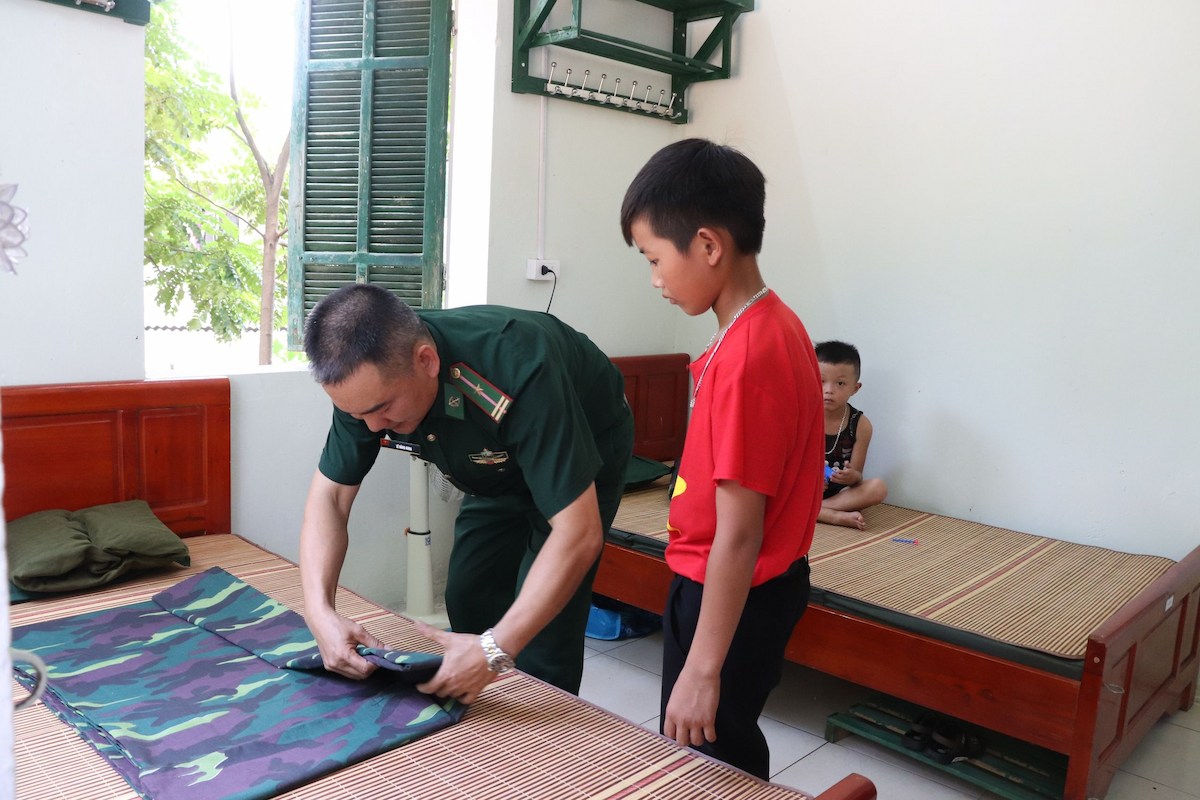
Arrange eating, living, and private study areas for the children; officers and soldiers "treat the children as their own," always considerately guide them in daily life, tutoring, and revision.
Guide physical training to improve health while familiarising them with livestock farming and gardening to develop a sense of self-reliance.
Organize collective activities and skill-building based on each unit's situation.
Timely grasp the children's thoughts, aspirations, and feelings to encourage and share, increase the bond between officers, soldiers, and the children; identify and nurture talents and strengths to help them develop comprehensively.
These activities help create a close and intimate relationship between the Border Guard and the families, officers and soldiers and the children, with many comrades are "fathers, mothers, and brothers" to the children.
The "Take the children to school" and "Foster Children of Border Guard Station" programs were established to foster and support students in difficult circumstances in border areas and ethnic minority students in need, ensuring they have the conditions to attend school.
The program aims to contribute to raise intellectual levels, improve livelihoods, and fulfill the mission of protecting territorial sovereignty and national border security.
Implementation process
"Take the Children to School" program
To implement the Program, the BG Command issued Plan No. 204/KH-BTL dated January 18, 2016, regarding the organization and implementation of the "Support Children to School" Program. This plan was linked with movements, programs, and models assisting the social and economic development in the border surroundings.
"Foster Children of the Border Guards" Program
Based on the results achieved by the "Take Children to School" Program, the Border Guard Command directed and approved Plan No. 1670/KH-CCT dated July 27, 2019, by the Political Department on implementing the "Border Guard Station Foster Children" Model within the BG, with specific and practical contents, targets, and implementation methods to take in children in exceptionally difficult circumstances for nurturing at Border Guard stations.
Scope
The program is implemented across 44 border provinces and cities of Vietnam, including both land and sea borders (Quang Ninh, Lang Son, Cao Bang, Ha Giang, Lao Cai, Lai Chau, Dien Bien, Son La, Hai Phong, Thai Binh, Nam Dinh, Ninh Binh, Thanh Hoa, Nghe An, Ha Tinh, Quang Quang Binh, Quang Tri, Thua Thien - Hue, Da Nang, Quang Nam, Quang Ngai, Binh Dinh, Phu Yen, Khanh Hoa, Ninh Thuan, Binh Thuan, Ba Ria - Vung Tau, Ho Chi Minh City, Kon Tum, Gia Lai, Dak Nong, Dak Lak, Binh Phuoc, Tay Ninh, Long An, Dong Thap, An Giang, Tien Giang, Ben Tre, Tra Vinh, Soc Trang, Bac Lieu, Ca Mau, Kien Giang).
Budget
The total support budget to date is approximately 200 billion VND for the two programs:
For the "Support Children to School" Program: Support of 500,000 VND/child/month (until the end of grade 12). The total amount sponsored for this program is 135 billion VND.
For the "Border Guard Station Foster Children" Program: Border Guard units support each child approximately 3 million VND/month. The total support amount for the children in this program is 65 billion VND. This cost includes activities:
- Care and nurturing costs for the children during their stay at the border guard station
- Costs for books, uniforms, and means of transport to school
- Gifting presents to the children during holidays and Tet
To ensure this funding, agencies and units within the Border Guard have mobilised officers, soldiers, civil servants, and laborers within the force, under the spirit of responsibility, affection, and sharing with border compatriots, to voluntarily contribute funds to implement the Program.
This is combined with propaganda to mobilise all levels, sectors, organizations, and generous individuals to join hands with the BG in supporting and fostering the children. Bringing the "mutual affection" and "the intact leaf protects the tattered one" spirit, the units have received meaningful helps to support the children.
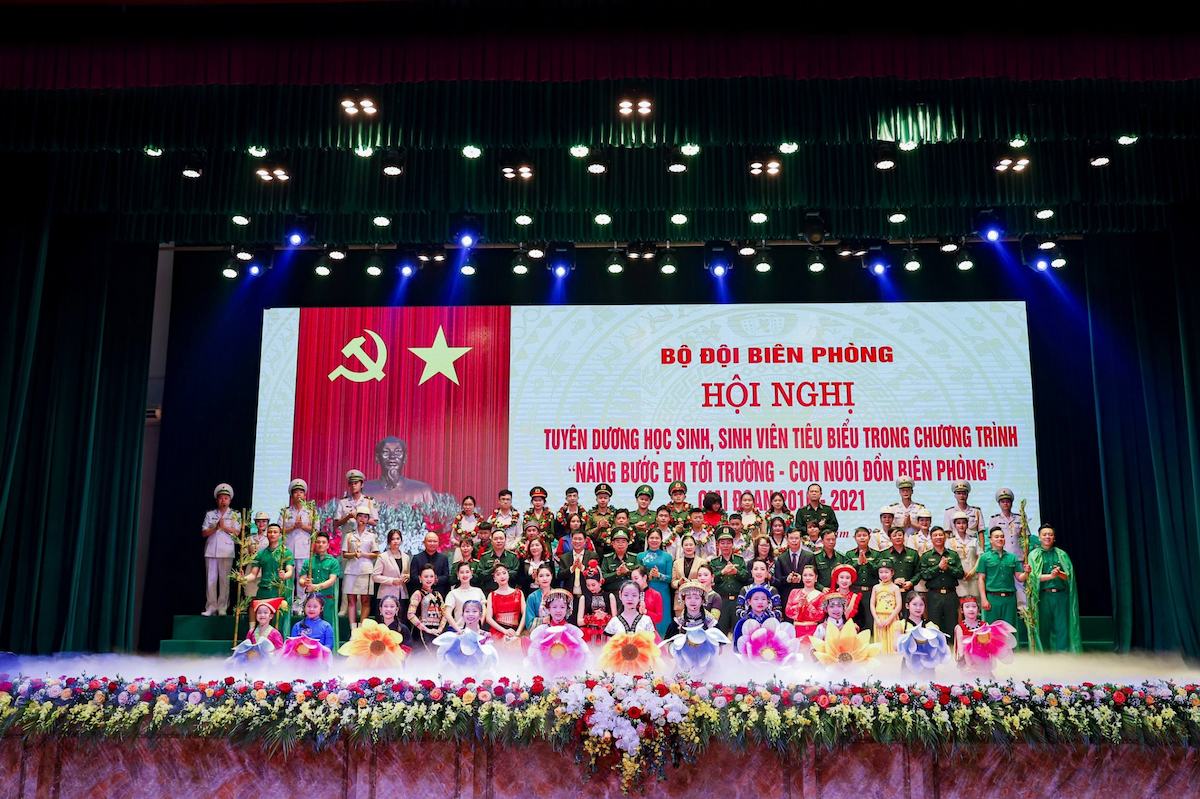
The children sponsored by the Border Guard have regularly attended school, stayed in class, and progressed in their studies and training. Many ethnic minority children who were initially self-conscious about their family circumstances are now bolder, more active and confident. The children's academic and training achievements have significantly improved, with the rate of Good and Excellent students being higher each year, and many winning prizes in competitions at various levels, receiving praise from teachers and schools. Specifically:
- 03 students won prizes in national competitions; 42 students won prizes in provincial competitions; 63 students won prizes in district competitions.
- 621 students graduated from high school; 215 students passed into universities and colleges. Nearly 6,000 instances of students achieving the title of school-level "Excellent Student".
These results have confirmed the effectiveness of the Program, providing favorable conditions for the children to continue striving in their studies; contributing to encouraging the learning movement and creating future human resources and knowledge for the localities. The program is gradually working with all levels and sectors to improve the quality of education in remote areas of borders and islands.
Furthermore, through the sponsorship, the coordination between Border Guard stations and local Party committees, authorities, schools, and the children's families has become even closer; creating a foundation for strengthening the blood-bond between the military and the people; enhancing the relationship between the BG and border protection forces and the friendship between the authorities and people of our border areas and neighboring Laos and Cambodia.
The program has created profound social impacts in the field of education and community support. 200 billion VND in total has been mobilised to support students in difficult circumstances with 28,000 students have been empowered to attend school. In addition, 2,000 students have been fostered, ensuring long-term learning and development conditions. The program is currently implemented through 433 Border Guard stations nationwide, demonstrating its widespread scale and sustainability in accompanying education in disadvantaged areas.
The project has been carried out throughout the years nationwide, with joint efforts from officials and civilians at border guards on all local and national levels along with kind acts from organisations, departments and benefactors.
Take Children to School – Foster Children of the Border Guard
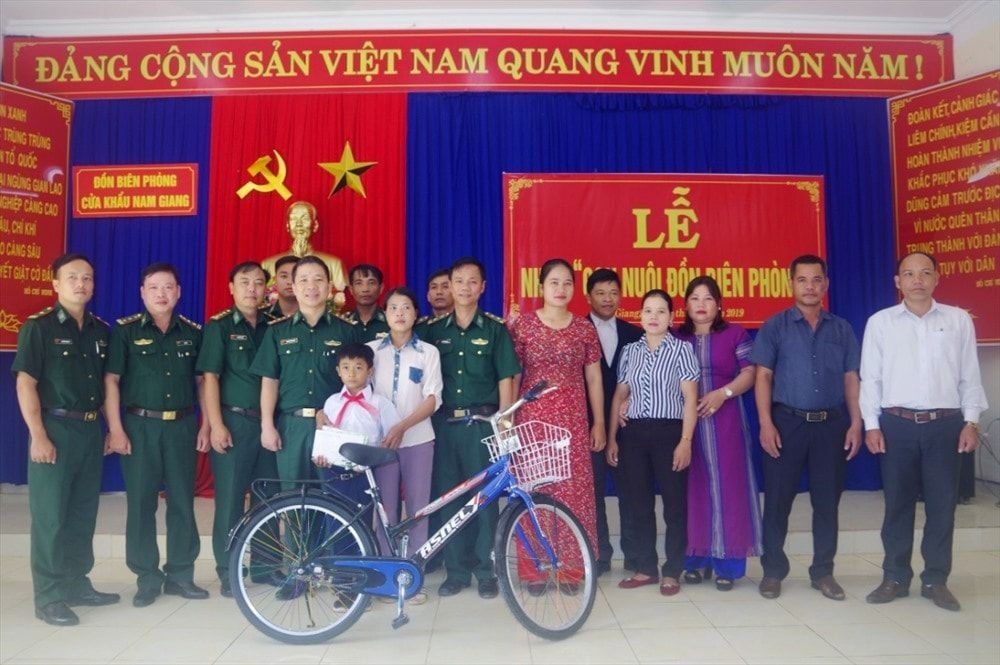
Case Ownership
Hosting Organisation: Border Guard Vietnam
Collaborating Partners: Central committees and local authorities in 44 border and island provinces/cities; Schools and students' families in border areas; Kind-hearted organisations and individual providing financial support; Officers, soldiers, civil servants, and laborers in the Border Guard force; Border protection forces and local authorities of Laos and Cambodia
Stakeholders and beneficiaries: Students in difficult circumstances in border and island areas; Ethnic minority students, orphaned students, and children without support; Children of heroic martyrs, war invalids, sick soldiers, and families rendered service to the country; Students' families and communities in border and island areas; Schools, local authorities, and the education system in disadvantaged areas; Border communities benefiting from enhanced general knowledge, improved livelihoods, and strengthened military-civilian bonds
Source: Human Act Prize
The copyright and legality of all images, videos, information, and data regarding the project published on this landing page are provided by and are the sole responsibility of the individuals/organizations registering for the Human Act Prize. The republished content on this landing page has been verified and authorised by VCCorp Corporation (the co-organiser of the Human Act Prize).
Specific SDG targets
SDG 1.4
Equal rights to ownership, basic services, technology and economic resources
SDG 1.5
Build resilience to environmental, economic and social disasters
SDG 4.1
Free primary and secondary education
SDG 4.5
Eliminate all discrimination in education
SDG 4.a
Build and upgrade inclusive and safe schools
SDG 10.2
Promote universal social, economic and political inclusion
SDG 10.3
Ensure equal opportunities and end discrimination