Research and application of eco-friendly coffee fiber in the Vietnam market.
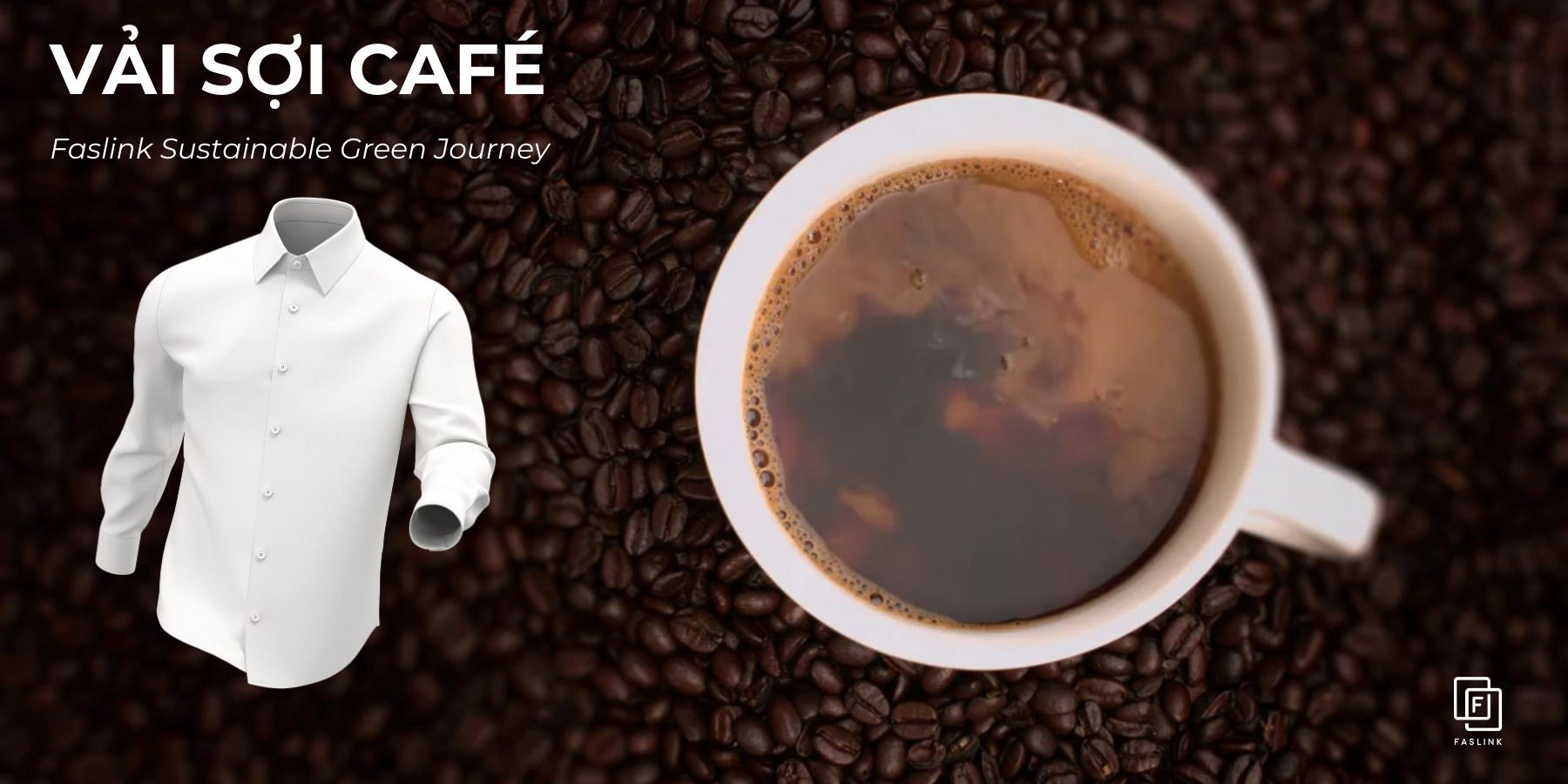
“Research and Application of Eco-friendly Coffee Fiber in the Vietnam Market” is a flagship project of Faslink. Established in 2008, Faslink is recognized as a pioneer in RnD investment, having successfully commercialized various high-utility "green" fibers derived from lotus, coffee grounds, mint, and recycled PET bottles, which have been supported by the market.
Coffee fiber aligns with the brand’s “Wear Healthy, Live Green” philosophy. Faslink’s green materials are crafted from natural, eco-friendly sources that are safe for human health, easy to process for garment manufacturing, and biodegradable over time.
Key statistics
14
years of operation
3M+
products made from coffee grounds were sold
9M+
upcycled cups used
15M
plastic bottles were recycled
Global estimates show that approximately 23 million tons of coffee grounds are produced annually, yet only 1% is reused; the rest is discarded or landfilled, leading to resource waste and environmental pollution. Similarly, 300 million tons of plastic are produced yearly, with a mere 9% being recycled. The remainder often ends up in oceans or is incinerated, harming ecosystems and human health.
As fashion is one of the world's top three most polluting industries, using coffee grounds and plastic bottles to produce fabric is an effective solution to reduce waste and promote the use of renewable resources. This served as the catalyst for Faslink JSC to launch this project to upcycle discarded materials — such as coffee grounds, mint leaves, and lotus stems — into high-quality fibers for eco-friendly polo shirts and dress shirts.
According to statistics, there are over 23 tons of coffee grounds being released into the environment each year, alongside hundreds of tons of plastic waste disposed of after usage. If not processed promptly, this waste can lead to serious harm to the environment.
Meanwhile, the fashion industry is one of the most polluted industry the world. Facing this, Faslink has always wondered how to balance between providing the best apparel services and minimizing textile impact on the environment.
The company's primary innovation lies in its ability to balance the demand for high-quality apparel with a commitment to minimizing the industry’s environmental footprint. Their waste-to-fabric solution effectively increases recycling rates by converting waste grounds and plastic bottles into a "truly green" material.
Beyond its environmental credentials, the coffee fiber offers permanent functional benefits to the wearer, including a UPF 50+ rating for UV protection and moisture-wicking, quick-drying properties that ensure comfort. Additionally, the material possesses exceptional natural odor-absorption capabilities that last for the lifetime of the product.
Objective
The project aims to supply coffee fiber to the Vietnamese domestic market, offering superior functional products to local consumers.
Faslink also heads towards a Green Economic Value Chain by connecting stakeholders across the coffee, plastic, textile, and fashion industries.
Moreover, the company also fosters a culture of collaboration, knowledge sharing, and mutual support among businesses and organisations in the sustainable material sector.
Vision
To serve as a guiding light for the Vietnamese fashion industry by balancing human apparel needs with environmental preservation. Faslink is committed to supplying eco-friendly product lines that drive the domestic "green transition."
In 2016, Faslink discovered coffee fiber (made from used grounds and PET waste) at a textile fair in Taiwan.
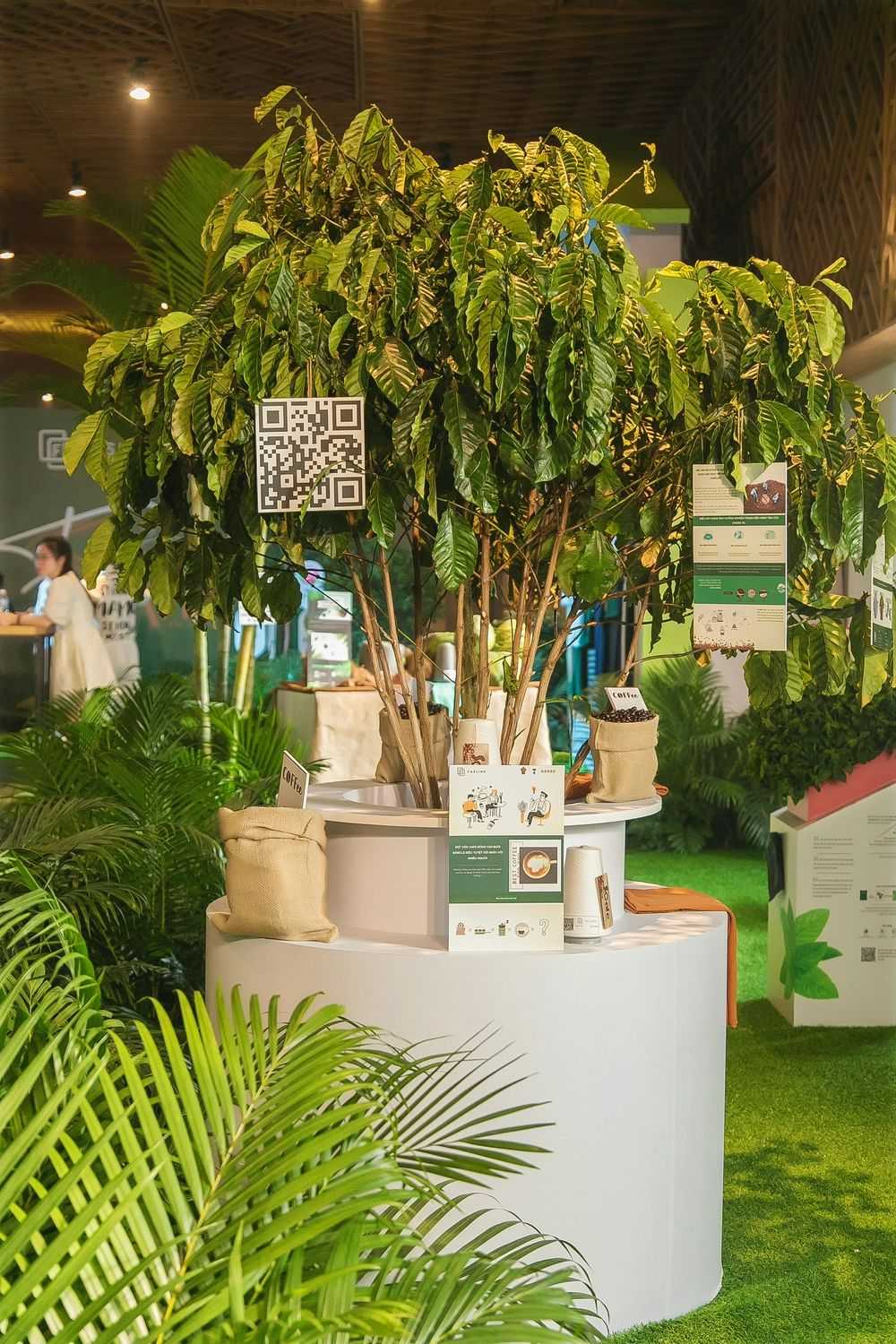
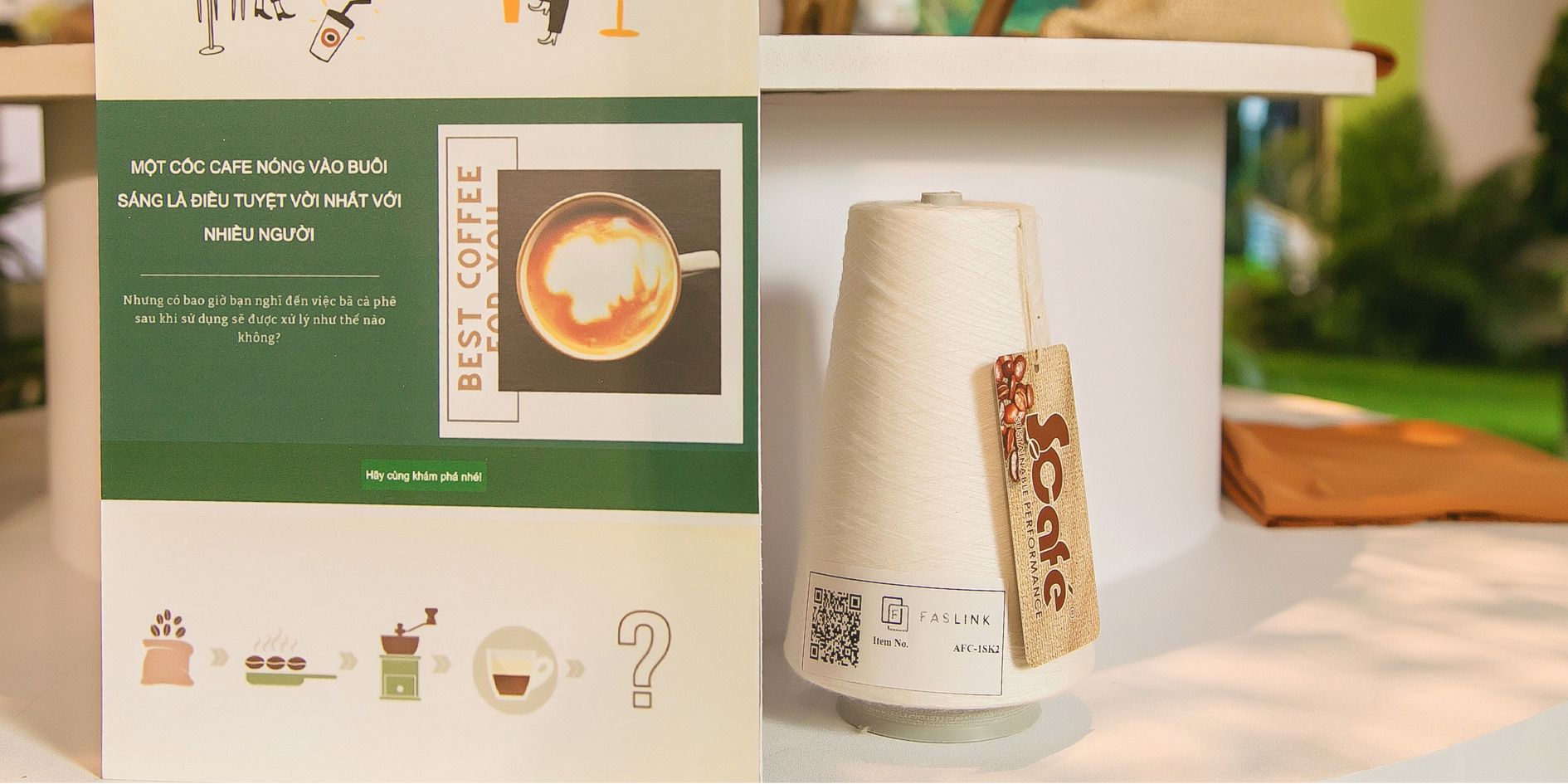
Coffee grounds are collected from shops, de-oiled, ground into fine powder, mixed with molten recycled polyester from PET bottles, and processed into "coffee pellets," which are then spun into functional yarn.
In 2017, Faslink and Taiwanese partners co-researched and launched the world’s first shirt made from coffee, commercialising it in Vietnam.
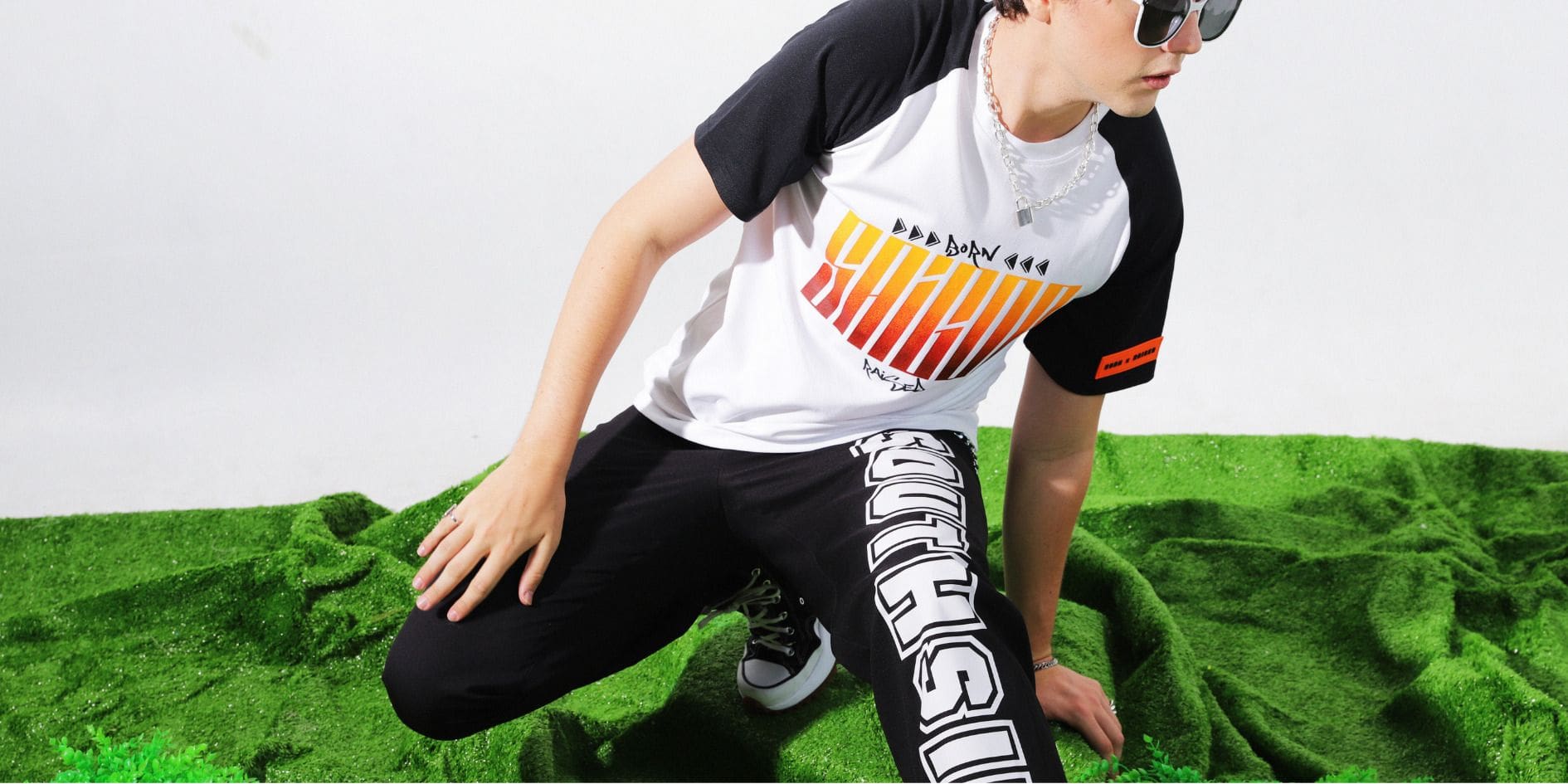
2019 marked the company expansion into knitwear with the launch of the Coffee Polo line, designed for the domestic office-wear segment.
In 2021, Faslink launched the “Proudly Made in Vietnam” project, collaborating with domestic partners to produce coffee-based materials locally, thereby increasing the localisation rate and creative value of the Vietnamese textile industry.
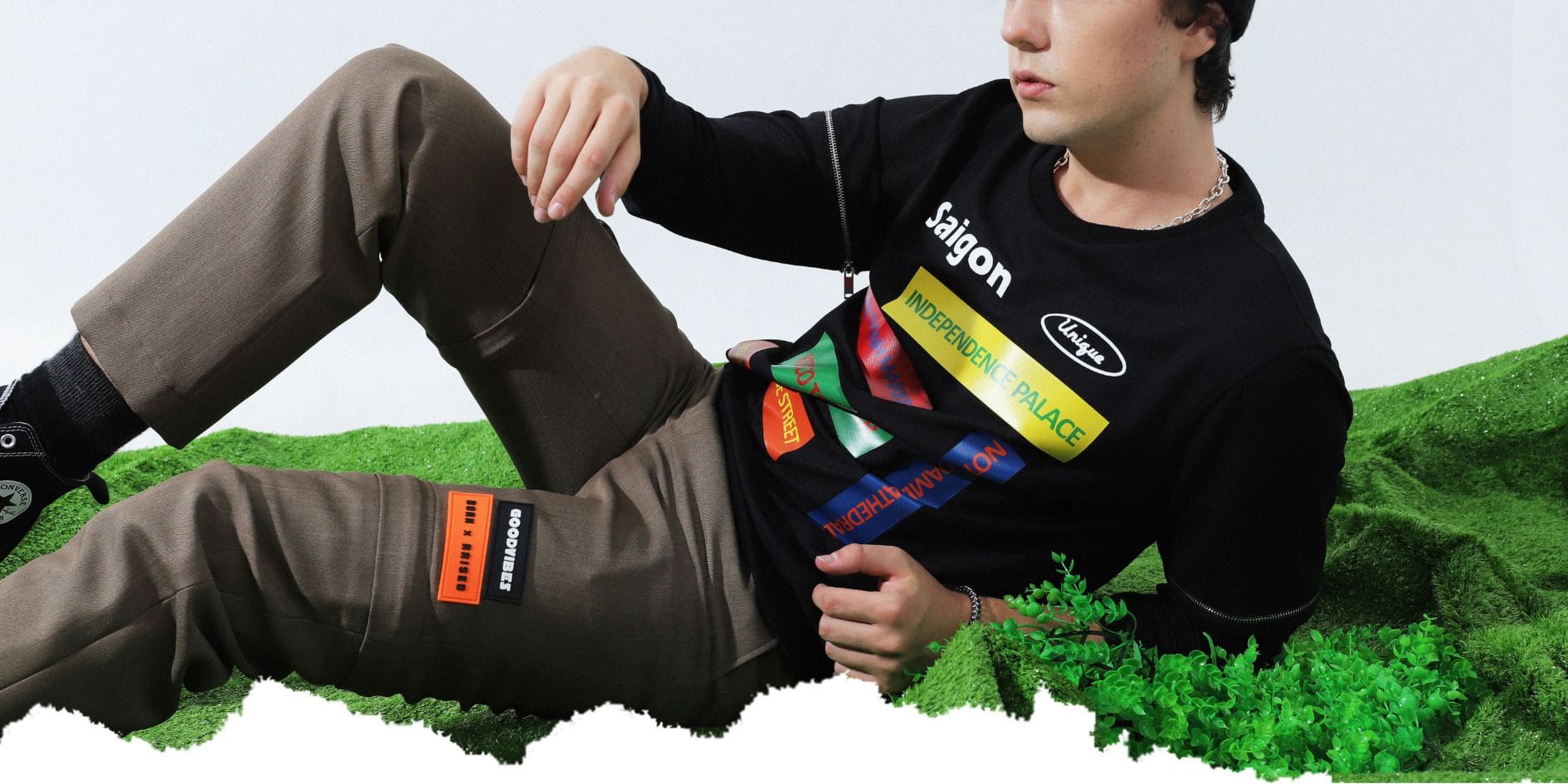
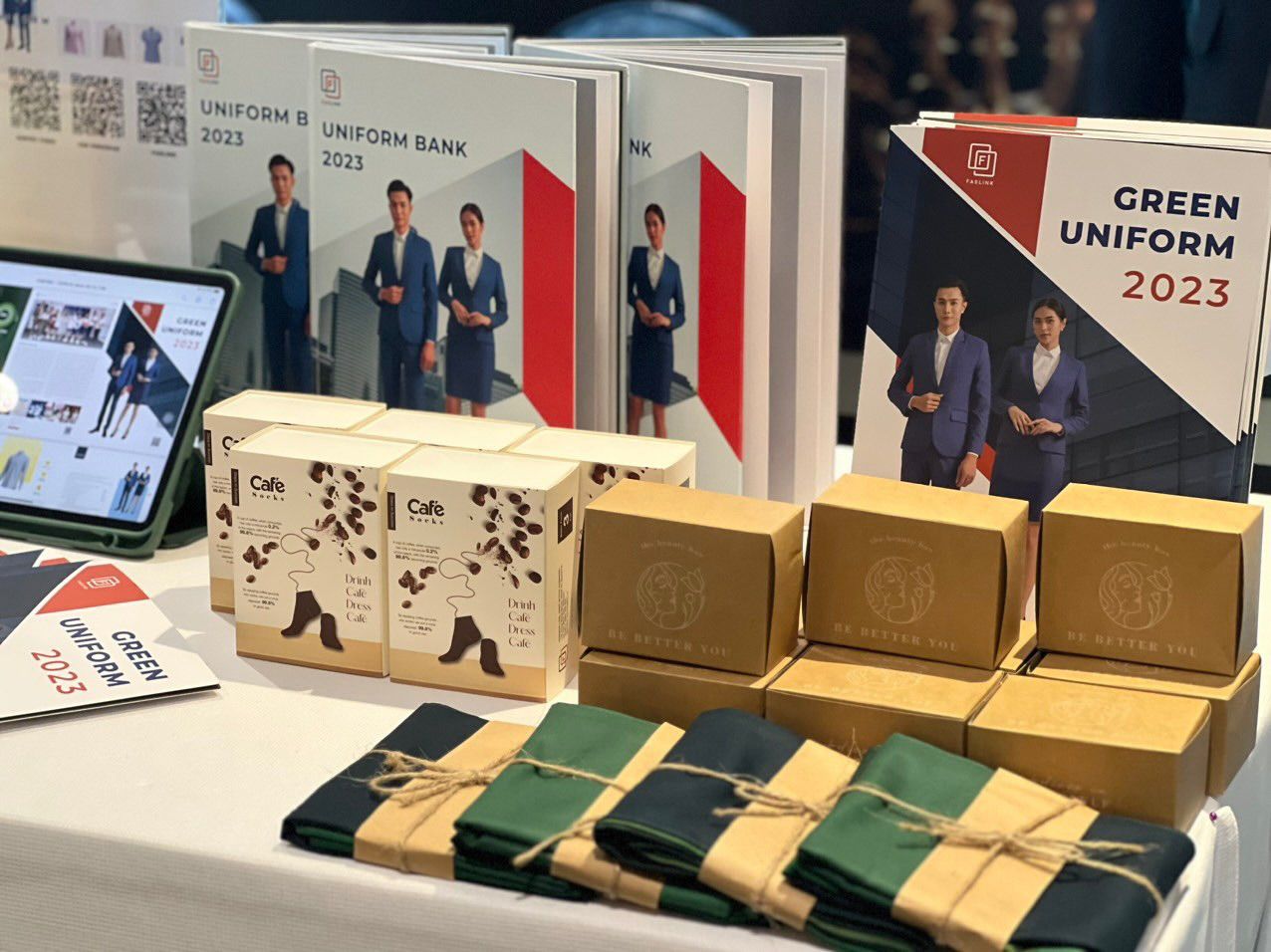
The company has diversified the "Made in Vietnam" coffee product portfolio: Socks (2021), Trousers and Jeans (2022), and Innerwear/Base layers (2023).
The current phase from 2023 to 2025 is focusing on leveraging local Vietnamese coffee grounds to achieve a 100% domestic end-to-end production process.
Faslink has supplied nearly 3 million coffee-based products to leading Vietnamese brands such as Owen, Yody, Coolmate, and Routine.
After 14 years in operation, the company has brought impressive results, both in business and environmental values. Over 3 million products made from coffee grounds were sold, with over 9 million upcycled cups used. Notably, about 15 million plastic bottles were recycled, dedicated to a circular economy and waste reduction.
A McKinsey survey indicates that 25% of consumers are concerned about sustainability, with a growing willingness to purchase items made from recycled materials.
Coffee fiber not only utilises industrial waste and saves energy during production but also offers performance features that exceed those of conventional fabrics. These products are not only functional but also more durable compared to traditional textiles. This means that coffee fiber has ensured sustainability impacts and meets the consumers' increasing care for their health and the environment.
"Green fibers have paved new paths and driven creative growth in the textile industry. I hope more Vietnamese people will transition to eco-friendly apparel," stated Faslink’s General Director.
Beyond materials, Faslink is pursuing a full green transition—integrating "eco-fashion" trends into every aspect of operations, production, distribution, and marketing.
Faslink - Eco-friendly Coffee Fibre






Case Ownership
Hosting Organization: Fashion Connection Joint Stock Company (Faslink)
Collaborating Partners: Technology and yarn production partners in Taiwan, Prominent Vietnamese fashion brands (Owen, Yody, Coolmate, Routine, etc.), Supply chain partners across the coffee, recycled plastic, and textile sectors
Stakeholders and beneficiaries: Consumers seeking sustainable fashion, Enterprises within the textile-fashion-coffee-plastic value chain, Recycled material manufacturers and suppliers, Vietnam textile industry and the broader eco-fashion ecosystem, The natural environment (via waste reduction and circular economy promotion)
Source: Human Act Prize (external link, content in Vietnamese)
The copyright and legality of all images, videos, information, and data regarding the project published on this landing page are provided by and are the sole responsibility of the individuals/organizations registering for the Human Act Prize. The republished content on this landing page has been verified and authorised by VCCorp Corporation (the co-organiser of the Human Act Prize).
Specific SDG targets
SDG 9.4
Upgrade all industries and infrastructure for sustainability
SDG 12.2
Sustainable management and use of natural resources
SDG 12.4
Responsible management of chemicals and waste
SDG 12.5
Substantially reduce waste generation
SDG 12.6
Encourage companies to adopt sustainable practices and sustainability reporting
SDG 12.8
Promote universal understanding of sustainable lifestyles