Nghi Luc Song Social Enterprise was founded in 2008 by the late IT Hero Nguyen Cong Hung, along with several friends and his sister, Ms Nguyen Thi Van.
Formerly known as the Nghi Luc Song Centre, Nghi Luc Song Joint Stock Company was founded in October 2022 by Ms Van in collaboration with Red Star Entrepreneurs, business leaders, reputable organisations, and benefactors, Ms Van founded Nghi Luc Song Joint Stock Company. The enterprise supports the comprehensive inclusion of people with disabilities and vulnerable individuals through free IT vocational training, capacity building, career orientation, and job creation, changing their futures and helping them gain their autonomy. Under the "Profit obtained is the value given away" philosophy, the project commits to using 100% of after-tax profits to create social impact and support people with disabilities and vulnerable individuals in Vietnam. With more than 1,560 students trained and 70% graduated with jobs, the project has not only solved the challenges of people with disabilities but also contributed to sustainable development and social equity.
Vietnam has over 7 million people with disabilities, accounting for 7.06% of the population aged 2 and older (UNFPA Vietnam). People with disabilities (PWDs) in Vietnam often face economic difficulties, with more than 32% of households with a member who is a PWD classified as poor (UNICEF). PWDs also face significant difficulties in finding employment; only about 15% of PWDs have jobs. Up to 75% of children with disabilities do not have the opportunity to access education, leading to disadvantages in learning opportunities and their professional future (UNFPA Vietnam).
Although Vietnam has many policies to support PWDs, implementation still faces many inadequacies. Support services such as healthcare, education, and employment do not meet sufficient needs, especially in rural areas where the majority of PWDs reside. Despite government support programs such as IT inclusion initiatives, there remain job opportunity gaps for PWDs. Additionally, public infrastructure and services in Vietnam are not truly convenient for PWDs. These factors further increase the difficulty in accessing education programs and employment opportunities.
Thus, people with disabilities are being severely limited in learning and working opportunities, perpetuating poverty and unemployment cycles. Stigma and discrimination also created barriers for PWDs to fully participate in social activities.
Born and raised in Nghe An (a rural area with a large community of PWDs), Ms Nguyen Thi Van and her brother, the late IT Hero Nguyen Cong Hung, were two severely disabled individuals. It was the difficulties and stigma they experienced that urged them to rise above their fate.
In 2001, a computer opened up a completely new world for the two siblings. Thanks to continuous self-study, they became proficient in IT and English, a means to support themselves and their families. Observing the potential, in 2003, they began sharing knowledge with those in similar circumstances.
In 2008, the Nghi Luc Song Centre was born, becoming a common home for many people with disabilities, which then became a social enterprise in 2022. Here, people are provided with free IT vocational training and find stable jobs. Witnessing students’ success has generated strong motivation for the operations team to continue their business and impact.
Nghi Luc Song has created an innovative vocational training model for people with disabilities and vulnerable groups. With a flexible teaching method and process, such as close links between theory and practice, tailored to PWDs’ capabilities, especially in the Information Technology sector, requiring minimal movement and adapted to PWDs' needs, has guided them to develop successfully and sustainably.
The project's uniqueness lies in its special training method, which is built on practical needs. Students are not only equipped with professional knowledge but also have the opportunity to intern at partnered companies, boosting their employability after graduation. Meanwhile, the quality of training is guaranteed by lecturers who drive their lessons from rich practical experience, quickly assisting students in adapting to the work environment.
It is this special training method that has elevated Nghi Luc to become a bridge between people with disabilities and businesses. Students from the enterprise are always a source of quality human resources meeting the recruitment needs and possessing actual labour skills.
On the other hand, Nghi Luc Song is also a pioneering social enterprise model that has called for various stakeholders, from Red Star Entrepreneurs, business leaders, reputable individuals, organisations and benefactors. Together, they have committed to use 100% of after-tax profits to create social impact for the community of PWDs and vulnerable people in Vietnam. The profit of Nghi Luc Song is calculated based on the number of students who have jobs and the number of personnel provided to the market.
Currently, Nghi Luc Song provides training in image and video editing for the foreign real estate sector, data labelling for AI technology, and e-commerce. By November 2024, Nghi Luc Song will continue to expand its training fields through partnering with JoyE Company and the TikTok platform to establish MCN Bigheart - a multi-channel management network - aiming to raise reputable quality, business culture, and community responsibility. Bigheart and Nghi Luc Song will support PWDs and vulnerable channel owners with services such as increasing viewership, building content programs, collaborating with creators, digital rights management, monetisation, and/or sales. MCN Bigheart will help "Content Creators" and "Business/Brand" introduce and provide their products and services to target customers through multi-media platforms. The company, along with partners, will together extract the profits to give back to community-oriented projects and social organisations.
Vision
The vision and long-term goal of Nghi Luc Song is to become a typical social enterprise, supporting capacity building, career orientation, vocational training, and job creation for vulnerable people, especially people with disabilities (PWDs), so they can enjoy an autonomous, equitable and independent lives. This stands strong as a commitment to promote a fair and inclusive society, where every individual can receive a chance to thrive and devote.
In the future, Nghi Luc Song not only wishes to continue supporting thousands of vulnerable people in the community but also to expand the model to other regions, and even internationally, creating a sustainable and inclusive development ecosystem for everyone.
Objective
Nghi Luc Song sets out to develop vocational training models suitable for PWDs and vulnerable people, including profession expansion in IT, graphic design, and e-commerce, helping learners not only have vocational skills but also competitiveness in the labour market.
At the same time, the project aims for training and career orientation based on the business's actual needs, ensuring easy job finds for learners upon graduation.
For the next 5 years, Nghi Luc Song will expand the model to provinces such as Ho Chi Minh City and other major cities with increasing demand for IT human resources and can be stretched to other jobs.
Implementation process – Scope
In 2001, Mr Nguyen Cong Hung - a person with severe disabilities living in Nghe An - accessed a computer for the first time, which opened up a new world for him. Despite being a person with severe disabilities (PWD) and only being able to use his index finger when using the computer, he constantly learned about information technology and English.
After being exposed to this field, Mr Hung realised that information technology is a job very suitable for PWDs like him. As difficult as he can sustain himself, Mr Hung boldly decided to gather people with disabilities and formed a small group of fewer than 10 members, named "Noi vong tay lon" (Connecting Big Hands) in 2003, teaching PWDs about information technology and foreign languages. Beyond knowledge, Hung has looked into the practicality of IT, thus generating jobs for his members through website design, domain and hosting provisions for businesses.
In 2005, Hung was the first person with disabilities to be honoured as an IT Hero, and he expanded his small group into the Nghi Luc Song Centre in Hanoi in 2008. The centre was founded under a website domain to maintain all of their operation, which he, along with some of his friends and his sister, Ms Nguyen Thi Van, all pooled in money to buy one.
Unfortunately, Mr Nguyen Cong Hung passed away during a business trip to the Mekong Delta in 2012. After his loss, Nghi Luc Song was handed over to his sister and Ms Ngo Thi Huyen Minh, the current CEO of the enterprise. Although this was an extremely difficult period for Ms Van, she still managed to sail through the struggles. By 2016, Nghi Luc Song was recognised as a Non-Governmental Organisation (NGO), with Ms Van as the Founding Chairwoman and Ms Minh as the Director. By 2022, along with Red Star Entrepreneurs and reputable business leaders, Ms Van and the founding shareholders turned Nghi Luc Song into a social enterprise.
The target audience of Nghi Luc Song is not only people with disabilities and those with mobility limitations, but also other vulnerable groups, including vulnerable women, victims of domestic violence, victims of human trafficking, orphans, single mothers, policy-beneficiary children, relatives of people with disabilities, and youth without conditions to access education or employment… Additionally, the indirect target of the project is the families of people with disabilities and vulnerable people, recruiters, and businesses.
The project is a continuous process with many stages of implementation. Since traditional vocational training programs often only focus on teaching and neglect the market needs, many students struggled to find jobs upon program completion and a stable operation resource. Therefore, Nghi Luc Song has launched a new training model, including:
- Researching the specific needs of businesses.
- After knowing the needs of businesses, NLS designs the curriculum to accurately meet recruitment needs. This can provide vocational skills for students and fit the businesses' standards. With a practical training method combining theory and practice, students can apply knowledge during the learning process.
- Mobilise, partnering with businesses to create internships and job opportunities after training. At the same time, entrepreneurs and businesses participate in contributing to this model through investment and business activities, while committing to using 100% of after-tax profits to reinvest in support programs for PWDs and vulnerable people.
- Project plans are made annually, approved by the board of directors, and resources are mobilised for implementation.
The project has a long-term operational plan, with no specific end time due to its sustainable development and expansion orientation.
Nghi Luc Song's current facility is in Hanoi with a scale of 600m2, fully equipped with modern equipment and ensuring the most complete access for people with disabilities. Training courses at Nghi Luc Song are always free and train 70 students/course, of which 80% are people with disabilities and 20% are vulnerable people, with more than 70% of graduates having jobs. Students are recruited year-round and are supported with accommodation arrangements and favourable conditions to access job opportunities.
Budget
Operating costs for activities at Nghi Luc Song mostly come from businesses and partners acting as shareholders of Nghi Luc Song; the remainder comes from project sponsorship activities and other business activities.
For beneficiaries
Through training courses and support, PWDs can become more confident in communication, financially independent, and live more positively. This helps them integrate into society more easily and escape the isolation they often face due to social prejudices.
Job creation and life stability: With more than 70% of students finding jobs after completing the course, Nghi Luc Song has helped many people with disabilities improve their lives. Beyond income generation, students also feel the value of their contribution to society, which boosts pride and self-belief. Additionally, employment helps them reduce the burden on their families and become active members of the community.
Increased participation of women with disabilities: The project specifically focuses on supporting women with disabilities, helping them overcome dual social barriers in gender and disability. By providing courses in information technology, graphic design, and airline ticketing, women with disabilities not only improve their professional skills but also enhance their status within the family and society. This helps them become more confident in decision-making and participation in social activities.
For the society
Social ripple effect value: Nghi Luc Song has succeeded in changing social perceptions of PWDs, from seeing them as passive individuals to those capable of contributing. The results achieved not only impact the beneficiaries themselves but also change the perception of families, friends, and the community regarding people with disabilities. This helps create a friendlier and more open social environment for PWDs.
Contribution to the digital economy: Training and introducing PWDs into professions related to IT and services like airline ticketing not only helps them easily find jobs but also contributes to the national technology human resource development strategy. The project has actively contributed to making Vietnam a strong nation in IT, according to the Government's goals.
For businesses
Beyond providing needs for the vulnerable groups, the projects also open up an integrated business ecosystem, connecting businesses and entrepreneurs to implement Corporate Social Responsibility (CSR) campaigns effectively and sustainably. Below are the values this ecosystem brings:
Creating a network of social responsibility links: This ecosystem promotes connection and cooperation between businesses and entrepreneurs passionate about social responsibility. Red Star Entrepreneurs and other benefactors have participated in investing in Nghi Luc Song not only to generate profit but also to implement their social responsibility practically.
Contribution to sustainable development: More than just providing training courses, the project also creates business opportunities, cooperation with partners and businesses, and expands the network for consuming products and services provided by PWDs. At the same time, when entrepreneurs and businesses cooperate, they must commit to using 100% of after-tax profits to reinvest in support programs for PWDs and vulnerable people and create conditions for PWDs to have jobs and become independent; this ecosystem has contributed a significant part to sustainable development.
Promote long-term CSR participation by businesses: Nghi Luc Song has helped businesses not only fulfil their social responsibility but also create practical value in business operations. Businesses can clearly see the benefits of participating in this ecosystem when they not only contribute to society but also benefit from connecting with a strong community with clear goals.
The program has achieved positive results in training and creating sustainable livelihoods for vulnerable groups. A total of 1,560 people with disabilities and vulnerable people have been trained, with 70% of graduates having jobs. The participation and training completion rate for women reached 50%, reflecting a gender-balanced access level. Notably, 100% of after-tax profits are reinvested to continue supporting people with disabilities and vulnerable groups.
The average salary of students after graduation reached 6.5 million VND, while business revenue in 2023 exceeded 2.5 billion VND. The program maintains a stable training scale with a minimum of 140 students per year and an average of 70 students per course. These figures show that the model not only creates social impact but also ensures financial sustainability.
One of the strengths of the NLS model is its ability to adapt to the specific conditions and needs of each locality and target group. The employer-needs-based approach can easily be implemented in other provinces in Vietnam, as well as in other developing countries with similar economic conditions and labour markets. The research process before curriculum building is also flexible for expansion, meeting the different requirements of each enterprise.
Mobilising resources from influential entrepreneurs and organisations gives Nghi Luc Song the potential to replicate its scale and opens international networking. Instead of relying only on traditional sponsorship sources or state budgets, the project innovatively utilises partnerships with entrepreneurs and social investors. These entrepreneurs not only act as sponsors but also as strategic partners, helping Nghi Luc Song connect with many other domestic and foreign businesses. From there, Nghi Luc Song is not only a typical social enterprise in Vietnam but also a model that can inspire and spread positive values worldwide for other similar operations to learn from its resource mobilisation and sustainable financial management.
The commitment to use 100% of after-tax profit for NLS's social activities is also a testament to its sustainability and self-replication capability. This not only helps maintain training programs but also supports the expansion of new activities, helping PWDs access more opportunities in suitable professions, especially in IT and e-commerce fields that require little mobility and are suitable for the conditions of PWDs.
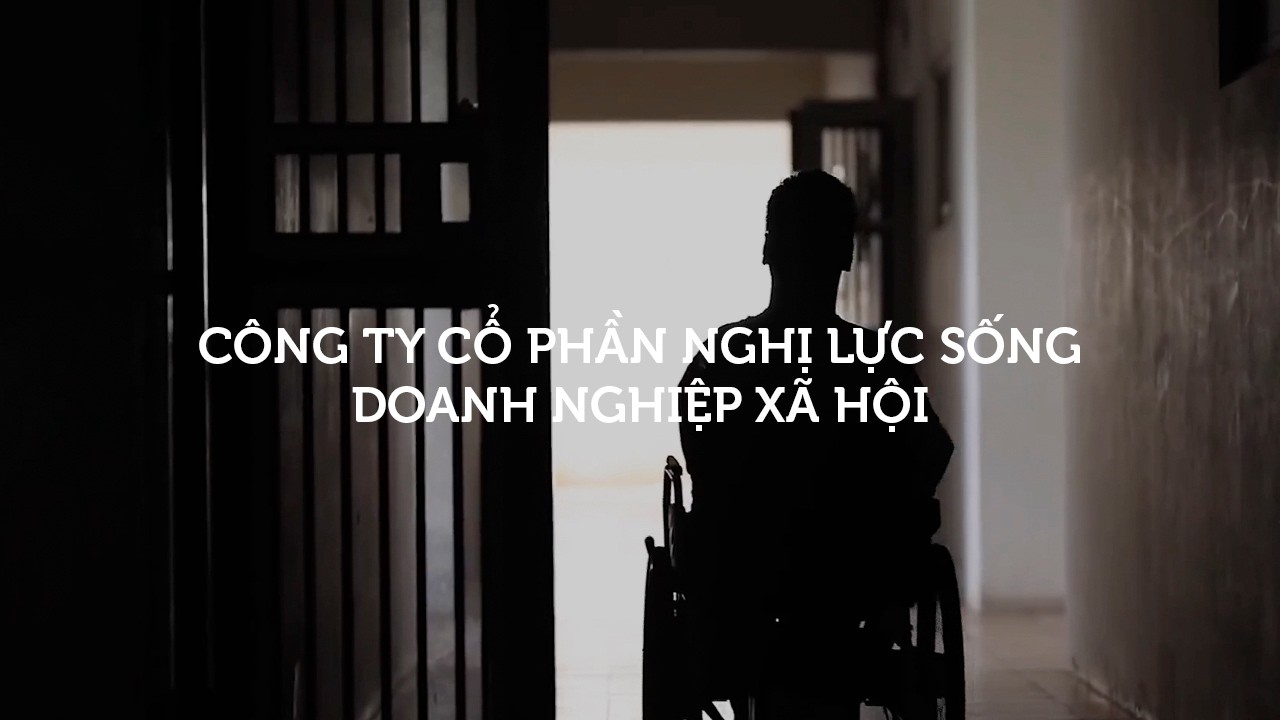
Comprehensive IT Inclusion for Vulnerable People
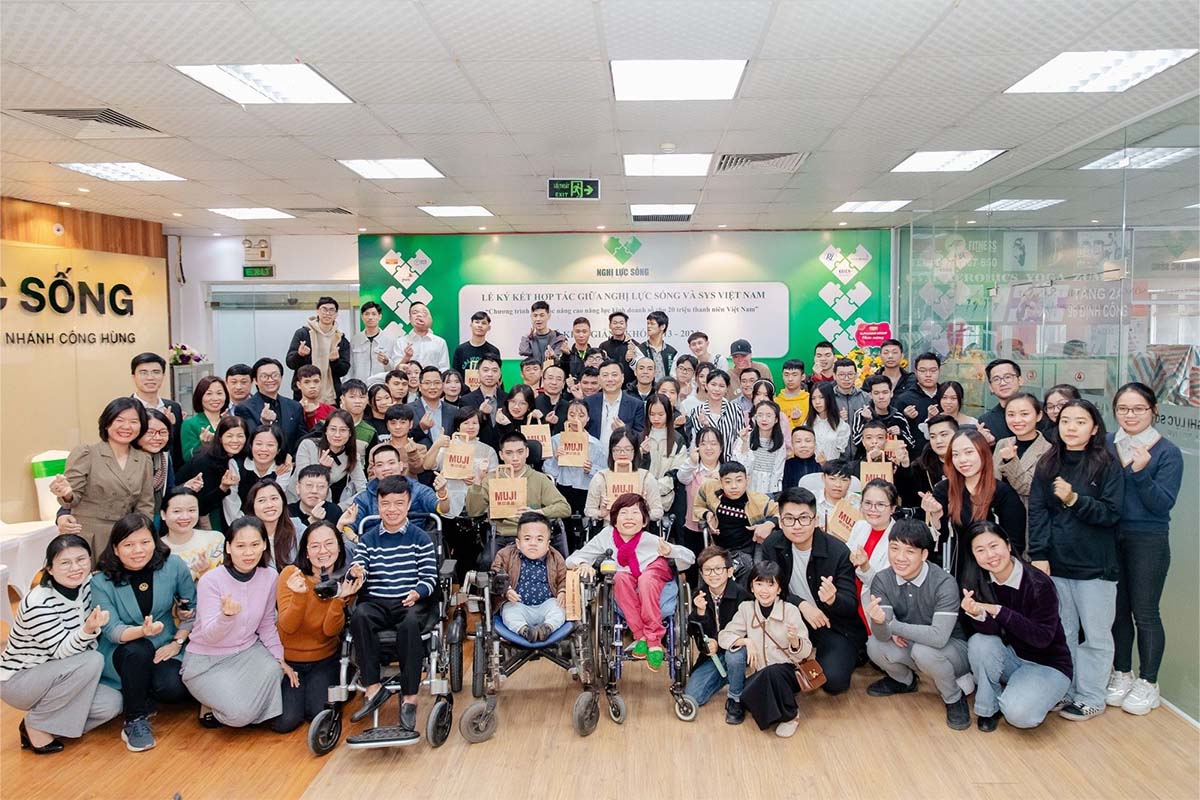
Case Ownership
Hosting Organisation: Nghi Luc Song Social Enterprise
Collaborating Partners: Entrepreneurs received Red Star Award; Credible companies, individuals, organisations and shareholders/partners acting as the programme's benefactors; Recruiting companies and internship/apprenticeship positions for learners; JoyE company; TikTok; MCn BigHeart
Stakeholders and beneficiaries: People with disabilities; Vulnerable groups such as vulnerable women, victims of domestic violence, human trafficking, orphaned children, single mothers, supported children, young people with a lack of education and job opportunity; Families of vulnerable and disabled people; Recruiting companies in IT, design, e-commerce, AI and digital media sectors; The community benefited from an inclusive and sustainable model for the protection of vulnerable people
Source: Human Act Prize
The copyright and legality of all images, videos, information, and data regarding the project published on this landing page are provided by and are the sole responsibility of the individuals/organisations registering for the Human Act Prize. The republished content on this landing page has been verified and authorised by VCCorp Corporation (the co-organiser of the Human Act Prize).
Specific SDG targets
SDG 8.3
Promote policies to support job creation and growing enterprises
SDG 8.5
Full employment and decent work with equal pay
SDG 8.6
Promote youth employment, education and training
SDG 10.2
Promote universal social, economic and political inclusion
SDG 10.3
Ensure equal opportunities and end discrimination
SDG 4.3
Equal access to affordable technical, vocational and higher education
SDG 4.4
Increase the number of people with relevant skills for financial success
SDG 4.5
Eliminate all discrimination in education