The INSEE Prize is a long-running sustainable construction platform established by INSEE Vietnam.
The program aims to empower students in architecture, engineering, and related fields to turn ideas into practical solutions for communities. Since 2008, the initiative has gone beyond the format of a conventional student competition by combining learning, design, mentorship, and implementation, enabling promising ideas to move from academic proposals into real social projects.
Over time, it has engaged 22,011 students, generated 4,000 ideas, delivered 11 projects in reality, benefited 6,300 people, and mobilised 14.6 billion VND in contributions, while aligning its work with Sustainable Development Goals on quality education, innovation, sustainable cities, climate action, and partnerships. In 2025 alone, the program reached 18 universities through 19 workshops, attracted 100 submissions, and engaged 1,100 students, confirming its continued relevance as both an educational and community impact model.
The INSEE Prize was built in response to a familiar challenge in construction and design education: students are often trained to think creatively, but they do not always have opportunities to test whether their ideas can address real social needs under actual environmental, financial, and implementation constraints. At the same time, many communities in Vietnam continue to face very practical problems involving access to safe, inclusive, and climate-responsive spaces. The Prize was designed to close this gap by giving students a structured platform to apply sustainable construction thinking to real-world problems with visible community benefit.
Its foundation rests on a broad definition of sustainability. The competition does not treat sustainability as only a technical matter of materials or energy. Instead, it integrates environmental performance, construction feasibility, and social relevance. This philosophy is clearly reflected in the scoring criteria: 60% is assigned to sustainable solutions across construction, environment, and people-oriented design; 30% to practical applicability, including mobility support, climate response, and long-term operational viability; and 10% to creativity and innovation. As a result, the INSEE Prize creates a framework in which students are encouraged to think holistically about the built environment and its users.
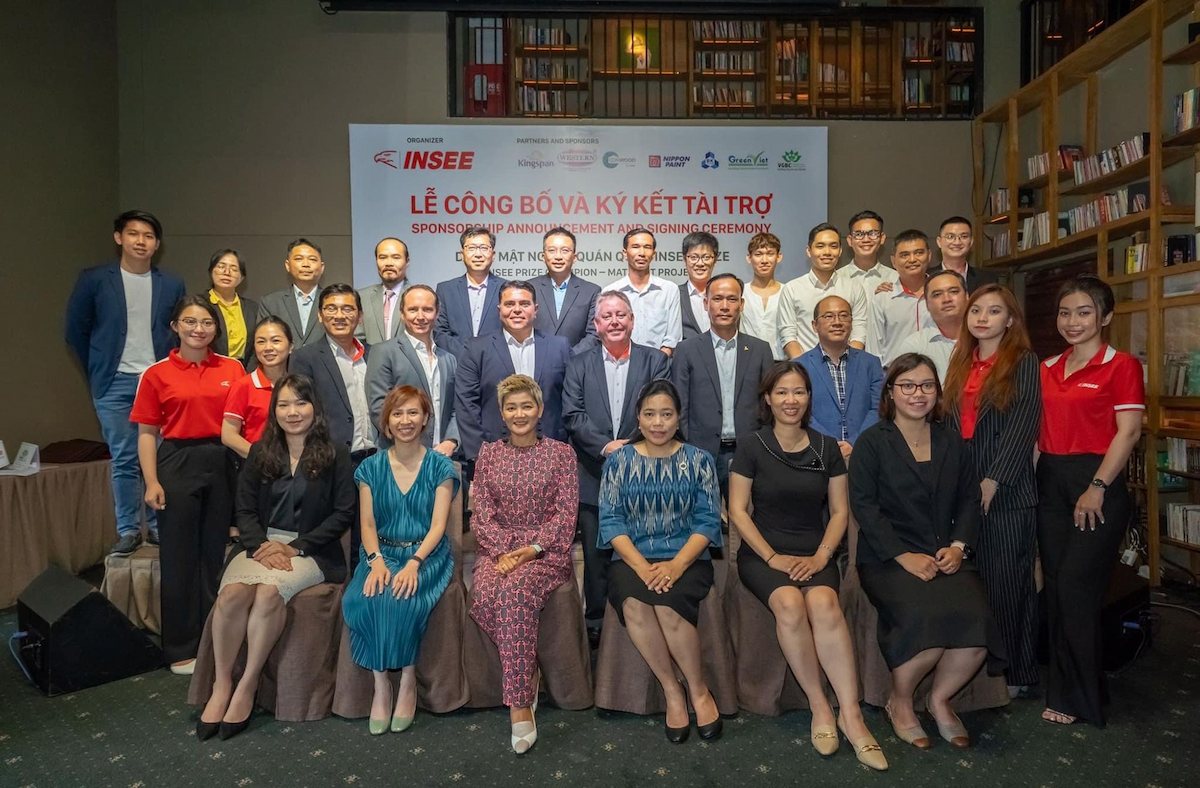
The program is also rooted in partnership. Students do not participate in isolation; they are supported by INSEE experts, industry partners, universities, local authorities, and sponsors. This ecosystem gives the initiative unusual strength because it connects education, corporate citizenship, and community development in a single platform. The presence of universities, building-materials companies, ThaiCham, and the Royal Thai Consulate-General at the 2025 gala also shows that the Prize has become a recognized convening space for stakeholders who care about sustainability and youth development.
The Prize transforms student creativity into implementable community solutions. The most important innovation is that the competition does not stop at awards or publicity; it is specifically designed so that a winning idea can be implemented by INSEE Vietnam to meet local needs in practice. This makes the initiative both an educational platform and a delivery mechanism for community benefit.
It promotes sustainable design as a people-centred discipline. The strongest projects are not only technically sound; they are expected to respond to concrete human needs, especially for vulnerable groups such as disadvantaged children, elderly people, or persons facing social exclusion.
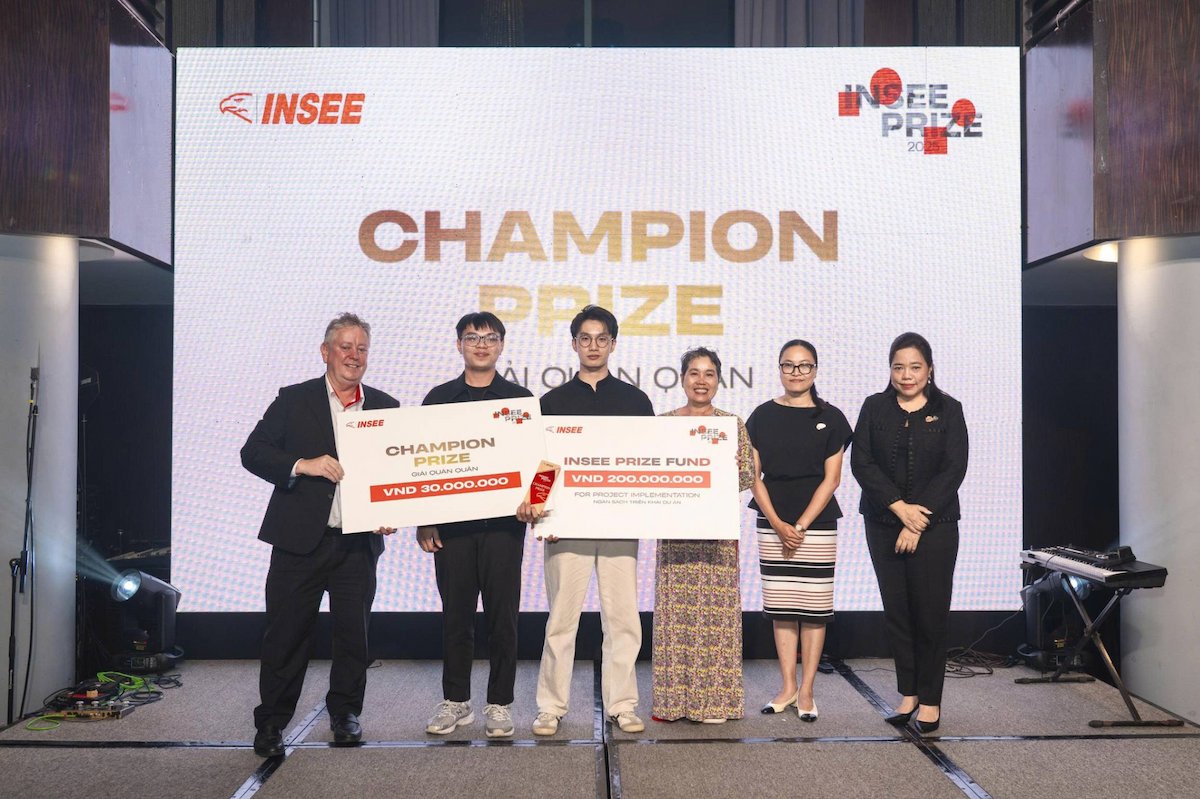
The 2025 Champion project, Seeding Garden, illustrates this well. Developed by Ho Chi Minh City University of Architecture, it proposed renovating a learning and play space for children at Co Mai Shelter in Binh Duong into a “nursery garden” where children can study, play, and develop life skills in a supportive environment. Its strength lay not only in empathy, but in the team’s thorough site, climate, social, and material analysis, supported by a SWOT framework that led to practical solutions.
The first runner-up, The Village Eaves, showed how traditional architecture can inspire socially responsive design. Developed for elderly residents aged 60–80 on Thanh An Island in Can Gio, the project responded to harsh climate conditions, an aging population, and a shortage of communal spaces. Drawing inspiration from traditional verandas, it proposed an exercise area, reading and conversation corner, tea space, greenery, and shaded gathering areas within a compact 60m² scheme.
The second runner-up, Creative Station, expanded the concept of sustainability into community operation and replication. Proposed by the Vietnamese-German University, the project envisioned a small, modular creative hub for students and young people, especially those from disadvantaged backgrounds with artistic aspirations. It emphasised recycled materials, natural ventilation, rainwater harvesting, and adaptable assembly, while also proposing a self-managed model run with cultural-house management and volunteers.
The consolation projects demonstrated that the Prize can address a wide range of social issues. Corner of Memories, Dreams of Mine proposed converting a 70m² warehouse at Thien Binh Social Protection Centre into a memory archive, creative space, and connection garden for orphans and children with disabilities. Sunshine After Rain focused on sanitation access for homeless people through a design using recycled containers, solar panels, green walls, shading, and natural ventilation. These entries show that the initiative encourages diverse project typologies while keeping sustainability and dignity at the centre.
To create a practical learning platform for students
The Prize aims to give students a “playground” where they can test ideas in a serious and applied way rather than treating sustainability as a purely theoretical exercise.
To generate real benefits for communities
A defining goal is that selected ideas should improve the daily lives of local people through built interventions that are useful, inclusive, and responsive to genuine needs.
To advance sustainable construction practices in Vietnam
Through expert mentoring, green-building seminars, and exposure to certification pathways such as LEED and EDGE, the initiative helps build a stronger culture of sustainability among future professionals.
To connect education with industry and public stakeholders
The program aims to create a collaboration model in which universities, private-sector experts, sponsors, and local authorities jointly support better project outcomes.
To foster long-term development rather than one-off interventions
The language of the program consistently emphasises usefulness, community value, environmental protection, biodiversity conservation, and local economic development, indicating a vision that goes beyond short-term visibility to enduring impact.
Implementation Process - Scope - Budget
The implementation model follows a clear annual timeline
Quarter 1: launch and introduction of the contest
Quarter 2: submission deadline
Mid-Quarter 2: semi-final round
Quarter 3: final round
After selection: six-month implementation phase for the chosen project
The scope of support expands step by step through the competition stages
Up to 20 semi-final projects receive 1,500,000 VND per project
Final-round prizes include 30,000,000 VND for the champion, 20,000,000 VND for second prize, 15,000,000 VND for third prize, and 10,000,000 VND per group for two consolation prizes
Support is not limited to cash awards
Semi-finalists gain access to seminars and sharing sessions on green buildings with INSEE experts and partners
Finalists receive direct advice from industry experts and INSEE partners, exposure visits on sustainable construction and green building, and full sponsorship of green building certification exam preparation costs for LEED or EDGE
The implementation phase carries the strongest commitment to realisation
A budget of 200,000,000 VND is allocated to realise the selected project
If the Champion project cannot be implemented, the Organising Committee can select another project from the Top 5
Students may also gain practice-based experience through collaboration with INSEE’s SD and CC department and partners, along with potential internship opportunities at INSEE Vietnam
The delivery process is grounded in real project management steps
Preparation includes meetings with local authorities, obtaining construction licenses, and revising the design to align with LOTUS certification requirements
The process continues through sponsor mobilisation, signing ceremonies, groundbreaking, construction monitoring, handover, and post-handover checking
This means the Prize does not simply fund ideas; it takes them through an end-to-end pathway from concept to community use
The initiative has generated substantial scale over time:
- 22,011 students reached
- 4,000 ideas submitted
- 11 projects implemented in reality
- 6,300 beneficiaries
- 14.6 billion VND contributed
The 2025 cycle also showed strong current momentum:
- 19 workshops
- 18 universities
- 100 submissions
- 1,100 students engaged
The Prize has already built a portfolio of implemented projects with measurable social and environmental value.
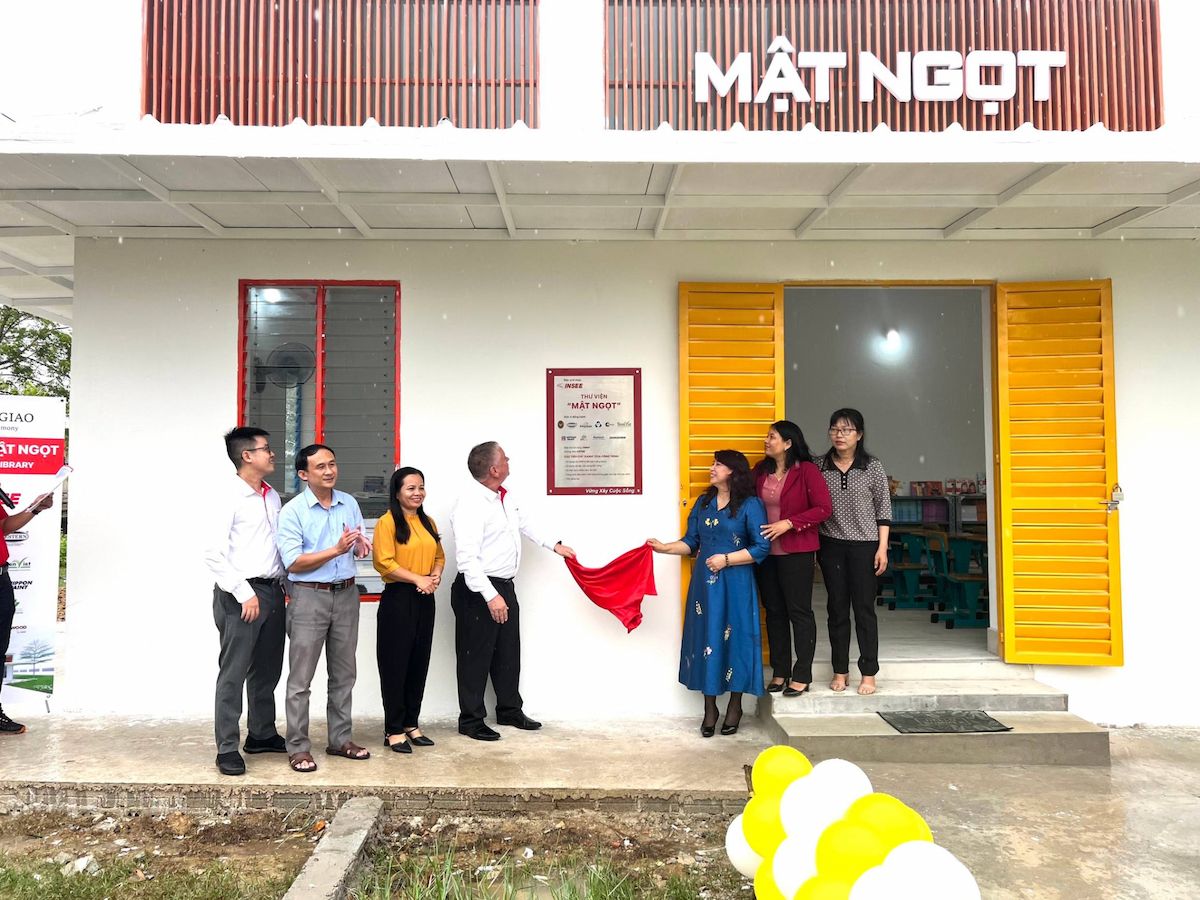
- Mat Ngot Library (2021 Champion) used natural ventilation to reduce energy consumption and became the first library in Ninh Thuan province to receive Lotus Green Building certification.
- Mang Non Reading Station (2022 Champion) achieved Lotus certification and recorded zero CO2 emissions during its first operation.
- Nha cua Me (2023 Champion) supported women with unwanted pregnancies and promoted equal rights.
- Huong Duong Library (2024 Champion) was built to green-building standards to support disabled children in Vinh Long province.
The implementation model also includes post-handover impact tracking.
- In the case of the Mat Ngot Library, follow-up activities included reading time, English classes, painting, and gardening for children.
- The post-handover observations also noted that the construction remained in good condition and that teachers continued to equip the library with additional facilities.
- This strengthens the argument that the Prize produces living community assets rather than one-time symbolic projects.
The model is highly replicable because its structure is clear and transferable. It combines outreach, student ideation, technical screening, mentorship, prize incentives, implementation funding, and partnership-led delivery in a sequence that can be adapted in different contexts.
It is not tied to a single project type. The initiative has already supported libraries, reading stations, women’s support spaces, inclusive learning facilities, sanitation projects, creative hubs, and elderly-oriented communal spaces. This diversity shows that the model can be applied across sectors and beneficiary groups.
It works particularly well in places where universities, communities, and private-sector actors can collaborate. Because the Prize depends on student talent, expert guidance, sponsors, and local authorities, it offers a practical blueprint for multi-stakeholder cooperation in community infrastructure development.
Some proposals are already designed with replication in mind. Creative Station, for example, explicitly proposed a self-managed model that could be reproduced in other localities, suggesting that the competition is not only producing site-specific ideas but also scalable concepts.
The broader model can be replicated by other companies or institutions seeking long-term CSR impact. What makes it strong is not only the competition itself, but the fact that implementation is built in, learning is continuous, and outcomes are visible. This combination allows the INSEE Prize to serve as a practical model for turning youth innovation into sustainable community infrastructure.
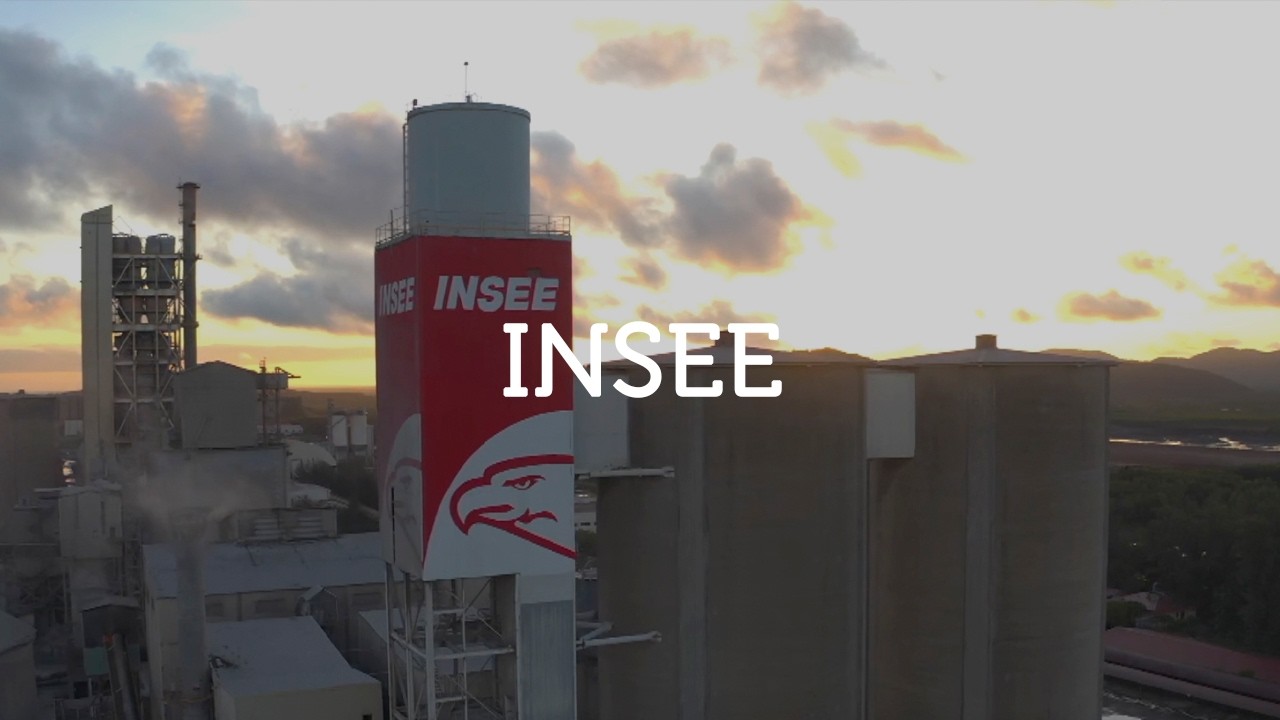
INSEE Vietnam – Empowering students and advancing biodiversity for sustainable change
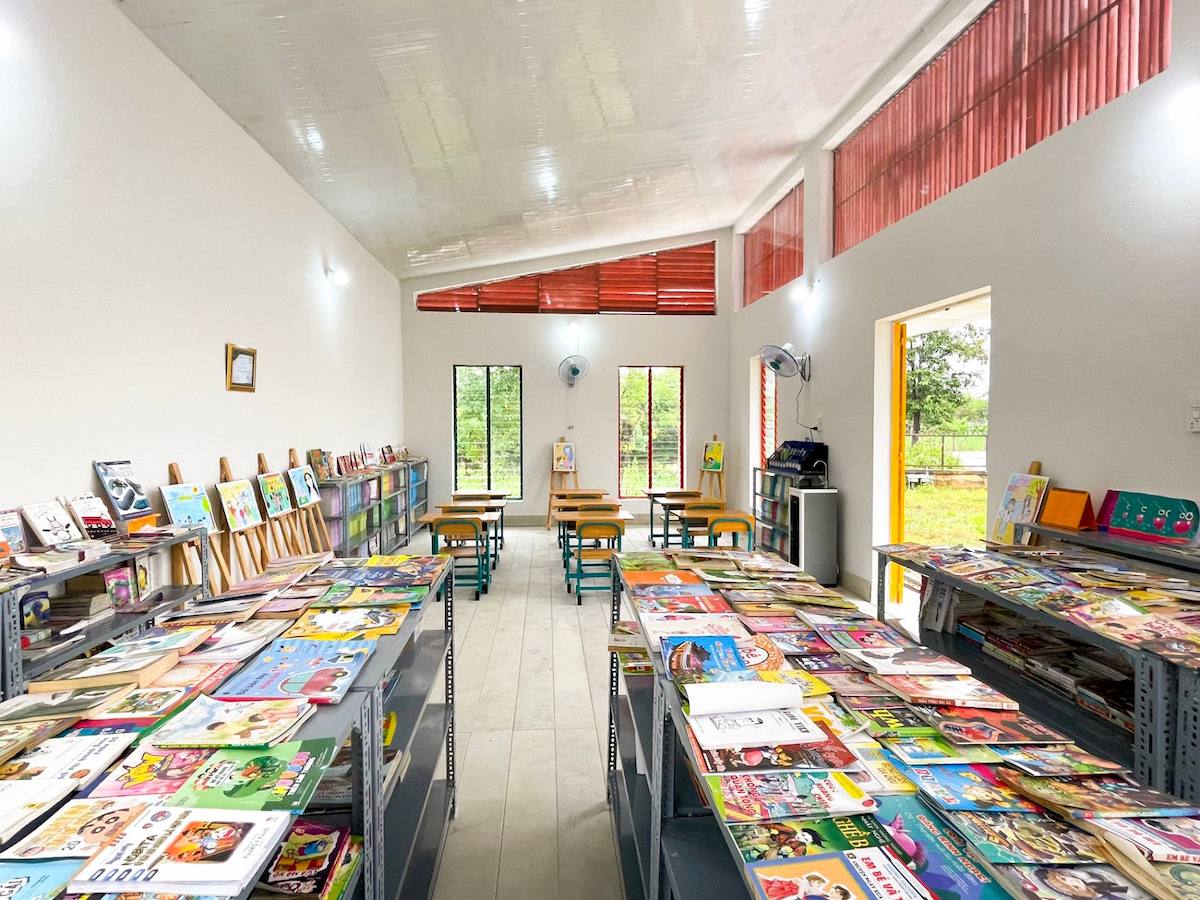
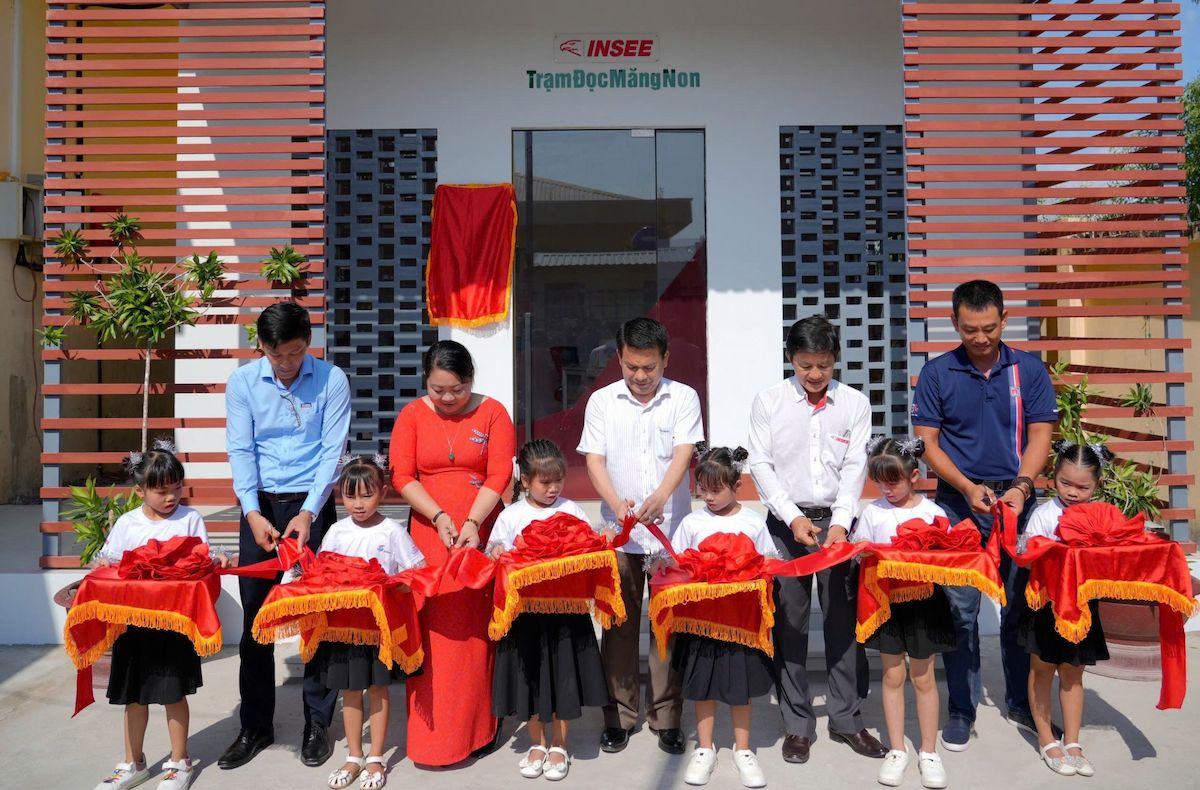
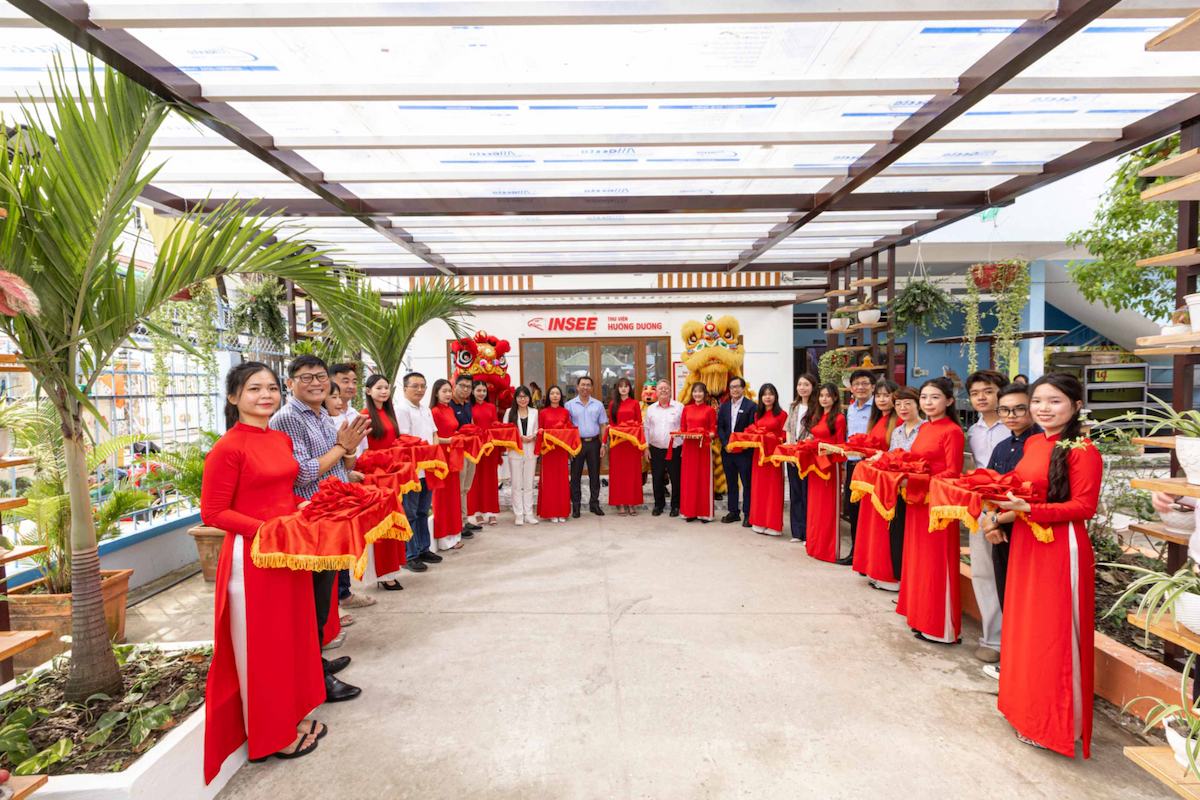
Case Ownership
Hosting Organisation: Siam City Cement (INSEE Vietnam) Co., Ltd
Relevant Brand/Organisation: INSEE Prize, Sustainable Development and Corporate Communications (SD and CC) Department of INSEE Vietnam
Collaborating Partners:
- Participating universities
- Local authorities in project implementation areas
- Industry experts in construction, architecture, and green building
- Sponsors and corporate partners
- ThaiCham
- The Royal Thai Consulate-General in Ho Chi Minh City
Stakeholders and beneficiaries:
- Students in architecture, civil engineering, and related fields
- Universities and academic staff
- Local communities in project areas
- Children from disadvantaged backgrounds and children with disabilities
- Elderly people and other vulnerable groups
- The sustainable construction sector and the green building ecosystem in Vietnam
Source: INSEE
The copyright and legality of the images, videos, information, and data regarding this project, as published on this landing page (project information page), are provided and held responsible for by the individuals/organisations collaborating with RMIT University Vietnam.
Specific SDG targets
SDG 4.4
Substantially increase the number of young people and adults with relevant skills for employment, decent work, and entrepreneurship
SDG 4.7
Ensure that all learners acquire the knowledge and skills needed to promote sustainable development
SDG 9.4
Upgrade infrastructure and industrial processes to be more sustainable
SGD 9.5
Strengthen scientific research and upgrade the technological capabilities of industries
SDG 11.1
Ensure access for all to adequate, safe, and affordable housing and basic services
SDG 11.3
Enhance inclusive and sustainable urbanisation and participatory planning and management capacity
SDG 11.7
Ensure universal access to safe, inclusive, and accessible public spaces
SDG 13.1
Strengthen resilience and adaptive capacity to climate-related hazards and natural disasters
SDG 13.3
Improve education, awareness, and capacity on climate change mitigation, adaptation, and early warning
SDG 17.6
Enhance multi-stakeholder partnerships to support the achievement of the Sustainable Development Goals
SDG 17.7
Encourage and promote effective partnerships across the public sector, public - private sector, and civil society