A project for the research and sustainable development of Traphaco's medicinal material resources to develop areas for growing valuable medicinal plants in Vietnam.
Implemented since 2010, the project plays a vital role in conserving medicinal plant genetic resources, protecting land resources and biodiversity.
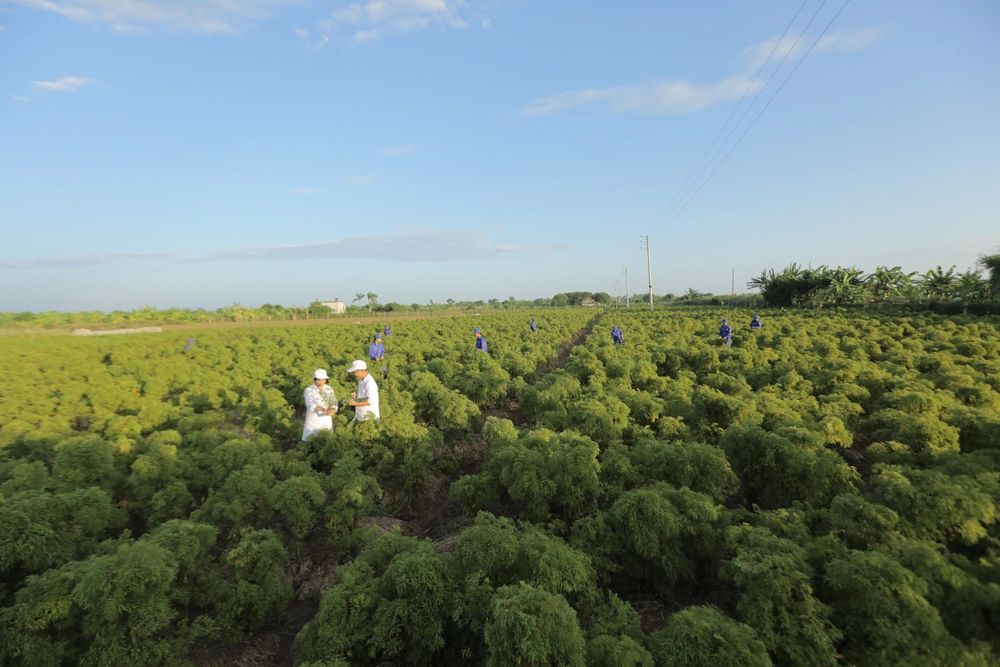
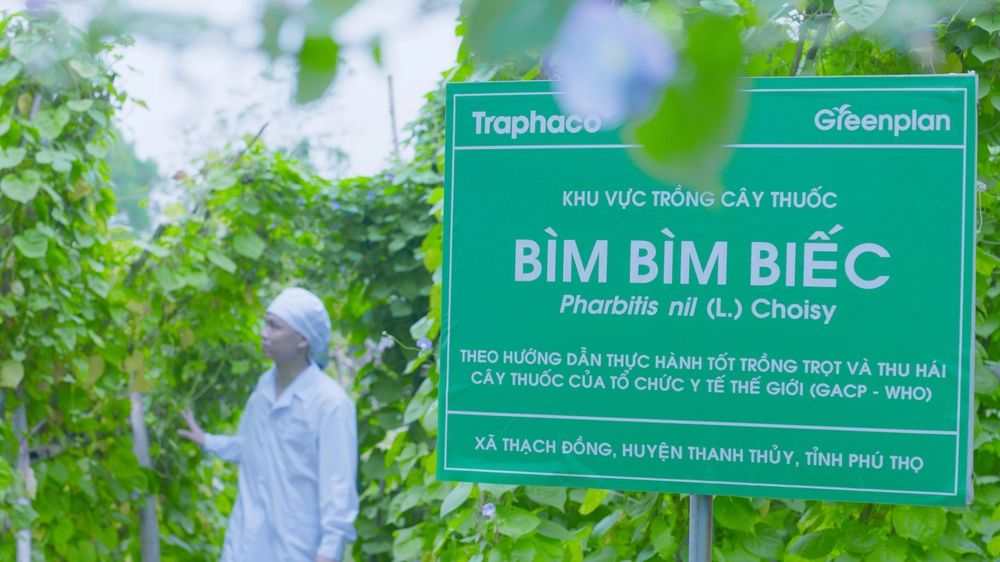
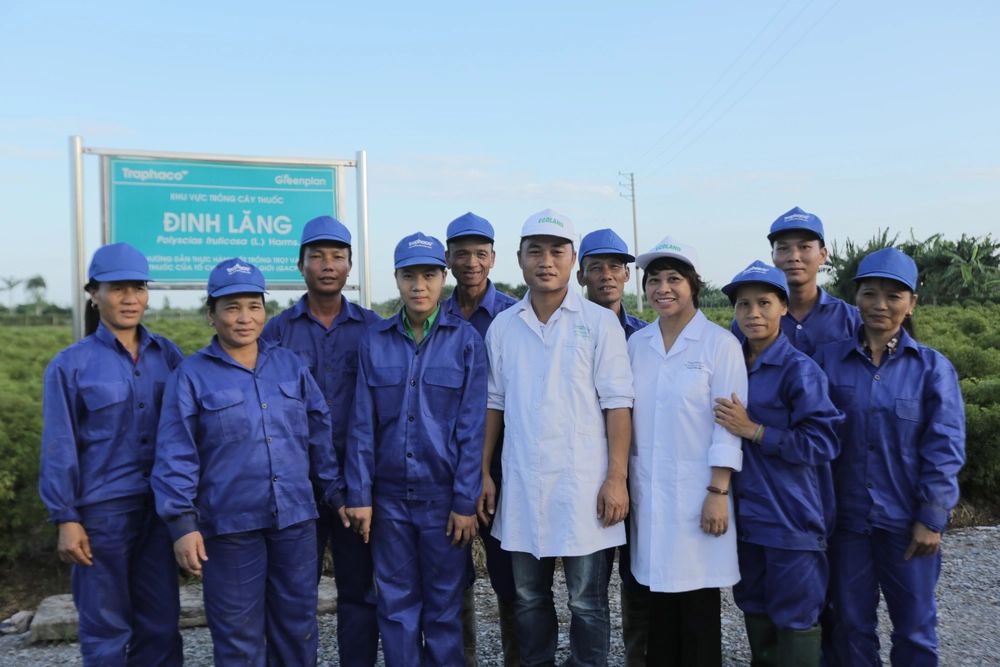
Furthermore, the project creates jobs, increases farmers' incomes, changes the economic landscape of many localities, and makes positive contributions to the environment and communities. After 14 years, GreenPlan has established material-growing areas covering more than 36,300 ha across 24 provinces and cities from North to South, including 10 medicinal materials with internationally recognised GACP-WHO-standard growing/harvesting areas (Artichoke, Glinus oppositifolius, Ipomoea cairica, Polyscias fruticosa, Ampelopsis cantoniensis, Stevia, Chrysanthemum indicum, Mugwort, Alisma plantago-aquatica and Periwinkle).
Potential for medicinal material development in Vietnam
Medicinal materials in general and medicinal plants in particular play an important role in healthcare and make a significant contribution to economic development. Medicinal plants have been, are being and will continue to be widely used to care for and protect human health (including disease prevention, treatment, rehabilitation, life extension, etc.).
The market for medicinal materials and medicines derived from medicinal materials is generating substantial revenue for countries. In addition, cosmetics using natural ingredients as substitutes for synthetic ingredients account for 90% of all cosmetics produced.
Products such as "functional foods", "nutritional supplements" and "alternative or complementary medicines", produced mainly from herbs or of herbal origin, are developing at an astonishing rate and are being assessed by experts as a nutritional trend of the 21st century.
Vietnam has enormous potential for medicinal plants, with a high level of biodiversity; a rich variety of medicinal plant species; diverse medicinal material resources; and thousands of effective traditional remedies.
Medicinal material production context in Vietnam
The country's medicinal material production does not yet correspond to its potential. Vietnam's medicinal plant resources are being significantly depleted and wastefully used. The cultivation, use and development of medicinal materials and products made from medicinal materials face many challenges.
Domestically produced medicinal materials
Before October 2013, Vietnam had no planning for medicinal plant-growing areas in particular or medicinal material production in general. For many years, the exploitation of Vietnam's natural medicinal materials remained unorganised, unplanned and without harvesting guidelines linked to conservation and sustainable development, resulting in some medicinal plant species being excessively and uncontrollably exploited, with the risk of depletion or extinction.
In addition, the quality of medicinal materials was not strictly controlled, and domestically produced medicinal materials could not compete with imported medicinal materials in terms of either price or variety.
Imported medicinal materials
The medicinal material supply system was small-scale, spontaneous and lacked direction.
Medicinal materials were mainly imported unofficially from China through unofficial border trade, with unclear origins, and some traditional medicines and medicinal materials that did not meet quality standards continued to circulate on the market.
Development of products from medicinal materials at TRAPHACO
Traphaco is a leading pharmaceutical enterprise developing products from Vietnamese medicinal materials.
Many of Traphaco's medicinal products have achieved significant success in the market, with products attaining National Brand (Vietnam Value) status, such as Traphaco Cerebrovascular Supplement, Cebraton brain tonic and Boganic liver tonic; and products receiving the Vietnamese Medicine Star Award, such as Ampelop.
The company has an increasing need for high-quality medicinal materials and stable medicinal material output. The medicinal materials used in large quantities are mainly domestically produced, with the proportion of domestic medicinal materials used annually consistently exceeding 80%.
Policies and programmes related to medicinal material development in Vietnam and the World Health Organisation
The State invests in, supports and creates conditions for:
- Investing public funds and mobilising other resources for the development of industries producing vaccines, biological products, herbal medicines, traditional medicines, medicines nearing patent or exclusivity expiry and related products; cultivating and producing medicinal materials; discovering, conserving and applying science and technology in the research and development of valuable and rare medicinal material genetic resources.
- Supporting and facilitating testing, registration for the protection of relevant intellectual property rights, marketing authorisation and inheritance registration for traditional medicines and herbal medicines with national-, ministerial- or provincial-level scientific and technological projects that have been accepted; seeking, exploiting and using new medicinal materials...
The World Health Organisation's (WHO) global strategy and action plan for public health emphasise the role of traditional medicines: WHO recognises traditional medicines as one of the sources serving primary healthcare and contributing to improving people's health, while also considering traditional medicines among the Millennium Development Goals.
Based on the above situation, Traphaco decided to plan and implement the GreenPlan - Expanding Green Horizons project not only to contribute more herbal medicines supporting the health of Vietnamese people, but also to conserve the country's valuable medicinal plant varieties and contribute to increasing local and national economic development.
Training in good practices for implementation members
A company-level project initiated by Traphaco established the first GACP-WHO training course in Vietnam; it was also the only one where the trainees were members of State management agencies.
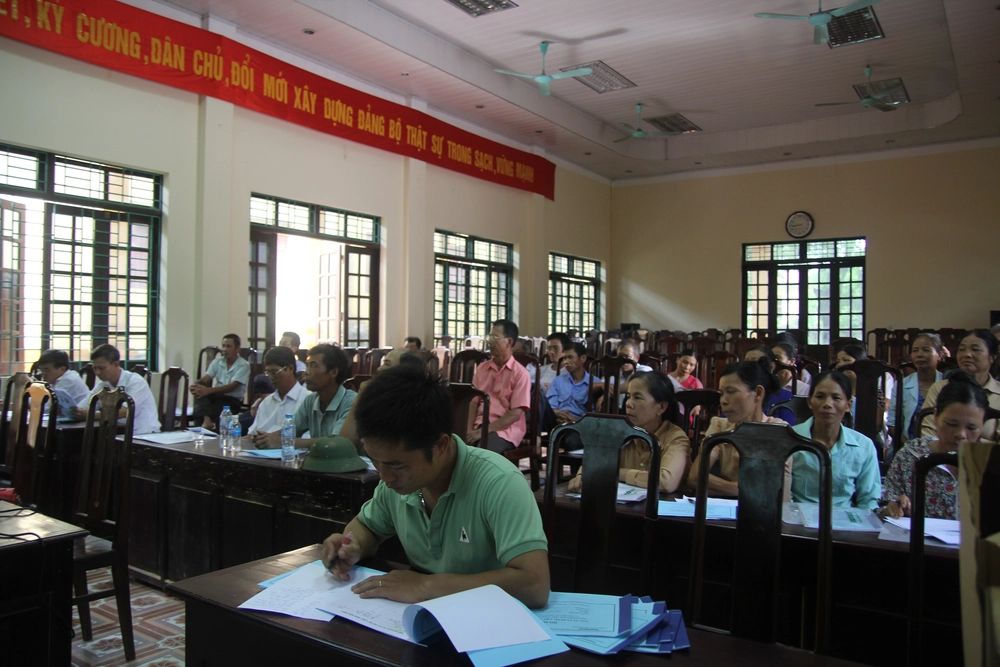
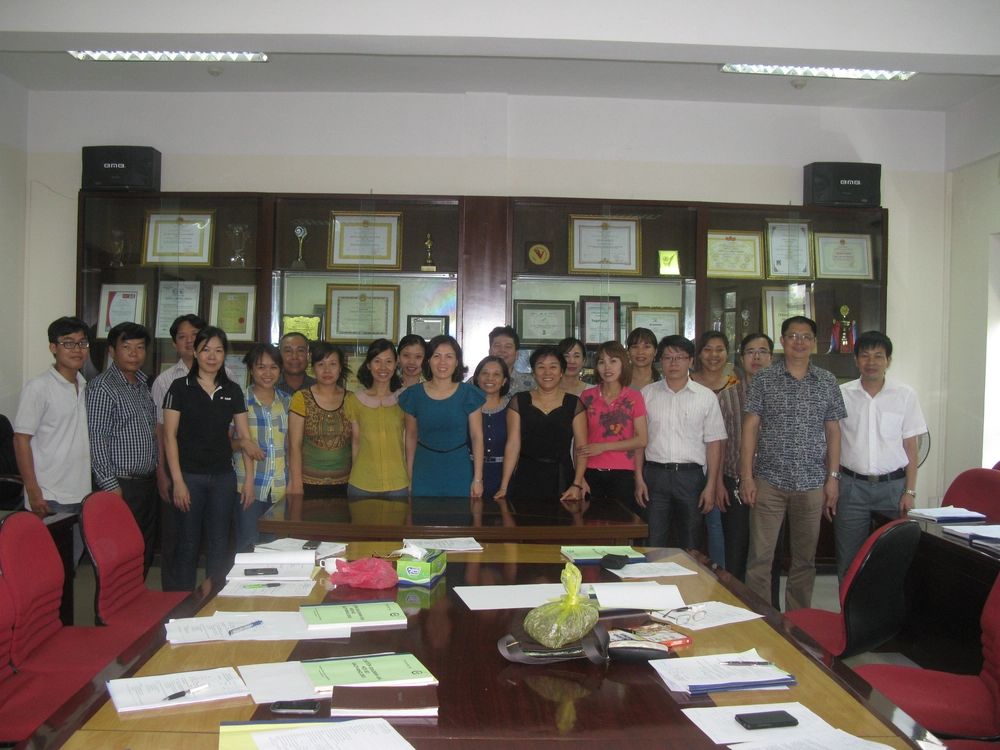
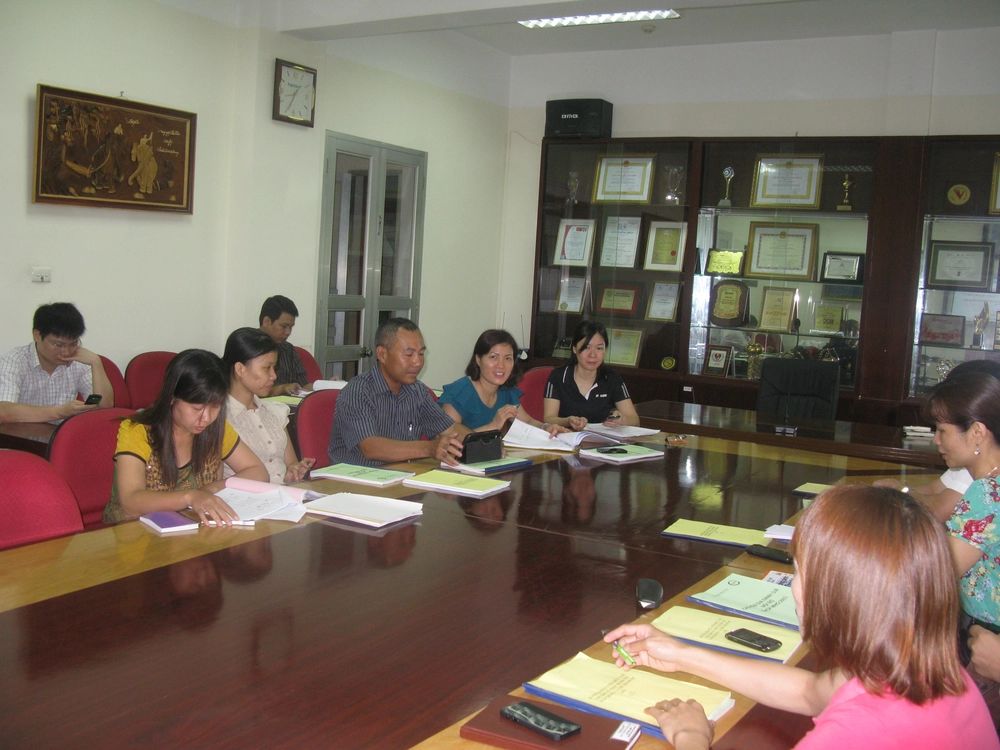
From 2013 to the present, the company has organised and coordinated training sessions and workshops on medicinal material cultivation, harvesting and pre-processing procedures according to GACP-WHO, as well as awareness of GACP-WHO in the new period, for personnel responsible for growing areas, households and medicinal material production facilities.
The company's concepts of a green value chain from the GreenPlan project
The GreenPlan project is implemented throughout Traphaco's supply chain for products made from medicinal materials. Accordingly, Traphaco also defined the initial concepts of a green value chain associated with the GreenPlan project as: Green Materials – Green Technology – Green Products – Green Services.
Creating green materials
- Through activities involving surveys of medicinal material areas, development of growing areas and exploitation of medicinal materials, and coordination in implementing scientific and technological tasks related to medicinal material development.
- Traphaco was the first organisation to register and announce medicinal material production according to GACP-WHO and to have its GACP-WHO-compliant production announcement accepted by the Vietnamese Ministry of Health.
Applying green technology
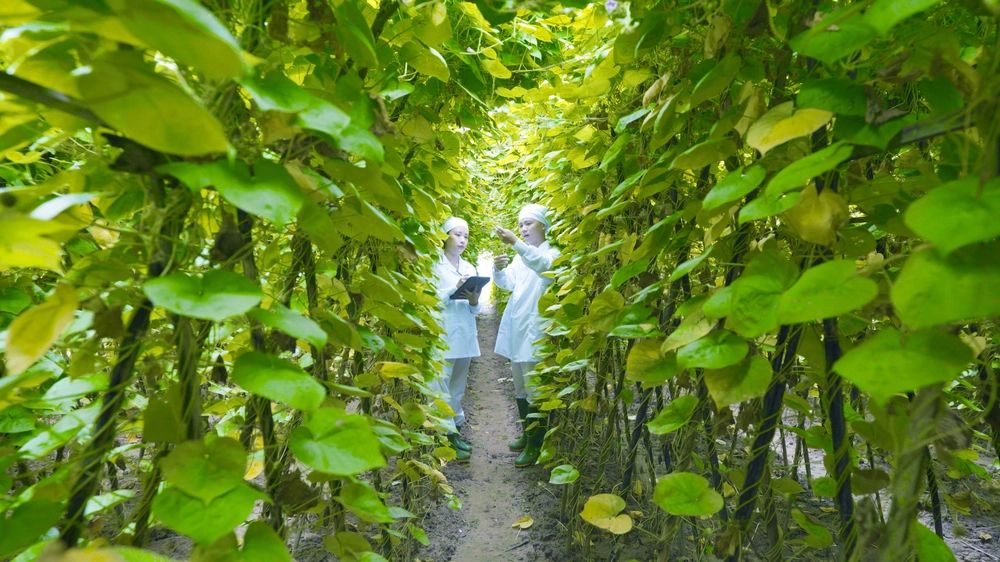
- Implementing environmentally friendly cultivation/harvesting procedures, including the use of biological preparations, crop rotation and the selection of growing areas with suitable soil, water and irrigation conditions.
- Combining green technology with extraction and formulation technology to minimise environmental impacts. Since 2010, the application of microwave vacuum-drying technology to medicinal material extracts has helped the company reduce electricity consumption 18-fold compared with conventional drying technology.
Creating green products
With the strategic orientation of maintaining its leading position in the research and development of medicines and healthcare products from medicinal materials, Traphaco has focused on researching and developing products from medicinal materials, using science and technology as the foundation for creating Green Products.
Providing green services
The process of bringing products to market is also carried out by Traphaco consistently according to the company's orientation and is part of the objective of providing Green Services.
Leading the application of information technology in medicinal material traceability
Traphaco coordinates the Green Materials supply chain, maintaining stable production and ensuring that the Green Materials link in the sustainable Green Value Chain is not affected.
Online training and the application of software to control production and trace the origin of GACP-WHO medicinal materials on a web-based platform (http://www.traphacoxanh.com).
Creative products and proposals from special cooperation programmes
For the first time in Vietnam:
- A complete identification system for medicinal plants and medicinal ingredients was developed, covering morphological, chemical and molecular biological characteristics. This was the outcome of a component project of GreenPlan, "Development of an identification system for Dioscorea persimilis and the medicinal ingredient Hoài sơn", under the Vietnam Innovation Day 2011 Programme (VID 2011).
- A handbook of guidelines for cultivating and harvesting medicinal plants (Artichoke, Polyscias fruticosa, Ampelopsis cantoniensis, etc.) was developed as a result of the Biotrade project led by Helvetas, with the participation of members of Traphaco's GreenPlan project.
Additionally, the project recorded an initiative to create a revolving fund to support people participating in medicinal material production in highland areas. This initiative was implemented under the project "Development of medicinal material cultivation and processing in several mountainous localities in the Northwest, contributing to job creation and increased incomes for low-income people".
Registration for the protection of medicinal plant varieties
Based on the scientific research results and activities of the GreenPlan project, Traphaco was the first pharmaceutical company to register the protection of medicinal plant varieties. The company currently has three Ipomoea cairica varieties that have been granted plant variety protection certificates in Vietnam.
Promoting - Creating a Gender-Equal Environment
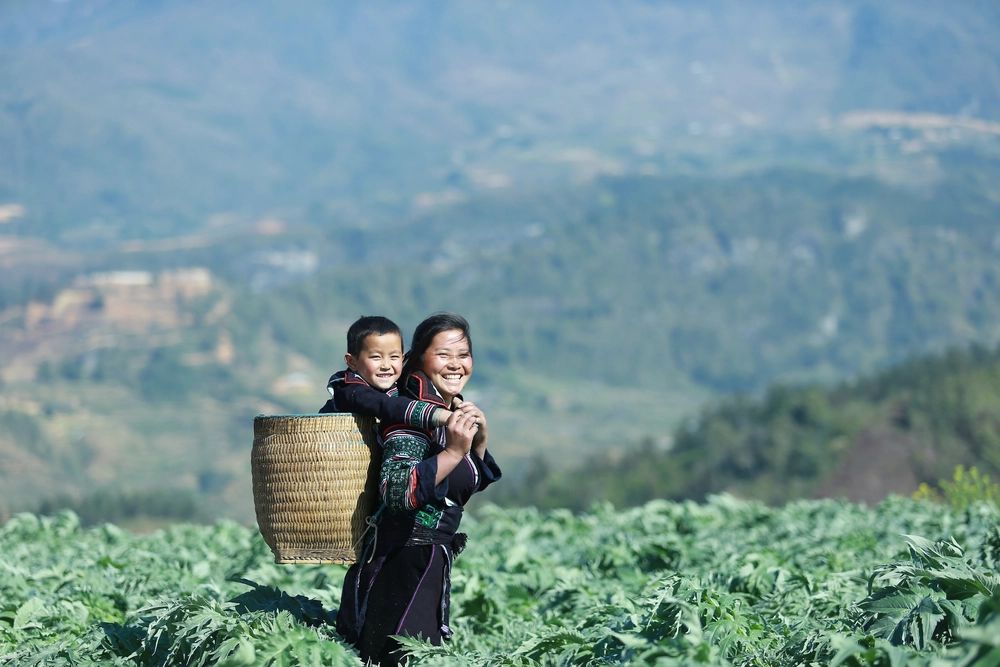
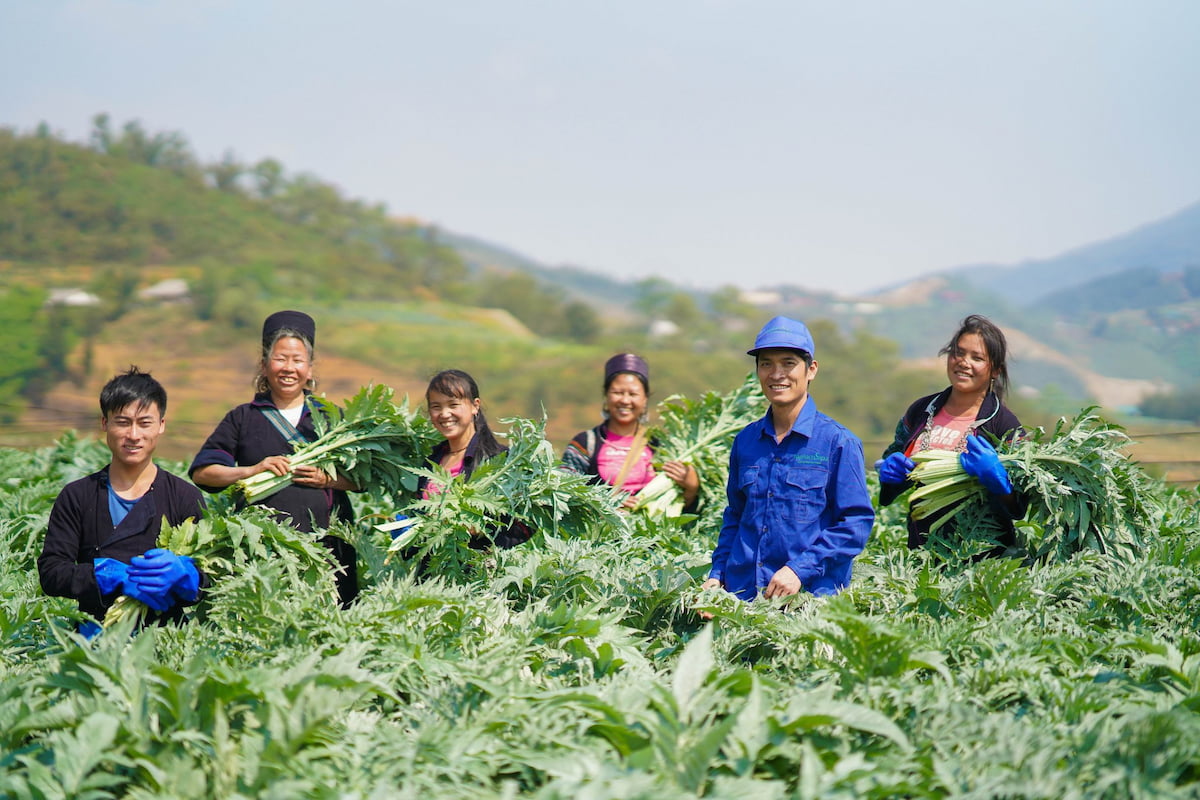
In the Sapa area, Traphaco, through its subsidiary Traphaco Sapa, cooperates with H'Mong and Dao households to establish communities producing Artichoke and other medicinal materials, with women accounting for more than 80% of participants in the production linkages. The proportion of women signing contracts is 92.5% (185 women/200 households).
The linkage process not only creates jobs for households but also contributes to changing relationships within their families in a positive and sustainable way, helping them lead more equal lives with greater sharing, thereby making the Company's linkages more sustainable.
Main actions implemented and lessons learnt
Developing a linkage model that contributes to enhancing the role of women and promoting gender equality:
- Led by women from ethnic minority communities,
- Women in farming households decide on work-related matters,
- Increasing production value and promoting the cultural identity of highland ethnic groups;
- Female farmers are equipped with business skills, marketing skills, customer service skills, financial management skills and revenue control skills; etc.
Women's work in the community is recognised; women have financial autonomy, directly manage finances and have the right to decide how finances and family affairs are handled.
The process of selecting Traphaco suppliers involves consultation with local authorities and direct assessment of the capabilities of female farmers and farming households in the community:
- Prioritising the selection of female farmers and ethnic minority people as partners
- Paying attention to poverty eradication and sustainable wealth creation targets
- Always combining partners who are farming households with good technical skills and other households to create an increasingly progressive production community while minimising risks during cultivation.
- Traphaco has not only persuaded and encouraged women in farming households to attend training so that they could acquire technical expertise; this has also provided opportunities for women to go out and communicate within the community/society, broaden their relationships and develop themselves.
- Being sensitive and understanding when arranging women to invite participants to technical and gender equality training so that families feel confident; inviting male trainers to deliver the training in a more engaging and effective manner.
The world is facing five major issues: population, energy, food, resources and ecology, and the Green Economy will be a smart choice for overcoming crises and a key factor in the green revolution of the century.
According to UNEP (United Nations Environment Programme), the Green Economy is an economy that brings human wellbeing and social equity while significantly reducing environmental risks and ecological scarcities.
The Green Economy has four economic components, including agriculture, industry, services and knowledge, based on foundations of green materials, green technology, green services and many other factors, characterised by low emissions, efficient use of resources and a focus on social equity. Developing the Green Economy is a way of achieving sustainable development.
- Purpose of the Green Economy: Creating jobs, ensuring sustainable economic growth and preventing pollution and environmental degradation, global warming and resource depletion.
- Vietnam's pharmaceutical industry is facing a choice between a pharmaceutical industry based on synthetic chemical active ingredients or developing a pharmaceutical industry based on the development of medicines from medicinal materials.
- With a history of thousands of years of traditional medicine, Vietnamese traditional medicine is an irreplaceable cultural asset, in which medicinal plants and animals and medicinal remedies are tangible cultural assets, while knowledge of using medicinal plants and remedies is intangible cultural heritage.
- Vietnam's pharmaceutical industry also has the advantage of biodiversity, with more than 4,000 species of plants and fungi with medicinal uses, many endemic plants with potential for developing new medicines, and the global trend of "returning to nature".
Faced with the challenges and opportunities for Vietnam's pharmaceutical industry in general and Traphaco Joint Stock Company in particular, its mission and responsibility to the community created the motivation for Traphaco to choose its own new path with the strategy "Green Health Path", comprising four strategic objectives: Green Materials; Green Technology; Green Products and Green Services.
To achieve the strategic objective of Green Materials, Traphaco laid the foundations by implementing the GreenPlan Project, with the initial objective of "Sustainable development of Traphaco's medicinal material resources".
- 2010: Establishment of the GreenPlan Project Board under the model of "Matrix project management organisation". This was a comprehensive cooperation project between the 4 Houses (Farmers – State – Scientists – Enterprises) throughout Traphaco's Green Value Chain.
- 2011: Ten objectives related to surveying medicinal material production areas, researching new products and developing procedures for cultivating and exploiting medicinal materials.
- 2011-2015 period: More specific objectives for selecting medicinal materials to register for GACP-WHO. This included developing production areas for several medicinal materials according to GACP-WHO and registering the production of four medicinal materials - Artichoke, Ipomoea cairica, Glinus oppositifolius and Polyscias fruticosa - as GACP-WHO-compliant in 2013
- From 2016 to the present, the GreenPlan Project has been implemented according to annual plans and specific objectives based on Traphaco's annual production and business plans. The focus has been on maintaining and developing production areas for five medicinal materials - Artichoke, Glinus oppositifolius, Ipomoea cairica, Polyscias fruticosa and Ampelopsis cantoniensis - that meet GACP-WHO standards.
Start-up phase
The GreenPlan Project implemented the following main activities: document research; surveys of medicinal materials and growing areas; medicinal material exploitation; trial cultivation of several medicinal materials and other related activities; and participation in State- and ministerial-level topics and projects related to medicinal material development.
Document research, surveys of medicinal materials and growing areas, and medicinal material exploitation
The survey phase lasted from 08/2009 to 08/2011, with 33 survey trips conducted across 20 provinces, including:
- The Northeast region (7 provinces: Cao Bang, Lang Son, Phu Tho, Bac Giang, Ha Giang, Quang Ninh and Thai Nguyen);
- The Northwest (4 provinces: Hoa Binh, Yen Bai, Lao Cai and Son La), and the Red River Delta (5 provinces and cities: Hanoi, Hung Yen, Nam Dinh, Bac Ninh and Ninh Binh);
- The Central and Central Highlands regions (4 provinces: Phu Yen, Dak Lak, Lam Dong and Tay Ninh).
The activities included:
- Collecting information on areas for growing and developing medicinal materials included in the project's research list; information on medicinal plants introduced into Vietnam; and cultivation and processing procedures for various medicinal materials researched by the Institute of Medicinal Materials – Ministry of Health and Vietnam National University of Agriculture;
- Updating information on the cultivation, exploitation and purchasing of medicinal materials, and preliminarily mapping areas for growing and exploiting 26 major medicinal materials;
- Establishing good cooperative relationships with companies, institutes, research centres, hospitals, government organisations and associations in the surveyed localities;
- Signing contracts and memoranda of understanding, and acting as a bridge between the subsidiary Traphaco CNC and quality medicinal material production facilities serving the company's production needs;
- Participating in scientific seminars and conferences, thereby promoting the company's strengths while gaining an understanding of the general development of Vietnamese medicinal materials and opportunities to advise and provide input on national tasks.
Trial cultivation of several medicinal materials and other related activities
- Trial cultivation of Artichoke in Xa Ho Commune, Tram Tau District (Yen Bai);
- Contracting the cultivation and supply of Artichoke medicinal materials and varieties in Sa Pa (Lao Cai);
- Researching the use of rare earth elements in Artichoke cultivation in Sa Pa (Lao Cai);
- Cooperating to expand Artichoke-growing areas in Ngoc Chien District (Son La), Bac Ha District (Lao Cai) and Sin Ho District (Lai Chau);
- Developing procedures for cultivating Chrysanthemum indicum as medicinal material and seed in Nghia Trai, Tan Quang, Van Lam District (Hung Yen);
- Trial cultivation of Chrysanthemum indicum in Minh Duc Commune, Viet Yen District (Bac Giang);
- Cooperating with the Sa Pa Medicinal Material Research Centre – Institute of Medicinal Materials and Traphaco Sapa One Member Company Limited to trial-cultivate Aconitum carmichaelii in Sa Pa (Lao Cai), Dioscorea persimilis and Fallopia multiflora in Chi Ne (Hoa Binh).
Participating in State- and ministerial-level topics and projects related to medicinal material development
- Completing the project that won first prize in the 2010 Vietnam Science and Technology Innovation Awards (VIFOTEC), issued by the Vietnam Union of Science and Technology Associations and the Ministry of Science and Technology, with the topic "Research into the production of Boganic Liver Detoxification medicine from Vietnamese medicinal materials".
- Successfully registering the topic "Development of the genetic resources of Dioscorea persimilis and Coix lacryma-jobi" under the Ministry of Science and Technology's 2011 scientific task. Traphaco Joint Stock Company was the lead organisation, and Hanoi University of Pharmacy was the coordinating organisation.
- Participating in the presentation and winning an award in VID 2011 (Vietnam Innovation Day 2011, jointly organised by the World Bank and the Enterprise Development Agency – Ministry of Planning and Investment) with the proposal "Development of an identification system for Dioscorea persimilis and the medicinal ingredient Hoài sơn".
- Cooperating with the Institute of Agricultural Engineering and Post-Harvest Technology to successfully register the topic "Research into industrial-scale technology for the pre-processing and preservation of medicinal materials after harvesting" under the 2012 scientific and technological task.
Action phase according to objectives
In addition to members from departments of Traphaco's member companies supporting relevant activities, the specialised team was responsible for implementing the main activities according to annual short-term objectives and long-term objectives within a given period.
Focusing on the objective of maintaining and developing production areas for five medicinal materials - Artichoke, Glinus oppositifolius, Ipomoea cairica, Polyscias fruticosa and Ampelopsis cantoniensis - according to GACP-WHO. By 2024, five additional growing areas had been added: Alisma plantago-aquatica, Chrysanthemum indicum, Mugwort, Stevia and Periwinkle, with 10 main activities:
- Assessing the economic, social and environmental conditions of the target production areas
- Checking the soil and water quality of the target production areas
- Signing GACP-WHO medicinal material production cooperation contracts with cultivation and harvesting households and medicinal material pre-processing facilities
- Providing training and workshops for people participating in medicinal material production on cultivation, harvesting and processing procedures according to GACP-WHO guidelines
- Establishing an internal control network and conducting annual internal assessments of GACP-WHO medicinal material production
- Signing contracts for purchasing medicinal materials that meet technical standards and policy commitments for controlling medicinal material production according to GACP
- Announcing and registering certification for medicinal material production areas that meet GACP standards. In addition to the main activities mentioned above, the GreenPlan Project implemented the following activities according to the needs of society and the State
- Presenting papers at conferences and seminars on the development of Vietnamese medicinal materials
- Providing comments on draft legal documents related to medicinal material development
- Surveying and commissioning the development of web-based software, "Traphacoxanh.com", to trace the origin of medicinal materials and control GACP-WHO medicinal material production
Project approach
The project was implemented based on the principle of cooperation between the 4 Houses (State, Farmers, Scientists and Enterprises), while emphasising the role of Enterprises through a multidimensional systems approach:
- Vertically, with State management levels (from central to local levels, and from ministries to departments and divisions);
- Horizontally, with Enterprises (companies, production facilities and consulting organisations), Farmers and Scientists; and in depth, between Enterprises and each House (Enterprises, State, Scientists and Farmers), etc.
- In 2011, agricultural production in Vietnam was still underdeveloped. When Farmers cooperate with enterprises, they can put an end to fragmented and spontaneous production, secure product outlets, earn profits and continue reproduction.
- To "create superior strength through cooperation", enterprises, scientists and farmers need to link together into networks and become partners in all activities across the four stages of Product Research – Product Development – Product Production – Product Distribution in the market.
Therefore, the implementation of the GreenPlan Project involves the joint efforts and contributions of all 4 Houses: State – Farmers – Scientists – Enterprises. Among them, Enterprises - the party most capable of responding flexibly and sensitively to the market, and ready to turn research results into practical applications - play a central role, linking with each House, organising joint activities and connecting the Houses within a system of developmental relationships.
Technology implemented in the Project
GreenPlan is a comprehensive medicinal material development project. The technologies applied and implemented are delivered through the topics and component projects of the GreenPlan Project.
Qualitative Results: Value and Significance of the Project for Beneficiaries
Overall benefits carrying out inclusivity:
- Creating jobs and stabilising the lives of households whose members are involved in the medicinal material development chain, increasing incomes and creating livelihoods and wealth for hundreds of households and medicinal material production facilities participating in Traphaco's Green Value Chain.
- Contributing to the economic stability of households in localities, contributing to the State budget and helping to achieve economic, political and social development objectives in cooperating localities.
- Traphaco maintains stability and continues to develop the Green Value Chain through self-reliance and the application of science and technology.
- From a medicine production unit under the Railway Health Department, established on 28 November 1972 with 15 staff whose main task was to compound medicines according to prescriptions, it has now developed into a leading Vietnamese pharmaceutical company with charter capital of more than VND 414.5 billion.
- The company stabilises the lives of more than 1,434 workers employed by its subsidiaries (TraphacoSapa, TraphacoCNC, Traphaco Hung Yen and Bamepharm), with average worker incomes consistently growing by 5–10% per year, as well as those of other cooperating organisations (Hong Dai Viet Production and Trading Co., Ltd., My Hung Xanh Ecoland One Member Company Limited, etc.); providing livelihoods and creating wealth for thousands of farming households in medicinal material production areas.
In the growing areas, Artichoke and Polyscias fruticosa are wealth-generating crops for local communities.
- Each hectare of Artichoke can generate a profit of approximately VND 100 million per growing season from the leaves alone; if the stems, roots and flowers are fully harvested, one hectare can generate a profit of up to VND 200 million.
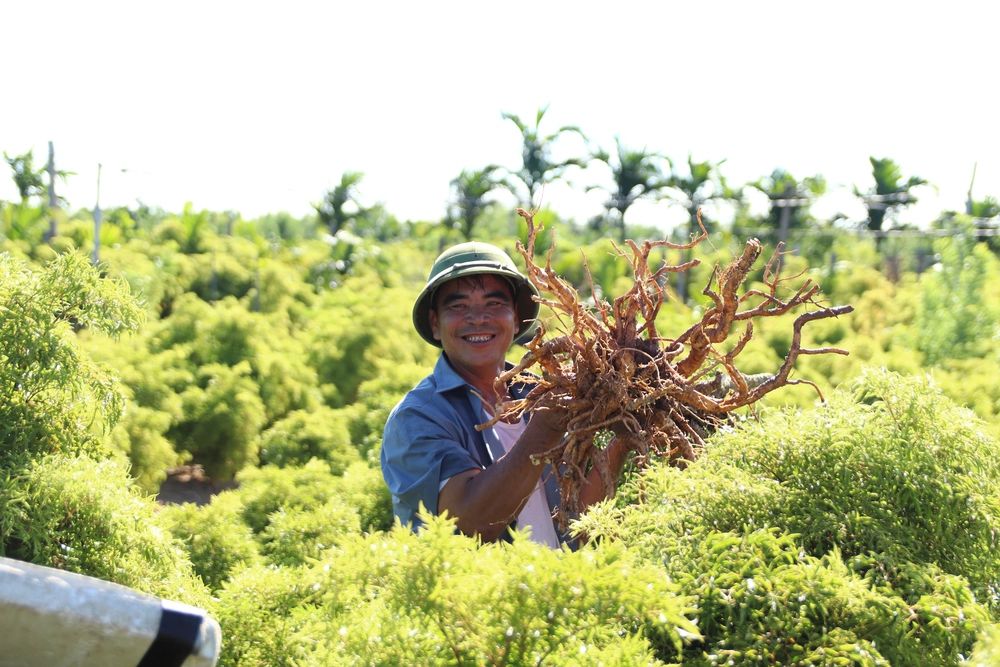
- Each hectare of Polyscias fruticosa generates an income of VND 250 - 300 million per year, with the roots alone generating VND 150–200 million per year.
- Each hectare of Ipomoea cairica generates an income of VND 80 - 160 million per year.
- In each harvesting season of Glinus oppositifolius, local people earn an additional average income of VND 2 - 3 million per month.
Quantitative results: Quantification of project results in figures
The project's cultivation model demonstrates the potential for diversity in area and output according to each crop. Specifically, Ampelopsis cantoniensis reaches a scale of 35,000 ha, with an output of approximately 100 tonnes per year. Artichoke ranges from 50 to 2,000 ha, while Ipomoea cairica is at 5 - 10 ha. Polyscias fruticosa records 75 - 250 ha, while Glinus oppositifolius reaches 1,200 ha, with an output of approximately 100 tonnes per year. Chrysanthemum indicum ranges from 2.2 to 4 ha, and Alisma plantago-aquatica from 2.2 to 8 ha. Notably, although Stevia has a small area of only 0.04 ha, its output can reach up to 260 kg per year. Mugwort ranges from 0.5 to 5 ha, while Periwinkle ranges from 0.1 - 400 ha. These figures reflect the flexibility of the model and its ability to adapt to different cultivation conditions.
A matrix-style project management model
The GreenPlan Project is a complex project that implements a matrix-style project management model. The project has been and continues to be developed on an increasingly larger scale, with a tendency to separate into smaller projects managed independently by cooperating organisations, with technical support from members of the specialised GreenPlan team and financial investment from Traphaco or other sources.
Since 2013, through exchanges and cooperation with domestic and international organisations, the GreenPlan Project has become a model project, with many organisations learning from it and jointly implementing or independently implementing projects on medicinal material development and the establishment of GACP-WHO-compliant medicinal material supply chains. The international organisation HELVETAS Swiss Intercooperation Vietnam, in particular, has supported and encouraged many enterprises outside Traphaco to participate in projects developing medicinal material production areas according to GACP-WHO or organic standards in Vietnam, such as Hong Dai Viet Production and Trading Co., Ltd.; Nam Duoc Joint Stock Company; Hau Giang Pharmaceutical Joint Stock Company; OPC Bac Giang Joint Stock Company; etc.
The project model has now been scaled up at TraphacoSapa One Member Company Limited (TraphacoSapa) through the implementation of the project "Development of medicinal material cultivation and processing in several mountainous localities in the Northwest, contributing to job creation and increased incomes for low-income people". The subsidiary TraphacoSapa received funding from the UK's Department for International Development (DFID) through the Vietnam Business Challenge Fund (BVCF), implemented from September 2013 to August 2015. In 2021, TraphacoSapa also had its State-level project "Completion of the production process for several health-protection products from Cordyceps militaris in Sa Pa District, Lao Cai Province" accepted by the Ministry of Science and Technology after two years of implementation.
The project model is currently being scaled up at Traphaco High-Tech Joint Stock Company (Traphaco CNC) through the establishment of a project to grow GACP-compliant Chrysanthemum indicum in Van Lam District, Hung Yen. Accordingly, members of the GreenPlan Project Board's specialised team are responsible for providing Traphaco CNC with support on documentation, materials and advice on how to implement the project. The GreenPlan Project model can be implemented in localities across Vietnam, as well as in some similar countries in Asia, the Americas and Africa, with different scales of cooperation and levels of expertise.
Development of Premium Traditional Medicines – A Journey to Preserving National Resources
Building on trusted products such as Boganic and Traphaco Cerebrovascular Supplement, Traphaco has developed breakthrough formulations and created premium traditional medicines with new active ingredients combined to maximise the value of Vietnam's natural medicinal materials. With premium traditional medicines, the Traphaco team continues to explore and research in order to create an "elevation" through its Premium product line - a distinctive line of premium traditional medicines from Traphaco with three characteristics: Essence (East–West combination formulations and standardised medicinal material sources), Modernity (technology, clinical research and packaging), and Sustainability (environmental protection and contributions to the community).
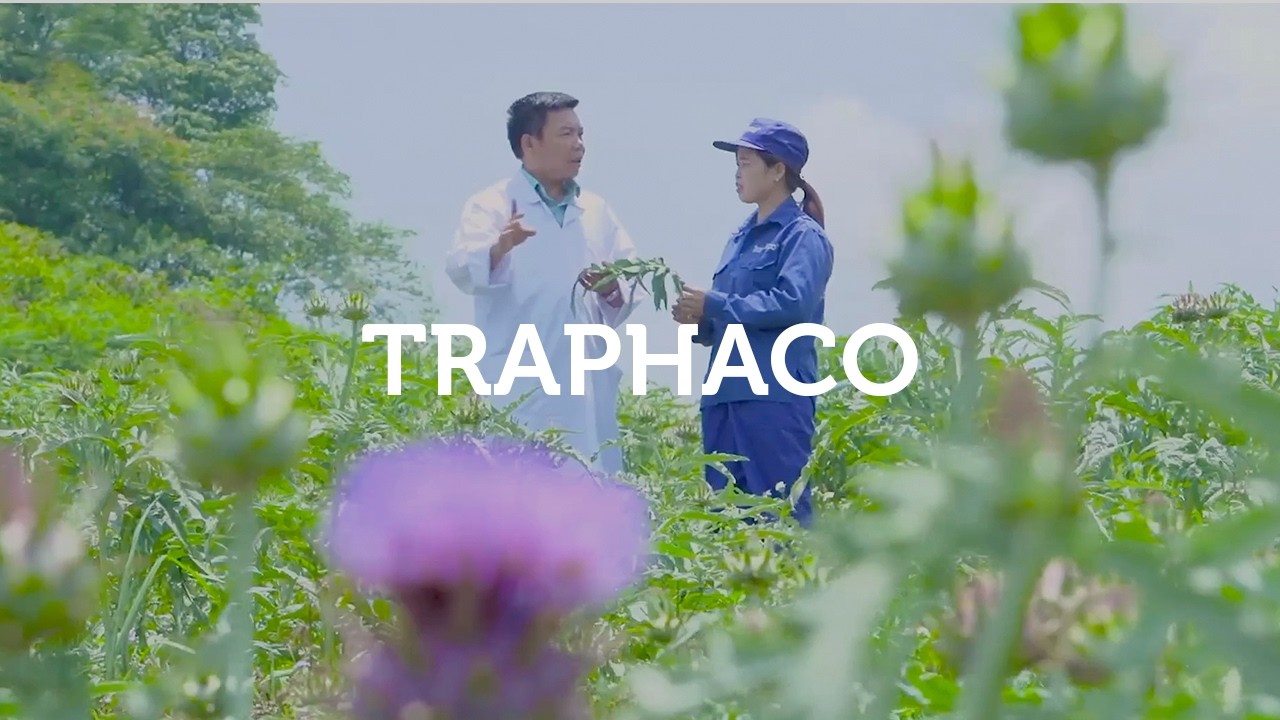
GreenPlan - Expanding the green horizons
Case Ownership
Hosting Organisation: Traphaco Joint Stock Company
Related organisations/brands: Traphaco Sapa, Traphaco CNC, Traphaco Hung Yen, Bamepharm
Implementation Organisations and Partners: Ministry of Health; National Institute of Medical Materials; Vietnam National University of Agriculture; Hanoi University of Pharmacy; HELVETAS Swiss Intercooperation Vietnam; DFID / Vietnam Business Challenge Fund (BVCF); World Bank and Enterprise Development Agency – Ministry of Planning and Investment; Ministry of Science and Technology; Local authorities in medicinal plant-growing areas; farming households, cooperatives and medicinal material pre-processing facilities
Stakeholders and beneficiaries: Farmers and households participating in medicinal plant-growing, harvesting and pre-processing areas; Women in farming households, particularly ethnic minority women in production-linked areas; Local communities in medicinal plant-growing areas across 24 provinces and cities; Workers within the Traphaco ecosystem and its member companies; Consumers using medicines and healthcare products made from medicinal materials; Regulatory agencies, scientific experts and research organisations in the field of medicinal materials; Natural ecosystems, medicinal plant genetic resources and biodiversity in Vietnam
Source: Human Act Prize (external link)
The copyright and legality of all images, videos, information, and data regarding the project published on this landing page are provided by and are the sole responsibility of the individuals/organizations registering for the Human Act Prize. The republished content on this landing page has been verified and authorised by VCCorp Corporation (the co-organiser of the Human Act Prize).
Specific SDG targets
SDG 3.8
Achieve universal health coverage, including access to essential healthcare services and safe, effective, quality and affordable essential medicines and vaccines
SDG 3.b
Support the research, development and access to essential medicines and vaccines
SDG 8.3
Promote development-oriented policies that support productive activities, decent job creation, entrepreneurship and innovation
SDG 8.5
Achieve full and productive employment and decent work for all women and men, including young people and persons with disabilities, with equal pay
SDG 8.8
Protect labour rights and promote safe working environments for all workers
SDG 15.1
Ensure the conservation, restoration and sustainable use of terrestrial and inland freshwater ecosystems
SDG 15.5
Take urgent action to reduce the degradation of natural habitats and halt the loss of biodiversity
SDG 15.6
Promote fair and equitable sharing of the benefits arising from the utilisation of genetic resources and associated traditional knowledge