Promoting sustainable living through vegan cosmetics and a sustainable Vietnamese agricultural value chain.
Cocoon is a Vietnamese vegan cosmetics brand established with the mission of creating effective skincare and haircare products for Vietnamese consumers using locally sourced, plant-based ingredients. The brand has been present in the Vietnamese market since 2013 and began focusing on brand development in 2019.
The name Cocoon symbolises a cocoon that nurtures and protects a caterpillar before it transforms into a butterfly. Inspired by this idea, the brand aspires to become a trusted companion in consumers' self-care journeys, helping individuals feel confident and express their own unique beauty.
Cocoon offers four core product categories: hair care, skincare, body care and lip care, covering routines from essential daily care to more advanced treatments. Since its inception, the company has remained committed to vegan cosmetics, harnessing the value of indigenous Vietnamese botanical ingredients such as winter melon, Dak Lak coffee, Cao Bang rose and Hau Giang lotus.
For Cocoon, sustainability is not a standalone initiative but an integral part of the brand's identity. This philosophy is reflected in three core commitments: developing products that are safe, effective and responsibly produced; ensuring all products are free from animal-derived ingredients and are never tested on animals; and minimising environmental impacts throughout the entire product life cycle.
Key impact indicators
In the cosmetics industry, terms such as green, clean and natural are increasingly used in branding and marketing. However, for Cocoon, these concepts are only meaningful when they are translated into clear, verifiable commitments that are consistently upheld throughout the company's operations.
The key sustainability challenges that Cocoon seeks to address include
Product transparency, safety and responsibility
Cosmetics come into direct contact with the human body, making ingredient traceability, consumer safety and rigorous product testing essential before products reach the market. At the same time, the use of animal-derived ingredients and animal testing has raised growing expectations for more ethical and responsible product development.
Sustainable development of locally sourced plant-based ingredients
Vietnam is rich in indigenous botanical ingredients, including winter melon, Dak Lak coffee, Cao Bang rose and Hau Giang lotus. However, unlocking the value of these local agricultural products must go hand in hand with responsible farming practices that protect soil health, support farmers' livelihoods and strengthen local communities. In the case of Dak Lak coffee, soil quality in the sourcing region had deteriorated due to the long-term accumulation of chemical fertiliser residues and heavy reliance on synthetic fertilisers.
Reducing environmental impacts across the product life cycle
Environmental responsibility does not end when a cosmetic product is sold. Post-consumer packaging can become waste if it is not properly collected, reused or recycled. In addition, hazardous household waste, such as used batteries, requires appropriate collection and disposal to minimise environmental harm.
Ensuring quality while developing products from natural ingredients
Natural ingredients are inherently subject to variations caused by seasonal changes, farming conditions and geographical differences. This requires rigorous research, testing and quality control to ensure that products remain safe, effective and consistent while aligning with sustainable development principles.
These challenges highlight the need for a more sustainable cosmetics business model, in which responsibility is embedded throughout the entire value chain - from product formulation, ingredient sourcing and testing to manufacturing, packaging and consumers' post-use behaviour.
Cocoon approaches sustainability through a responsible vegan cosmetics model that integrates modern cosmetic science, locally sourced plant-based ingredients, cruelty-free standards, environmental impact management and consumer participation.
Rather than focusing solely on the final product, this model considers the entire product life cycle - from ingredient sourcing, formulation research and testing to manufacturing, packaging, consumption and post-consumer recovery.
Core initiative areas
Vegan, safe and cruelty-free cosmetics
Cocoon is committed to producing 100% vegan cosmetics, excluding all animal-derived ingredients such as honey, beeswax, lanolin, sheep placenta extract, snail secretion filtrate, shark liver oil and silk. Instead, the brand formulates its products using plant-derived extracts and active ingredients.
The company also maintains a strict cruelty-free policy. Products are developed and tested using laboratory methods and volunteer testing rather than animal testing. In addition, Cocoon requires its ingredient suppliers to confirm that no animal testing is conducted during the research or production of raw materials.
To ensure product safety, all ingredients are fully traceable and supported by documentation verifying their origin. Before being released to the market, each product undergoes 12–24 months of research and development, followed by comprehensive testing for microbiological safety, pH, long-term stability, temperature stability and skin irritation.
Sustainable development of Vietnamese botanical ingredients and local agriculture
Cocoon incorporates familiar Vietnamese botanical ingredients - including winter melon, Dak Lak coffee, Cao Bang rose and Hau Giang lotus—into its product portfolio. Beyond defining the brand's identity, these ingredients strengthen connections between the company and local agricultural communities.
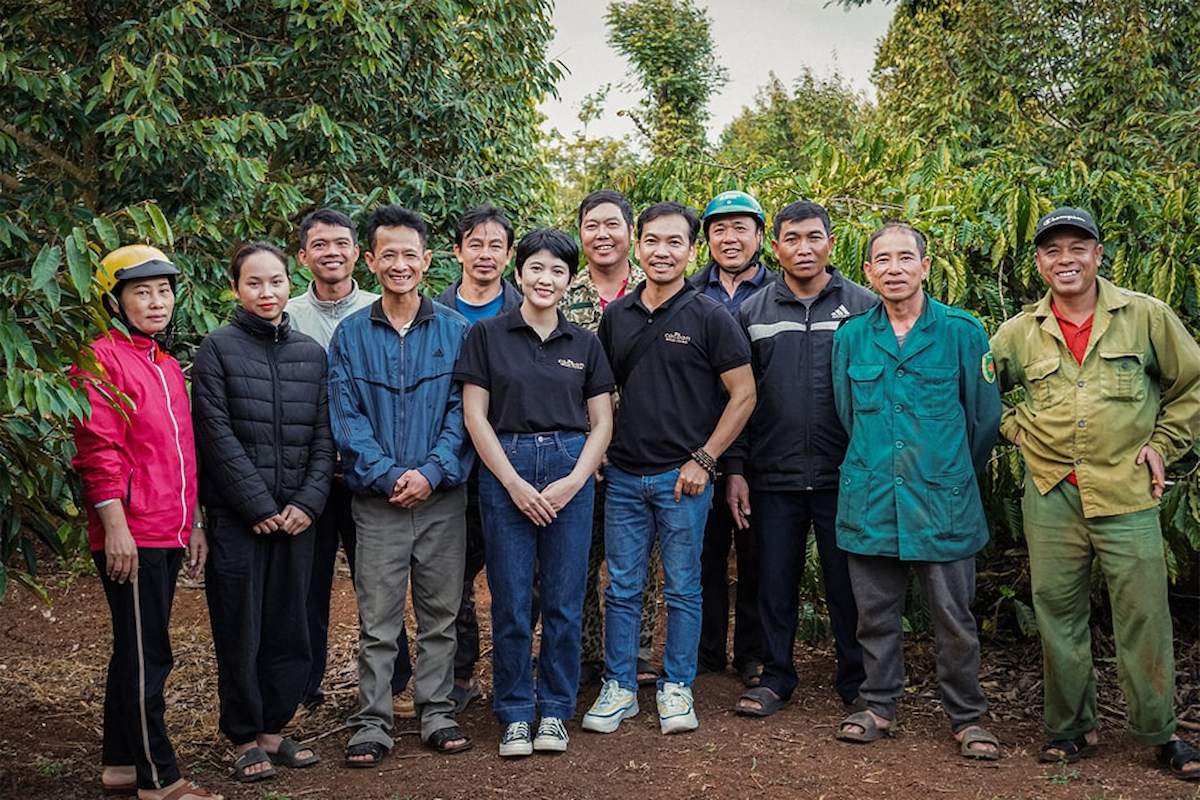
In Dak Lak, Cocoon launched the "Supporting Sustainable Coffee Farming in Dak Lak" project in early 2023 in Hoa Dong Commune, Krong Pak District. The initiative aims to restore soil health degraded by long-term chemical fertiliser residues while reducing farmers' dependence on synthetic fertilisers in coffee cultivation.
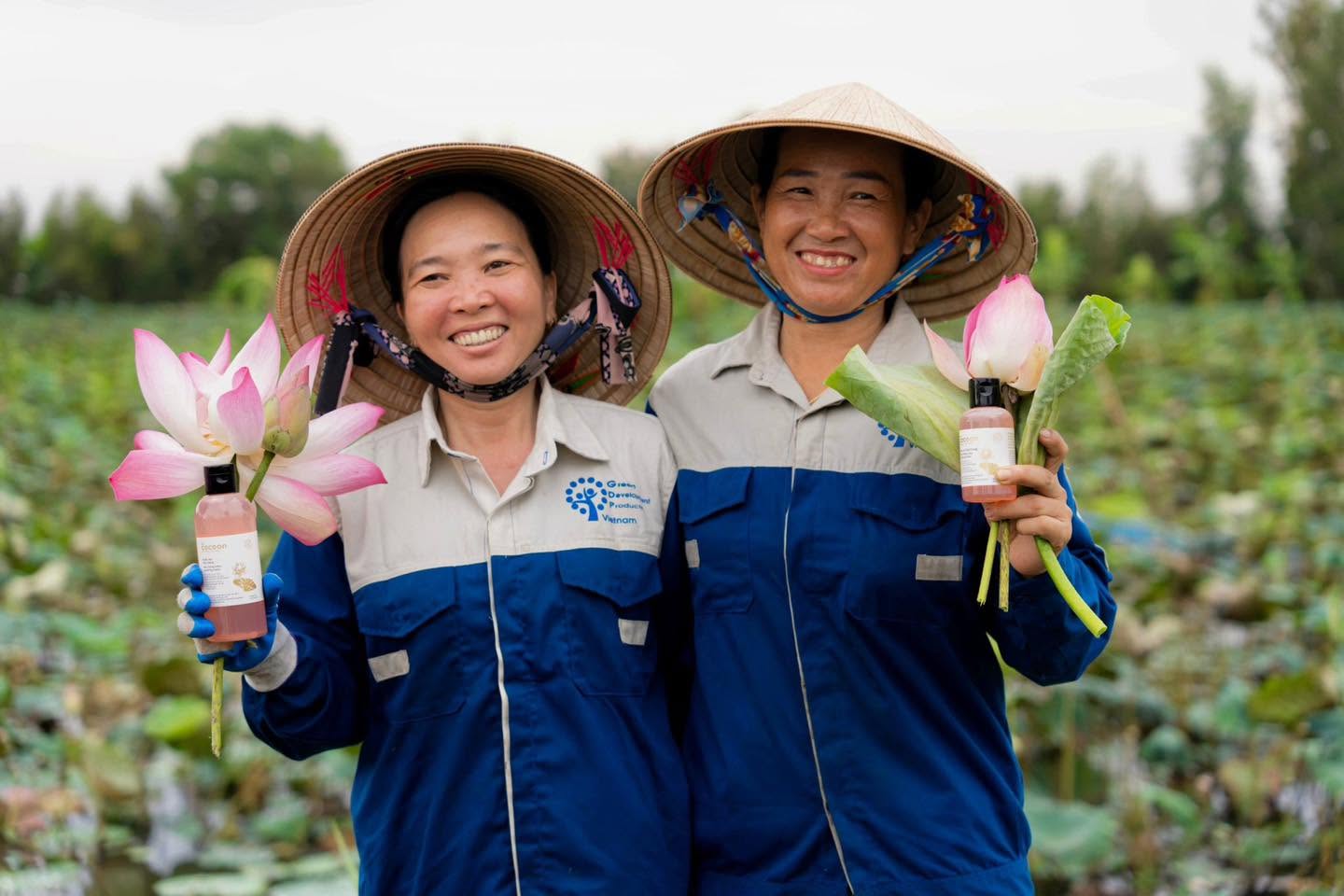
In Hau Giang, the lotus extract used by Cocoon has obtained Fair for Life certification. This certification promotes fair, ethical and sustainable production and trade while supporting decent working conditions, improved livelihoods and community wellbeing throughout the supply chain.
Sustainable packaging, refill systems and post-consumer recovery
Cocoon recognises that environmental responsibility extends beyond the point of sale to include the product's post-consumer stage. Accordingly, the company approaches packaging through a circular economy perspective, ensuring that used packaging can be reused or recycled wherever possible.
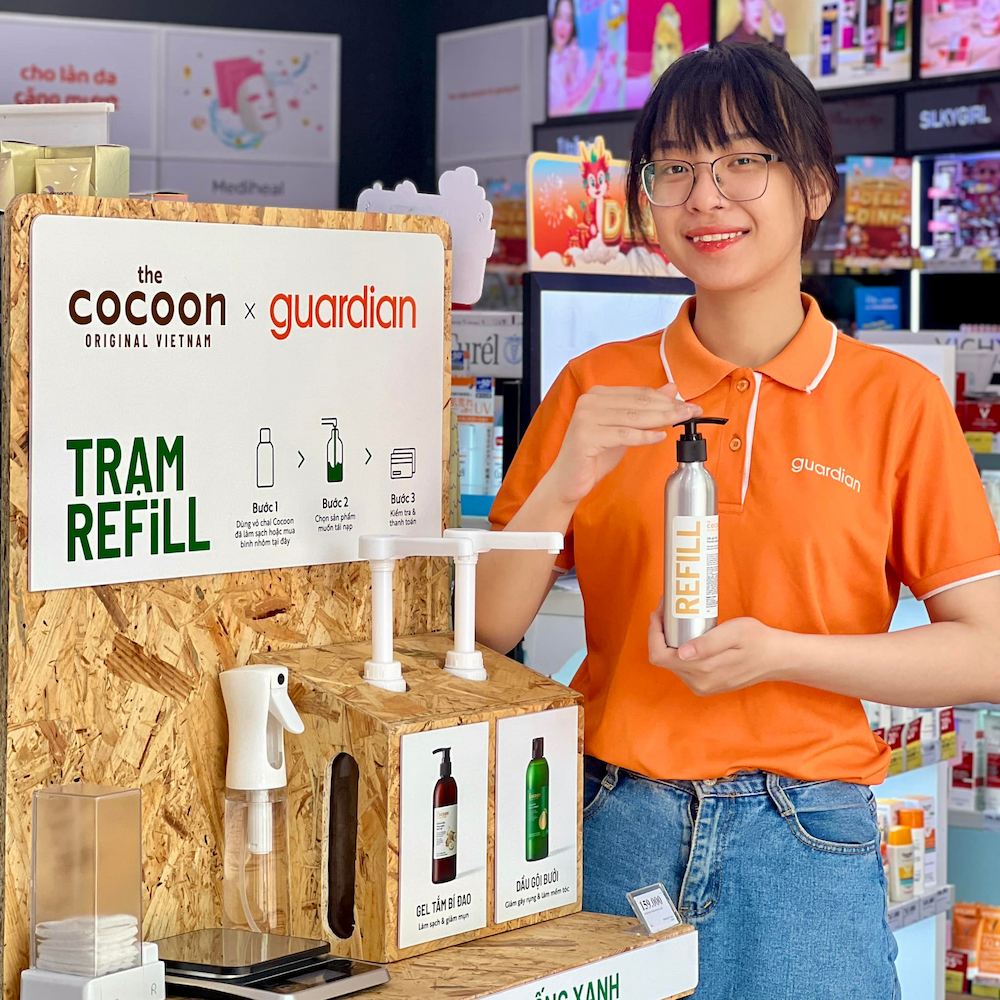
From the product design stage, Cocoon prioritises recyclable packaging, eliminates shrink wrap on paper packaging, and reduces virgin plastic consumption by offering refill products. The company has also introduced initiatives such as Refill Stations, Green Point Online, and the "Return Your Empty Bottles – Receive a Cocoon Green Bag" programme to encourage customers to return used containers for recycling.
Beyond cosmetic packaging, Cocoon also operates the "Used Battery Collection – Protect Our Green Earth" programme to promote the proper collection and disposal of hazardous household waste.
Engaging consumers as partners in sustainable development
Cocoon views consumers not merely as product users, but as active partners in promoting sustainable lifestyles and responsible consumption.
Through initiatives such as Refill Stations, Green Point Online, Empty Bottle Collection, and Used Battery Collection, the company enables customers to participate in practical environmental actions that can be easily incorporated into everyday life.
In addition, Cocoon places strong emphasis on public education and awareness by sharing knowledge about environmental protection, sustainable consumption and animal welfare, helping consumers better understand the broader impact of their purchasing decisions.
Supporting innovations
International certifications and commitments
Cocoon participates in the Leaping Bunny programme by Cruelty Free International and Beauty Without Bunnies by PETA. Its products are also certified by The Vegan Society, while the company's Hau Giang lotus extract has achieved Fair for Life certification.
Animal-free research and testing processes
Products undergo 12–24 months of research and development, including microbiological, pH, stability and skin irritation testing. Product safety and efficacy are evaluated through laboratory testing and volunteer trials rather than animal testing.
Environmental management in manufacturing
Cocoon implements the ISO 14001 Environmental Management System at its manufacturing facilities to systematically monitor, manage and continually improve environmental performance.
Refill model
In partnership with Guardian, Cocoon has introduced Refill Stations that encourage consumers to refill existing containers instead of purchasing new packaging, reducing plastic waste.
Post-consumer material regeneration
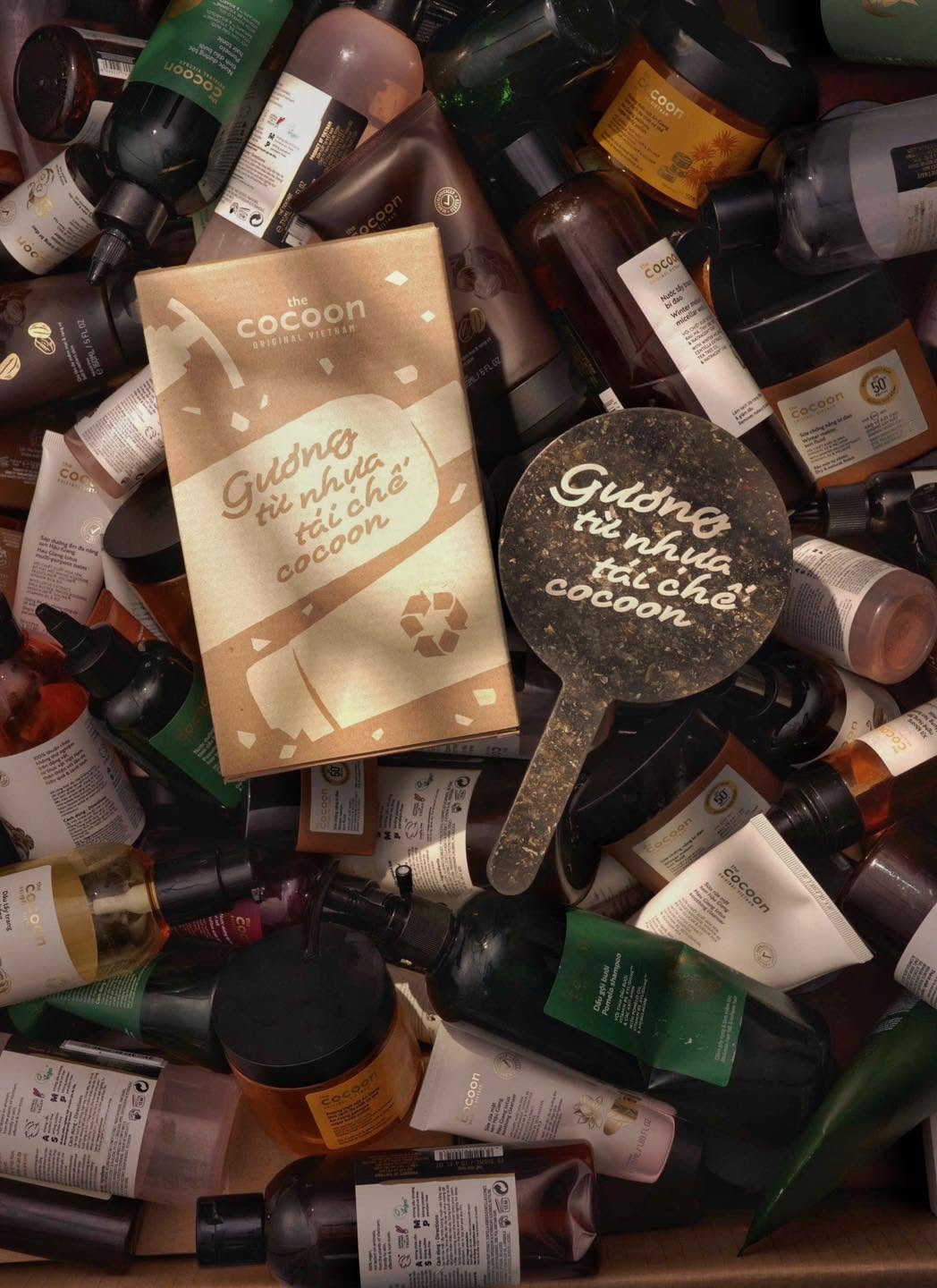
Through the "Love Again What Has Grown Old" programme, a portion of returned Cocoon plastic packaging is recycled into mirrors, which are then gifted back to customers as recycled products.
Objectives
Cocoon's sustainability initiatives are designed to achieve the following objectives:
- Develop skincare and haircare products that are safe, effective and responsibly produced for people, animals and the environment.
- Maintain its commitment to producing 100% vegan and cruelty-free cosmetics.
- Create value from Vietnam's indigenous plant-based ingredients.
- Support local agriculture through sustainable farming initiatives.
- Minimise environmental impacts throughout the product life cycle, with particular emphasis on packaging and post-consumer waste.
- Encourage consumers to adopt sustainable lifestyles and responsible consumption practices.
Vision
Cocoon's long-term vision is to build a beauty model in which personal wellbeing goes hand in hand with responsibility towards the environment, animals and society. Grounded in vegan cosmetics, Vietnamese botanical ingredients, community engagement and circular consumption practices, the company aims to promote greener lifestyles while providing sustainable beauty solutions for Vietnamese consumers.
Implementation timeline
2013: Cocoon entered the Vietnamese market.
2019: Cocoon began focusing on brand development with a strategy centred on vegan cosmetics made from indigenous Vietnamese botanical ingredients.
2021: Cocoon launched the online "Return Empty Bottles – Receive New Products" programme.
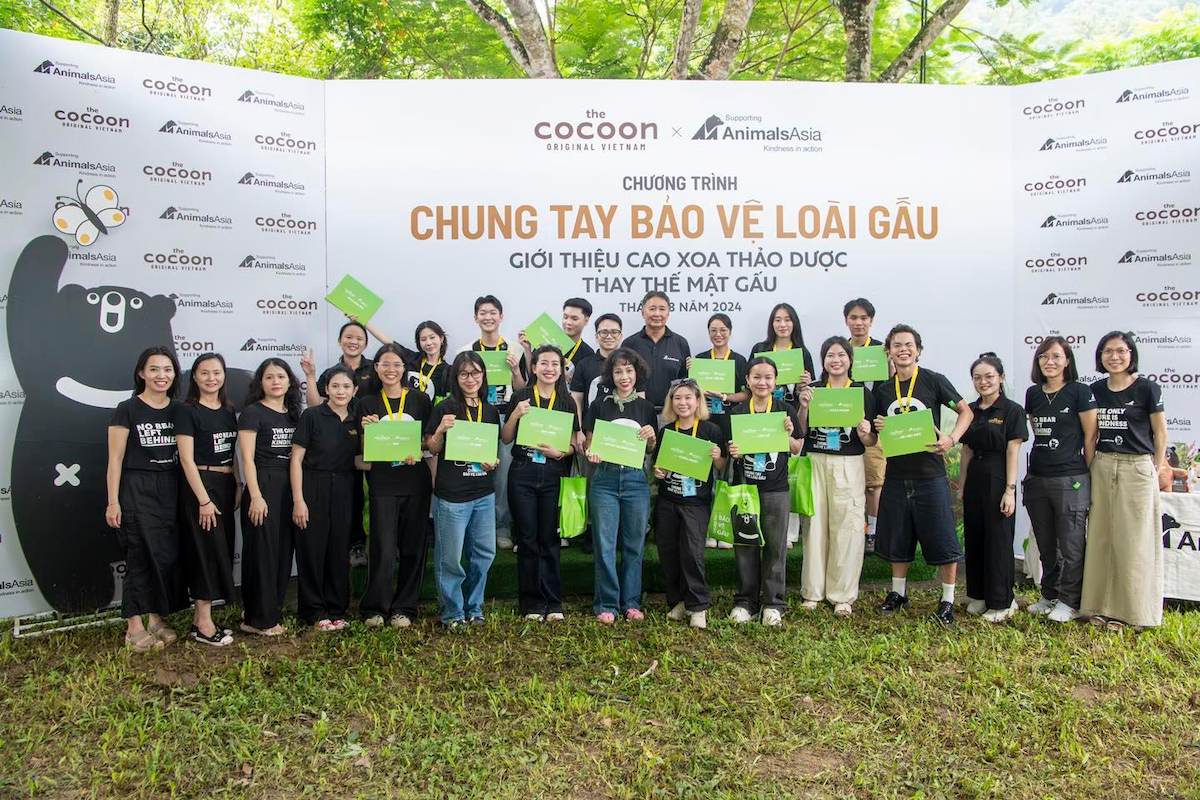
2021–2022: Cocoon partnered with the Animals Asia Foundation (AAF) to implement a bear conservation initiative.
2022: Cocoon collaborated with Ho Chi Minh City University of Education to implement the "Used Battery Collection – Protect Our Green Earth" programme.
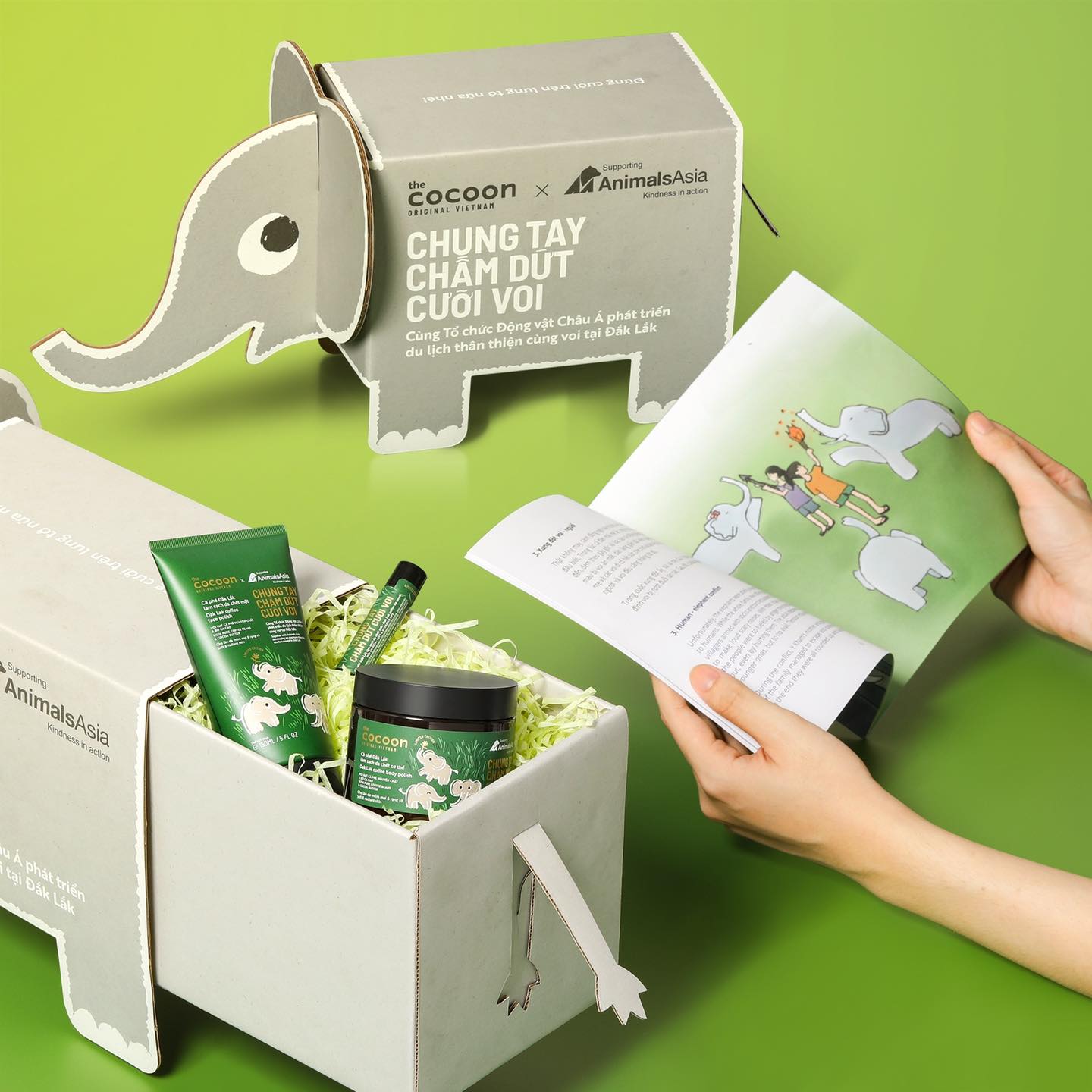
2022–2023: Cocoon partnered with AAF to implement a campaign advocating an end to elephant riding.
2023: In partnership with the Guardian retail chain, Cocoon launched its Green Living Refill Stations. To date, the company has established 20 refill stations across Guardian stores in Ho Chi Minh City.
2023–2025: Cocoon implemented the "Supporting Sustainable Coffee Farming in Dak Lak" project, working alongside coffee farmers in Hoa Dong Commune, Krong Pak District, Dak Lak Province, to identify effective solutions for restoring soil degraded by chemical fertiliser residues while reducing reliance on synthetic fertilisers throughout the coffee cultivation process.
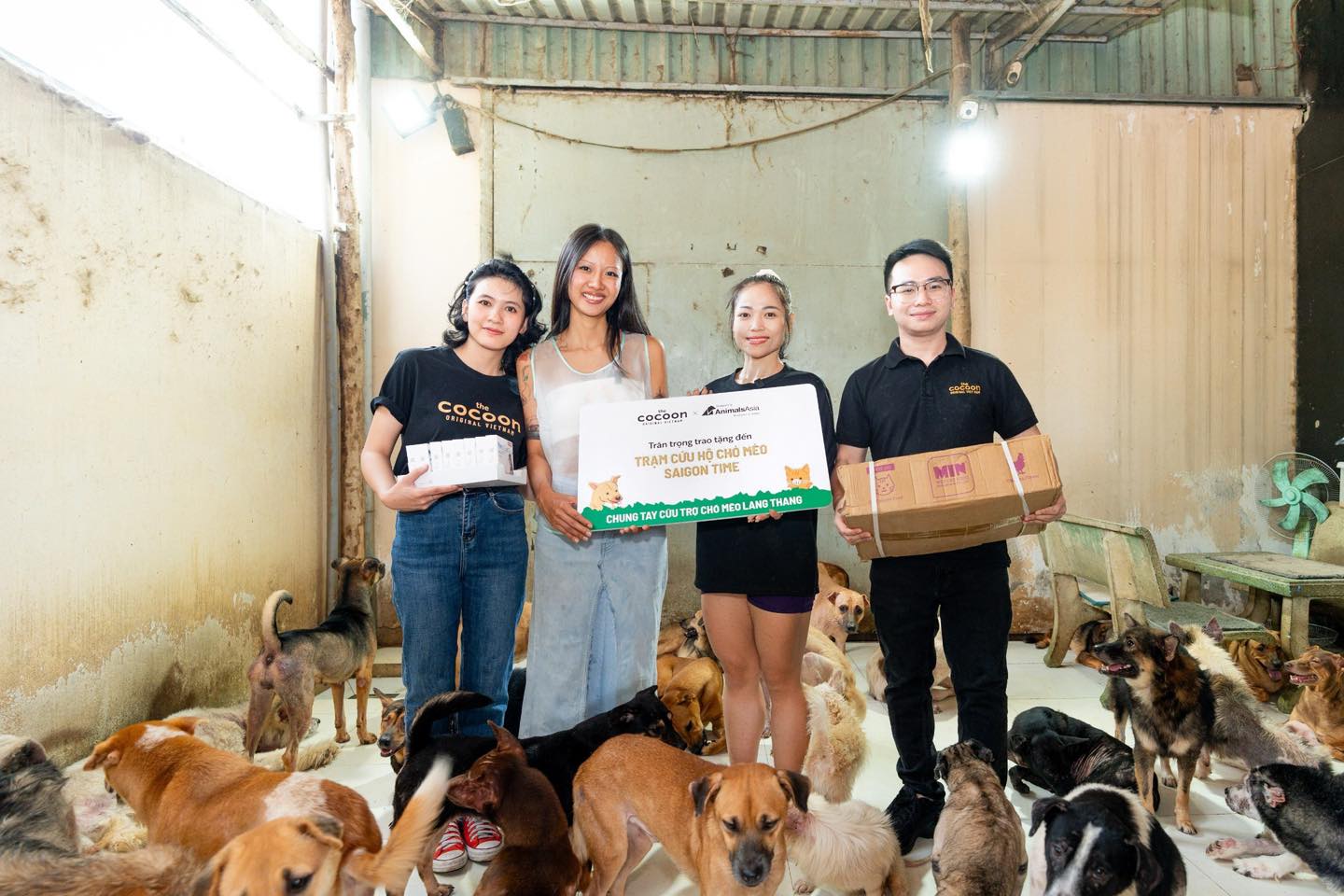
During the same period, Cocoon also partnered with AAF to implement a stray dog and cat rescue initiative.
2026: After more than five years of implementation, the Empty Bottle Collection programme has recovered over 11 tonnes of used cosmetic containers from consumers nationwide. The Used Battery Collection – Protect Our Green Earth programme has also collected more than 38.7 tonnes of used batteries.
Implementation model
Cocoon implements its sustainability strategy through an integrated approach combining product research and development, sustainable ingredient management, environmentally responsible manufacturing, local agricultural partnerships, retail collaboration and consumer participation.
At the product level, Cocoon ensures ingredient traceability and oversees product research, testing and quality assurance before products are released to the market. At the manufacturing level, the company applies the ISO 14001 Environmental Management System across its production facilities.
Across the ingredient supply chain, Cocoon works with coffee farmers in Dak Lak to promote sustainable cultivation practices and sources Fair for Life-certified lotus extract from Hau Giang. At the post-consumer stage, the company operates refill, empty bottle collection, packaging recycling and used battery collection programmes with the active participation of customers, retail partners and local communities.
Scope
Product categories: Hair care, skincare, body care and lip care.
Indigenous ingredients: Winter melon, Dak Lak coffee, Hung Yen turmeric, Hau Giang lotus, and other locally sourced Vietnamese botanical ingredients.
Agricultural implementation areas: Hoa Dong Commune, Krong Pak District, Dak Lak Province, and the Hau Giang lotus-growing region.
Post-consumer scope: Consumers nationwide participating in programmes supporting environmental protection, animal welfare and community development.
Partners and participating stakeholders: Local farmers, ingredient suppliers, retail partners, distribution networks, partner organisations and consumers.
Costs and resources
Human resources: The Cocoon team, local farmers, technical specialists, ingredient suppliers, retail partners, distribution networks and partner organisations.
Technical resources: Product research and testing processes, quality control systems, the ISO 14001 Environmental Management System, refill station infrastructure, and packaging collection and recycling systems.
Institutional resources: Leaping Bunny, PETA Beauty Without Bunnies, The Vegan Society, Fair for Life, and ISO 14001.
Environmental impact
Cocoon has achieved its most significant environmental outcomes across three key areas: soil restoration through its sustainable coffee farming project, the reduction of packaging waste, and the collection of hazardous household waste.
Within the Dak Lak coffee project, nearly one year of applying bio-organic fertiliser resulted in measurable improvements in soil quality:
- Soil pH increased from 3.86 - 4.36 (acidic to highly acidic) before the trial to 3.93–5.18 (less acidic) after implementation.
- Organic matter content increased from 4.62 - 5.94 to 4.77 - 6.02.
- Total aerobic microorganisms increased from 2.3 × 10² - 8.5 × 10³ to 6.5 × 10⁴ - 5.8 × 10⁶.
- Earthworms, which had not been observed before the trial, appeared at an average density of 18–25 worms per square metre after implementation.
In terms of post-consumer packaging, Cocoon has recovered more than 11 tonnes of used cosmetic containers over more than five years. A portion of the collected plastic packaging has been transformed into recycled mirrors through the "Love Again What Has Grown Old" programme.
For hazardous waste management, the "Used Battery Collection – Protect Our Green Earth" programme has collected more than 38.7 tonnes of used batteries over five years.
Social and community impact
In Dak Lak, farmers participating in the project adopted bio-organic fertiliser practices consistently and in accordance with the recommended cultivation procedures. Following the initial implementation phase, not only did participating farmers develop a greater appreciation of the role of bio-organic fertilisers in sustainable coffee production, but farmers outside the project also began adopting the knowledge shared by participating communities.
In Hau Giang, the Fair for Life certification of the lotus supply chain has been accompanied by initiatives that support farmers and local communities. These include training in sustainable organic farming techniques, adult literacy programmes, donations of educational equipment to schools, improvements to shared access roads, and the installation of misting systems, water storage tanks, electric fans and boats.
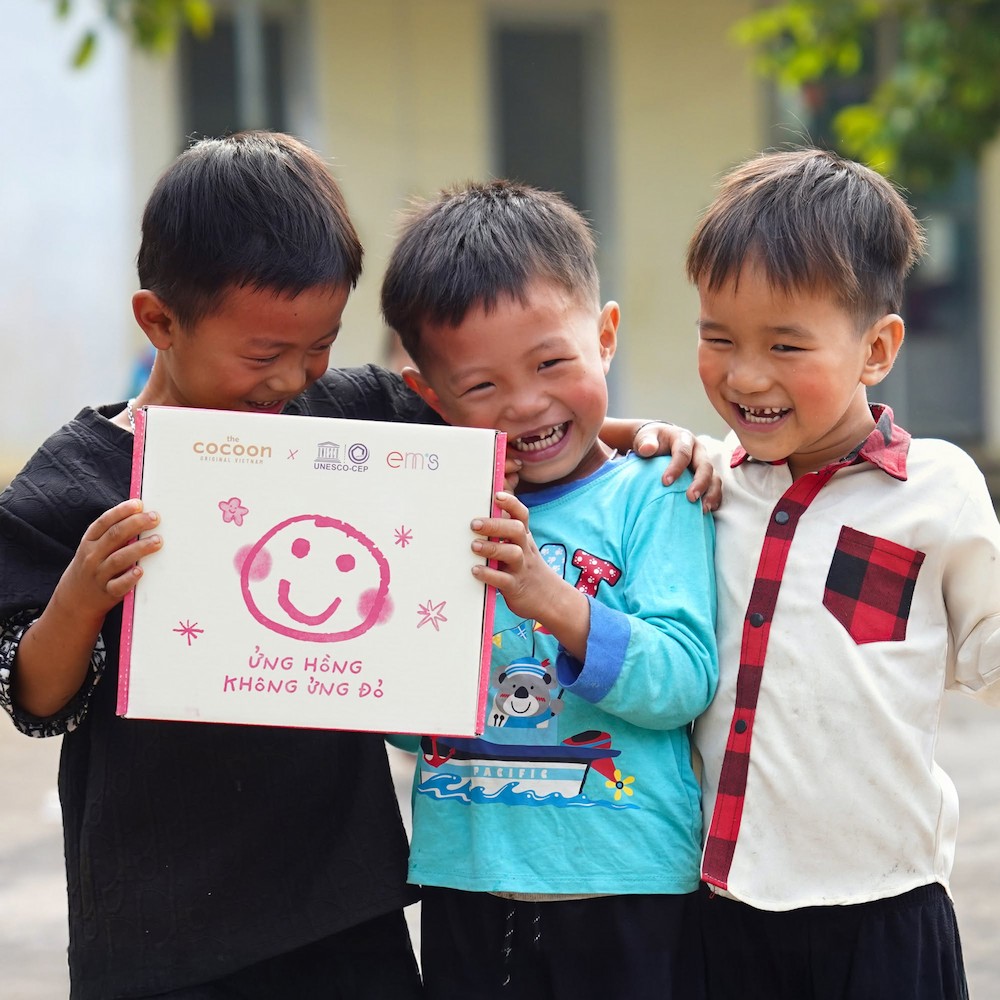
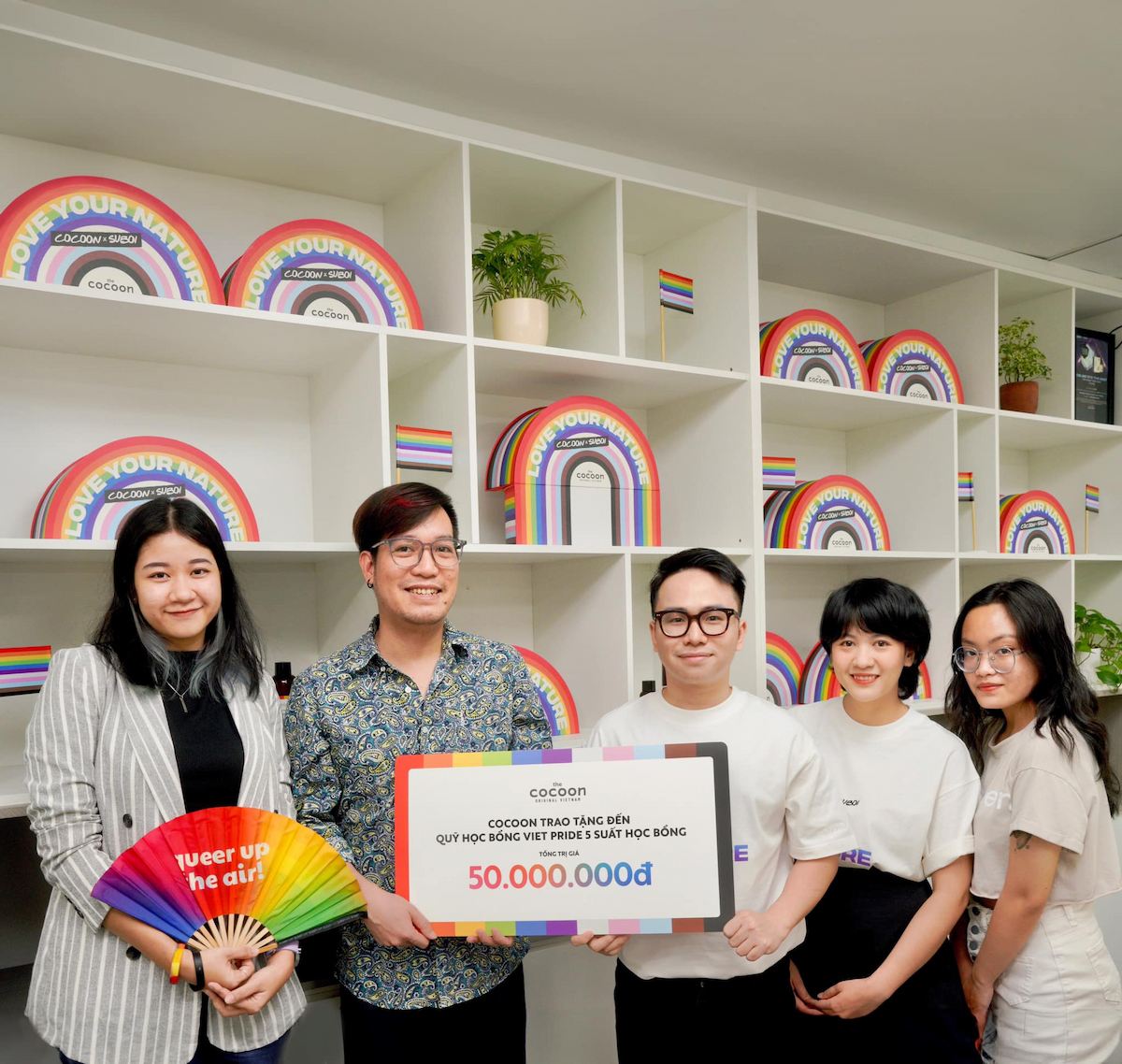
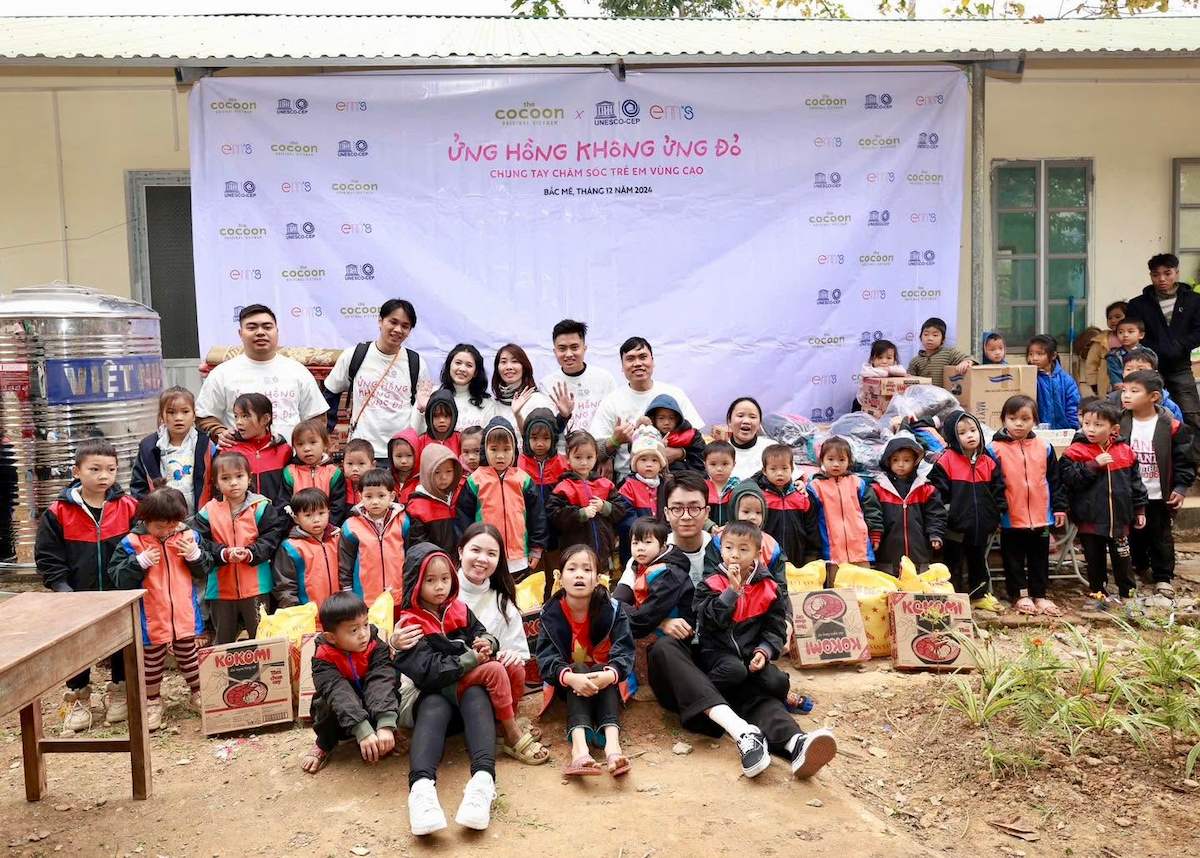
For consumers, Cocoon encourages participation in environmental, animal welfare and community initiatives through programmes such as Empty Bottle Collection, Used Battery Collection, Protect Stray Dogs and Cats, Love Your Nature, and Blushing Without Sunburn. In addition, the company has distributed more than 15,000 "Seeds of Happiness" gifts, featuring plant pots repurposed from used plastic cosmetic jars.
Value chain and market impact
Cocoon has strengthened its sustainable value chain through four core commitments:
- Commitment to delivering high-quality products
- Commitment to environmental responsibility
- Commitment to animal welfare
- Commitment to valuing and supporting people
International certifications and programmes - including Leaping Bunny, PETA Beauty Without Bunnies, The Vegan Society, and Fair for Life - have enabled Cocoon to translate its commitments to vegan products, cruelty-free practices and responsible sourcing into independently verifiable standards.
In 2023, Cocoon sold more than one million bottles of its micellar cleansing water. For the company, this milestone reflects growing consumer demand for vegan products that are responsibly produced and environmentally conscious.
Cocoon's sustainability model has strong potential for replication because it is not built around a single initiative. Instead, it combines a range of adaptable practices, including responsible ingredient sourcing, vegan product development, third-party certification, collaboration with local communities, post-consumer recovery programmes, and consumer engagement through sustainability communication.
Key factors supporting the scalability of the model include:
- Commitment embedded in core values: Sustainability should form part of an organisation's decision-making process rather than being treated solely as a marketing campaign.
- Practical and measurable actions: Small but consistently implemented initiatives can generate meaningful long-term impacts.
- Multi-stakeholder collaboration: Businesses, farmers, retail partners, community organisations and consumers all play essential roles in the model.
- Transparency in progress: Organisations should openly communicate what has been achieved, what is currently being implemented, and the challenges that remain.
- Leveraging local strengths: Vietnam's rich botanical resources and diverse agricultural heritage provide a strong foundation for developing sustainable products and business models.
To be successfully replicated, however, the model should be adapted to local conditions, particularly in relation to available raw materials, the capabilities of participating communities, partner ecosystems, and the capacity to monitor and measure sustainability outcomes.
Case ownership
Hosting organisation: Cocoon Vietnam
Collaborating partners: Animals Asia Foundation (AAF); Green Vietnam; The Vegan Society; Cruelty Free International – Leaping Bunny; PETA – Beauty Without Bunnies; Fair for Life; Farmers in Dak Lak and Hau Giang provinces; Retail, distribution and recycling partners
Stakeholders and beneficiaries:
- Cosmetics consumers across Vietnam
- Farmers and local communities in the raw material sourcing regions of Dak Lak and Hau Giang
- Retail partners and distribution networks
- Recycling and waste management organisations
- Communities participating in environmental conservation, animal welfare and community development programmes
- Animals and ecosystems benefiting from Cocoon's commitment to vegan products, cruelty-free practices, and animal protection initiatives
- The natural environment through reduced packaging waste, used battery collection and recycling, and initiatives to improve soil health
Source: Cocoon Vietnam
The copyright and legality of the images, videos, information, and data regarding this project, as published on this landing page (project information page), are provided and held responsible for by the individuals/organisations collaborating with RMIT University Vietnam.
Specific SDG targets
SDG 12.2
Achieve the sustainable management and efficient use of natural resources
SDG 12.5
Substantially reduce waste generation through prevention, recycling and reuse
SDG 12.6
Encourage companies to adopt sustainable practices and integrate sustainability reporting into their reporting cycles
SDG 12.8
Ensure that people have the information and awareness needed for sustainable development and lifestyles in harmony with nature
SDG 15.5
Take urgent action to reduce the degradation of natural habitats, halt biodiversity loss, and protect threatened species
SDG 17.17
Encourage and promote effective public, public–private and civil society partnerships