Fly Light to Con Dao

The “Fly Light to Con Dao” journey: a breakthrough bringing tourism and aviation towards a greener future

Con Dao has long been known as one of Vietnam’s ecological tourism gems, renowned for its pristine natural beauty and diverse marine ecosystem. In response to the complex challenge of balancing economic development with nature conservation, the “Fly Light to Con Dao” project was officially launched by Vietnam Airlines in collaboration with its partners. This pioneering initiative combines the “Fly Light” mindset with circular economy principles, offering a fresh direction for sustainable tourism in Vietnam. 

Key metrics

In recent years, Con Dao has faced growing pressure from increasing plastic waste generated by tourism, alongside the significant carbon emissions associated with air travel. The island’s fragile ecosystem is now facing very real threats. One of the greatest internal challenges is the widespread habit among visitors of using single-use plastics, compounded by the island’s limited waste management infrastructure. At the same time, the aviation sector is inherently associated with greenhouse gas emissions that are difficult to avoid. As the world accelerates its transition towards a green economy, there is an urgent need to identify solutions that minimise environmental impacts in sensitive ecological destinations.

Recognising the urgency of the issue, the project has played a pioneering role in combining behaviour-change communications with practical action. The project’s core innovation lies in the seamless integration of the “Fly Light” initiative with the circular economy model:

  • The “Fly Light” initiative: A fresh and forward-looking concept that encourages passengers to travel with less luggage, thereby directly reducing aircraft weight and fuel consumption, and helping to cut carbon emissions.
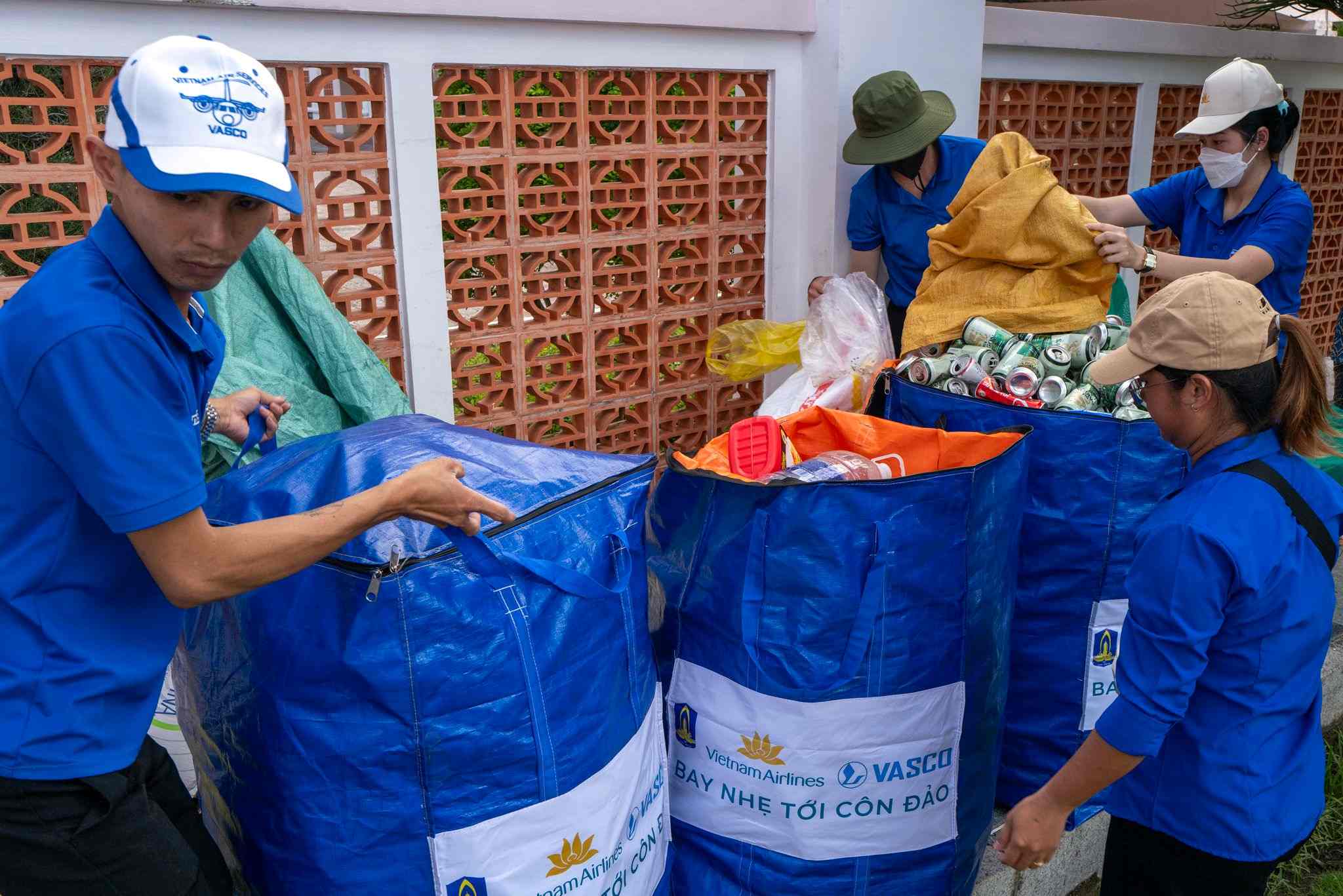
  • The circular economy model: Activated through the collection of plastic waste directly on the island, which is then transported back to the mainland by air to be recycled into useful items, creating a complete lifecycle for waste.

The “Fly Light to Con Dao” project is designed not only to address the visible issue of plastic waste, but also to pursue a longer-term goal: shifting mindsets and encouraging sustainable green lifestyles among local communities and passengers. The project’s vision is to establish a benchmark model for effective collaboration between the aviation sector, local authorities and social enterprises. From there, it aims to standardise a green aviation–tourism model that can be scaled up across environmentally sensitive island and coastal areas, as well as major urban centres in Vietnam.

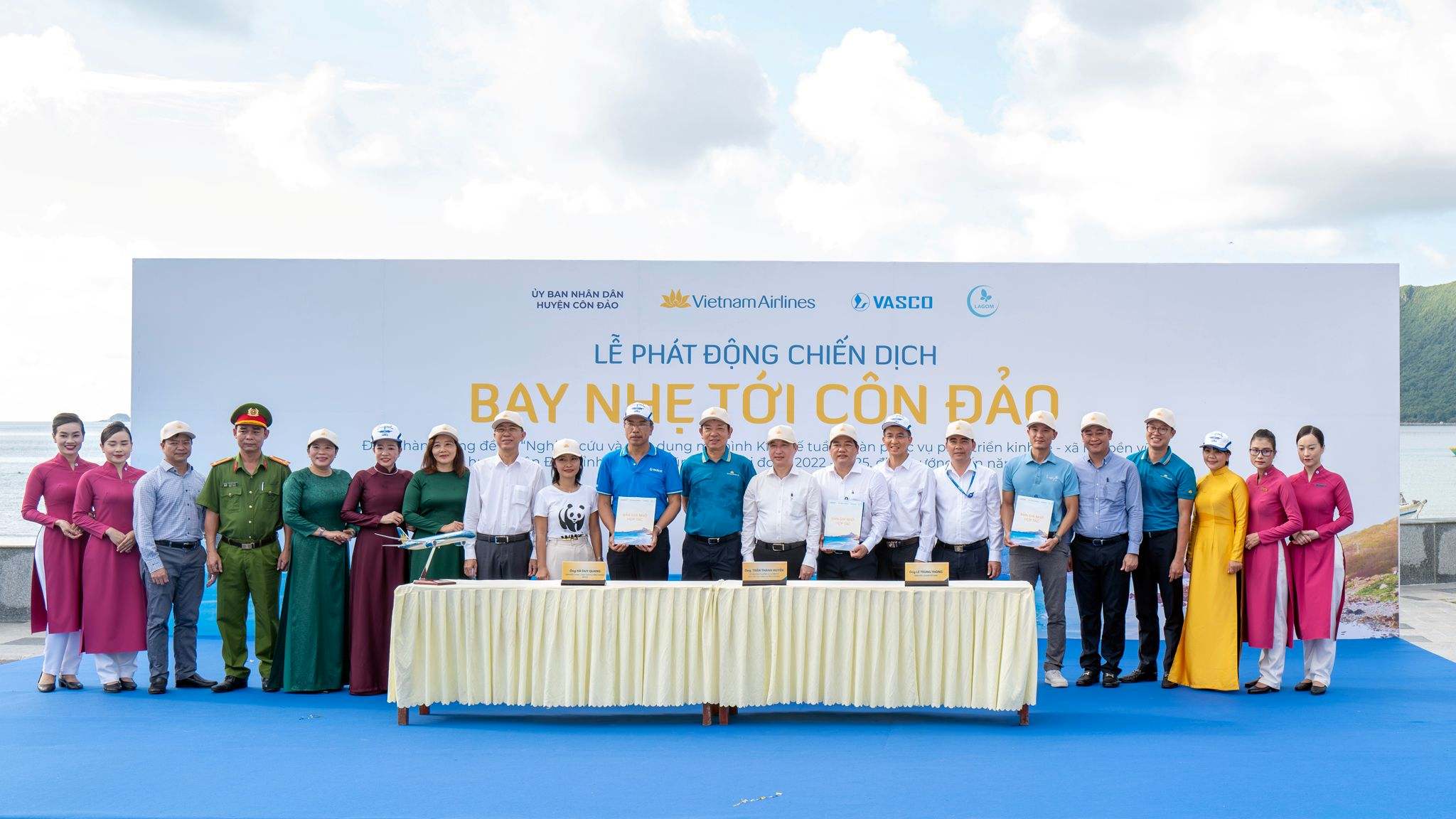
Officially launched in September 2024 in Con Dao District, the campaign has come to life through a series of key in-person and online activities:

  • The “Green Con Dao Festival” was held in September, November and December 2024.
  • The “Exchange Waste for Gifts” program was rolled out, with volunteers guiding households on how to sort waste at the source.
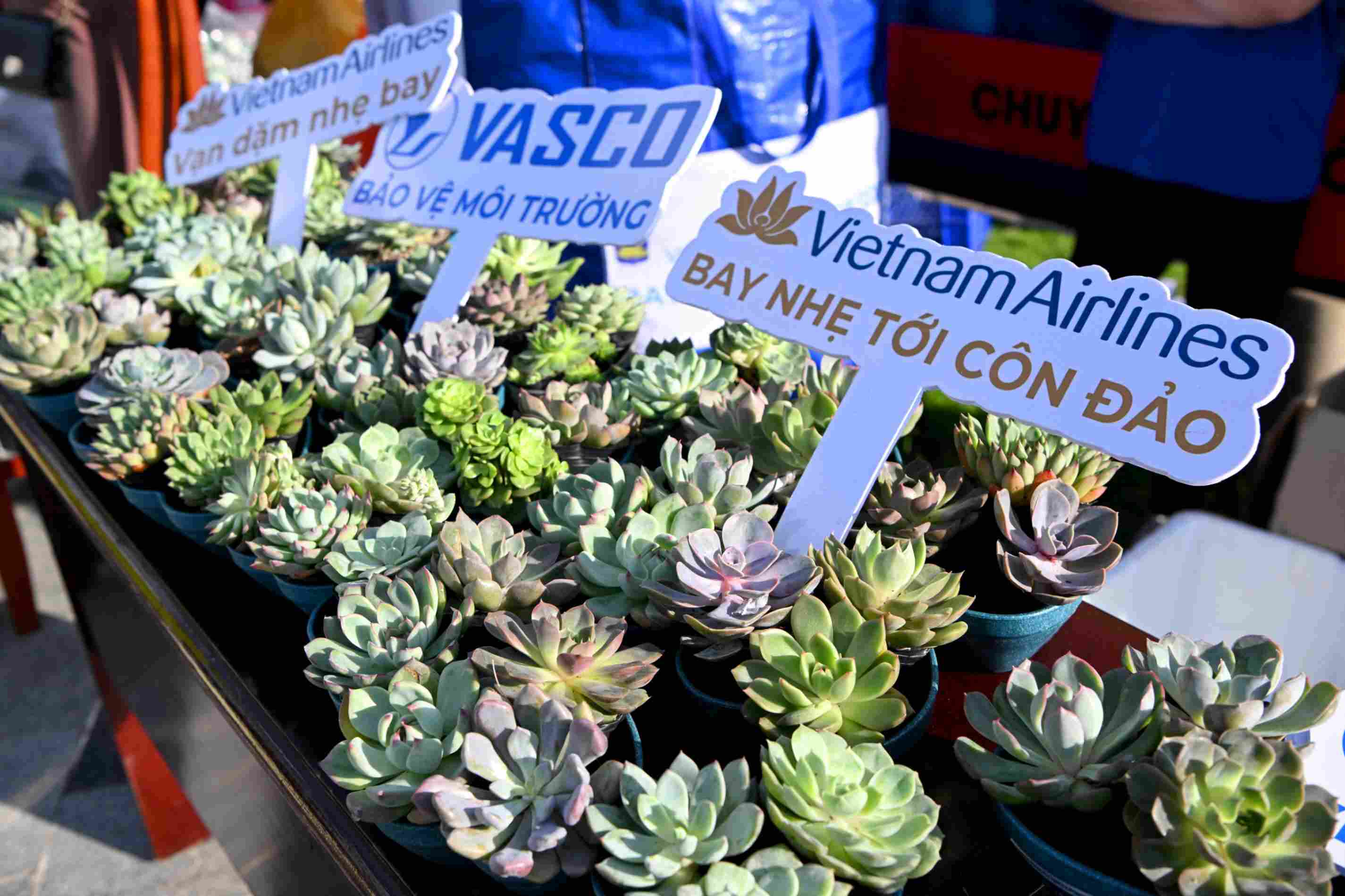
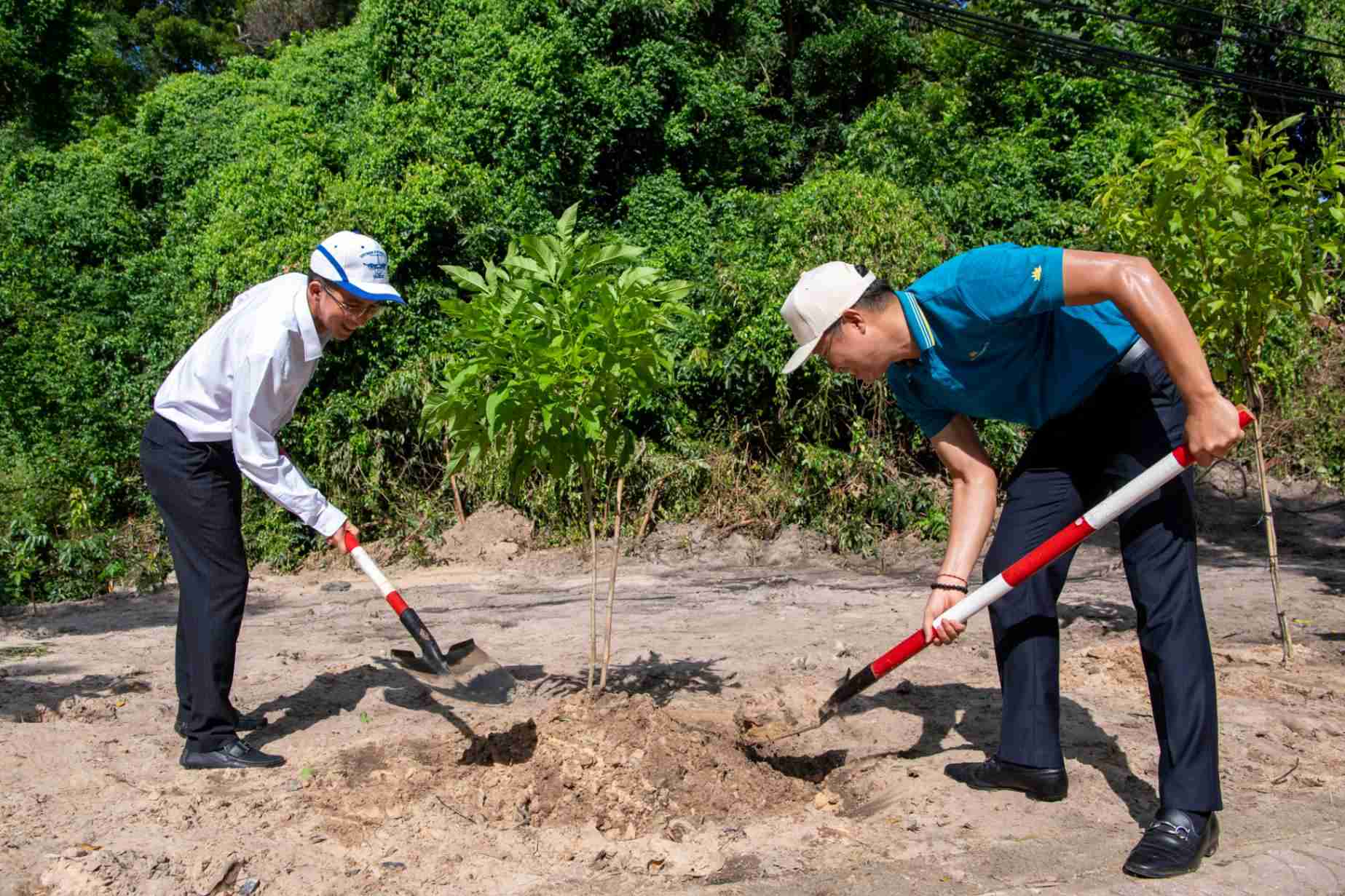
  • The “Herbal Garden – Greening Waste Sites” model was developed, completely transforming the appearance and environmental conditions of unsightly informal dumping areas.
  • A multi-channel communications approach was applied across social media, supported by KOL voices and the experiential “Kieng Nhua” (Anti-plastic) app. Recycled tables and chairs made from collected plastic waste were used as visual tools to help spread the campaign message more widely and meaningfully.
  • Expanded scope: Building on the success in Con Dao, Le Bros and Vietnam Airlines turned their commitment into further action by launching the “Fly Light to Hanoi” program, bringing the message of emissions reduction and sustainable consumption directly to major urban centres.

The campaign’s effectiveness is clearly demonstrated through impressive data from its initial implementation phase. From a social perspective, the project has helped hundreds of local households and tourists raise their awareness of waste sorting at the source, while encouraging more sustainable consumption habits through practical workshops.

With its strong feasibility and well-coordinated implementation process, the model is being standardised and shared as a best-practice example of sustainable tourism and aviation at industry workshops and forums. By closing the waste lifecycle through a professional recycling partner, the community can clearly see the tangible outcomes of their contributions.

In practice, the campaign series has already demonstrated a clear long-term pathway, expanding from Con Dao to the capital through the “Fly Light to Hanoi” program. In the future, the “Fly Light” and circular economy model is expected to be implemented more systematically and extensively across other environmentally sensitive island and coastal destinations, as well as key provinces and cities across the country, such as Phu Quoc and Ly Son.

Case Ownership

Hosting Organisation: Vietnam Airlines

Collaborating Partners: Le Bros – Strategic consulting partner, supporting the organisation and communications of the “Fly Light” campaign series, Lagom Vietnam Joint Stock Company – Responsible for waste collection and recycling, People’s Committee of Con Dao District, Con Dao District Youth Union

Stakeholders and beneficiaries: Vietnam Airlines passengers, Local communities in Con Dao and Hanoi, Domestic and international tourists, Local environmental ecosystems in areas where the campaign is implemented

Source: LeBros (external link)

The copyright and legality of the images, videos, information, and data regarding this project, as published on this landing page (project information page), are provided and held responsible for by the individuals/organisations collaborating with RMIT University Vietnam. 

Specific SDG targets

SDG 12.5

Substantially reduce waste generation through prevention, recycling and reuse

SDG 12.8

Ensure people have the information and awareness needed for sustainable development

SDG 13.3

Improve education, awareness-raising and capacity for climate change mitigation

SDG 14.1

Prevent and significantly reduce marine pollution, particularly from land-based waste

SDG 17.17

Strengthen public–private and multi-stakeholder partnerships