From an idea of an individual, Sai Gon Xanh has become a movement with widespread influence, extending its impact to the international community.
Through environmental protection solutions and hundreds of large-scale waste clean-up campaigns at waste hotspots along canals and waterways, Sai Gon Xanh has become a pioneering force, inspiring a sense of responsibility and environmental awareness among Vietnamese youth. At the same time, the project aims to promote a positive and sustainable lifestyle that is responsible towards the environment and the community, contributing to the development of a generation of environmentally conscious young people.
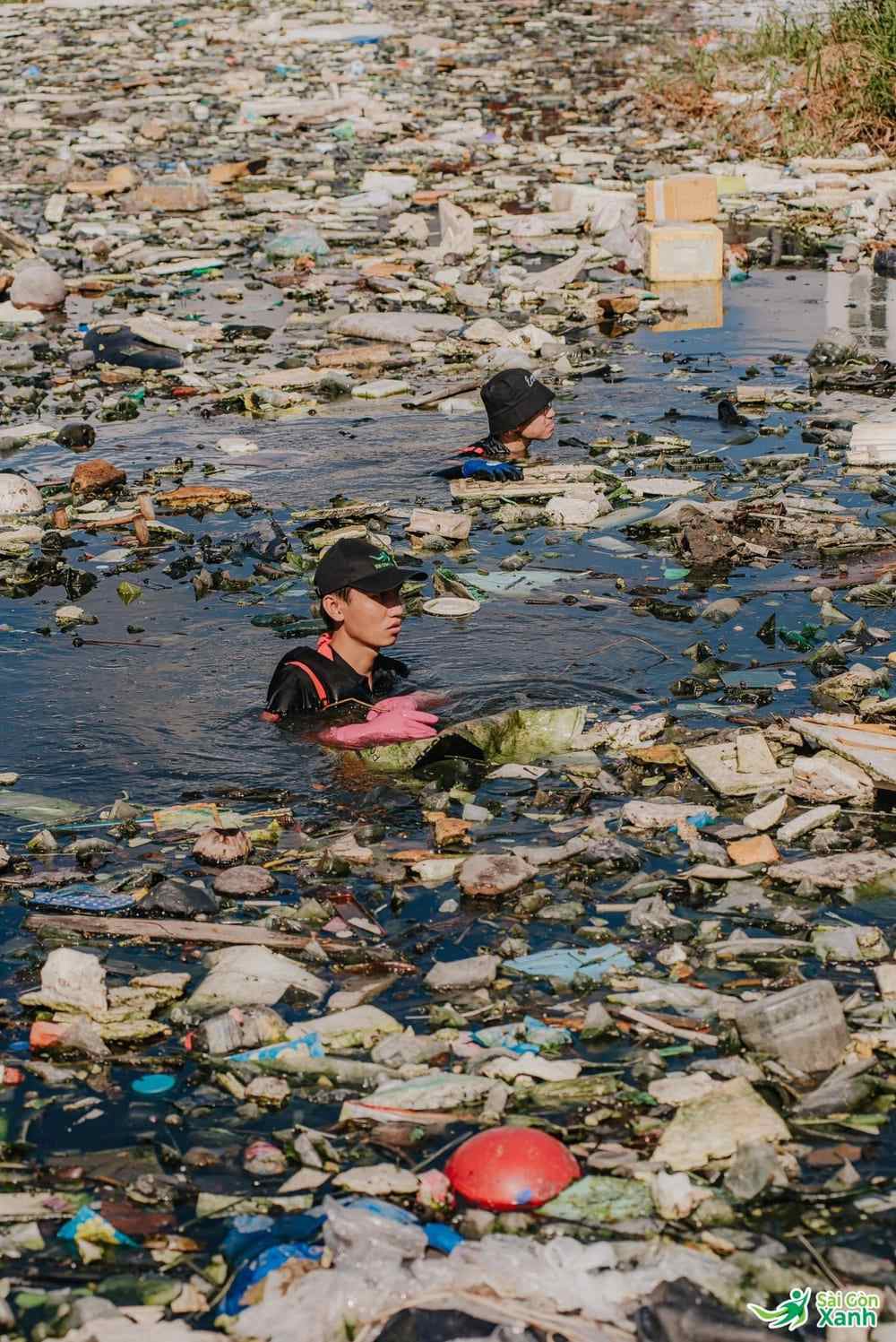
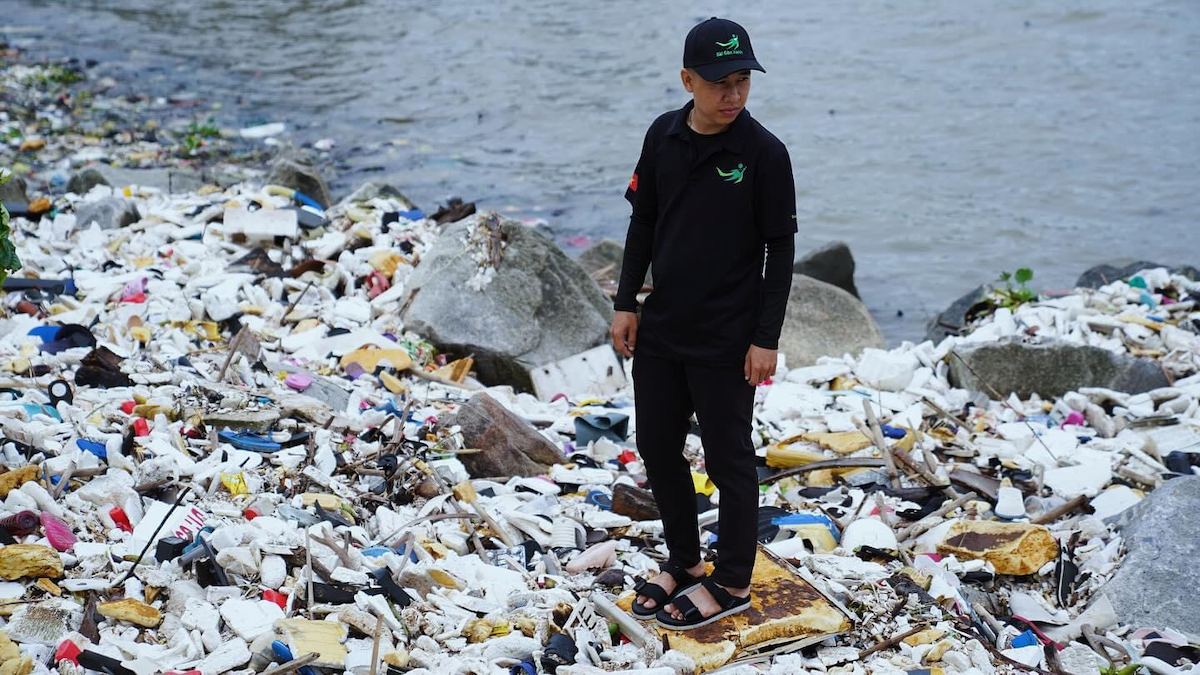
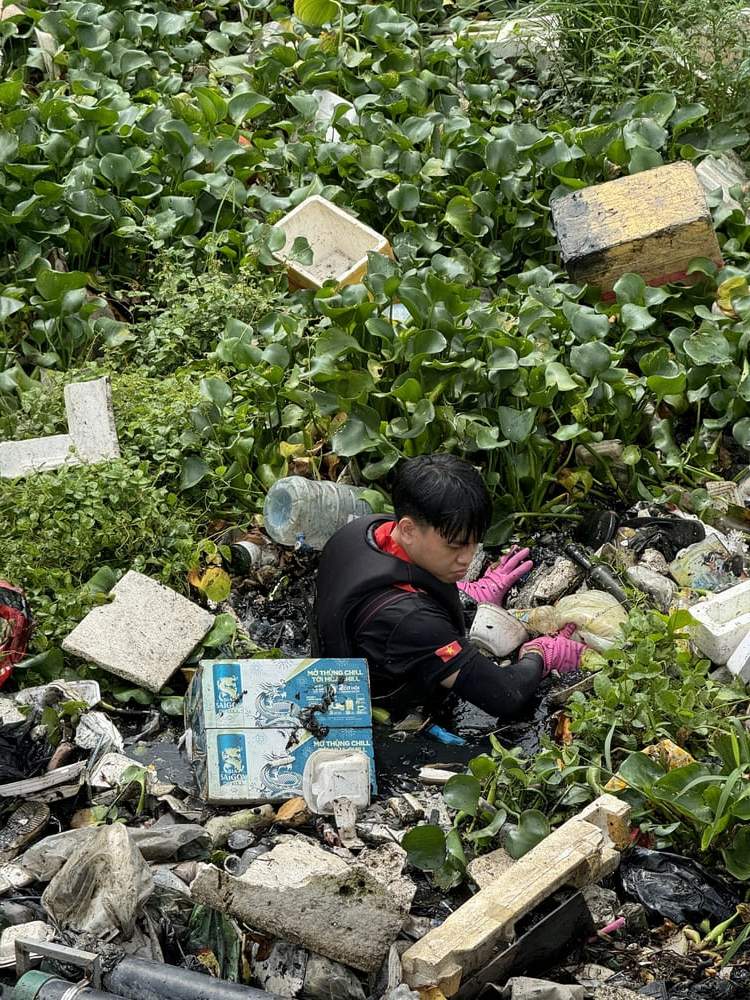
Environmental pollution caused by waste is one of the most serious issues facing major urban centres like Ho Chi Minh City. Poorly managed waste clogs canals and waterways and poses risks to ecosystems and the lives of residents.
Sai Gon Xanh - a name that is now familiar to environmental advocates and the global community. However, few people know that it all began with the simple environmental love of Mr Nguyen Luong Ngoc - the founder of the project. It was this passion that inspired him to create change, and today, that journey has become a reality through the establishment and growth of Sai Gon Xanh - an environmental organisation with far-reaching influence. Sai Gon Xanh is not only an organisation, but also a mission shared by all of us - people who love nature, care for the environment, and are ready to take action to protect this planet.
Over time, through its sustained and outstanding activities, Sai Gon Xanh has become a symbol of Vietnamese youth living with purpose, enthusiasm and commitment to creating a greener, cleaner and more sustainable world.
Installation of floating trash barriers and automatic waste collection machines
This is one of Sai Gon Xanh’s innovative solutions to prevent waste from flowing into rivers and the sea. The barrier and collection system makes it easier to collect waste before it is carried away, reducing environmental pollution.
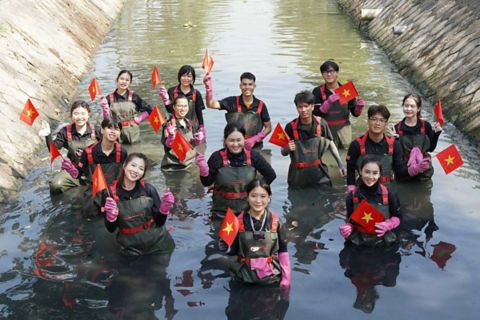
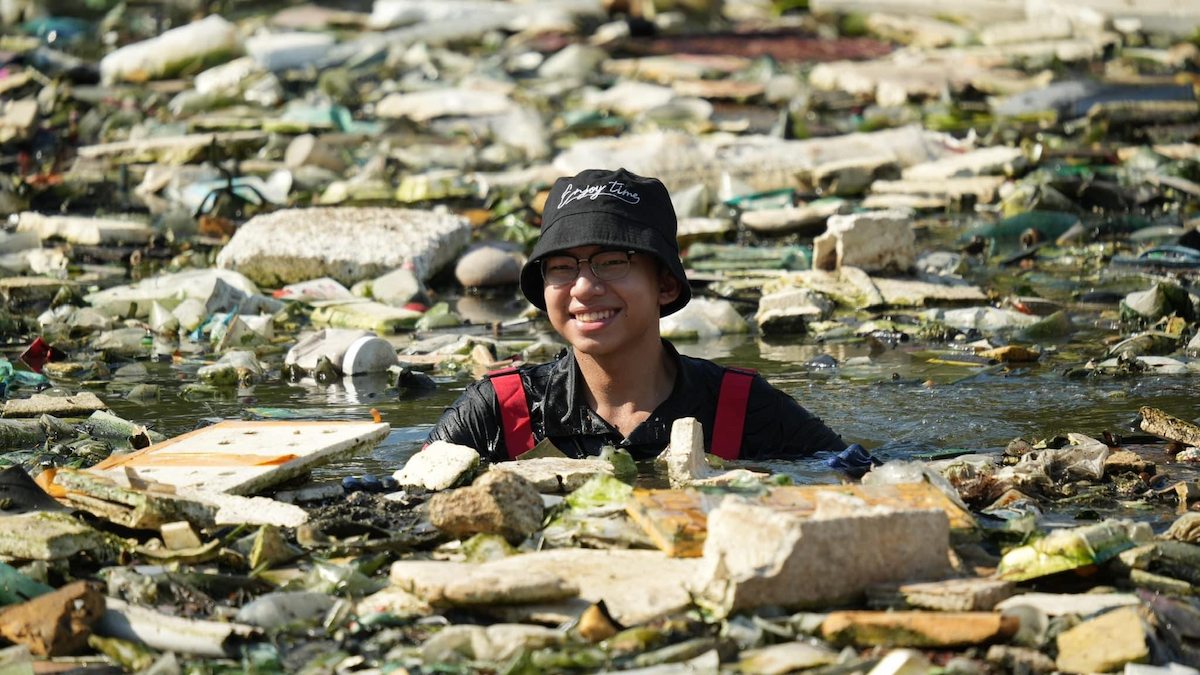
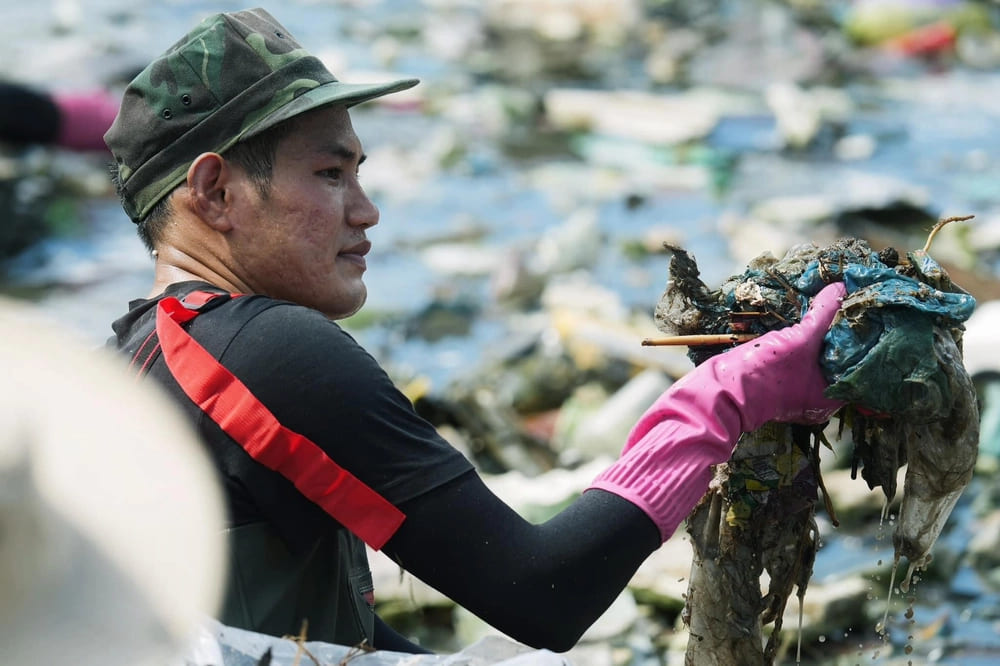
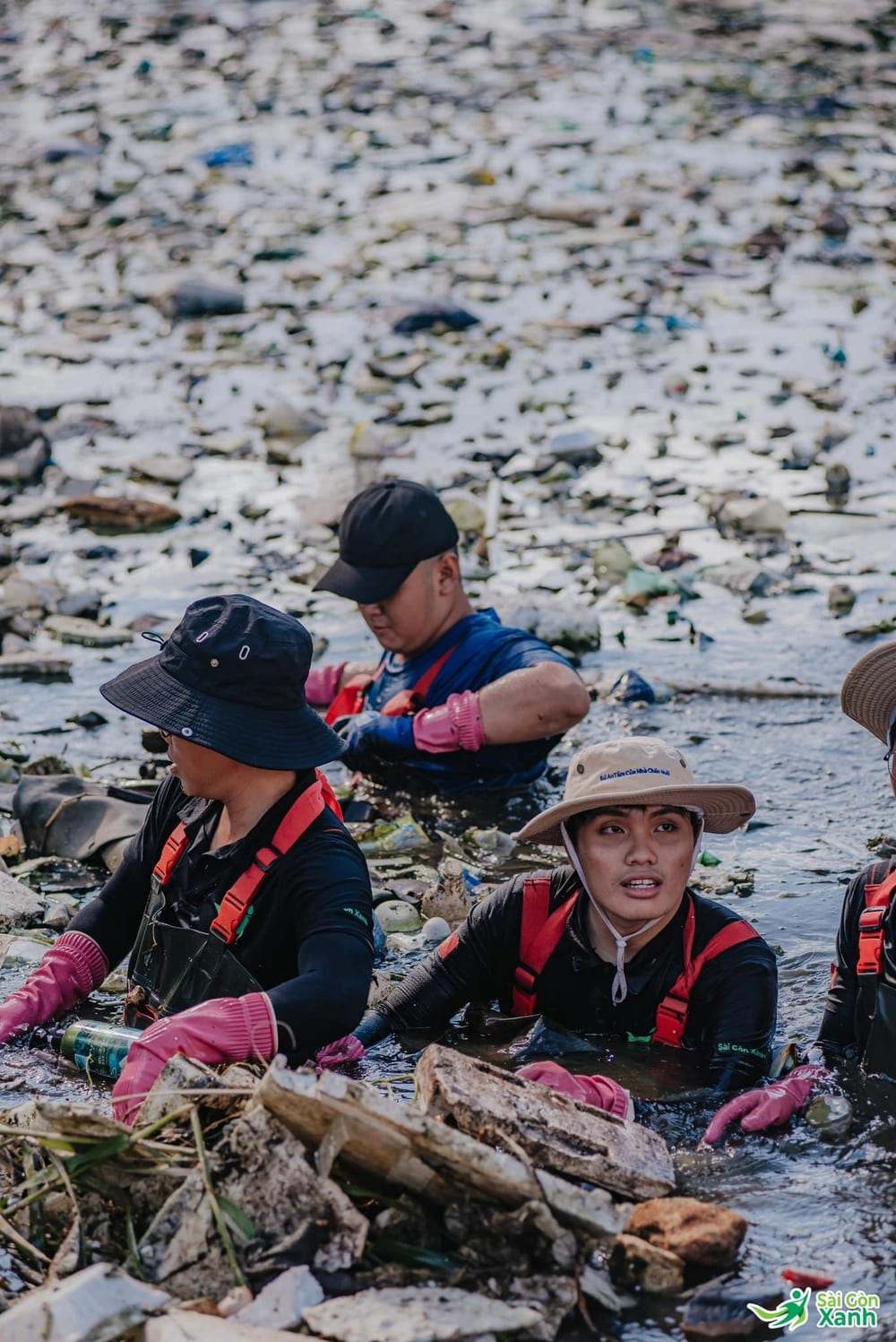
Large-scale waste clean-up campaigns
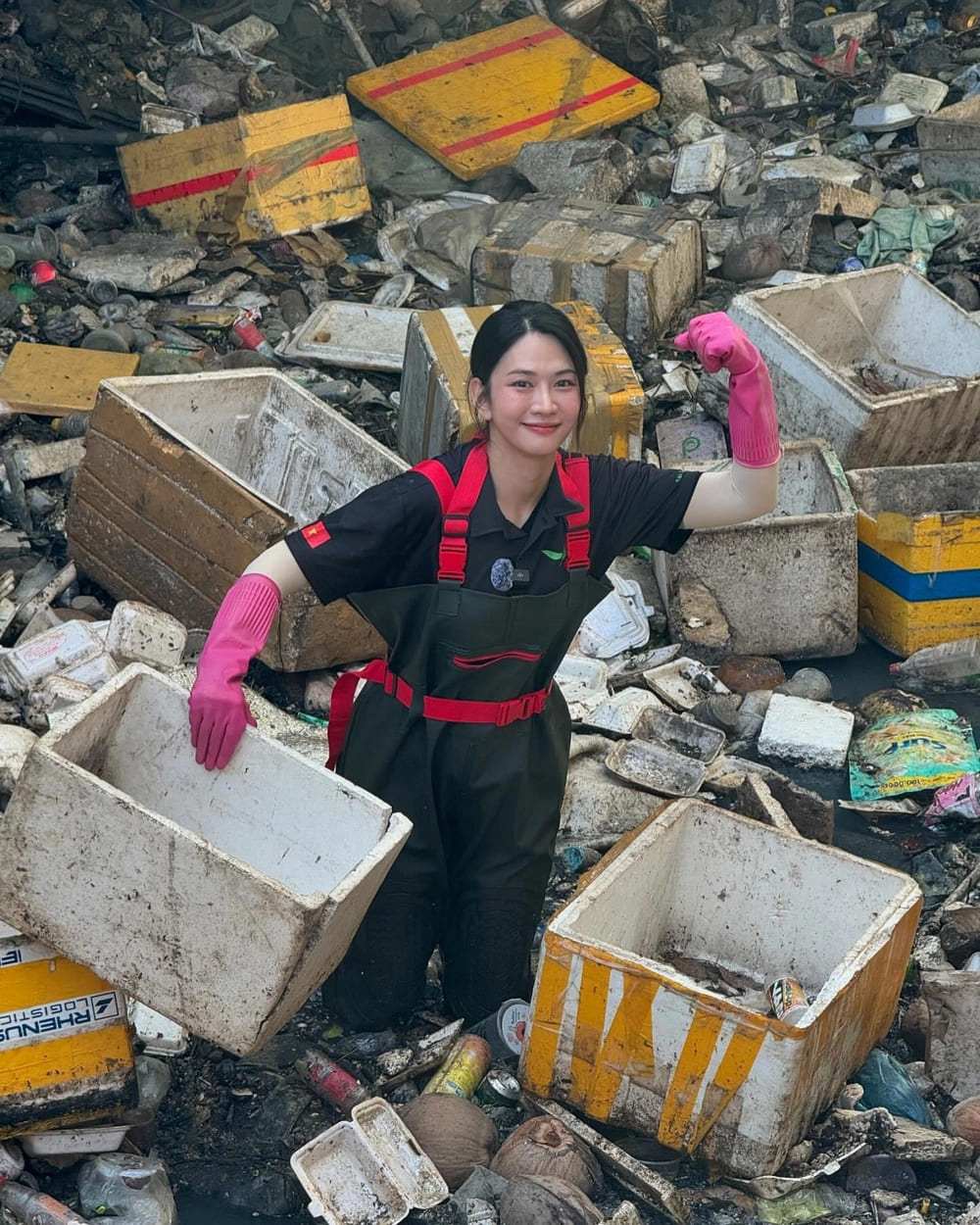
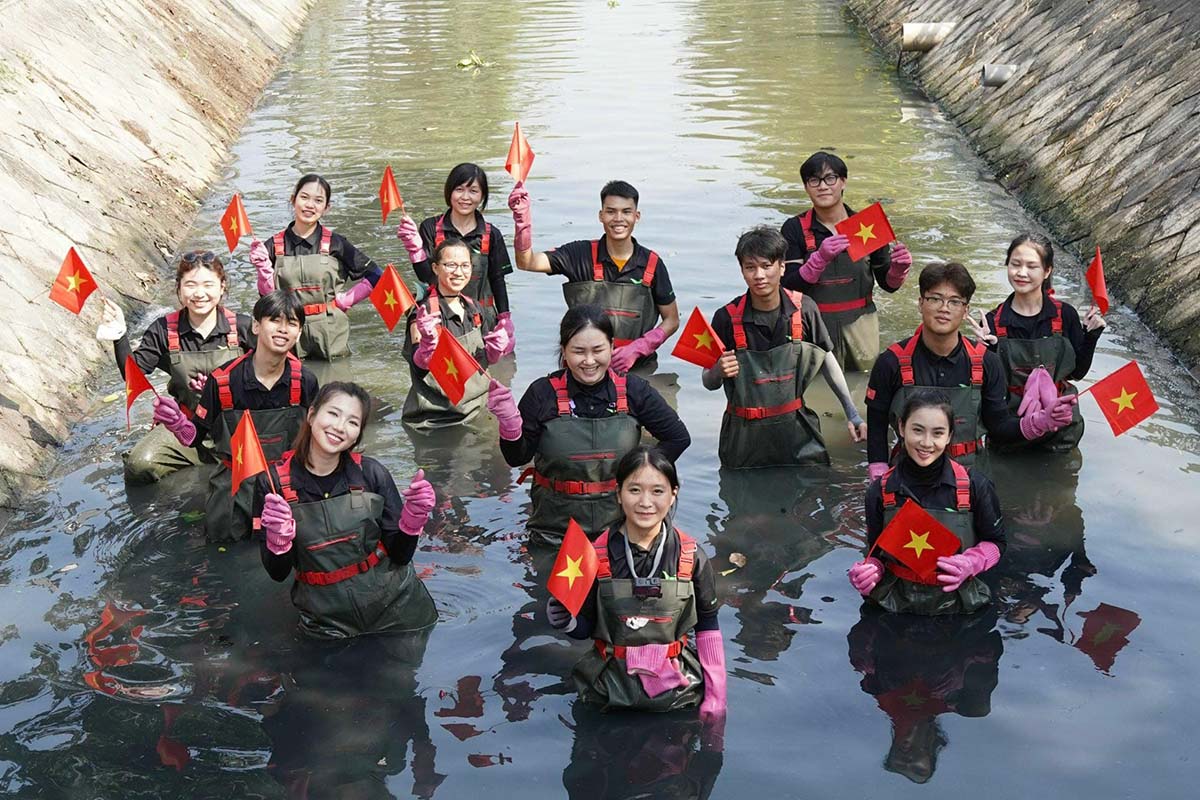
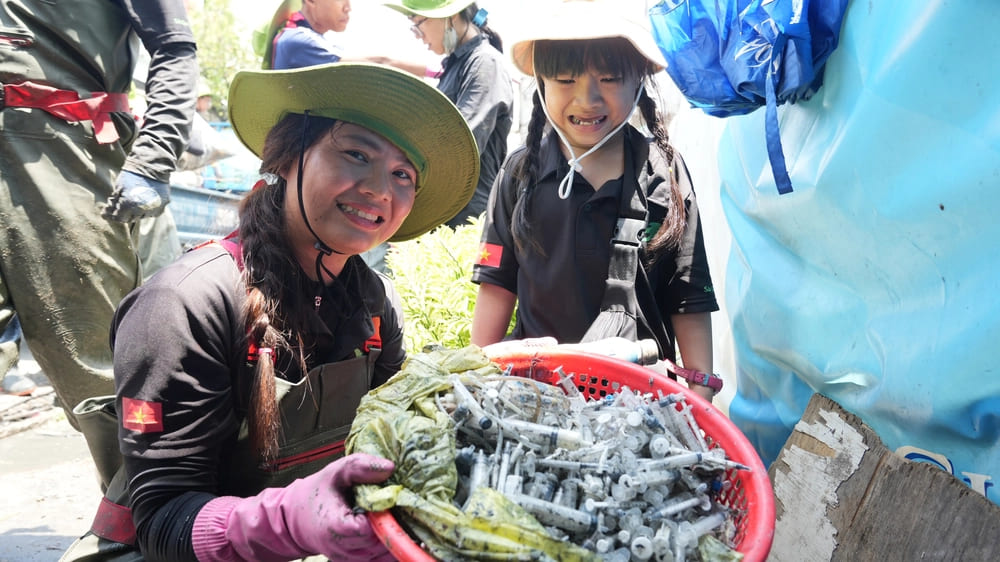
Sai Gon Xanh organises large-scale waste clean-up campaigns not only in Ho Chi Minh City but also in neighbouring provinces such as Vung Tau, Tien Giang, and Binh Duong, with the participation of thousands of volunteers.
Community education on environmental awareness
One of Sai Gon Xanh’s key initiatives is organising seminars, conferences, and communication programmes to raise public awareness, particularly among young people, about the importance of environmental protection.
Collaboration with government agencies and international organisations
Sai Gon Xanh operates not only independently but also in collaboration with the Vietnam Youth Federation and international organisations to expand the scale of its activities and attract support from multiple stakeholders.
World Cleanup Day commemorative event
Participation in World Cleanup Day is part of the effort to spread the message of green living and environmental protection worldwide, and Sai Gon Xanh has gained recognition by achieving the second global ranking, attracting more than 3 billion views.
Objective
Prevent and reduce waste pollution in canals and rivers
The project aims to collect and manage waste along Ho Chi Minh City’s inland waterways, preventing waste from flowing into rivers and the sea, thereby contributing to the protection of marine ecosystems and the urban living environment.
Raise community awareness
Increase public awareness, particularly among young people, about waste, and environmental pollution, encouraging them to change their habits and actively participate in environmental protection activities.
Develop a sustainable model for waste clean-up
Sai Gon Xanh aims to establish sustainable waste management models, such as the installation of floating trash barriers, automatic waste collection machines, and collaboration with local authorities to ensure long-term effectiveness.
Build a network of environmental volunteers
The project focuses on developing a dedicated volunteer community, with the aspiration of making environmental protection activities part of a green living culture in society.
Promote the message of positive and sustainable living
Sai Gon Xanh not only focuses on collecting waste but also seeks to promote a message of responsible living that values both the environment and the community, contributing to the development of a generation of environmentally conscious young people.
Vision
Become a pioneering model for urban environmental protection
The Sai Gon Xanh project aims to become a leading example of environmental protection, not only nationally but also globally. This vision is realised through large-scale campaigns, attracting participation from many countries and international organisations.
Build a green – clean – beautiful Ho Chi Minh City
The project aims to transform Ho Chi Minh City into a green, healthy, and sustainable urban area where the natural environment is protected while developing alongside economic and social progress.
Become a global environmental movement
Sai Gon Xanh aspires to continue expanding its influence and become an international environmental protection movement. With the participation of communities around the world, the project aims to contribute to the fight against climate change and global pollution.
Implementation Process – Scope
From its early days, Sai Gon Xanh has consistently pursued the goal of preserving, protecting and cleaning the environment in Ho Chi Minh City. Over time, the project has carried out more than 300 clean-up operations to remove waste from canals and waterways—the vital lifelines of the city. Sai Gon Xanh’s campaigns not only focus on waste removal but also prevent thousands of tonnes of waste from flowing into rivers and the sea, thereby contributing to the protection of marine ecosystems.
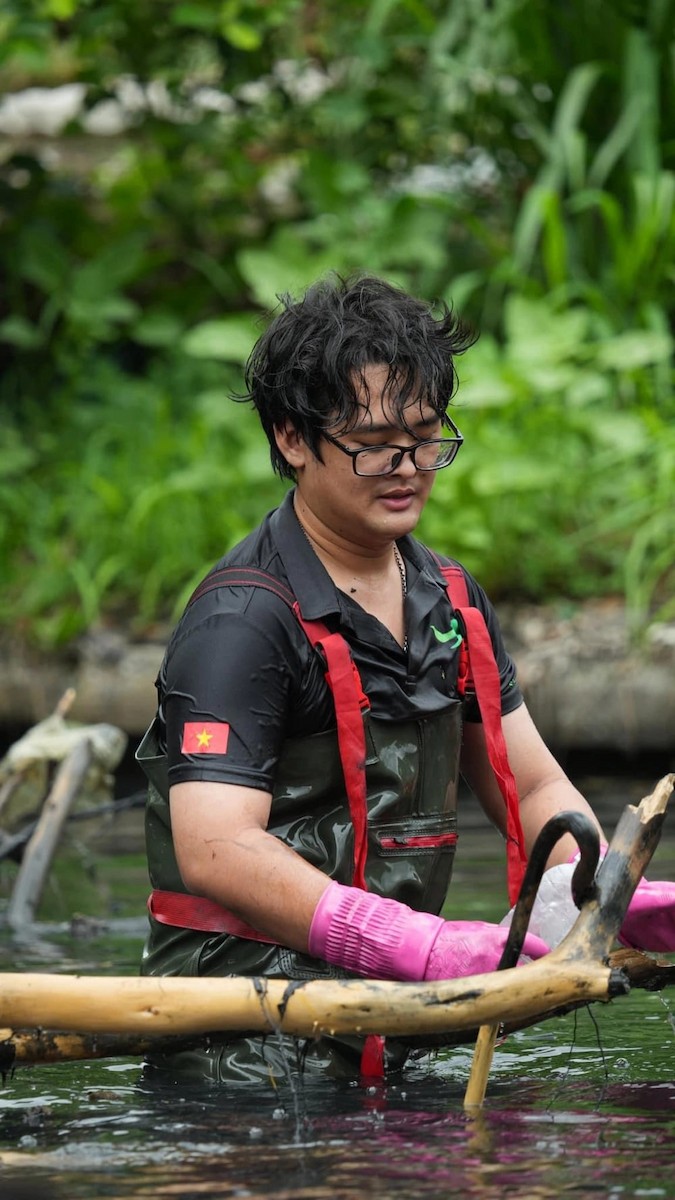
To protect participants while cleaning hazardous areas:
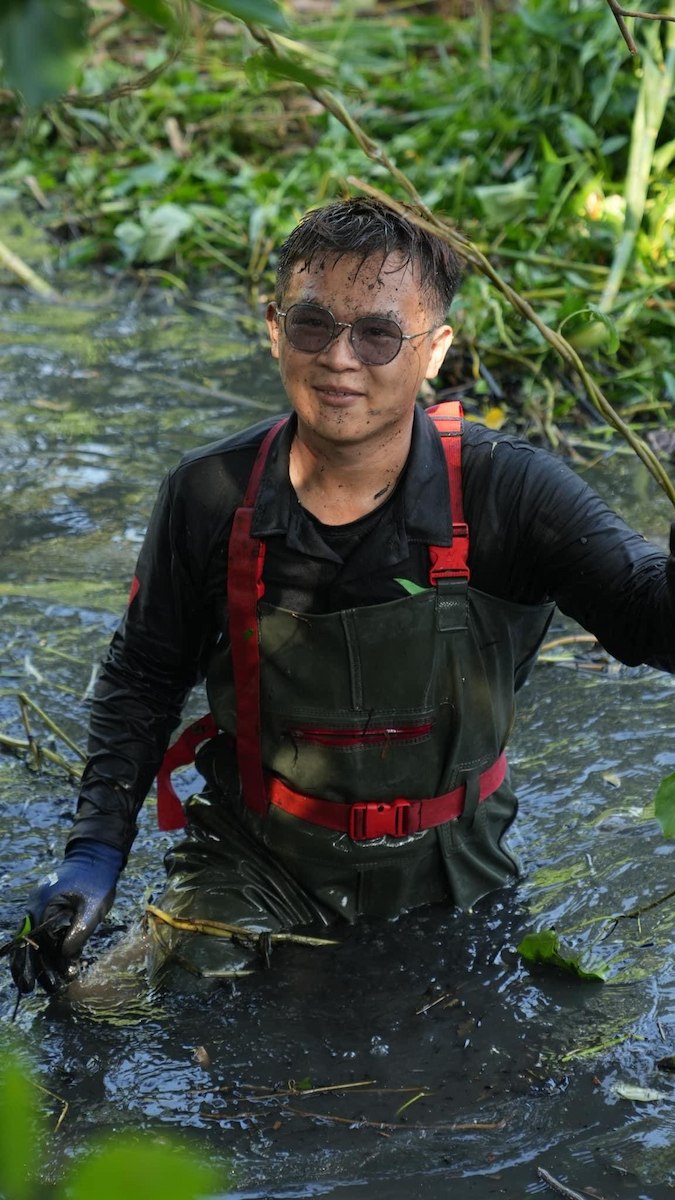
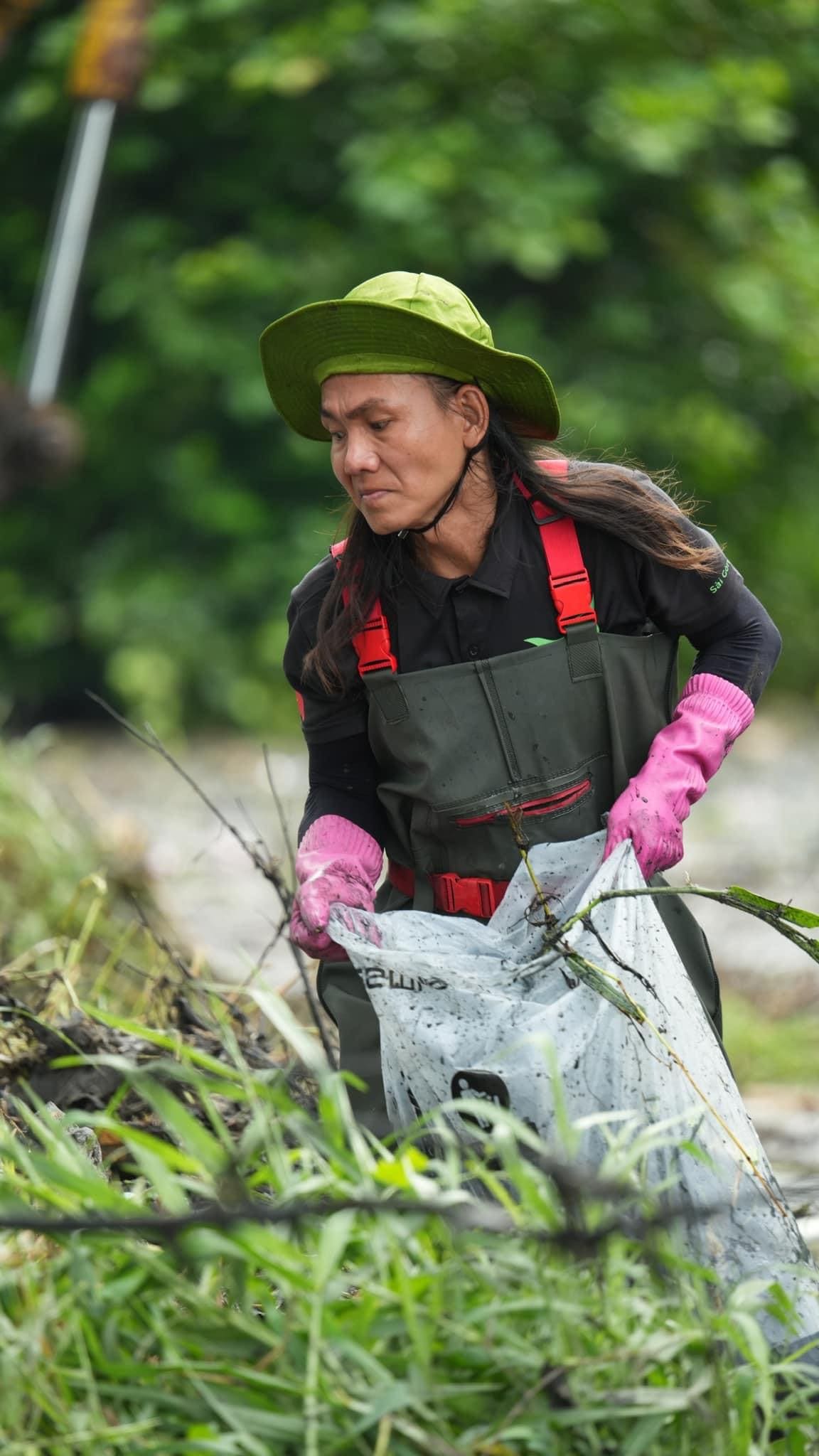
- Protective equipment: Including gloves, waterproof boots, life jackets, protective clothing, and other protective equipment
- Safety training: Members are trained in safety procedures, hazardous waste handling skills and movement procedures in complex environments
- Allocation of supervisors: Each team is allocated an experienced supervisor to provide guidance and support, particularly in emergency situations
Budget
Project operating costs are allocated across the following resources:
- Human resources and organisation: Including costs for the project management team, coordinators and volunteers requiring support. Financial planning may estimate annual/quarterly human resource expenditure at approximately VND 200 million per quarter for the core team, depending on the project’s scale and requirements.
- Equipment and supplies: Including waste collection tools, vehicles, machinery, protective equipment, etc. For example, quarterly expenditure may be estimated at approximately VND 300 million per quarter for equipment.
- Communication costs: Supporting promotional activities, content development and event organisation. Communication may account for approximately VND 100 million per quarter for major promotional campaigns.
- Other operating costs: Including logistics, transportation, and other administrative expenses. These costs may range from VND 100-200 million per quarter, depending on specific activities.
Sai Gon Xanh’s campaigns have prevented large amounts of waste from flowing into rivers and the sea through large-scale waste clean-up activities, collecting thousands of tonnes of waste with the participation of tens of thousands of volunteers.
In addition, the project has created significant influence both nationally and internationally, becoming the organisation ranked second on the World Cleanup Day leaderboard, bringing the image of Vietnamese youth living with purpose to the world and gaining recognition from the international community.
Environmental protection activities have achieved positive results with widespread impact. More than 20,000 volunteer participations have participated, contributing to over 300 large-scale waste clean-up events. In total, more than 3,000 tonnes of waste have been collected, reflecting the programme’s practical impact. In addition, 10 floating trash barrier locations have been installed to control river waste, together with the deployment of one automatic waste collection machine, improving waste management efficiency. Notably, the campaign also generated a strong media impact with 3 billion views worldwide, demonstrating widespread public interest and engagement.
Proven effectiveness
By preventing thousands of tonnes of waste from flowing into rivers, attracting large numbers of volunteers, and delivering noticeable improvements in environmental quality, the Sai Gon Xanh model has demonstrated outstanding effectiveness and opened opportunities for broader replication.
Ease of adoption and implementation
This model is highly adaptable and can easily be adjusted to suit the conditions of different localities. Volunteer activities combined with simple technological solutions such as floating trash barriers and waste collection machines create favourable conditions for replication and expansion.
Community mobilisation
Through effective communication approaches and strong engagement from many sectors of society, particularly the youth, other localities can learn how to recruit volunteers and connect with social organisations.
The combination of technology and community power
This model has demonstrated the strength of combining people and technology. The application of advanced technical solutions not only improves environmental clean-up efficiency but also creates a sustainable and modern model.
Support from government authorities and international organisations
With the support of local authorities such as the Ho Chi Minh City Youth Federation and international organisations, the Sai Gon Xanh model has the potential to become a leading environmental initiative, attracting attention, and investment from the international community.
Sustainability
By fostering environmental awareness within the community, Sai Gon Xanh has laid the foundation for a sustainable green future. This model not only delivers immediate results but also creates profound changes in public awareness and behaviour.
Sai Gon Xanh
Case Ownership
Hosting Organisation: Sai Gon Xanh
Collaborating Partners: Vietnam Youth Federation / Ho Chi Minh City Youth Federation, Local government authorities, International organisations supporting environmental campaigns, Volunteer communities and local youth groups
Stakeholders and beneficiaries: Residents of Ho Chi Minh City and other localities where clean-up activities are implemented; Communities living around canals, rivers, and waste hotspot areas; Volunteers, particularly young people participating in environmental activities; Local authorities and urban environmental management agencies; River, canal, and marine ecosystems that experience reduced pressure from waste pollution; The international community and environmental networks inspired by the Sai Gon Xanh model
Source: Human Act Prize
The copyright and legality of all images, videos, information, and data regarding the project published on this landing page are provided by and are the sole responsibility of the individuals/organisations registering for the Human Act Prize. The republished content on this landing page has been verified and authorised by VCCorp Corporation (the co-organiser of the Human Act Prize).
Specific SDG targets
SDG 11.6
Reduce the adverse per capita environmental impact of cities, particularly regarding air quality and municipal and other waste management
SDG 11.7
Provide universal access to safe, inclusive, and accessible public spaces
SDG 12.5
Substantially reduce waste generation through prevention, recycling, and reuse
SDG 12.8
Ensure that people everywhere have the relevant information and awareness for sustainable development
SDG 13.3
Improve education, awareness, and capacity on climate change mitigation, adaptation, impact reduction, and early warning
SDG 13.1
Strengthen resilience and adaptive capacity to climate-related hazards and natural disasters