Agribank pioneers and leads in policy credit programmes that provide loans for household economic development.
Those programmes improve the livelihoods of rural communities through the provision of capital to support production, create employment, increase household income, and promote infrastructure investment in poor districts and communes; these local efforts contribute to the successful implementation of Vietnam’s national goals for agriculture, farmers, rural development, and sustainable poverty reduction. Agribank has taken the lead in effectively implementing 7 policy credit programmes: loans under the agricultural and rural development credit policy; household and individual loans through Loan Groups/Cooperative Groups; loans under support policies to reduce agricultural losses; livestock and poultry loans; coffee replanting loans; fisheries development policy loans; preferential credit for Clean Agriculture; and national target programmes for new rural development and sustainable poverty reduction.
To implement Resolution No. 26, the Government issued Resolution No. 24/2008/NQ-CP together with the Government’s Action Programme for implementing the Resolution on Agriculture, Farmers and Rural Areas, including a proposal on credit for agricultural and rural development, incorporating small-scale financial services. This also laid the foundation for Decree No. 41/2010/NĐ-CP on credit policies for agricultural and rural development (later replaced by Government Decree No. 55/2015/NĐ-CP dated 9 June 2015), for which Agribank became the leading bank in effective implementation.
Established during the period when Vietnam’s economy had only just begun its transformation to a market economy amidst many challenges, Agribank developed alongside Vietnamese agriculture on its journey from poverty and scarcity, relying on external aid, to achieving food self-sufficiency, expanding exports, and gradually establishing Vietnam’s position as a global leader in rice, coffee, pepper, etc.
Throughout this journey, Agribank’s contribution as the leading provider of capital and credit for agriculture, rural areas, and farmers has carried profound economic, political, and social significance. While the agricultural and rural sector possesses significant development potential, it is also the sector most exposed to risks due to its heavy dependence on weather, climate, and natural disasters. Agribank’s operations are genuinely connected to villages, hamlets, and farming communities, maintaining a close relationship with the rural peasantry.
To ensure Agribank’s capital reaches farmers directly, the Loan Group lending solution was created and developed into the foundation of Agribank’s enduring strength. The Loan Group is one of Agribank’s key innovations, serving as an effective channel for delivering credit and banking services to the public, particularly in rural, remote, and isolated areas. Agribank collaborates with the Central Committee of the Vietnam Farmers' Union and the Central Committee of the Vietnam Women's Union to develop Loan Groups, contributing to the successful implementation of agricultural and rural development credit policies.
The Loan Group model has been extensively expanded by many Agribank branches in both scale and quality, receiving strong support from local Party committees and authorities. Through Loan Groups, households support one another, utilise capital effectively in production and business activities, and strengthen community cohesion.
By particularly establishing Loan Groups based on village, hamlet, or production team boundaries, without limiting membership numbers or loan amounts, organising groups according to production sectors, and integrating them with the activities of mass organisations, the model has achieved outstanding success. Through the Loan Groups, savings agencies have also been established in 100% of Loan Groups under a structured process, enabling members to both borrow funds and deposit savings.
Objective
Vietnam’s reform process has delivered significant economic and social achievements, in which Policy credit programmes supporting the agricultural sector have played a vital role in local economic and social development while enhancing the self-reliance of local communities.
Vietnam aims to reduce the national poverty rate by 1 to 1.5% each year and to soon achieve the Sustainable Development Goals by 2030. Accordingly, Agribank is committed to maintaining its leading role in the capital and credit market for agriculture, rural areas, and farmers, contributing to Vietnam’s socio-economic development and sustainable poverty reduction efforts.
Vision
Taking action towards green – clean – safe and sustainable agriculture, immediately following the Prime Minister’s approval of the National Green Growth Strategy. Accordingly, Government Resolution No. 54/NQ-CP dated 12 April 2022 introduced provisions on green credit and green banking to promote bank credit for low-carbon production and consumption sectors.
In response to directives promoting green credit growth and environmental and social risk management in lending activities, Agribank immediately joined with ministries and government agencies to support the aspiration of bringing Vietnamese agricultural products to the global market. The Bank implemented a preferential credit programme with a minimum scale of VND 50 trillion to support “Clean Agriculture” production for community health.
Implementation Process – Scope
Agribank is the pioneering and leading bank in Policy credit programmes for lending within the agricultural sector.
Preferential interest rate loans for poor districts
Agribank has proactively implemented coordinated investment of capital to support production, create employment, and increase incomes for people in poor districts, while supporting agricultural, forestry, fisheries production planning and restructuring crops and livestock to suit local conditions, etc.
Aquaculture loans
The Bank prioritises investment capital for developing infrastructure, fisheries logistics services through integrated value chains, etc. while also enabling customers to borrow funds for the construction, renovation, improvement of ponds and aquaculture facilities, etc.
Loans for agricultural processing, aquaculture processing, and high-tech agriculture
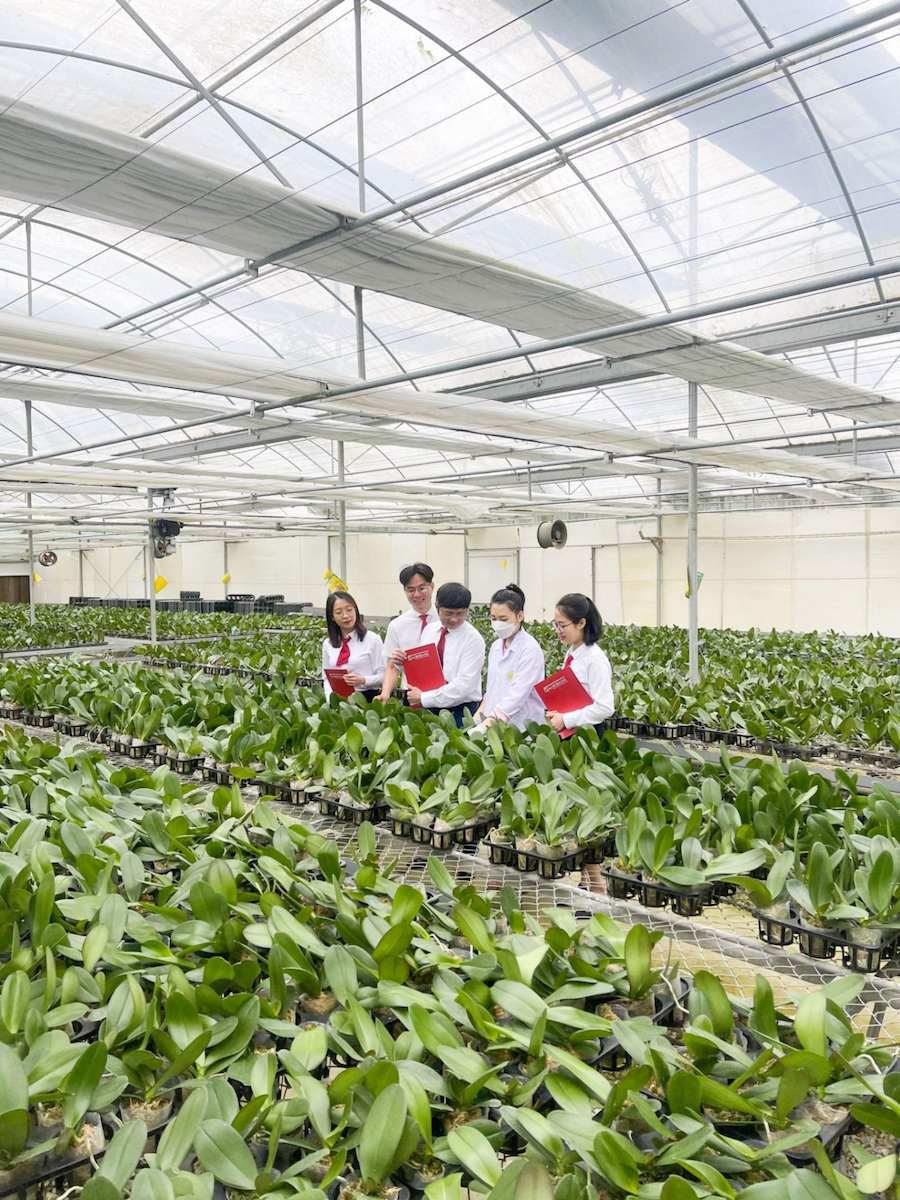
Since 2019, Agribank has developed customer development strategies and introduced preferential mechanisms relating to interest rates, fees, and funding for Clean Agriculture and high-tech agriculture, gradually shifting towards integrated, comprehensive investment models. In addition, the Bank has enabled many enterprises to access capital for developing large-scale, modern production zones while helping farmers build sufficient capacity to participate in large-scale production value chains.
Budget
As of August 2023, Agribank’s total outstanding loans to the economy exceeded VND 1.45 quadrillion, of which approximately 65% was allocated to agriculture and rural development, representing the largest share of outstanding credit dedicated to the "Three Agriculture Areas” (Agriculture – Farmers – Rural Areas) sector in Vietnam.
Loans for poor households
Through effective investment programmes with total lending exceeding VND 13 trillion and serving nearly 220,000 customer transactions, the living conditions of poor households have improved significantly, creating employment opportunities, ensuring stable incomes, and supporting sustainable poverty reduction.
Aquaculture loans
By the end of 2022, Agribank’s total outstanding loans to the fisheries sector exceeded VND 40 trillion; approximately VND 38.7 trillion was provided to individual customers, households, shrimp and catfish farms, etc. while approximately VND 1.5 trillion was provided to enterprises processing and exporting shrimp, fish, and mollusc products.
Loans for agricultural processing, aquaculture processing, and high-tech agriculture
Agribank’s lending capital has supported localities in establishing specialised agricultural production zones, including fruit-growing regions in Bac Giang, Tien Giang, etc. as well as export-oriented rice production areas in the Red River Delta, etc.
Loans for new rural development
Agribank has actively implemented the Government’s policy credit programmes, with lending for new rural development covering 100% of communes nationwide. More than 50% of this funding has been invested in agricultural, forestry, fisheries, and salt production, processing, and business activities to enhance the value of key agricultural products; nearly 35% has supported commercial and service sectors; and over 15% has been invested in rural infrastructure development.
The organisation has achieved notable results in financial services and rural development. Total outstanding preferential loans for poor districts reached VND 605 billion, serving nearly 5,000 customers, with the non-performing loan ratio maintained at 0.6% as of the end of 2022. In the aquaculture sector, total lending exceeded VND 40 trillion, contributing to regional economic growth. At the same time, more than VND 4 quadrillion was disbursed to 2.2 million customers for new rural development projects. In addition, the high-tech agriculture lending programme exceeded VND 26 trillion, supporting approximately 4,000 customers. The organisation also expanded access to financial services, with funding coverage reaching 100% of mainland communes and communes with branches across 9 of the country's 13 island districts. Its network of 2,300 transaction offices continues to affirm its position as one of the largest networks in Vietnam’s commercial banking system. Notably, outstanding loans to the “Three Agriculture Areas” sector account for a high proportion, ranging from 65 - 70%, reflecting a consistent strategic focus on agricultural, farmer, and rural development.
Agribank currently operates 2,300 transaction offices nationwide, making it the largest branch network within Vietnam’s commercial banking system, extending from urban areas to rural communities, border regions, and islands. Agribank is also the only commercial bank with a presence in 9 of the country’s 13 island districts. Building on this strength, Agribank has effectively delivered capital and convenient banking products and services closer to farming communities. Agribank serves as an important bridge connecting the Government’s preferential credit policies with poor households and other policy beneficiaries across the country, providing access to official preferential government funding and fundamentally improving the quality of life for people in agricultural and rural areas.
To replicate household economic models, the marine economy, and safe agricultural production models, with the aim of promoting sustainable agricultural, forestry, and fisheries production while maintaining domestic markets and strengthening Vietnam’s position within global value chains, Agribank has partnered with various reality television programmes. Notable examples include “Clean Agriculture” and “Financial Anchor”, broadcast on national television channels to introduce and promote economic models, Vietnamese agricultural products, and well-known agricultural regions to audiences both within Vietnam and internationally. Through these activities, the Bank contributes to promoting the development of agricultural production value chains across the country.
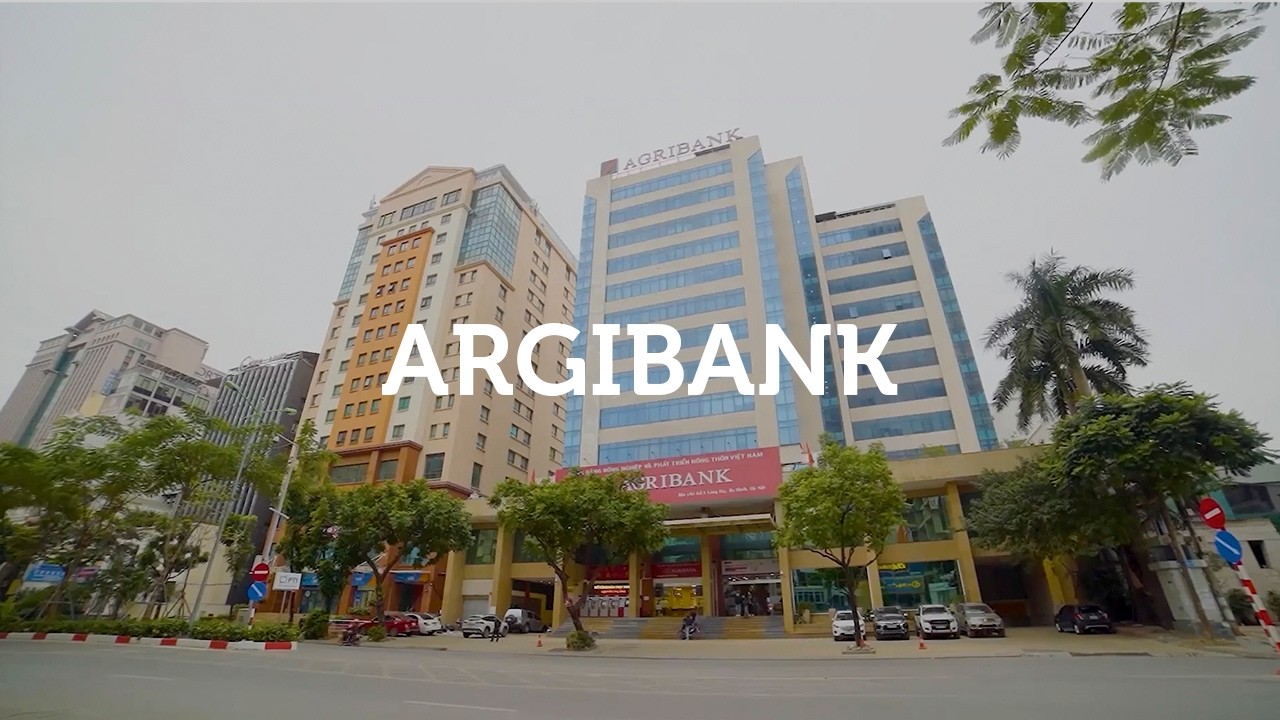
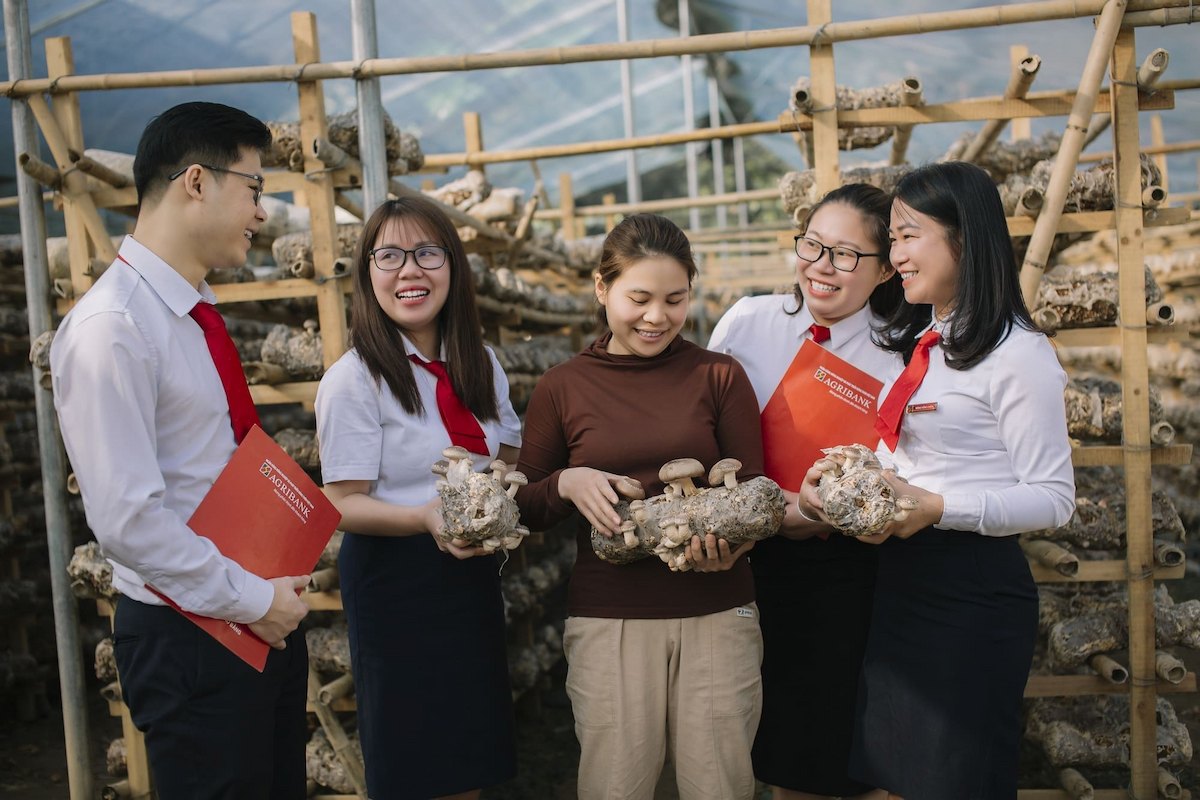
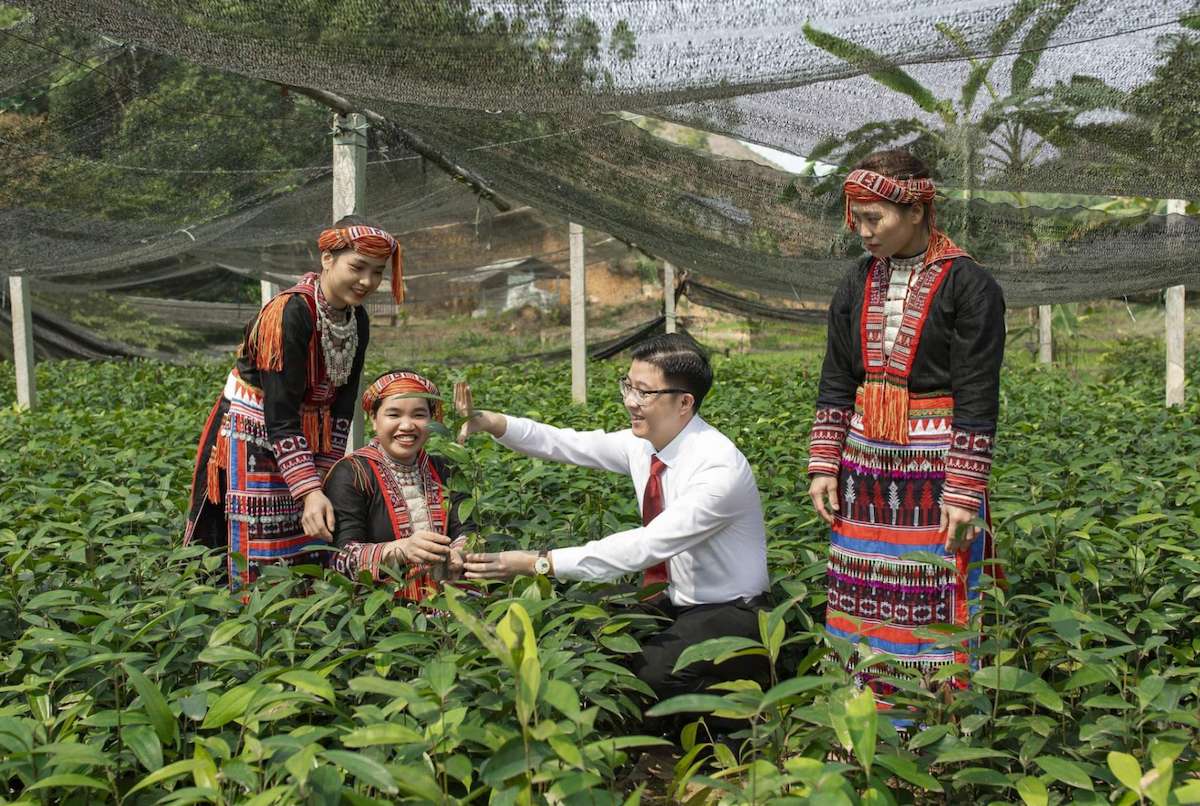
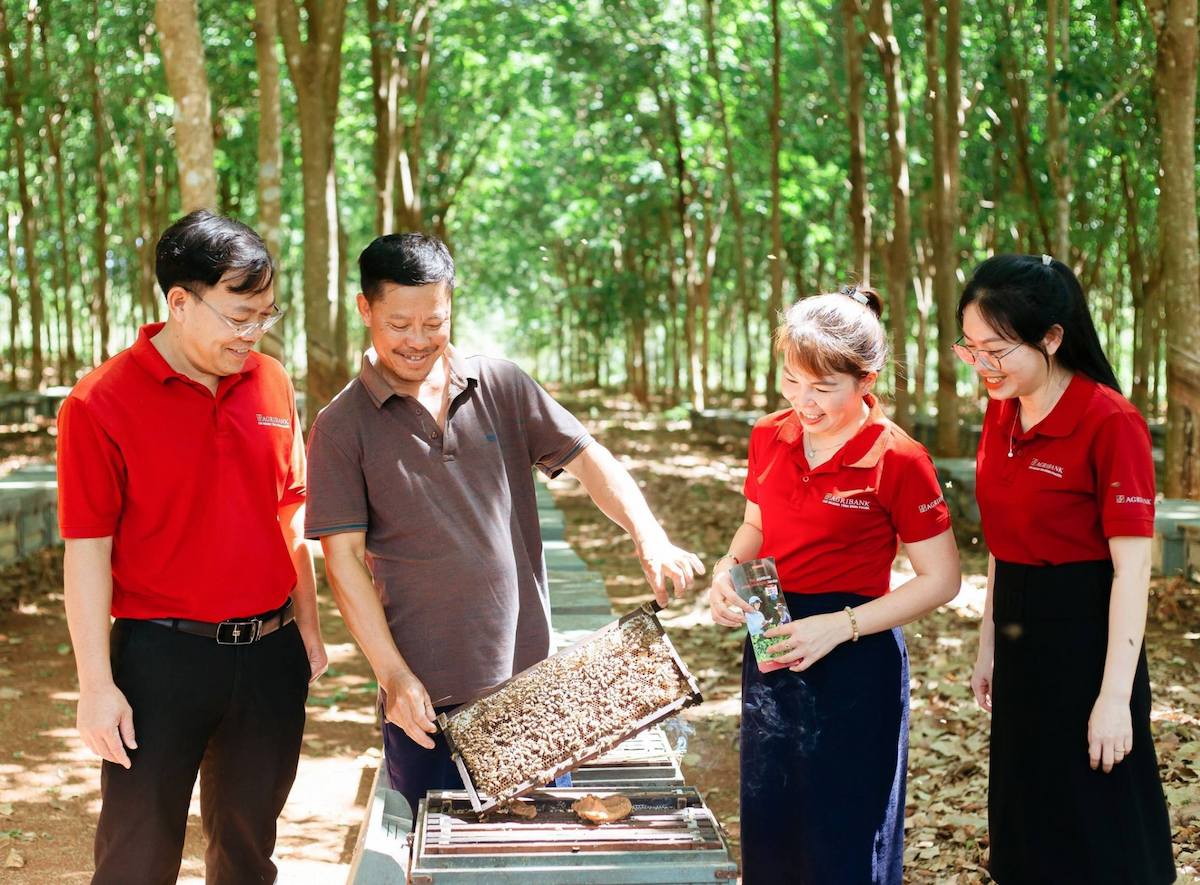
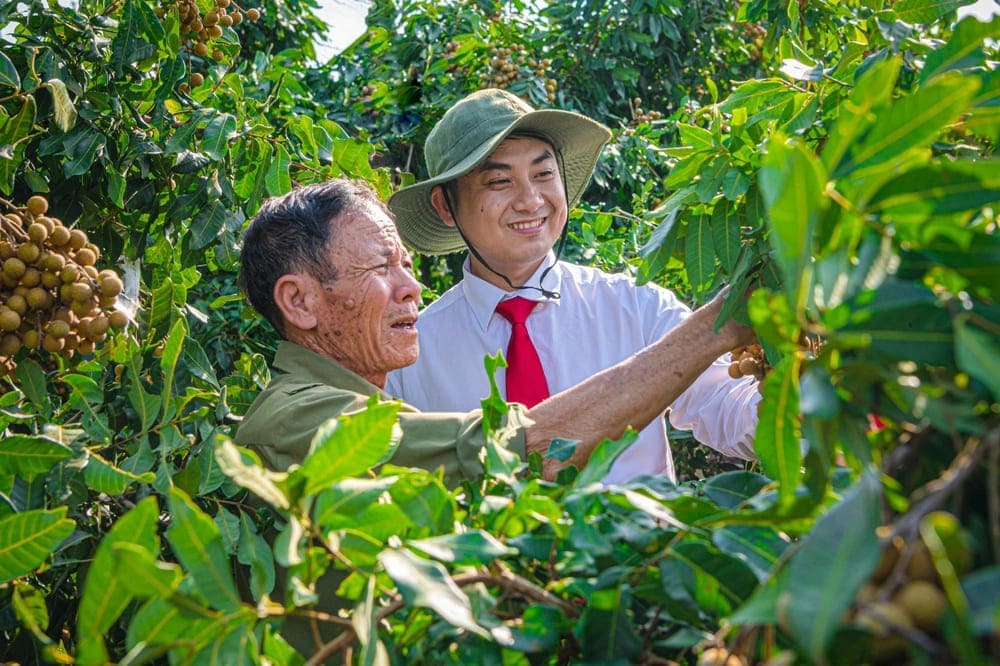
Agribank providing loans to policy beneficiaries for industrial, rural economic and social development
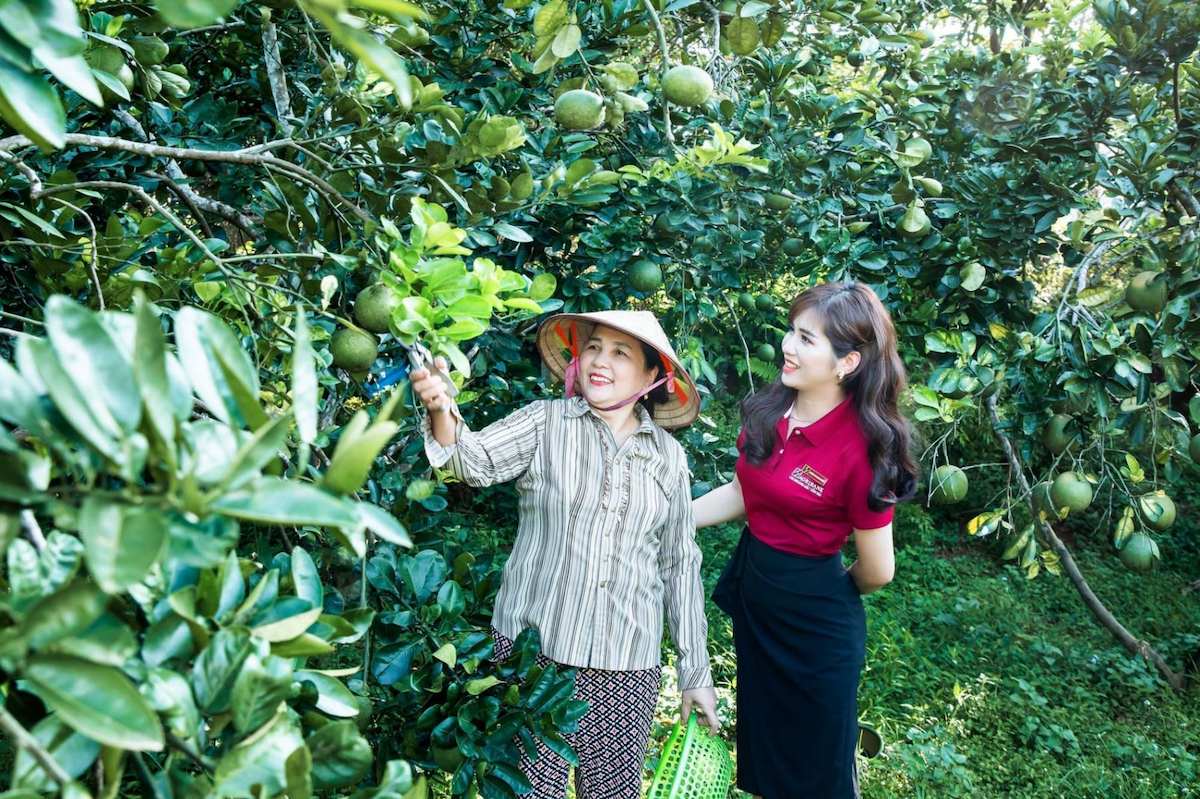
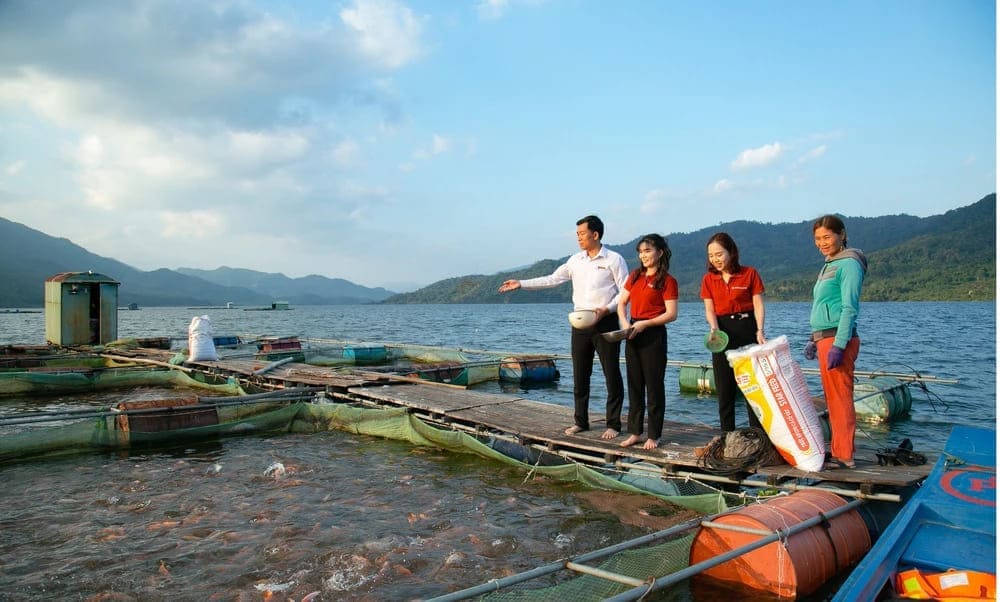
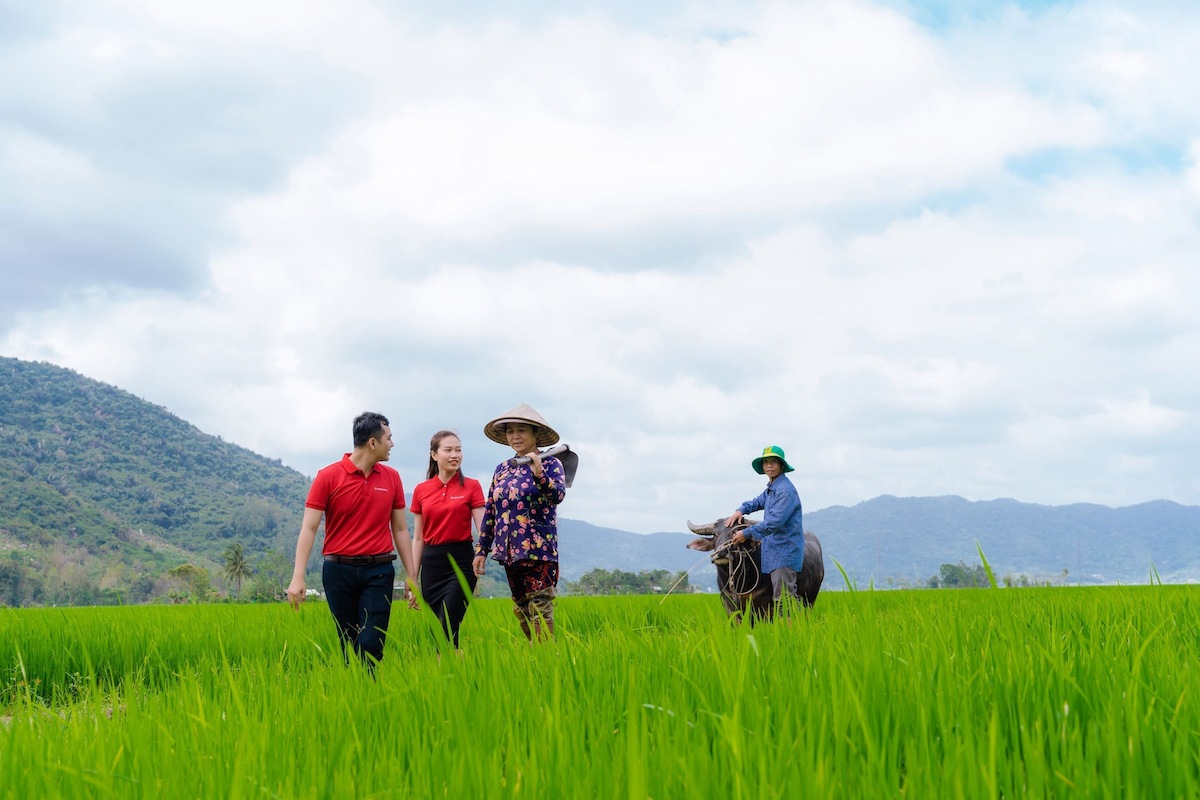
Case Ownership
Hosting Organisation: Vietnam Bank for Agriculture and Rural Development – Agribank
Collaborating Partners: Government of Vietnam; Ministries and sectors responsible for agricultural and rural credit policies; Central Committee of the Vietnam Farmers' Union; Central Committee of the Vietnam Women's Union; Local Loan Groups/Cooperative Groups; Party committees and local authorities in poor districts, poor communes, and rural areas; Television programmes such as “Clean Agriculture” (“Nông nghiệp sạch”) and “Financial Anchor” (“Điểm tựa tài chính”)
Stakeholders and beneficiaries: Rural households and individuals; Poor households and policy beneficiaries; Farmers, fishers, and aquaculture households; Agricultural and seafood processing enterprises and high-tech agricultural enterprises; Local loan groups and cooperative groups; Rural communities, poor districts, poor communes, and island areas; The agriculture sector, farmers, rural communities, and the new rural development ecosystem
Source: Human Act Prize
The copyright and legality of all images, videos, information, and data regarding the project published on this landing page are provided by and are the sole responsibility of the individuals/organizations registering for the Human Act Prize. The republished content on this landing page has been verified and authorised by VCCorp Corporation (the co-organiser of the Human Act Prize).
Specific SDG targets
SDG 1.4
Ensure that all people, particularly the poor and vulnerable, have access to economic resources and appropriate financial services
SDG 1.5
Build the resilience of the poor and those in vulnerable situations to economic, social and natural disasters
SDG 8.3
Promote policies that support productive activities, employment creation, and enterprise development
SDG 8.10
Strengthen the capacity of financial institutions to expand access to banking, insurance, and financial services for all
SDG 2.3
Double the agricultural productivity and incomes of small-scale food producers
SDG 2.4
Ensure sustainable food production systems and implement resilient agricultural practices