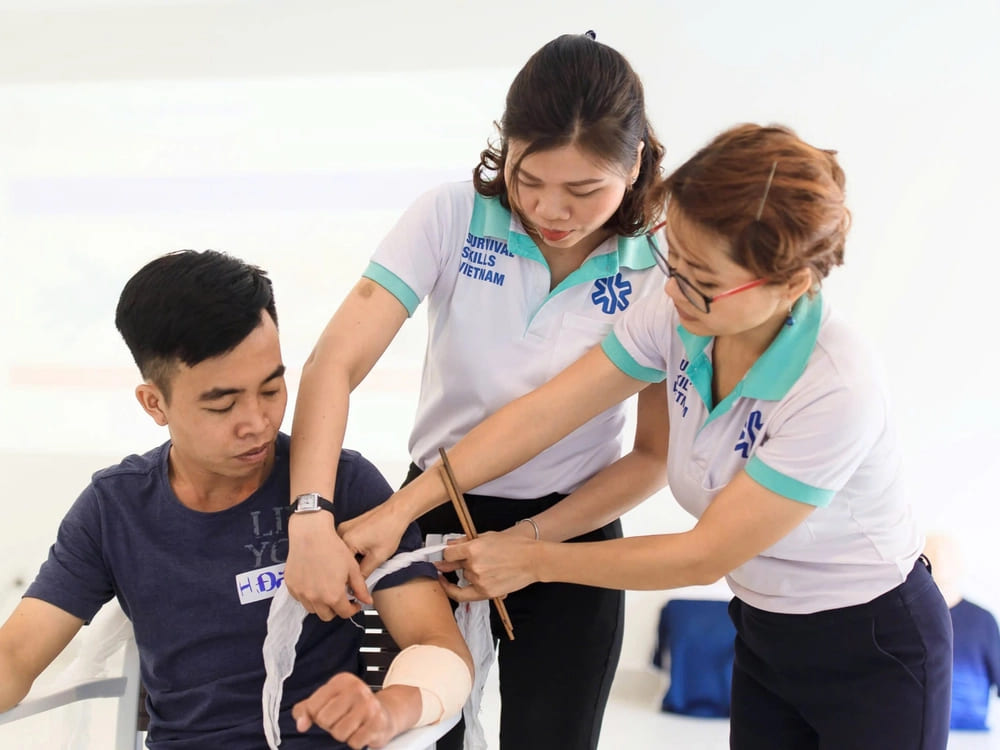
Survival Skills Vietnam Social Enterprise SSVN carries out regular community first aid education activities and continuously digitises its work to help more than 150,000 Vietnamese people access correct first aid knowledge and skills.
With the mission of reducing preventable injuries and deaths in Vietnam through first aid education that meets international standards, Survival Skills Vietnam Social Enterprise SSVN carries out regular community first aid education activities and continuously digitises its work to help more than 150,000 Vietnamese people access correct first aid knowledge and skills.
This enables more people to assist those in need properly and in time, helping reduce unnecessary injuries and losses for individuals, families, the healthcare system, the workforce and society as a whole. Survival Skills Vietnam began as a non-profit school education project in 2014, and later transformed into Survival Skills Vietnam Social Enterprise SSVN to scale the model and make this life-saving skill accessible to more people.
In developed countries, first aid and emergency escape skills are widely taught in school programs, schools, companies and communities, and are refreshed through annual training. However, in Vietnam, most people have not been equipped with this life-saving knowledge and these skills. Currently, this knowledge is only compulsory in some large companies and industries with high health risks. Some schools have started teaching this knowledge, but it remains basic and fragmented.
To date, there are still many barriers preventing first aid skills from reaching the majority of people, due to reasons such as: no shared definition of “first aid”; training materials that are not user-friendly for the general public; belief in unverified folk experience; and difficulty accessing communities. This leads to the consequence that most victims are not given first aid, or are given first aid incorrectly, before being taken to hospital, resulting in high mortality rates and causing great pain, loss and burdens for families and society.
In response to this painful reality, Survival Skills Vietnam (SSVN) was established in 2014 by expert Tony Coffey and Ms Trang Jena Nguyen. Emergency care specialist Tony Coffey once had a daughter who suffered cardiac arrest, and he saved her life after learning chest compressions through a television program. Because of this, he became even more concerned about the very high number of child drowning deaths in Vietnam caused by the lack of basic emergency care skills. Meanwhile, Ms Trang Jena, who had also spent many years working in non-profit activities related to health, was deeply concerned about this issue.
Starting as a non-profit project, both founders used their own money and arranged their own time to organise first aid courses at schools. In 2016, the first first aid app in Vietnamese was launched, with support from Mr Ho Thai Binh and funding from the Australian Consulate. By 2018, SSVN had transformed into a social enterprise to address financial difficulties by providing training courses for businesses, using this income to fund non-profit programs. In 2019, SSVN achieved success with international-standard training programs, expanded its media partnerships and won many major awards. Despite facing challenges during the COVID-19 pandemic, SSVN successfully underwent digital transformation by developing an e-learning system, helping increase the number of first aid learners compared with before the pandemic.
To help Vietnamese people access first aid knowledge anytime, anywhere and completely free of charge, SSVN has introduced a range of creative solutions to implement the project effectively:
- International-standard curriculum updated annually by experts who are members of ILCOR (International Liaison Committee on Resuscitation) and ANZCOR (Australian and New Zealand Committee on Resuscitation), with references from the Red Cross in the United States, Asia and Vietnam, and localised to suit conditions in Vietnam. These curricula are designed with people at the centre, using actions that research has proven to be the most effective and that everyone can perform. This differs from other providers that bring international curricula directly into Vietnam, often without pedagogical expertise in first aid or out-of-hospital emergency care, since Vietnam does not yet have formal training programs in these areas. As a result, they often copy the material exactly and lack the experience needed to adapt it appropriately for Vietnam.
- A comprehensive approach: Most current projects in Vietnam and around the world usually stop at training. SSVN invests in community awareness through free workshops for schools, partnerships with television and newspapers to educate the public on proper first aid awareness, and support tools that help people carry out first aid when accidents happen.
- Modern technology: Recognising that traditional training methods are difficult to scale to large numbers of people, especially those outside major cities, SSVN has invested in a comprehensive digital technology ecosystem, including apps and online learning systems, so people can access high-quality first aid knowledge anytime and anywhere. This ecosystem gives Vietnamese people access to the latest technologies currently available globally in first aid training, equivalent to systems only major international organisations have.
- Ensuring access to information for people with disabilities: People with disabilities face higher risks of accidents and injuries, while also finding it harder to call for help when accidents occur. However, this issue receives limited attention globally. SSVN is also a pioneering organisation in ASEAN in comprehensively developing technologies and materials in disability-friendly formats, which are being used by communities of people with disabilities in Vietnam as well as some countries in the region. This is also part of SSVN’s effort to ensure every Vietnamese person, including vulnerable and minority communities, has the right to access first aid knowledge.
To help thousands of Vietnamese people access correct first aid knowledge and skills, thereby helping more victims avoid unnecessary injury and death, SSVN promotes international-standard first aid education in Vietnam through 2 groups of activities:
Non-profit activities
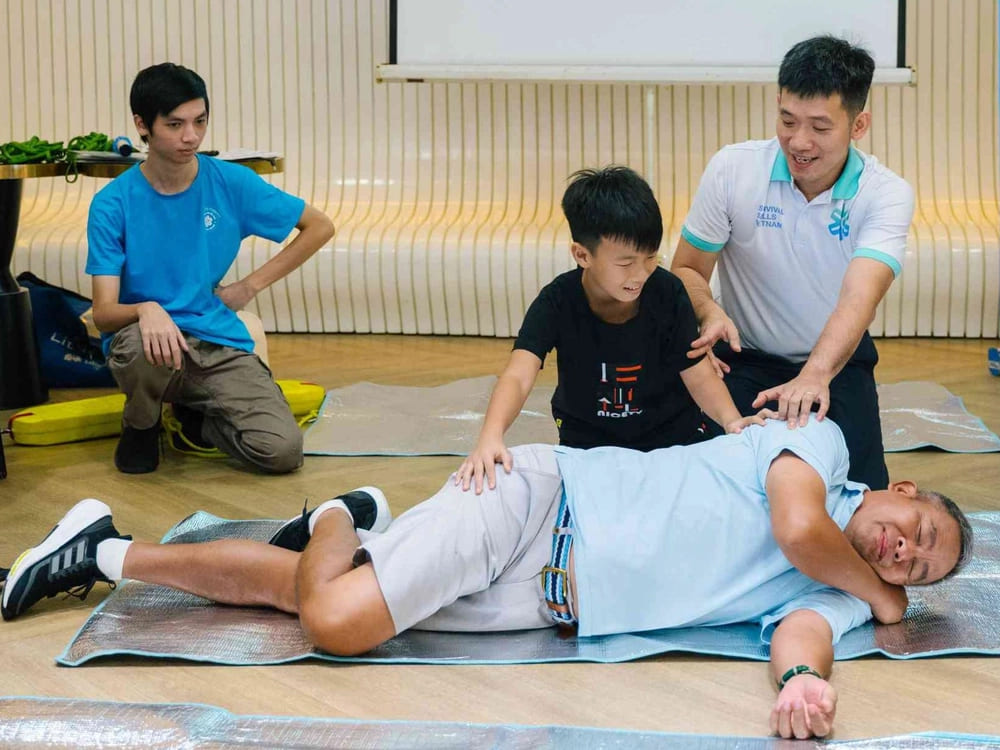
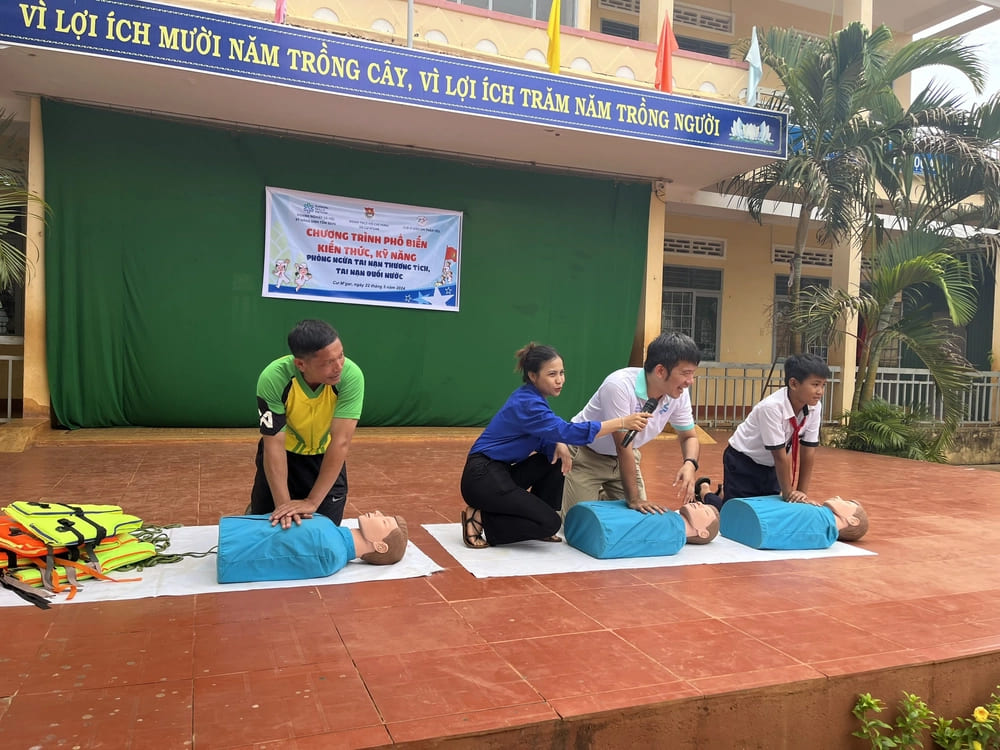
Starting as a non-profit project, SSVN focuses on benefits for society as a whole. SSVN regularly organises workshops, awareness-raising activities and proper first aid guidance for communities, schools and others, including communities of people with disabilities, ethnic minority communities and other non-profit organisations in Vietnam and overseas.
Typical projects include
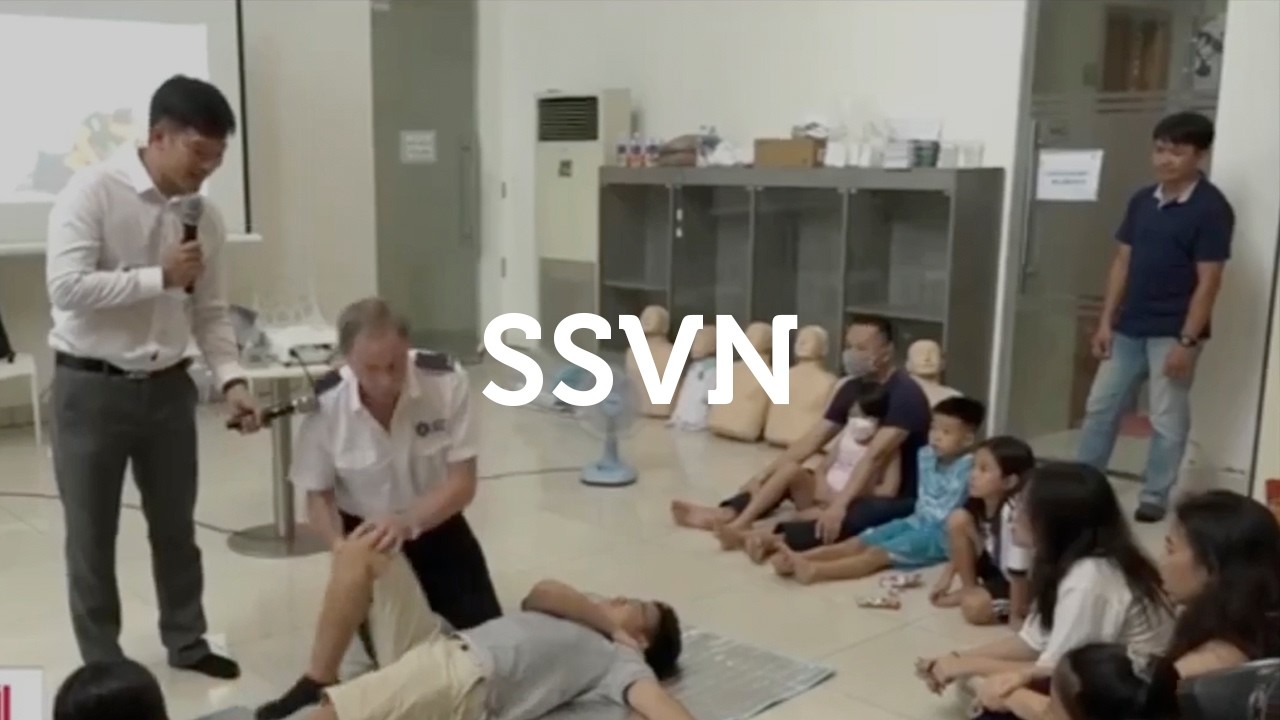
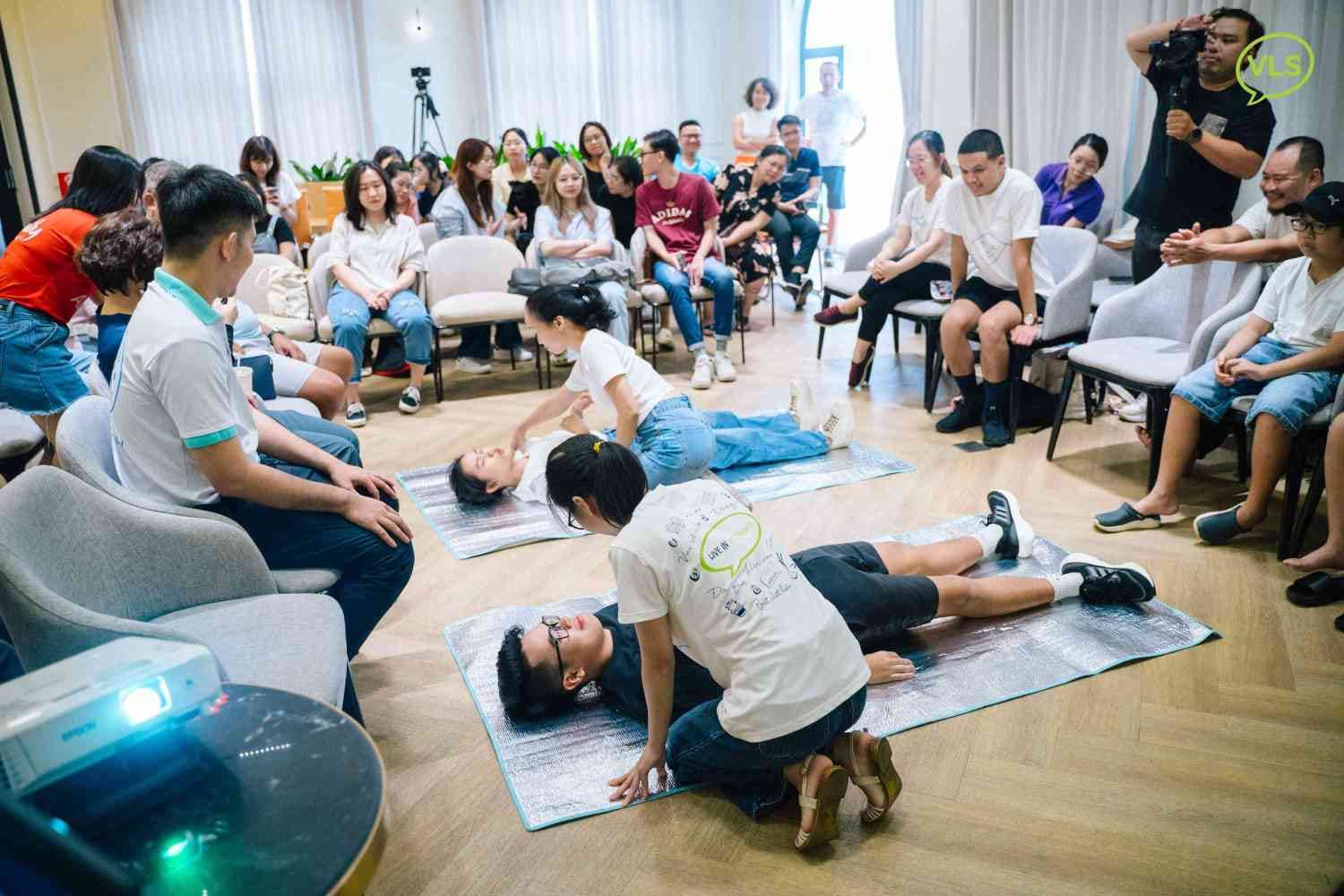
Free first aid training classes for organisations such as religious facilities, schools, government agencies, and non-profit organisations in Vietnam and overseas. SSVN prioritises public schools and organisations supporting vulnerable groups, especially in disadvantaged areas and where there is a serious commitment to learning this content properly.
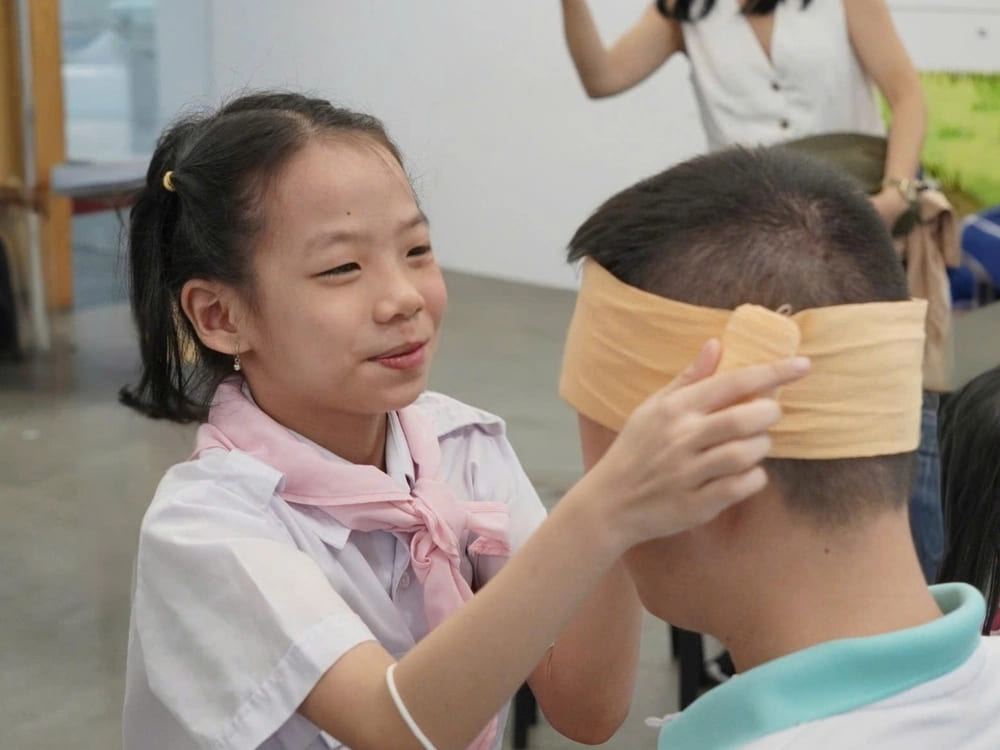
Programs designed specifically for people with visual impairments: Braille books, audiobooks, first aid learning programs through sign language, and more.
SSVN continuously carries out social projects through in-depth practical first aid scholarships for vulnerable groups, carers of vulnerable groups and volunteer emergency support teams. In addition, SSVN fully sponsors the commercial online learning program for all organisations caring for vulnerable groups that commit to completing the course.
A rich source of exclusive and carefully reviewed community education materials: first aid handbooks, communication posters and images, mobile apps, e-learning courses, smart emergency medical information cards, television programs and a YouTube channel.
Commercial activities
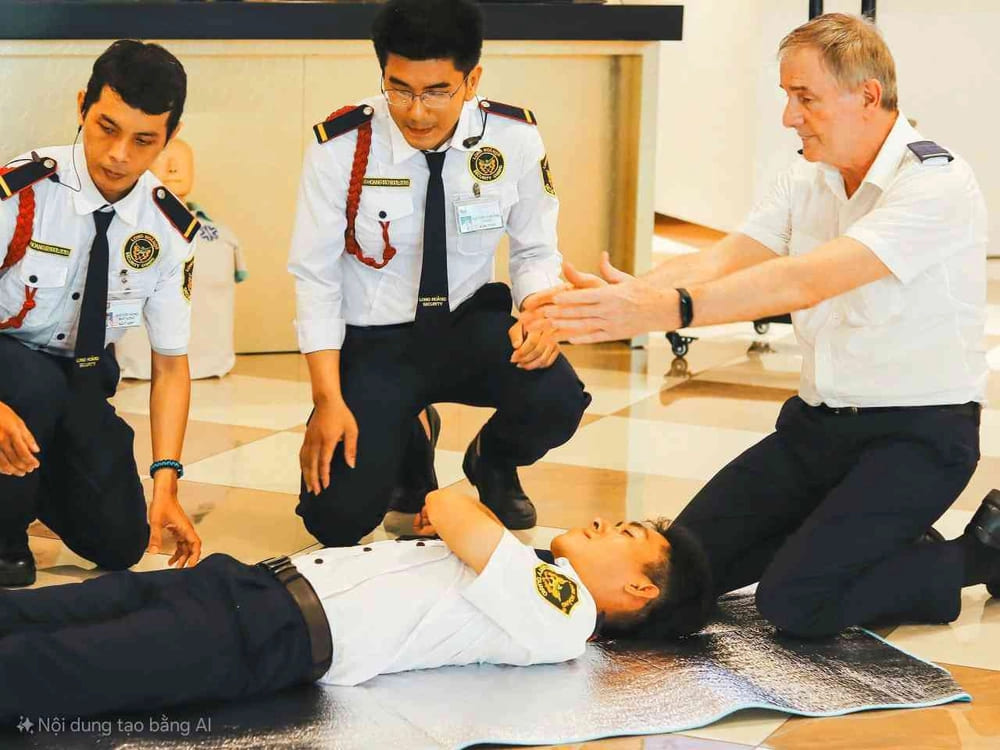
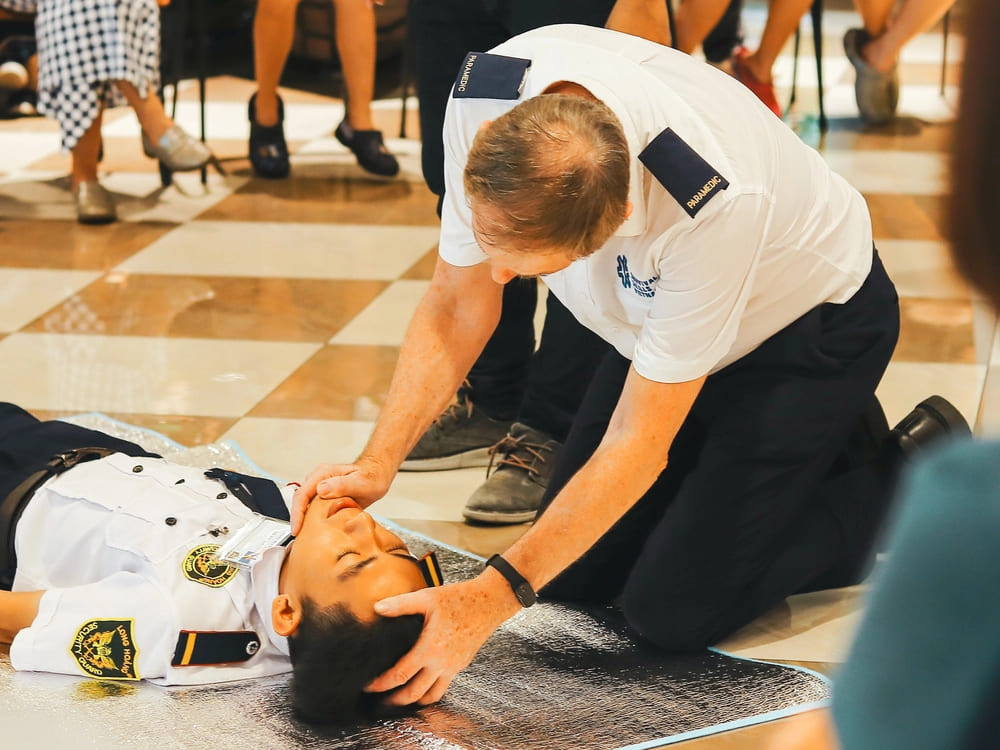
SSVN regularly organises practical first aid training classes for businesses, organisations and individuals. The program is developed by international experts with many years of experience in rescue and emergency response, and is updated each year to ensure solid knowledge for teaching. SSVN’s curriculum is updated according to the latest recommendations from the International Liaison Committee on Resuscitation (ILCOR) and other international professional organisations.
In most countries around the world, responsibility for universal community first aid education belongs to the state or non-profit organisations funded by public budgets, charitable funds or benefactors. In Vietnam, national resources remain limited, and this issue has not yet received broad social attention. SSVN has successfully applied a social enterprise business model to independently generate 95% of the funding needed for its community activities, which continue to grow in scale. As a result, SSVN’s unique business model has become a typical example in business education programs at several universities and in social enterprise training programs in Vietnam and internationally.
Development of science and technology
Recognising that first aid knowledge in particular, and health knowledge in general, cannot be quickly and effectively popularised to the public through traditional methods alone, SSVN has invested in digital transformation to help more than 70 million internet users in Vietnam access reliable first aid knowledge for free, effectively, anytime and anywhere.
To date, SSVN has helped more than 45,000 Vietnamese people access first aid knowledge through online channels and has become one of the pioneering organisations in Southeast Asia in developing digital solutions to implement the Sustainable Development Goals.
SSVN develops an online first aid education and practical support ecosystem that helps people join first aid learning programs, equip themselves with knowledge, review content in different formats, and apply first aid when accidents occur. This helps users quickly look up first aid steps and apply them in real emergency situations. In addition, SSVN combines this with first aid instruction boards integrated with QR codes, helping people at road accident scenes quickly look up how to use a first aid kit and perform first aid steps within seconds. In particular, in-depth lessons on each topic help learners manage their own time to study theory before offline courses and review after the course. At the same time, SSVN also implements learning, review and practice competitions after training programs.
Objective
Reduce preventable injuries and deaths in Vietnam through international-standard first aid education and community health education.
Vision
Every Vietnamese family has at least one person who knows how to provide first aid correctly, helping reduce the rate of preventable injuries and deaths in Vietnam.
SSVN becomes a popular and trusted platform for community health knowledge, helping Vietnamese people proactively care for and improve their own health.
SSVN becomes the first Vietnamese social enterprise in health education to expand into the ASEAN region, bringing technology experience developed by Vietnamese people to support vulnerable communities in particular, and people across the region, in reducing preventable injuries and deaths specifically, and improving community health education more broadly.
Motivation from the founders
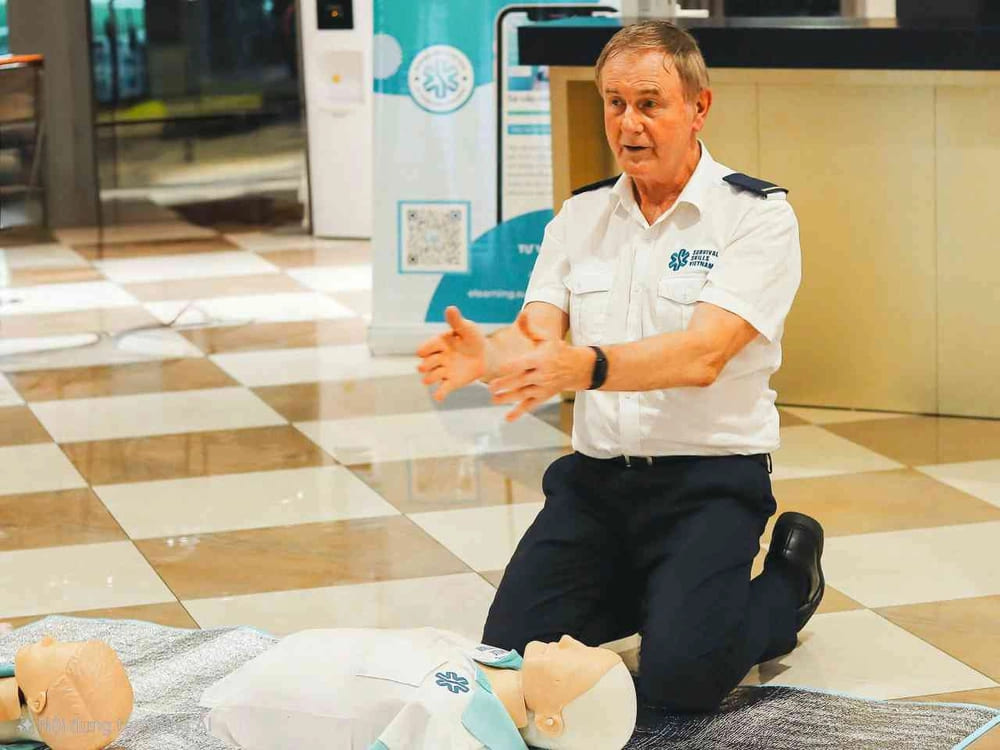
#1 Out-of-hospital emergency care specialist Tony Coffey: He has more than 30 years of experience in out-of-hospital emergency care, rescue and teaching these skills. He is also the author of the second most popular first aid guidebooks in Australia and New Zealand. Before working in out-of-hospital emergency care, he was a businessman. When his daughter suddenly suffered cardiac arrest, he remembered the chest compression method he had learnt through television and immediately performed it, which fortunately saved his daughter’s life. Not wanting other parents to experience that terrifying situation, he studied to become a professional out-of-hospital emergency care worker and taught these skills to Australians. Ten years ago, during a chance visit to Vietnam as a tourist, he was deeply saddened to learn that many children were drowning in Vietnam because parents and adults did not know how to provide first aid. He therefore decided to fly to Vietnam 6 times each year to build the Survival Skills Vietnam project.
#2 Mr Ho Thai Binh: He joined expert Tony Coffey and Ms Trang Jena Nguyen in organising free training sessions in Vung Tau City. While taking part in the course, he realised that he himself had experienced many serious accidents since childhood, but had fortunately survived many times because his mother, a medical assistant, provided timely first aid. Through the class, he saw that many families were not as fortunate. As a result, he left the job he was doing at that time and, using his knowledge of business, finance and innovation, transformed Survival Skills Vietnam into a social enterprise and developed science and technology to expand the model, helping more Vietnamese children have the same luck he had.
#3 Ms Trang Jena Nguyen: She worked for non-profit organisations for many years in Switzerland. When she returned to Vietnam, Ms Trang and expert Tony from Australia organised first aid education programs for schools. Both of them worked outside office hours to earn additional leave and used their own money so they could come to Vietnam 6 times each year for many years, persuading individual schools to implement free first aid training programs for students. Since 2020, when COVID-19 occurred, she has returned fully to Vietnam to help as many people as possible access first aid education.
Scope
All provinces and cities in Vietnam, including provinces and cities where the project has been implemented: Ho Chi Minh City, Binh Duong, Dong Nai, Tien Giang, Ben Tre, Can Tho, Dong Tha, Dak Lak, Da Lat, Da Nang and Hai Phong; as well as countries in the ASEAN region, including Thailand, Myanmar and Indonesia, in recent times.
Implementation process
2014–2017: Survival Skills Vietnam (SSVN) was established and operated as a non-profit first aid education project for students at general education schools, run entirely through personal contributions from the founders, Ms Trang Jena Nguyen and expert Tony Coffey. At that time, SSVN faced financial difficulties as it received little support or sponsorship from other organisations. Despite being surrounded by many challenges, SSVN’s founders persisted in carrying out community training programs with the belief that saving even one life would make all the effort and money worthwhile.
2017: The first version of the SSVN First Aid app was released. This was the first free mobile app in Vietnamese to guide first aid procedures, with the goal of helping all Vietnamese people access first aid knowledge anytime and anywhere. This also marked the beginning of SSVN’s journey to digitise first aid knowledge. The launch of the SSVN First Aid app was covered by some international media outlets, attracting sponsorship from several consulates and benefactors. However, this support only contributed a small part to SSVN’s overall efforts.
2018–2019: The founders’ ability to contribute could no longer keep up with the growing need for support from schools and communities, while funding for first aid in Vietnam remained very limited. Mr Ho Thai Binh used his business expertise to join the SSVN founding team, transforming the model into a social enterprise to raise funds by selling international-standard first aid courses to businesses. These funds were then reinvested into non-profit community education activities. This new model achieved initial success by attracting interest from multinational corporations that needed programs designed to meet strict standards. As a result, more resources were mobilised from the private sector, and the number of Vietnamese people accessing first aid knowledge increased fivefold after just the first year of operation.
2020–2021: COVID-19 occurred, and all revenue-generating activities, as well as most of SSVN’s non-profit activities at that time, were completely halted. As SSVN had only been established for just over 1 year and had not yet accumulated many resources, it was on the brink of bankruptcy. Instead of closing, stopping operations and withdrawing investment, SSVN devoted all available resources to fully digitising its teaching activities and building the SSVN E-learning online learning system. This was to ensure that the knowledge, materials and experience that had been accumulated and developed would continue to benefit the community, even if SSVN no longer existed. Fortunately, these courses soon gained interest from businesses during social distancing conditions, creating revenue to sustain the business model.
2022 to present: In addition to maintaining traditional first aid training programs, SSVN has tested and implemented many new models to serve more groups in Vietnam and across the region, such as:
- Diversifying first aid content to suit more target groups, including first aid for injuries caused by natural disasters, first aid for accidents involving children and older people, prevention of childhood injuries, and drowning prevention.
- Training and developing first aid learning resources for people with disabilities, including educational videos in sign language for people with hearing impairments, Braille books and audiobooks for people with visual impairments.
- Training and support programs for organisations in countries across the region.
- Expanding the SSVN E-learning online learning system to support other objectives of the healthcare sector.
Qualitative results
Awards
Top 10, Blue Venture International Community Entrepreneur Award, 2018
Speedup Innovative Start-up Acceleration Program, Ho Chi Minh City Department of Science and Technology, 2021
Outstanding Young Alumni Award, Australian Alumni Awards, Government of Australia, 2023
ISEE COVID, United Nations Development Programme and Vietnam Agency for Enterprise Development, 2023
ASEAN SEDP 2.0, ASEAN Foundation, 2023
Number of learners
Since 2014, SSVN has helped more than 150,000 Vietnamese people access first aid education through commercial and non-profit channels, through which thousands of victims have been supported with first aid by learners every year.
200+ businesses have equipped their employees, customers and partners with first aid skills.
50+ organisations and schools have been supported through impact-driven programs, including raising awareness of child safety, child care training for adults, e-learning, guidebooks and more.
15 media channels have worked together to share more than 50 outstanding stories and educational programs to raise awareness of safety and first aid in Vietnam.
50,000 beneficiaries through first aid education programs for schools, communities, people with disabilities, children and others, through programs such as non-profit individual training, school workshops, workshops for non-government organisations, community workshops offline, community workshops online, and e-learning accounts.
Outstanding learners with many achievements in first aid activities
Mr Pham Quoc Viet: He took part in SSVN’s training program in 2019. Afterwards, he established the FAS Angel first aid support team. The team has helped provide first aid support for around 2,000 traffic accident cases each year in Hanoi. To date, the team has more than 100 volunteers and 4 volunteer ambulances, and has received a series of community awards such as the Human Act Prize 2023, the National Volunteer Award 2023, and the Order of Bravery from the President.
Teacher Mai Van Chuyen: According to statistics, around 420 children drown each year in Dak Lak Province. Teacher Mai Van Chuyen took part in SSVN’s first aid course in 2019 and mobilised benefactors to support costs and equipment to popularise first aid and drowning prevention skills for 150,000 children. SSVN regularly provides professional support to the teacher and the club to strengthen local capacity in preventing child drowning in this area. He was awarded the National Volunteer Award 2023.
Mr Nghia Pham: In 2023, a container truck had a tyre explosion and crashed into a series of motorbikes. Fortunately, Mr Nghia Pham, an SSVN learner, was present and provided first aid to victims trapped under the vehicle while waiting for the ambulance to arrive. After one year, the victims fully recovered. He later continued supporting many other traffic accident victims with first aid and actively connected SSVN’s community activities with more schools and organisations.
Quantitative results
The program has created strong spillover impact in the field of education and social capacity development. In total, 150,000 learner visits have participated, with the support of 200 businesses, organisations and schools, benefiting 93 recipient organisations. These efforts have been recognised through 5 impact business awards, affirming the sustainable value of the model. Notably, the program has supported 128,980 non-profit learner visits and 21,000 commercial learner visits, showing its ability to effectively balance social objectives with economic sustainability.
SSVN has demonstrated the potential to scale its model through its projects, and is increasingly recognised by organisations in Vietnam and overseas.
Scaling in Vietnam:
- Starting with only 2 teachers using traditional teaching methods and training 400 students each year, SSVN now supports 20,000–30,000 Vietnamese people of all ages to access first aid knowledge each year, thanks to the expansion of its operating model and digital transformation.
- SSVN’s programs have been packaged and transferred to community outreach groups and schools in several localities.
- SSVN continuously improves its work to expand access to accident and injury prevention knowledge for people with disabilities, including specialised training programs for people with disabilities, carers, and learning materials designed for people with disabilities.
Scaling globally:
- A set of first aid guidance videos for disasters in Myanmar, serving urgent rescue and relief work in flood-affected areas.
- Training programs for people with visual impairments and carers of people with visual impairments in Thailand.
- Training programs for carers of people with disabilities in Malaysia.
- Training programs for Vietnamese people before labour export to Australia.
Application across other fields:
- Urgent implementation of programs serving immediate needs, such as first aid training for flood-related injuries for relief workers in areas affected by Typhoon Yagi.
- Community drowning prevention training, focusing on areas that have not yet received much attention but have strong potential for rapid scaling, such as identifying a drowning person, safe rescue, and first aid for drowning.
- The online learning program on Nutrition and Feeding for Young Children, carried out together with the Institute of Child Nutrition, attracted more than 1,000 healthcare workers from 63 provinces and cities to participate within 3 weeks, helping many mothers receive better nutrition counselling.
Source: Human Act Prize (link in Vietnamese, external link)
The copyright and legality of all images, videos, information, and data regarding the project published on this landing page are provided by and are the sole responsibility of the individuals/organisations registering for the Human Act Prize. The republished content on this landing page has been verified and authorised by VCCorp Corporation (the co-organiser of the Human Act Prize).
Survival Skills Vietnam Social Enterprise | RMIT Vietnam
Case Ownership
Hosting Organisation: Survival Skills Vietnam Social Enterprise SSVN
Key Partners:
- Schools, non-profit organisations and communities in Vietnam
- Businesses and corporations participating in first aid training
- Professional organisations and international standards bodies such as ILCOR, ANZCOR and the Red Cross
- Technology, communications and international sponsor partners
Stakeholders and beneficiaries:
- Vietnamese people who need access to first aid knowledge
- Students, parents and teachers
- People with disabilities, carers of people with disabilities and vulnerable groups
- Businesses, organisations, volunteer forces and local communities
- The healthcare and social systems, through the reduction of preventable injuries and deaths
Specific SDG targets
SDG 3.6
Halve the number of deaths and injuries from road traffic accidents
SDG 3.8
Achieve universal health coverage
SDG 3.d
Strengthen capacity for early warning, risk reduction and management of health risks
SDG 4.4
Increase the number of young people and adults with relevant skills for employment, decent work and entrepreneurship
SDG 4.5
Eliminate gender disparities in education and ensure equal access for vulnerable group
SDG 4.7
Ensure learners acquire the knowledge and skills needed to promote sustainable development
SDG 10.2
Empower and promote the social, economic and political inclusion of all people