This project by 1LIFE Company Limited aims to encourage people to learn first aid skills and proactively equip themselves with first aid kits.
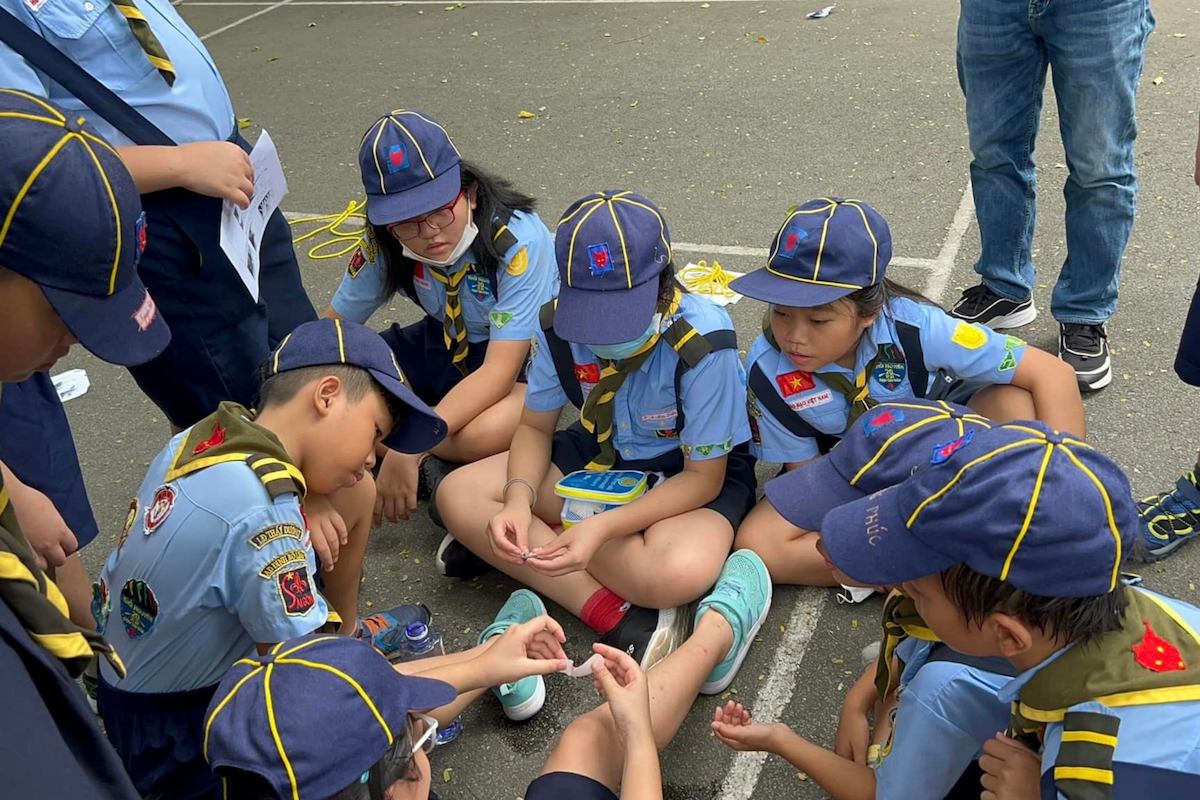
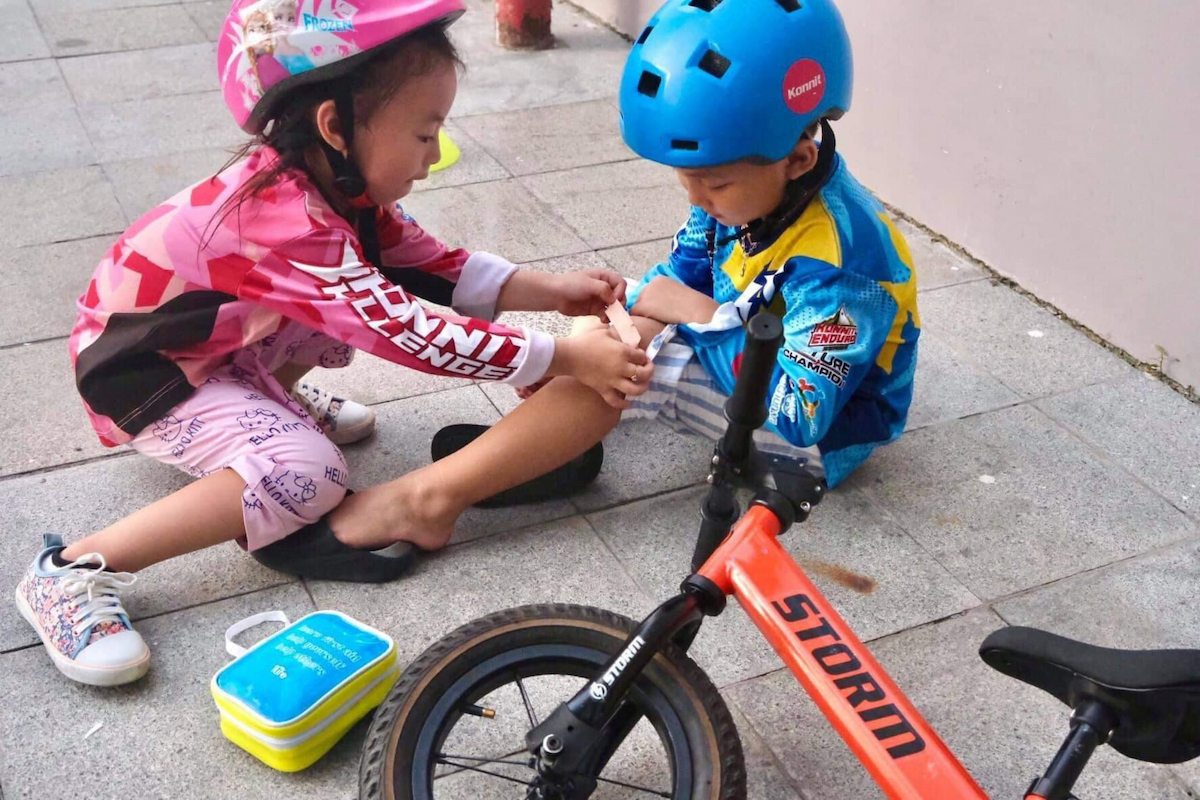
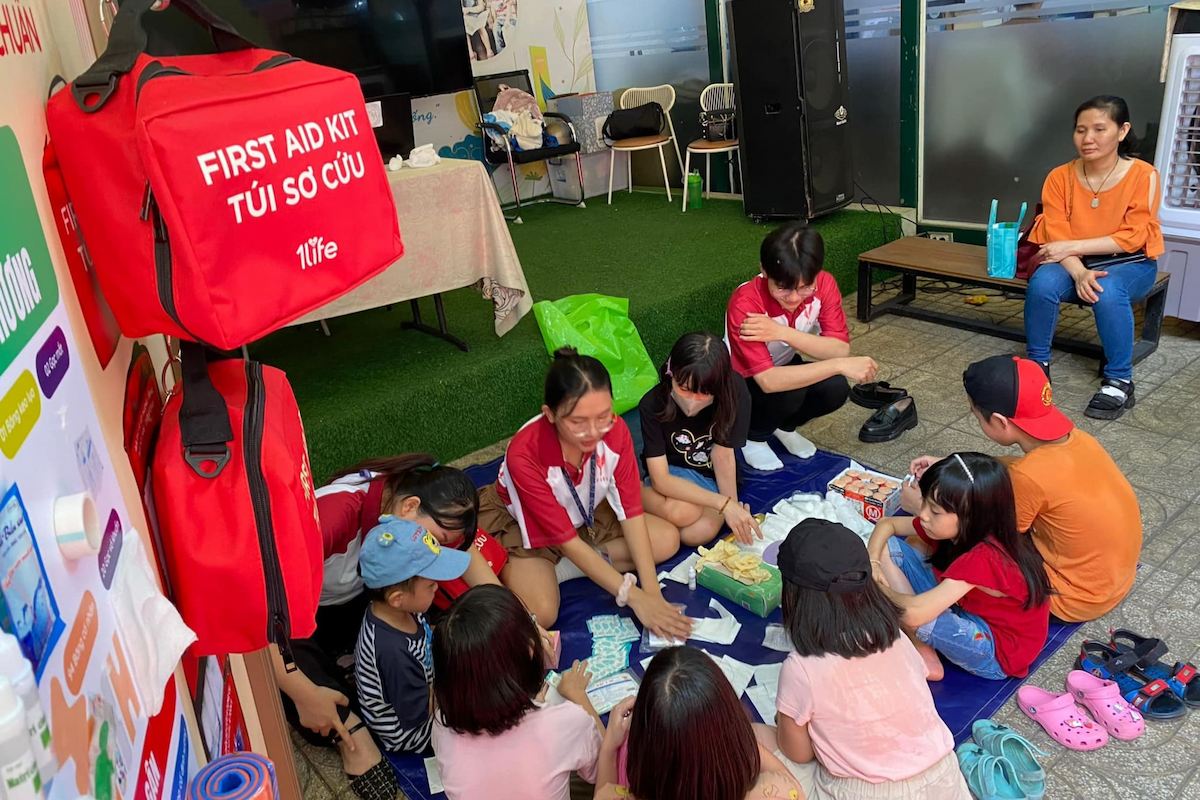
Aiming to enable anyone to provide proper and timely first aid to themselves and others when needed, the project inspires people to learn and practise First Aid Skills through enjoyable and practical training courses, with particular emphasis on children. In addition, 1LIFE shares an online First Aid Library and information about courses offered by reputable training partners, while also organising community events to practise first aid skills and the proper use of tools contained in first aid kits. The project expects that people will become confident in providing timely and effective first aid, contributing to preserving life, slowing the progression of injuries, and supporting faster recovery when accidents or injuries occur.
The importance of first aid in road safety
In countries such as those in Europe and Japan, first aid skills are a compulsory requirement for obtaining a driver's licence, demonstrating the importance of these skills in road safety.
First aid education in schools
Since 2020, public schools in the United Kingdom have been required to include first aid skills in the curriculum, emphasising teaching children how to call for help and respond to dangerous situations. In contrast, in Vietnam, up to 95% of people provide incorrect first aid in road traffic accidents, contributing to increased deaths and injuries. According to the National Traffic Safety Committee, in 2023 nearly 27,000 people were killed or injured in road traffic accidents in Vietnam. At a recent first aid workshop, trainers reported that 95% of road traffic accident victims received incorrect first aid before ambulances arrived.
Lack of first aid kits in vehicles
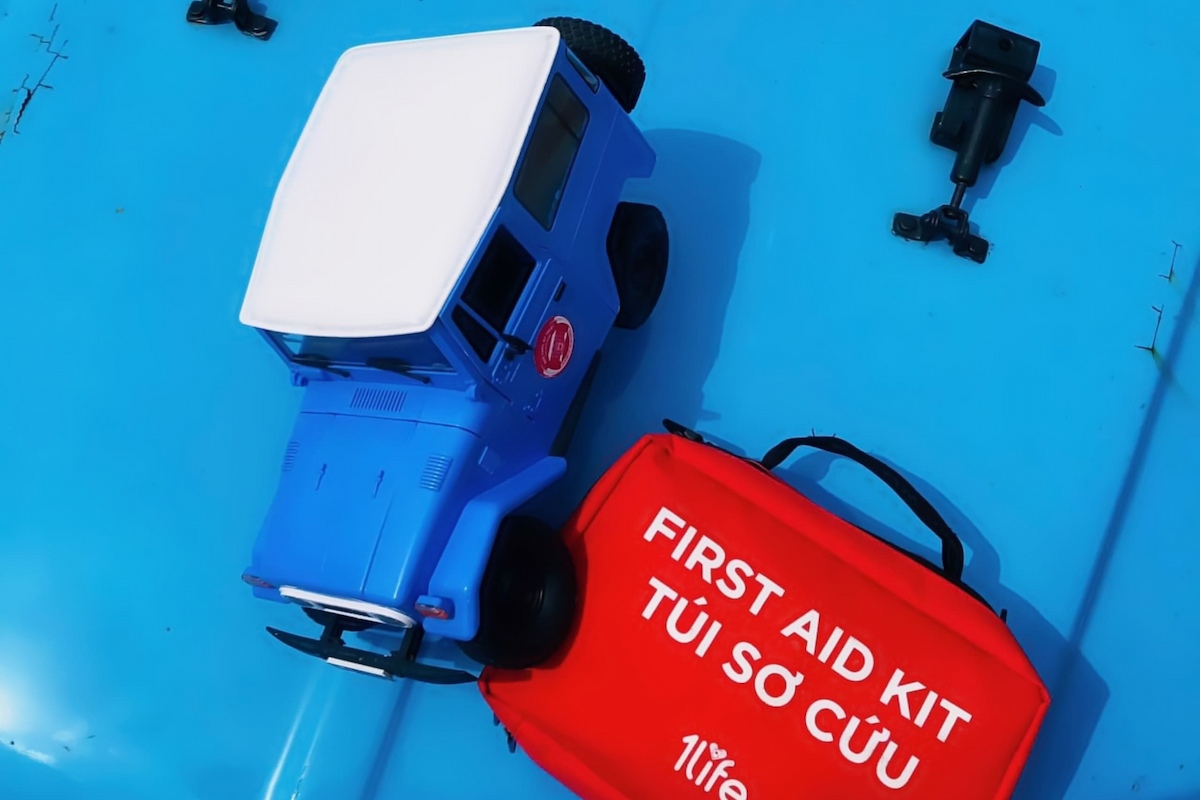
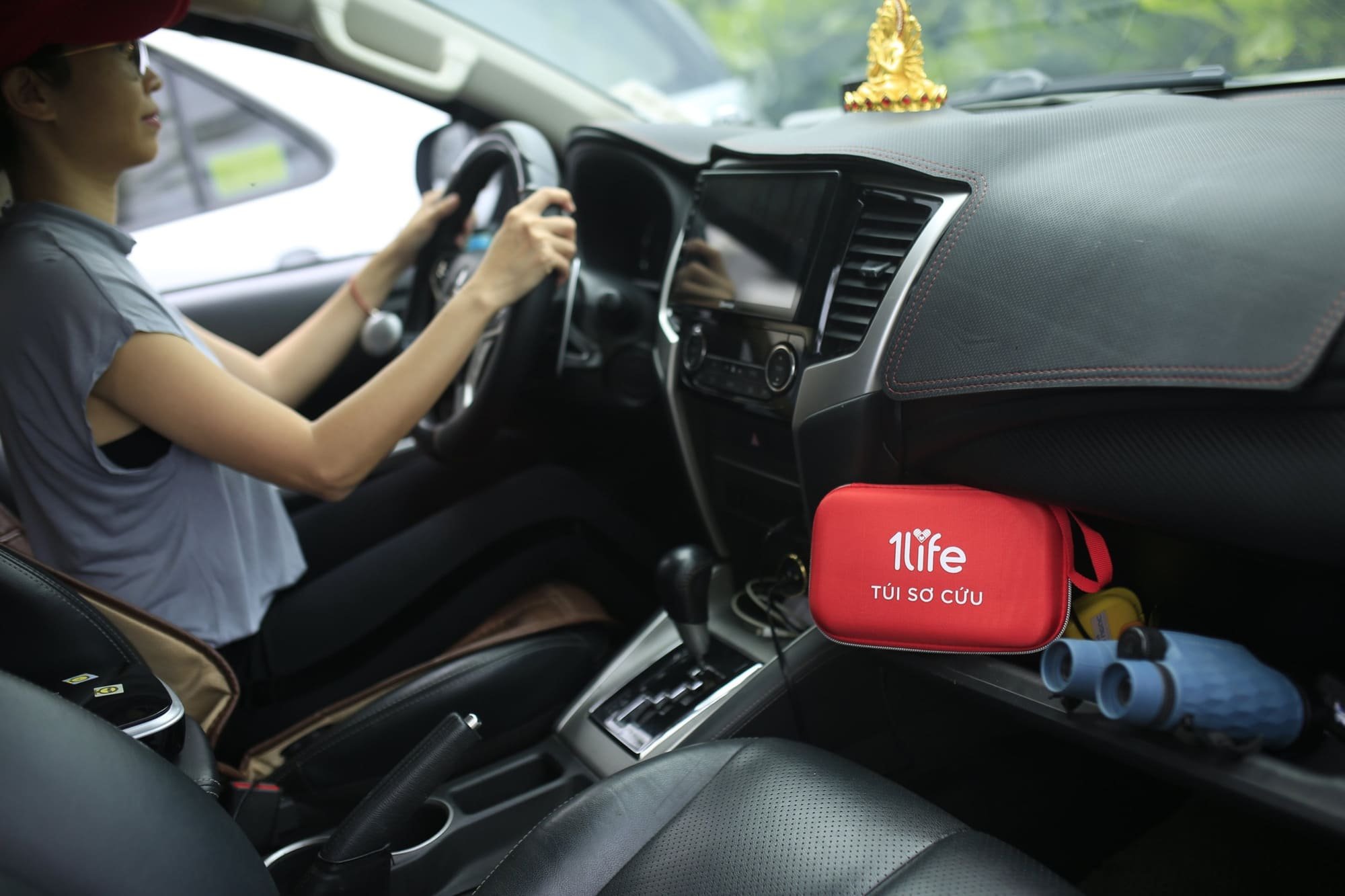
In developed countries, first aid kits are mandatory equipment in motor vehicles to support safer communities. However, in Vietnam, many vehicles are not equipped with first aid kits.
Incorrect first aid for children
Many parents in Vietnam still provide incorrect first aid when children experience incidents such as nosebleeds, choking, or febrile seizures. In June 2023, 1LIFE surveyed 3,456 people via social media in Hanoi and Ho Chi Minh City and found that 51% answered incorrectly about first aid for nosebleeds, 39% answered incorrectly about seizure first aid, 38% did not know the recovery position, and 27% answered incorrectly about first aid for choking in children, indicating that public awareness of first aid skills remains limited, particularly regarding first aid for children.
High rates of child mortality and injury
According to the World Health Organization (WHO), more than 900,000 children worldwide die each year due to accidents and injuries. In Vietnam, this figure is 370,000 children annually, including more than 8,000 child deaths caused by accidents and injuries, mainly from falls, burns, fires, road traffic accidents, animal bites, drowning, suffocation, choking, airway obstruction, etc. These figures demonstrate that first aid skills have not yet been given sufficient attention in Vietnam.
For this reason, 1LIFE launched 7 specialised first aid kits to meet a wide range of purposes and serve all groups within society.
International-standard first aid kits
Develop first aid kits designed according to international first aid standards, meeting the Ministry of Health's Class A medical equipment standard, and designed, advised, and reviewed by doctors and international first aid instructors.
Collaboration in first aid training
1LIFE collaborates with reputable first aid training organisations to deliver courses and share first aid knowledge, helping to improve community skills and awareness of first aid: the credible First Aid Skills Training Centre of Vietnam, Happy Baby Paediatric Clinic, SAFI Services Joint Stock Company - the American Heart Association (AHA) training branch in Vietnam, RumbleFish - the Emergency First Response (EFR) international first aid training branch and the Professional Association of Diving Instructors (PADI) branch in Vietnam, SSVN Survival Skills Social Enterprise, VSRS - Safety Design and Rescue Services for sporting events and outdoor activities, and the Centre for First Aid Knowledge and Skills Dissemination (Enhanced First Aid Skills Centre) of the University of Medicine and Pharmacy at Ho Chi Minh City.
Community activities
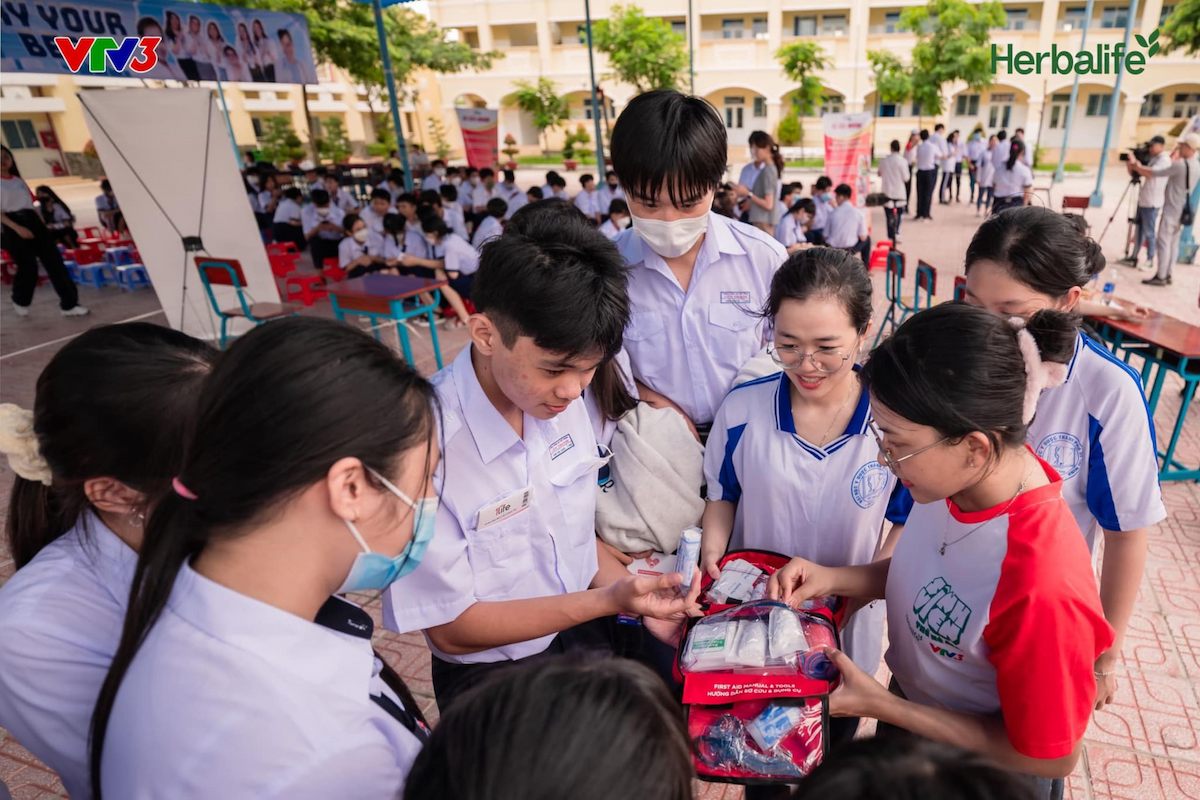
Participate in numerous events, charitable programmes, first aid training sessions, and donations of first aid kits to communities, particularly in schools, libraries, and road safety events.
Online first aid education
Delivered online first aid training courses to more than 300 people during the COVID-19 pandemic, helping to spread first aid skills during periods of social distancing.
Supporting road safety initiatives
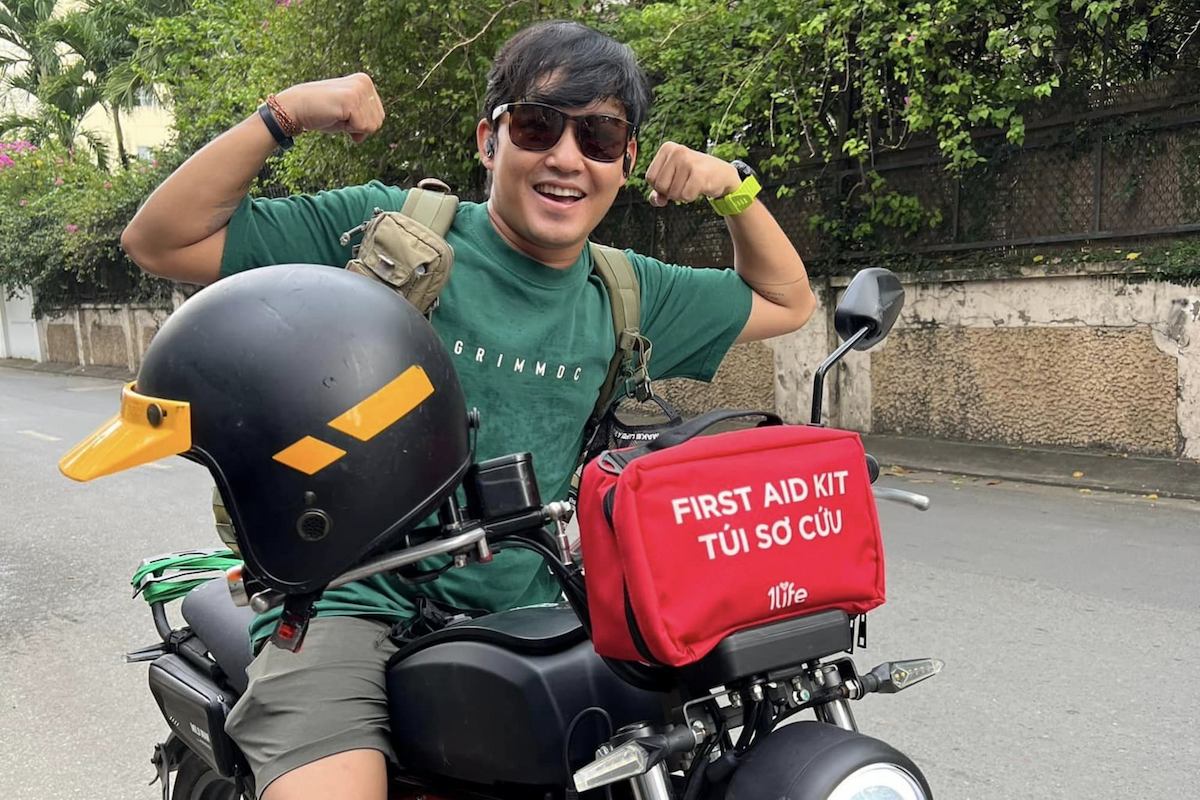
Contributed to promoting road safety through events such as 1DAY-Ride, giving out first aid kits for free and promoting responsible driving.
Objective and vision
Contributing to building a safe and compassionate community.
Expanding the product to inspire the development of a safe and compassionate community by encouraging individuals, families, and schools to prioritise learning first aid skills and proactively equipping themselves with first aid kits is the long-term goal established by 1LIFE.
Implementation Process
- Organise an annual event introducing First Aid Skills and First Aid Kits at Ho Chi Minh City Book Street
- Guide and sponsor projects by students from the University of Medicine and Pharmacy at Ho Chi Minh City that develop a first aid curriculum for students
- Once every month, sponsor and collaborate with charitable organisations to teach first aid skills and donate first aid kits to children and adults in disadvantaged communities
- Collaborate with life skills and first aid training centres throughout Vietnam to inspire communities to learn first aid and equip themselves with first aid kits
- Cooperate with the Ho Chi Minh City Red Cross Society in some selected activities
- Promote collaboration with transport manufacturing associations to equip transport vehicles with first aid kits
- Work with educational organisations to introduce first aid skills and first aid kits into schools, with the education sector serving as the driving force behind the project's long-term vision
Scope
Scope: Ho Chi Minh City and nationwide Vietnam
Implementation period: From 2021 to present
Issue addressed: THE BIG MISSION OF A SMALL 1LIFE FIRST AID KIT
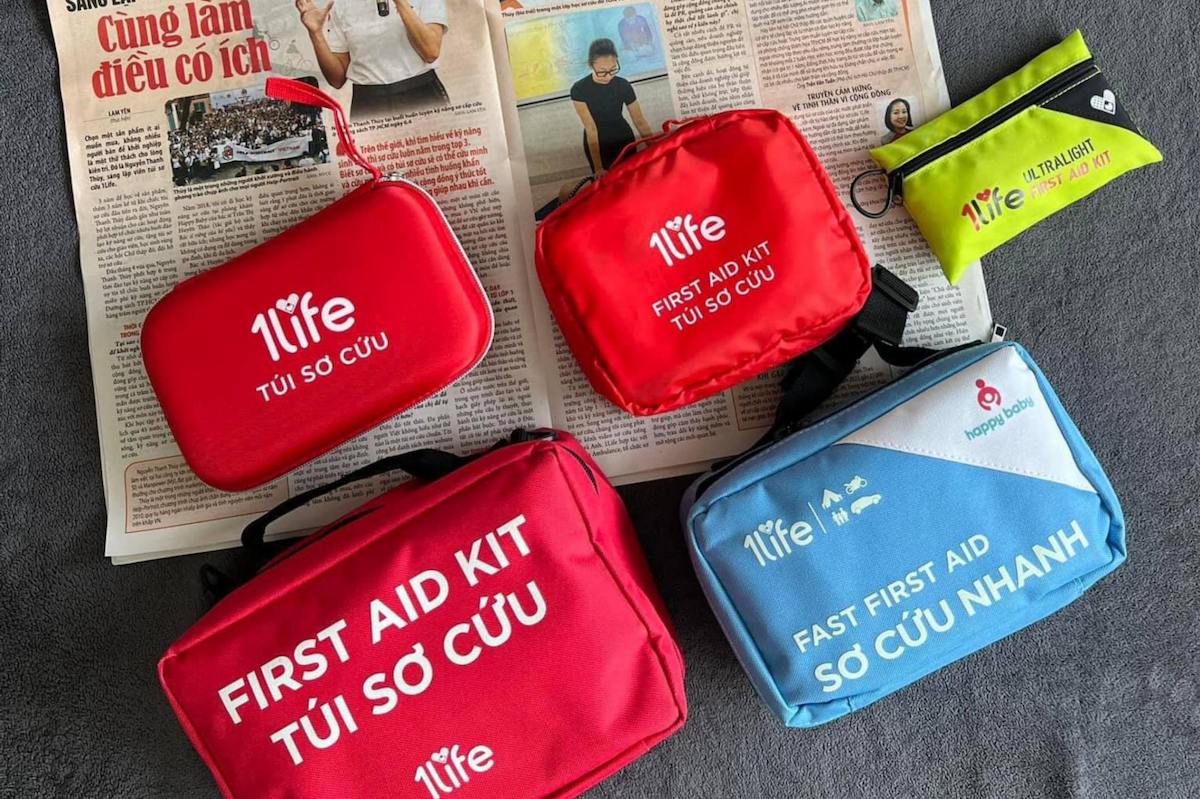
1LIFE has launched 7 specialised first aid kits to meet a wide range of purposes and users:
- Multi-Purpose First Aid Kit: Contains all essential equipment, suitable for all emergency situations
- Personal First Aid Kit: Compact and convenient, ideal for personal first aid needs and easy to carry
- Rapid First Aid Kit: Specifically designed to respond immediately to emergency situations in the shortest possible time
- Premium First Aid Kit: Contains high-quality first aid equipment for more complex emergency situations
- Children's First Aid Kit: Specifically designed to ensure children's safety, suitable for families and schools
- Ultralight First Aid Kit: Designed especially for runners and people participating in sporting activities, lightweight and easy to carry
- Mini First Aid Kit: Small and compact, easy to carry in a pocket, suitable for short trips or unexpected situations
All 1LIFE First Aid Kits are designed according to AHA (American Heart Association) and EFR (Emergency First Response) international standards and meet the Vietnamese Ministry of Health's Class A Medical Equipment standard, with all required licences and registration numbers.
The product has been recognised by the Ho Chi Minh City Department of Health as meeting the Class A Medical Equipment standard and has been selected by the Red Cross for use and as gifts at numerous events.
Simultaneously, 1LIFE First Aid Kits have been selected as gifts by brands and partners, including Mitsubishi's school first aid training programme, which provided first aid kits to teachers and students over two years, as well as sports safety gifts from the Ho Chi Minh City Sports Medicine Association, etc.
The company has successfully implemented community-focused activities with measurable results. A total of 30 community programmes has been delivered, together with one first aid event organised to improve public awareness and safety skills. These activities attracted 400 participating students and residents of Ho Chi Minh City. In addition, 6,000 first aid handbooks and guidebooks have been distributed to the community, helping to spread practical knowledge. Furthermore, 3,500 people have completed online first aid knowledge quizzes, demonstrating growing public interest and engagement with first aid information.
Product research and development
Continuously update first aid knowledge and develop lightweight, portable, and user-friendly first aid equipment for inclusion in first aid kits suitable for all users.
Promote a more positive perception of first aid kits as safety kits containing essential first aid equipment while remaining stylish enough that people are encouraged to carry them. The product's external design also helps inspire people to proactively equip themselves.
Continue developing first aid kits for different applications, including schools, vehicle manufacturers by introducing first aid kits into transport vehicles, promoting first aid skills through partners and the Department of Labour, Invalids and Social Affairs to equip offices and companies with first aid kits, and working with building management organisations and property developments to install first aid kits in buildings.
Education and training
Proactively introduce first aid kits and first aid skills to schools throughout the country. Freely share the United Kingdom's first aid curriculum for Years 1 to 12 with interested schools nationwide, together with teaching materials, first aid skills training, and first aid kits for schools across Vietnam. From there, consider incorporating first aid skills into life skills education from primary school through to university.
Share the free online first aid knowledge library with everyone and all schools.
Equipping communities with first aid kits
Collaborate with local authorities, healthcare facilities, and non-government organisations to equip public places such as stadiums, airports, bus terminals, railway stations, buses, Metro systems, etc. with first aid kits.
Work with transport manufacturing associations, for example vehicle manufacturers such as Hyundai and Mitsubishi, to equip vehicles with first aid kits or provide them as gifts to customers purchasing vehicles.
Collaborate with building management companies, tourism businesses, and recreational venues to promote the installation of first aid kits.
The power of community participation
Highlight stories of people whose lives have been saved or who have been helped through first aid knowledge. Personalising these impacts makes the mission more relatable and encourages broader community participation.
First Aid Competitions or Challenges: Organise community competitions to test first aid skills in engaging and interesting ways. This can encourage people to practise and retain what they have learned.
Support online first aid knowledge tests so that anyone can regularly review their knowledge and feel confident providing first aid whenever required.
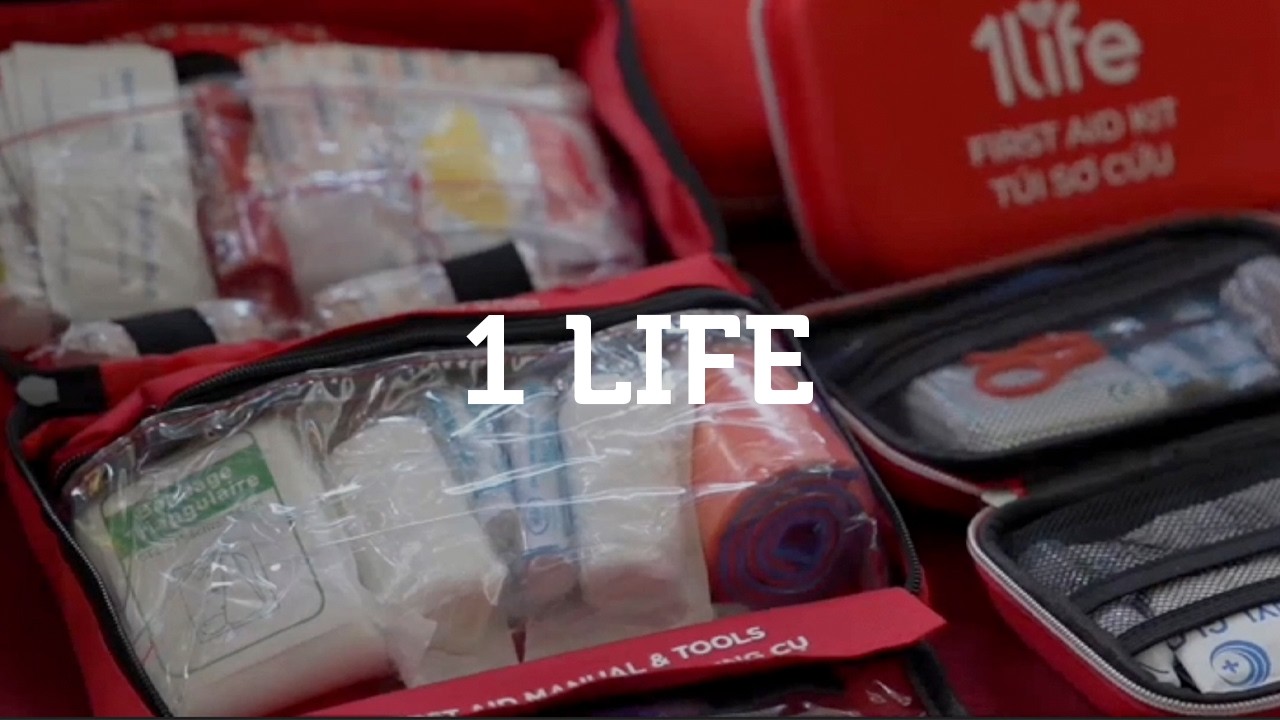
The Big Mission of the Small 1LIFE Bag
Case Ownership
Hosting Organisation: 1LIFE Company Limited
Collaborating Partners: First Aid Skills Training Centre; Happy Baby Paediatric Clinic; SAFI Services Joint Stock Company; RumbleFish; SSVN Survival Skills Social Enterprise; VSRS; Enhanced First Aid Skills Centre, University of Medicine and Pharmacy at Ho Chi Minh City; HCMC Red Cross Society; Mitsubishi; HCMC Sports Medicine Association
Stakeholders and beneficiaries: People and families in Vietnam; Children, school students, and university students; Parents, teachers, and schools; Road users and drivers; Charitable organisations, life skills training providers, and first aid training organisations; Communities in public spaces, schools, transport vehicles, and workplaces requiring first aid kits
Source: Human Act Prize
The copyright and legality of all images, videos, information, and data regarding the project published on this landing page are provided by and are the sole responsibility of the individuals/organizations registering for the Human Act Prize. The republished content on this landing page has been verified and authorised by VCCorp Corporation (the co-organiser of the Human Act Prize).
Specific SDG targets
SDG 3.6
Halve the number of global deaths and injuries from road traffic accidents
SDG 3.d
Strengthen the capacity for early warning, risk reduction, and management of national and global health risks
SDG 4.7
Ensure that all learners acquire the knowledge and skills needed to promote sustainable development
SDG 11.2
Provide access to safe, affordable, accessible and sustainable transport systems for all
SDG 11.5
Significantly reduce the number of deaths and the number of people affected by disasters, including water-related disasters, and substantially decrease direct economic losses