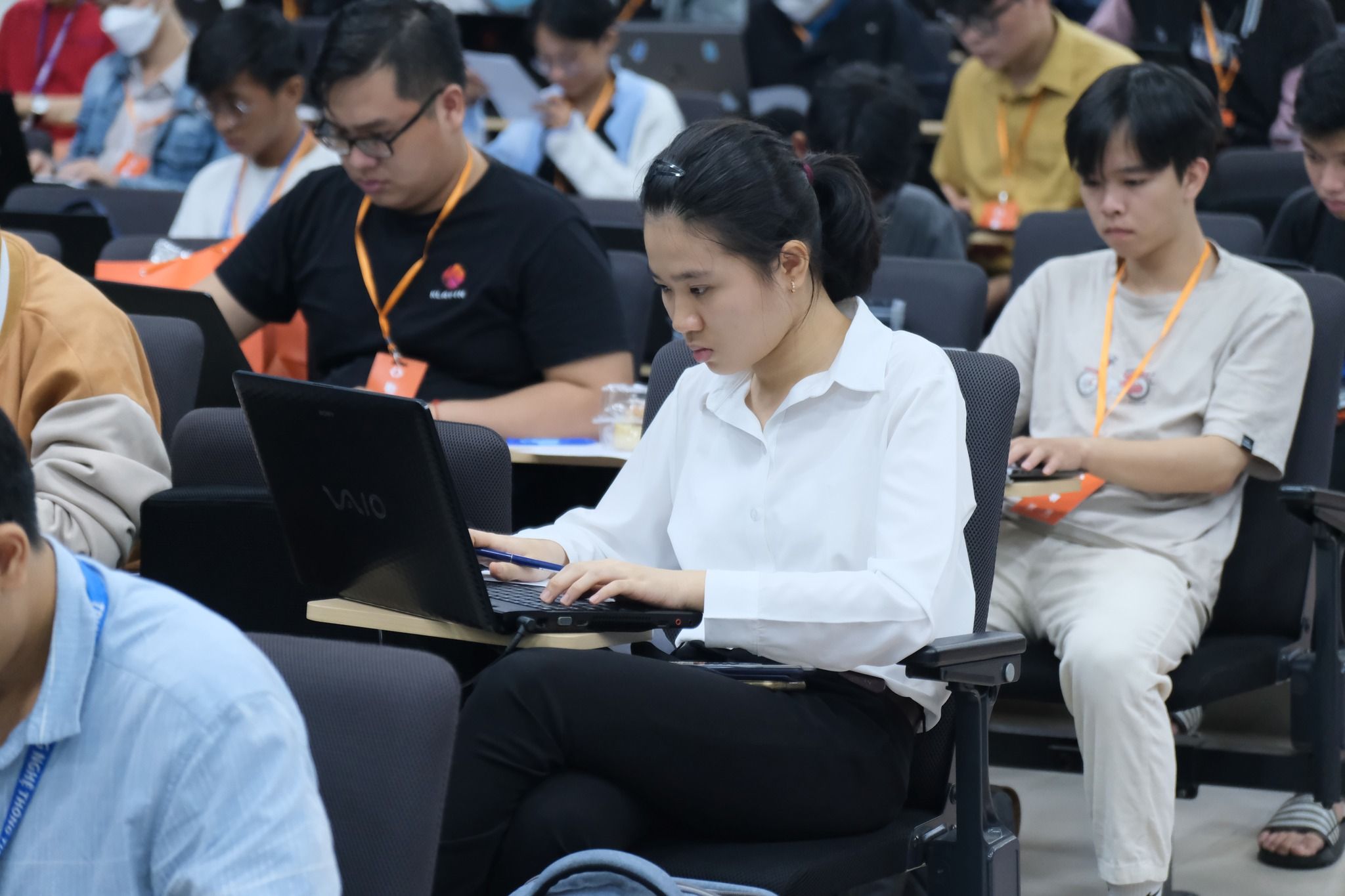
Code Tour is not only a coding competition but also a platform that helps strengthen programming mindsets, connect tech communities, and create career opportunities.
Vietnam has a very strong demand for high-quality talent in the information technology sector. In practice, however, opportunities for students to develop hands-on skills, compete in national or international environments, and connect with the broader community of technology experts remain limited. In this context, establishing a reputable academic platform that can nurture professional capability and inspire young people with a passion for programming is both timely and necessary.
In response to this need, the program aims to create a high-quality academic platform for students, helping them strengthen algorithmic thinking and improve their programming skills through a real competitive environment, while also fostering connections and expanding the young technology community. More broadly, the program pursues a mission to develop technological talent among Vietnam’s younger generation by helping participants build stronger thinking and coding skills, connect with like-minded peers and industry experts, and gain the capabilities needed to grow their future careers.
Initiated by VNG Corporation in 2018, Code Tour was originally established as a programming and technology competition for university students across Southeast Asia. Over seven seasons, the programme has continuously expanded in scale, attracting more than 10,000 participants, including Vietnamese students studying abroad and young technology talents pursuing education or careers overseas. Today, Code Tour has become a well-established annual competition within Vietnam's young technology community. Beyond identifying emerging talent, the programme contributes to building a vibrant programming community where young people can connect, collaborate and further develop their passion for technology
Key statistics

7 competition seasons (2018 - 2025)

10,000+ participants

20+ partner universities specialising in Information Technology education

40+ technology experts from VNG and leading universities serving on the Academic and Technical Committee
As Vietnam's digital economy continues to grow rapidly and is projected to reach USD 45 billion by 2025, making it the fastest-growing digital economy in Southeast Asia, the demand for highly skilled technology professionals has become increasingly urgent. However, Vietnam is facing a record shortage of information technology (IT) talent. According to the Vietnam IT Market Report 2025, the industry is currently short of approximately 200,000 IT professionals, with demand expected to reach 700,000 by the end of 2025, while education providers are expected to meet only around 70% of actual workforce demand. Amid the rapid adoption of artificial intelligence (AI), the challenge extends beyond workforce quantity to the availability of highly specialised talent. A ManpowerGroup 2025 survey found that 81% of employers struggle to recruit professionals with advanced technical skills, particularly in algorithmic thinking, a core competency underpinning AI development and the solution of complex technological problems.
The IT sector faces several barriers to developing a highly skilled workforce. Geographic disparities mean that many young people living outside major cities have limited access to large-scale academic competitions and opportunities to learn from leading industry experts. At the same time, a gap remains between university curricula and real-world industry requirements. Students need greater exposure to authentic industry challenges that help develop algorithmic thinking, adaptability and practical problem-solving skills.
In addition, Vietnam has relatively few well-established technology competitions. Developing and operating an online competition platform that is transparent, fair and supported by internationally benchmarked programming challenges requires substantial investment in both technical infrastructure and specialist expertise.
Code Tour was established to bridge the gap between academic learning and industry practice. Through its online competition format, the programme is able to reach participants across Vietnam, as well as Vietnamese students studying overseas, providing equitable opportunities for talented young programmers regardless of their location. Its programming challenges combine academic foundations with real industry problems, enabling participants to strengthen algorithmic thinking - one of the most critical competencies in the AI era. Beyond being a programming competition, Code Tour aims to foster a connected technology community where young talents can learn from one another, gain practical experience and continue developing their capabilities. In doing so, the programme contributes to strengthening Vietnam's digital talent pipeline and supporting the country's long-term digital workforce development towards 2030.
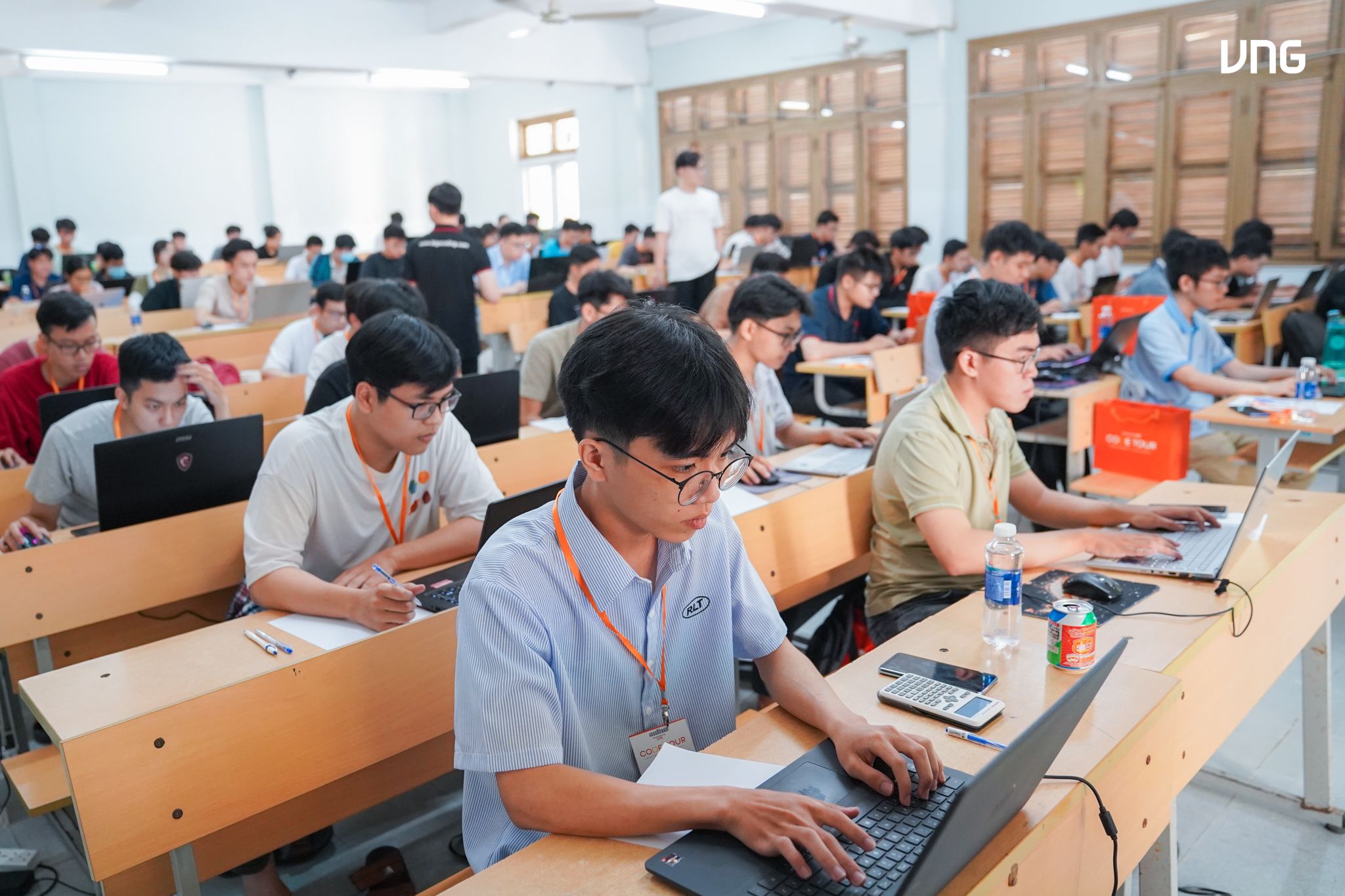
VNG organises Code Tour, an annual nationwide programming competition conducted through online and on-site formats. The competition consists of qualifying rounds and a grand final, with participants ranked on a live leaderboard and outstanding performers receiving awards and recognition. To ensure both academic rigour and industry relevance, VNG collaborates with leading universities across Vietnam. Competition problems are jointly developed by university academics and VNG technology experts, creating challenges that balance theoretical foundations with practical industry applications. The competition platform, developed by Code Tour's technology partner, provides a transparent and fair online environment while delivering accurate, real-time competition results. By running the competition annually, VNG aims to establish a sustainable and reputable platform for discovering, developing and connecting generations of young technology talent.
Value created
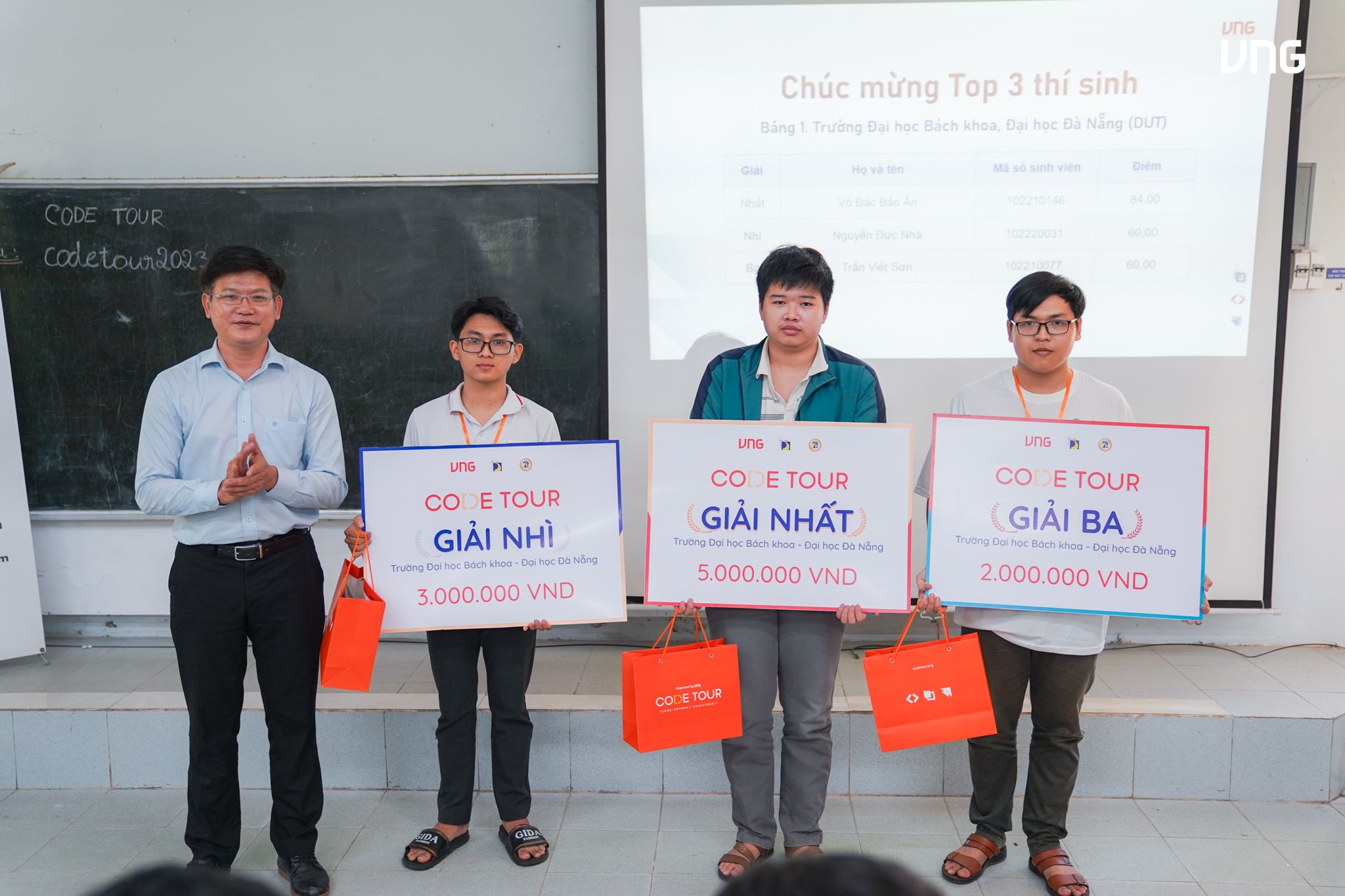
Universities: Code Tour serves as a bridge between academic education and industry practice, providing IT students with opportunities to apply and strengthen their algorithmic thinking through real-world programming challenges. The programme also enhances participating universities' visibility, reputation and engagement within Vietnam's technology student community.
School students, university students and programmers: Participants gain access to a professionally organised competition that develops algorithmic thinking and problem-solving capabilities through challenging programming tasks. Beyond technical development, the programme enables participants to expand their professional networks within Vietnam's programming community, creating valuable opportunities for learning and collaboration.
Businesses: The programme provides access to a pipeline of emerging technology talent while strengthening VNG's employer brand among students and future IT professionals. In doing so, Code Tour also supports the Group's broader mission of "Developing People."
Key activities
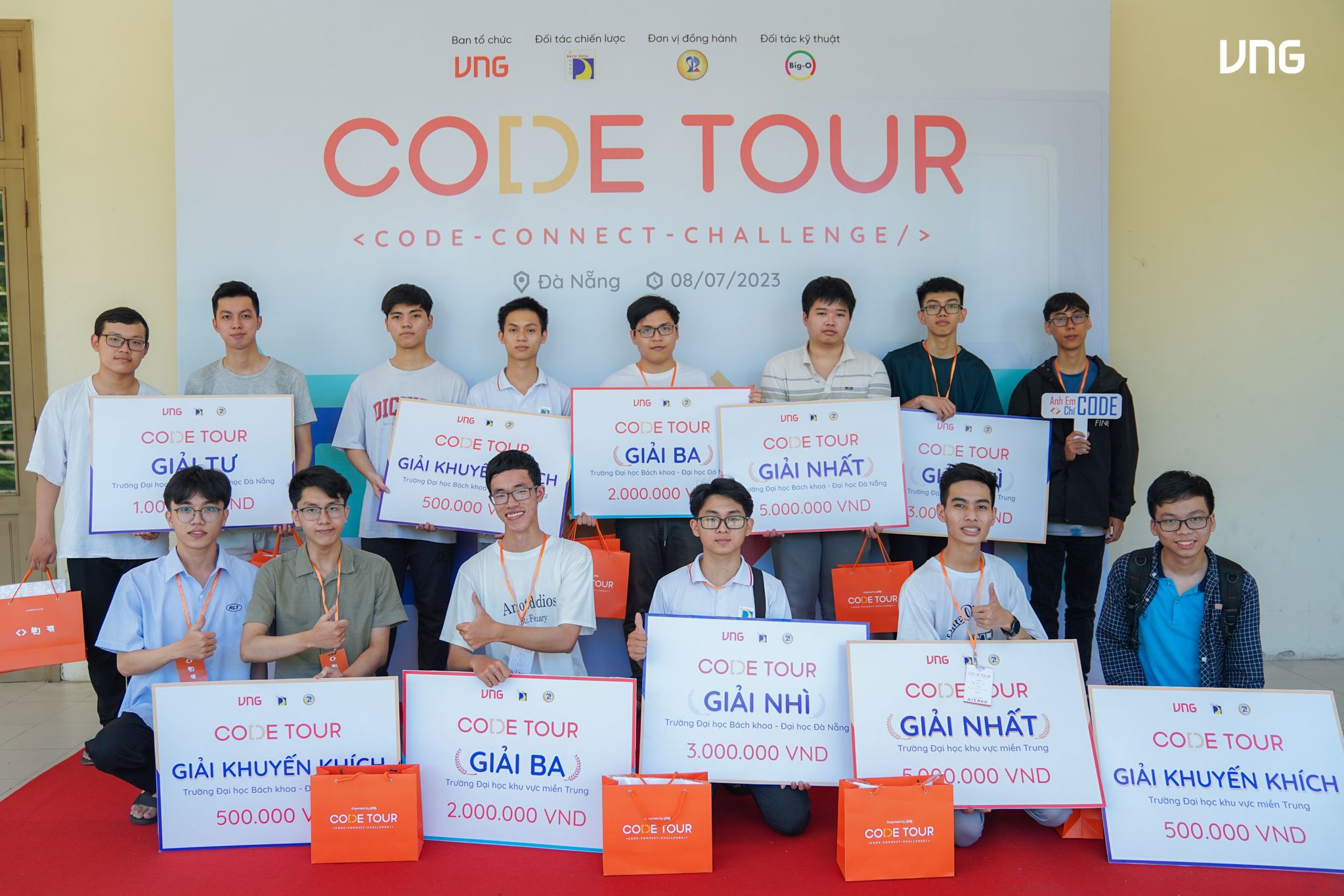
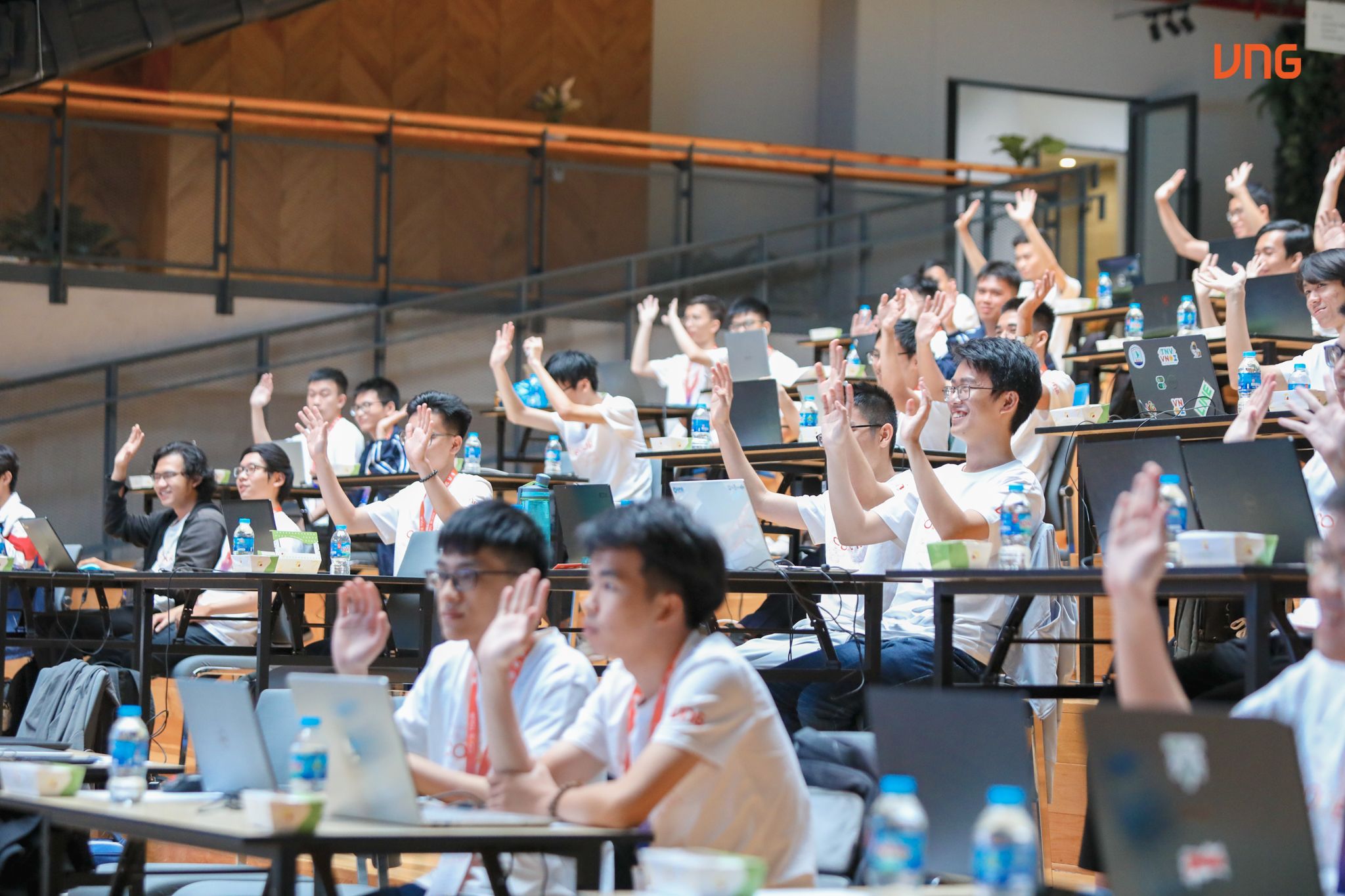
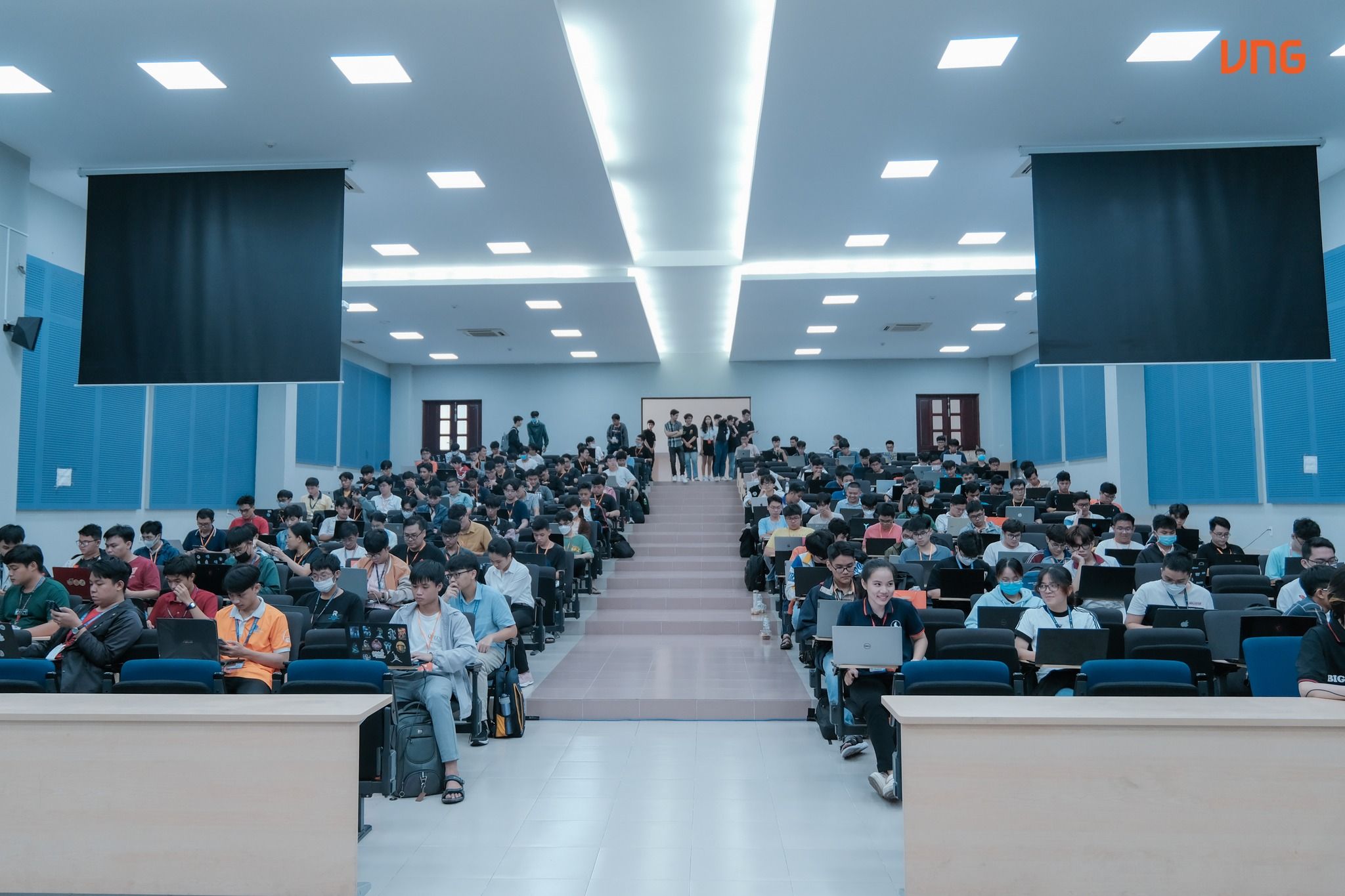
Organising seven consecutive seasons of Code Tour, including annual Code Challenges from the qualifying rounds through to the grand final.
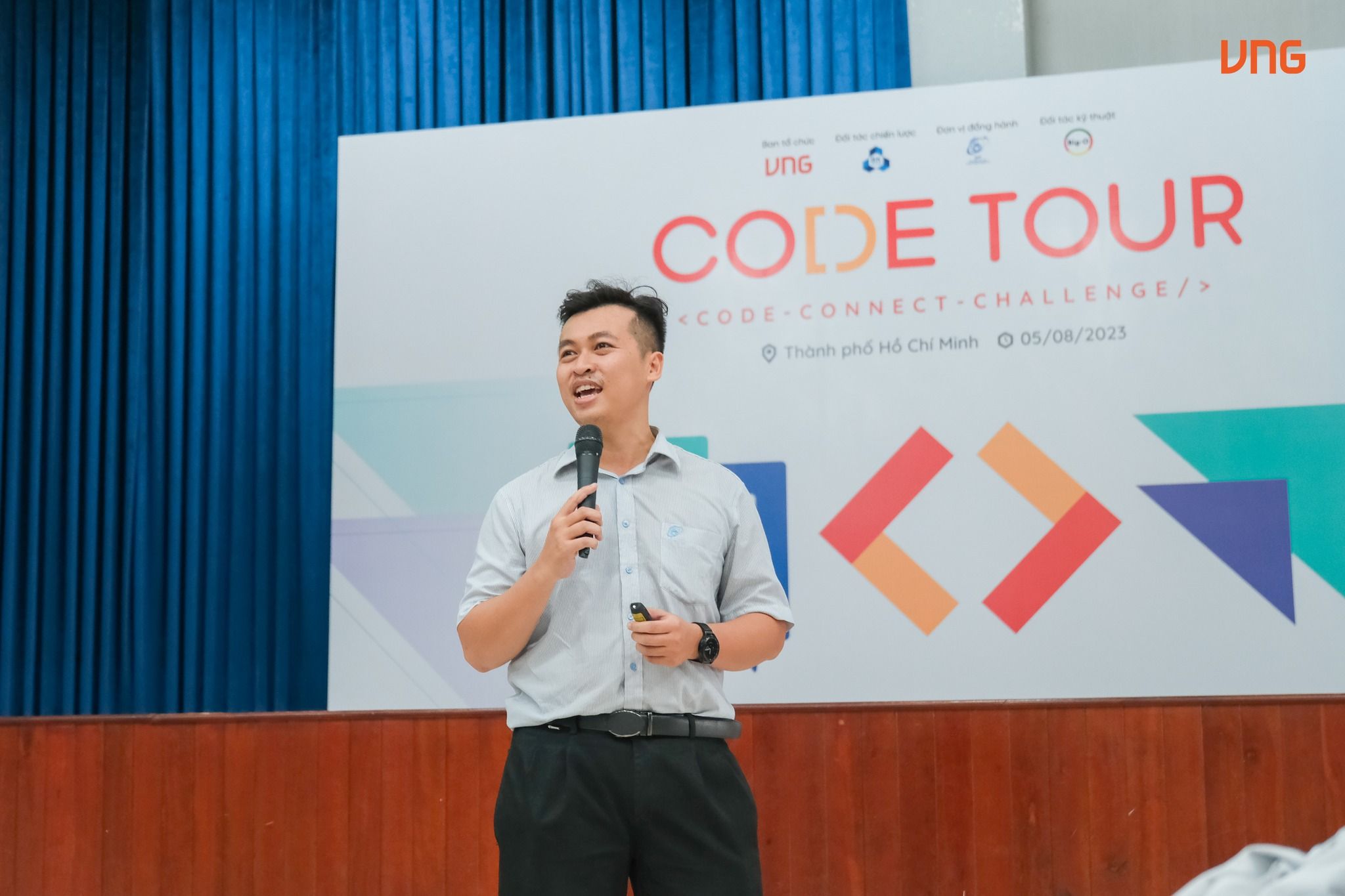
Delivering workshops that provide guidance on programming problem-solving techniques and competition preparation.
Building a nationwide technology community comprising more than 3,000 members.
Tools, platforms and innovations
An integrated online programming competition platform that supports participant registration, competition delivery, automated evaluation and real-time leaderboard updates.
Long - term vision
Code Tour aspires to become Vietnam's largest and most prestigious algorithmic programming competition for young people, serving as an important stepping stone for emerging technology talent to gain competitive experience before progressing to regional and international programming competitions. Beyond programming skills, the programme also aims to broaden participation across multiple disciplines by promoting the concept of "vibe coding", encouraging young people from diverse backgrounds to adapt to the AI era and embrace technology as an essential future skill.
Commitment to growth and long-term sustainability
To build a sustainable technology community, Code Tour aims to extend its impact beyond its annual competition. The programme plans to introduce monthly online programming contests, encouraging participants to continuously develop their algorithmic thinking and problem-solving skills. At the same time, the project seeks to establish long-term strategic partnerships with Vietnam's leading universities, creating a collaborative ecosystem that connects academia with industry while continuously developing and supplying high-quality digital talent to the labour market.
Future development and innovation
In its next phase, Code Tour plans to evolve into an integrated learning and competition platform that combines education with practical application. The programme intends to introduce short online learning modules covering topics such as Algorithms and Artificial Intelligence (AI), enabling participants to build the foundational knowledge required before entering competitions. These learning modules will be complemented by regular monthly online contests, providing continuous opportunities for participants to apply and strengthen their skills in practice.
Implementation period
The project has been implemented continuously from 2018 to 2025, spanning seven competition seasons.
Location and delivery format
Code Tour is delivered through a flexible combination of online and offline formats, with the delivery model varying according to the objectives, scale and competition format of each season.
Participants
The competition is open to secondary school students, university students and working professionals with an interest in programming and technology, including participants based in Vietnam and Vietnamese students studying overseas. Eligibility requirements may vary slightly from year to year depending on the objectives of each competition season.
The programme is supported by a network of leading Vietnamese universities, as well as partner organisations and businesses that contribute technical expertise and professional support.
Funding and resources
The programme is funded primarily by VNG Corporation, including investment in the development and operation of the competition platform, competition management and participant prizes. Additional resources are provided through long-term partnerships with universities and industry organisations, which contribute technical expertise, competition venues and other forms of professional support.
Social impact
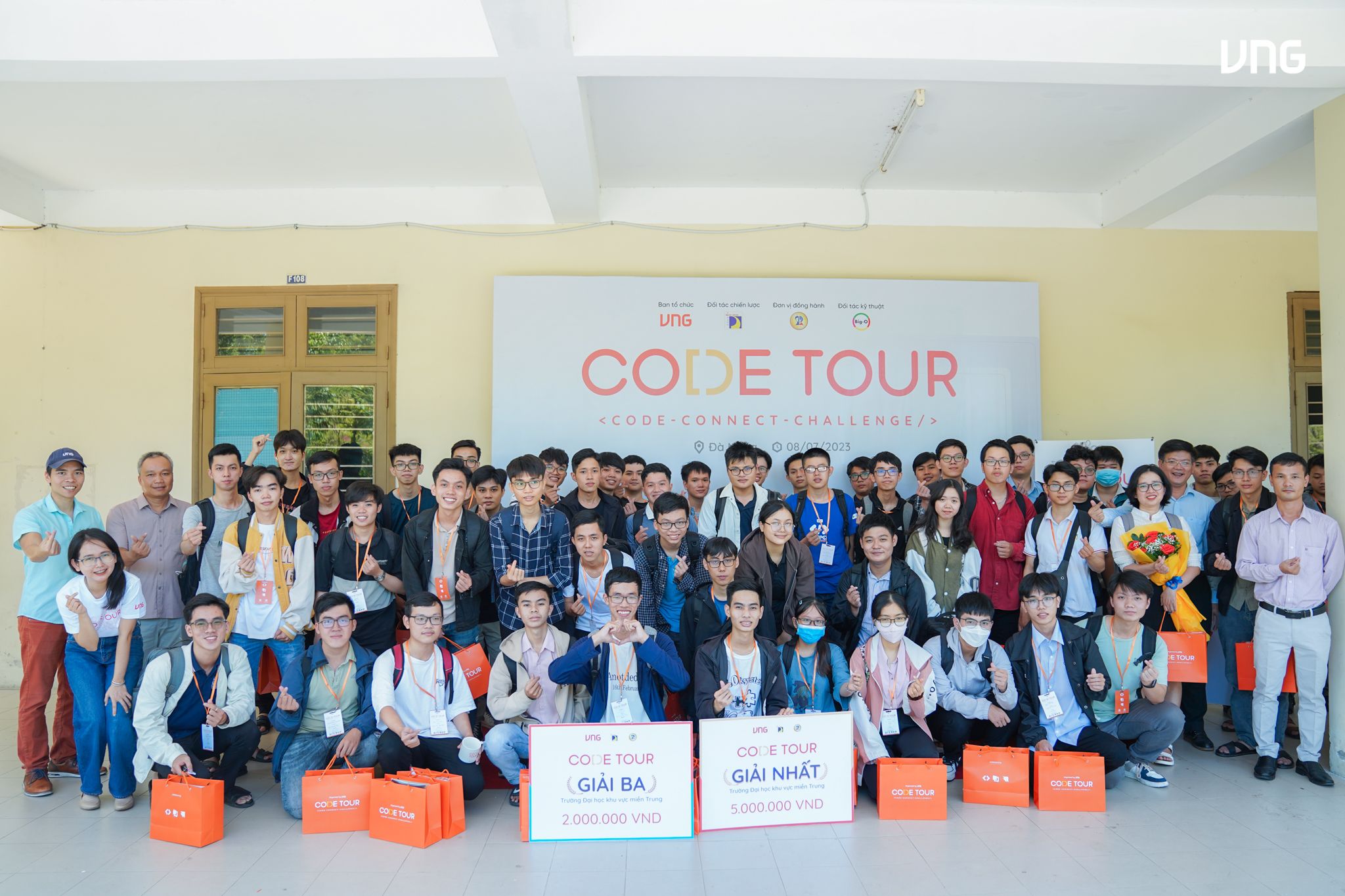
Over seven competition seasons, with more than 10,000 participants, Code Tour has helped cultivate a vibrant technology community comprising over 3,000 members, connecting young programming enthusiasts across Vietnam as well as Vietnamese students studying overseas. The programme has gradually established itself as a respected and highly anticipated annual competition within the young technology community, fostering a culture of continuous learning, strengthening algorithmic thinking, and inspiring greater interest in programming among young people.
Economic impact
By providing a practical environment for competition and skills development, Code Tour contributes to strengthening Vietnam's digital workforce, particularly by developing professionals with strong algorithmic thinking and problem-solving capabilities. The programme also strengthens collaboration between universities and industry in talent development, contributing to a more sustainable ecosystem for developing the high-quality digital workforce needed by Vietnam's technology sector.
Key impact indicators
- 7 competition seasons (2018–2025)
- 10,000+ participants
- 20+ partner universities specialising in Information Technology education
- 40+ technology experts from VNG and leading universities serving on the Academic and Technical Committee
Key success factors
The close collaboration between VNG and Vietnam's leading Information Technology universities has been a key driver of Code Tour's success. By combining academic expertise with industry practice, the programme offers a programming competition that balances theoretical depth with real-world relevance, addressing the need for a high-quality platform where young technology talents can challenge themselves and develop practical skills.
Scalability and strategic innovation
In 2025, VNG partnered with Vietnam National University Ho Chi Minh City to co-organise Code Tour for the first time, achieving highly positive outcomes. Building on the reputation established over seven successful competition seasons, VNG aims to expand collaborations with other leading organisations across the technology sector to further enhance the competition's quality, broaden participation, and attract contestants from both technology and non-technology disciplines in the AI era. The programme also seeks to strengthen partnerships with other technology companies to create a more comprehensive ecosystem that provides broader learning, networking and career development opportunities for participants.
Knowledge sharing and model dissemination
VNG aims to integrate real-world programming challenges and practical insights from Code Tour into university curricula and teaching case studies, helping to promote the model and inspire broader initiatives that support the development of Vietnam's technology community. At the same time, the company plans to increase awareness and expand the programme's impact among school students, university students and the wider technology community through talk shows, workshops and campus engagement activities, complemented by communication campaigns across traditional media, social media and other appropriate communication channels.
Case Ownership
Hosting Organisation: VNG Corporation – Corporate Communications and Community Division
Collaborating Partners:
- Over 15 universities across Vietnam
- Vietnam National University, Ho Chi Minh City and its member and partner institutions co-organising each season
- Technology organisations, communities, and professional partners involved in mentoring, workshops, and professional advisory
Stakeholders and beneficiaries:
- High school students, university students, and young programmers aged 15 - 24
- IT students and multidisciplinary students interested in programming and algorithms
- Universities participating in organising and developing student capabilities
- Technology companies seeking high-quality young talent
- The Vietnamese tech community, through connection, knowledge sharing, and the development of a digital talent ecosystem
Source: VNG (external link)
The copyright and legality of the images, videos, information, and data regarding this project, as published on this landing page (project information page), are provided and held responsible for by the individuals/organisations collaborating with RMIT University Vietnam.
Specific SDG targets
SDG 4.3
Ensure equal access for all to affordable and quality vocational education and tertiary education.
SDG 4.4
Substantially increase the number of young people and adults with relevant skills for employment, decent work, and entrepreneurship.
SDG 4.7
Ensure that all learners acquire the knowledge and skills needed to promote sustainable development.
SDG 8.5
Achieve full and productive employment and decent work for all women and men, including young people.
SDG 8.6
Substantially reduce the proportion of young people not in employment, education, or training.
SDG 9.5
Enhance scientific research and upgrade the technological capabilities of industrial sectors.