STAHAUS's solution is to provide sustainable packaging options that are safe for health and easily biodegradable in nature, thus protecting the living environment for future generations.
The use of non-biodegradable plastic packaging has been one of the main causes for this environment pollution and placed negative impacts on the ecosystem. This impact has been gradually realised by the consumers as they demand more environmentally-friendly products to reduce plastic waste.
Therefore, the STAHAUS project was born to meet this demand. Using advanced technology, the project has developed environmentally friendly packagings that can mitigate negative impacts on the environment. These products can not only reduce plastic waste but also encourage consumers to change their consumption habits.
Environmental pollution from plastic waste is becoming an urgent global issue, affecting both the nature and human health. Every year, millions of tons of plastic are discharged into the environment, most of which are not recycled and takes hundreds of years to fully decompose. Plastic that ends up in oceans, rivers, and natural ecosystems can pose serious threats to flora and fauna, especially marine species. They ingest plastic, leading to poisoning, trapped in plastic pieces or death and long-term health effects.
In particular, plastic waste also creates potential risks to human health. Toxic chemicals from plastic can enter the food chain through the consumption of seafood and agricultural products, affecting health and causing cancer, endocrine disorders, and other pathologies.
This situation requires a comprehensive and urgent solution to minimise pollution from plastic waste, especially the use of environmentally friendly plastic packaging products.
Therefore, the Stavian Company has developed the "STAHAUS Environmentally Friendly Plastic Packaging" project to improve this alarming situation.
The initiative from STAHAUS is designed to minimise environmental pollution and promote sustainable development. Specifically, the project focuses on:
- Developing environmentally friendly packaging products or using recycled plastic:Instead of using conventional plastic, STAHAUS develops environmentally friendly packaging products or types of recycled plastic that help them decompose easily in nature without leaving toxic waste. These packagings not only minimise the amount of plastic waste but also help reduce dependence on virgin plastic, contributing to the protection of natural resources.
- Optimise green production processes:Beside packaging production, STAHAUS also focuses on improving production processes, using advanced technology to reduce energy consumption and carbon emissions. STAHAUS products are designed to be simple but effective, with high reusability, help consumers to reduce waste in their daily life.
Thanks to these initiatives, STAHAUS not only brings products that protect human health but also contributes to sustainable development goals by protecting the environment and minimising the impact of plastic pollution.
Vision
STAHAUS project is headed towards a future where plastic packaging is no longer a pollutant but a safe and sustainable packaging solution for human and the environment. This initiative not only focuses on producing eco-friendly products but also encourages changes in consumption habits. By raising community awareness to prefer reusable or degradable packaging products, the project has contributed to build a circular economy and save the planet for future generations.
Objective
The STAHAUS environmentally friendly plastic packaging production project is implemented aiming to lower plastic pollution and promote sustainable development in the packaging industry. This initiative aims to replace traditional, non-biodegradable plastic packaging products with biodegradable or recycled ones, decreasing the annual amount of plastic waste. At the same time, the project also sets out to minimise dependence on virgin plastic, protect natural resources, and mitigate the impact of plastic products on flora and fauna.
Implementation Scope
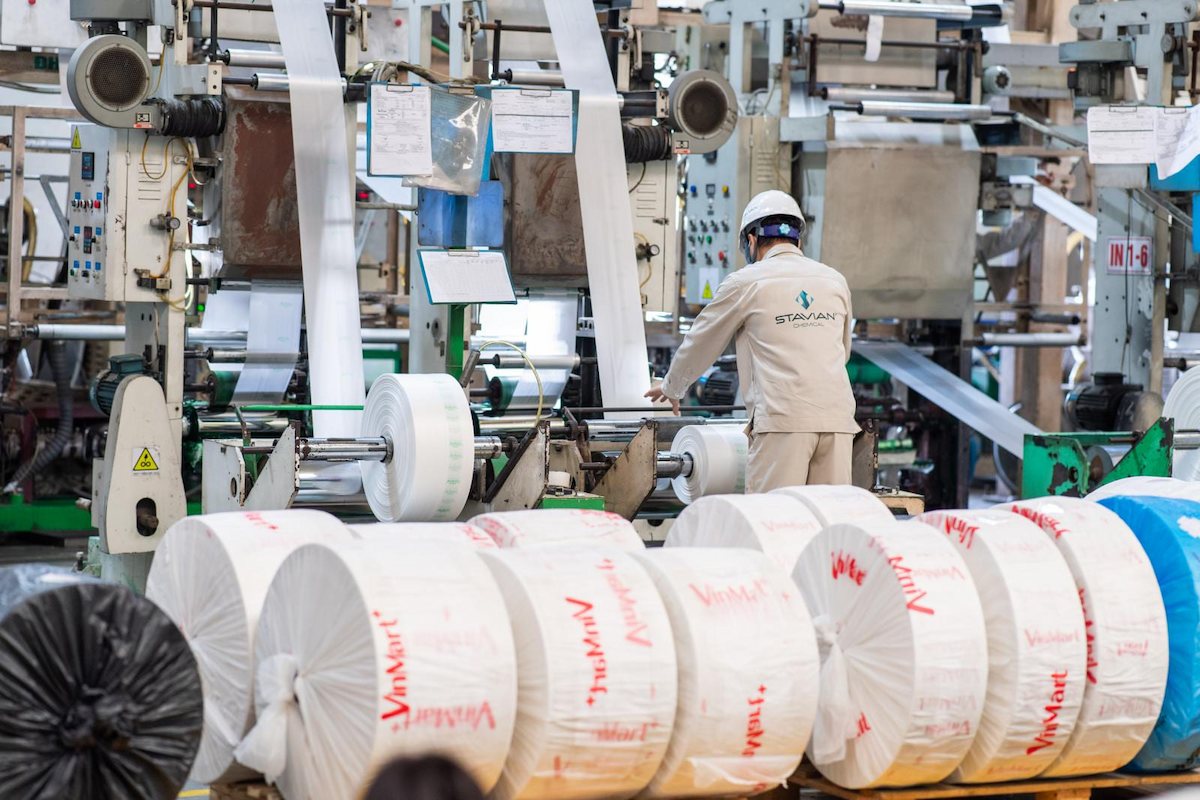
Product portfolio: The product portfolio of STAHAUS environmentally friendly products ranges from food bags, nylon gloves, and zipper bags to trash bags and sugarcane pulp bowls/plates.
Distribution area: These products are distributed nationwide at supermarkets such as Go (Big C), Winmart, Aeon, Mega Market, and GT stores across the country.
Implementation Process
To resolve environmental pollution from plastic waste, the project has been implemented as follows:
- Implemented Timeline: STAHAUS was launched in 2012 when packaging production began. Throughout the implementation process, Stavian has followed compliance and get certified as an environmentally friendly and biodegradable brand from the Ministry of Natural Resources and Environment, alongside the "Vietnam Eco-label" certification.
- Implementation Method: Stavian have achieved the "Vietnam Eco-label" certification by focusing on high-quality products with the most advanced green technology, increased recycling, and eliminating environmental footprint.
- Impact:STAHAUS environmentally friendly packaging products help promote a green lifestyle and reduce waste. STAHAUS factories always apply international QC standards in its production chain, use advanced technology, and apply operational improvements to lower environmental impact.
In addition, factories at Stavian Distribution continuously learn and improve to meet sustainable development goals, while being encouraged to propose initiatives to improve processes, enhance efficiency, and protect the environment.
Qualitative Impact
The process of producing and distributing STAHAUS environmentally friendly products has brought many positive impacts
Strengthen consumer trust
To meet the standards for the "Vietnam Eco-label" certification, STAHAUS set strict requirements for production processes, quality management, and greening operations. Compliance with these standards helps strengthen the trust and confidence of clients and consumers in STAHAUS products.
Promote green and sustainable development
STAHAUS packaging products contribute to sustainable development. They encourage the sustainable use of resources, effective energy consumption, and wast and pollution management. This also reap benefits for the environment, society, and the economy. In addition, eco-labels also help consumers consider the best practices for the environment, while promoting sustainable development and environmental protection.
Quantitative Impact
Every year, the company produces more than 50,000 tons of environmentally friendly packaging, demonstrating a strong commitment to mitigate negative impacts and heading towards sustainable development. Thanks to stable quality and a clear green orientation, the enterprise's products have received the trust and use of more than 500 national and worldwide customers, confirming brand reputation and the ability to meet the diverse needs of both domestic and international markets.
The STAHAUS environmentally friendly plastic packaging production project model has great potential for replication due to its flexibility, wide applicability, and simple learning.
The simplicity of the production process
These production technologies do not require excessive initial investment resources, making this model suitable for many organizations or individuals with different production scales, from small and medium enterprises to large companies.
Multiple countries application
STAHAUS model can be applied in many countries and regions, especially the areas facing plastic pollution. Organizations and businesses can easily learn from STAHAUS's production processes, marketing strategies, and recycling solutions to implement locally, thus adapting to sustainable packaging demand.
This model also has the potential to expand through affiliate partners, cooperation programs, and knowledge-sharing initiatives, thereby accelerating the circular economy development and raising community awareness about environmental protection.
STAHAUS: Eco-friendly plastic packaging
Case Ownership
Hosting Organization: Stavian Distribution Joint Stock Company (STAHAUS)
Collaborating Partners: Ministry of Natural Resources and Environment (Environmentally Friendly/Biodegradable certification), Vietnam Eco-label certification agency
Stakeholders and beneficiaries: Consumers, retail/supermarket systems and distribution stores (Go/Big C, Winmart, Aeon, Mega Market, GT, etc.), domestic and international business customers, the community and the natural environment (reducing plastic waste and ecosystem impacts)
Source: Human Act Prize
The copyright and legality of all images, videos, information, and data regarding the project published on this landing page are provided by and are the sole responsibility of the individuals/organizations registering for the Human Act Prize. The republished content on this landing page has been verified and authorised by VCCorp Corporation (the co-organiser of the Human Act Prize).
Specific SDG targets
SDG 12..2
Sustainable management and use of natural resources
SDG 12.4
Responsible management of chemicals and waste
SDG 12.5
Substantially reduce waste generation
SDG 12.6
Encourage companies to adopt sustainable practices and sustainability reporting
SDG 12.8
Promote universal understanding of sustainable lifestyles
SDG 13.2
Integrate climate change measures into policies and planning