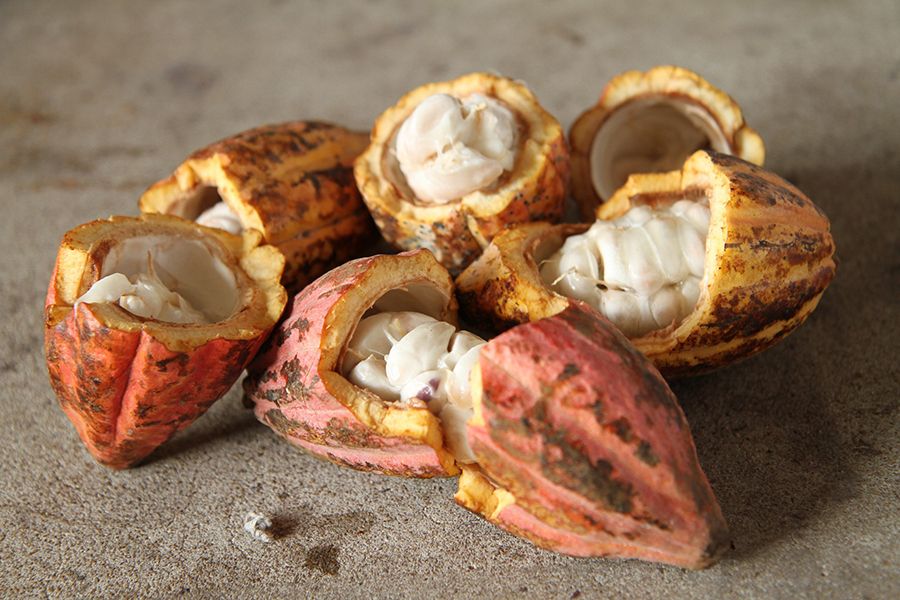
Cacao Trace by Puratos - the sweets from bitter fruits.
"Cacao Trace" is an initiative founded by Mr Gricha Safarian, the CEO of Puratos Grand-Place Vietnam, which has now been expanded by the Puratos Group to eight cocoa-growing countries worldwide. Puratos is a leading company providing ingredients for the bakery, patisserie, and chocolate industries, boasting a distribution network that spans over 80 countries.
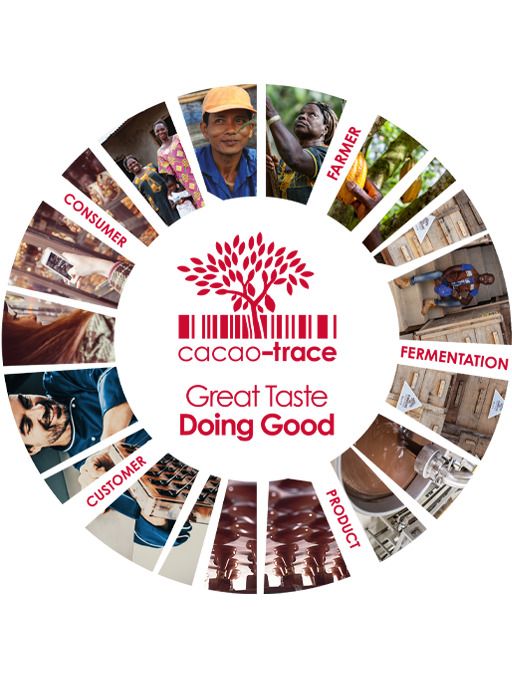
Cacao Trace is a program focused on building a sustainable cocoa supply chain and chocolate products based on two core values:
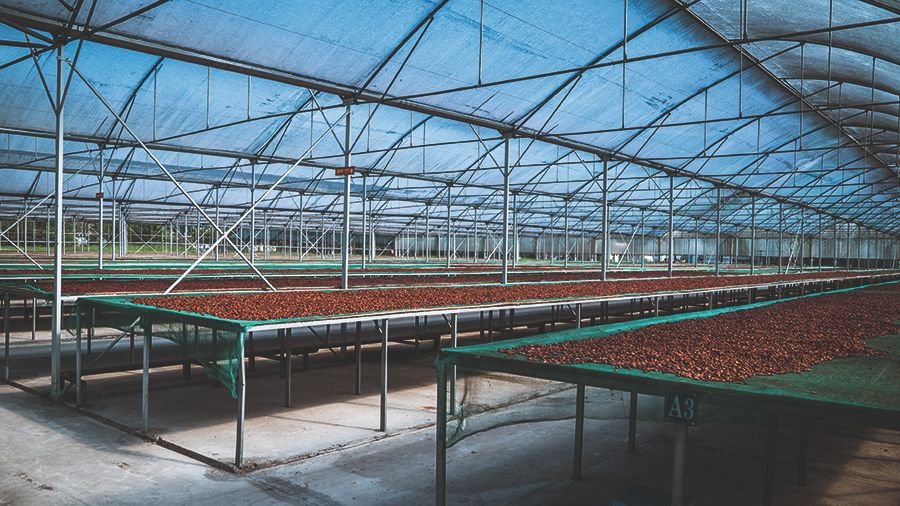
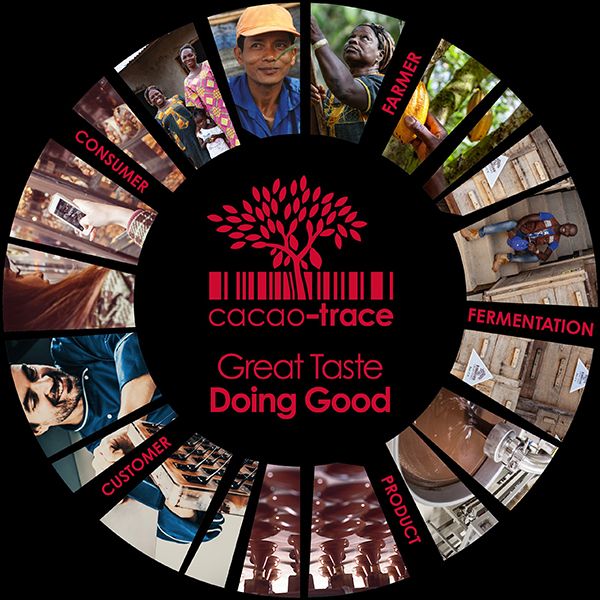
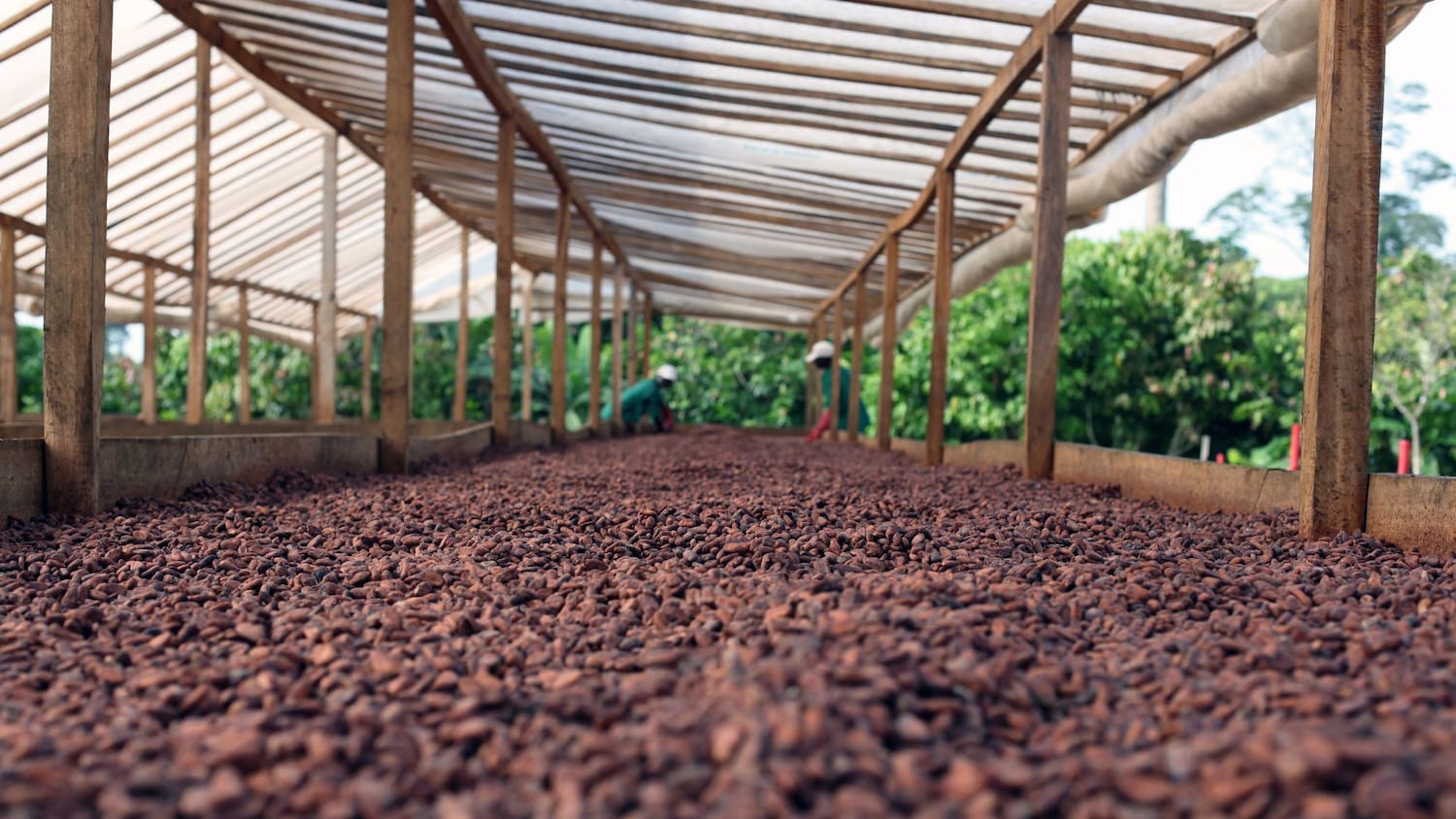
- Value Creation from the Chocolate Flavour : Achieved by controlling the overall closed production cycle, from cocoa beans to a finished chocolate bar, especially the fermentation, bean roasting, and chocolate processing stages.
- Value Sharing to Cocoa Farmers: Involving the Chocolate Bonus program, alongside partnership with farmers by technical advising on cultivation, harvesting, and the primary processing of cocoa pods and beans.
The global chocolate manufacturing industry still contains many hidden corners. While chocolate is an enchanting combination of sweetness and bitterness, the "sweets" is often reserved for the companies producing the final products. Meanwhile, the farmers - the hands behind the cocoa pods and every chocolate bar- receive only a tiny, disproportionate fraction of the value.
Mr Gricha Safarian, Managing Director of Puratos Grand-Place Vietnam, who possesses over 30 years of experience in the chocolate industry, recognised these deep-seated issues. This was particularly evident in Vietnam, where he first arrived in 1993.
Observing the potential for cocoa and chocolate development in Vietnam, he tossed and turned about the decline of cacao farms due to incorrect cultivation techniques, climate change, and farmers' unfair compensation for their efforts. As a result, Gricha launched the Cacao-Trace program with the dual purpose of Value Creation and Value Sharing.
Value Creation is implemented through two main stages:
- Working with high-quality cocoa-growing communities.
- Implementing processes to produce exceptional flavors.
Value Sharing is built upon three mechanisms:
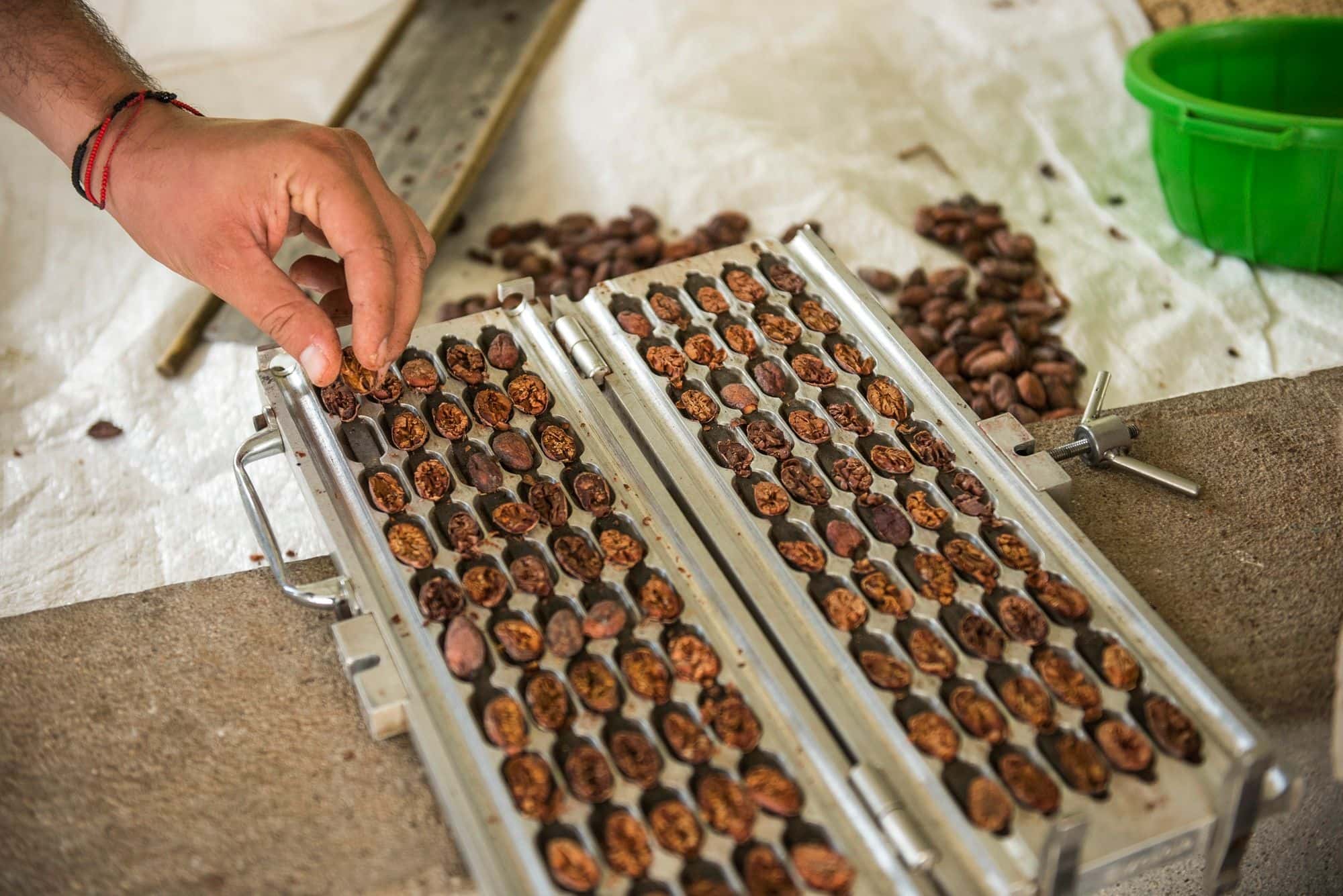
- Cocoa beans purchased at Puratos post-harvest centers and from Cacao Trace-certified farms undergo rigorous inspection by the Quality Control (QC) team.
- Puratos commits to farmers participating in the Cacao Trace program that they will always pay the highest market prices for quality cocoa beans.
- The Chocolate Bonus program helps improve the lives of the farmers.
Strategy to address the shrinking of cocoa farming area
Despite the increasing global demand for chocolate, Vietnam's cocoa production has yet to meet market requirements. Since 2008, Puratos Grand-Place Vietnam has developed the Cacao-Trace sustainable procurement program, focusing on the core pillars of value creation and value sharing.
Strategy to address farmer poverty
The first and most significant challenge in the cocoa supply chain is the poverty of farmers in many countries. This poverty is tied to the context of small-scale farms with low productivity, low prices, a lack of diversification, and a lack of market links. Through Cacao-Trace, Puratos aims to alleviate farmer poverty by combining several meaningful actions.
Strategy to address child labour
Cacao-Trace supports access to education and strongly opposes all forms of child labor abuse. However, Puratos does not oppose children under the age of 18 to help their parents with farm work, provided that they are attending school and having full access to education.
Strategy to address deforestation
Realistically, the cocoa farming industry contributed a certain amount to the decline in forest cover and biodiversity. However, through the Cacao Trace program, Puratos has developed a strategy to overcome deforestation and restore biodiversity within its supply chain.
Objective
The slogan of the Cacao Trace program is "Great Taste, Doing Good." This serves as Puratos's commitment to all stakeholders, aiming to build a more prosperous and better cocoa chain for everyone.
Puratos' main focus includes:
- Provide better income for farmers.
- Support better education within the community through school infrastructure.
- Support better health by building medical centers and providing clean drinking water to the community.
Create a better planet by integrating agroforestry models into the Cacao Trace program, aiming to plant 3,440,000 perennial trees worldwide.
Vision
Develop better business results through a chocolate product chain that produce superior flavor and sustainable values, achieved through connecting with farmers and creating inspiring communication stories.
Foster a better consumption mindset through quality chocolate products that prioritise community values. A chocolate bar becomes less appealing if consumers become aware of the tears shed from farmer's oppression, or the sight of young hands working on cocoa plantations.
Implementation Process - Scope
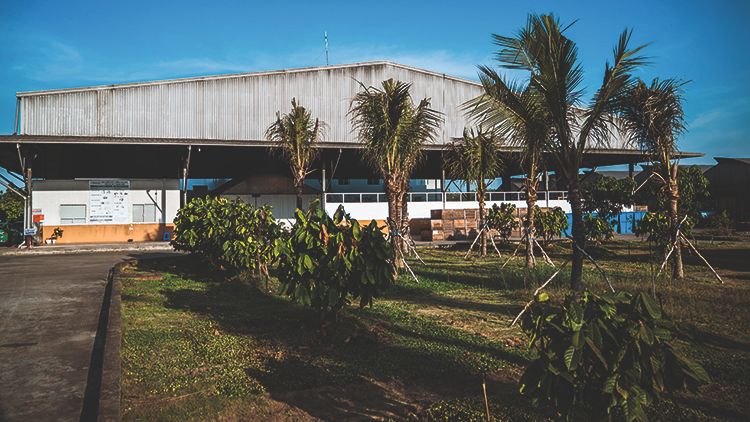
The Cacao-Trace program was initiated in 2014. It first implemented in the Mekong Delta, where chocolate products are manufactured using a vertically integrated process. All steps are concentrated within a single geographical region, ranging from farmers training in Cacao-Trace cultivation, harvest to procurement and post-harvest, beans grinded into cocoa liquor, and finally the finished chocolate.
Puratos Vietnam focuses on strengthening partnerships and innovating modern cultivation approaches, such as closed-loop models and regenerative agroforestry cocoa production.
This vertically integrated process served as the foundation for the breakthrough "60Days" chocolate product (production within 60 days of harvest). It has become the first B2B-scale chocolate product in the world to achieve carbon-neutral certification. The production of 60DAYS requires tight coordination and planning regarding the harvest and supply of fresh cocoa beans.
Budget
Strategy to address the shrinking of cocoa farming area
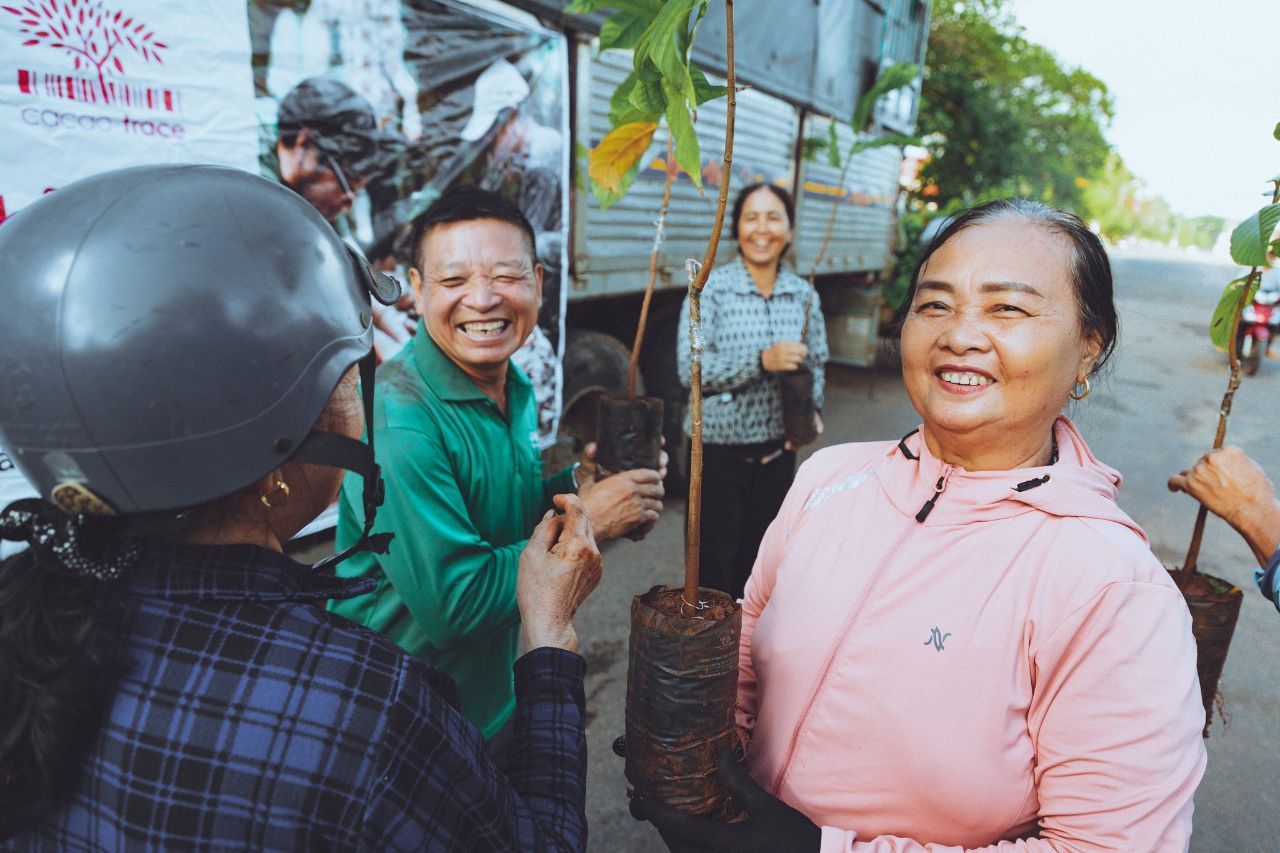
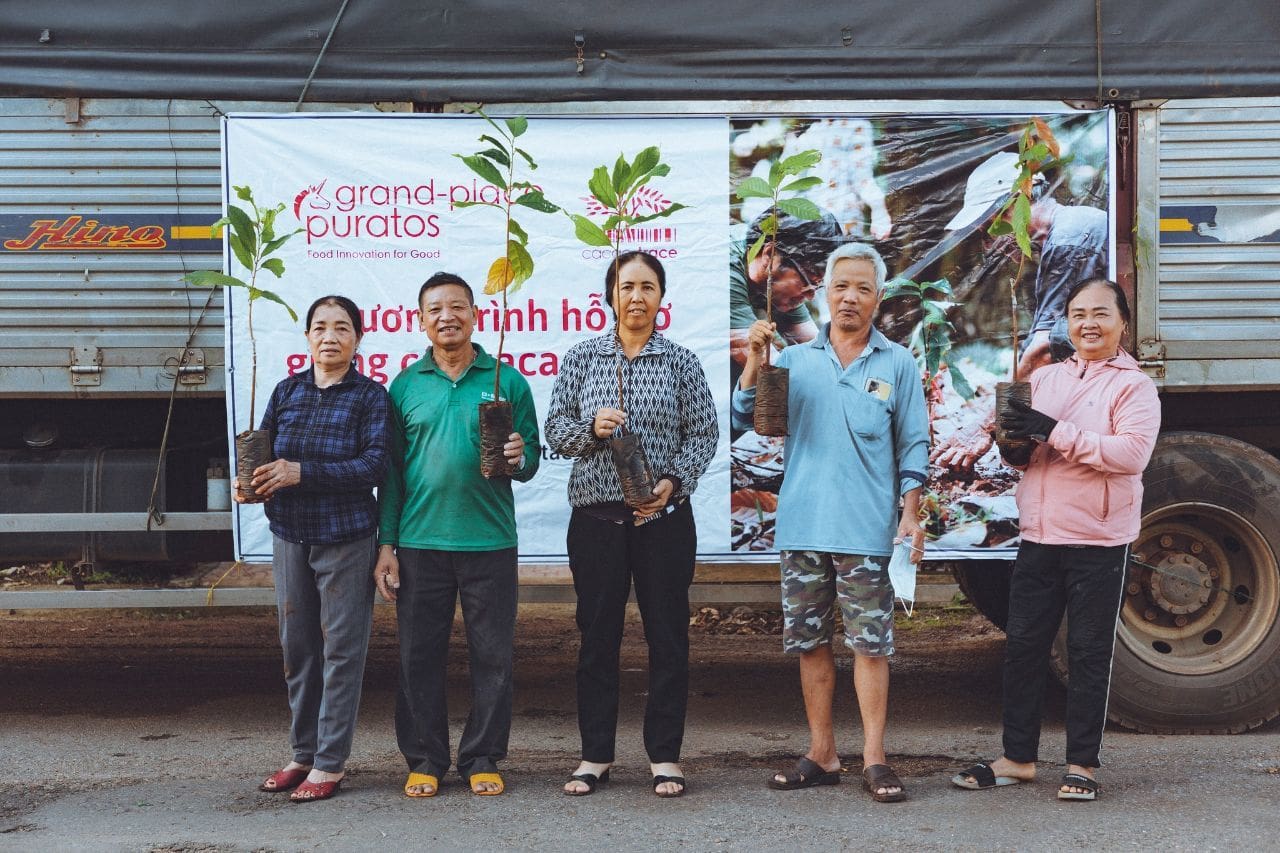
Cacao-Trace focuses on value creation and value sharing. A series of value-sharing activities include intensive technical training for groups or individuals and the sponsorship of seedlings to expand growing areas.
Puratos Grand-Place Vietnam has distributed 90,000 cocoa seedlings in regions such as Dak Lak and Dak Nong.
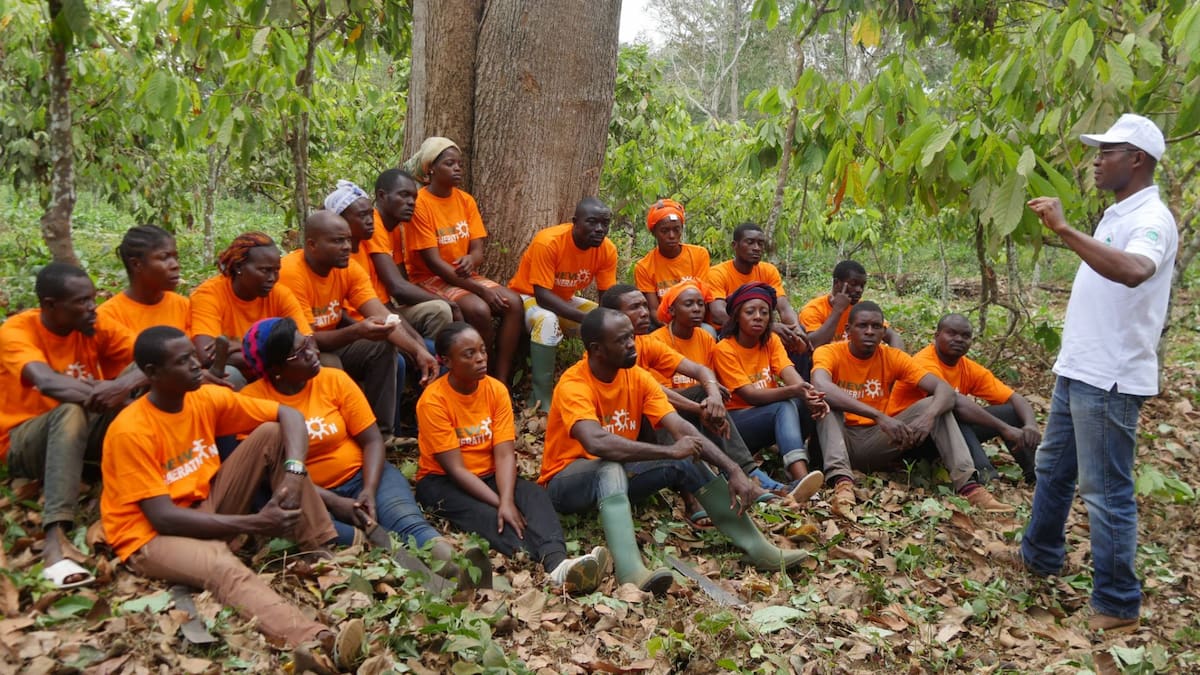
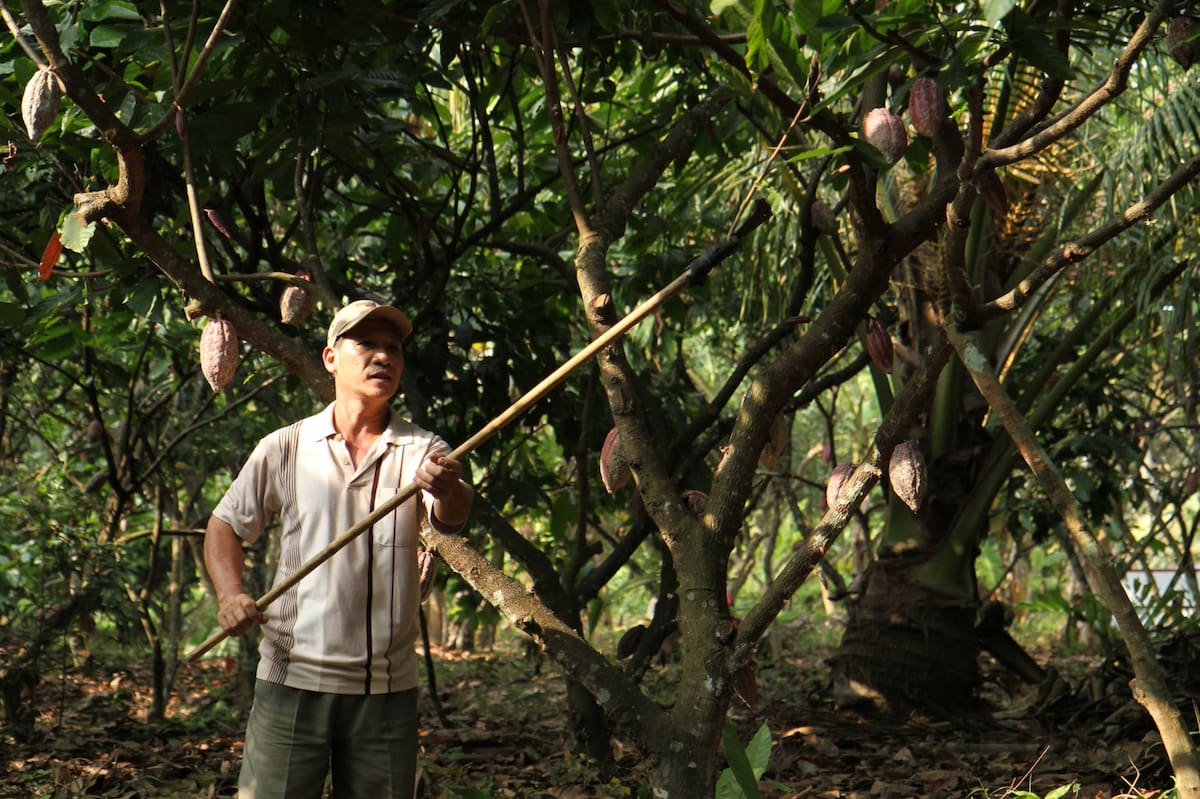
Additionally, the technical team regularly visits cocoa gardens to organize activities that guide farmers on how to care for cocoa trees and eradicate pests and diseases.
Strategy to address farmer poverty
Puratos commits to long-term trade partnerships with the community through training courses on Good Agricultural Practices and the Chocolate Bonus program.
Strategy to address child labour
Puratos implements children's education programs and encourages the younger generation to become professional cocoa farmers in the future, with regulations such as limiting work to a few hours a week and ensuring adult supervision.
Strategy to address deforestation
The company focuses on improving its controlling capabilities through Polygon mapping.
Since 2019, Puratos has integrated the Cacao-Trace program into agroforestry and smart farming projects adapted to the climate.
Puratos Grand-Place Vietnam has achieved Scope 2 carbon-neutral certification since 2021 and has maintained it through 2023.
Between 2019 and 2025, Puratos planned and implemented the planting of 4,527,294 trees, including cocoa trees and 20% to 30% shade or perennial trees interspersed within cocoa plantations.
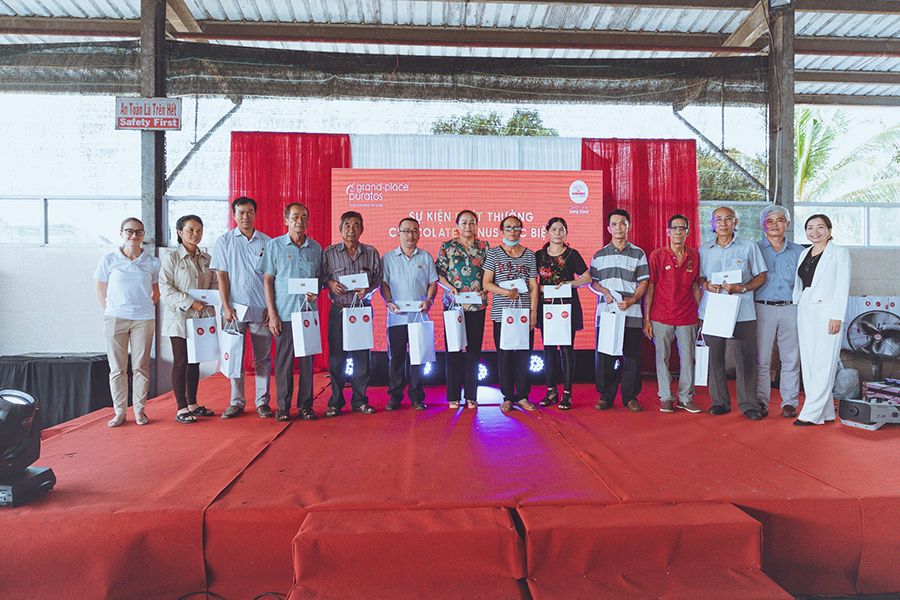
The program has created significant economic, environmental, and social impacts. The project has been deployed in eight cocoa-growing countries, generating jobs for 25,000 farmers. Meanwhile, more than 2 million trees have been planted, with 47,000 trees in Vietnam. Furthermore, 90,000 cocoa seedlings have been donated to support livelihoods and sustainable production development. Financially, the program has allocated 4,535,384 euros in bonuses, along with 700,000 USD invested directly into cocoa-growing communities. Notably, the project also contributed to a kindergarten construction in Dak Lak, demonstrating a commitment to comprehensive and long-term community development.
From Vietnam, the Cacao Trace program has been replicated in eight cocoa-growing countries worldwide, featuring a system of 27 post-harvest centers. This number is expected to multiply significantly due to the expansion plans for raw material areas by Puratos in general and the Next Generation Cacao Foundation in particular.
Puratos’s ambition is to vigorously develop this unique program and continue to impact even more farming communities. By 2025, Puratos estimates that Cacao Trace program will reach 25,000 cocoa farmers globally, and this number could double by 2030.
Cacao-Trace, together with The Next Generation Cacao Foundation, will contribute to creating an ethical cycle that can gradually transform the lives of farmers within the Cacao-Trace community.
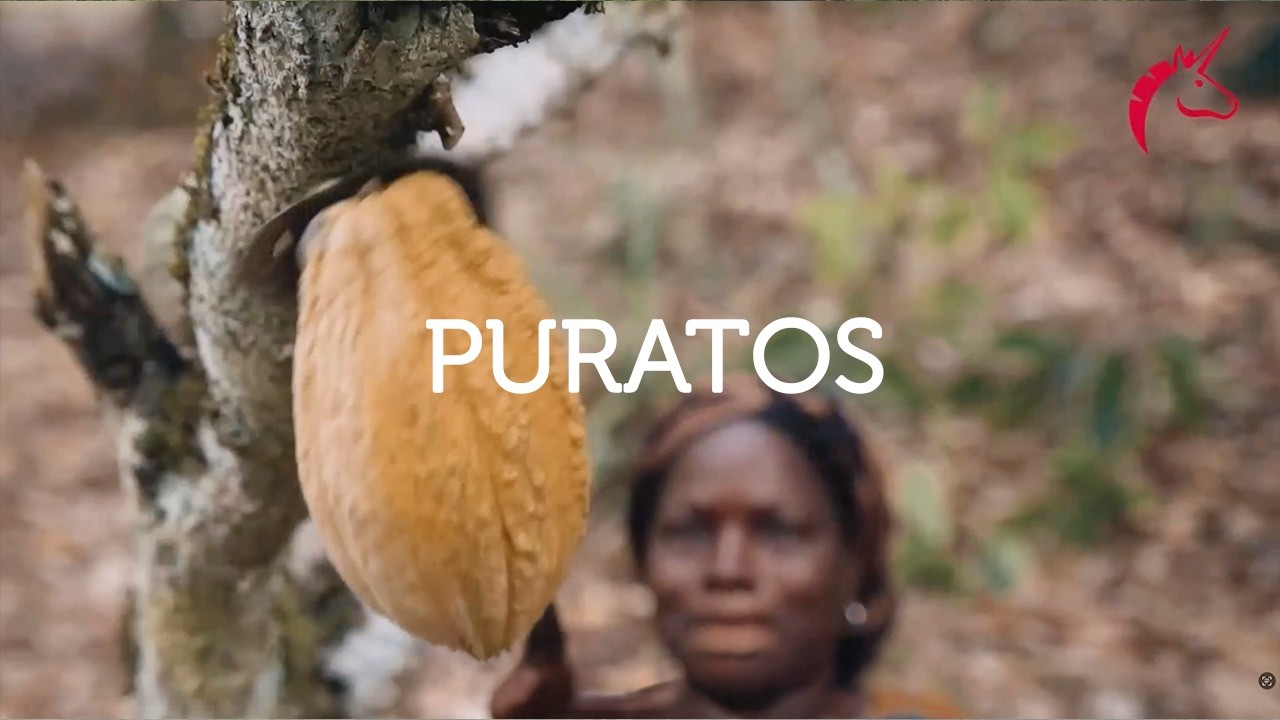
Cacao-Trace by Puratos – Sweetness from Bitter Fruit

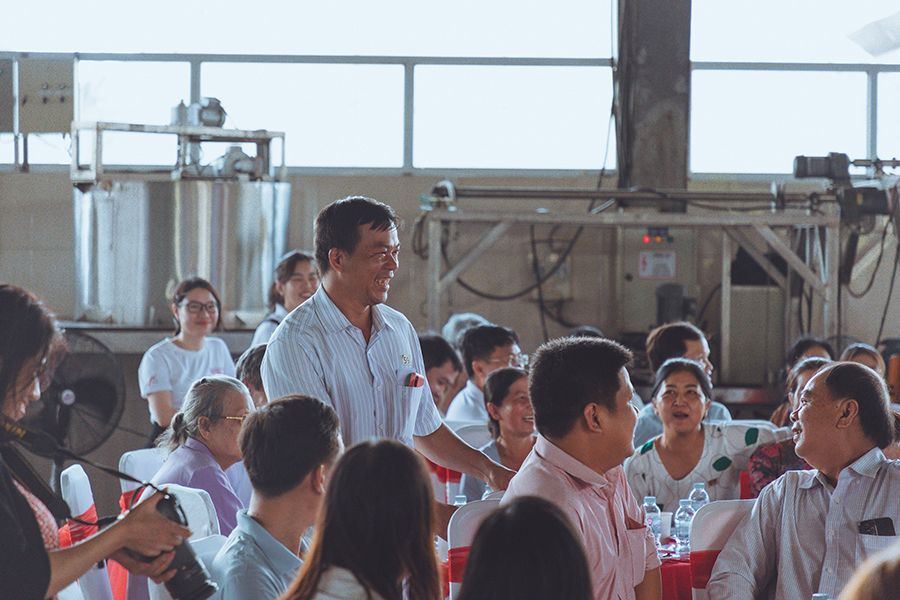



Case Ownership
Hosting Organization: Puratos (Puratos Grand-Place Vietnam)
Collaborating Partners:
- The cocoa-growing communities and farms in the Cacao Trace program
- The Next Generation Cacao Foundation
- Puratos Post-harvest centers
- Relevant local authorities and agencies in the implemented regions(The Mekong Delta, Dak Lak, Dak Nong,etc.)
Stakeholders and beneficiaries:
- Cocoa farmers, smallholder and family farmers
- Local communities who benefit from community investments such as schools, healthcare, and clean water
- Enterprises within the cocoa and chocolate supply chain(procurement, processing, and distribution involvement)
- Consumers and B2B customers using sustainable chocolate products
- The natural environment, forest biodiversity in implemented regions
Source: Human Act Prize (external link, content in Vietnamese)
The copyright and legality of all images, videos, information, and data regarding the project published on this landing page are provided by and are the sole responsibility of the individuals/organizations registering for the Human Act Prize. The republished content on this landing page has been verified and authorised by VCCorp Corporation (the co-organiser of the Human Act Prize).
Specific SDG targets
SDG 8.3
Promote policies to support job creation and growing enterprises
SDG 8.7
End modern slavery, trafficking and child labour
SDG 12.2
Sustainable management and use of natural resources
SDG 12.6
Encourage companies to adopt sustainable practices and sustainability reporting
SDG 15.2
End deforestation and restore degraded forests
SDG 15.5
Protect biodiversity and natural habitats