Leather Hospital aiming to provide vocational training for vulnerable people (street children, street labourers, shoe shiners, victims of human trafficking, orphans…).
Established in 2018, Leather Hospital has solved employment issues and boosted professional expertise, hard skills, and soft skills, provided stable, long-term jobs and expanded the support network for vulnerable people nationwide. Leather Hospital coordinated with social protection centres to provide vocational training, knowledge on operations and customer care, and integrated soft skills training for vulnerable people. From 2018 to now, Leather Hospital has trained and accompanied 30 vulnerable people working in a safe, stable environment with a monthly salary of 9-15 million VND.
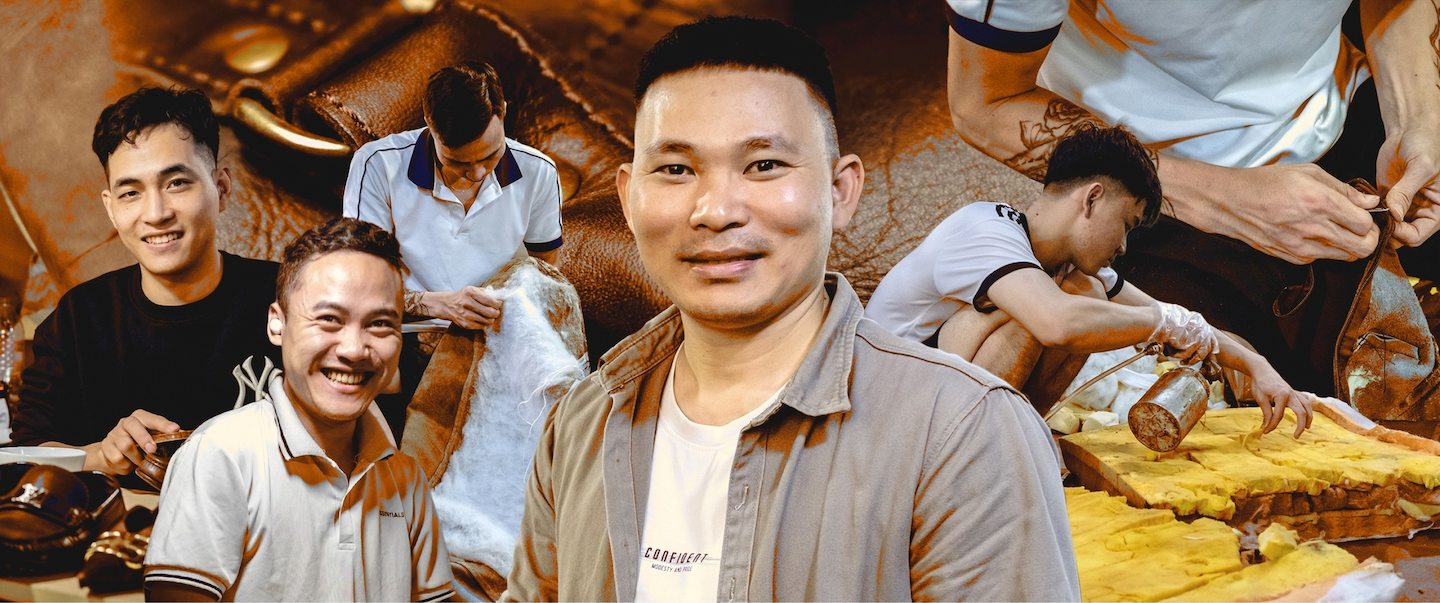
Founded in 2018 in Hanoi, Leather Hospital has received, trained, and created jobs for many vulnerable people, including street children and victims of human trafficking, which have "reborn" many new lives.
Mr Phuc - founder of Leather Hospital – had an unstable childhood: his father passed away early, putting a heavy economic burden on his mother. As early as 11 years old, he struggled as a shoe shiner on the streets to earn money.
Under this background, Mr Phuc deeply understands the difficulties, hardships, and circumstances of this group: health issues, lack of protection, the problems of abuse and exploitation, etc. From that, he nurtured a major goal to build an enterprise that could fulfill corporate social responsibility toward this specific group.
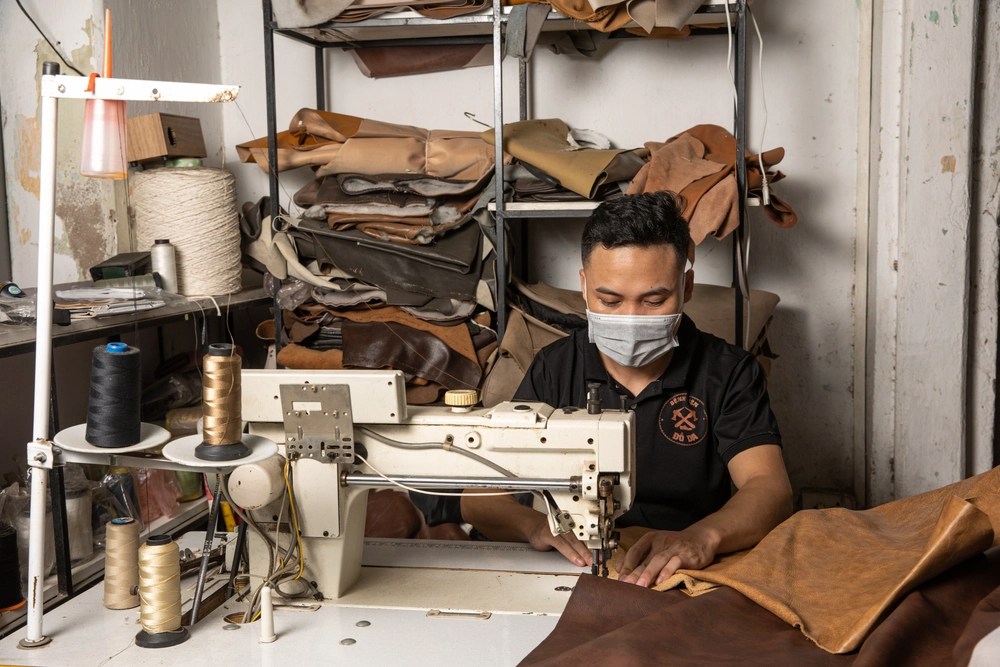
In 2018, Mr Phuc recognised the potential of the leather goods market in Vietnam. Mr Phuc and his acquaintance opened the Leather Hospital model, aiming to create a "roof" so that his shoe-shining brothers would no longer have to wander the streets. Determination was Phuc's ultimate fuel - from a 6m2 storage room, a leather workshop for vulnerable people was built and has prospered to this day.
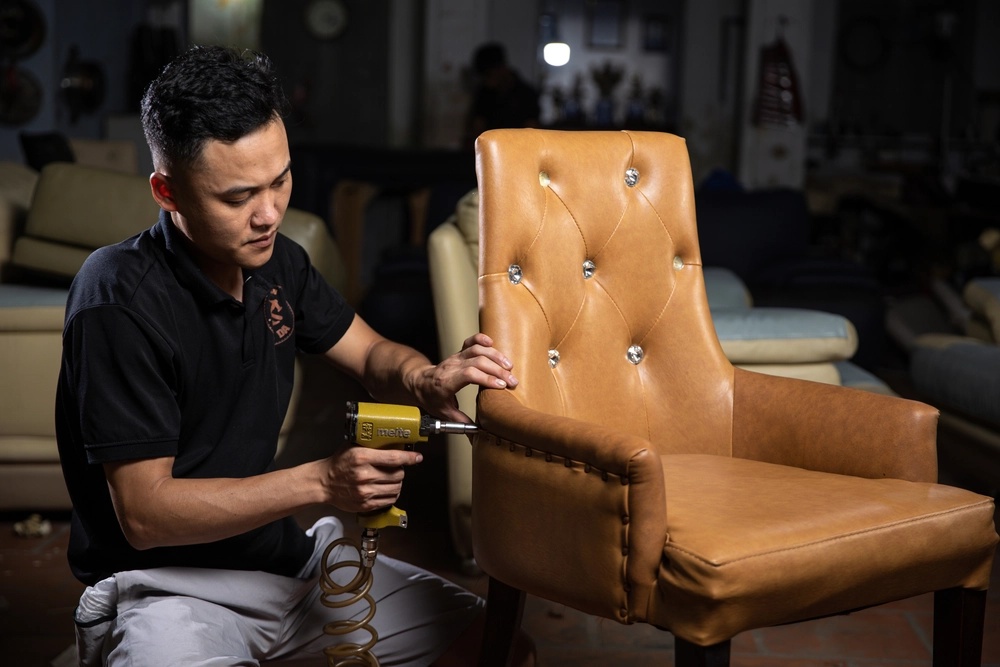
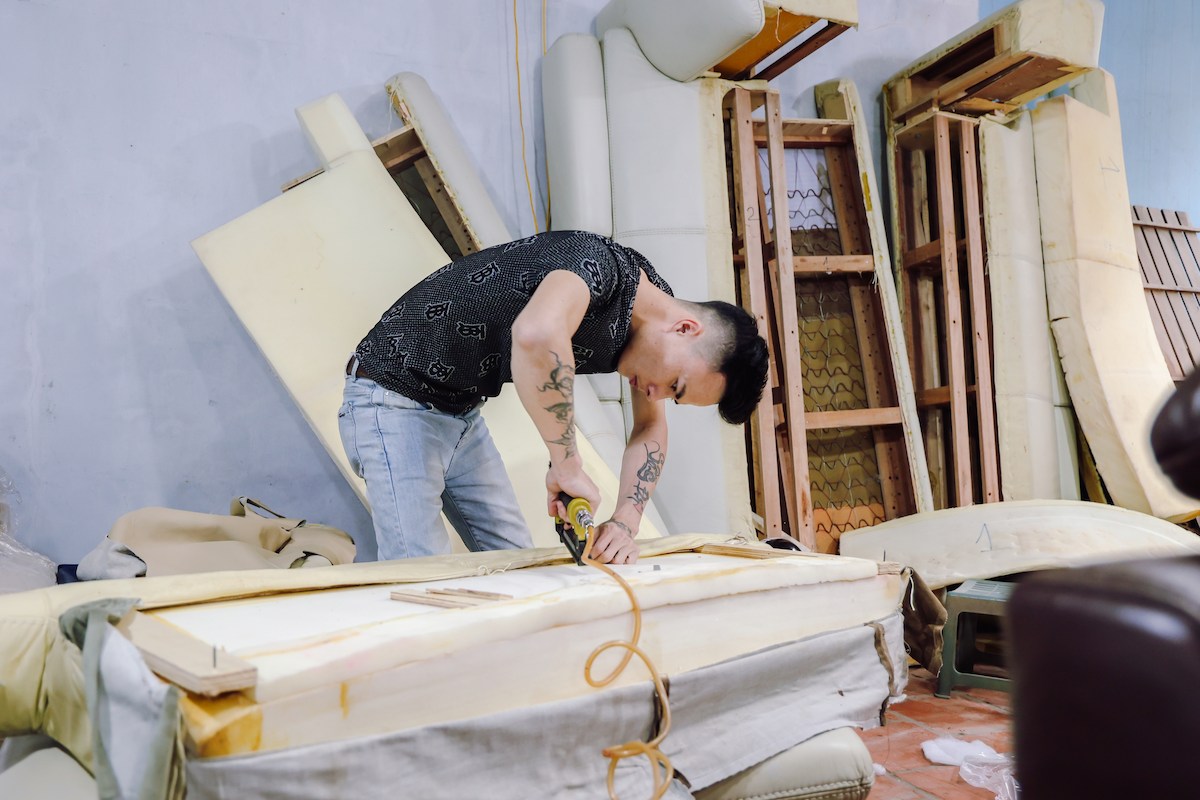
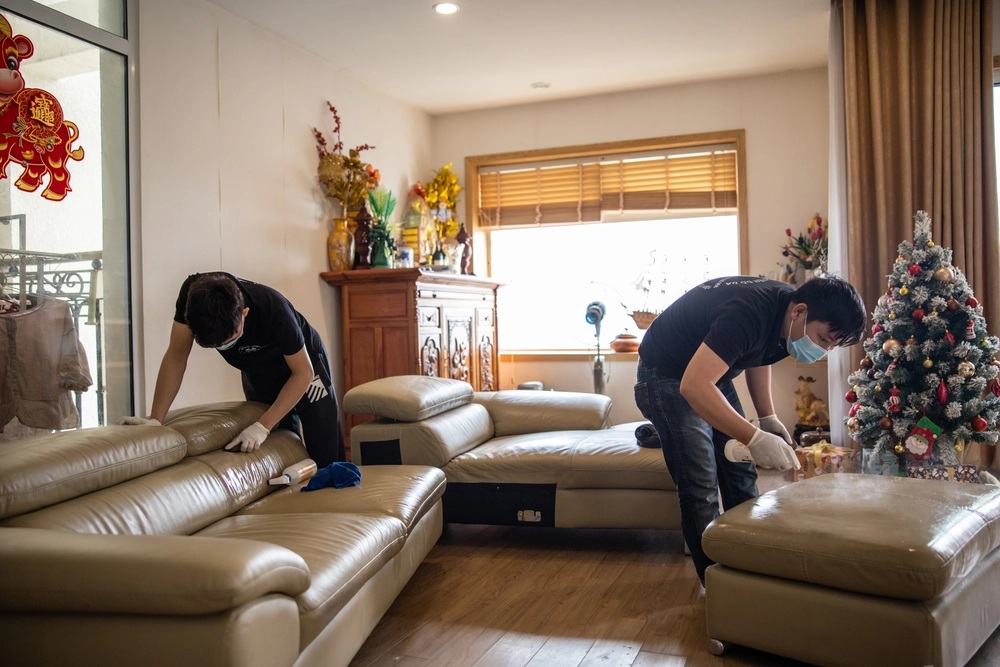
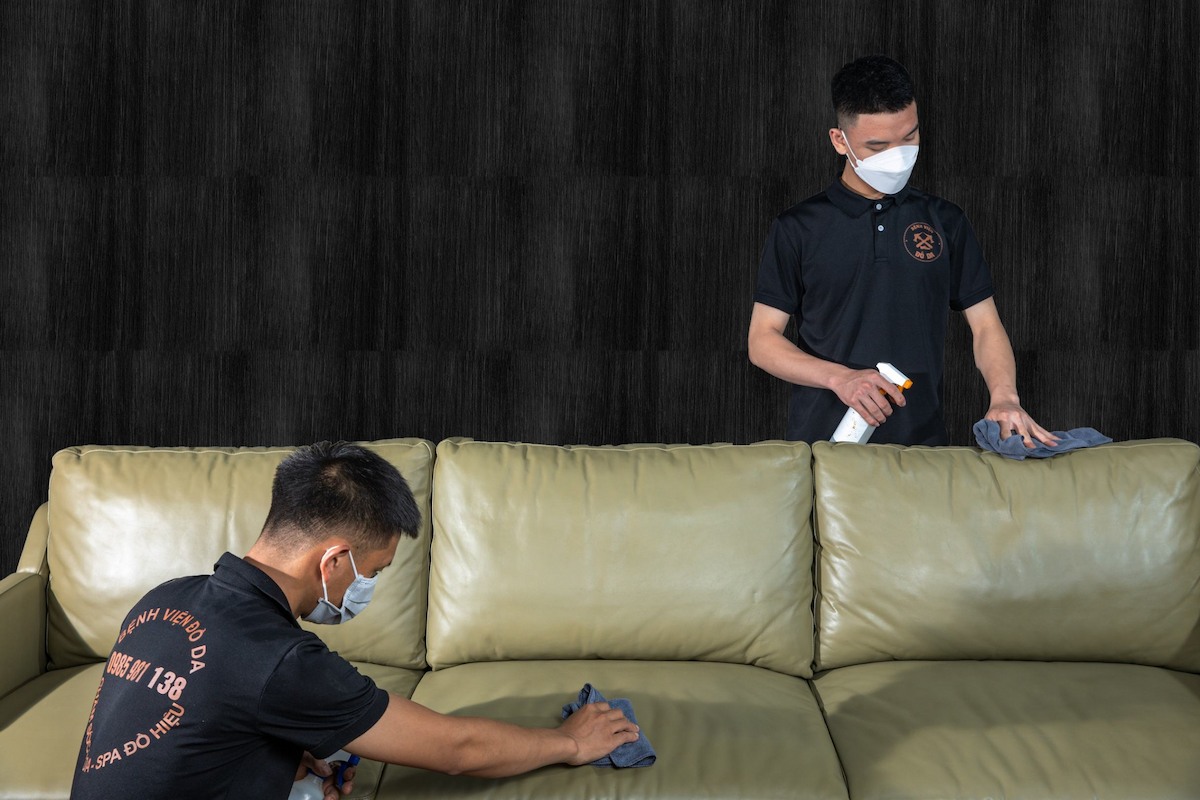
Currently, Leather Hospital primarily cleans, cares for, and restores sofas. The workshop receives and repairs about 20 to 30 sets monthly, generating hundreds of millions of VND. Leather Hospital has 8 permanent fellows, each received around 7 - 10 million VND of payment per month according to personal workload. From just a tiny "startup" bedroom years ago, the startup now has a restoration workshop, office space, and staff accommodation.
In 2024, Nguyen Van Phuc planned to expand Leather Hospital to the South to create more job opportunities for vulnerable groups in Ho Chi Minh City and the Southwestern provinces. However, this business and profit expansion will not let Leather Hospital stray from its principle of supporting vulnerable people and achieving two parallel missions: developing the business and fulfilling social responsibility.
Leather Hospital sets out to build a closed ecosystem, creating a strict process to fulfil two goals: business development, along with support for vulnerable people.
Regarding the training and support for vulnerable people, Leather Hospital has built the following ideal process:
1. Free training
2. Creating job opportunities
3. Business autonomy through franchise/agency models
4. Supporting the supply of equipment, raw materials, tools, and products; supplementary training; technology updates; etc., as a back-end support policy
5. Scaling the support for vulnerable people
Vision
Each province and city will have at least one Leather Hospital facility with hundreds of vulnerable people employed.
Objective
Support 80-100 vulnerable people each year, helping them secure stable jobs throughout Vietnam.
Implementation process - Scope - Cost
Establishment time: Leather Hospital focused on market development by opening pick-up points for the target audiences. Facing understaffing issues, Mr Phuc and his partner split the work: one person handled the technical side, and the other searched for customers.
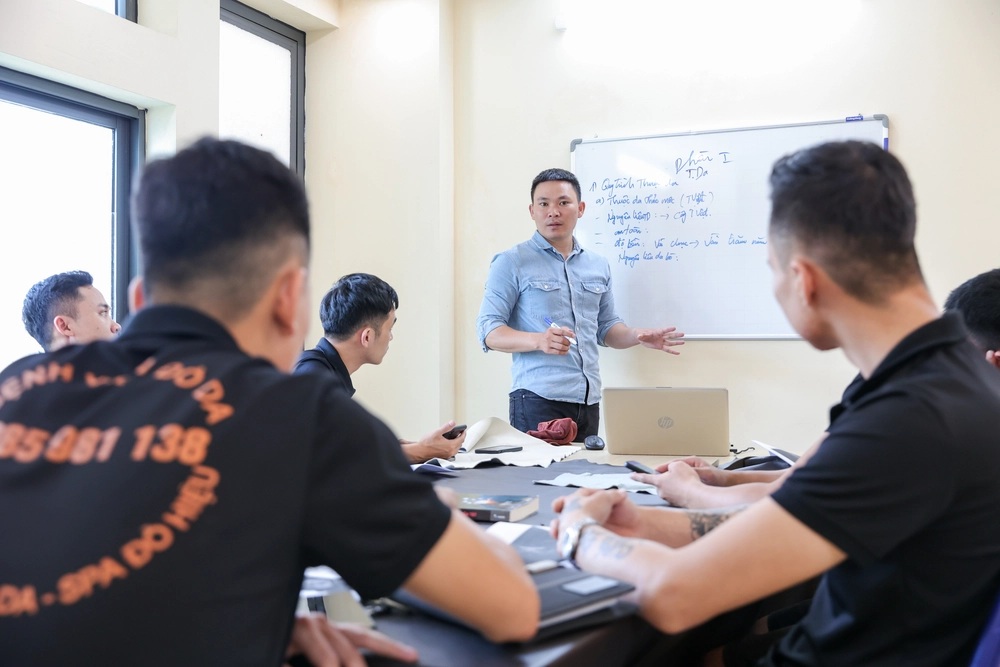
Stable development stage: Leather Hospital began receiving and training vulnerable labourers. During this stage, the enterprise focused on training, allowing employees to practice product samples and customer interaction skills, ensuring that they are skilled and capable of working on customers' products upon completion.
In the following 2 years: Once the timing was deemed right, Leather Hospital began implementing communication projects to start the market expansion plan, while also expanding the capacity to support vulnerable people in areas outside of Hanoi.
In 2024, Mr Nguyen Van Phuc moved South to open more Leather Hospital facilities in Ho Chi Minh City. In the 2024 Shark Tank program, Leather Hospital and Nguyen Van Phuc were also the only company to have all 4 Sharks participate in investing and supporting the opening of more Leather Hospital facilities across Vietnam to help vulnerable people.
Qualitative results
Leather Hospital has opened a new chapter of a better and brighter life for struggling individuals in society. Many young people have shown positive changes after working here, starting from the change in personality, vision, and mindset. Then, it is an improvement in open and confident communication instead of shyness.
Leather Hospital is now providing leather care, mainly sofa restoration and generating income for the vulnerable. The workshop has repaired about 20-30 sofa sets with a value of hundreds of millions of VND. They also have 8 permanent members, with an average income of 7 million VND/month, depending on each person's workload.
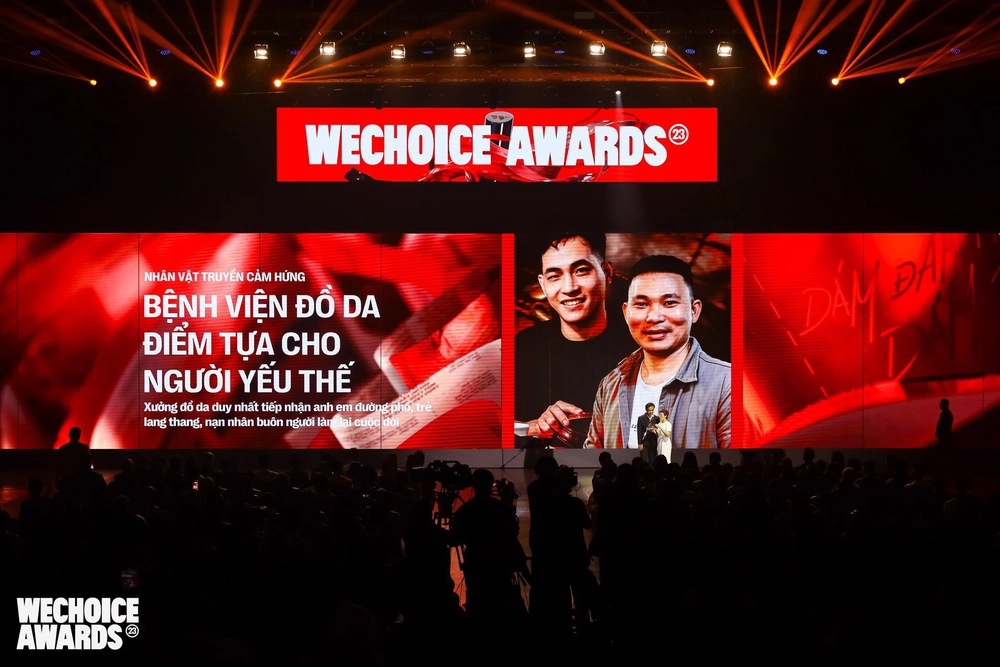
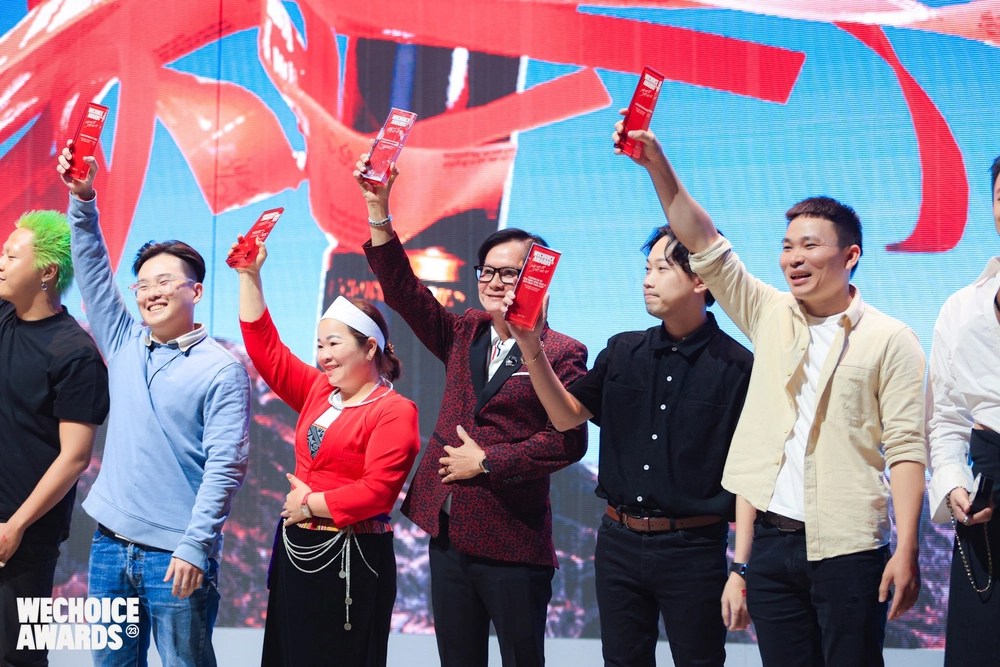
Notably, Mr Nguyen Van Phuc was honoured to receive the WeChoice Awards 2023 in the Inspirational Figure category for the Leather Hospital innovation. He was also one of the 50 exemplary "Good People, Good Deeds" examples to meet the State President in the past year, 2024.
Quantitative results
30 vulnerable individuals have received stable jobs.
By 2024, Leather Hospital will appear in Hanoi and Ho Chi Minh City. The enterprise is aiming to open a branch in Da Nang.
Although the target areas are all large cities with high competition, Leather Hospital has prepared a meticulous operational strategy:
1. These areas concentrate a large number of street labourers and vulnerable people, where Leather Hospital can best utilise its capacity and social responsibility.
2. These are potential markets with high customer demand that match the services Leather Hospital provides.
3. Since these are the key cities of each region, this will be a decisive market that determines the next steps in Leather Hospital's long-term plan.
4. Leather Hospital's model with many outstanding competitive points; all is under the principle of assisting struggling people, providing free training, and generating sustainable, stable jobs.
5. With tireless efforts over 6 years of startup, Mr Phuc and his colleagues at Leather Hospital have gained immense support from partners and investors, the "extended arms" to fulfil their mission.
6. Leather Hospital could not have succeeded without the success in communication, which has helped the enterprise to resonate deeply with vulnerable people and opened many doors to assist them in the future.
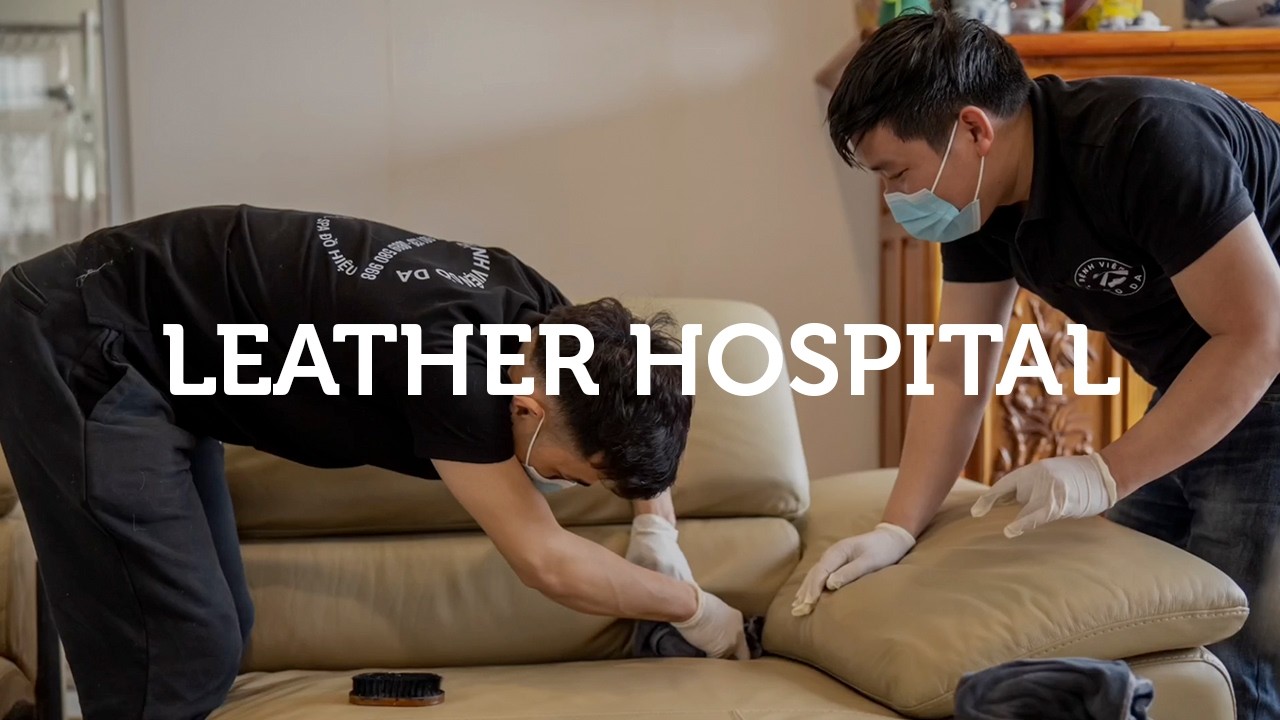
Leather hospital - An anchor for vulnerable people
Case ownership
Hosting Organisation: Leather Hospital
Collaborating Partners: Social protection centers that receive and refer vulnerable people, Investors participating in Shark Tank Vietnam 2024, Corporate partners/customers using leather restoration services, The media and award-giving organisations (WeChoice Awards…)
Stakeholders and beneficiaries: Vulnerable people; Families of vulnerable workers; Customers using restoration – leather care services; Local communities in Hanoi, HCMC, and expanded provinces; Investors and partners accompanying the model's expansion
Source: Human Act Prize
The copyright and legality of all images, videos, information, and data regarding the project published on this landing page are provided by and are the sole responsibility of the individuals/organisations registering for the Human Act Prize. The republished content on this landing page has been verified and authorised by VCCorp Corporation (the co-organiser of the Human Act Prize).
Infographic
Leather hospital infographic (PDF, 720KB) is a summary of the case study in a visual format.
Specific SDG targets
SDG 8.3
Promote policies to support job creation and growing enterprises
SDG 8.5
Full employment and decent work with equal pay
SDG 8.6
Promote youth employment, education and training
SDG 10.2
Promote universal social, economic and political inclusion
SDG 10.3
Ensure equal opportunities and end discrimination