From its early days in the Vietnamese market, Vietnam Soymilk Company (Vinasoy) has aimed to build sustainable farming regions that provide delicious and nutritious soybean sources.
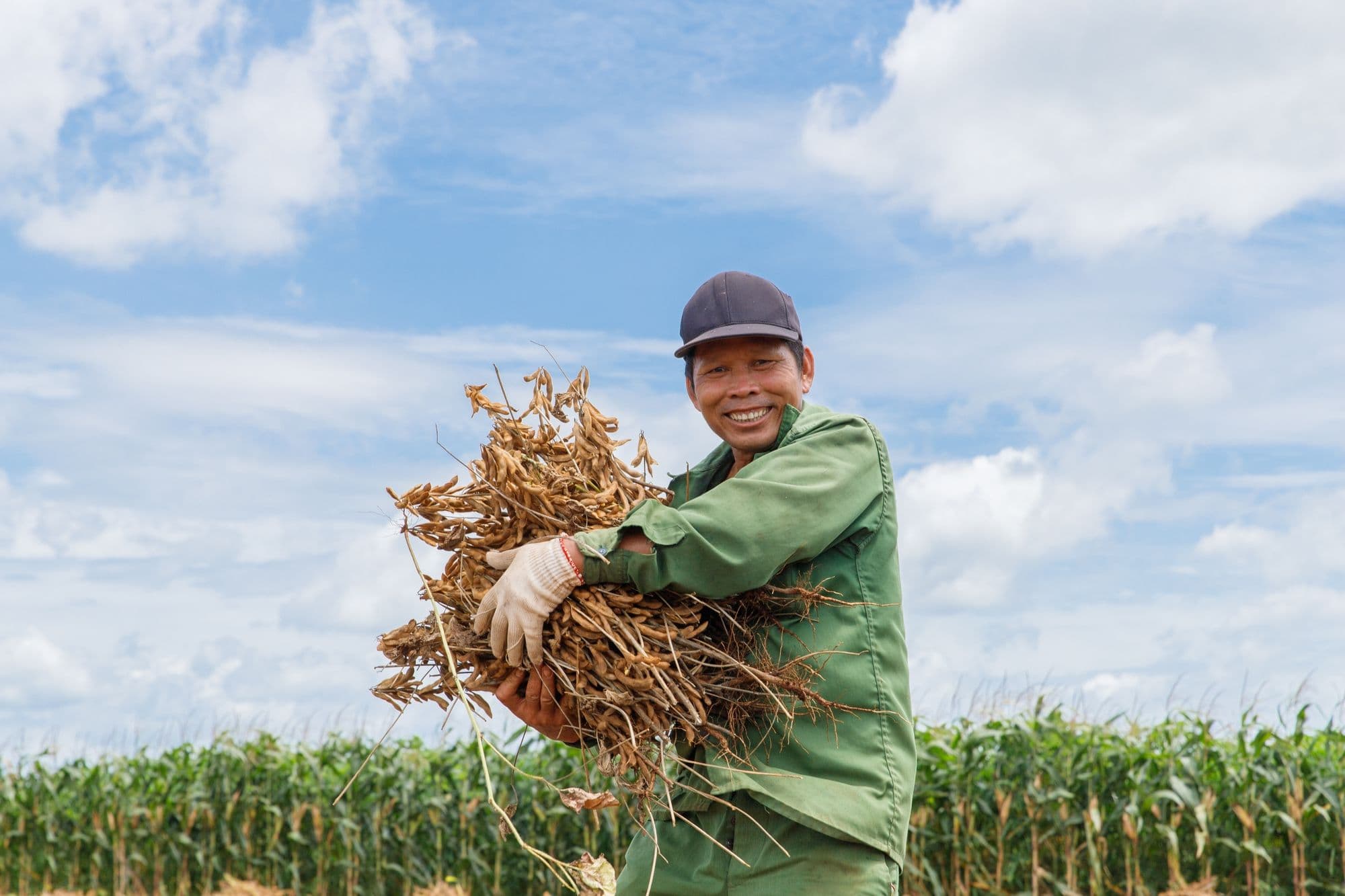
Consequently, Vinasoy's sustainable development for the planting zone project was born and became one of the most important objectives in the enterprise's sustainable development strategy. After more than 10 years of implementation, Vinasoy has developed 4 farming areas spanning from North to South, besides owning a Gene Bank of up to 1,533 valuable crop varieties, successfully discovered 2 high-yield soybean varieties, and guided farmers in cultivation techniques that bring the highest yields and quality.
Vinasoy's campaign has joined a part to restore soybean growing areas in Vietnam, provided quality products to consumers, along with dedicating to Vietnam's sustainable agricultural development goals and improving the economic status of farmers.
In the early 2000s, soybeans were one of the important crops in Vietnam, appearing in the "List of Main Crop Varieties" issued by the Ministry of Agriculture and Rural Development in 2004. However, the following years had witnessed the rapid decline of this crop due to the reduction of support policies, climate change, and competitive pressure in the market.
Immediately after supporting policies and mechanisms had ended, the winter soybean area in many Northern provinces plummeted. Moreover, climate change has caused abnormal weather patterns, leading to late storms and flooding right at the ripening time of the winter soybean crop. The Vietnam Agricultural Sector mentioned that the decrease in soybean area in Vietnam was mainly attributed to low efficiency, leading to high costs and limited profits, further worsening its competitiveness with other crops and imported soybeans as well.
The sharp decrease in soybean planting area had not caught up with the continuous demand for soy products, ranging from animal feed and vegetable oil production to other food products. This situation had forced Vietnam to spend billions of USD to import soybeans from abroad. Statistics from the General Department of Customs showed that in 2021, Vietnam had to spend nearly 1.2 billion USD to import more than 2 million tons of soybeans, showing a deep dependence on imported soybeans while domestic production was declining.
Therefore, to proactively solve the supply problem and protect the soybean cultivation industry in Vietnam, Vinasoy embarked on a project to build high-quality, delicious soybean supply sources for production activities.
To successfully build sustainable planting zones, the Vinasoy Soy Applied Research Centre began collecting, researching, conserving, and selecting the highest-yielding and quality soybean varieties for each region. Specifically:
- Build a Gene Bank: VSAC owns a Gene Bank with more than 1,533 strains/varieties of soybeans, with special traits for conservation and usage as breeding materials
- Build a Soybean Testing Station in the Central Highlands: Researching a new variety of selection and developing effective, high-yield cultivation processes and techniques
- Apply Modern Techniques in Breeding: Molecular indicator application in breeding has cut the selection time down to 4-5 years, boosting effectiveness and accurately selecting traits that traditional methods could not achieve
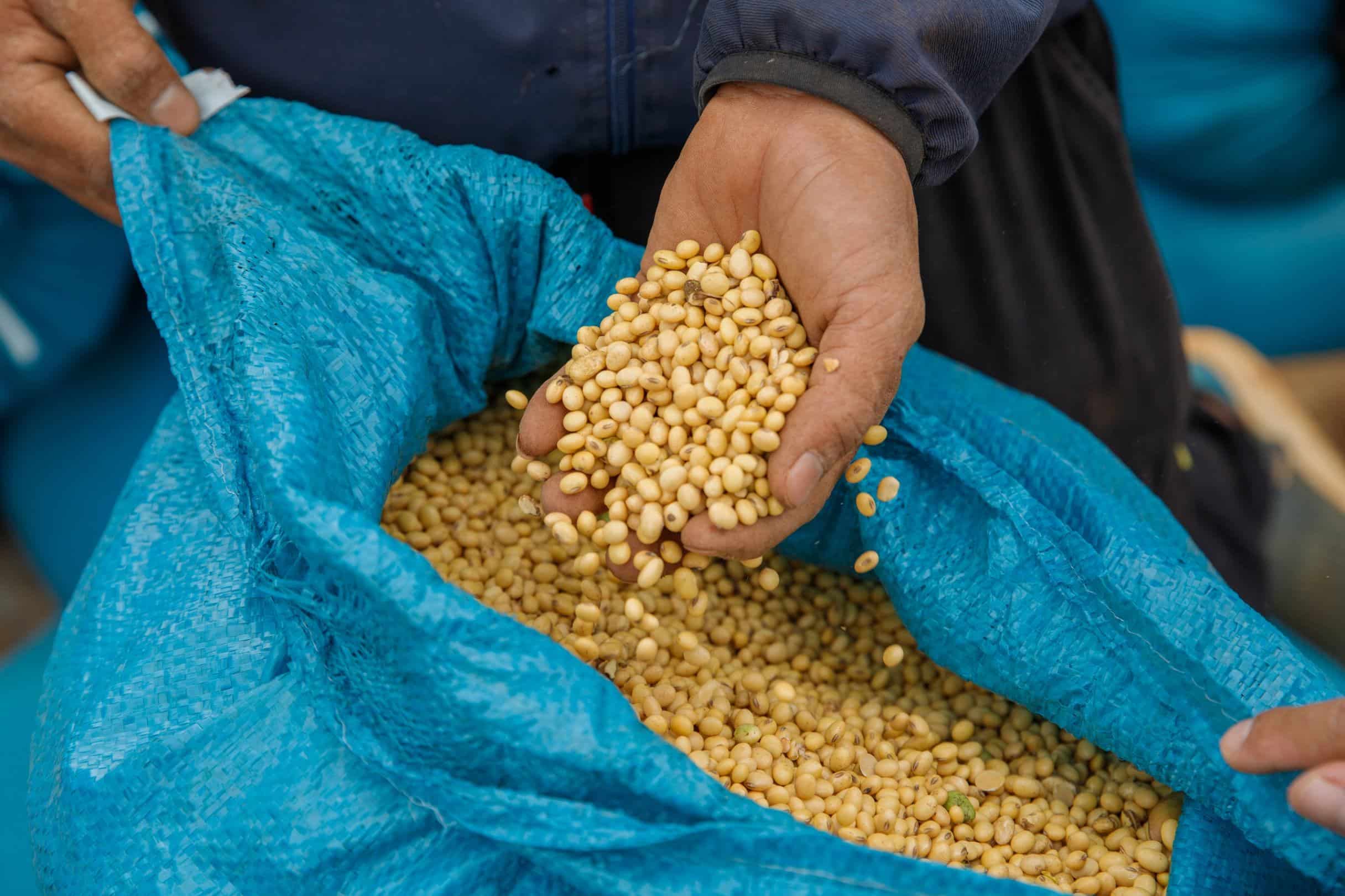
- New High-Yield Varieties: VSAC successfully researched and selected 2 new non-GMO soybean varieties: VINASOY 01-CT and VINASOY 02-NS. The VINASOY 02-NS variety was licensed by the Ministry of Agriculture and Rural Development for mass production due to its wide adaptability and high yield (from 2 – 3.5 tons/ha)
- Develop New Cultivation Processes and Techniques for Farmers: Typically, the "2 rice, 1 soy" crop rotation model has helped farmers in the Mekong Delta significantly improve yield and cultivation quality
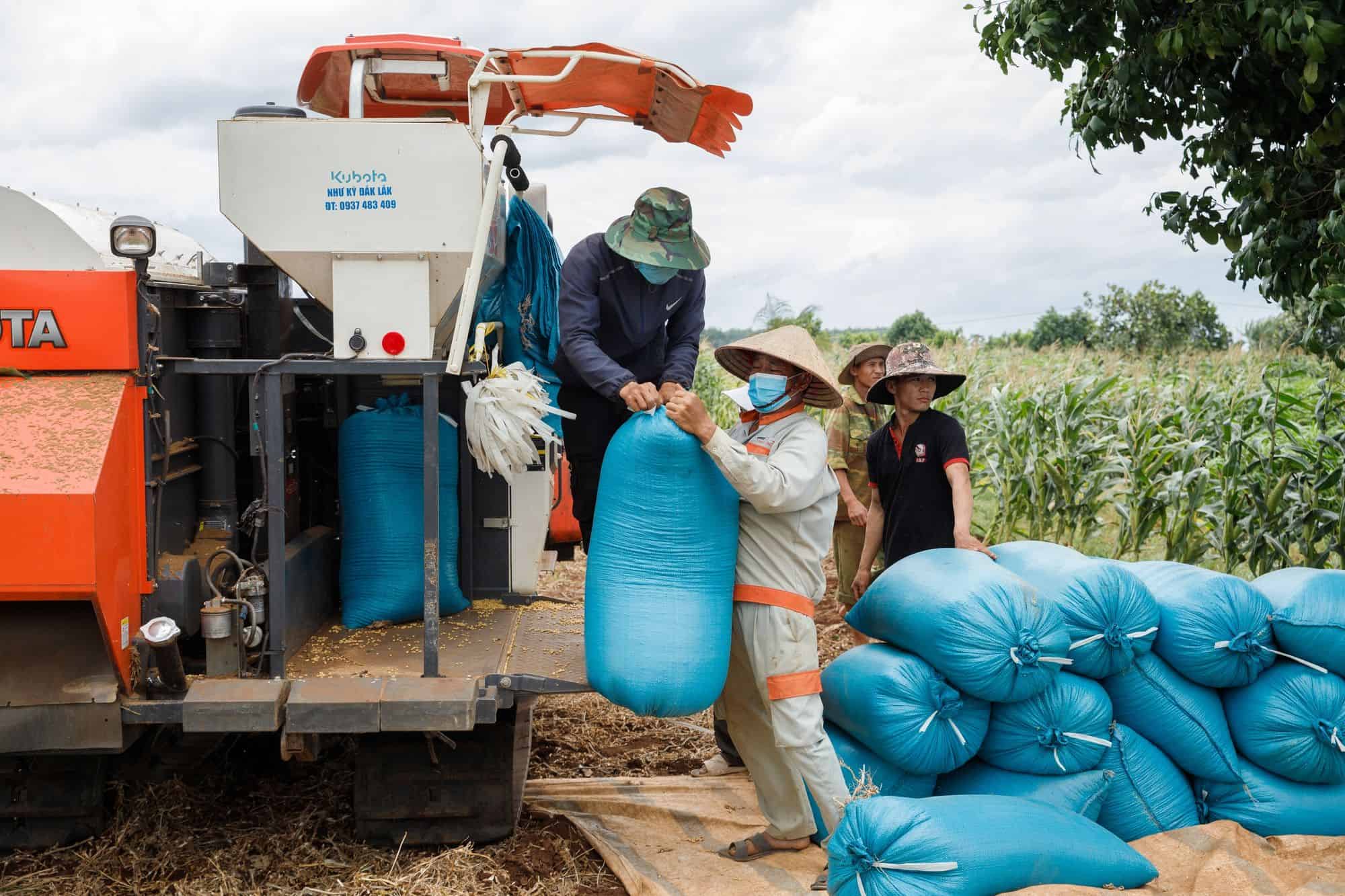
- At the same time, Vinasoy cooperated with the largest agricultural machinery manufacturer in Vietnam (Kubota) to transfer soybean harvesters to farmers
To further motivate farmers, Vinasoy also guaranteed output take and implemented reward programs to boost production.
Vision
Since its establishment, Vinasoy has believed that only high-quality raw materials would yield the highest quality and most delicious products for consumers. Therefore, Vinasoy always strives to build domestic material regions to maintain high soybean quality in the production line.
Furthermore, the long-term strategy for developing soybean farming zones demonstrates Vinasoy's responsibility toward the community and the country. This strategy not only helps farmers feel secure during production and income increase, but also reflects the company's efforts to restore soybean growing areas in Vietnam.
In addition, these regions will provide supply autonomy, optimise raw material quality for products, meet the production needs and expansion direction of the company in the future.
Objective
Vinasoy's goal when building the VSAC Centre and the Central Highlands Soybean Testing Station is to select new soybean varieties with high nutritional quality and efficiency for planting zones across the country, ultimately boosting production at Vinasoy's 3 factories in Bac Ninh, Quang Ngai, and Binh Duong.
The company also aims to develop sustainable soybean regions through programs to improve productivity, support cultivation, and ensure output consumption, thereby bringing economic efficiency for farmers.
Implementation Process - Scope - Budget
Implementation Process
Vinasoy campaign focuses on two main groups of activities: researching and selecting new soybean varieties and partnering with farmers to improve crop yields:
- To restore and re-develop soybeans in Vietnam, the VSAC Centre collaborated with domestic and international universities and research institutes to apply up-to-date technology in collecting and preserving natural soybean genetic resources, breeding varieties, and developing growing regions.
- Additionally, Vinasoy built a soybean testing station in the Central Highlands, serving to select and build more effective cultivation processes and techniques for each yielding region.
Apart from research and breeding activities, Vinasoy also carried out many support activities for the people such as:
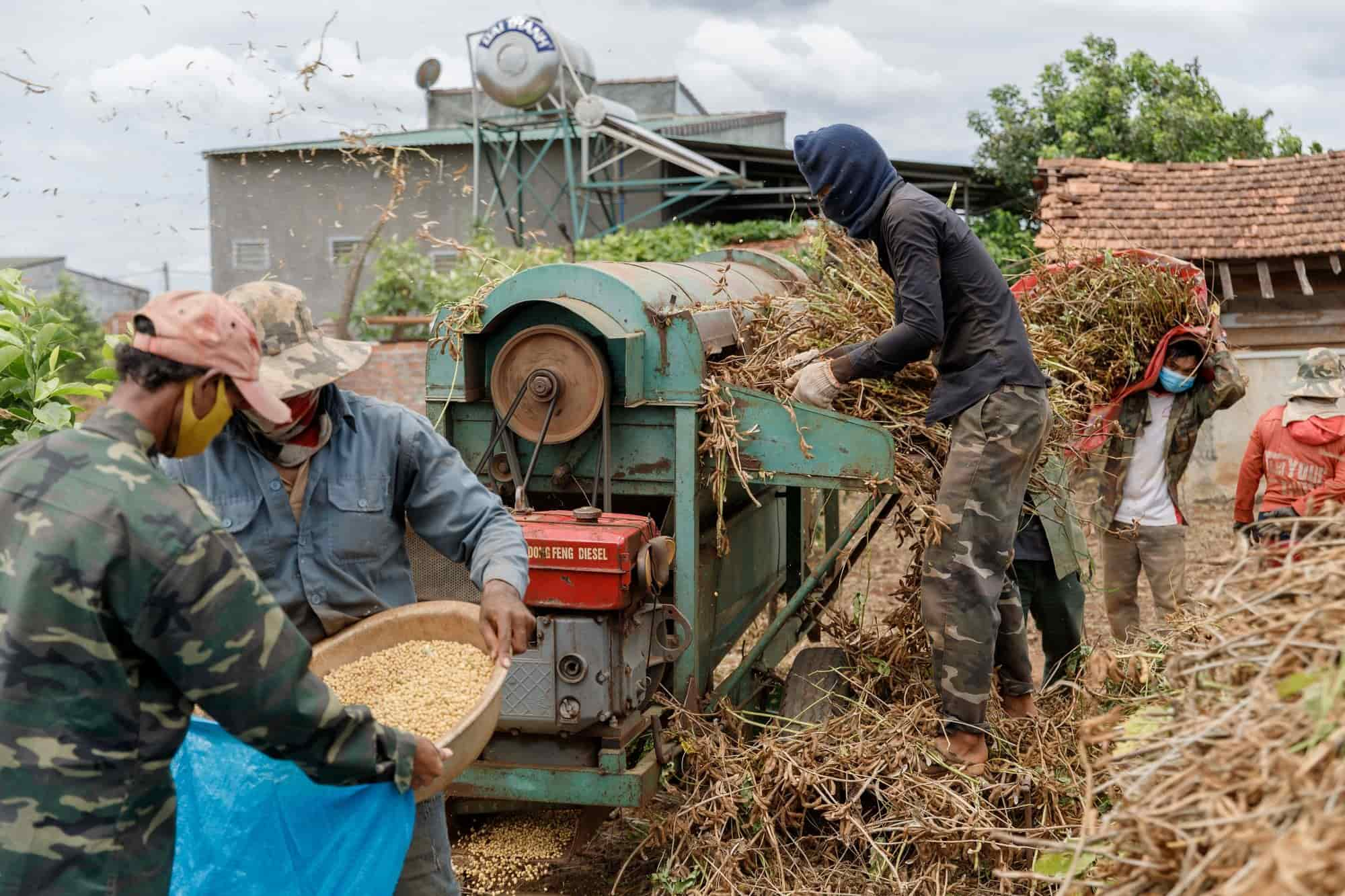
- Implement a soybean linkage production program, connecting farmers and cooperatives in key regions to provide knowledge, cultivation techniques, and seeds to help increase the yield and quality of soybean output.
- Output Off-take: Vinasoy commits to soybean products that meet the quality standards of farmers at prices negotiated right from the start of the season.
- Vinasoy also organised the "3 tons/ha" Club – a place to honour households with outstanding yields to encourage production growth.
Scope of Implementation
Vinasoy has built key farming regions spanning from North to South, including Central Vietnam, Central Highlands, Red River Delta, and Mekong Delta, with a potential area of up to 9,000 hectares.
Project Implementation Cost
Vinasoy's first key planting zone was the Cu Jut District – the largest area in the Central Highlands with a long soybean tradition. This is also where Vinasoy built its Testing Station. With advantages in climate and soil, Cu Jut can test 3 soybean crops a year, helping with a more convenient and quick evaluation process and shortening the time to select varieties.
The subsequent areas expanded from North to South, including Central Vietnam, Central Highlands, Red River Delta, and Mekong Delta. Particularly, the non-GMO soybean variety VINASOY 02-NS — researched and selected by VSAC — has brought superior yield and quality and completely replaced the previous local soybean varieties.
The enterprise also actively implemented "Soybean Production Cooperation Linkage" programs with farmers and received a wide response. With the companionship of VSAC, farmers always strictly follow the committed production processes, gradually changing old cultivation habits, and applying new technical advances. Additionally, the “2 rice, 1 soy crop” rotation model applied by Vinasoy in the Mekong Delta has achieved clear economic efficiency for farmers, limited pests, and improved soil fertility, helping the subsequent rice crop grow better.
Vinasoy also distributed "3 tons/ha Club" membership certificates to farmers – households with stable production areas and high yields exceeding 3 tons/ha – encouraging and motivating farmers to remain committed to soybeans in the long run.
The program has achieved remarkable results in genetic resource research and development. A total of 1,533 precious genes have been collected, preserved, and researched in the Gene Bank, shaping a crucial foundation for breeding work. In particular, two new varieties, VINASOY 01-CT and VINASOY 02-NS, were incubated with success.
Moreover, the program has developed 9,000 hectares of potential growing area, expanding the scale of farming regions in four key areas, including Central Vietnam, Central Highlands, Red River Delta, and Mekong Delta. These results clearly reflect the combination of science and technology and sustainable production development.
With continuous effort, strategic thinking, and a methodical scientific approach, Vinasoy is reaching the dream of soybean agriculture development, facilitating and encouraging people to increase production of this crop. In the coming years, Vinasoy and VSAC will continue to focus on research and expand other planting zones nationwide.
After 10 years of research and testing, Vinasoy has established and maintained 4 growing regions with a potential area of up to 9,000 hectares. Specifically, the Mekong Delta is identified as Vinasoy's key region in the future. Results from the Spring-Summer crop in this area showed that the economic efficiency of soybeans is equivalent to rice in the Winter-Spring crop, which is higher than the remaining rice harvests.
Furthermore, tests in Dong Thap and Vinh Long show that the VINASOY 02-NS variety prospers in new lands in the Mekong Delta. Therefore, this will be the most promising place to apply large-scale mechanisation, reduce production costs, compete with other crops, and have the potential to expand the planting area to 5,000 hectares.
Besides the Mekong Delta, Vinasoy also continuously researches and tests new farming regions while optimising the yield and quality of existing zones.
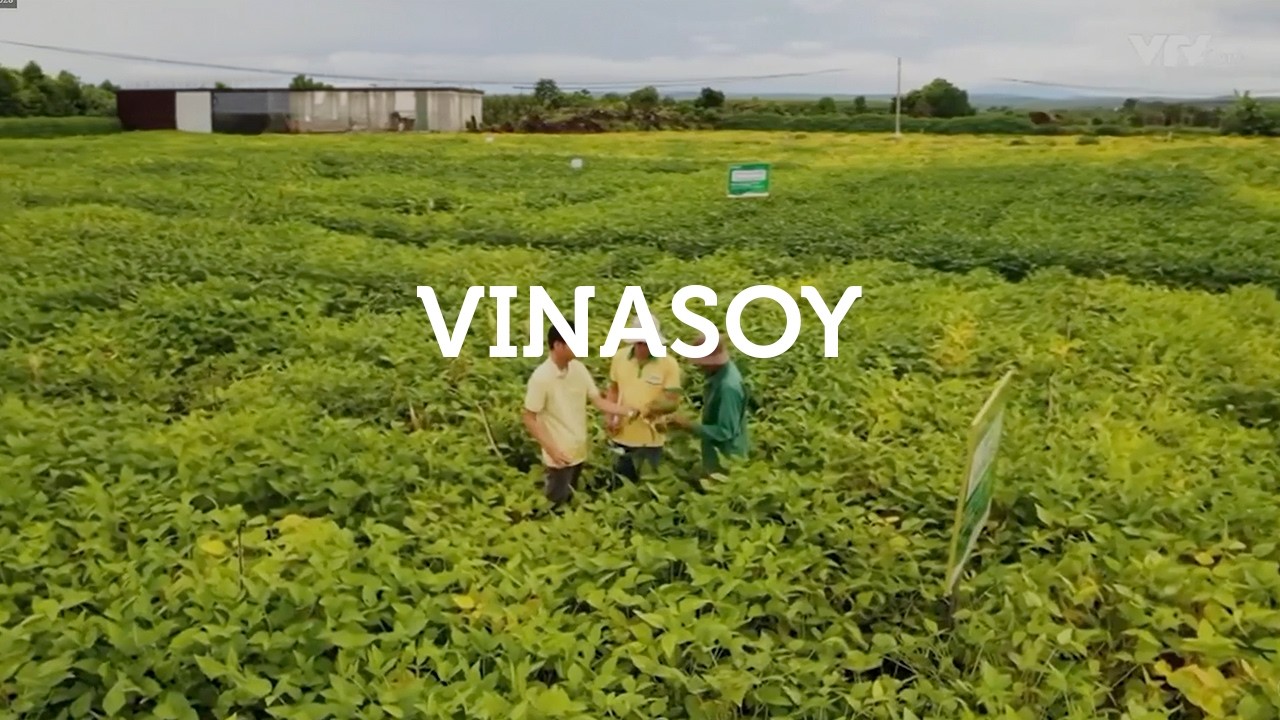
Vinasoy sustainable soybean farming zone development
Case Ownership
Hosting Organisation: Vietnam Soymilk Company (Vinasoy)
RnD/Specialised Unit: Vinasoy Soybean Research and Application Centre (VSAC), Central Highlands Soybean Testing Station
Collaborating Partners:
- Domestic and international research institutes and universities (collaboration in collection, selection, cultivation)
- Cooperatives and farming households in procurement regions
- Agricultural machinery manufacturer (Kubota) – transfer of soybean harvesters
Stakeholders and beneficiaries:
- Farmers/Cooperatives growing soybeans in procurement regions
- Processing enterprises (3 factories in Bac Ninh, Quang Ngai, and Binh Duong)
- Consumers (soy products with stable, non-GMO quality)
- Local authorities/agricultural sector (restore growing regions, reduce import dependence)
Source: Human Act Prize
The copyright and legality of all images, videos, information, and data regarding the project published on this landing page are provided by and are the sole responsibility of the individuals/organisations registering for the Human Act Prize. The republished content on this landing page has been verified and authorised by VCCorp Corporation (the co-organiser of the Human Act Prize).
Specific SDG targets
SDG 2.3
Double the productivity and incomes of small-scale food producers
SDG 2.4
Sustainable food production and resilient agricultural practices
SDG 12.2
Sustainable management and use of natural resources
SDG 12.6
Encourage companies to adopt sustainable practices and sustainability reporting