The Phu My Nature Reserve Project – Red Sarus Crane is INSEE Vietnam’s long-term biodiversity conservation.
The project is an initiative designed to address the residual impacts of raw material extraction for cement production on the habitat of the Red Sarus Crane in the Mekong Delta. Developed in partnership with technical organizations such as the International Crane Foundation (ICF), the International Union for Conservation of Nature (IUCN), the South Institute of Ecology (SIE), and local authorities, the project has evolved from a wetland conservation effort into a broader, measurable biodiversity offset model that combines habitat restoration, community livelihood support, technical monitoring, stakeholder engagement, and long-term governance. Today, the project sits within INSEE’s wider commitment to achieve Net Positive Impact on Biodiversity by 2030, with a verified biodiversity baseline value of 8.33 in 2022 and a target of 9.19 by 2030.
The project emerged from the intersection of industrial development, biodiversity loss, and community vulnerability. INSEE Vietnam, formerly Holcim Vietnam, built the Hon Chong plant in 1996, and its quarry operations affected the living area of the Red Sarus Crane in Kien Luong district, now part of An Giang province. The Sarus Crane (Grus antigone) is a flagship species of seasonally inundated natural grasslands, an ecosystem that has become increasingly rare in Vietnam as wetlands have been converted into rice fields, shrimp farms, and illegally occupied agricultural land. Although Sarus Crane populations remain relatively stable at the regional level, their numbers in Vietnam have declined sharply, mainly because of habitat loss.
Phu My is also a socially sensitive landscape. Since 2004, it has been described as one of the poorer villages in Vietnam, with residents largely belonging to the Khmer ethnic minority. At the same time, Phu My holds the last extensive remnant of Lepironia wetland in the Mekong Delta. Lepironia is not only ecologically important but also closely linked to traditional livelihoods, as local people have long harvested it to make products such as sleeping mats and rice bags. Because local authorities had considered converting the wetland into aquaculture and agricultural land, conservation in Phu My could not succeed through ecological protection alone. It needed to integrate livelihood support, local participation, and long-term institutional protection.
The project was also shaped by the need to align with international lending and sustainability standards. In response, INSEE Vietnam and its partners supported the creation of Phu My Grassland Nature Reserve (PMNR) to offset biodiversity loss linked to raw material extraction, protect and restore crane feeding grasslands and seasonal wetlands, engage local communities through livelihood support and education, and establish a long-term, measurable conservation model linked to industrial development. PMNR was formally established in 2016 as a biodiversity offset initiative to address the residual impacts of clay quarrying for cement production on Sarus Crane habitats in the Mekong Delta.
A biodiversity offset model linked to industrial responsibility
The project’s core innovation is that it treats biodiversity conservation not as a standalone donation program, but as a structured biodiversity offset model. This means INSEE is not only trying to reduce harm, but also to restore and enhance biodiversity value in a measurable way. The project, therefore, links industrial development with ecological accountability.
A conservation model that combines habitat protection and community livelihood
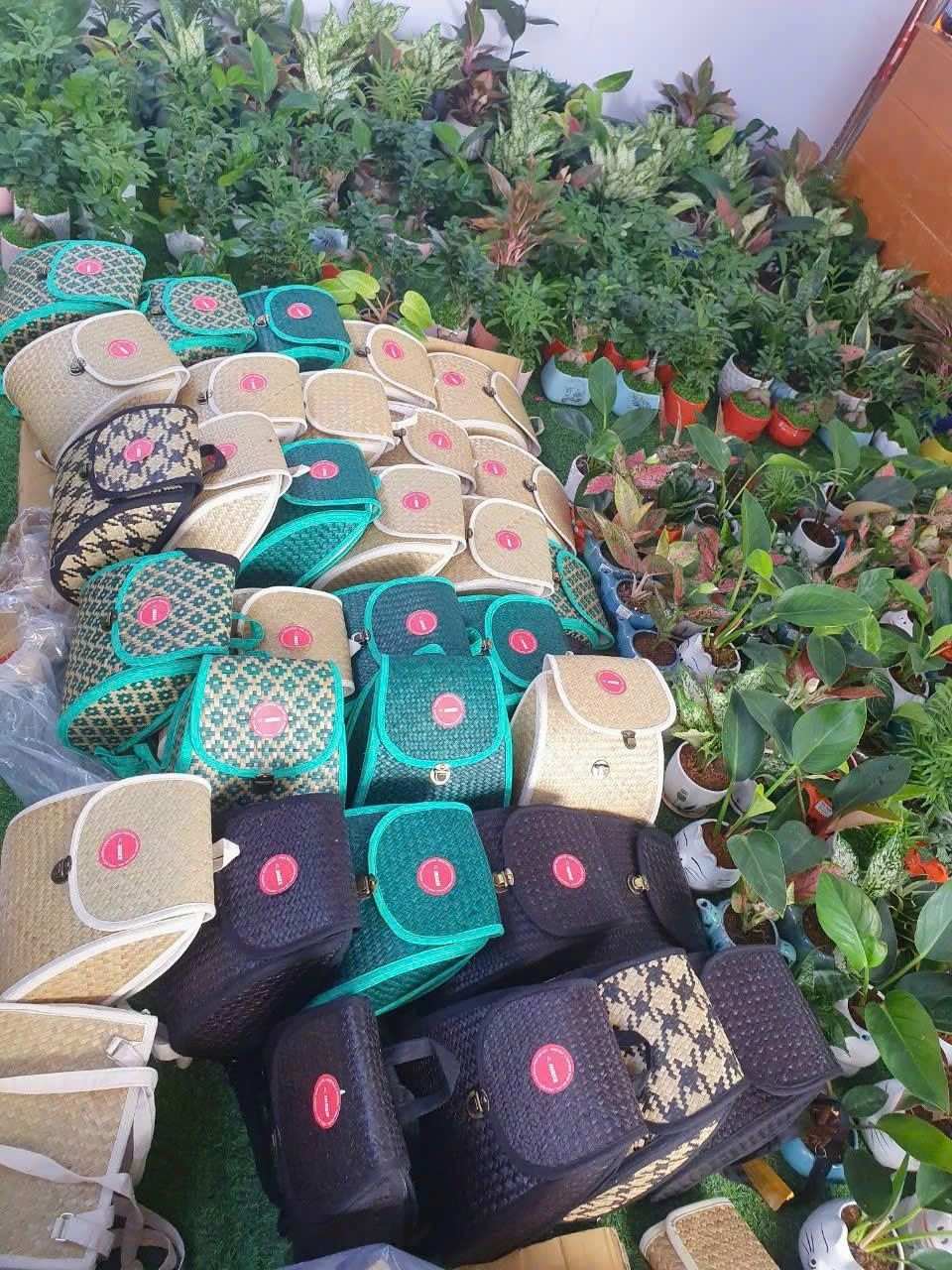
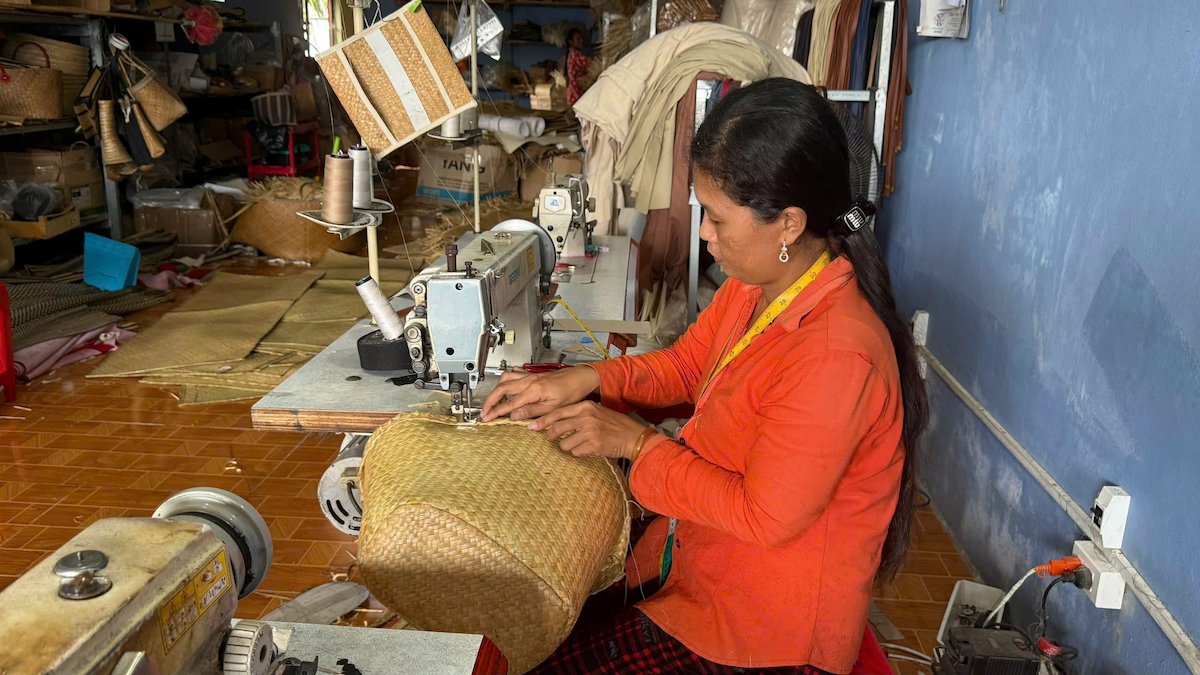
From the beginning, the project recognized that protecting wetlands would only be sustainable if local communities also benefited. That is why the initiative integrated conservation with livelihood support, especially through handicraft production from Lepironia. This created a model in which environmental protection and community welfare reinforced one another rather than competing with each other.
Lepironia handicraft as a livelihood innovation
One of the most distinctive features of the project was the creation of income-generating handicraft production from Lepironia, implemented by ICF with Holcim sponsorship. Villagers received skill training to make fine handicrafts, and the project eventually developed into a functioning production and market model. The first batch of handbags was exported to Japan in November 2005. Eleven years later, the initiative still supported 15 full-time workers, 2 management staff, and 200 participating families out of 350 households in the village, while daily income had increased from 10,000 VND before the project to 45,000 VND. The initiative was further recognized through the UNDP Equator Prize in 2012.
A “win-win” approach between people and nature
The project explicitly frames itself as a “win-win solution”: local people’s income increases while the wetland is protected for the Sarus Crane. This is a critical innovation because it avoids the common conservation problem of treating communities as external to nature protection. Instead, it positions them as co-beneficiaries and co-stewards.
Science-based, annually maintained conservation work
The project goes beyond initial setup by maintaining annual wetland conservation activities with universities, including soil monitoring, wildlife monitoring, invasive alien species control, and restoration of degraded wetlands. This makes the initiative an active ecological management program rather than a one-time reserve designation.
A multi-stakeholder conservation process
Another important innovation is the project’s engagement model. It brought together local authorities, NGOs, universities, students, media, and experts through training, workshops, field studies, meetings, proposal development, and joint site visits. This collaborative structure helped build both technical legitimacy and local ownership.
From local conservation project to Net Positive Impact roadmap
Since 2021, the project has been incorporated into INSEE’s wider biodiversity ambition to achieve Net Positive Impact (NPI) by 2030. In 2022, the Vietnam team followed the IUCN framework and the Biodiversity Indicator and Reporting System (BIRS) to develop a detailed NPI action plan. In 2023, the South Institute of Ecology reviewed and validated the plan. This turned the project from a local conservation initiative into a structured, externally reviewed biodiversity strategy.
The long-term vision of the project is to demonstrate that industrial development can be responsibly linked to biodiversity conservation through a model that is measurable, credible, and replicable. At the strategic level, INSEE aims to achieve Net Positive Impact on Biodiversity by 2030, meaning the biodiversity value of the landscapes influenced by the company’s operations should be higher than the verified baseline rather than merely compensated or stabilized. The project also supports INSEE’s ambition to become the first cement brand in Vietnam to publicly announce a roadmap toward net positive biodiversity impact.
More specifically, the project pursues several linked goals: to protect and restore crane feeding habitats and seasonal wetlands; to reduce biodiversity loss associated with raw material extraction; to support local communities through livelihood development and education; to build a long-term conservation system based on monitoring, restoration, management capacity, and stakeholder collaboration; and to demonstrate that biodiversity outcomes can be integrated into the sustainability strategy of a heavy industry business.
Implementation process - Scope - Cost
Phase 1: Project setup and early conservation-livelihood model (2004–2016)
In September 2004, the Phu My Lepironia wetland conservation project was established
Between 2004 and 2009, activities included project setup, market research, socio-economic surveys, handicraft production, skill training in making and selling Lepironia products, crane and wetland monitoring, water control, weed control, and biodiversity surveys.
Between 2010 and 2012, monitoring, water control, and weed control continued, while fire control for the production site was added and the province was supported in setting up Phu My Nature Reserve.
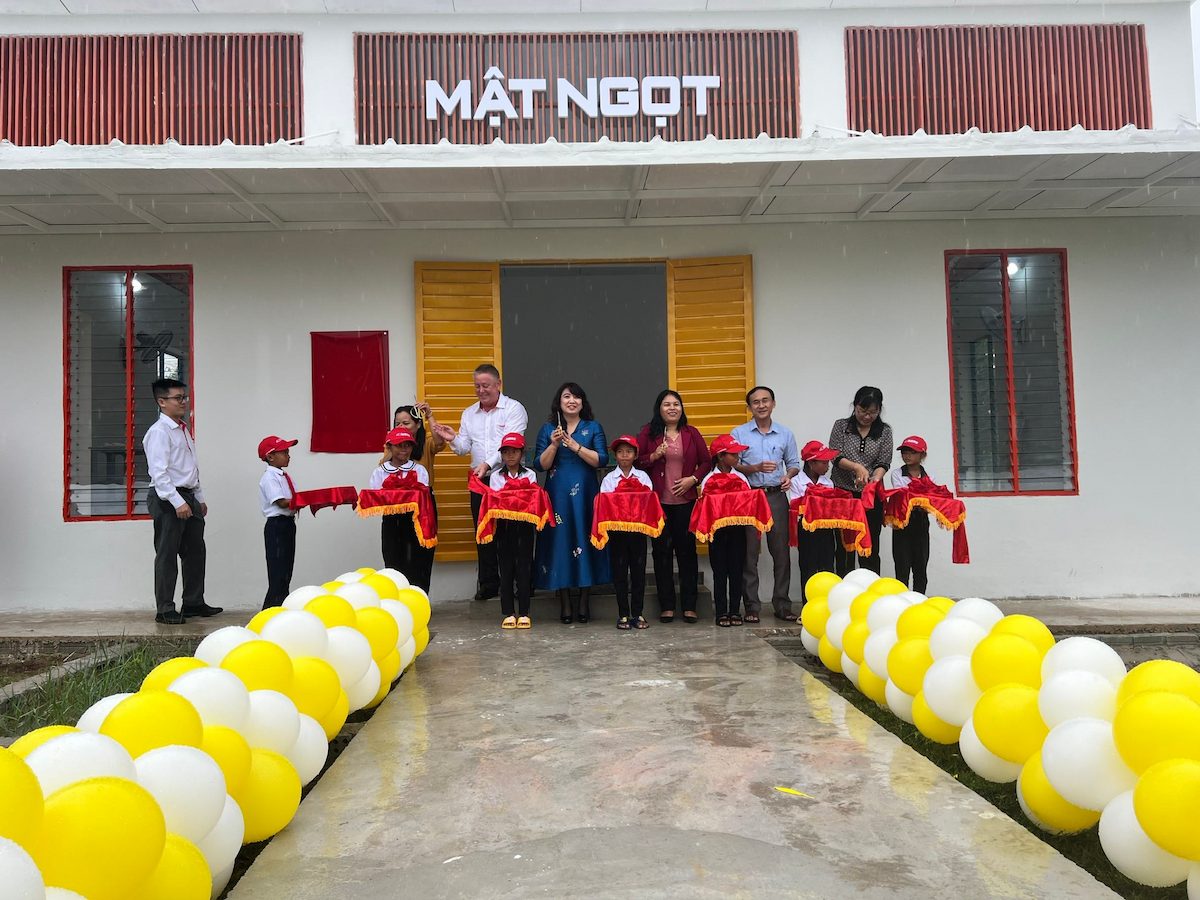
Between 2013 and 2016, Phu My Nature Reserve was officially established. Additional community support included a rainwater reservoir for the local community and yearly dental treatment for Phu My primary school.
Phase 2: Strengthening technical and institutional foundations (2019–2023)
INSEE and IUCN analysed the status of PMNR and proposed a protected dyke.
Feasibility of the offset plan was studied together with provincial authorities and NGOs.
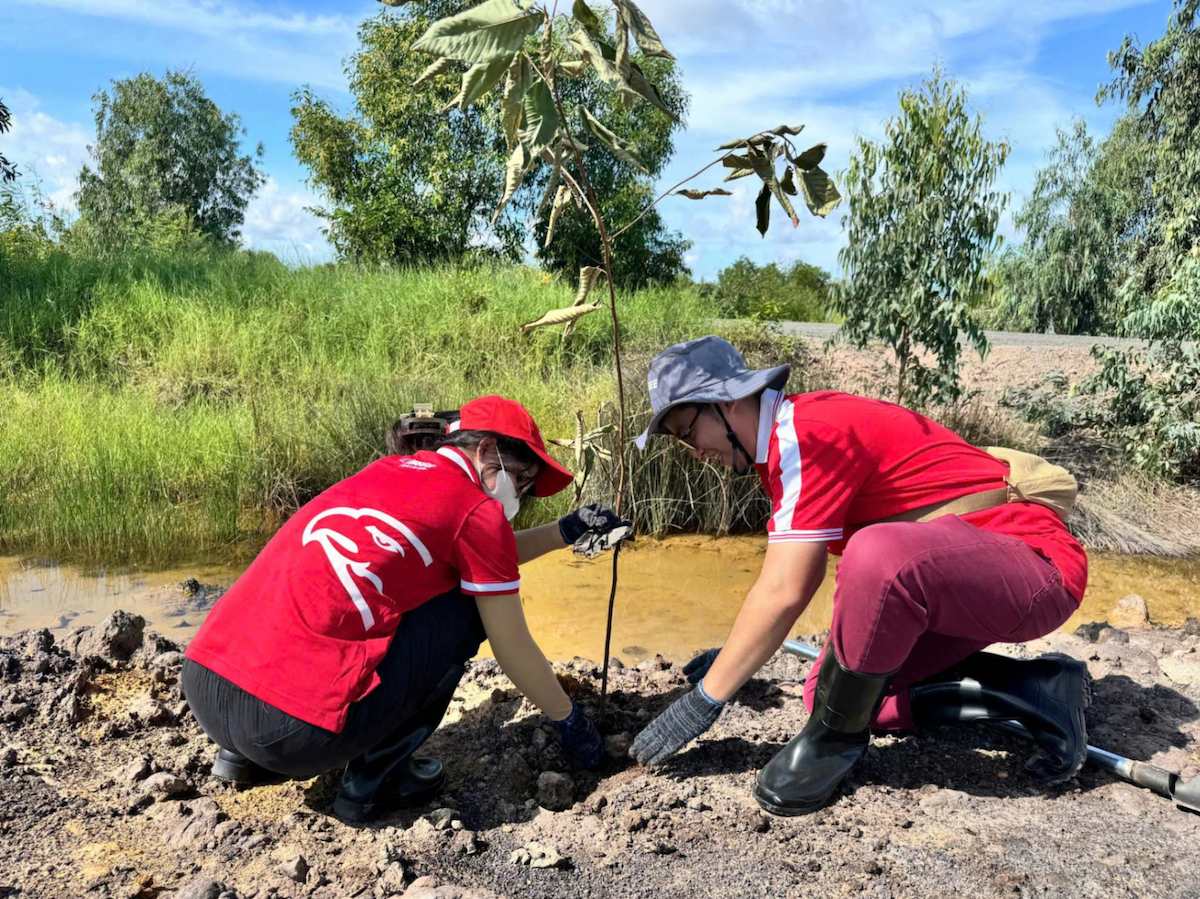
The offset plan was then implemented, including protected dyke construction and native tree planting.
Annual conservation activities continued with universities through soil monitoring, wildlife monitoring, invasive species control, and wetland restoration.
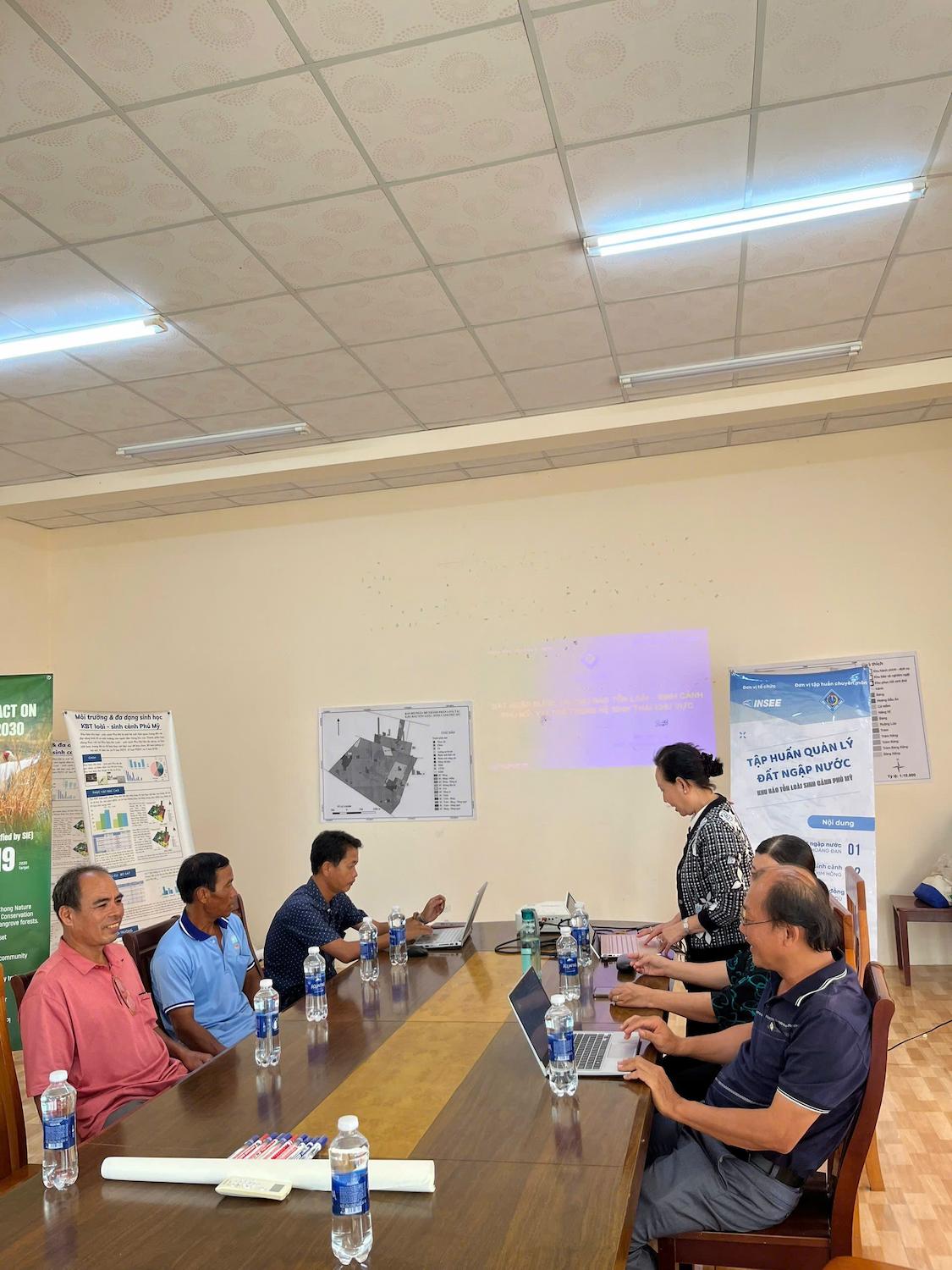
Multiple training and workshop activities were conducted with local authorities, NGOs, media, students, and experts.
Phase 3: Building the NPI 2030 roadmap
In 2021, the group’s sustainable development ambition formally defined the target of achieving net positive impact on biodiversity by 2030.
In 2022, the Vietnam team used the IUCN framework and BIRS to work out the detailed NPI action plan.
In 2023, the South Institute of Ecology checked and validated the plan.
The validated roadmap includes biodiversity value targets, actions across habitat areas and offset projects, and a defined biodiversity action plan dominated by tree planting and restoration.
Scope of actions through 2030
Planting 110,000 local native trees to improve habitat condition.
Offset projects in Phu My Nature Reserve, Hon Chong Nature Reserve, and mangrove forest restoration.
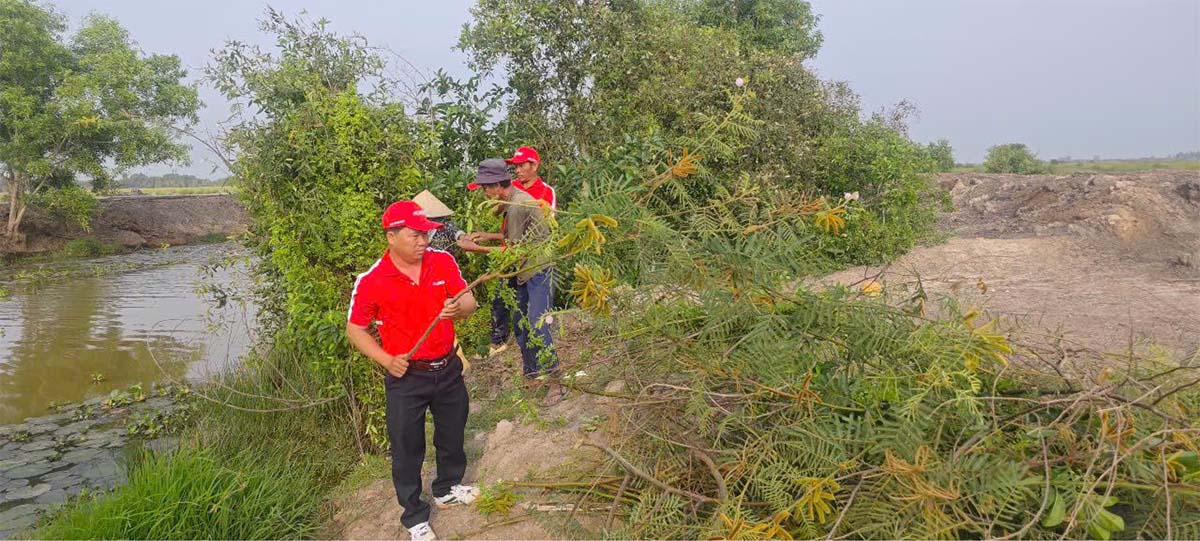
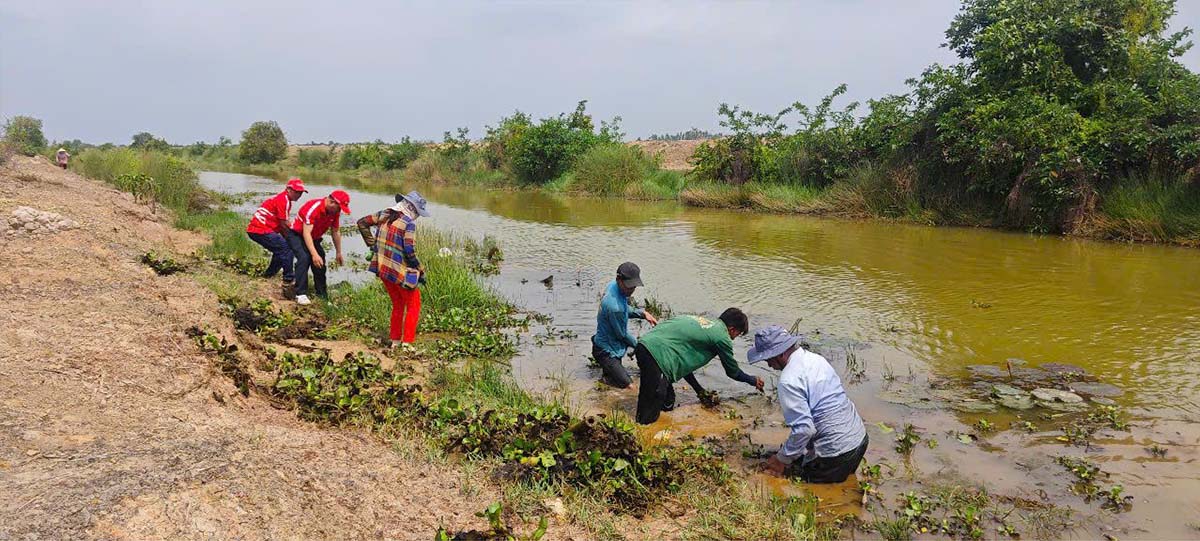
Removal of invasive species.
Community income activities through handmade products and plant nurseries.
Capacity-building for managers in Phu My and Kien Luong.
Biodiversity communication through website and media cooperation.
Budget and cost structure
The key biodiversity action plan was initially estimated at 3.82 billion VND.
After SIE assessment, the cost increased from 3.8 to 4.1 billion VND, excluding organizational costs such as administration, transportation, accommodation, and event-related fees.
The increase was linked to recommendations for more local native trees, stronger biodiversity awareness activities, and better monitoring and evaluation approaches.
2025 implementation and 2026 continuation
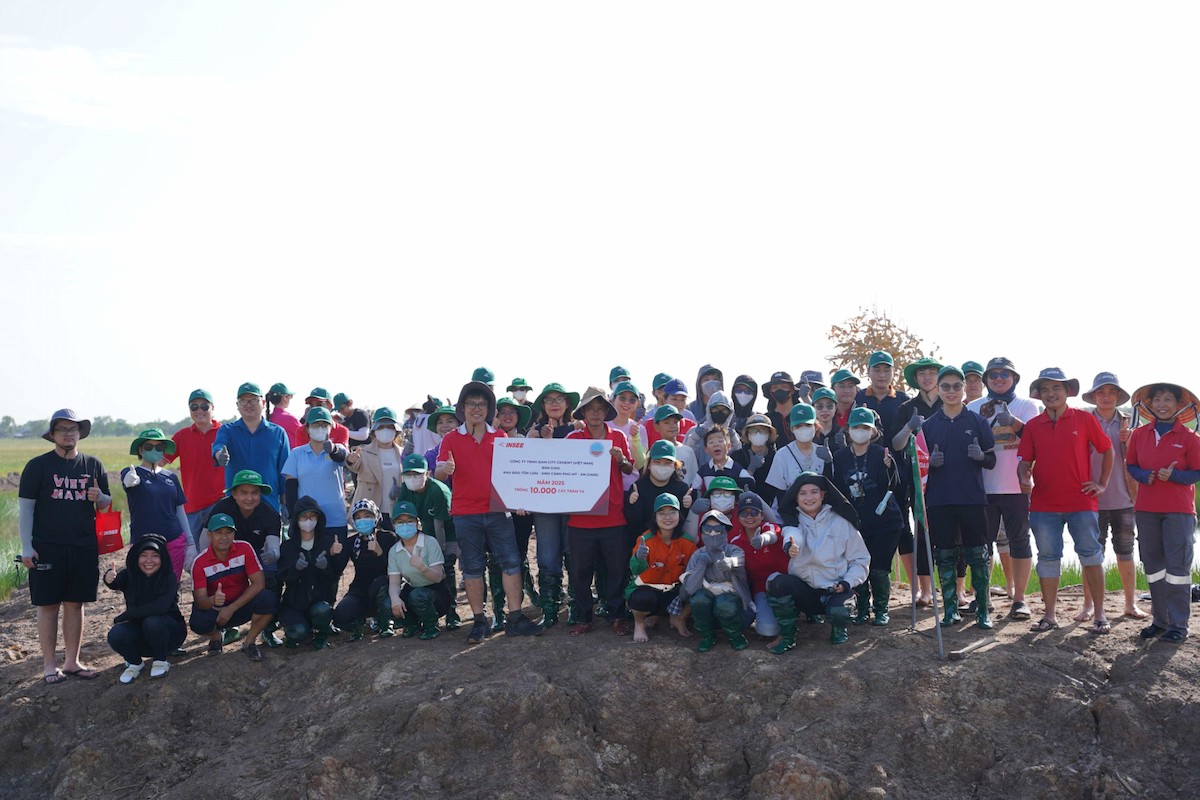
INSEE completed the full 2025 annual NPI action plan, including approvals, invasive plant removal, planting 10,000 trees plus later 1,000-tree phases, staff training, local handicraft purchasing, website and publication updates, media partnership work, and stakeholder meetings.
For 2026, the next phase emphasizes replanting and continued restoration, including 10,000 replanted trees, 8,300 additional trees, and further 3,000-tree phases across Phu My, Hon Chong, and mangrove areas, alongside communication and stakeholder engagement activities.
Institutional and model-building results
PMNR was formally established as a biodiversity offset initiative in 2016.
The project demonstrates how cement sector expansion can be responsibly linked to biodiversity conservation.
The NPI 2030 roadmap has been technically reviewed and validated by SIE, giving it stronger credibility and implementation discipline.
Livelihood and community results
The Lepironia handicraft initiative increased local income and created lasting employment.
Products were exported to Japan as early as 2005.
Eleven years later, 200 families were participating and daily income had risen from 10,000 VND to 45,000 VND.
The initiative received international recognition through the UNDP Equator Prize in 2012.
Habitat restoration and tree planting results
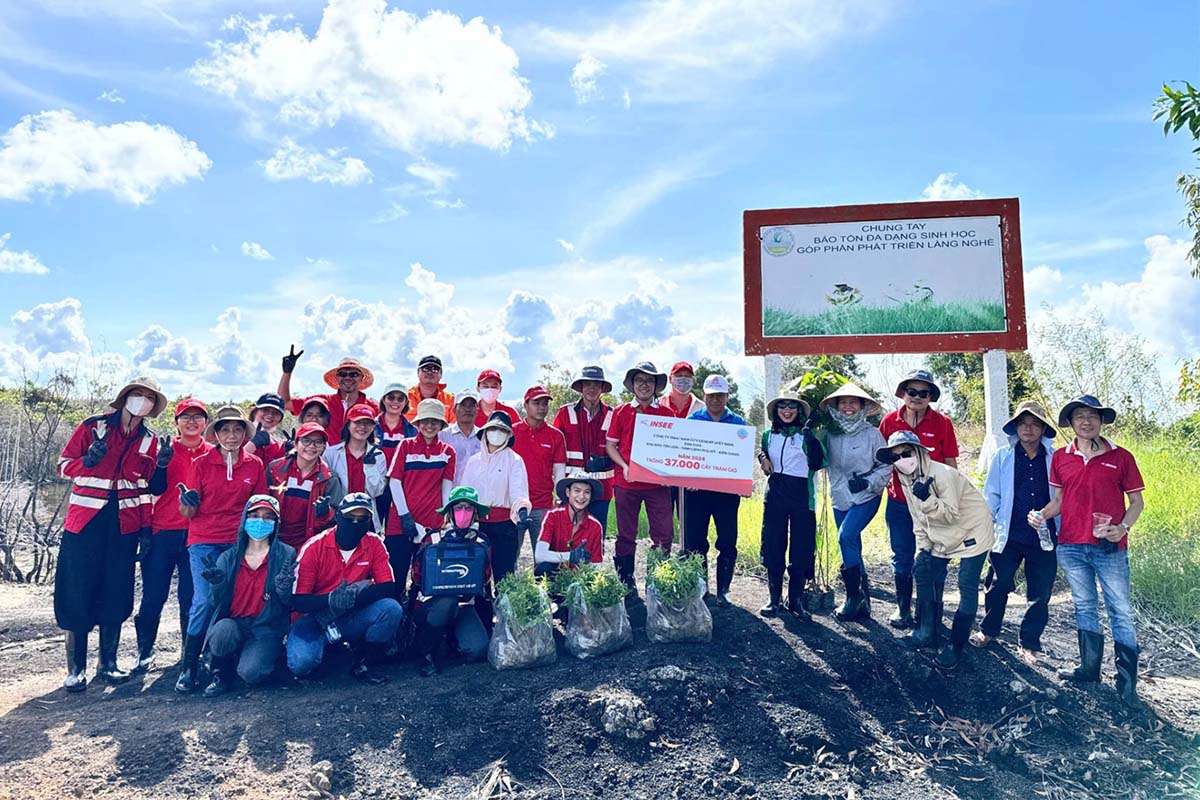
INSEE handed over 37,000 local native trees to Phu My NR in 2023 - 2024.
In August 2025, 10,000 Melaleuca trees were planted in PMNR, with Ecocycle customers invited to join the activity.
In early October, 1,000 Avicenia trees were planted in two Hang Tien mangrove locations.
In December 2025, 1,000 Melaleuca cajuputi trees were planned for planting in a bare land area at the HC plant.
Reduction of ecological pressure
Land inside the reserve was illegally occupied in 2021 but cleared in 2023.
Invasive species removal focused on Mimosa pigra and Pontederia crassipes in Phu My NR.
Protective measures, including habitat restoration and canal construction around the core protected area, were used to improve ecological conditions.
Sarus Crane recovery signals
Crane counts in Phu My NR were relatively high from 2008 to 2016, often above 100 birds and sometimes above 200.
Numbers then declined sharply because of habitat loss caused by rice farms and shrimp farms inside and outside the reserve, reaching 0 cranes in 2023.
Following restoration and protection efforts, the cranes began to return, with 9 cranes in 2024 and 23 cranes in 2025.
The return of more than 23 Red Sarus Cranes in March 2025 was presented as a major positive milestone after a long period of decline.
Capacity-building and governance results
PMNR managers and employees received a 2-day wetland biodiversity management training delivered by professors from Can Tho University.
The program covered wetland value and protection, ecological monitoring, habitat restoration, community collaboration, and field application.
The project also maintained regular governance through internal steering reviews and external validation.
Communication and visibility results
INSEE’s biodiversity activities in Kien Giang have been regularly updated on the corporate website and shared to the media.
Public communications covered tree planting, crane return, invasive species removal, habitat restoration, media cooperation, and agreements with IUCN.
This has helped turn the project into a visible sustainability narrative rather than a purely internal conservation effort.
The model is replicable because it integrates ecology and livelihoods
One of the project’s greatest strengths is that it does not treat conservation and local welfare as competing priorities. By linking wetland protection with income from Lepironia handicrafts and other livelihood support, the model offers a practical pathway for other ecologically sensitive landscapes where conservation can only succeed with community participation.
The model has a strong technical foundation
Because it uses structured biodiversity indicators, an IUCN-based planning framework, third-party validation by SIE, and defined habitat action categories, the model is suitable not only as a local conservation example but also as a reference for other industrial companies seeking to integrate biodiversity into sustainability strategy.
The model is adaptive and evidence-based
The project has already demonstrated its ability to revise assumptions, adjust offset areas, replace difficult-to-monitor marine habitats with more practical mangrove forests, and strengthen native planting and monitoring logic after expert review. This flexibility improves its value as a replicable model because it can be adapted to different local conditions.
The model is broader than tree planting
It combines wetland restoration, invasive species control, protected area management, mangrove restoration, community livelihood development, training, stakeholder consultation, and public communication. That breadth allows other organizations to adopt the model in parts or as a full system depending on their ecological and social context.
The model combines narrative power with tangible evidence
The return of the Red Sarus Crane, the documented decline-and-recovery pattern, the livelihood outcomes from the Lepironia program, and the validated NPI roadmap together make this project both measurable and compelling. It is therefore well positioned as a model that can be scaled, adapted, or referenced in biodiversity and ESG practice in Vietnam.
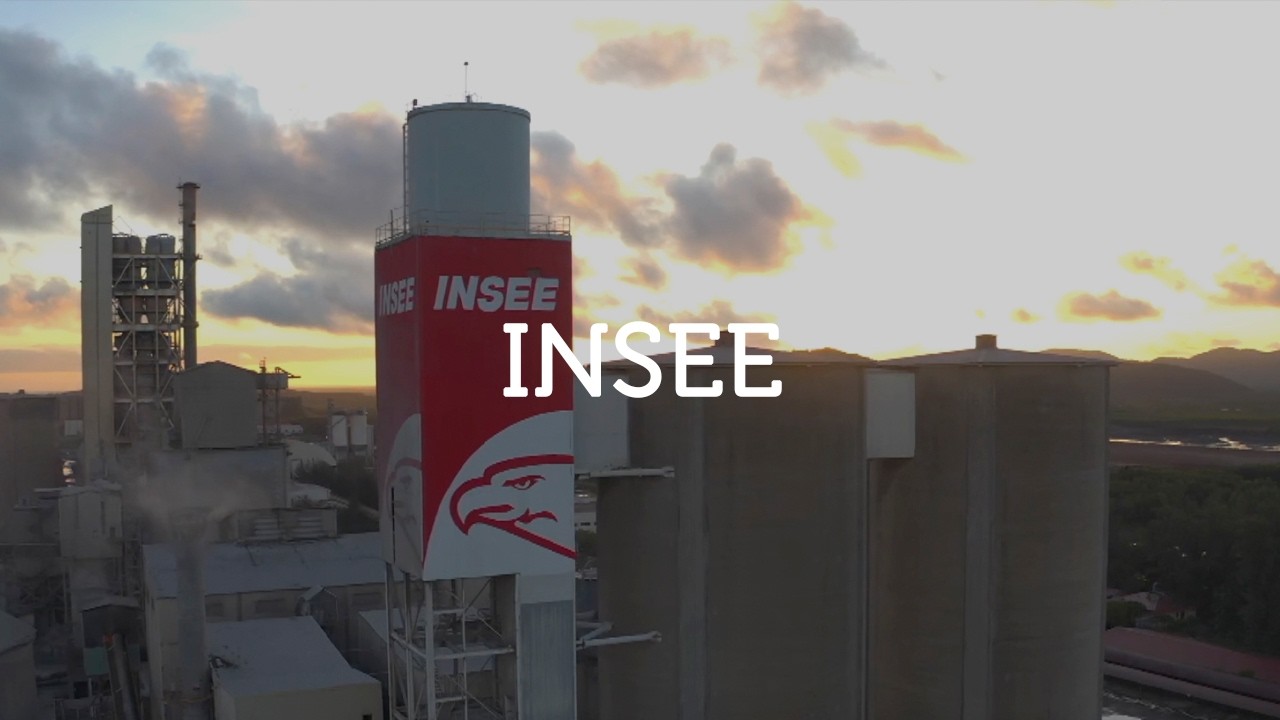
INSEE Vietnam – Empowering students and advancing biodiversity for sustainable change
Case ownership
Hosting Organisation: Siam City Cement (INSEE Vietnam) Co., Ltd.
Collaborating Partners: International Crane Foundation (ICF); International Union for Conservation of Nature (IUCN); Vietnam Southern Institute of Ecology (SIE); Local authorities in the Phu My – Kien Luong area; Local communities, particularly the Khmer ethnic group; Universities and relevant ecological experts
Stakeholders and beneficiaries: Local communities living around the Phu My Wetland Reserve; Residents whose livelihoods depend on Lepironia (grey sedge) harvesting; Reserve management teams and local government bodies; The Phu My wetland ecosystem, grasslands, and mangroves; Native flora and fauna, specifically the Sarus Crane; Industrial enterprises looking to adopt biodiversity offset models
Source: INSEE
The copyright and legality of the images, videos, information, and data regarding this project, as published on this landing page (project information page), are provided and held responsible for by the individuals/organisations collaborating with RMIT University Vietnam.
Specific SDG targets
SDG 12.2
Sustainable management and efficient use of natural resources
SDG 12.6
Encouraging companies to adopt sustainable practices and integrate sustainability information into their reporting cycle
SDG 15.1
Conservation, restoration, and sustainable use of terrestrial and inland freshwater ecosystems, particularly wetlands
SDG 15.2
Reducing the degradation of natural habitats, halting the loss of biodiversity, and protecting threatened species
SDG 15.8
Preventing and controlling invasive alien species
SDG 17.16
Enhancing multi-stakeholder partnerships to support the achievement of sustainable development goals
SDG 17.17
Encouraging and promoting effective public, public-private, and civil society partnerships