The project's goal is to build AI capabilities among Vietnamese engineers and students, while also fostering a vibrant AI community to encourage innovative entrepreneurship.
Amid the global AI wave, Vietnam needs to rapidly strengthen its ability to master technology in order to avoid external dependence and not miss the opportunities of the new industrial revolution. The project seeks to make a practical contribution to the national strategy on innovation and digital transformation. The initiative began in 2024 and has continued to expand מאז, with a range of product initiatives, events, and strategic partnerships implemented nationwide.
As AI becomes a central driver of global growth, Vietnam still faces significant constraints in research capacity, GPU infrastructure, and high-quality talent. In response to this reality, the program has been developed to support the effective implementation of Resolution No. 57-NQ/TW on breakthroughs in science, technology, innovation, and national digital transformation, while also aligning with Resolution No. 68-NQ/TW on private sector development through a three-way partnership model linking government, universities, and businesses. However, this process continues to face both internal and external challenges, including the technology gap between Vietnam and leading international AI hubs, AI workforce demand far exceeding current training capacity, and the lack of effective coordination between government, academia, and industry. In this context, the project plays an important bridging role between technology infrastructure, training, and practical application, thereby helping to shape Vietnam’s position on the regional AI landscape.
Main solutions
- Implementing the three-partnership model of government, universities, and businesses
- Developing practical AI products tailored specifically for Vietnamese users
- Building events and communities that foster AI connection and collaboration
Strategic direction
VNG will roll out initiatives that promote start-up development and the commercialisation of science and technology innovation. VNG will establish an Artificial Intelligence Research and Laboratory Centre at VNG Campus, providing workspace and GPU computing capacity for university-based and independent research teams, similar to a co-working model. Through this support, VNG aims to create conditions for research groups to publish in reputable international scientific journals and, further ahead, to present at leading specialist AI conferences, thereby helping elevate Vietnam’s standing on the global research map.
Core approach
A multi-stakeholder model centred on people and indigenous technological capability.
Key activities implemented
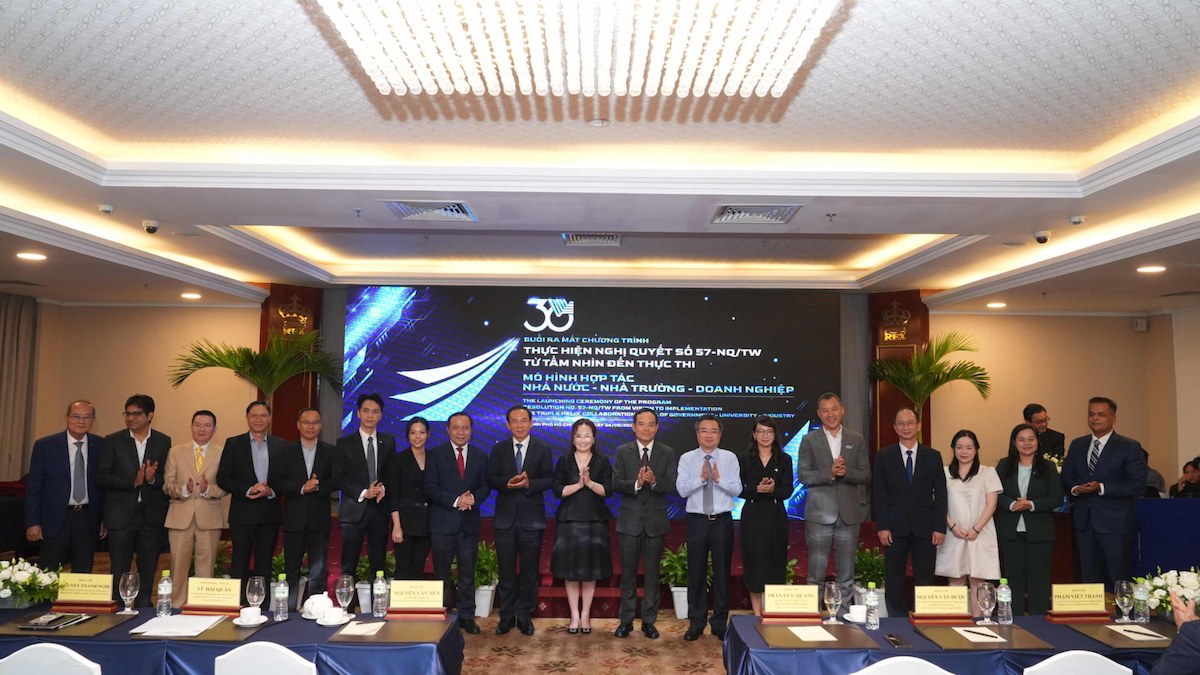
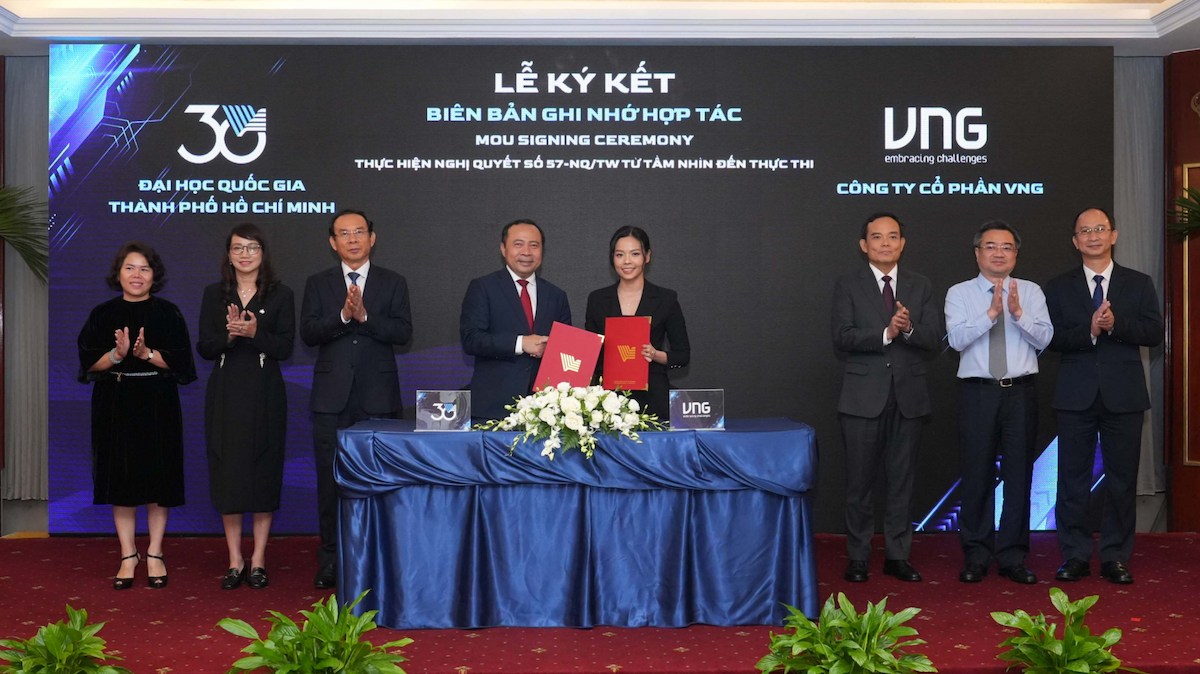
- Signing a cooperation agreement with Vietnam National University, Ho Chi Minh City in May 2025
- Establishing an AI Research and Laboratory Centre at VNG headquarters
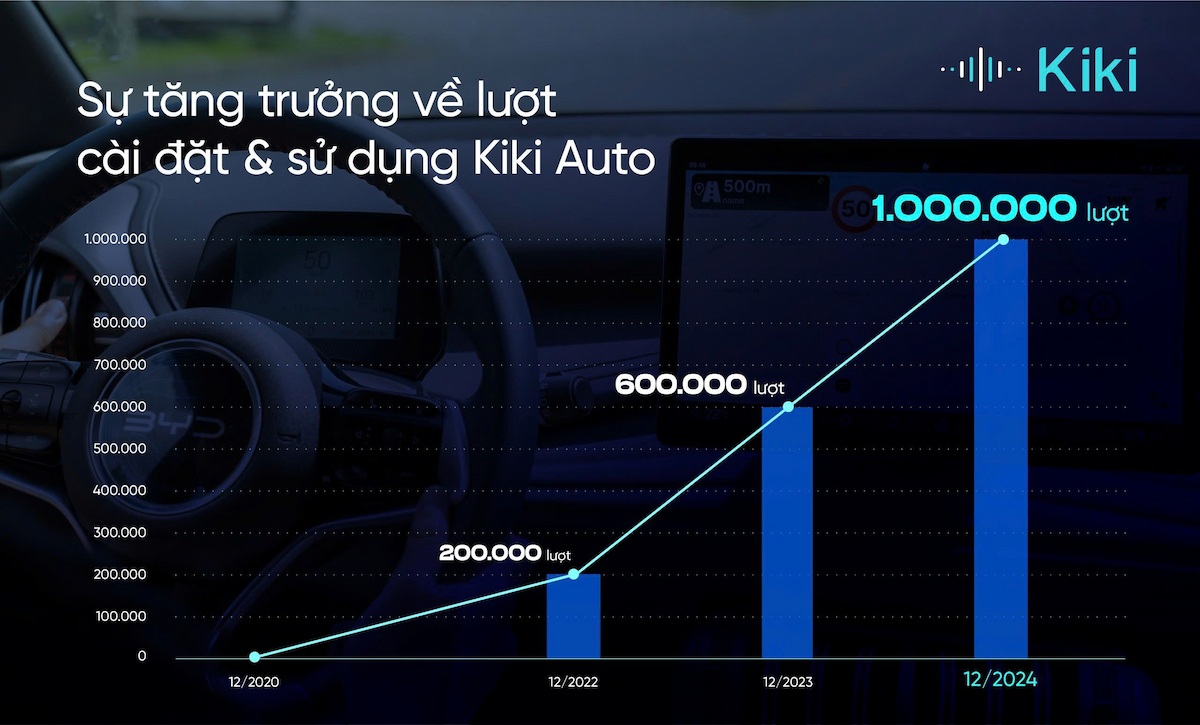
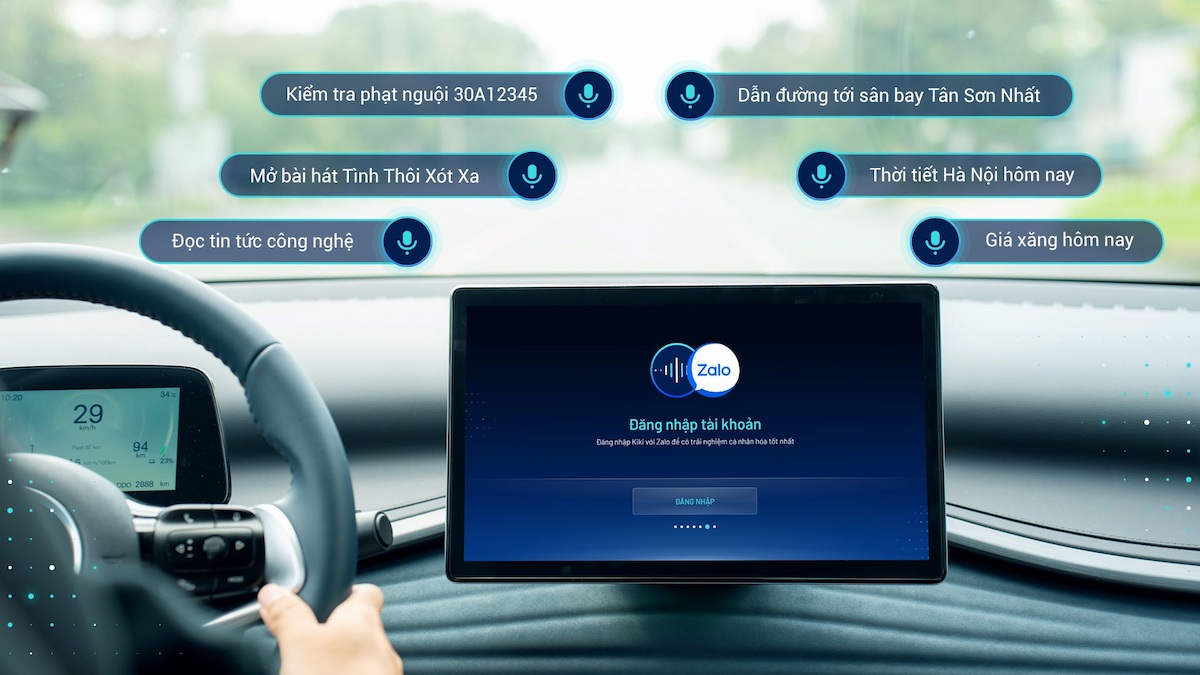
- Developing a suite of AI products, including Kiki Auto, VMLU, Kiki Info, and KiLM
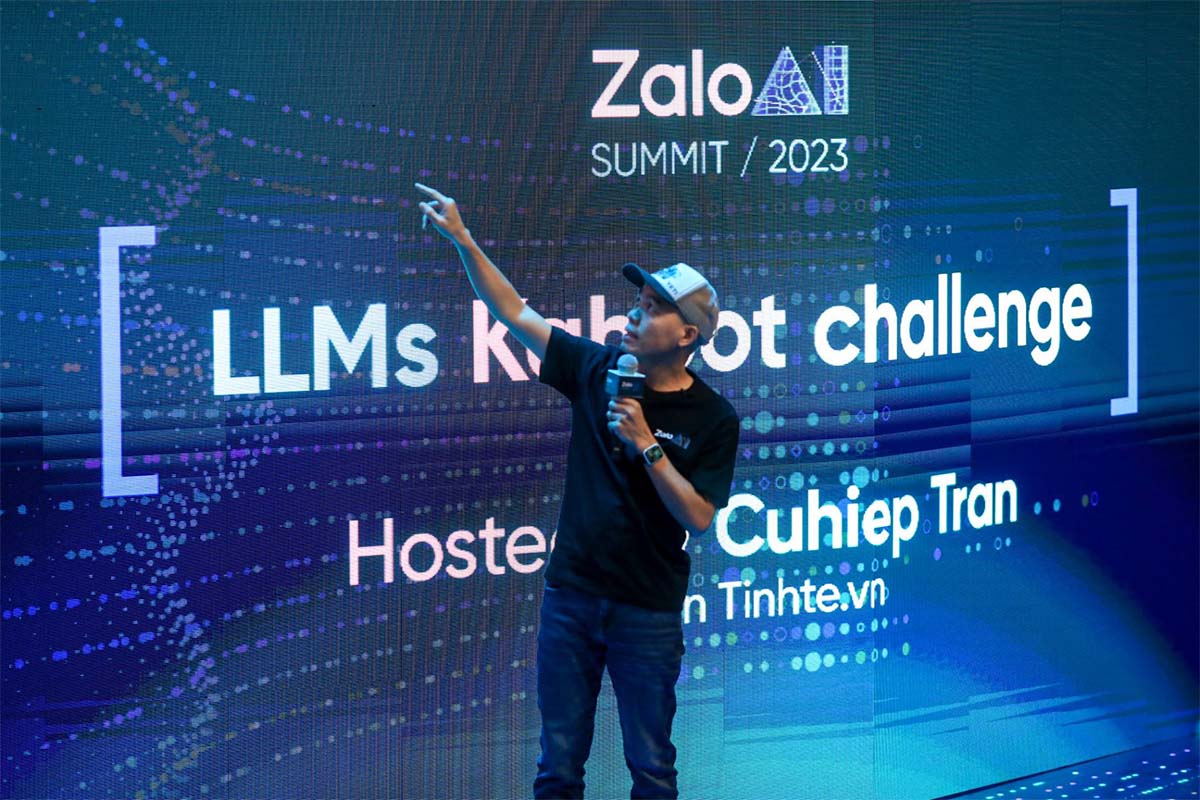
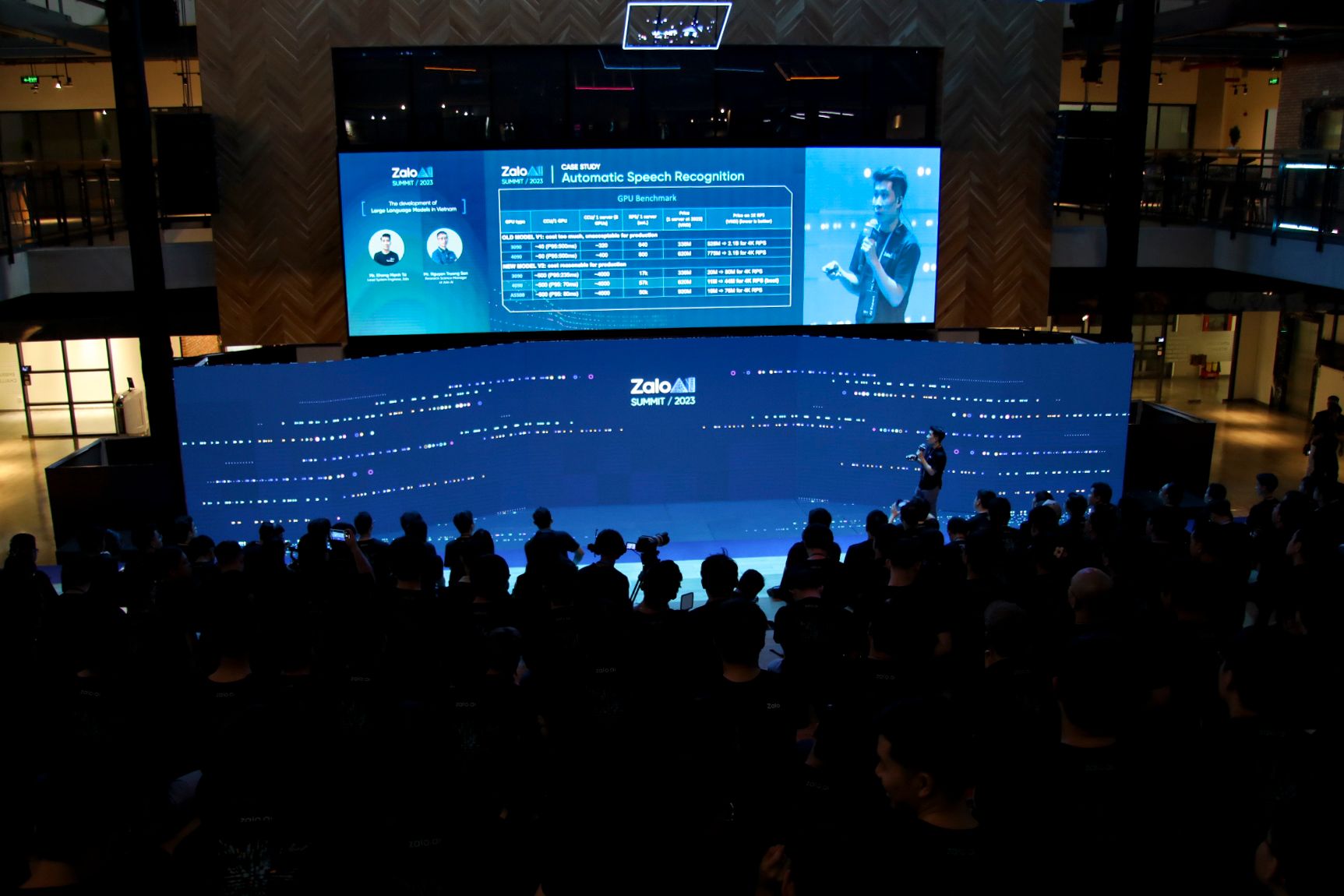
- Organising community events such as Zalo AI Summit and Zalo AI Challenge
Tools, platforms, and innovations applied
GPU infrastructure, the VMLU evaluation platform, and AI application systems designed for Vietnamese users.
Long-term vision: VNG sees deep collaboration between government, universities, and businesses not only as a policy direction, but as an inevitable trend and a foundational solution to the challenge of high-quality talent development and the advancement of national innovation.
Commitment to scale and sustainability: Long-term investment in talent development and research infrastructure.
Plans to increase impact and innovate the model: Expanding international partnerships, developing more breakthrough AI products, and nurturing the next generation of AI start-ups.
Implementation Process - Scope - Budget
Key milestones
2024: Launch of the AI-First initiative, accompanied by a suite of AI products
2025: Strategic partnership with Vietnam National University, Ho Chi Minh City, and establishment of an AI laboratory
Geographic scope
Nationwide, with a focus on Ho Chi Minh City, Hanoi, and Da Nang
Budget or funding commitment
In May 2025, VNG signed a cooperation agreement with Vietnam National University, Ho Chi Minh City, committing VND 25 billion over three years to research and development activities, while also supporting the training of at least 1,000 high-quality students.
Social impact
- Training 1,000 high-quality students
- Engaging 155 contributors in the development of VMLU
- Creating a broad-based space for connection across the AI community
Economic impact
- Advancing the potential of Vietnamese AI start-ups
- Opening up opportunities for AI application across a wide range of business sectors
Technological impact
- Kiki Auto has reached 1 million installs
- VMLU supports the evaluation of 45 large language models
- Kiki Info and KiLM have brought Vietnamese AI capabilities close to the level of GPT-4
Scalability: The model has the potential to grow into a regional AI network across Southeast Asia.
Success factors: A combination of technology infrastructure, practical products, and educational collaboration.
Outreach strategy: Through initiatives such as Zalo AI Summit, AI Challenge, media partnerships, and international forums.


Case Ownership
Hosting Organisation: VNG Group
Relevant Brand/Organisation: Zalo
Collaborating Partners: Vietnam National University, Ho Chi Minh City; Research institutes and universities; AI communities both within Vietnam and internationally
Stakeholders and beneficiaries: AI students and researchers, AI engineers and the Vietnamese technology community, Technology startups, Businesses and organisations interested in AI applications, Government agencies and the national innovation ecosystem
Source: VNG
The copyright and legality of the images, videos, information, and data regarding this project, as published on this landing page (project information page), are provided and held responsible for by the individuals/organisations collaborating with RMIT University Vietnam.
Specific SDG targets
SDG 4.4
Substantially increase the number of young people and adults with relevant skills for employment, decent work, and entrepreneurship
SDG 9.5
Strengthen scientific research and upgrade the technological capabilities of industries
SDG 9.c
Increase access to information and communications technology
SDG 17.16
Enhance multi-stakeholder partnerships to support the achievement of the Sustainable Development Goals
SDG 17.17
Encourage and promote effective partnerships across the public sector, public - private sector, and civil society