Over nearly 10 years (2021–2030), the project aims to build and renovate 1,000 restrooms for schools in disadvantaged socio-economic areas.
Established in 2014, the Vietnamese Stature Foundation (VSF) is a non-profit organisation dedicated to the Sustainable Development Goals (SDGs), particularly those related to education, health, equity, and the environment.
The "1,000 Restrooms" (Wishes for Children) project is a large-scale, long-term initiative implemented by VSF in collaboration with the Vietnam Volunteer Centre (VVC) under the Ho Chi Minh Communist Youth Union Central Committee and the Ministry of Education and Training (MOET), along with sponsorship from TH Group and Bac A Commercial Joint Stock Bank.
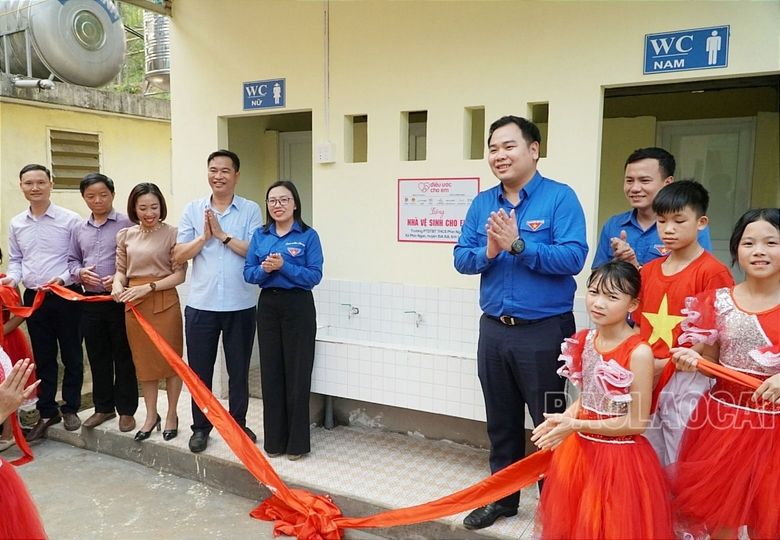
The project contributes to improving school hygiene conditions and enhancing school health. With an average cost of 60 million VND per toilet, the total implementation budget is 60 billion VND. As of October 2023, the project has commenced construction on nearly 100 restrooms in the provinces of Lai Chau, Lao Cai, Yen Bai, Tuyen Quang, Bac Kan, Lang Son, and Quang Tri, 35 of which have already been put into use.
A 2020 report from the Ministry of Education and Training showed that 30.6% of school toilets nationwide did not meet standards, with 22.8% not constructed properly. This is equivalent to hundreds of thousands of sub-standard restrooms across the country. This is primarily due to a lack of attention from educational institutions - viewing toilets merely as "additional structures" - and a lack of funding for maintenance and new construction.
The Department of Facilities under MOET pointed out that the poor awareness of some students when using toilets is one of the reasons for rapid damage and degradation. Additionally, the report "Formative Research on Rural Water Supply, Sanitation, Hygiene, and Nutrition in Viet Nam", published by UNICEF in early 2023 showed that "student facilities were in a state of disrepair, with many students reporting that they resorted to open defecation or going home to use bathroom facilities, did not wash their hands, and did not drink clean water. Disparities also existed between schools; satellite schools had less access to WASH facilities, with restrooms often being locked and abandoned, water supply not being available, and a lack of handwashing facilities."
Experts and major organisations like the WHO emphasise the importance of having standard toilets for the health and learning efficiency of students. The School Health Program 2021-2025 has also made school hygiene one of its top priorities.
In terms of technology, the 1,000 Restrooms utilises the online portal inhandao.vn as one of the channels to identify schools in need of restroom renovation and new construction, alongside using statistical lists from the MOET and surveys from Ho Chi Minh Communist Youth Union agencies.
The following factors has highlighted the novelty, creativity, and distinction:
Apart from construction, the restrooms also provide hand soap, handwashing instruction boards, thus raising awareness, enhancing knowledge and skills for the use and protection of restrooms, clean water sources, personal hygiene, and environmental sanitation.
It has received joint efforts from multiple parties, including the Ho Chi Minh Communist Youth Union Central Committee, the Ministry of Education and Training, the Vietnam Red Cross Society, and the Digitalised Vietnam Knowledge System Project, with the support of TH Group, Bac A Commercial Joint Stock Bank, and several other businesses.
Scale of construction: 1,000 facilities.
Implementation period: 10 years.
Implementation area: nationwide.
Vision
Based on Decision No. 1660/QD-TTg on October 2, 2021, the Government encouraged contributions from organisations and individuals to strengthen resources for the School Health Program for the 2021-2025 period. For the Vietnamese Stature Foundation, this serves as the driving force to implement the 1,000 School Toilets project. This joint effort with the Government aims to achieve the goals of the School Health Program and other National Target Programs. The project is also closely linked to the "Wishes for Children" Program implemented by the Ho Chi Minh Communist Youth Union, the MOET, the Vietnam Red Cross Society, and the Digitalised Vietnam Knowledge System Project (iTrithuc).
For TH Group, this partnership demonstrates the core values they cultivate: the belief that people are the centre of society, and their comprehensive physical and mental development is a crucial factor for the country's growth. For a nation to be strong, it requires not only nutrition from food but also proper healthcare. Investing in health and education is a strategic investment in the nation's future.
Objective
Over a nearly 10-year period (2021-2030), the project aims to improve school restrooms, awareness of toilet use and maintenance, as well as the personal hygiene knowledge and practices of students in disadvantaged areas nationwide. This contributes to improving student health, thereby supporting the overall goals of the School Health Program and the National Target Programs for the 2021-2025 period.
Specifically, the project sets the following objectives:
- Improve school toilets in disadvantaged regions across the country
- Enhance students' knowledge and skills regarding preservation
- Utilise toilets so that they are used long-term and rationally, protect clean water sources, care for personal hygiene, and maintain environmental sanitation
- Increase access to free, high-quality personal hygiene products
Implementation Process - Scope - Budget
Implementation Process
The project is not limited by geography and is implemented nationwide, with priority given to areas with difficult socio-economic conditions, such as the Northern mountainous region, the Central Highlands, and the Mekong Delta.
The project's activities include:
- Build 1,000 school toilets in disadvantaged areas nationwide
- Install 1,000 handwashing instruction boards
- Provide hand soap to schools participating in the project
- Hold at least 15 Clean Water and Sanitation Festival events at participating schools
- Hold at least 60 training classes
- Organise campaigns and competitions on proper toilet preservation and use, clean water, personal hygiene, environmental sanitation, and personal hygiene linked to reproductive health care
Project Implementation Cost
The project was initiated based on the urgent needs of schools across the country. The reality of sub-standard and non-permanent toilets, combined with a lack of awareness in usage and preservation by students, has been clearly highlighted through research and reports by specialised agencies and widely reported in the media. This project is a direct response to the Government's call under Decision No. 1660/QD-TTg dated October 2, 2021, acting as a measure based on actual needs and scientific evidence.
The toilet construction plan follows standards set in Decision No. 878/QD-BGDDT dated March 1, 2021, by the Ministry of Education and Training, but is flexibly adjusted to suit each locality and school. This is a participatory and consensus-based approach.
Each toilet in the project spans 14m², with separate areas for males and females. These toilets can serve up to 70 students. The handwashing area is equipped with detailed instructions and free hand soap services from partner enterprises. With these features, the toilet model is suitable for small schools or large schools with a facilities shortage.
Each toilet costs 60 million VND. Constructing 1,000 toilets will cost 60 billion VND, alongside 1.5 billion VND for coordination between partners. These costs do not yet account for contributions from partner enterprises in providing instructions and hand soap, nor the costs for communication activities and student training.
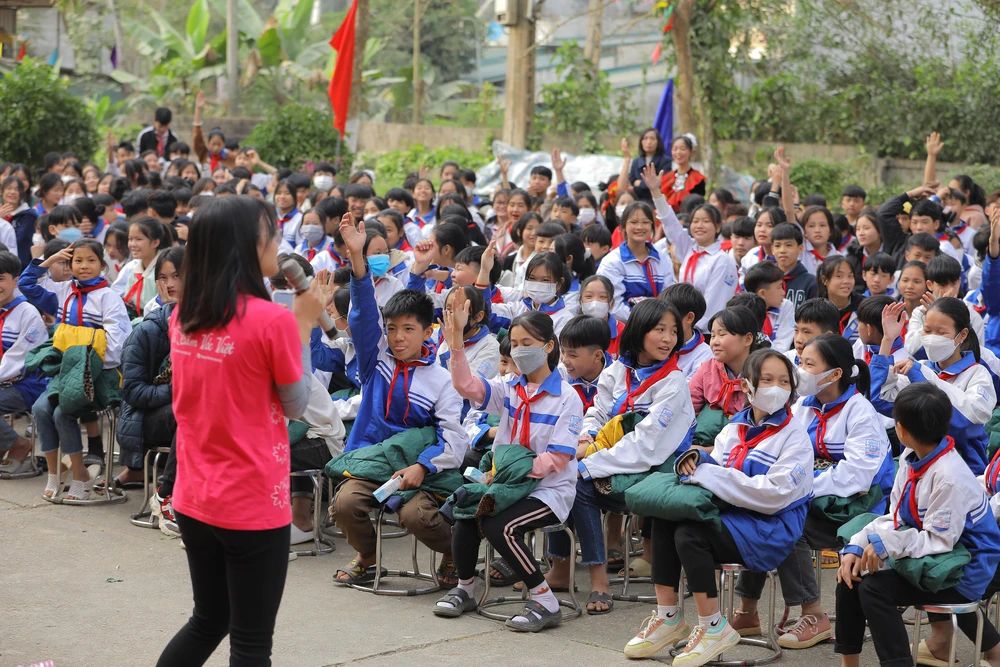
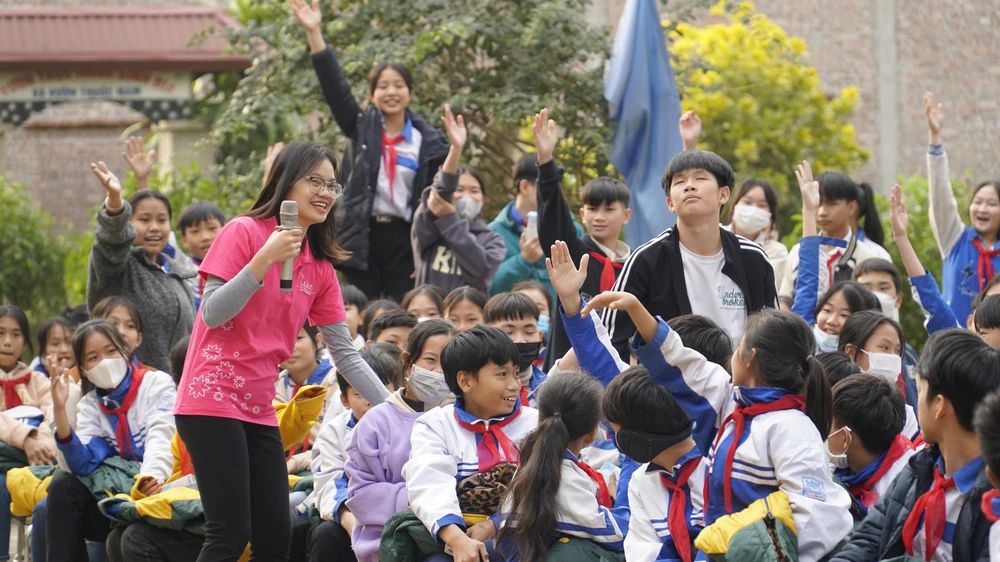
The project has been implemented in 9 provinces and cities, recording 35 completed toilets put into use, with 44 toilets currently under construction. Additionally, 70 toilets have been surveyed and prepared for the next construction phase. Moving beyond physical infrastructure, the program has organised 2 communication and training sessions on personal hygiene linked to reproductive health care. In total, the project has brought direct benefits to 5,000 students, contributing to improved learning conditions and health awareness.
Research and surveys by the Ministry of Education and Training and UNICEF have shown that schools nationwide not only lack standardised toilets but also face rapid damage and degradation due to a lack of knowledge, awareness, and skills from users. Therefore, it is crucial to raise knowledge, awareness, and skills for toilet use and preservation.
Enhancing students' knowledge and skills also helps them practice better personal hygiene (including proper handwashing), rational water use and protection, and the maintenance of general sanitation and environmental protection. These tasks require regular, long-term, and synchronised implementation nationwide. Consequently, the 1,000 School Toilets Project by VSF alone cannot change the overall reality of school toilets and environmental sanitation in schools across the country. Extending and expanding this project or implementing new projects with similar approaches is essential to achieving the goals of the School Health Program and other National Target Programs.
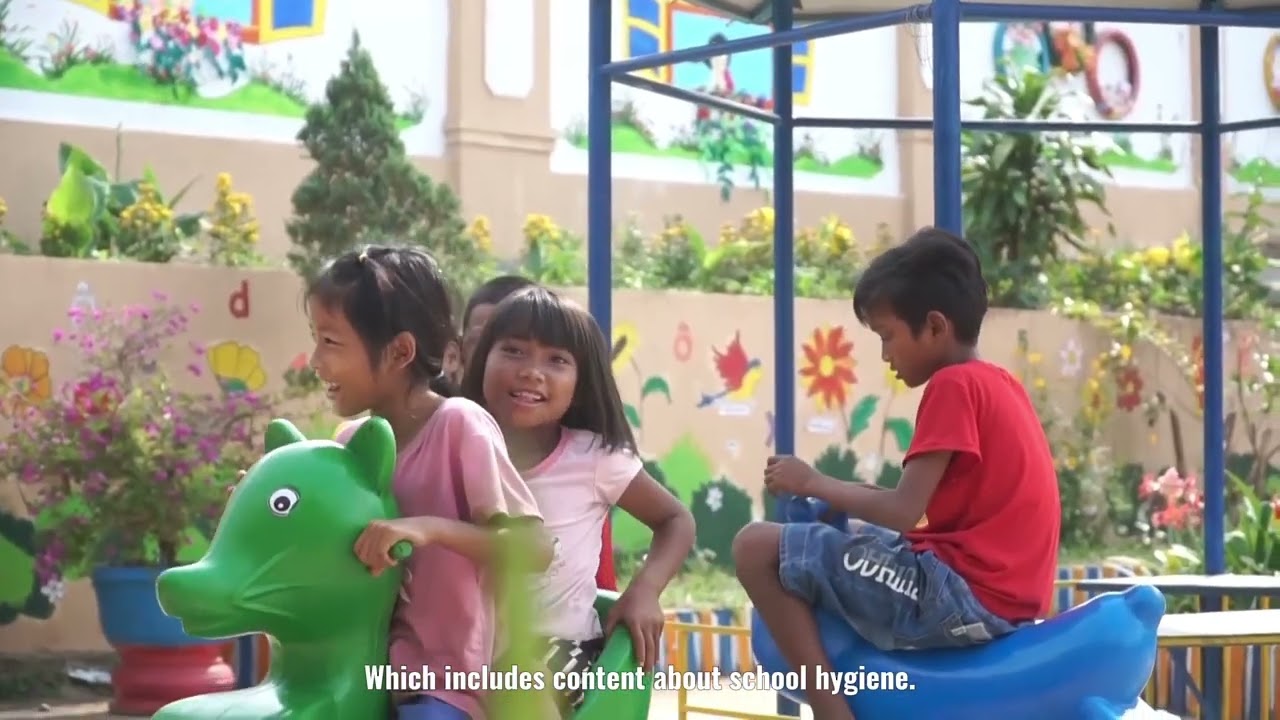
1000 School toilets
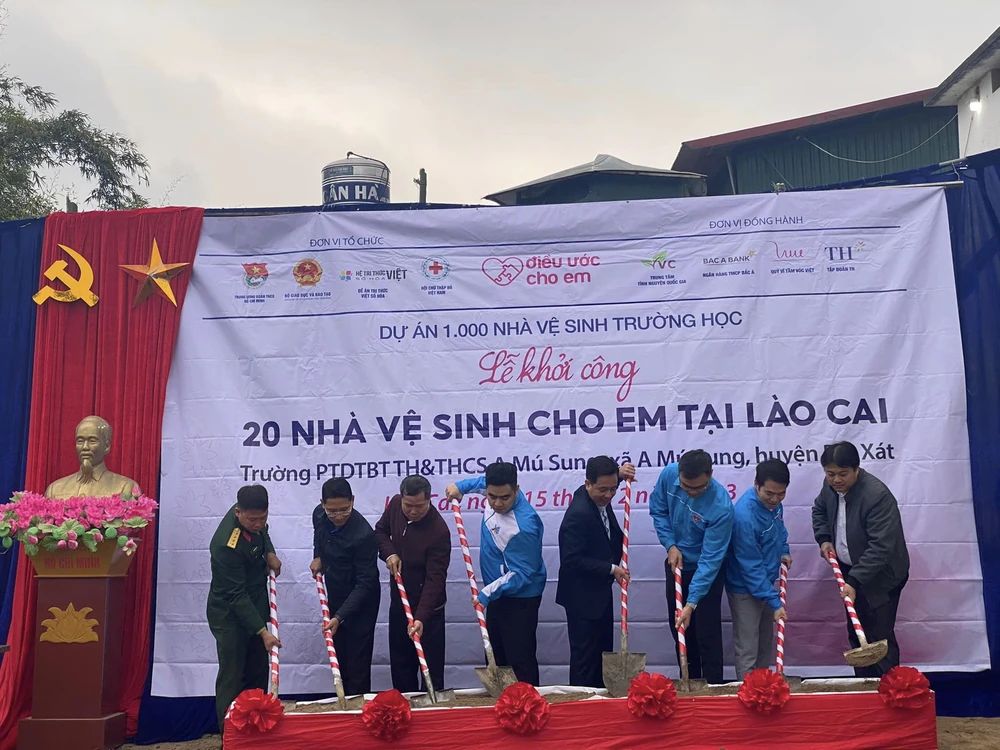
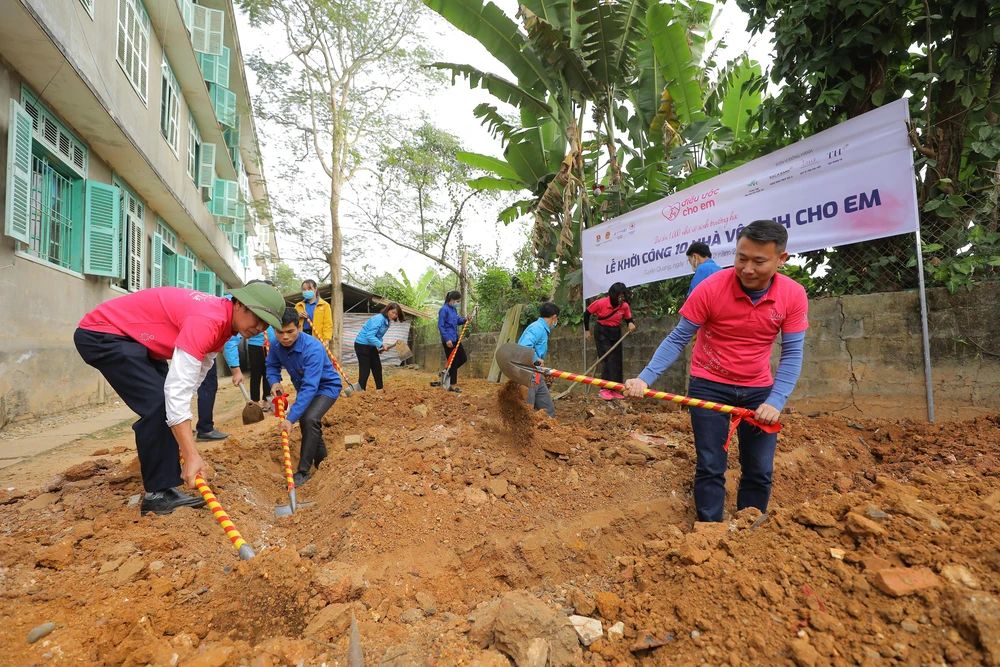
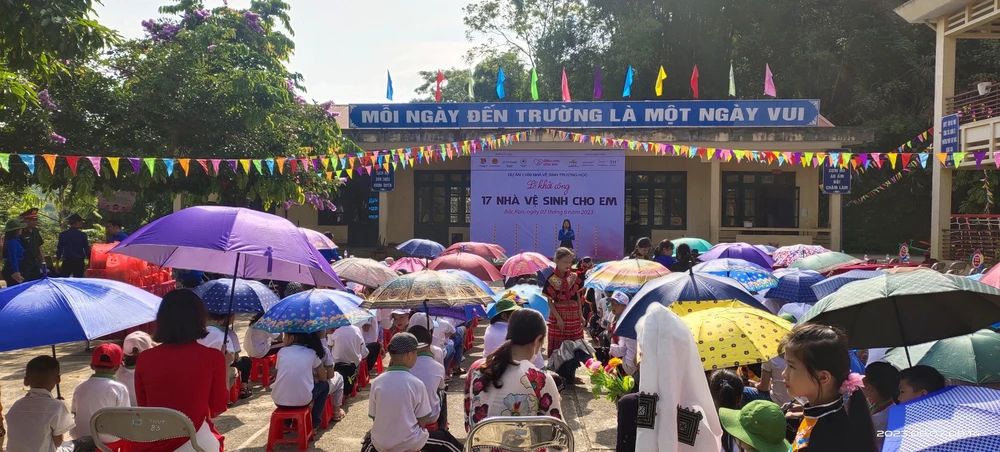
Case Ownership
Hosting organisation: For Vietnamese Stature Foundation
Collaborating partners:
- Vietnam Volunteer Center (VVC) – The Ho Chi Minh Communist Youth Union Central Committee
- Ministry of Education and Training (MOET)
- TH Group
- Bac A Commercial Joint Stock Bank
- Vietnam Red Cross Society
- Digitalised Vietnam Knowledge System Project (iTrithuc) / inhandao.vn platform
- Ho Chi Minh Communist Youth Union agencies at all levels and local implementation units
Stakeholders and beneficiaries:
- Students at schools in disadvantaged socio-economic areas (mountainous regions, remote areas, etc.)
- Schools (school boards, teachers, staff)
- Parents and local communities
- Local education and school health agencies
Source: Human Act Prize
The copyright and legality of all images, videos, information, and data regarding the project published on this landing page are provided by and are the sole responsibility of the individuals/organisations registering for the Human Act Prize. The republished content on this landing page has been verified and authorised by VCCorp Corporation (the co-organiser of the Human Act Prize).
Specific SDG targets
SDG 3.3
Fight communicable diseases
SDG 3.9
Reduce illnesses and deaths from hazardous chemicals and pollution
SDG 4.a
Build and upgrade inclusive and safe schools
SDG 6.1
Safe and affordable drinking water
SDG 6.2
End open defecation and provide access to sanitation and hygiene
SDG 6.b
Support local engagement in water sanitation management