Acecook Vietnam has implemented the project "Disaster-resilient - Raising Community Awareness on Natural Disaster Prevention" since 2022.
Since 2022, Acecook Vietnam has partnered with the Department of Dike Management and Natural Disaster Prevention (DDDP - Ministry of Natural Resources and Environment) to implement the project "Disaster-resilient - Raising Community Awareness on Natural Disaster Prevention". The project was built with the following main objectives:
- Strengthen community awareness of climate change and common disaster forms in Vietnam
- Equip knowledge and skills for prevention and response in practical disaster situations
- Promote a proactive, responsible spirit and solidarity, helping to assist the national goal achievement on climate change response by 2030 and SDG 13 – Climate Action
The project not only showcased Acecook Vietnam's strong commitment to supporting the Government and the community, but also created positive and long-lasting social impacts:
- Raise awareness and disaster prevention skills for thousands of people in disaster-stricken regions
- Spread the message “Prepare today – Peace tomorrow,” encouraging meaningful actions in environmental protection and coping with climate change
- Promote civil-public cooperation in disaster response and sustainable development.
Climate change is one of the most serious challenges for humanity, significantly damaging the environment, health, economy, and social life. Vietnam is considered one of the most heavily affected countries, with many areas frequently facing storms, floods, droughts, and saltwater intrusion.
Under this context, the Government has issued the National Strategy on Climate Change to 2050, along with many national goals to 2030 aimed at lowering greenhouse gas emissions, improving adaptive capacity, and heading towards sustainable development.
At the same time, Vietnam is also actively responding to the UN 2030 Agenda for Sustainable Development, especially SDG 13 - Climate Action. This goal focuses on raising awareness, strengthening capacity, and mobilising large-scale societal participation in climate change response and disaster risk mitigation.
Responding to that common direction, Acecook Vietnam – believing in “Cook happiness – Bring happiness through every meal” - not only aims to bring nutritional and spiritual value to the community but also always focuses on social responsibility, environmental protection, and sustainable development.
Viewing instant noodles as an indispensable food during disaster relief and the desire to build a strong Vietnam, a community safe from disasters, Acecook Vietnam proactively coordinated with the Department of Dike Management and Natural Disaster Prevention (DDDP) to implement the project “Disaster-Resilient” - Raise community awareness on natural disaster prevention based on the Prime Minister's Scheme 553 on "Raising Community Awareness and Community-Based Disaster Risk Management to 2030," aiming to improve citizen's knowledge and their proactive protection for themselves and others, building a safe, resilient, and sustainable community admist the climate change period.
Acecook Vietnam's “Disaster-Resilient” project was not merely a campaign or product support for people in disaster areas but also created meaningful, creative, and pioneering initiatives in enhancing response capacity, mitigating risks, and protecting community health against the impacts of natural disasters.
Survey nutritional needs and release the “Relief Box” product
Reality shows that people in disaster areas, especially in the Central and Northern regions, often face a shortage of safe food and difficulty maintaining nutrition during storm and flood days. Acecook Vietnam conducted a practical survey on the basic nutritional needs of people in heavily affected areas.
Survey results have led to the development of the “Relief Food Box” initiative (Relief Box) – a pioneering and practical solution that responds to nutritional needs when cooking is impossible.
The “Relief Box” was carefully selected for convenience, storage capacity, and nutritional value, and comprises many essential products, such as:
- Instant soup tablets – just add boiling water for a nutritional soup meal
- Dalago noodles with vegetable powder, ensuring nutrition
- Modern Cup Noodles, Pho De Nhat, Hao Hao noodles – can be eaten immediately or processed flexibly during power and water shortages
The “Relief Box” also provides practical support for disaster prevention command centres, rescue and salvage forces, helping them replenish energy promptly during the emergency response process.
This is a pioneering product in Vietnam in integrating nutritional, convenient, and human-oriented factors, aiming for a replication model for further disaster relief work in the future.
Golden Bell Challenge – Together in Disaster Prevention for a Sustainable Future
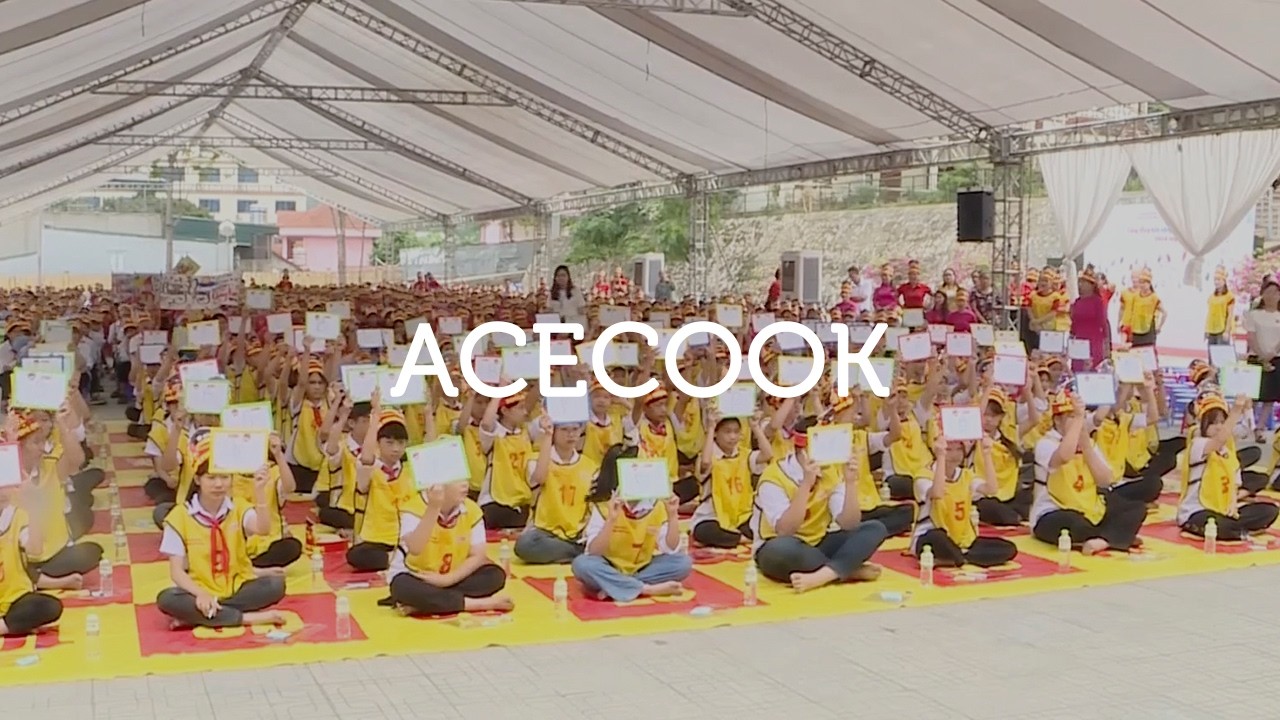
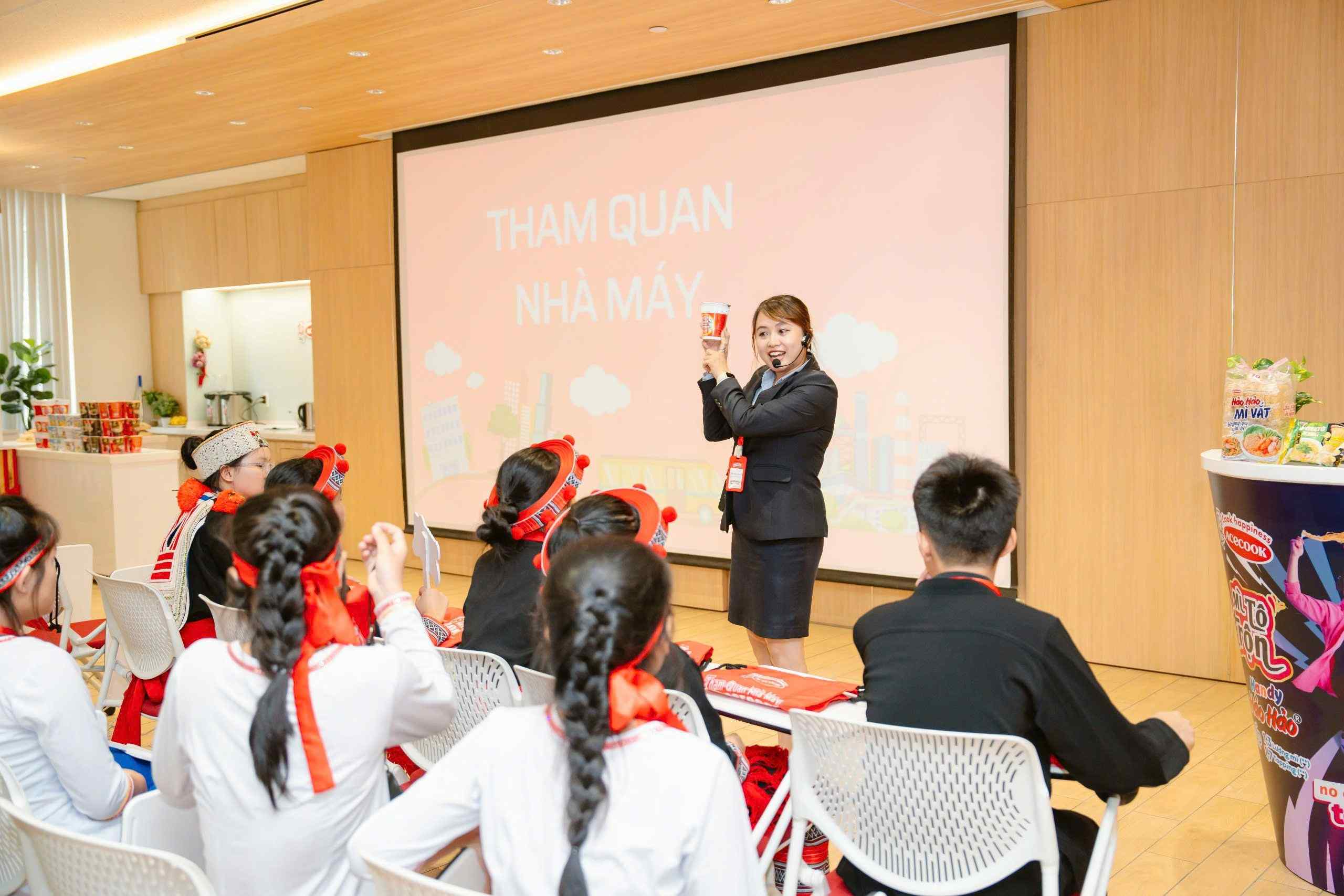
Understanding that children, especially primary and secondary school students, are the most vulnerable group in disasters, Acecook Vietnam coordinated with the Department of Dike Management and Disaster Prevention (DDDP) to organise the “Golden Bell Ringing” Challenge with the theme “Together in Disaster Prevention for a Sustainable Future”.
The contest is organised annually, attracting more than 3,000 students.
Through a vivid, attractive, and engaging knowledge competition format, the program has helped students:
- Access disaster prevention knowledge in a relatable and natural way;
- Improve skills to protect themselves, their families, and friends during the rainy and stormy season;
- Form an awareness of proactive response and a spirit of community sharing.
The contest has become an annual educational activity with great spreading power, helping to mitigate risks and casualties among children during the disaster season.
Integrating disaster prevention content into the secondary school curriculum
To maintain its sustainable impact, Acecook Vietnam – along with DDDP and the Ministry of Education and Training – implemented a workshop and teacher training program named “Integrating disaster risk reduction knowledge into the secondary school curriculum".
This initiative aims to:
- Help teachers and students systematically access knowledge and skills for disaster response
- Integrate disaster prevention education into related subjects;
- Create a sustainable education foundation, providing understanding and survival skills for young people in a climate-change-prone environment.
“Nutrition Food in Disaster Prevention” Workshop – Nutrition Emergency Response
Alongside educational and communication activities, Acecook Vietnam also organised the “Nutrition Food in Disaster Prevention” Workshop, along with the National Institute of Nutrition and leading experts.
The program provides people with practical knowledge about nutrition in emergency conditions, guiding them on how to select, store, and use safe food to ensure energy and health during disasters.
In addition, the project also supports specialised labour protection tools for officers directly going on field trips and directing in disaster areas. This is the core force in response and relief work; caring for and protecting them not only demonstrates humanity but also helps improve the effectiveness of supporting people in affected areas.
With a diverse series of initiatives, combining between nutritional science, community education and humanitarian support, Acecook Vietnam's “Disaster-Resilient” project has marked a leading and distinctive point in CSR works – extends beyond providing immediate support for building sustainable community capacity, going hand in hand with the UN SDG 13 – Climate Action.
Vision
Acecook Vietnam aims to become a pioneering company to spread knowledge, enhance coping skills and lead to sustainable communities against climate change in Vietnam.
Through the “Disaster-Resilient” project, the company wishes to create a safe, proactive, and resilient society where every citizen – regardless of circumstance – can protect themselves, their family, and join hands for a green and happy future.
Long-term goals
- Raising awareness and disaster response skills for people, especially in vulnerable areas, helping them minimise damage and be proactive in prevention.
- Building a sustainable educational model on disaster prevention by integrating knowledge into the general curriculum, creating a solid knowledge foundation for the younger generation.
- Developing emergency nutrition solutions adapted to climate change, such as the “Relief Food Box” – a practical, humanitarian initiative with the potential for nationwide replication.
- Strengthening cooperation with state management agencies, professional organisations, and the community to promote response capacity and spread the message “Safety today – Happiness tomorrow".
- Contributing to the implementation of national goals and SDG No. 13 – Climate Action, demonstrating the responsible role of the enterprise in Vietnam's sustainable development process.
Project Drivers
The project was formed and maintained on the foundation of the 3 "HAPPY" business philosophy, in which the 3rd "H" is bringing happiness to society.
This motivates Acecook Vietnam to persistently pursue the project in the long term, including:
- Social responsibility: The enterprise recognises that sustainable development cannot be separated from the safety and stability of the community, where the enterprise is operating and serving.
- Intensified climate change reality: Natural disasters are evolving in complex ways, requiring proactive, continuous, and in-depth preparation that cannot be solved by short-term support activities.
- A desire to contribute to society: Acecook aims that every CSR activity can carry practical, sustainable, and replicable value, improving the quality of life for Vietnamese people.
Future Development Plan
In the next phase, Acecook Vietnam will continue to:
- Expand the scope of project implementation to many provinces and cities with high disaster risks;
- Perfect and replicate the “Relief Box” model;
- Strengthen educational, communication, and professional cooperation activities, turning awareness into practical action;
- Aiming for a solid common knowledge foundation, heading for Vietnam's commitments to respond to climate change by 2030 and heading for 2050.
2022
Budget support
- Organised the Talkshow “Nutrition in Disasters” live-streamed on the Facebook page of the National Steering Committee for Natural Disaster Prevention and Control on March 25, 2022, in Hanoi and Ho Chi Minh City
- Surveyed food ensuring nutrition for people in areas affected by natural disasters in the Central region across 05 Central provinces in July: Binh Dinh, Quang Ngai, Quang Nam, Quang Binh, and Thua Thien Hue
- Organised the Golden Bell Challenge themed: on August 25, 2022, at Do Thuc Tinh Secondary School, Hoa Vang district, Da Nang city
Total: 500,000,000 VND
In-kind sponsorship
Supported 1,000 cases of Hao Hao instant noodles for people in disaster areas (Supporting Quynh Luu, Hung Nguyen, Yen Thanh, Thanh Chuong, Tan Ky districts of Nghe An province affected by heavy rain, flash floods, and landslides on September 28, 2022).
2023
Budget support
- Organised 02 “Golden Bell Ringing – With children in disaster prevention, creating a sustainable future” contest
- Organised a workshop to integrate disaster risk reduction content into the secondary school curriculum
- Organised a conference to summarise the cooperation program between the Ministry of Agriculture and Rural Development and the Ministry of Education and Training for the 2018-2019 period
Total: 1,000,000,000 VND
In-kind sponsorship
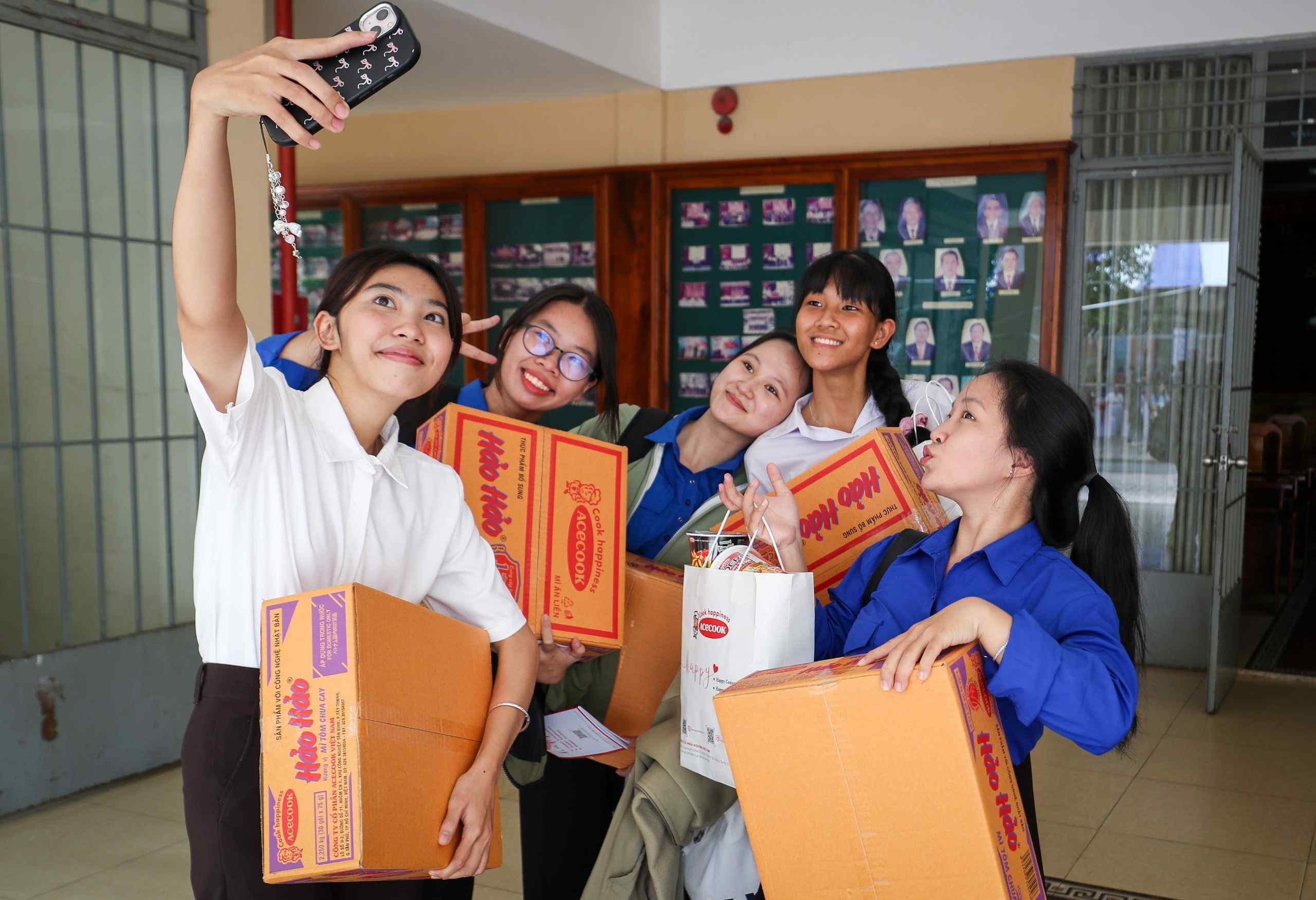
- Support 4,000 Hao Hao instant noodle boxes for disaster-stricken people
- Support over 200 emergency aid food kits for field delegations and as gifts at workshops and training sessions
2024
Budget support
- Organised 02 “Golden Bell Ringing – With children in disaster prevention, creating a sustainable future” contest
- Organised training on integrating disaster prevention content into the secondary school teaching program
- Organised the “Nutritional Food in Disaster Prevention” Workshop (Emergency nutritional response in disasters)
Total: 1,100,000,000 VND
In-kind sponsorship
- Supported 8,000 cases of Hao Hao instant noodles for people in disaster areas
- Supported 560 emergency support food boxes to serve disaster response field delegations and as gifts at workshops and training sessions
2025
Budget support
- Organised 01 “Golden Bell Ringing – With children in disaster prevention, crafting a sustainable future” contest at the provincial level
- Organised training to enhance capacity and skills for the force directly participating in serving field delegations in emergencies to ensure safety when performing official duties (storms, floods, landslides)
- Organised a workshop on emergency nutritional response work in disasters
- Organised training on using guidance materials to integrate disaster prevention and climate change knowledge into secondary and high school subjects
- Organised a workshop and research on the field of disaster response and the community-based disaster risk management model in Japan
- Supported labour protection tools for officers going on field trips and directing response in disaster areas in 2025
Total: 2,000,000,000 VND
In-kind sponsorship
- Supported 6,700 cases of Hao Hao instant noodles for people in disaster areas
- Supported 640 emergency relief food boxes to serve field delegations and as gifts at workshops and training sessions
Qualitative Results
Social Impact and Community Awareness
- Raise awareness of people, especially students, on natural disaster prevention (PCTT), climate change adaptation, and emergency nutrition in the context of disasters.
- Promote the spirit of “enterprises accompanying the Government” in implementing the United Nations Sustainable Development Goals (SDG 13 – Climate Action).
- Enhance response capacity and ensure nutritional safety in disasters for the community.
Public education and awareness
- “Golden Bell Ringing – With children in disaster prevention, creating a sustainable future” has become an annual educational activity, attracting thousands of students each year.
- Workshops, panel discussions, and training sessions helped teachers and local officials access new knowledge and learn how to integrate disaster prevention – climate change content into the curriculum, building a younger generation proactive in disaster response.
Outstanding Initiatives and their Sustainability Impacts
- The “Relief Food Box” initiative was highly appreciated for its applicability and replication potential, providing an effective, compact, and economical emergency nutrition solution.
- Supporting specialised protective gear for frontline forces demonstrated comprehensive care – not only for the people but also for the team participating in search and rescue work.
- The project became a typical CSR model, spreading the spirit of kindness, social responsibility, and environmental protection within the enterprise.
Long-term impact
- Laid the foundation for the “Nutritional Response in Disasters” program in schools in Vietnam, joining to shape a strong Vietnamese society.
Quantitative Results
21,000
boxes for disaster support
1,600
emergency relief packages
5 billion VND
project budget
3,000
children joining in the Golden Bell Ringing contest
The program has implemented many practical support activities for communities affected by natural disasters. A total of 21,000 cases of products were distributed to provide timely support to areas in difficulty, along with 1,600 emergency relief boxes provided in urgent situations.
Financial resources dedicated to the project reached 5 billion VND, demonstrating a long-term commitment to social welfare work. In addition, the “Golden Bell Ringing” program attracted 3,000 children, continuing to raise awareness and fostering a meaningful educational space for young people.
Thanks to the link between enterprises, state management agencies, schools, and the community, the project could be maintained and developed independently in each region.
- The “Relief Food Box” model can be produced and implemented on scales suitable for each region, both meeting emergency needs and serving as a communication product on disaster prevention awareness.
- Contest activities like “Golden Bell Ringing,” workshops, and training are all educational and can be organised by the local schools and education department after having received model instructions from the project.
- Disaster prevention and climate change-related teaching material have been standardised, allowing self-reapplication in the education system without major reinvestment.
- The existing strategic partner system (National Steering Committee for Disaster Prevention, National Institute of Nutrition, MoET…) provides a solid foundation to help the model maintain stability and potentially be integrated into national programs for the 2026–2030 period.
As a result, the model has high self-operation, low maintenance costs, and long-term development potential without major financial burdens.
Learning and Application Ability for Other Organisations/Individuals
For the Education System
- The contest – training – knowledge integration model is easily applicable to primary and secondary schools across the country
- The set of materials, question content, and illustrative videos from the program can be shared via online platforms or local Departments of Education and Training, making it easy for schools to organise without in-depth expertise in disaster prevention
- Teachers can customise content based on regional conditions, enabling all students to access knowledge about safety, adaptation, and self-protection
For Businesses and Social Organisations
- The model can be replicated to other enterprises in the same fast-moving consumer goods (FMCG) industry or CSR organisations with the same sustainable orientation – spreading the spirit of social responsibility while boosting community engagement
- Businesses can customise the “Relief Food Box” based on their own product characteristics (e.g., dairy products, drinking water, confectionery…) to participate in the national emergency relief network
- NGOs or humanitarian associations can apply Acecook Vietnam's inter-sectoral coordination model (enterprise – government – media) as a typical “case study” to expand to other regions (Central Highlands, Mekong Delta…)
Potential for Expansion Towards Digitalisation and Regions
- Develop the online platform “With children in disaster prevention,” helping students learn, compete, and check knowledge via an application, increasing the spread and long-term maintenance
- Combine digital communication and social networks (Facebook, YouTube, educational TikTok) to share instructional videos and practical stories, helping the community easily learn and self-organise the model
- The model can be further shared with the ASEAN region, where many countries are facing disaster challenges like Vietnam
Acecook Vietnam's project model is not just about temporary relief but is a sustainable development program with the ability to spread and replicate naturally.
Acecook Together in Disaster Prevention
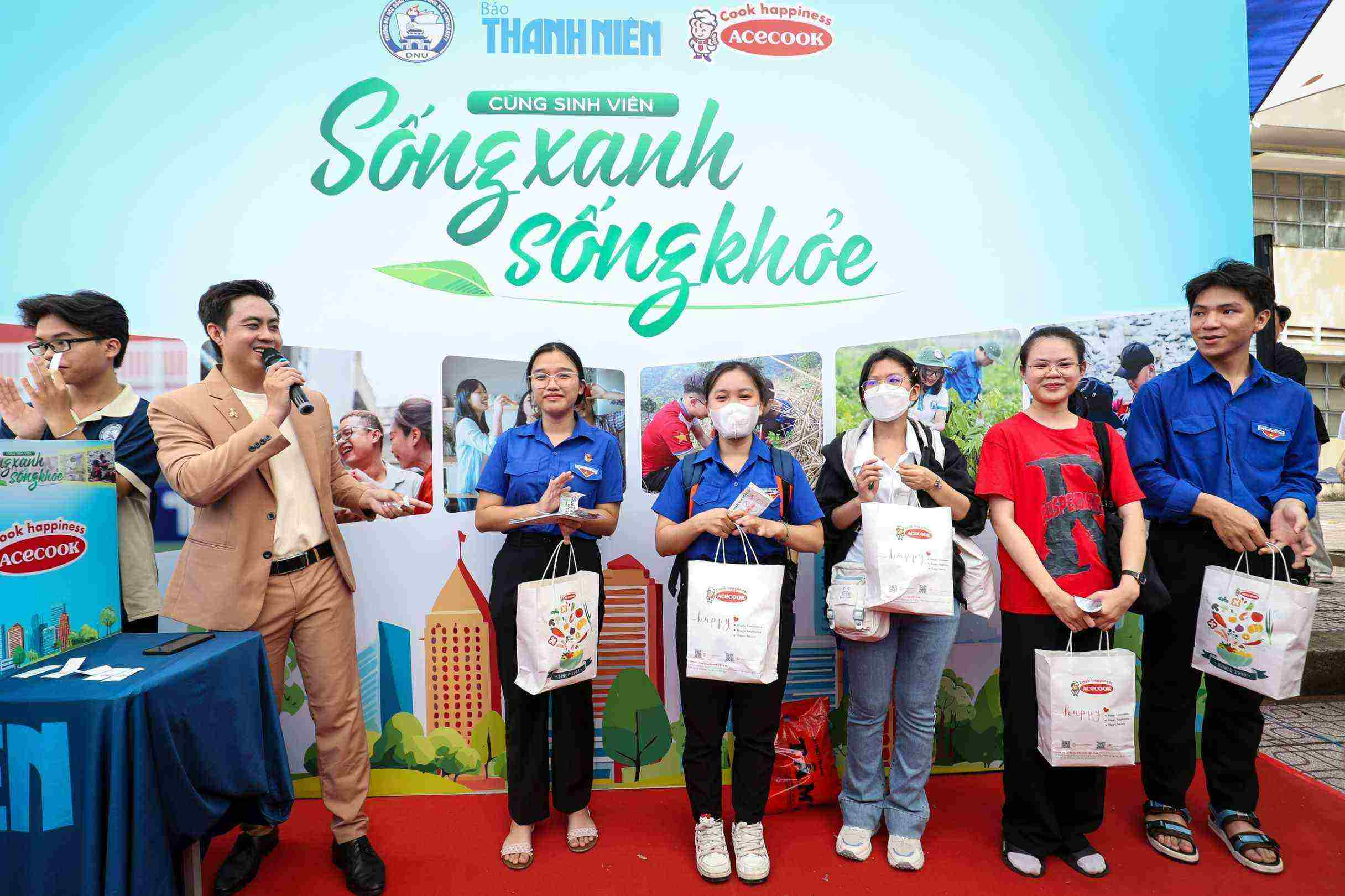
Case Ownership
Hosting Organisation: Acecook Vietnam
Relevant Brand/ Organisation: Zalo, Zalo OA, Zalo Mini App, Zalopay
Collaborating Partners:
- Department of Dyke Management and Disaster Management (specialised agent for implementation)
- Ministry of Resource and Environment (suggest/cooperate for information)
- Ministry of Education and Training (aligning disaster prevention content into learning programs, teachers’ training)
- National Institute of Nutrition (specialised partner on nutrition in disasters)
- National Steering Committee for Natural Disaster Prevention and Control (partner in communication-related/seminars for project activities)
- Secondary schools/educational units and local authorities organising contests and training (varies depending on each implementation year)
Stakeholders and beneficiaries:
- Students (primary/secondary students, vulnerable to disasters)
- Teachers and local educational management officers (trained, provided with materials and implementation models)
- People in disaster-affected localities (enhance awareness/skills and material support)
- Frontline forces participating in disaster response/search and rescue (support with “relief boxes” and protective gear)
- Regulatory agencies and local authorities (strengthen inter-sector coordination, community-based disaster risk management)
Source: Human Act Prize (external link, content in Vietnamese)
The copyright and legality of all images, videos, information, and data regarding the project published on this landing page are provided by and are the sole responsibility of the individuals/organisations registering for the Human Act Prize. The republished content on this landing page has been verified and authorised by VCCorp Corporation (the co-organiser of the Human Act Prize).
Specific SDG targets
SDG 13.1
Strengthen resilience and adaptive capacity to climate-related disasters
SDG 13.3
Build knowledge and capacity to meet climate change
SDG 3.D
Improve early warning systems for global health risks in developing countries to manage health risks in nation and worldwide scale
SDG 4.7
Education for sustainable development and global citizenship
SDG 4.A
Build and upgrade inclusive and safe schools for children, people with disabilities and gender and provide a safe, non-violent, inclusive, and effective school environment for everyone