Sok in Khmer means happiness, and Sokfarm means happy agriculture.
Starting in 2019 from the unstable selling price of coconuts in Tra Vinh, the impact of climate change and saltwater intrusion on farmers’ lives, and the need to find a new direction for the coconut industry, Sokfarm aimed to both develop local culture and create stable jobs for local people, creating a bright spot to attract young human resources back to their hometowns, and bringing deep processing into production to increase and break through the value of local agricultural products. Therefore, the Sokfarm coconut blossom nectar product was created. The product helps increase farmers’ income by 3 - 5 times, optimises local value, and follows a production process with international organic certification that protects the ecosystem and the health of farmers, production workers and consumers.
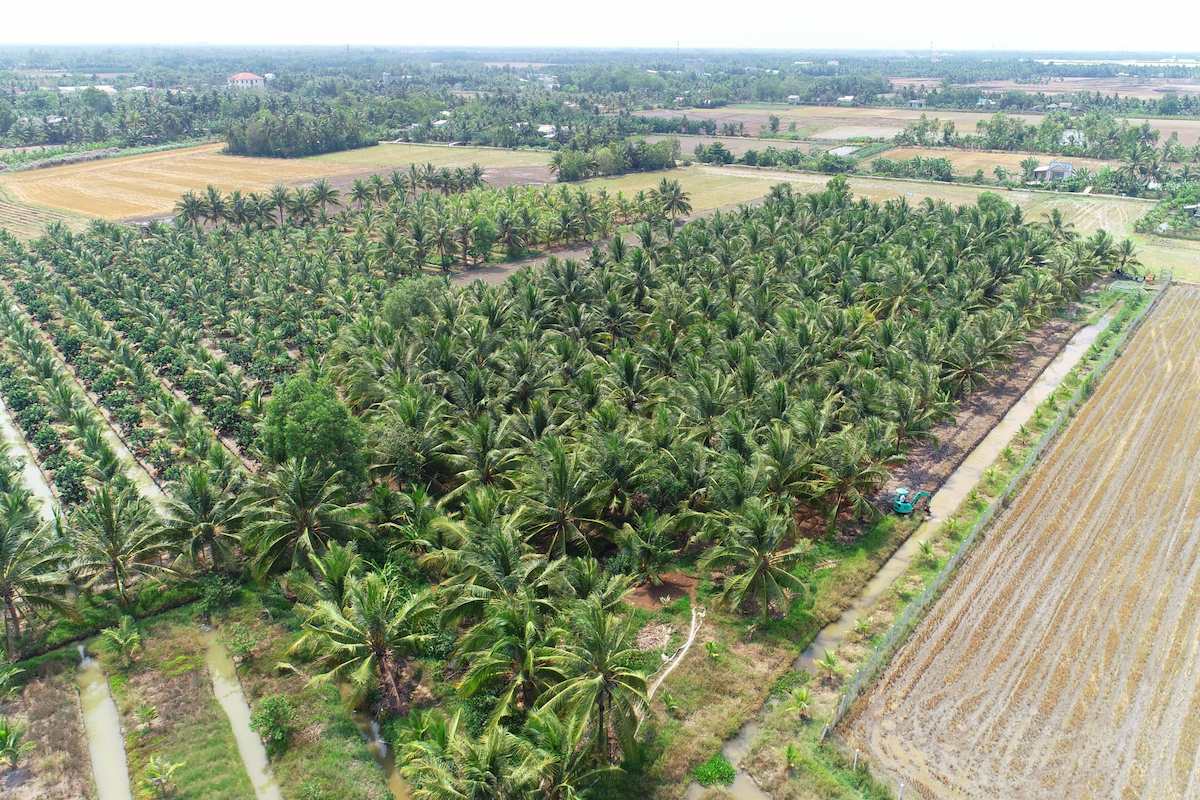
Tra Vinh is the province with the second-largest coconut output in Vietnam, with an estimated more than 25,000 hectares of coconut trees, but there are very few coconut processing factories. Most farmers’ coconuts have to be sold in Ben Tre, causing coconut prices to depend heavily on traders.
Although coconut trees can tolerate salinity better than many other crops, such as rice, corn, beans, oranges, and mandarins - which can only tolerate a maximum salinity level of 0.2% - coconut productivity also decreases significantly when salinity exceeds the threshold of 0.3 - 0.8%.
Alongside the challenges of climate change, Vietnam and the world are also facing a rapid increase in diabetes. According to the Ministry of Health and the International Diabetes Federation (IDF), there are currently around 3.8 million people in Vietnam living with diabetes, accounting for 6% of the adult population. More concerningly, around 55% of them have not been diagnosed and treated in time. Without effective intervention measures, this figure could increase to 6.1 million people by 2045. From this, consumers are tending to seek products with a glycaemic index that can help reduce the risk of diabetes and cardiovascular disease.
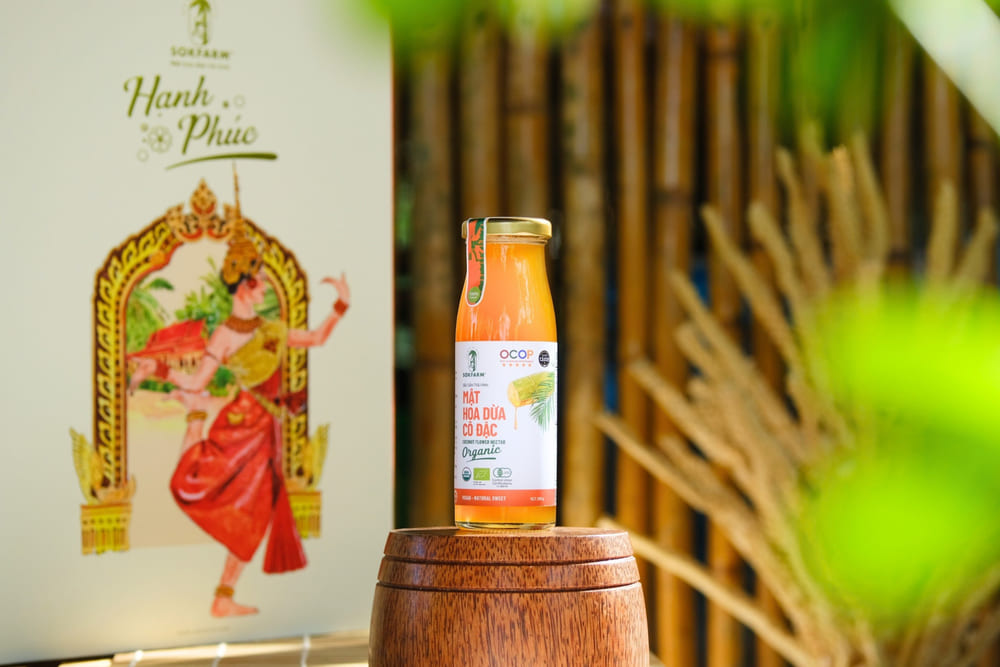
In response to consumers’ need to find a new form of sweetness, and the difficult challenges in agricultural production in the Mekong Delta, Sokfarm created its organic concentrated coconut blossom nectar product. The product not only helps coconut farmers adapt to climate change, create sustainable livelihoods, maintain and develop local culture, and optimise local value, but also meets market demand for a new, gentle and sustainable sweetness, as well as organic and healthy products.
Changing cultivation from harvesting coconuts to collecting coconut blossom nectar
In response to saltwater intrusion in the Mekong Delta, coconut fruit productivity has clearly declined due to nutrient deficiency, with coconuts becoming smaller or hollow inside, and in some cases coconut trees not producing fruit at all. Ms Thach Thi Chal Thi and her husband, Mr Pham Dinh Ngai, decided to research a shift in cultivation from harvesting coconuts to collecting coconut blossom nectar, in order to help farmers build sustainable livelihoods and increase their income.
Developing an economic value chain from coconut blossoms is a new aspect of the project, because in Vietnam many businesses are developing value chains from coconut fruit. However, with saltwater intrusion becoming more severe each year in the western region, the economic value chain from coconut fruit will be affected. From there, Sokfarm focused on creating an economic value chain from coconut blossoms, a new direction that opens up more new products and new value from coconut trees in Tra Vinh in particular, and Vietnam in general.
Transferring cultivation techniques to farmers
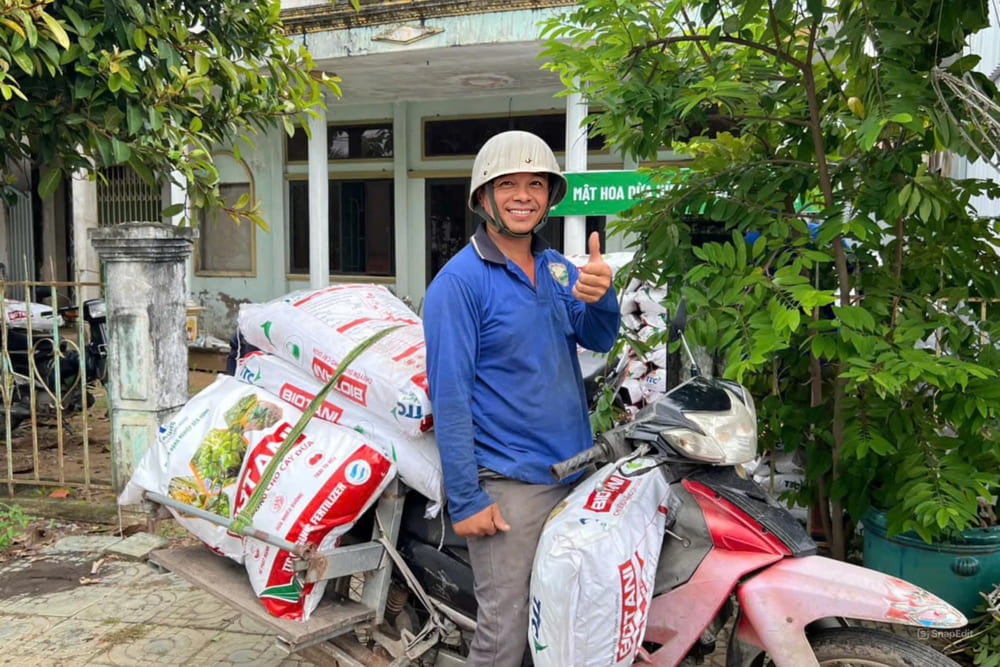
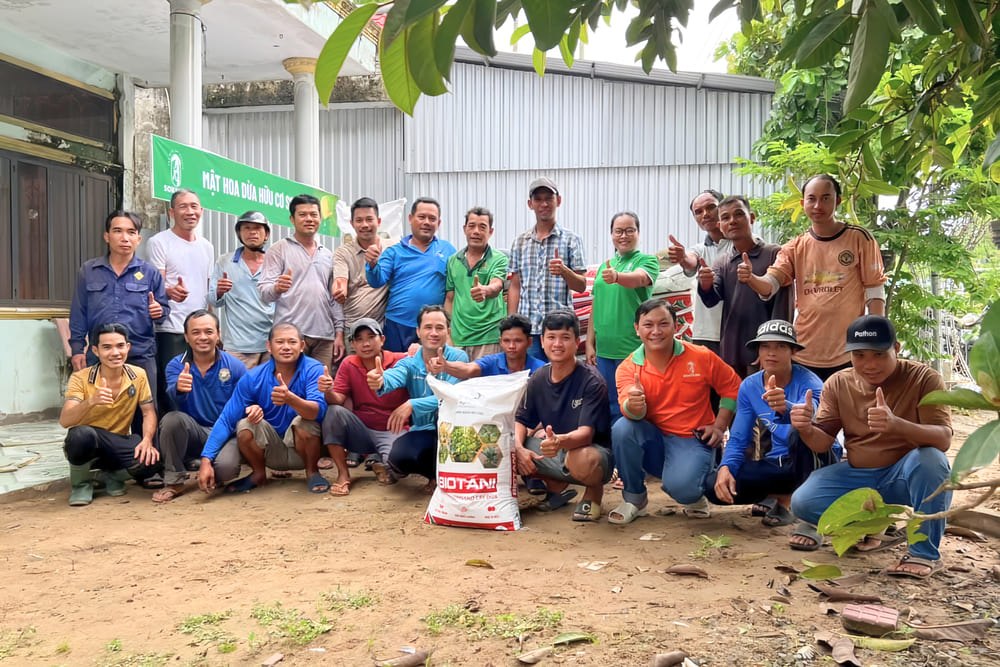
After successfully researching how to collect coconut blossom nectar, Sokfarm transferred cultivation techniques to farmers and guaranteed output purchase, thereby creating a stable source of income for farmers that is not dependent on crop seasons or traders. After switching to coconut cultivation for nectar collection, farmers’ average income increased by 3 - 5 times, from VND 10 - 15 million per hectare per month to VND 40 - 60 million per hectare per month.
Coconut blossom massage technique
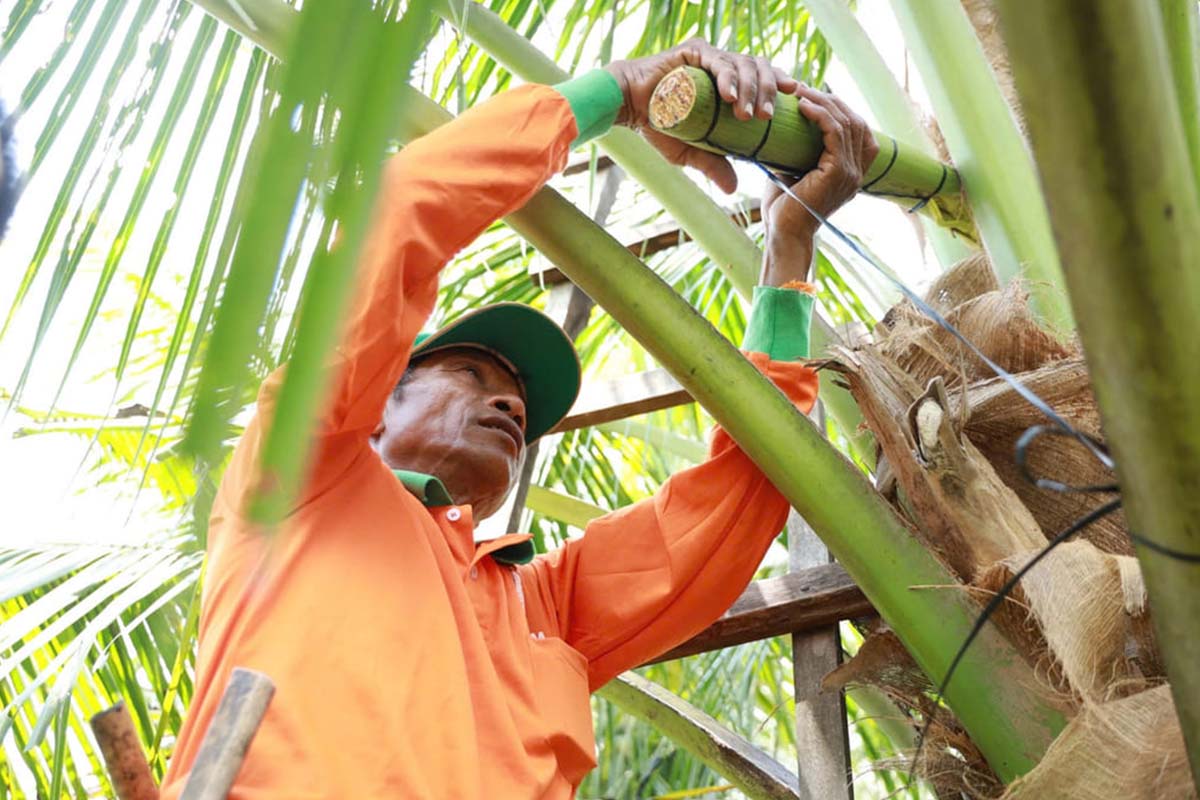
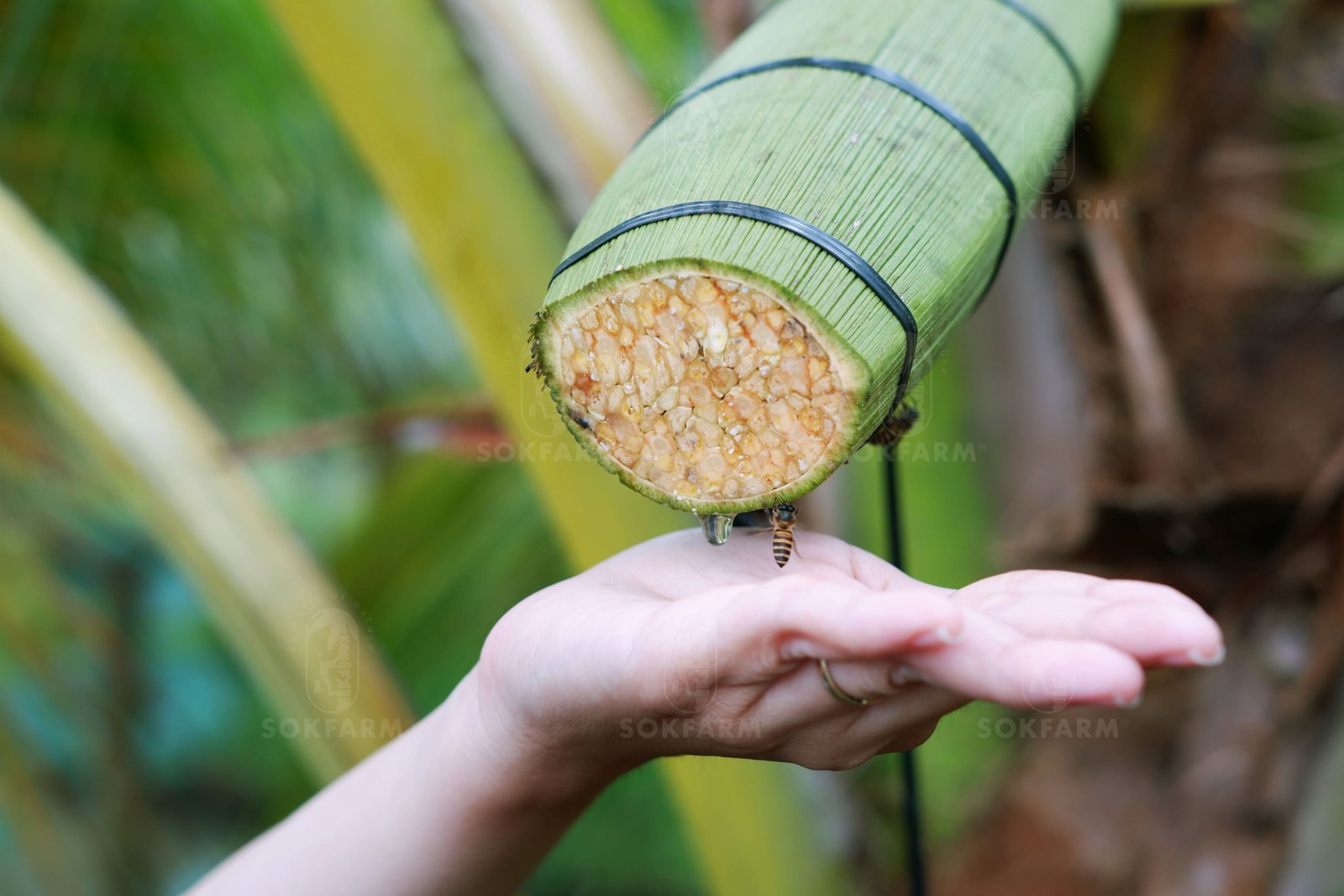
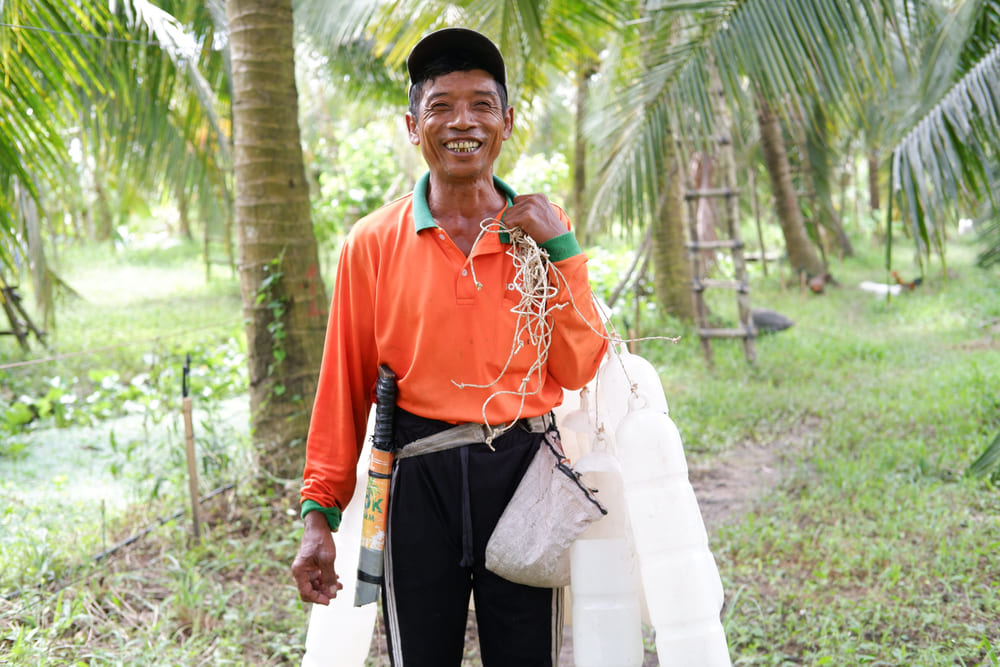
The coconut blossom massage technique used to collect nectar is also a highlight of the project. To collect nectar from the blossom, farmers must select blossoms at the right stage of maturity, then bend the blossom stem and carry out the coconut blossom massage by gently rubbing it with the palm of the hand, before using a wooden mallet to apply just enough mechanical force to stimulate and open the nectar channels inside the flower cluster. This work requires patience and meticulous care so that farmers can collect more coconut blossom nectar. On average, each coconut blossom can produce 1 litre of coconut blossom nectar per day.
International-standard cultivation and high-tech application
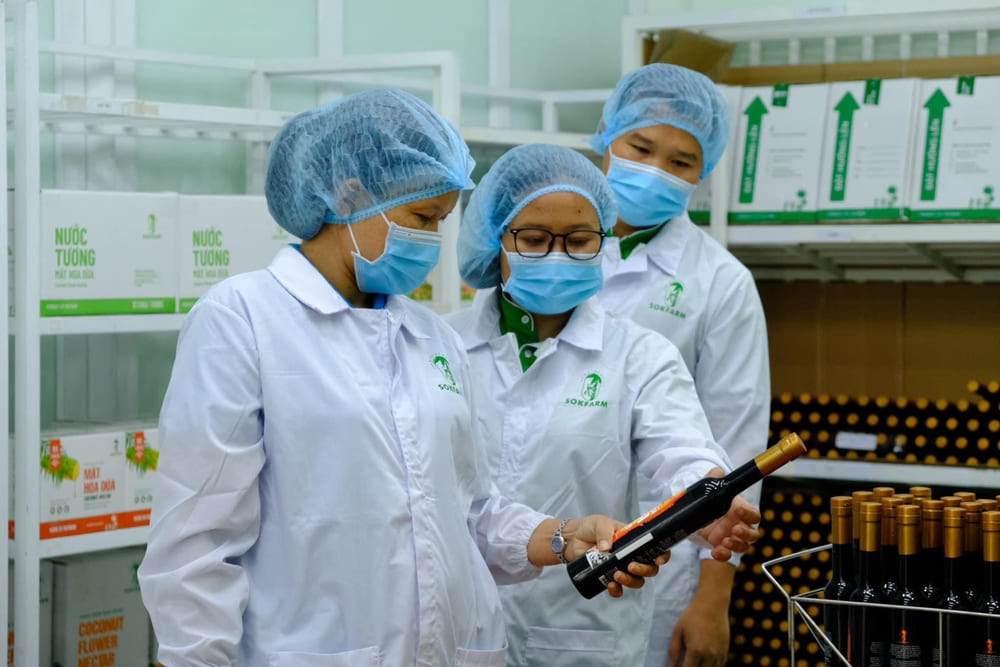
Sokfarm’s entire cultivation process ensures compliance with international organic standards such as USDA, EU, JAS and Canada Organic. Sokfarm only uses manure and organic fertilisers, and uses natural enemies to treat plant diseases, saying no to chemical fertilisers and pesticides. As a result, the health of farmers, production workers and consumers is kept safe. The green production process helps protect the natural environment from soil, water and air pollution, contributing to the promotion of biodiversity.
After farmers sell nectar to Sokfarm, Sokfarm applies high technology in production. Unlike the production process of other agricultural products, the production process for Sokfarm organic coconut blossom nectar saves 2,000 - 6,000 litres of water per hour because the product is made using vacuum concentration technology, which evaporates water. This technology allows Sokfarm to produce products at a low temperature of 55°C, helping the product retain more nutrients and nutritional value, and increasing its competitiveness in domestic and international markets.
Sokfarm can also collect distilled coconut blossom nectar water, which is a good raw material that can be used in the shampoo industry, as its natural acetic acid content can help make hair fibres softer and smoother. This maximises the value of agricultural products and supports circular and environmentally sustainable production.
A highly sustainable product
Sokfarm organic concentrated coconut blossom nectar is a highly sustainable product. An average sugarcane plant needs 10 - 12 months to mature and be harvested, after which the soil must be restored or replanted, leading to seasonal interruptions in resource use and labour. Meanwhile, mature coconut trees from 3 years old can already produce coconut blossom nectar, and farmers can collect nectar every day for 20 - 30 years. Strong root system: Coconut trees have a strong and widespread fibrous root system, helping them anchor firmly into the soil and reducing the risk of being uprooted during strong winds or heavy rain. Coconut trees have straight, woody trunks without branches, helping them remain resilient in storms and winds. This helps reduce weather-related risks in agriculture, and coconut trees help maintain product sustainability.
Sokfarm has identified the path of impact-driven business and sustainable development, so producing organic products is one of the prerequisites in the company’s operations. This is also a pioneering approach in Vietnamese agriculture. Through operating growing areas and factories that have met international organic standards including USDA, EU, JAS and Canada Organic over the past 3 years, Sokfarm has been able to conserve soil and soil health, protect groundwater, preserve biodiversity, and especially help farmers avoid exposure to plant protection chemicals, improving their health and helping sustainable agricultural thinking be developed and practised among farmers.
Meeting consumer demand
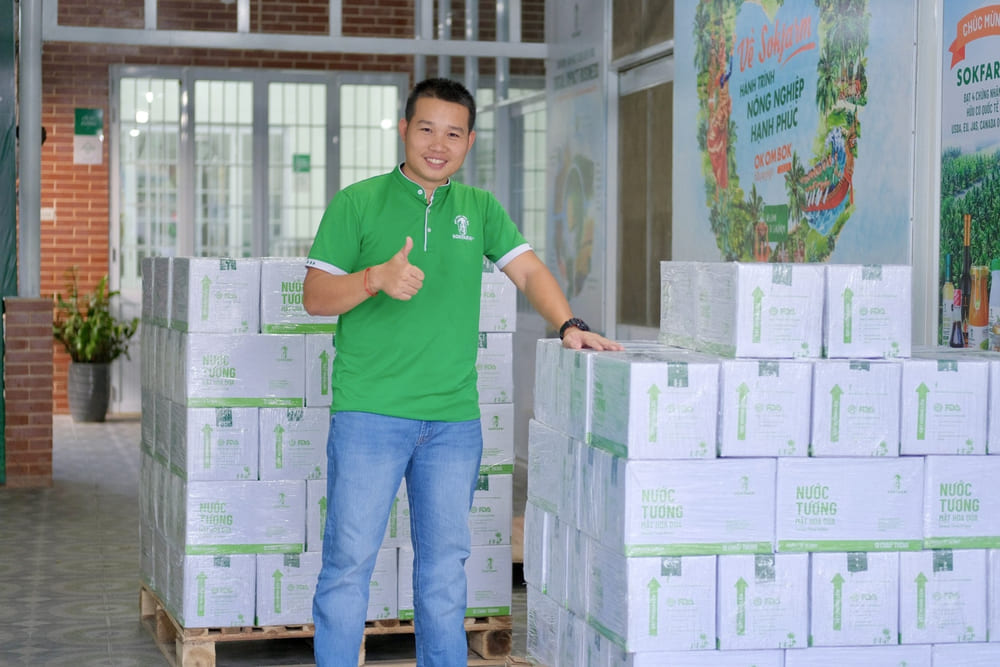
Sokfarm organic coconut blossom nectar can replace sugar as a sweetener in cooking, drink preparation, pairing with cakes and other foods, or be used directly to supplement energy and minerals. Each 15g stick pack of Sokfarm coconut blossom nectar provides 23 kcal and is rich in natural electrolytes and minerals such as sodium, potassium, magnesium and phosphorus, making it suitable for use after playing sport or taking part in outdoor activities that cause heavy sweating.
With the development of the reduced-sugar trend, or the trend towards a new and gentler form of sweetness, Sokfarm organic coconut blossom nectar is a new sustainable sweetness for the processing sector of food factories such as chocolate, cakes, bird’s nest products, granola and others. There is a need to find a new sweetness that helps improve product quality and meet the needs of consumers, as well as the world.
Objective
Widely promote the organic concentrated coconut blossom nectar product to consumers, thereby expanding the raw material area and linking with more farming households.
Reduce carbon emissions by at least 10% each year, equivalent to 7,000 tonnes of CO2, through initiatives such as planting 10,000 coconut trees per year across 40 ha.
Vision
Towards 2030, Sokfarm aims to have more than 3,000 square metres of factory space, use 150 - 200 hectares of organic coconut, accounting for 0.5% of the total coconut area in Tra Vinh, link with 300 - 400 farmers, create jobs for 200 - 250 employees and achieve revenue of more than VND 150 billion per year. Develop and shape the economic value chain from coconut blossoms for the coconut industry in Tra Vinh Province.
After 2030, Sokfarm will continue expanding its links with 500–600 farming households, moving towards a carbon-negative production model and regenerative agriculture. The business aims to use 50% energy from renewable sources, while expanding its raw material area to more than 300 ha, helping absorb around 24.1 tonnes of CO2/ha/year and contributing to the carbon neutrality goal.
It is expected to open training programs designed specifically for female employees, such as skills development, leadership training and career advancement opportunities suited to the needs and aspirations of women in the workforce.
2018 - 2019
The idea of producing products from coconut blossom nectar emerged in the context of a sharp decline in coconut prices. After more than one year of research, learning nectar collection and preservation techniques from elders in the village, practising coconut blossom massage to collect nectar, and conducting successful trials.
2019 - 2020
Sokfarm was established with VND 2 billion in capital, built its factory and began selling concentrated coconut blossom nectar products.
Signed contracts to purchase coconut blossom nectar from farmers, building a value chain and ensuring sustainable livelihoods.
The brand won First Prize in the Rural Youth Innovative Start-up Project.
Developed fresh coconut blossom nectar and coconut blossom sugar products that achieved 4-star OCOP certification.
2021
Sokfarm expanded its production workshop to 500 m², invested in vacuum concentration technology, and produced at 55°C to help the product retain the best nutritional value and highest quality, exporting concentrated coconut blossom nectar to the Netherlands and Japan.
Developed fermented products, including cider and vinegar, and won the ASEAN Business Awards.
2022
Sokfarm was runner-up in the Blue Venture Award.
Developed Vietnam’s first organic coconut blossom nectar soy sauce, which is soy-free, low-salt, gluten-free and preservative-free, and received international organic certification, including USDA, EU and JAS, for 20 ha of coconut in Tra Vinh.
2023
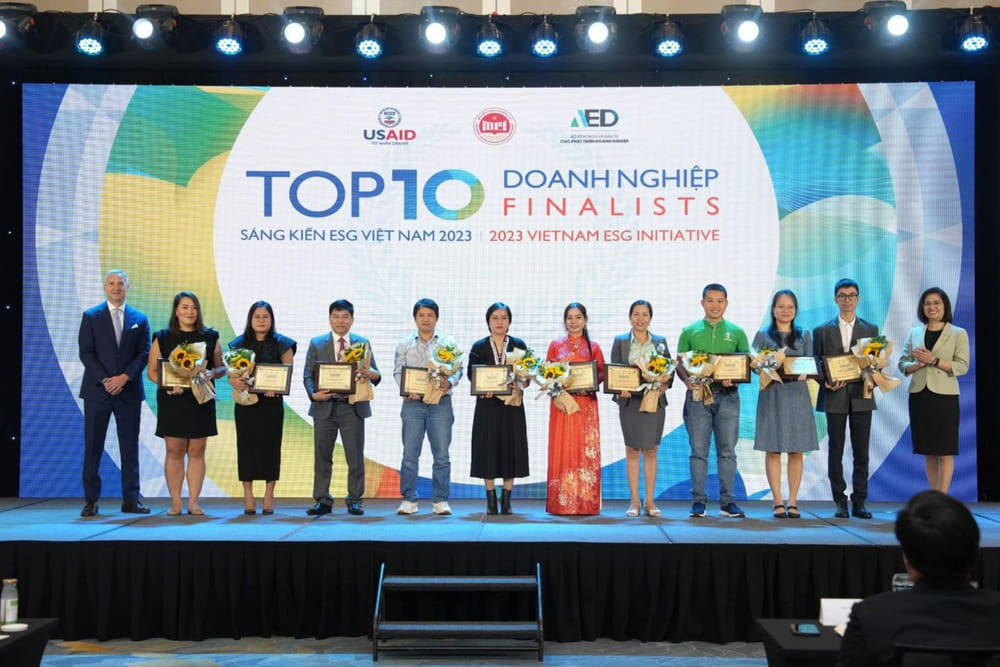
Concentrated coconut blossom nectar and coconut blossom sugar products achieved national 5-star OCOP certification, were exported to the United States and won international awards such as Great Taste in the United Kingdom, while also being listed among the Top 10 ESG initiative businesses in Vietnam.
2024
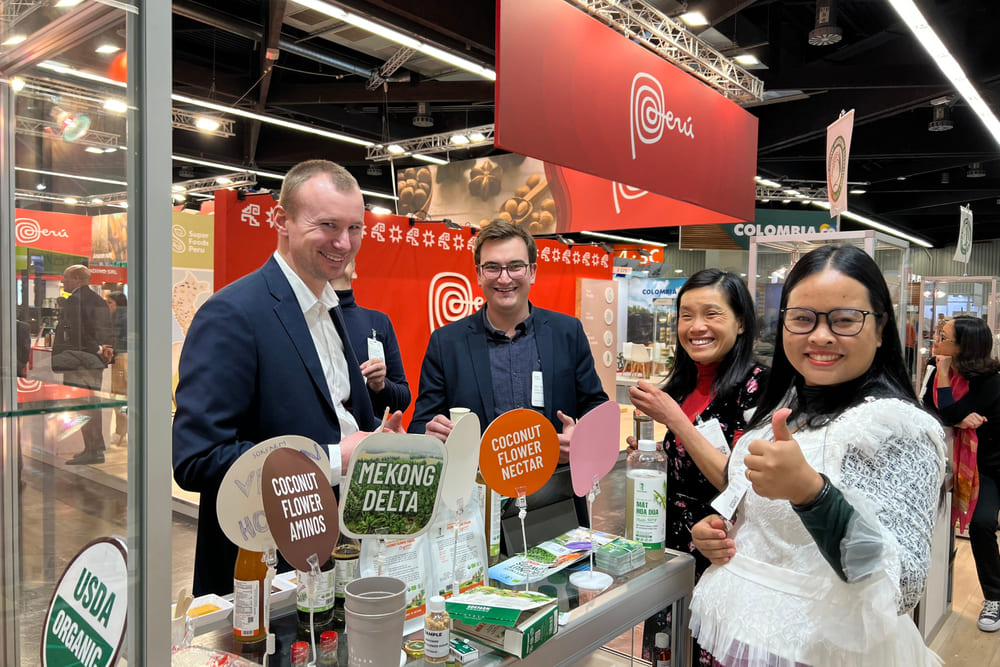
Sokfarm continued expanding into international markets, participated in Biofach and Thaifex trade fairs, exported to Australia and Canada, increased its capital to VND 5 billion, and won Third Prize in the international Social Business Creation (SBC) competition in Canada.
March 2025
The company is expected to expand its factory to 1,000 square metres, upgrade technology, triple production capacity, with total investment costs of VND 20 billion. It is estimated to use 50 hectares of coconut, link with 100 farming households, receive 12 - 16 tonnes of coconut blossom nectar per day, create jobs for 80 employees, and generate revenue of VND 50 - 60 billion.
- Markets importing Sokfarm organic coconut blossom nectar: the United States, Australia, Canada, Germany, Japan and the Netherlands.
- Achieved domestic and international certifications: 5-star OCOP, USDA, EU, JAS, Canada Organic and Great Taste Awards 2023.
- Helped farmers work and have a continuous source of income, with guaranteed output purchase, so agricultural activities are not interrupted or negatively affected by weather and climate change. At the same time, the project increases farmers’ income by shifting from harvesting coconuts to collecting coconut blossom nectar, transferring cultivation techniques and accompanying farmers throughout the process.
- Products made from coconut blossom nectar have achieved international organic certification and 5-star OCOP certification, contributing to increasing the value of local agricultural products and protecting consumer health.
- The project creates opportunities for young people to develop in their hometowns, reducing pressure on major cities.
- Creates jobs for ethnic minority people and women, contributing to promoting gender equality in the household economies of local families.
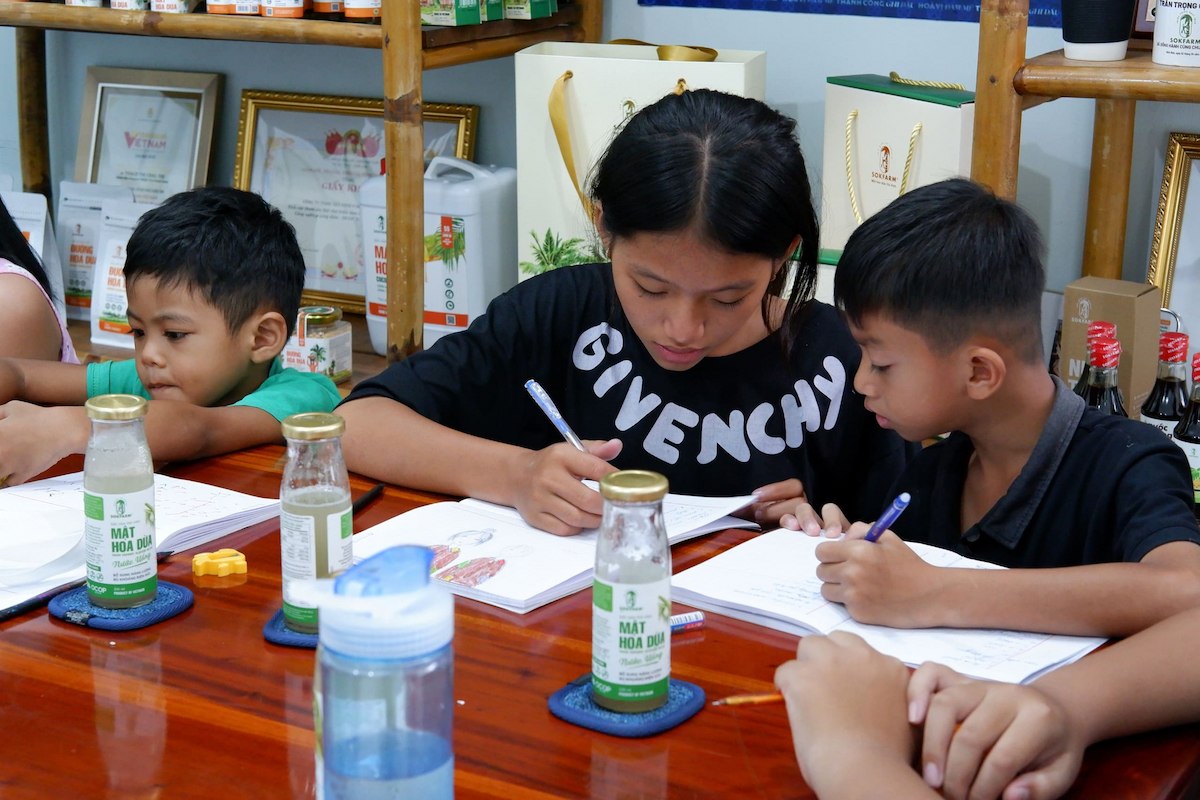
- Organises free English classes. Sokfarm covers 100% of the costs of English classes for the children of Sokfarm employees and nearby villagers, and these classes are still maintained today.
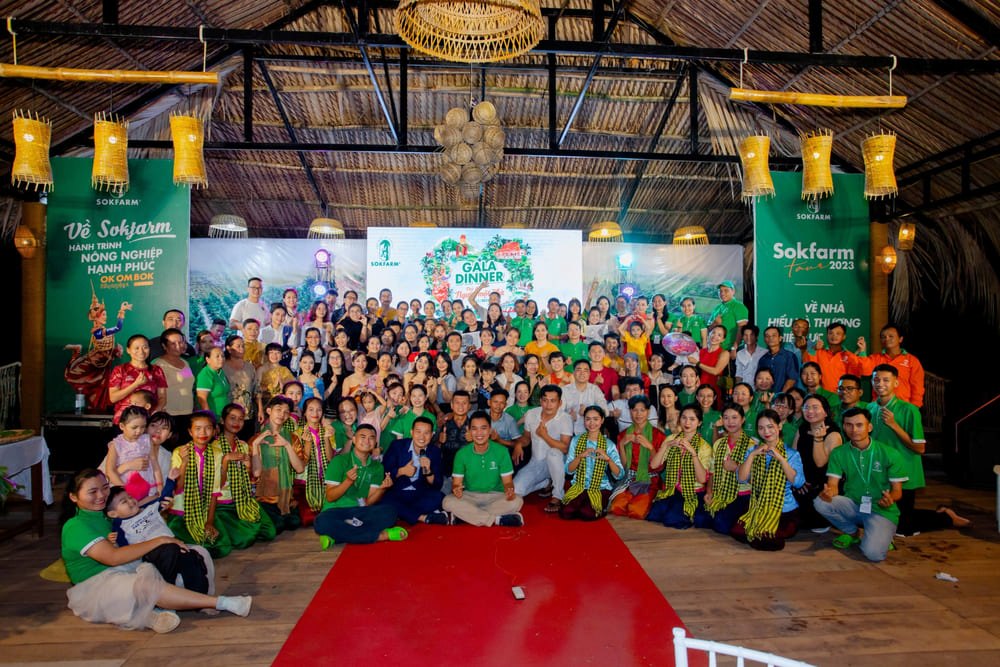
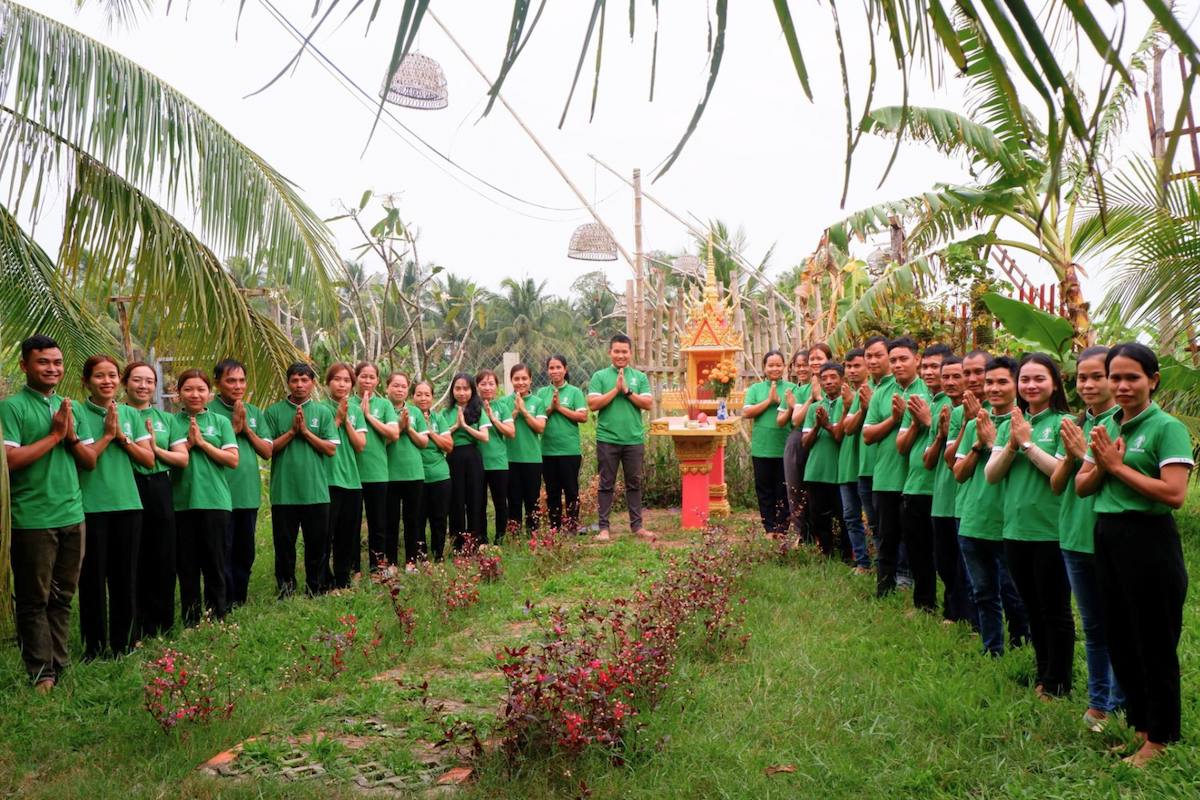
The business not only creates economic value, but also makes deep contributions to society and community development. Sokfarm organic coconut blossom products have been officially exported to more than 6 countries, achieved national 5-star OCOP certification and are present in more than 40 provinces and cities across the country. The production model helps increase farmers’ income by more than 300%, ensuring 365 days of stable income, with the participation of more than 35 farming households in the production chain. The business prioritises local development, with 100% of its staff from Tra Vinh, of whom 80% are ethnic Khmer and 70% are women, clearly demonstrating its commitment to DEI and social equity. In addition, welfare activities such as more than 2 free English classes for the children of workers further affirm its people-centred sustainable development orientation.
From 2016 to 2024, saltwater intrusion in Tra Vinh and the Mekong Delta became increasingly serious, especially in 2016 and 2020. In this context, when other crops could not grow, coconut trees became farmers’ choice for crop conversion suited to climate change. On the other hand, on 26 January 2024, coconut was also included by the Ministry of Agriculture and Rural Development in the Project and the approved Project for developing key industrial crops to 2030.
In 2013, the Food and Agriculture Organization (FAO) of the World Bank also reported that coconut sugar is the most sustainable sweetener because coconut trees produce more sugar per hectare and use far fewer nutrients and less soil water than sugarcane.
From there, many opportunities open up for scaling the coconut nectar collection model and optimising the local strengths of the Mekong Delta in the future, such as:
- Coconut blossom nectar collection is a traditional occupation of the Khmer people, and Tra Vinh has up to 30% of its population from the Khmer community. Restoring and expanding this traditional occupation will be suitable for the culture, daily habits of local people and the local strength of being an agricultural province.
- The coconut blossom nectar industry does not depend on seasonal factors and is sustainable against storms and heavy rain. Each coconut tree can produce 13–16 blossoms per year, with an average of one coconut blossom every 25 days. The model helps stabilise farmers’ economies and create sustainable livelihoods.
- Farming households only need 20 coconut trees to participate in the industry value chain. From 20 coconut trees, farmers can generate livelihoods of VND 6–8 million per month. For farming households without coconut-growing land, they can implement a model of leasing coconut gardens that are affected by saltwater intrusion or have low productivity from other farmers, then converting them to the coconut blossom nectar collection value chain. Therefore, farmers can participate in the industry value chain easily and sustainably.
- More than 30 products can be researched and developed from coconut blossom nectar, opening up many directions for product development. With its positioning as a new form of sweetness with a low glycaemic index, products made from coconut blossom nectar will become part of global consumer trends and are currently shifting strongly in the market.
- Each farming household is trained and guided in coconut blossom massage techniques for nectar collection, as well as coconut tree care according to international organic standards. Farming households will establish cooperative groups to self-manage, operate and supply raw materials to the business. The cooperative group model helps develop sustainable raw material areas while ensuring input quality for coconut blossom nectar products.
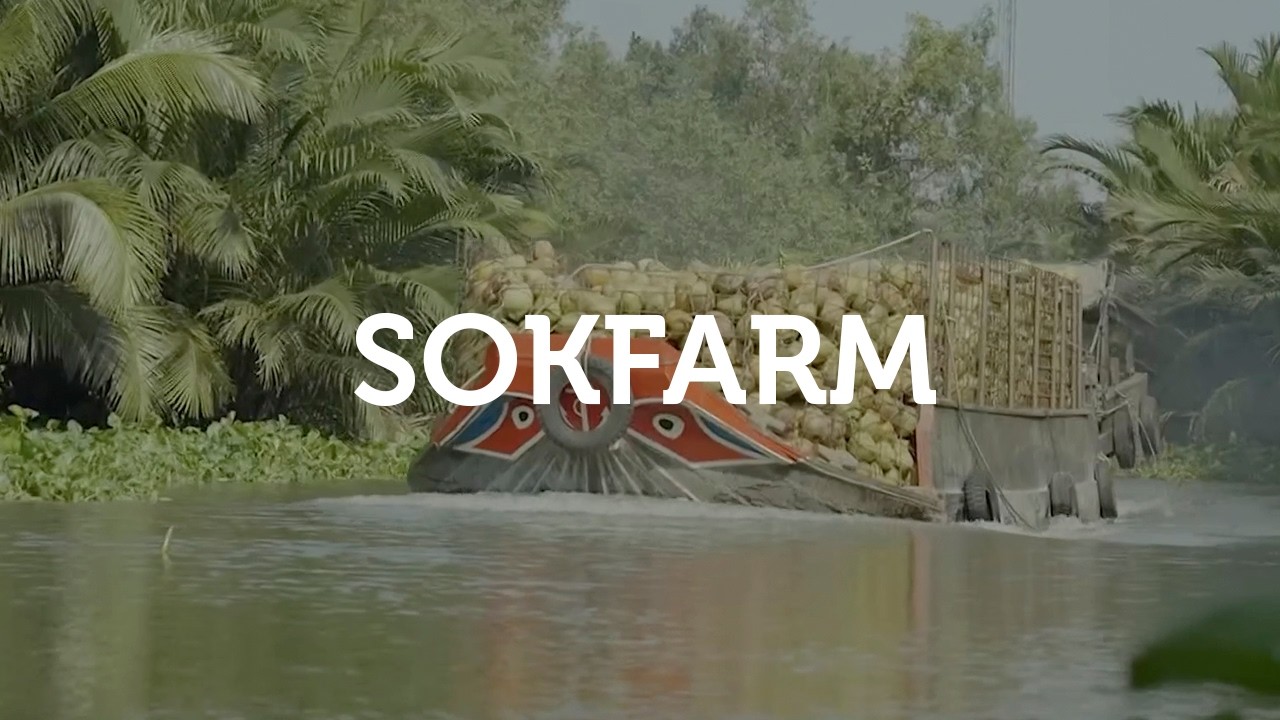
Sokfarm Coconut Blossom Nectar – Sustainable Sweetness
Case Ownership
Hosting Organisation: Tra Vinh Farm Company Limited
Key Partners: Coconut farming households and cooperative groups in Tra Vinh; International organic certification organisations, including USDA, EU, JAS and Canada Organic; International distribution and export partners; International trade fairs and trade promotion platforms; Local communities, especially the Khmer community
Stakeholders and beneficiaries: Coconut farmers participating in the coconut blossom nectar value chain; Local workers, especially women and ethnic Khmer people; Domestic and international consumers seeking organic and healthy products; Local communities benefiting from job creation and sustainable economic development; The natural environment, through organic farming, reduced chemical use and ecosystem protection
Source: Human Act Prize
The copyright and legality of all images, videos, information, and data regarding the project published on this landing page are provided by and are the sole responsibility of the individuals/organisations registering for the Human Act Prize. The republished content on this landing page has been verified and authorised by VCCorp Corporation (the co-organiser of the Human Act Prize).
Specific SDG targets
SDG 8.2
Achieve higher economic productivity through diversification, technological upgrading and innovation
SDG 8.3
Promote policies that support production activities, decent job creation, entrepreneurship and innovation
SDG 8.5
Achieve full and productive employment and decent work for all women and men
SDG 12.2
Sustainably manage and efficiently use natural resources
SDG 12.4
Ensure environmentally sound management of chemicals and waste
SDG 12.8
Ensure that people have information and awareness about sustainable development
SDG 13.1
Strengthen resilience and adaptive capacity to climate-related hazards
SDG 13.2
Integrate climate change measures into strategies and planning
SDG 13.3
Improve education and capacity to respond to climate change