Re.Uniqlo is a resilient journey initiated in 2021 by UNIQLO Vietnam. The project aimed to regenerate the clothes lifecycle, turning every used product into a shared resource and hope.
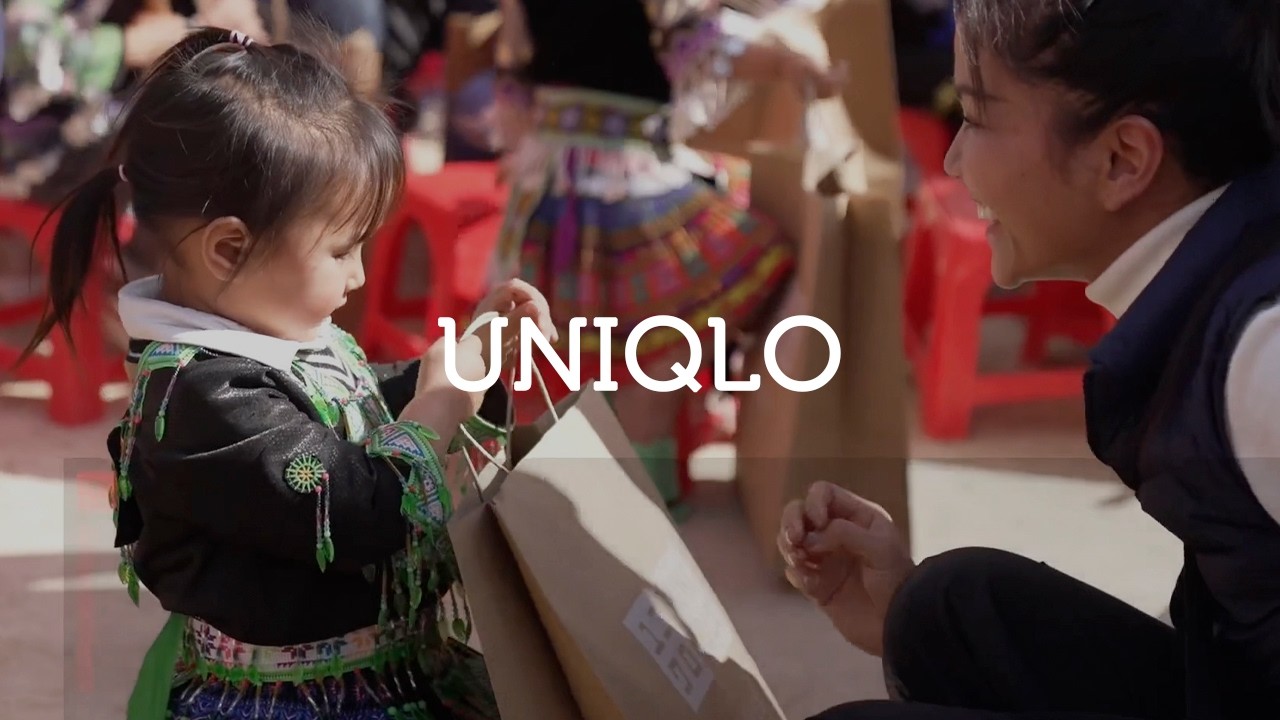
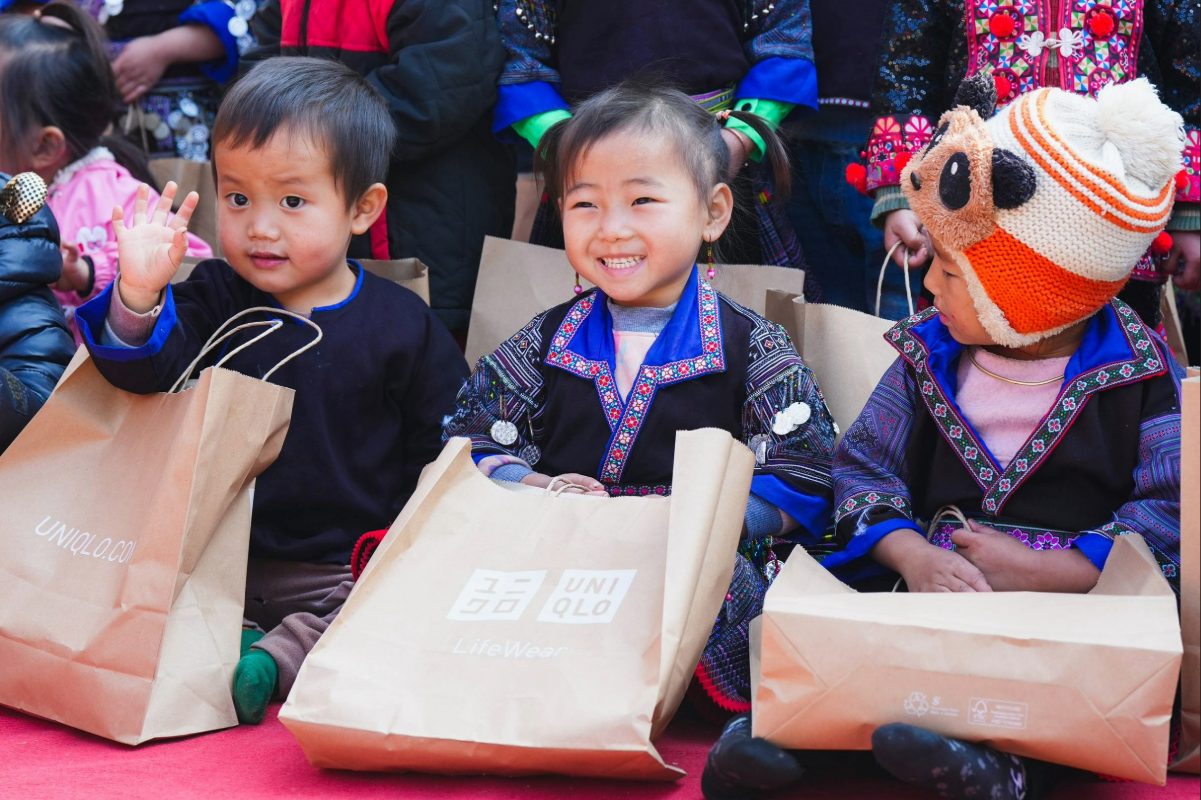
It persistently pursues a circular ecosystem where customers bring old UNIQLO clothes to stores nationwide to donate. From there, products are sorted, cleaned, and gifted to students and residents in difficult areas through collaboration with the Hope Foundation and local organisations. To date, more than 46,000 products have been delivered to many regions across the country from Central Vietnam to the highlands of Dien Bien, Son La, Ha Giang, Can Gio, and Tra Vinh.
This has not only contributed to the reduction of textile waste but also shown UNIQLO's strong commitment to crafting a responsible consumption culture and elevating sustainable value in Vietnam.
Re.Uniqlo was born when UNIQLO spotted two contrasting yet related situations in Vietnam. On the one hand, the textile industry and modern consumption habits have produced a massive amount of waste, which heavily burdens the environment. Revenue in the Vietnamese apparel market is expected to reach over 189 billion VND in 2024, showing a huge consumer demand and a following disposal habit. If not handled properly, most discarded garments will be one of the major burdens on the environment. On the other hand, within the same country, thousands of students and people in the highlands and remote areas still lack clothing, especially warm clothes during harsh winters. The discrepancy between urban surplus and highland shortage had prompted UNIQLO to act.
Re.Uniqlo was initiated in 2021 to give another lifecycle for clothing products, through collecting used UNIQLO products from customers, then cleaning, sorting, and handing them to people in difficult circumstances, highland students, or communities affected by natural disasters. The project serves not only as a solution to minimise environmental impact but also as a path to serve, optimising the product lifecycle to turn products that seem to have lost their utility into warmth and hope for those truly in need.
The core initiative of Re.Uniqlo is to build a three-party circular social model (Customer – Brand – Social Organisation), transforming one-way charitable activity into a persistent ecosystem where everyone has a role and responsibility. This is based on the goal of “Create New Value Through Products and Services” set out by Fast Retailing, the parent company of the UNIQLO brand.
Vision
To maintain the program as a core part of the sustainable development strategy, contribute meaningfully to the UN SDG (especially SDG 12 – Responsible Consumption and Production, SDG 13 – Climate Action, SDG 10 – Reduced Inequalities) and expand the scale to further regions.
Objective
To build a circular consumption culture in Vietnam, where every wearer is aware that their garments' values can continue to spread to others, and together with the brand, promote the "Power of Clothing" to create a sustainable society.
Implementation Process - Scope - Budget
The journey of Re.Uniqlo is an unwavering, systematic journey to development and continuous expansion on a nationwide scale, focusing on the Northern mountainous provinces (Dien Bien, Son La, Yen Bai, Ha Giang, Thanh Hoa), Central Vietnam (Quang Binh, Nghe An), and the Southwest region (Can Gio, Tra Vinh).
- Phase 1 (2021–2022) - Setting the Foundation: Right from its launch, the project focused on building a solid bedrock by installing collection bins at 100% of stores and establishing logistics and sorting processes. Most important was the signing of a strategic partnership with the Hope Foundation to survey, receive, and distribute products to the right beneficiary groups. This phase has given away more than 20,000 products to highland students and people in the flood-prone areas of Central Vietnam, laying the groundwork for a positive circular cycle between customers, brand, and community.
- Phase 2 (2023–2024) - Acceleration and Expansion: The project entered a phase of acceleration, expanding its influence. Apart from regular operations, such as donating nearly 4,000 clothing products in Mu Cang Chai district (Yen Bai), there are also educational support projects, such as sponsoring the construction of the Trong Tro school, or emergency support of 9,000 clothing products for students in the flood-prone areas of Northern Vietnam. This process demonstrates flexible adaptation and a deep commitment to assist the community.
The continuous dedication of UNIQLO and the community has spread meaningful values with strong resonance.
Qualitative Results
- Local on-site contributions: The project has helped tens of thousands of people in difficult areas, such as residents in the flood-prone areas of Central Vietnam (Quang Tri, Quang Binh, Hue, Thanh Hoa...), students in the highlands of Dien Bien, Yen Bai, Son La, Ha Giang, and Southern regions such as Binh Phuoc, Can Gio (HCMC), and Tra Vinh provinces, to cope with the freezing winter or natural disasters, lending a helpful hand to overcome hardships.
- Social awareness change: From a one-way model of "business gives – community receives," Re.Uniqlo has developed into a three-way model (customers actively contribute, the brand handles operations and logistics, and social organisations distribute and supervise). Thanks to this, the project not only brings social efficiency but also educates the community about a green lifestyle and responsible consumption, creating a true cycle of value – where fashion becomes the power of sharing.
Quantitative Results (to date):
- 46,000+ LifeWear products have been "given for a new lifecycle."
- 10,000+ people in 6 provinces and cities have benefited directly.
- 100% of UNIQLO stores in Vietnam (30 stores in 6 provinces and cities) participate in the program.
The program has recorded outstanding results in donation activities and sustainable product reuse. More than 46,000 LifeWear products have been "given for a new lifecycle," contributing to extending the product's lifecycle and promoting a responsible consumption model.
Simultaneously, more than 10,000 people in 6 provinces and cities have benefited directly from the program. Notably, 100% of UNIQLO stores in Vietnam (30 stores in 6 provinces and cities) participated in the implementation, showing the level of commitment and system-wide coverage in performing activities for the community and sustainable development.
The Re.Uniqlo model is built with a vision for replication and high feasibility.
- Model replication capability: With a flexible operational structure (only requiring collection bins and a distribution network) and low costs (leveraging existing logistics), this model can be completely expanded or transferred to other brands in the form of an open "Collect – Care – Connect" model.
- Future development roadmap: UNIQLO Vietnam has plans to persistently develop the project by expanding collection points to shopping malls and universities and developing a mobile application (RE.UNIQLO App) so that customers can track the journey of the products they contribute, enhancing transparency and long-term engagement.
Re.Uniqlo
Case Ownership
Hosting Organisation: UNIQLO VIETNAM
Collaborating Partners:
- Hope Foundation
- Local organisations in reception – distribution areas (local authorities, schools, communities in difficult areas and disaster-affected areas)
Stakeholders and beneficiaries:
- UNIQLO customers in Vietnam (contributing to products, forming responsible consumption habits)
- Students, teachers, and residents in difficult/remote/disaster-affected areas (receiving clothing)
- UNIQLO nationwide store chains (collection points, in-store communication)
- Local community (strengthened social welfare support, reduced gap in access to essentials)
- Natural environment (reduced textile waste, extended product lifecycles)
Source: Human Act Prize
The copyright and legality of all images, videos, information, and data regarding the project published on this landing page are provided by and are the sole responsibility of the individuals/organisations registering for the Human Act Prize. The republished content on this landing page has been verified and authorised by VCCorp Corporation (the co-organiser of the Human Act Prize).
Specific SDG targets
SDG 12
Responsible Consumption and production
SDG 12.5
Substantially reduce waste generation
SDG 12.8
Promote universal understanding of sustainable lifestyles
SDG 12.6
Encourage companies to adopt sustainable practices and sustainability reporting
SDG 10.2
Promote universal social, economic and political inclusion
SDG 10.3
Ensure equal opportunities and end discrimination
SDG 13.3
Build knowledge, raise awareness and capacity to meet climate change