The Norwegian People's Aid - NPA began its operation in Vietnam in 2007, aiming to address the enduring aftermath of landmines and unexploded ordnance (UXO) affecting the livelihoods of people all over the country.
To carry out its long-term vision, support the strategic direction and the goals of local mine action regulatory agencies, NPA supports and implements Cluster Munition Remnant Survey (CMRS), detects and disposes mobile explosive ordnance (EOD), and Explosive Ordnance Risk Education (EORE). Besides, NPA also deploys numerous capacity-building projects to support local mine action partners, contributing to the sustainability of mine action activities.
In 2023, NPA had been implementing CMRS, UXO clearance, and EOD projects in Quang Tri, Quang Binh, and Thua Thien Hue, risk education in Kon Tum province, and various other capacity-building activities.
Although wartime ended decades ago, especially the 1950s–1970s prolonged wars, many people in Vietnam continue to be affected by cluster munitions (CM) and other types of unexploded ordnance (UXO) scattered across the country. Nearly millions of tons of landmines and explosives (UXO) were used in these wars, leaving tons of UXO behind. According to the Vietnamese government, all 63 provinces and cities across the country are contaminated by UXO to varying degrees, with the total contaminated land area accounting for 18% of the country's total area. Some localities even endured 80% of landmine contamination. This makes Vietnam one of the countries with a high level of UXO contamination in the world, particularly in cluster munition contamination.
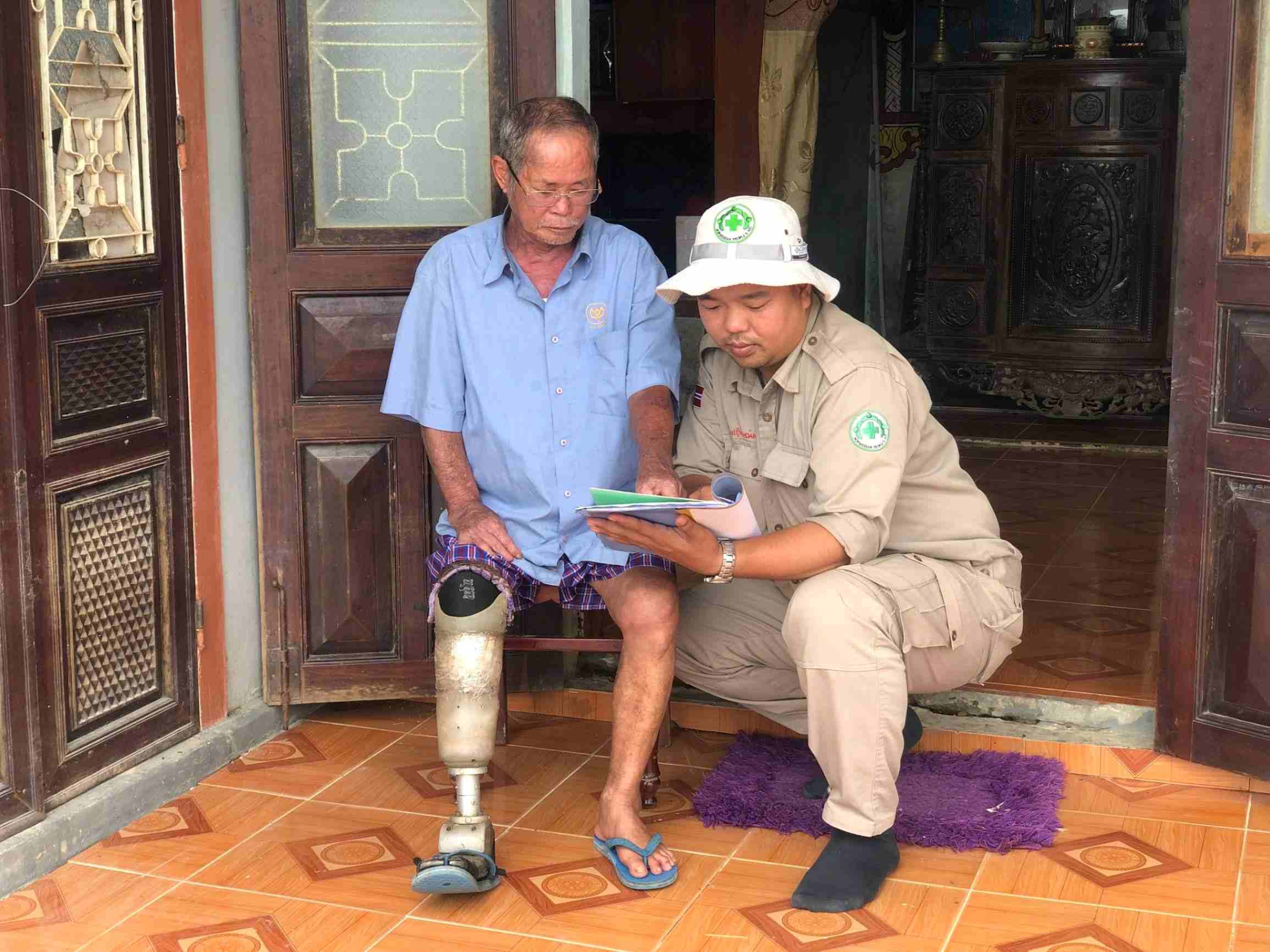
Since 1975, UXO accidents in Vietnam have been estimated to have caused the impact on 105,000 people, with 38,000 deaths and 66,000 injuries. However, fully updated and realistic national statistics are not available, making these figures relative estimations.
To support the Government and people of Vietnam in removing cluster munition remnants and post-war UXO, Norwegian People's Aid (NPA), with experience in the field of mine action in over 40 countries worldwide, proceeded to establish its program in Vietnam in 2007.
- In 2015, NPA developed the Cluster Munition Remnant Survey (CMRS) methods to identify the boundaries of contaminated or non-contaminated cluster munition areas, identifying Confirmed Hazardous Areas (CHA) based on direct evidence. CMRS is evaluated by international mine action organisations and donors as the most effective method to determine the scale of cluster munition remnant contamination in Vietnam and Southeast Asia. This method is currently being applied by NPA in Vietnam, Laos, and Cambodia.
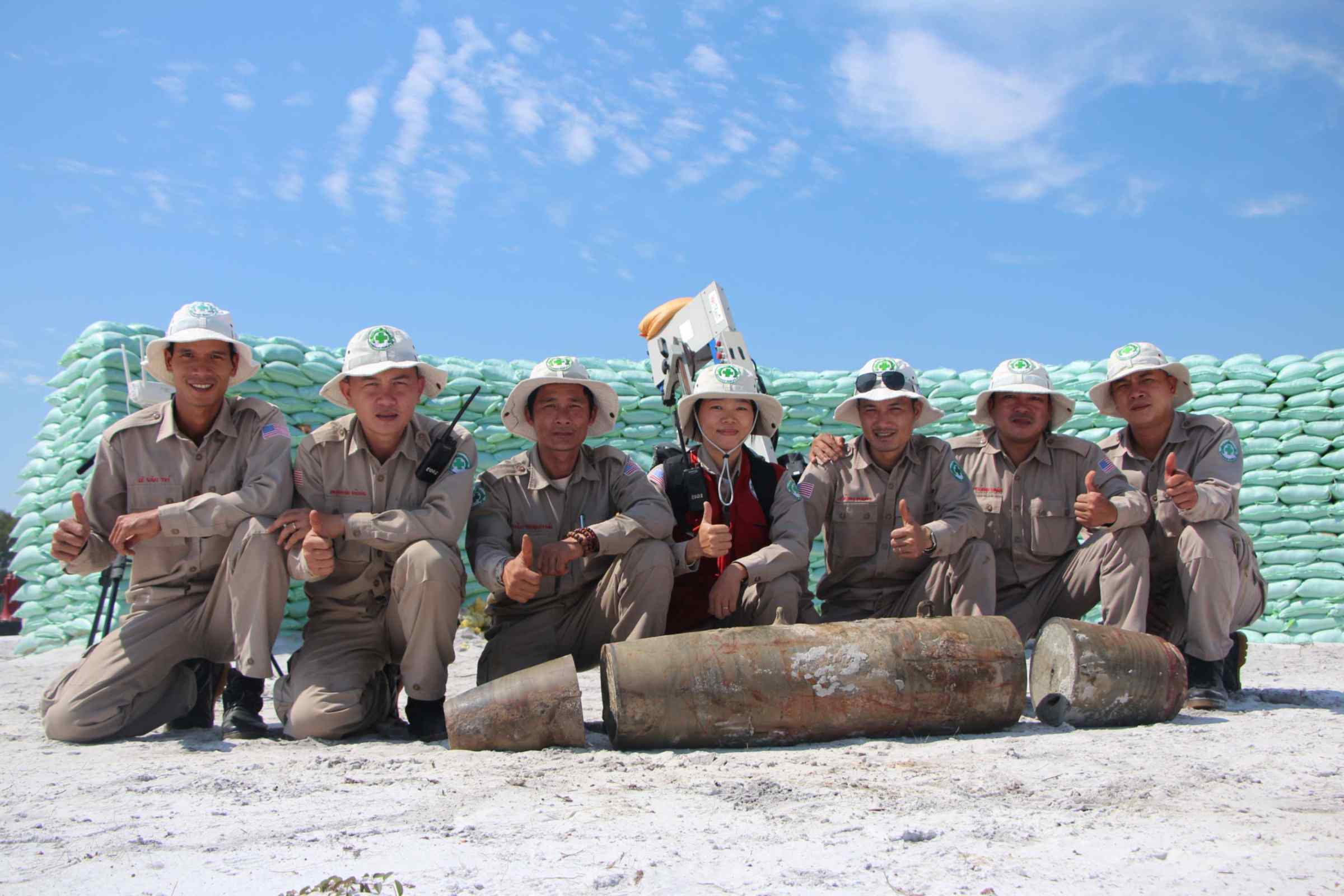
- Enhance the role of women in Mine Action through activities such as establishing Vietnam's first all-female mine clearance team; 30% of NPA's total staff are female and hold many senior management positions in the organisation.
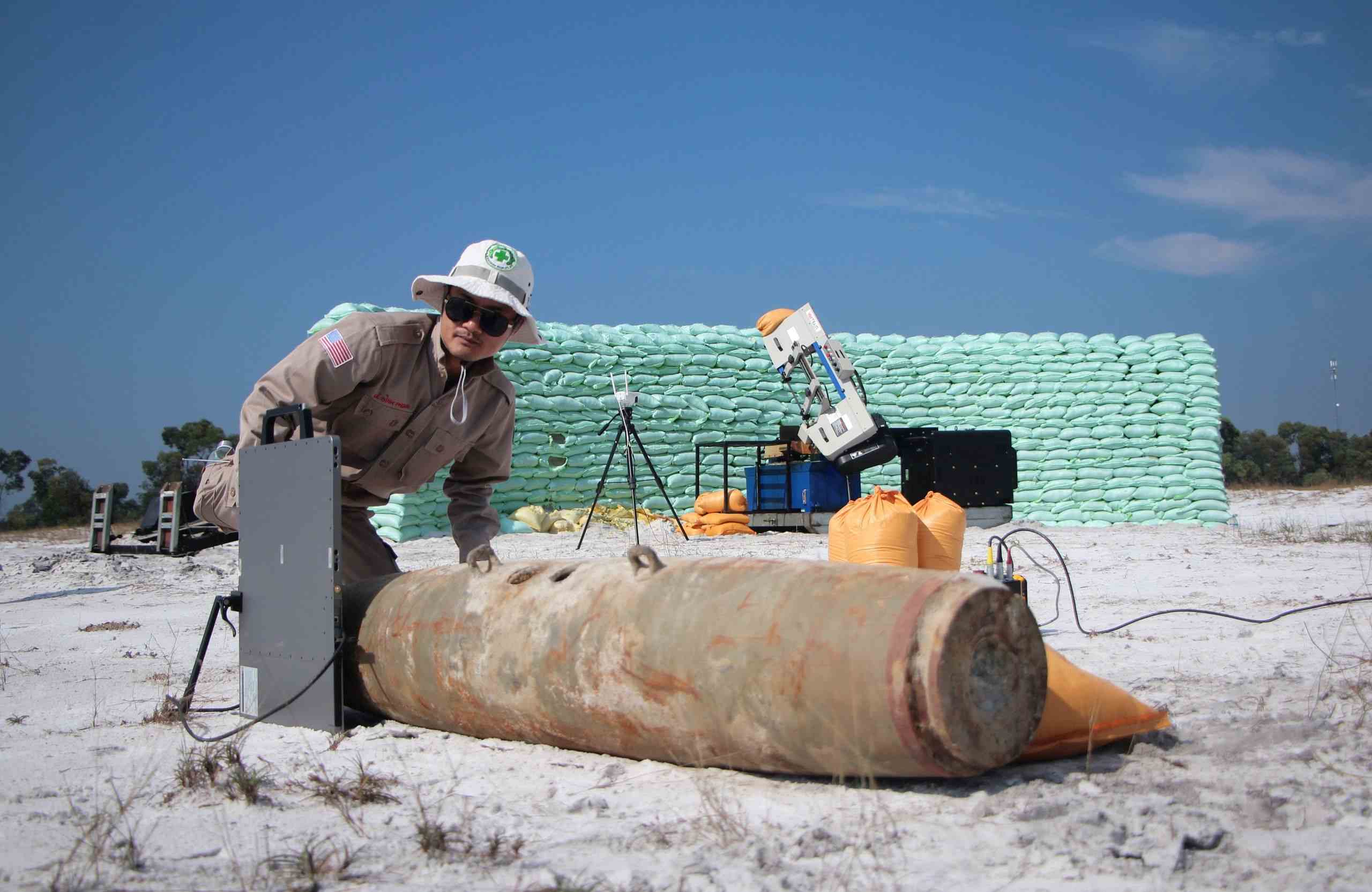
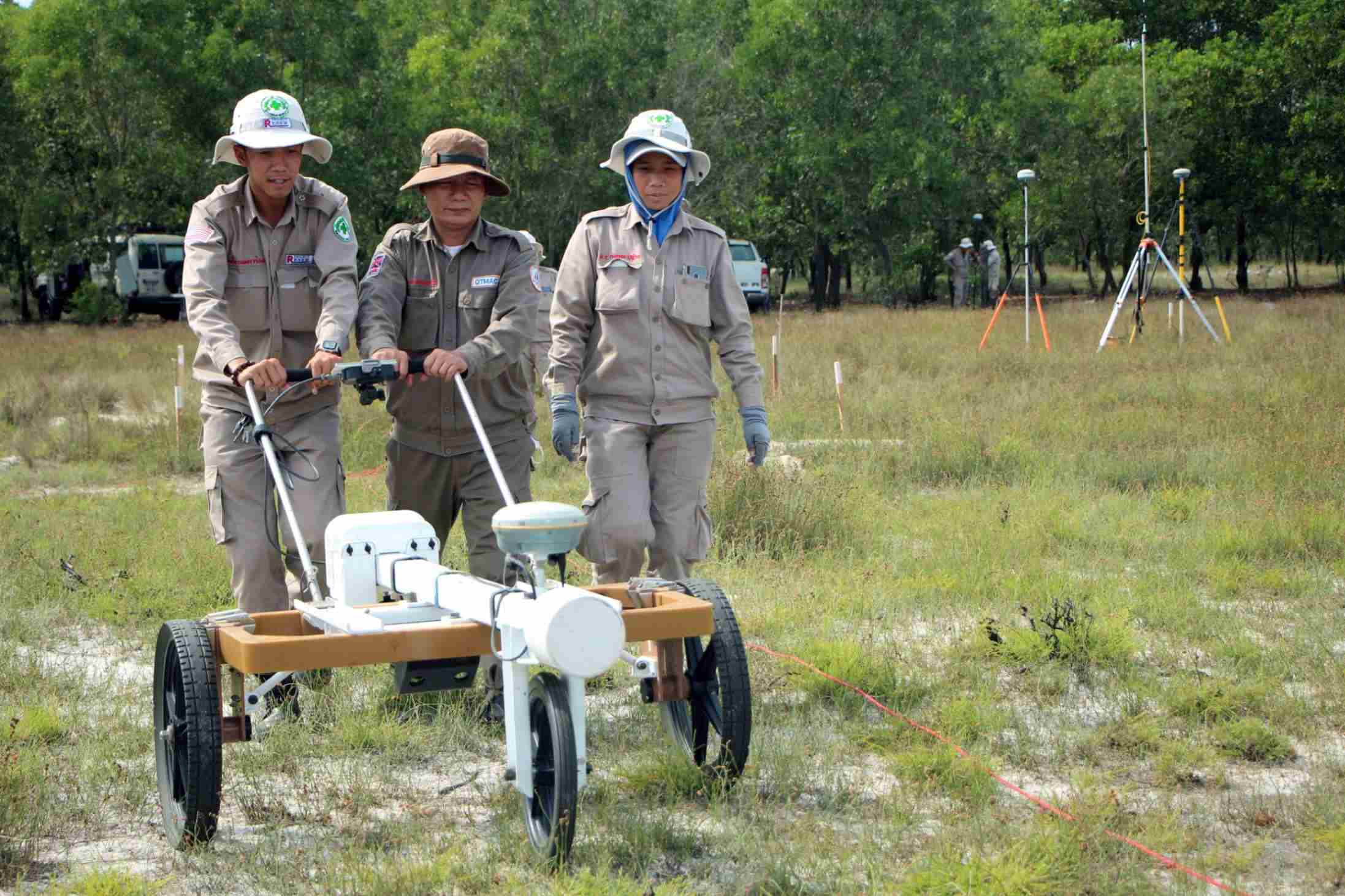
- Pilot testing and evaluation of the Scorpion deep-search detector (deep underground explosives detection) and the Bearcat vegetation cutting system (replace manual methods, help to remove vegetation for site clearance activities).
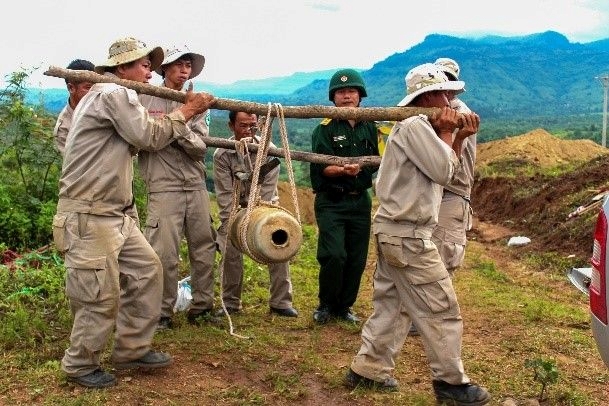
- Establish a mobile bomb-cutting system used for large-sized air-dropped bombs that cannot be destroyed on-site in Thua Thien Hue.
- Promote the environment in Mine Action: develop an internal emission monitoring toolkit to track and reduce carbon emissions; create a tool to identify and mitigate the environmental impact of mine action.
- Coordinate with partners in Thua Thien Hue to test sandbags made from Lepironia grass (a local grass) to replace plastic sandbags.
- Develop the Total Mine Action Survey (TMAS) method, integrate climate resilience and environmental surveying into non-technical surveys, mapping risk education needs, and victim assistance.
Objective
From 2004 to 2013, the Government of Vietnam conducted a survey to determine the status of contamination and the impact of UXO on socio-economic development. The "Report on Post-war UXO contamination in Vietnam" was approved by the Prime Minister of Vietnam in 2018 and has since been used as the official reference on post-war UXO contamination in Vietnam.
The report clearly stated: “According to statistics, the 30-year resistance war left Vietnam with hundreds of thousands of tons of post-war UXO remnants out of the millions of tons that were used. UXO remnants were scattered in communities nationwide and represented potential dangers. UXO contamination heavily affected socio-economic development, security, social order, and the effective use of natural resources by local people.”
Vision
According to the Minister of National Defence, the total number of UXO victims each year has been below 50 people, a significant decrease compared to the level of nearly 400 people per year prior to 2010. The number of accidents is believed to have gradually decreased, especially in some provinces where detection, clearance, and risk education activities have been implemented.
Despite evidence of UXO contamination, a vast majority of citizens continued to use unsafe land. This situation is often a consequence of economic necessity, as the areas with the highest levels of contamination are also the poorest and least developed regions in Vietnam. The constant dangers from cluster munitions and other UXO are also a major concern for people living in affected communities, and this is also one of the most significant issues NPA sets out to address in Vietnam.
Implementation Process - Scope
To minimise cluster munition contamination and help people live and work in safe areas, NPA has established programs in five provinces and cities: Hanoi, Quang Binh, Quang Tri, Thua Thien Hue, and Kon Tum, with key activities including:
- Cluster Munition Remnant Survey (CMRS) applied in Quang Binh, Quang Tri, and Thua Thien Hue provinces to identify the boundaries of confirmed hazardous areas contaminated with cluster munition through non-technical and technical surveys.
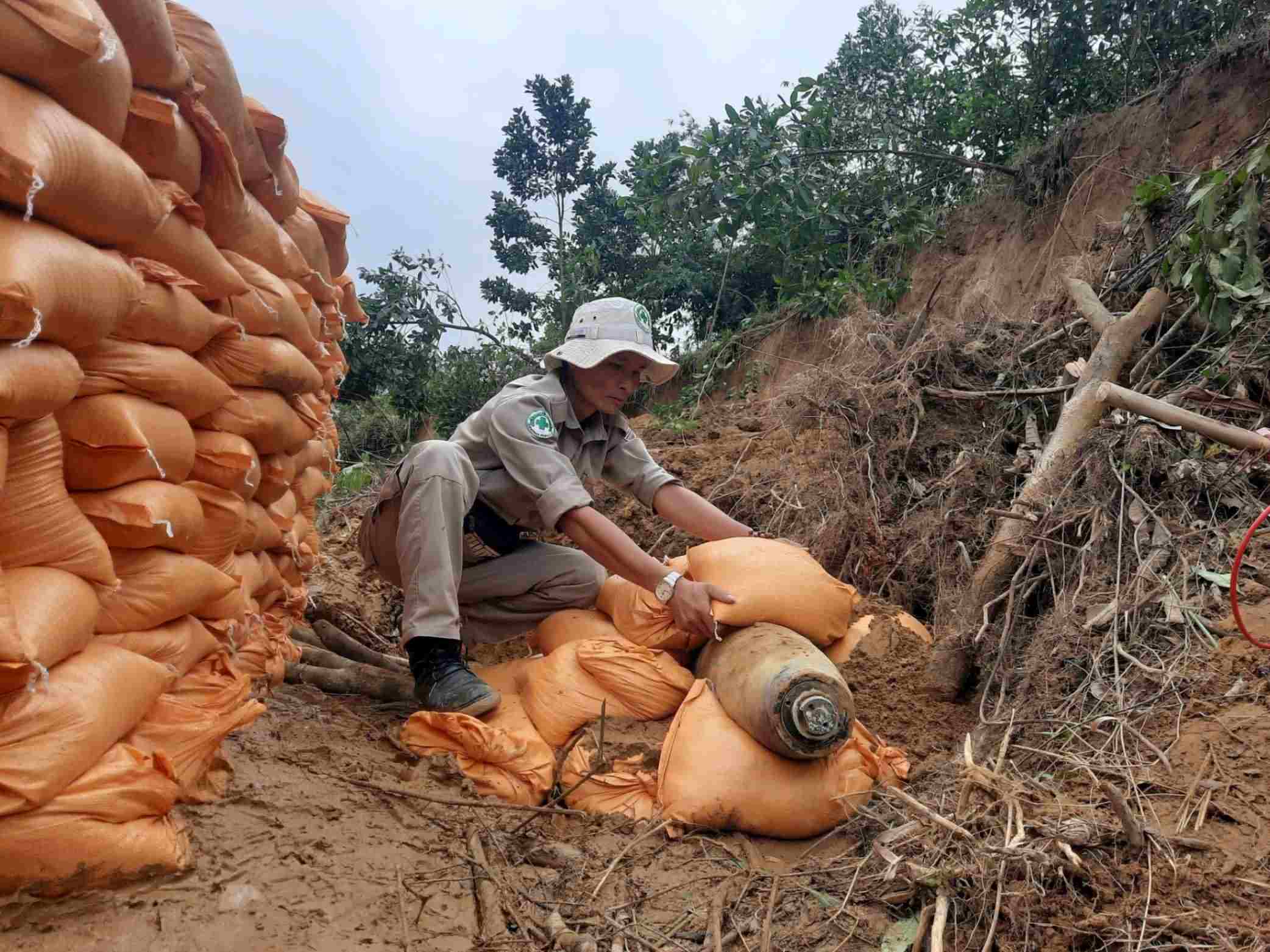
- Battle Area Clearance (BAC) in Quang Tri and Thua Thien Hue to search for and handle post-war UXO remnants systematically and controllably among confirmed CM contaminated areas.
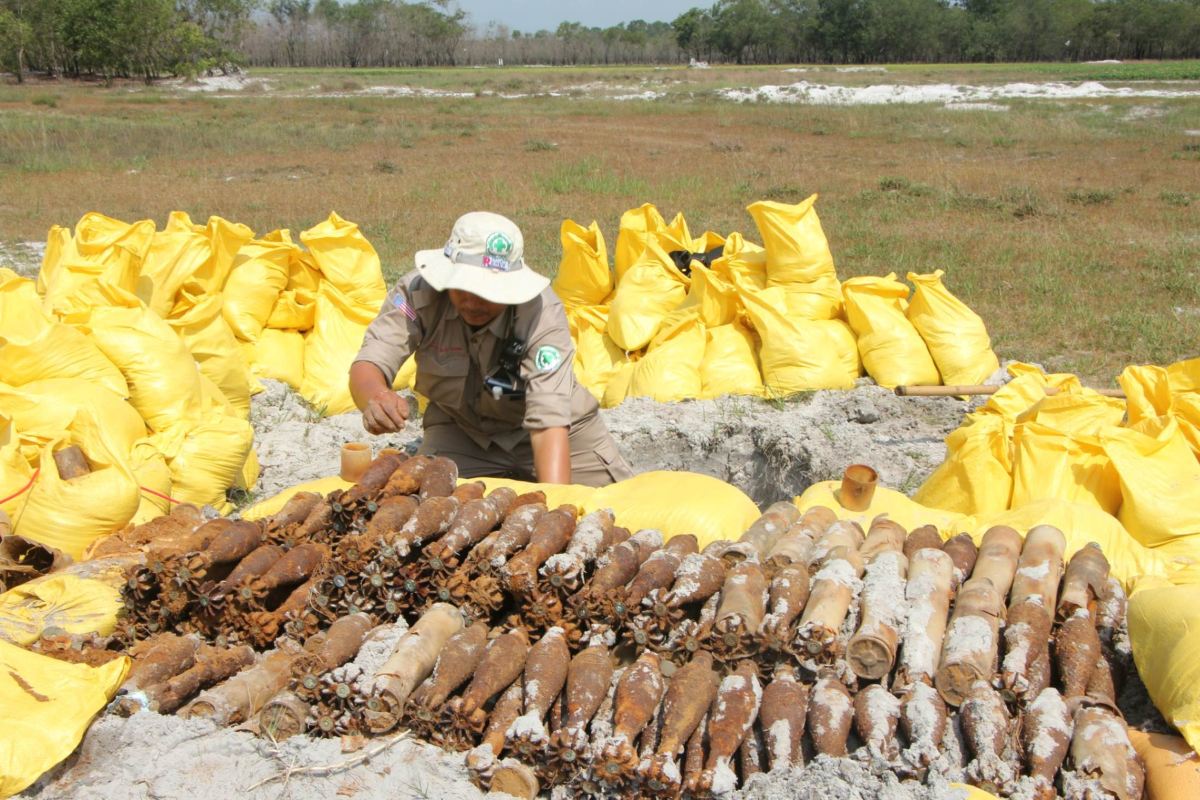
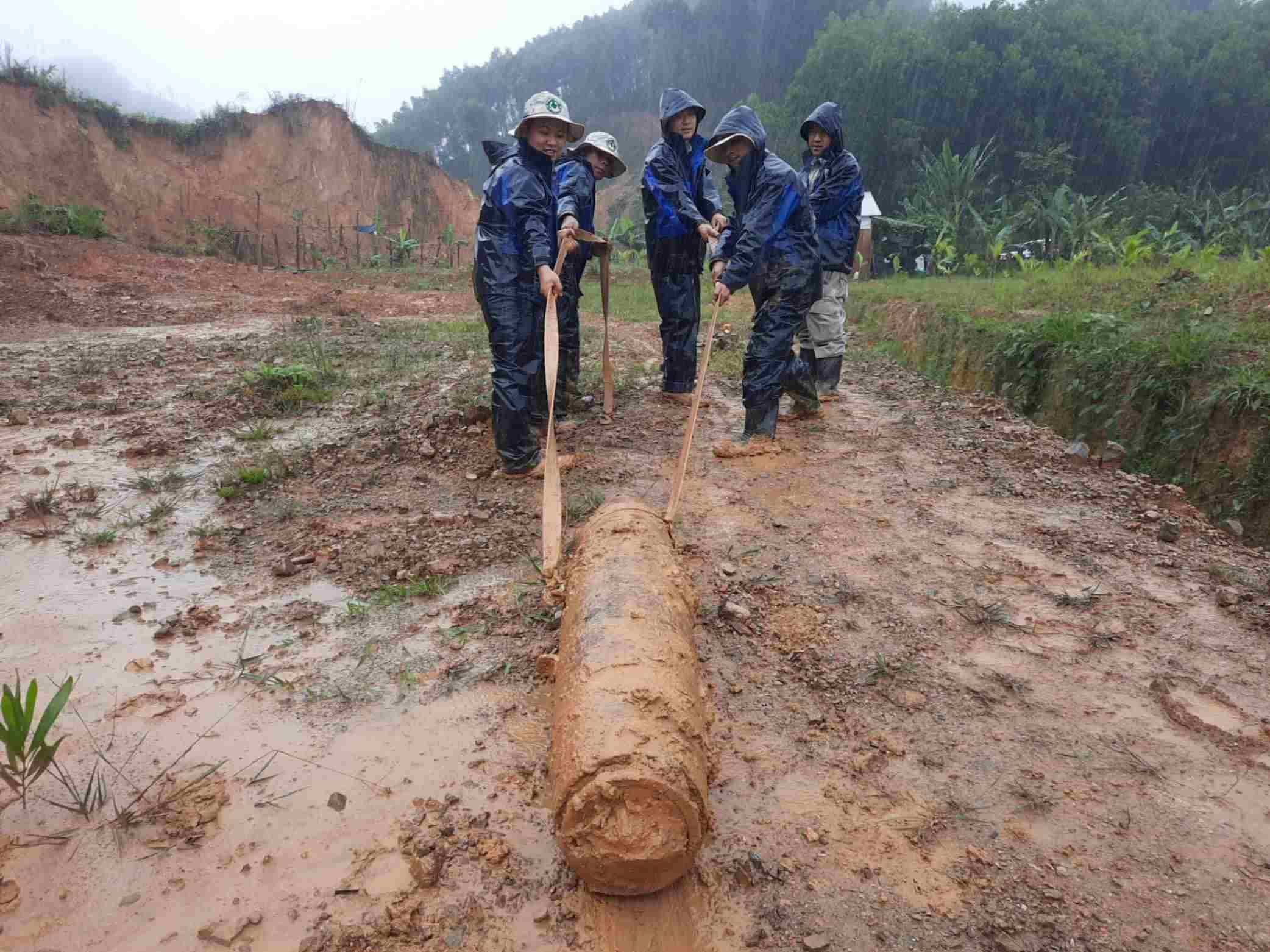
- Mobile Explosive Ordnance Disposal (EOD) in the two provinces of Quang Tri and Thua Thien Hue to identify and destroy explosives outside confirmed contaminated areas, usually responding to requests for explosive material disposal.
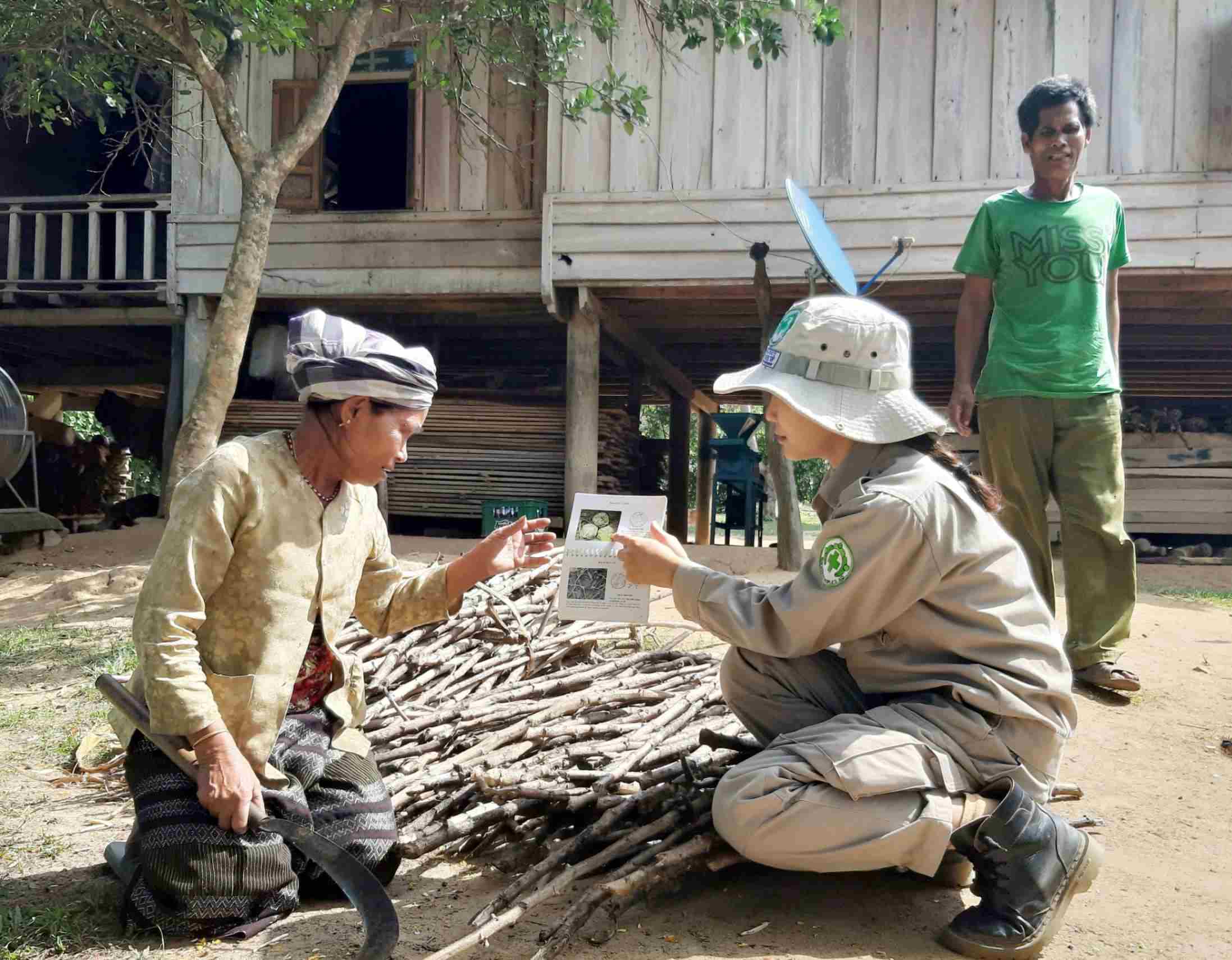
- Explosive Ordnance Risk Education (EORE) in Kon Tum to minimise injuries caused by landmines and explosives through raising public awareness, adapting to the level of vulnerability, roles, and different needs of each target group, while promoting behavioural change.
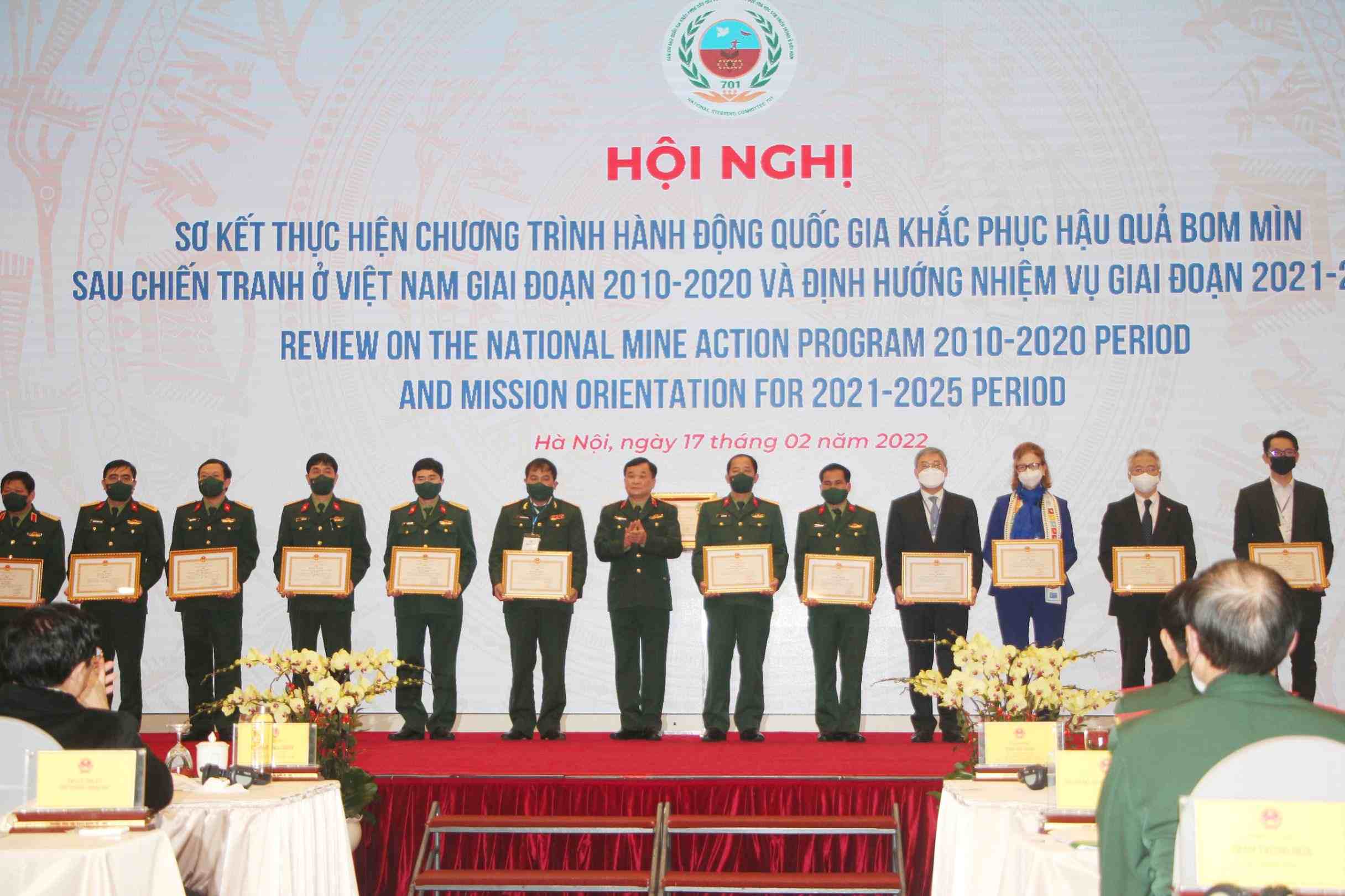
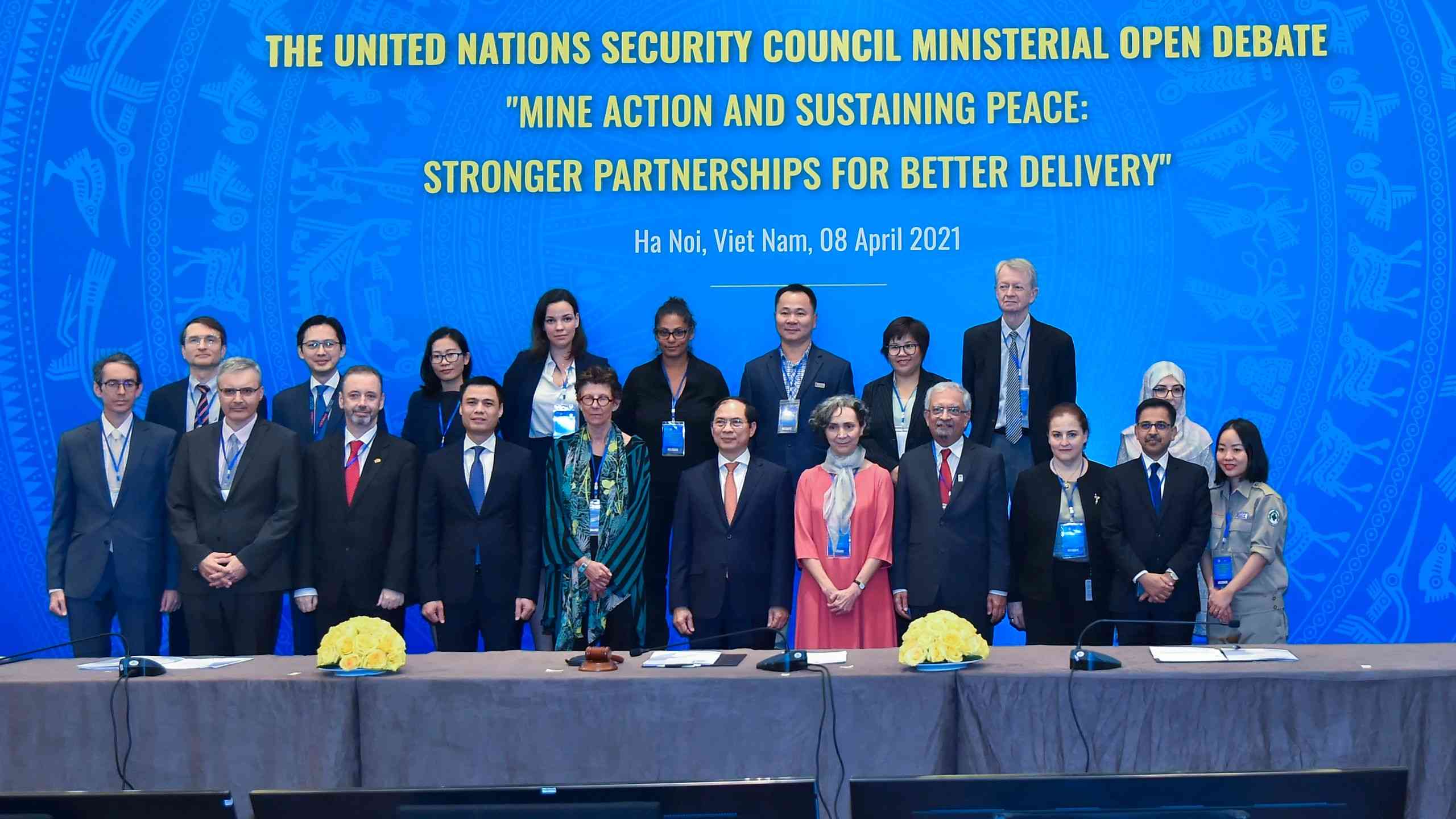
- Capacity building as a long-term cooperative partnership to strengthen the capacity of national-level partners such as the Vietnam National Mine Action Centre (VNMAC), Quang Tri Mine Action Centre (QTMAC), Quang Binh Database and Coordination Unit (QB DBCU), and Thua Thien Hue Database Unit (Hue DBU).
Budget
In 2022, NPA was proud to continue supporting the Government of Vietnam in minimising the impact of explosive materials on people's lives, helping them work and live in peace of mind. To achieve these results, NPA received stable funding from the Governments of the United States and Norway, with a total contributed budget of over 68 million NOK, equivalent to more than 6.7 million USD.
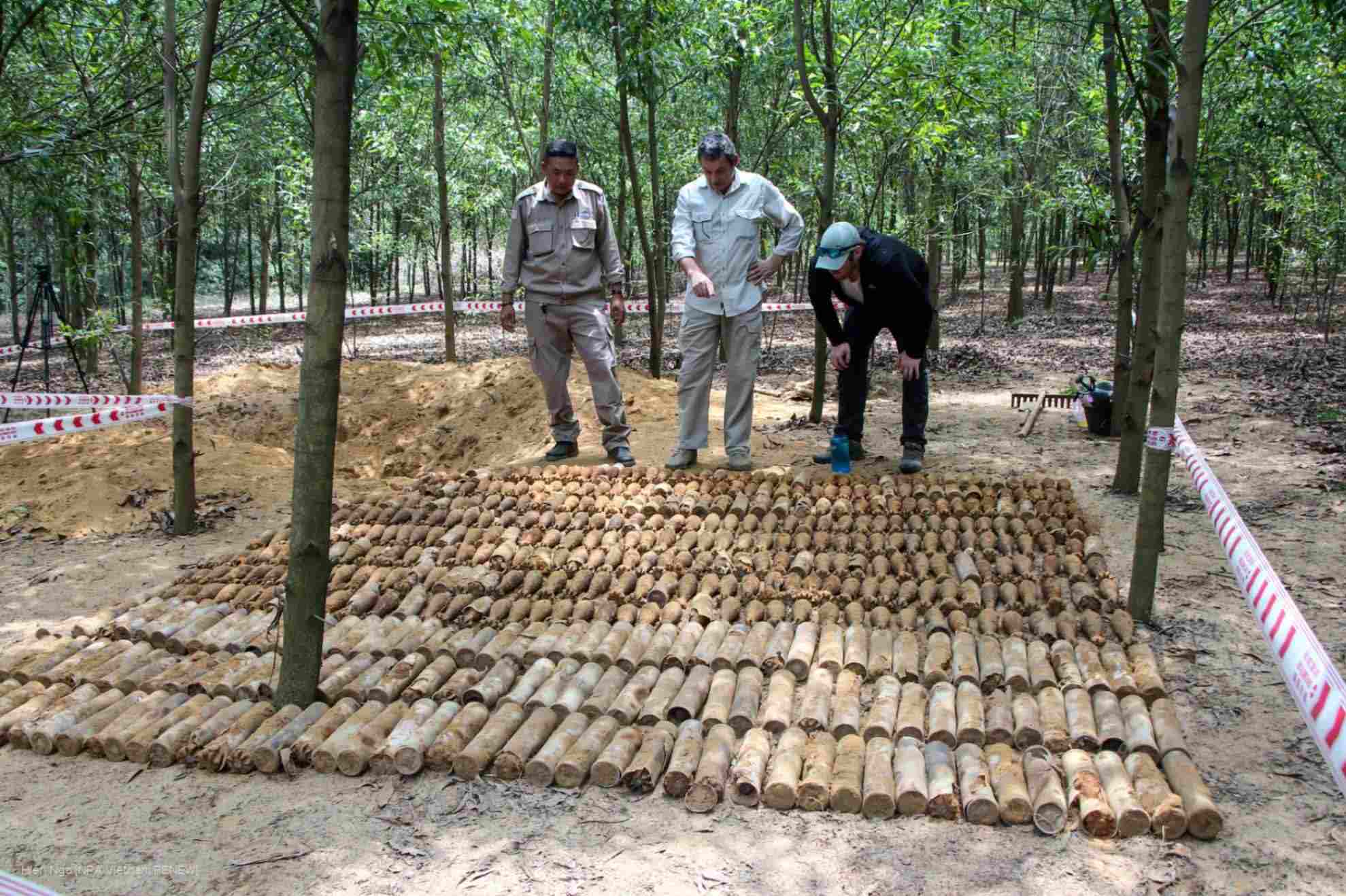
NPA teams identified more than 130km2 of land contaminated with explosives through the cluster munition remnant survey method; cleared more than 8,700,000 m2 of confirmed hazardous areas (CHA); safely discovered and destroyed more than 13,700 explosive items, accounting for 28% of the total explosives found by NPA globally.
The cost per m2 of CHA is 0.05 US cents, the cost per m2 cleared is 0.32 US cents, and the cost for each explosive item discovered and destroyed is 380 USD.
The program has achieved significant results in surveys and safe disposal activities. Specifically, 363 villages/hamlets underwent non-technical surveys, while 20 km² of land area was reviewed. During implementation, 2,680 mobile disposal tasks were performed, contributing to risk reduction for the community. Additionally, 401 confirmed hazardous areas were identified, along with more than 34,700 explosive materials discovered and safely handled. In total, the program has brought direct benefits to 40,309 people, reflecting a practical impact on safety and life stability in affected areas.
With 16 years of experience in the field of Mine Action in Vietnam and close cooperation capability with domestic and international agencies, organisations, NPA Vietnam always aims to expand activities to provinces vulnerable to contamination and with limited support.
Specifically, starting in 2022, NPA conducted a needs assessment and established operations in Kon Tum province, one of the provinces heavily contaminated by UXO, especially cluster munitions. Through initial activities with provincial authorities, NPA conducted UXO risk education sessions in the province, targeting vulnerable groups. However, the exact level and areas of contamination have not yet been determined.
Providing the large and tragic accidents related to landmines that occur every year in Vietnam (such as the accident in Kon Tum that resulted in two deaths and three injuries last March, 2023), it is of paramount importance to conduct risk education, detection, clearance, and mobile disposal activities.
NPA Vietnam is always ready to support the authorities and people of provinces affected by post-war UXO, sharing experience and expanding operations in locations with a need for overcoming the consequences of landmines and explosive ordnance.
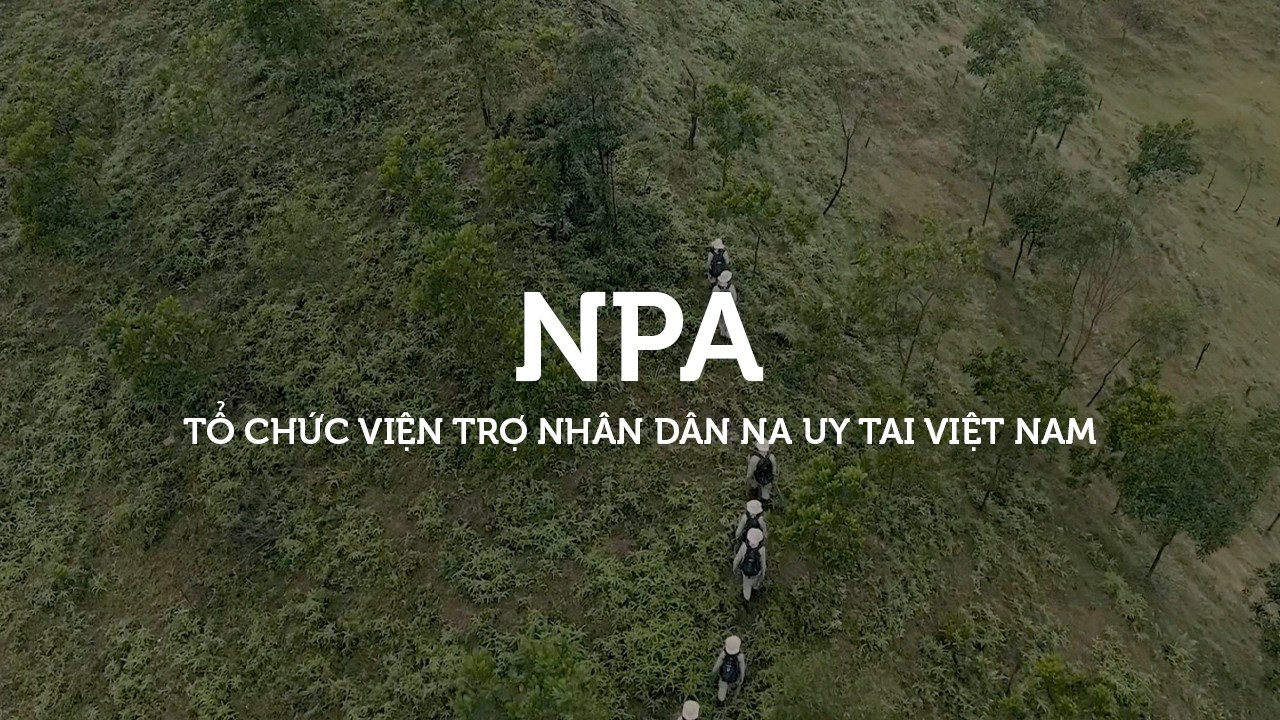
Actions to Overcome the Aftermath of Landmines in Post-war Vietnam
Case Ownership
Hosting Organisation: Norwegian People's Aid (NPA) in Vietnam
Key partners:
- Vietnam National Mine Action Centre (VNMAC)
- Quang Tri Mine Action Centre (QTMAC)
- Quang Binh Database and Coordination Unit (QB DBCU)
- Thua Thien Hue Database Unit (Hue DBU)
- Government of the United States
- Government of Norway
- Provincial authorities of Quang Binh, Quang Tri, Thua Thien Hue, Kon Tum
Stakeholders and main beneficiaries:
- People living in areas contaminated by post-war landmines and explosive ordnance
- Rural communities, poor regions, and areas heavily affected by cluster munitions
- Children, women, and vulnerable groups in need of Explosive Ordnance Risk Education (EORE)
- National and provincial mine action regulation agencies
- Technical forces performing surveys, clearance, EOD, and risk education
- Local communities benefiting from safer land for living, production, and livelihood development
Source: Human Act Prize (external link, content in Vietnamese)
The copyright and legality of all images, videos, information, and data regarding the project published on this landing page are provided by and are the sole responsibility of the individuals/organisations registering for the Human Act Prize. The republished content on this landing page has been verified and authorised by VCCorp Corporation (the co-organiser of the Human Act Prize).
Specific SDG targets
SDG 3.9
Reduce illnesses and deaths from hazardous chemicals and pollution
SDG 3.D
Improve early warning systems for global health risks
SDG 10.2
Promote universal social, economic and political inclusion
SDG 10.3
Ensure equal opportunities and end discrimination

SDG 16.1
Reduce violence everywhere
SDG 16.6
Develop effective, accountable and transparent institutions
SDG 16.A
Strengthen national institutions to prevent violence and combat terrorism and crime