The Greening Wastewater Sources project was developed by the United States technical and chemical experts, collaborating with Nong San Cong Nghe Company.
By utilizing ZwitterCo water filtration technology, the project has helped reuse 95% of wastewater from agriculture, industry, seafood processing, and healthcare sectors. Post-treatment water can be used for drinking and daily activities, regenerating a safe and circular water ecosystem.
Greening Wastewater Sources is not only beneficial for the environment but also leverages high-value organic products to serve other production and economic activities. By 2028, the project aims to treat 70% of wastewater sources in Vietnam, creating a breakthrough for the economy and people.
According to statistics from UNICEF, the current state of water pollution is occurring seriously everywhere in the world, especially in developing countries like Vietnam. Every year, domestic and international environmental organizations provide many alarming figures regarding the state of water pollution in our country and the heavy consequences it brings.
According to statistics from the Ministry of Health and the Ministry of Natural Resources and Environment, there are up to 2,000 rivers nationwide that are heavily polluted, and 21% of the Vietnamese population are forced to use water sources contaminated with Arsenic, leading to serious consequences for human health. Specifically, up to 9,000 people die each year from poor water sources and sanitation. In addition, there are up to 20,000 new cancer cases, and one of the main causes is water pollution. The WHO also pointed out that 27% of children under 5 years old in Vietnam are malnourished and 44% ofchildren are infected with worms due to a lack of clean water and poor sanitation. Despite these serious figures, up to 30% of our population is still not aware of the dangers water pollution brings.
Meanwhile, water resources are becoming increasingly exhausted, and the water environment is increasingly polluted, especially wastewater from factories, enterprises, and agricultural and aquaculture areas. Businesses must invest in wastewater treatment at a very high cost, but the capacity for recycling for daily use and production remains limited and inefficient. Faced with this reality, the Agricultural Technology Import-Export Company Limited recognized the particularly important role of wastewater treatment for the environment, society, and the economy of Vietnam.
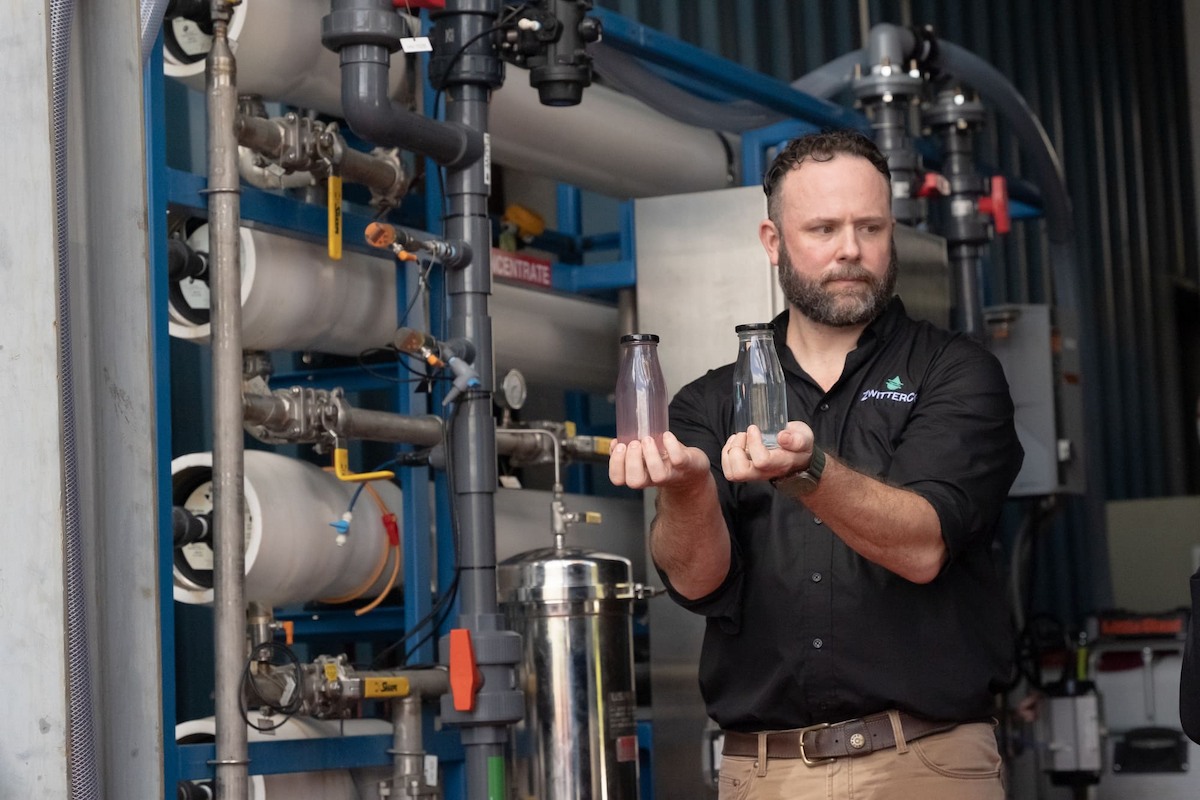
The most pivotal initiative of the Greening Wastewater project is the implementation of ZwitterCo water filtration technology - a cutting-edge solution researched and developed by American chemical and engineering experts in collaboration with Agrotech Import-Export Co., Ltd. ZwitterCo technology is considered a breakthrough chemical discovery in wastewater treatment, offering several superior advantages. Specifically, its operating principles include:
- Anti-Fouling Innovation: A chemical discovery that renders the membrane elements immune to irreversible fouling (clogging).
- Patented Self-Organizing Chemistry: Utilizes specialized zwitterionic polymers.
- Hydrophilic Zwitterionic Pores: These pores actively absorb water while repelling organic matter to prevent adhesion.
The ZwitterCo membrane can be reused after cleaning, even after filtering liquids that would typically destroy standard membranes within just a few days. By utilizing these foul-resistant membranes, Agrotech Import-Export Co., Ltd. can recover clean water and valuable by-products from difficult-to-treat waste streams. This allows for over 80% water recycling, significantly minimizing harmful discharge into the environment. Simultaneously, this technology aids in recovering organic products such as nutrients, proteins, and other high-value molecules.
Currently, Agrotech Import-Export Co., Ltd. is the exclusive distributor of ZwitterCo filtration products and is responsible for developing wastewater treatment systems tailored to the specific market, geography, and environmental conditions of Vietnam.
Vision
As a startup with a desire to serve the fatherland and a special love for the environment, the Agricultural Technology Import-Export Company Limited always wishes to develop a green business associated with the criteria of both solving the economic puzzle and creating environmental friendliness, especially the conservation of water resources.
Nong San Cong Nghe deeply understands the serious threats polluted water sources can pose to the health and lives of the Vietnamese people. At the same time, the enterprise also recognises the difficulties business face when treating wastewater. This means that finding a smart wastewater treatment solution and optimising the water cycle are of the priorities for Vietnam economic and social development.
Those are the great motivations for the Nong San Cong Nghe to implement the Greening Wastewater Sources project, gathering leading domestic and international experts to pioneer the field of polluted wastewater treatment and contribute a spectacular transformation for the green economy in Vietnam.
Objective
Right from its establishment, Nong San Cong Nghe has set its corporate mission to "Green the Wastewater" for Vietnam, becoming a pioneer in the field of treating polluted wastewater sources. After some implementation, the project has achieved initial successful steps and received high appreciation from leaders and experts at the Ministry, Department, and local levels, as well as partners' trust.
With those achievements, Nong San Cong Nghe will continue to expand the project to treat wastewater sources across Vietnam. The Greening Wastewater Sources project sets a goal that by 2028, it will serve to treat 70% of wastewater from polluted sources to build a Vietnam that "Greens its Wastewater", meeting the economic and livelihood goals of the people.
Implementation Process - Scope - Budget
The Greening Wastewater Sources project was launched by the Nong San Cong Nghe in August 2023. Specifically, on August 27, 2023, the project was officially implemented and successfully tested at the Ton Pomina factory. Here, the project's system successfully retrieved and reused 95% of wastewater, helping the business reduce emissions while significantly reduced treatment cost. This is a revolutionary step that was highly appreciated by leaders of the Ministry of Science and Technology along with local Departments and Agencies.
Currently, the project is designing mobile filtration systems for shrimp farms in the Southwestern provinces. It is anticipated to begin filtering and providing clean water for southern shrimp farms in this area from the beginning of December 2023, thereby ensuring that shrimp farming in is always in the best condition, free of disease zones, and boosting farming productivity. With this mobile filtration system, the amount of water discharged to the environment will be kept minimal and ensure the standards of the QCVN (National Technical Regulation).
After more than 4 months of implementation, the project quickly reaped positive results. This has prompted Nong San Cong Nghe to expand the project in 2024 where it will open wider implementation in factories, industrial zones, hospitals, and agricultural farms, moving towards achieving the Greening Wastewater Sources" aim nationwide.
Budget
Under the witness of the Ministry of Science and Technology and experts or professionals in the field, the "Greening Wastewater Sources" project has been successfully applied at the Ton Pomina wastewater plant, exceeding expectations. This is an important confirmation of the effectiveness and practicality of the project.
For the shrimp farming industry, the project sets out to reduce costs by 35%. Specifically, if calculated on 10 shrimp ponds:
Expected results if successful
Revenue is A (10)
Cost is B (3.5)
Clean water system cost is C (3.5)
Currently, the success rate is 40%
Total cost is 10B (35).
Total clean water system cost is 0.
Total profit is 4A - 10B (5)
Total revenue is 4A (40)
If there is clean water: the success rate is 100%
Total revenue is 10A (100). Total cost is 10B (35).
Total clean water system cost is 10C (30).
Total profit is 10 (A-B-C), which equals 35
Revenue increases from 40 to 100 (2.5 times)
Profit increases from 5 to 35 (7 times)
This calculation does not include the increase in revenue and profit of shrimp farms when the shrimp size is larger and the quantity farmed is higher per square meter. Thus, it is estimated that revenue increases 3.5 - 4 times and profit increases 8 - 9 times when using the project's water filtration system.
In the production process, 80% of the water is recycled into clean water for reuse, significantly reduce resource consumption and limit discharge to the environment. Along with that, Nong San Cong Nghe also achieves a 97% recovery rate of valuable organic substances, which maximises input materials and maps out the development for a sustainable, efficient, and circular economic model.
The Greening Wastewater Sources project with ZwitterCo technology will help solve wastewater issues thoroughly and reuse it effectively. Beyond forging positive values for water resources and the environment, the project also contributes to improving the production and business quality and the civilians, thereby bringing significant contributions to the economy and livelihoods.
Through careful research and impressive achievements after only a short time of implementation, the Greening Wastewater Sources project model brings large potential for replication. Thus, the project wishes to cooperate with relevant Departments, Agencies and partners who want to apply the technology for a nationwide, systematic implementation. It is through knowledge exchange and guidance from leading experts that the model can be quickly replicated, contributing to protecting water resources in particular and the environment of Vietnam in general.
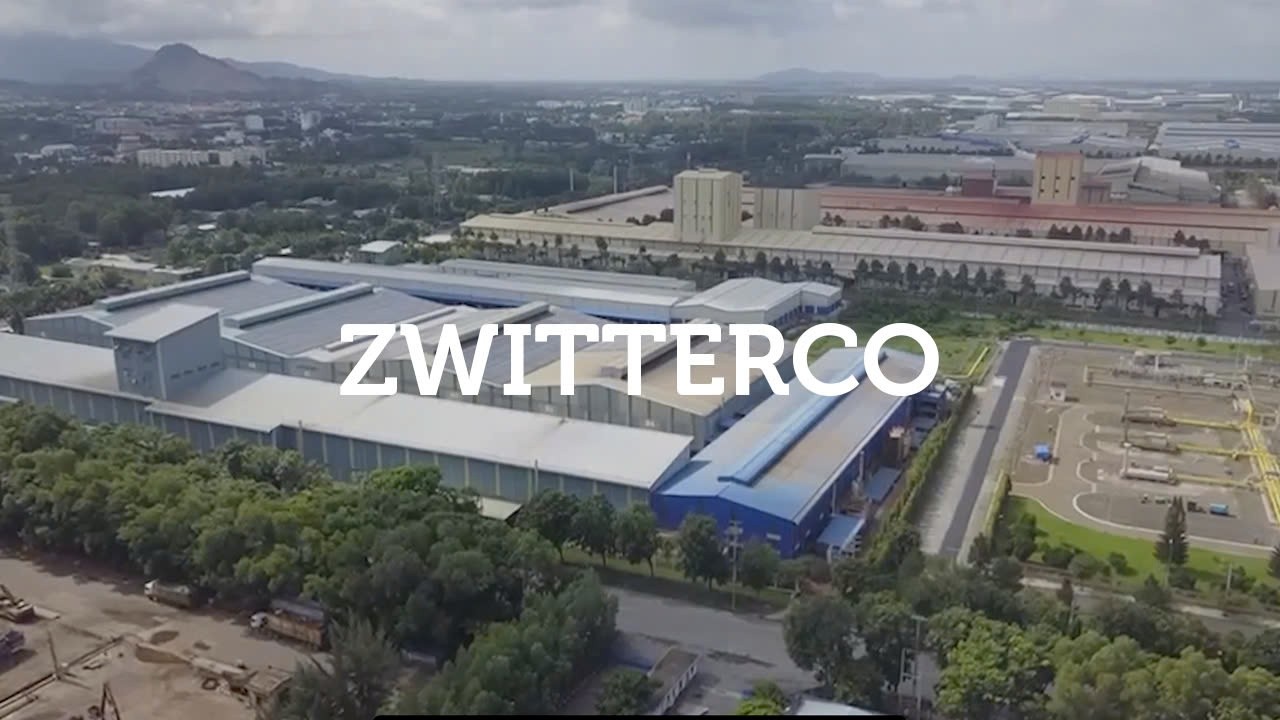
Greening wastewater sources
Case Ownership
Hosting Organization: Nong San Cong Nghe (Agriculture Technology Import-Export Company Limited)
Collaborating Partners: ZwitterCo (water filtration technology), Technical and chemical experts from the United States, The Ministry of Science and Technology and local Departments and Agencies Businesses, factories, aquaculture farms, and hospitals implementing the system
Stakeholders and beneficiaries: Industrial, agricultural, and aquaculture enterprises Hospitals and production facilities with wastewater treatment needs Residents and communities using clean water sources Environmental and water resource management agencies Natural ecosystems and national water resources
Source: Human Act Prize
The copyright and legality of all images, videos, information, and data regarding the project published on this landing page are provided by and are the sole responsibility of the individuals/organizations registering for the Human Act Prize. The republished content on this landing page has been verified and authorised by VCCorp Corporation (the co-organiser of the Human Act Prize).
Specific SDG targets
SDG 6.1
Safe and affordable drinking water
SDG 6.3
Improve quality wastewater treatment and safe reuse
SDG 6.4
Increase water-use efficiency and ensure freshwater supplies
SDG 6.5
Implement integrated water resources management
SDG 12..2
Sustainable management and use of natural resources
SDG 12.5
Substantially reduce waste generation
SDG 13.1
Strengthen resilience and adaptive capacity to climate related disasters