Limloop is a recycling enterprise aiming at sustainable fashion and creating positive impacts for society and the environment.
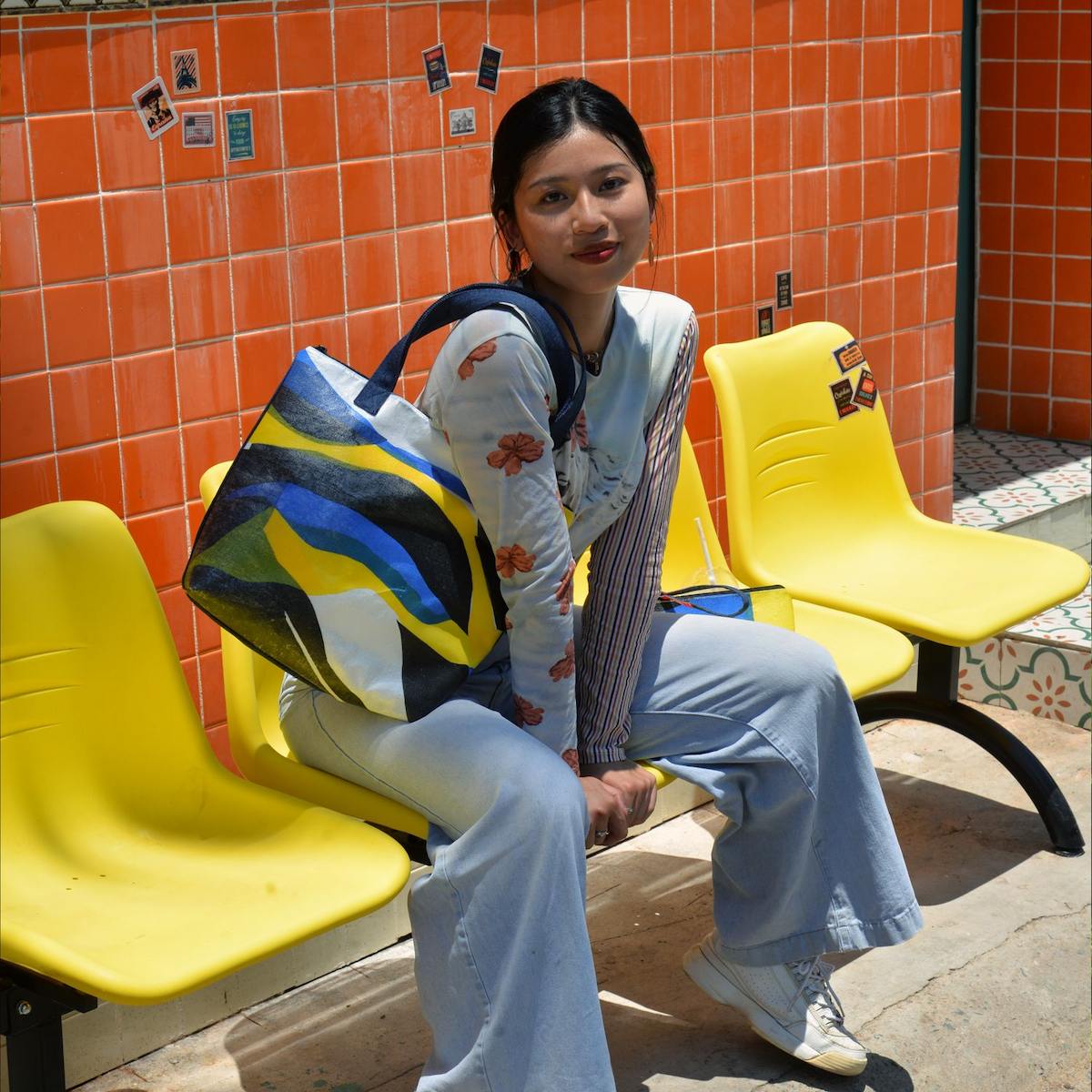
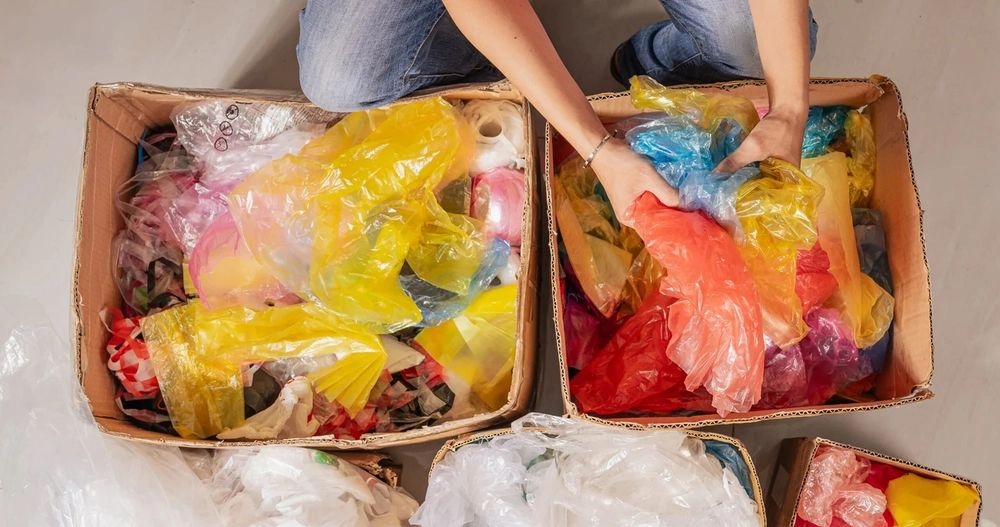
Our activity focus on collecting nylon/plastic packaging, recycling them into new materials to craft unique fashion bags. All products go through a sustainable production process to minimise emissions and incorporate recycling components. Beyond environmental protection, Limloop also creates jobs for vulnerable people, especially the hearing impaired, promoting their capabilities and elevating their income. After more than 3 years of establishment, Limloop has collected over 02 tons of nylon and 05 tons of banner canvas, produced more than 6,000 recycled bags, and generated jobs for many people with disabilities.
Nylon is a complex material with low recycling value, causes serious environmental consequences. Only about 11-12% of them are recycled, while the majority is landfilled, burned, or discharged into the nature, pollute marine life and the ecosystem. Every year, the world discharges 300 million tons of plastic waste, with Vietnam alone pushed out 1.8 million tons, mostly are nylon bags. Disappointingly, more than 80% of these bags are discarded after a single use and are rarely recycled.
Recognising the urgent need for sustainable recycling solutions, Limloop set out to build a business model that not only protects the environment but also changes how people view recycling. The company was built under creativity, sustainability, and patience. Our mission is to contribute to building a more sustainable and humane future, where waste is transformed into valuable products, and vulnerable people have the opportunity to develop themselves in an equitable and meaningful way. Limloop is committed to turn waste into useful resources through upcycling nylon bags into fashion products that carry high aesthetic value and functionality.
Innovative, Creative Recycling Solutions with Sustainable Value
From nylon collected within the community and a portion from business waste sources, Limloop has the following solutions:
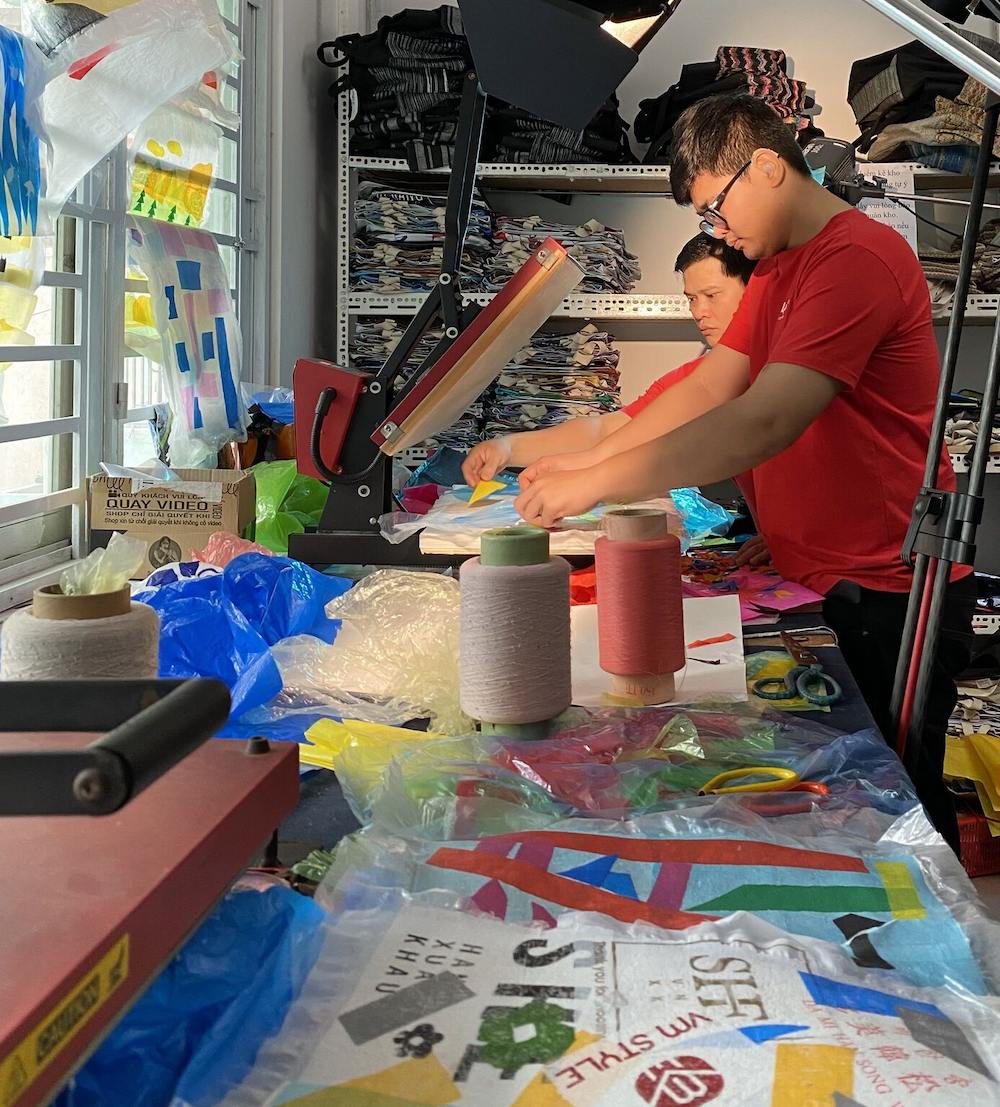
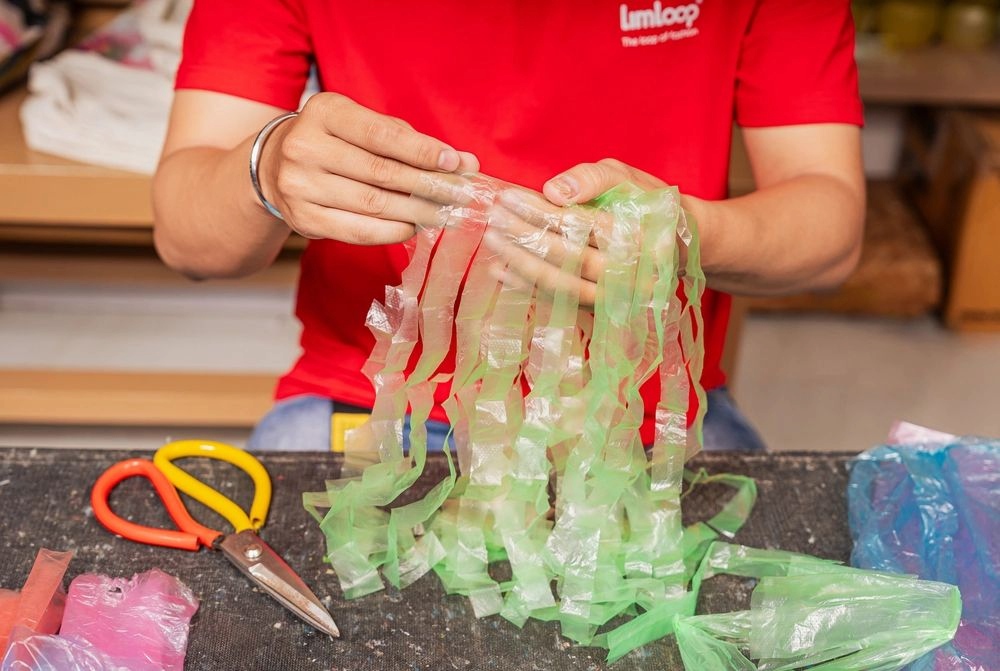
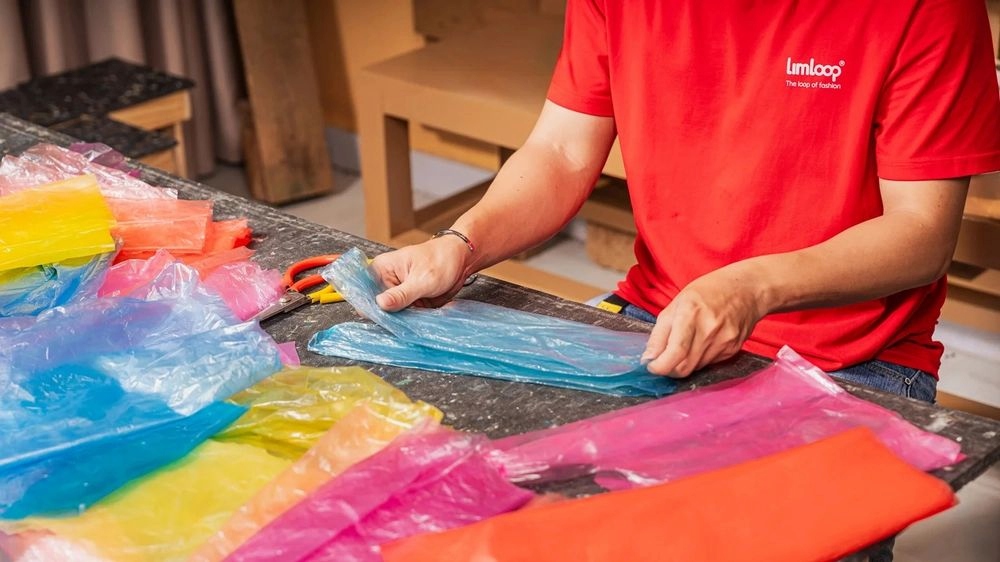
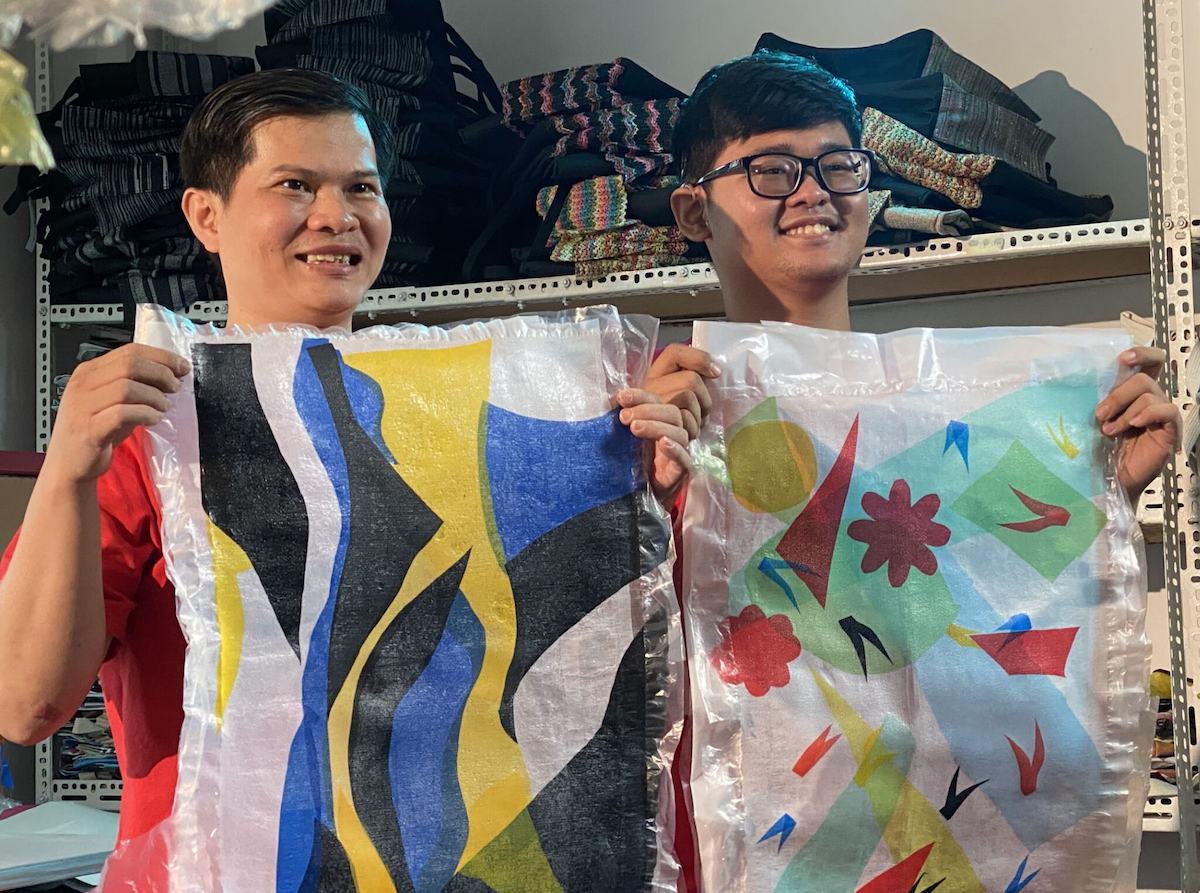
- Heat-pressed Nylon: Limloop uses a heat-pressing method to transform used nylon to new material. Layers of nylon are stacked on top of each other to create unique products without the need for printing or dyeing. Each 10-20 old nylon bags create a new bag, carrying a strong handcrafted and creative spirit within.
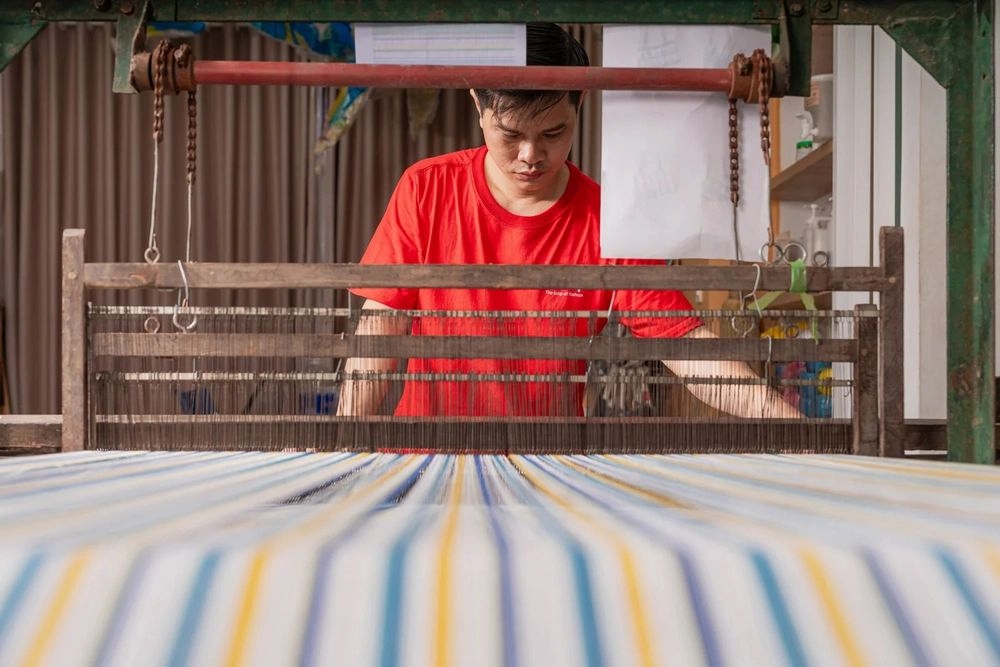
- Woven Nylon: Collected nylon is cut, spun, and woven into fabric thanks to the creativity of Limloop's staff. Each woven nylon bag is made from 20-40 used nylon bags
Apart from nylon, Limloop also expands upcycling solutions to banner canvas and old clothes.
- Banner Upcycling: Limloop recycles advertising banners after business promotional programs into bags and plant pots. Banner canvas is a problematic material and often recycled incorrectly, leading to landfilled and harming the soil, water resource. By upcycling, Limloop helps minimise the negative impact of this type of waste, while producing practical, environmentally friendly items.
- Limloop is under research to expand the recycling process to upcycle materials like old clothes and uniforms. This not only helps increase the reuse of complicated materials but also expands the portfolio of our eco-friendly products.
Creating Job Opportunities for Vulnerable People
By providing stable jobs in the production process, Limloop also creates opportunities for vulnerable groups, especially the hearing impaired people. Operating sewing machines is often very noisy and cause discomfort for normal people. However, this is normal for the hearing-impaired ones, elevating their own capabilities. The Limloop team not only contributes to fashioning sustainable products but also develops personal skills, gains confidence in their work, and ensures a stable income.
Organising Awareness Raising Activities
Alongside the recycling process, Limloop regularly organises plastic waste collection campaigns, partnering with brans to plan meaningful and impactful events. Collection campaigns - recycling workshops of Limloop not only raise awareness but are also a practical bridge to help consumers better understand recycling. Some notable campaigns include:
- Campaign "Let’s collect, for a green earth" collaborating with Miss Ngoc Chau
- Collection stations in provinces and cities partnering with Tokyo Life
- Collection stations at the Limart green store system and universities such as RMIT, UEH, International University - HCM
- Limloop also cooperates with The Gioi Di Dong to collect banners and advertising posters from the supermarket systems of thegioididong.com, Dien May XANH, Bach Hoa XANH, and An Khang Pharmacy to produce fashion bag products
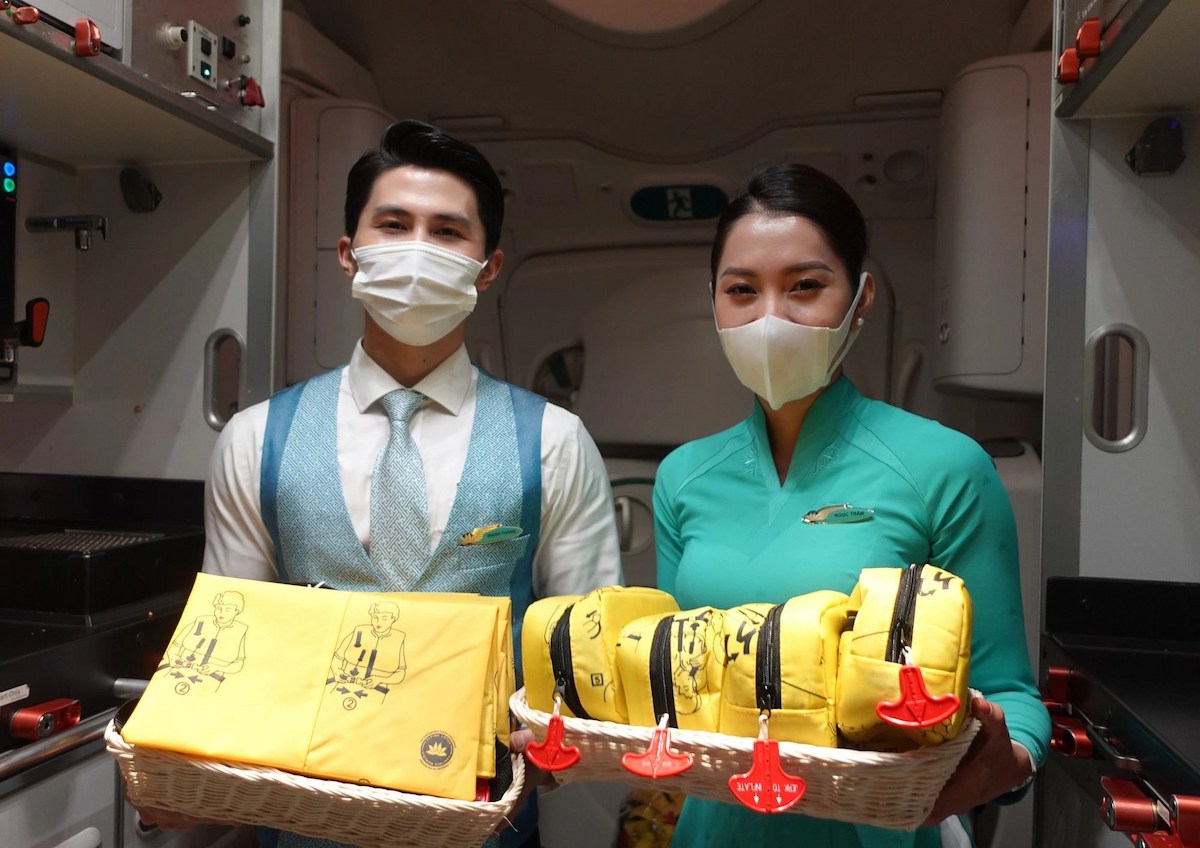
- Limloop and Vietnam Airlines have transformed old life vests into unique and useful gifts for customers
Vision
Beyond bags production, Limloop desires to build a community of consumers increasingly caring about sustainable fashion, valuing craftsmanship and creativity. The company believes that its recycled products are contains beautiful and useful functions thanks to creativity and unique perspectives.
Meanwhile, Limloop also hope to assist people with disabilities to receive decent work and promote their talents.
Objective
Expand the recycled product portfolio in both quality and quantity.
Create jobs for over 20 vulnerable workers.
Achieve the top of mind as a sustainable fashion brand from design, recycling activities in the community.
Implementation Process - Scope - Budget
2021 - 2022
Limloop began its internal research and development. From inital ideas, they found ways to utilise/recycle nylon packaging during the Covid period and created methods for heat-pressing and weaving nylon into fabric.
Simultaneously, they also built an suitable operation model for people with disabilities in each stage of recycling, production, and selling.
There have been some struggles in the training and daily interaction with disabled workers. However, Limloop gradually get recognised thanks to the this humanitarian act of recycling work.
2023
Limloop began to strongly push for community activities, notable building collection points in the community and partnership with other brands.
Within only 2 weeks of implementation, the amount of collected nylon from "Let's collect together for a green earth" reached over 200 kilograms, receiving recognition from more than 10 businesses, 5 schools and 2 transport partners. The program also expanded with businesses, collecting a total of over 400 kilograms.
During this period, Limloop also recognised another upcycling potential from PVC banner used for brand promotions. This material is problematic for recycling as it emits toxic fumes when burned, thus largely ended up at garbage dumps and further burdened the environment. Limloop developed a solution to produce bags and items from banners, contributing to reducing waste volume. Although the processed number of banners is limited, it also helps businesses understand more about the impact they cause on the environment.
2024
Limloop is pushing forward to approach consumers.
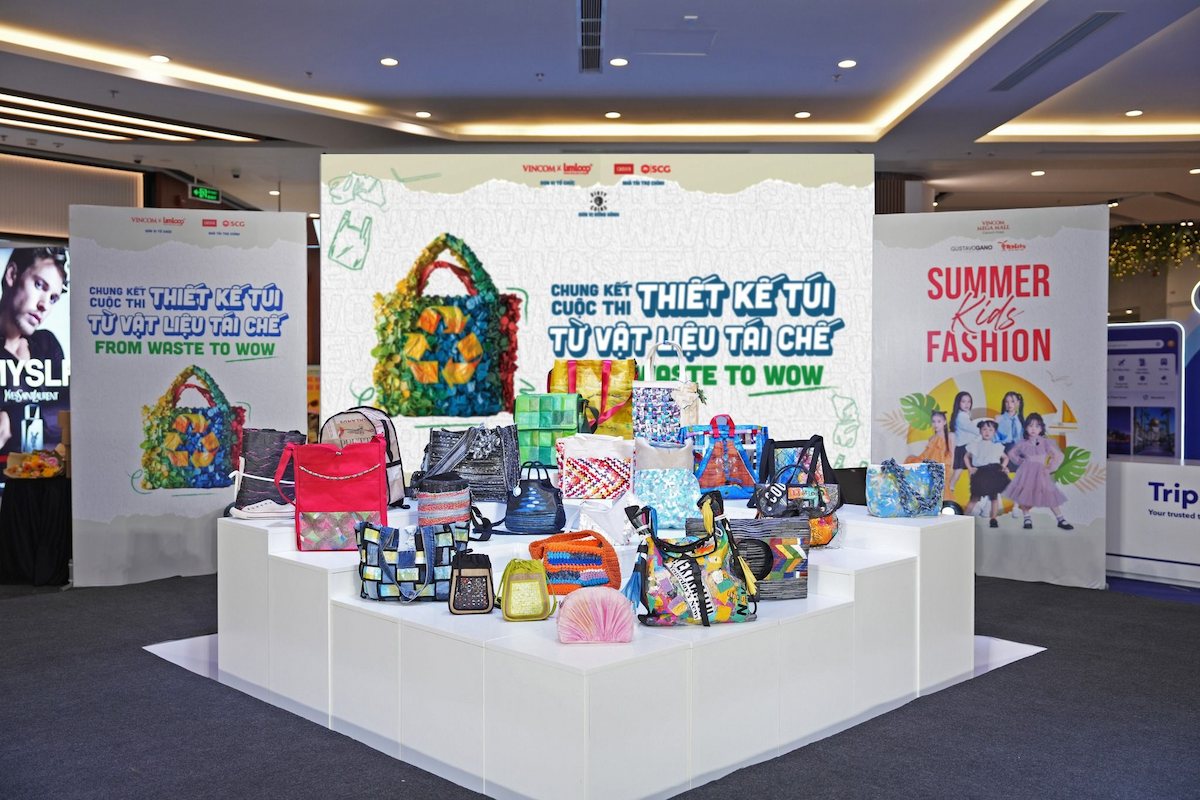
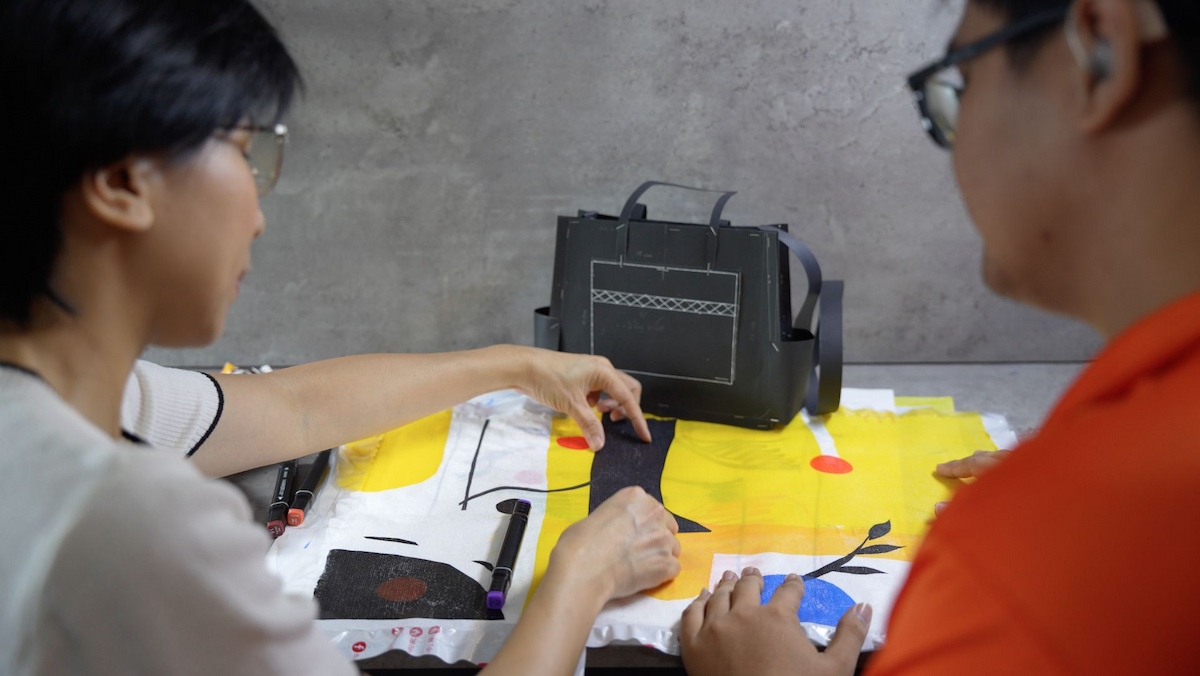
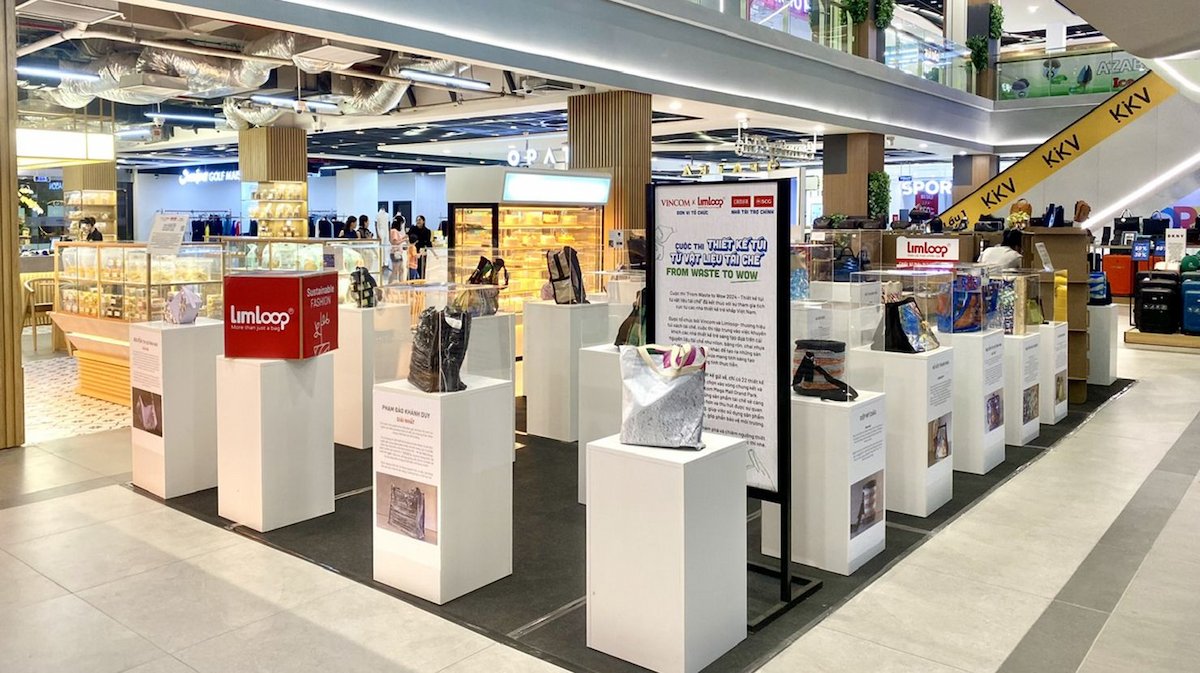
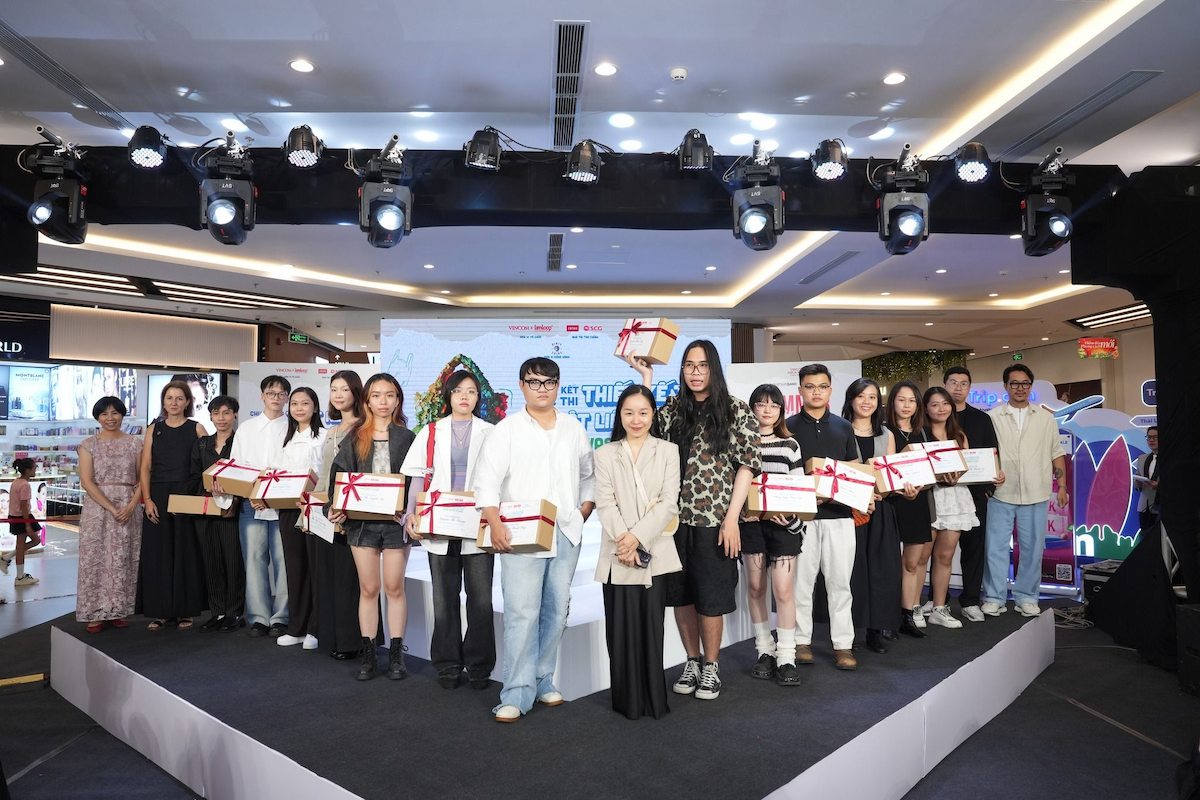
The company has paid more attention to build brand image, improve designs, and find ways to reach young consumers. Limloop also collaborated with designers in the "From waste to wow" contest to find unique and highly applicable designs for recycled bags.
Meanwhile, recycling workshop activities and products displays also help consumers better understand recycled fashion. The stations has now been connected in a Limart store system to receive nylon. In the first 6 months of 2024, nearly 600kg of various types of nylon were collected. This has shown that Limloop's operating model is quite lean, with marketing activities elevated from strong community and partnered companies support.
For society
Limloop is a green choice, help consumers understand more about upcycling capabilities and the circular economy. Beyond its product Limloop has extended the lifespan of nylon – a type of waste that is notoriously difficult to treat. By driving consumers to participate – to not discard used nylon bags and donate to stations – Limloop has generated jobs for people with disabilities and restart the product lifespan.
For disabled workers
Limloop creates work opportunity suitable for people with disability, turning disadvantages into advantages in the workplace.
For the environment
Reduced 02 tons of plastic waste and 05 tons of banner tarps from being dumped into the landfilled or discharged to the environment. Contribute public awareness about recycling efforts.
For partners/customers
Limloop provides useful solutions for recycling activities and raises awareness for business, motivate them to join hands to collect and donate their own wastes.
The project has achieved significant results during conducted activities. 5 tons of banners were collected, with 2.4 tons recycled and 6,000 recycled bags were produced. The project also attracted 6,500 people joining in related activities. More importantly, this has created 5 job opportunities for people with disabilities, promoting sustainable values for both the environment and society.
Awareness of sustainable fashion: Under an environmental-conscious social context, Limloop's model can easily be expanded to many different markets to meet the demand for recycled and environmentally friendly fashion products.
Creating job opportunities: The program has not only supported economic growth for people with disabilities but also raised awareness about social inclusion. This can be applied in many different regions, thus reduciing unemployment rates among vulnerable groups.
Community collection campaigns: The process of collecting nylon, banner canvas, and other types of scrap from the community can be deployed in other areas.
Product expansion capability: Not just nylon and banners, Limloop can craft its products from many other types of materials. This will enrich the product portfolio and attract more customers.
Strategic cooperation and expansion: Limloop can expand its cooperation network with businesses, non-profit organizations, and schools, which will raise awareness and encourage the community to participate. This can scale up collection and recycling campaigns while creating positive and meaningful impacts for the environment and society.
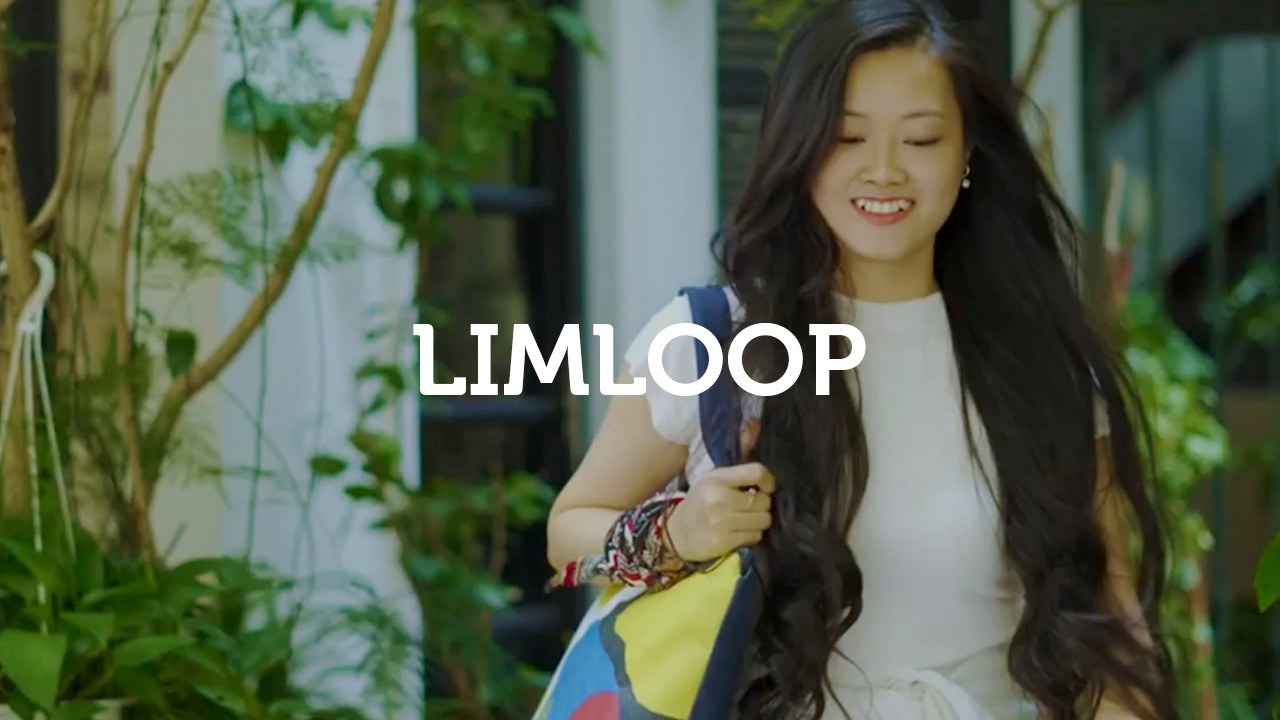
Limloop - Upcycle nylon into bags
Case Ownership
Hosting Organisation: Limloop
Collaborating partners: Tokyo Life, Limart, RMIT, UEH, HCMC International University, The Gioi Di Dong (thegioididong.com), DIEN MAY XANH, BACH HOA XANH, An Khang Pharmacy, Vietnam Airlines, Miss Ngoc Châu
Stakeholders and beneficiaries: Vulnerable workers - especially the hearing impaired/people with disabilities, Communities taking part in nylon - banners collection and recycling workshops, Businesses/Partners supplying waste materials (banners, packaging) and ordering recycled products, Consumers purchasing recycled fashion products, The environment (reducing plastic, landfill waste)
Source: Human Act Prize
The copyright and legality of all images, videos, information, and data regarding the project published on this landing page are provided by and are the sole responsibility of the individuals/organizations registering for the Human Act Prize. The republished content on this landing page has been verified and authorised by VCCorp Corporation (the co-organiser of the Human Act Prize).
Specific SDG targets
SDG 10.2
Promote universal social, economic and political inclusion
SDG 10.3
Ensure equal opportunities and end discrimination
SDG 12.5
Substantially reduce waste generation
SDG 12.6
Encourage companies to adopt sustainable practices and sustainability reporting
SDG 12.8
Promote universal understanding of sustainable lifestyles