In 2022, IWCA Vietnam implemented this project to bring about positive impacts for women in coffee-growing communities in Vietnam.
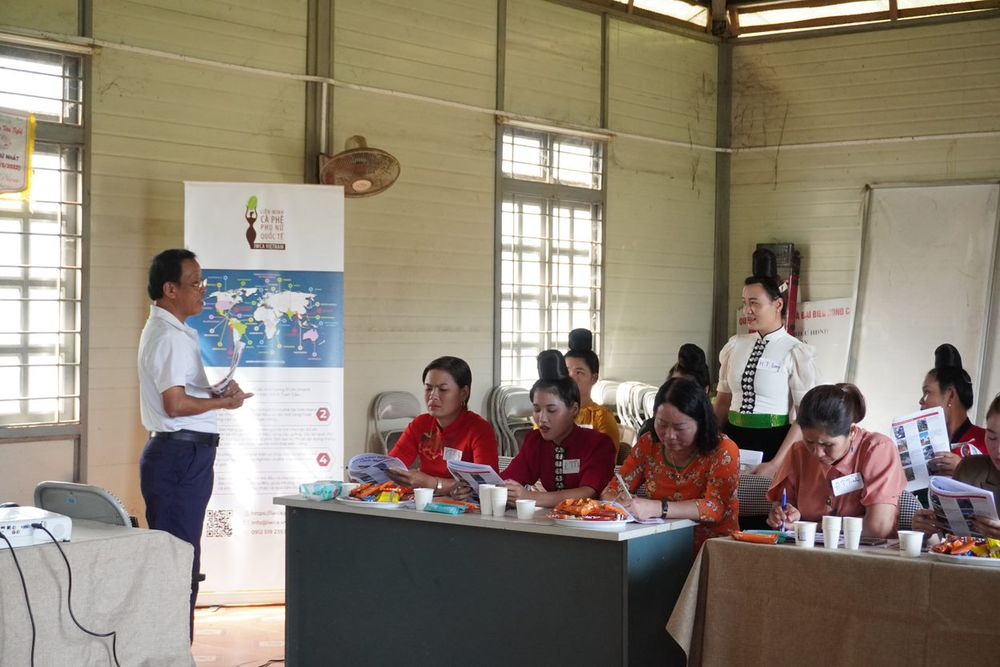
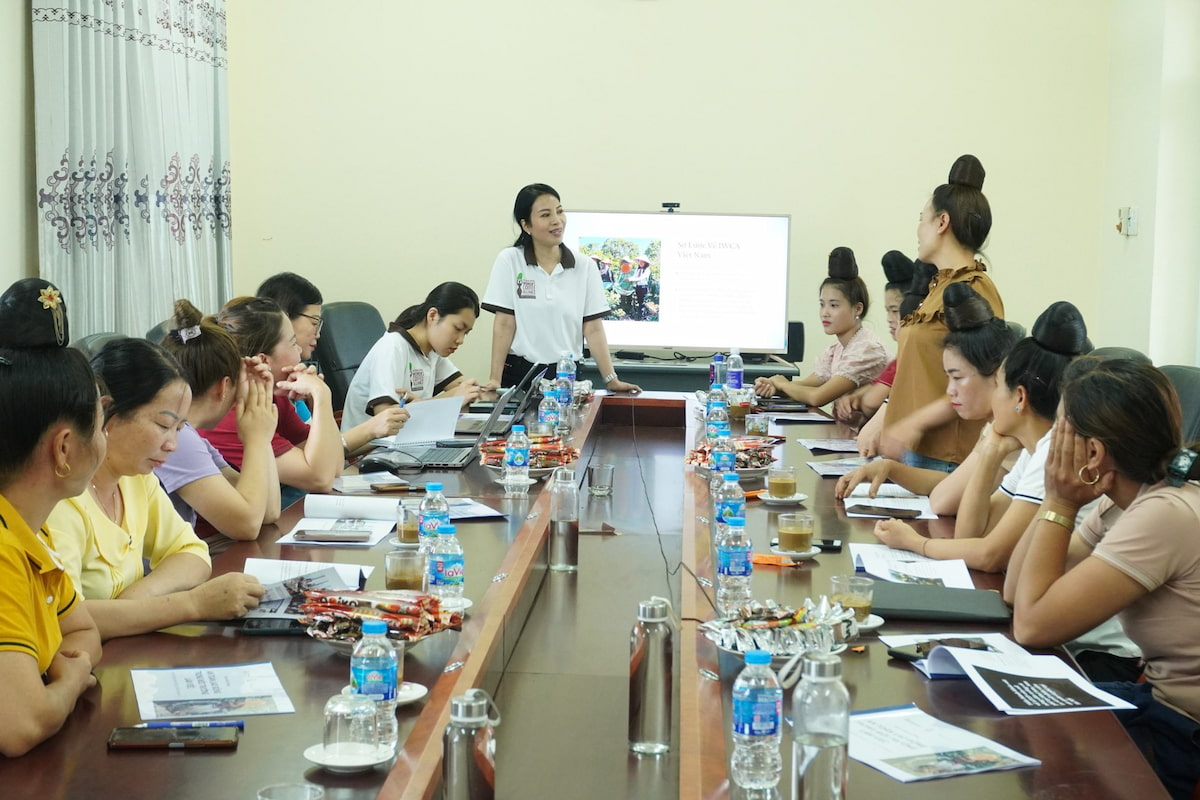
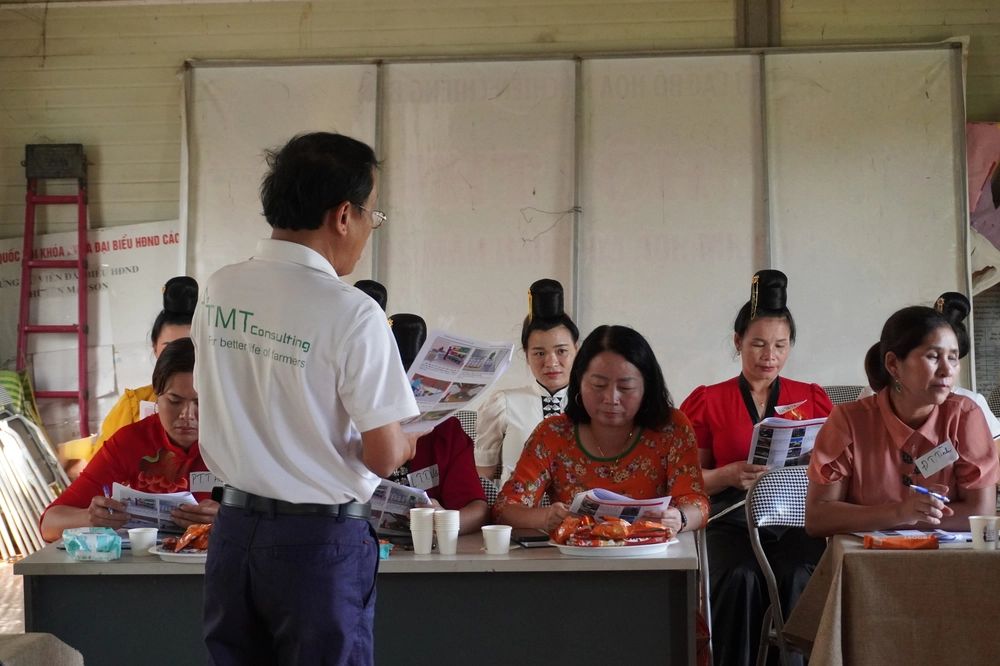
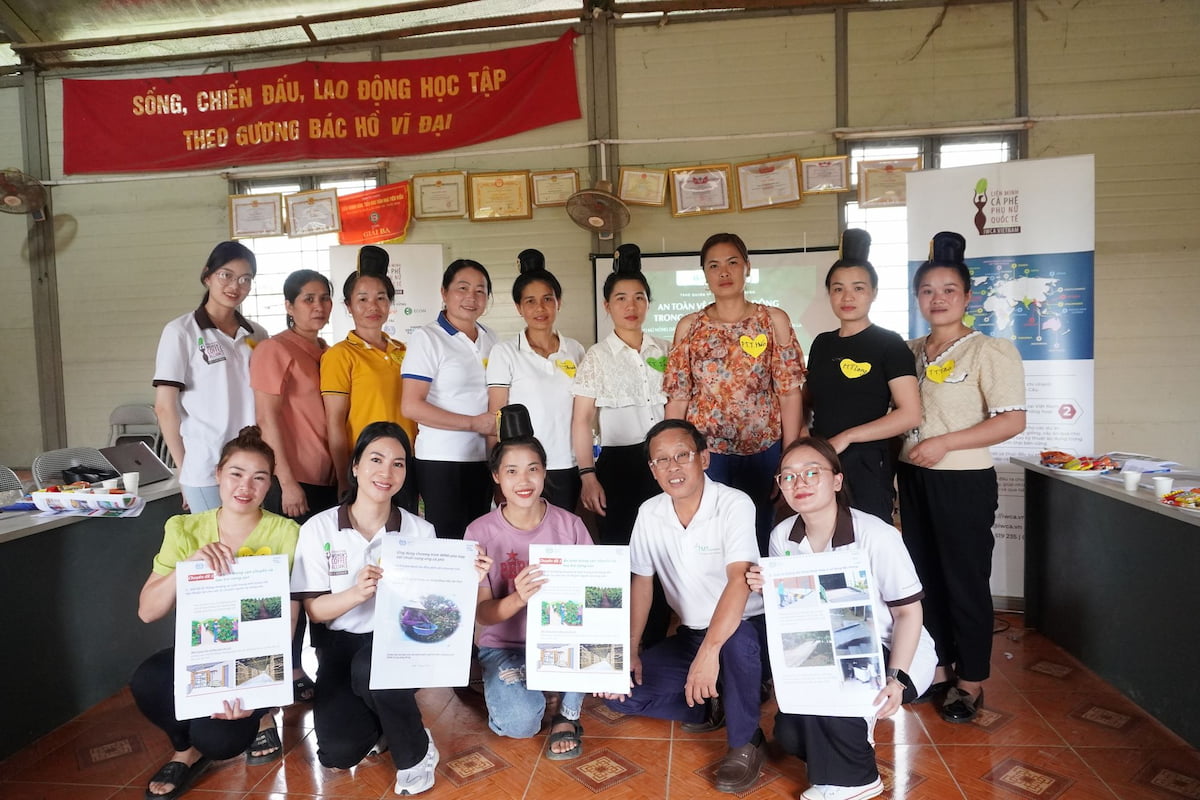
Through occupational safety and health training courses, 160 women working in the coffee industry were empowered and trained in knowledge to protect their health and safety in the workplace.
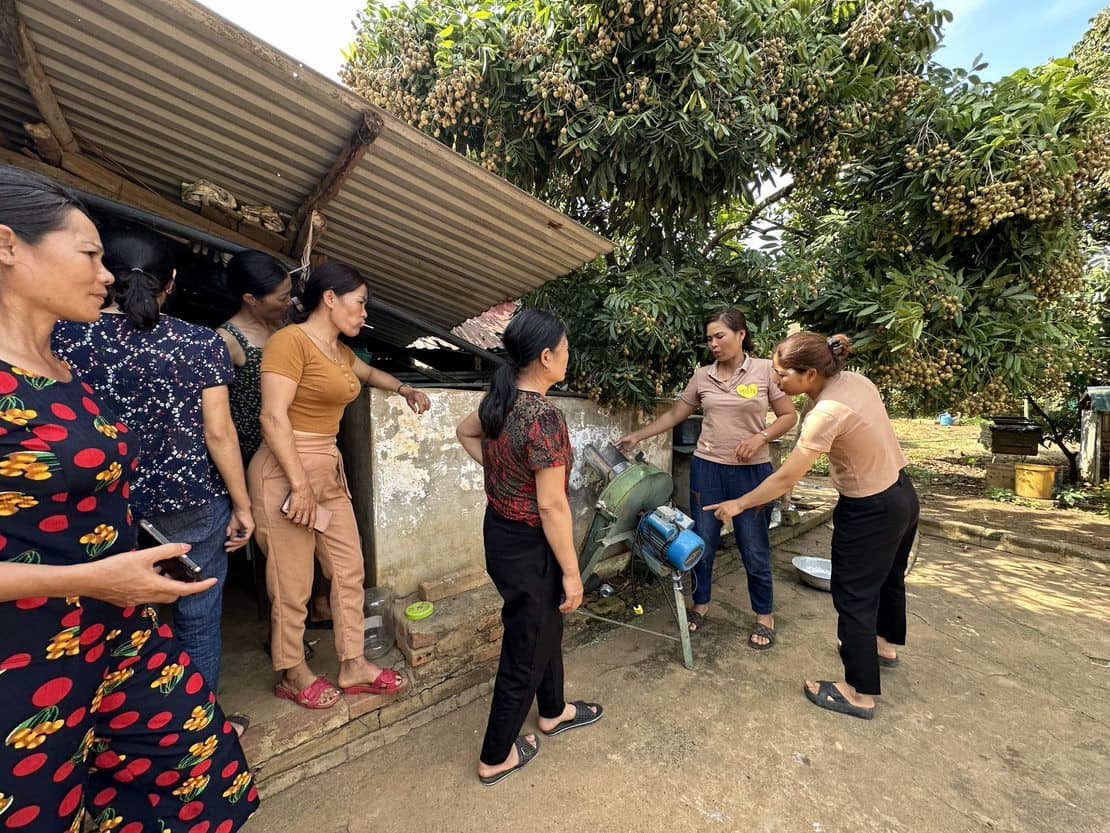
Furthermore, female farmers in Son La were also equipped with additional knowledge of children's education and family financial education to improve their livelihoods. Some selected female farmers received training in the skills necessary to become local tour guides, who could organise ecotourism tours, opening up new employment and income opportunities.
Thus, the project not only raised awareness of safety among female workers but also expanded opportunities for women to advance, develop themselves and improve their family finances. This is a meaningful project that empowers and enables women in coffee-growing communities to develop fully and comprehensively.
Currently, female workers in the coffee-growing industry in communities such as Son La and Hanoi are facing many difficulties. They often have to deal with a lack of decision-making power and a lack of the knowledge and skills necessary to protect themselves in the working environment.
Furthermore, workplace safety is also a serious issue in the coffee industry.
Coffee baristas also often have to work in environments that may contain many potential health and safety hazards, such as exposure to chemicals and complex equipment.
Recognising the reality and difficulties faced by female coffee workers, together with the challenges of ensuring workplace safety in Vietnam's coffee industry, the project "Empowering and Skills Development for Female Coffee Workers and Coffee Employees on Workplace Safety" was established.
Below is a description of some of the project's new initiatives/innovations from the perspective of technical standards and conditions in the country:
- Technical: Applying new technologies in coffee cultivation and processing to increase productivity, quality and efficiency, such as new coffee varieties, advanced cultivation methods and machinery to modernise production processes.
- Social: Establishing training classes on soft skills, financial management, etc. to raise awareness and improve women's livelihoods.
- Economic: Supporting women in accessing markets, connecting supply chains and building product brands; Training in business and marketing skills.
- Political: Increasing women's participation in local social and political organisations to enhance their leadership roles.
- Environmental: Applying environmental responsibility standards and organic production to protect the environment and community health.
These initiatives are appropriate to the context, needs and specific conditions of each country to deliver practical and sustainable benefits for women in the coffee industry.
Objective
Directly meeting the needs of beneficiaries as well as contributing to the development of society, the coffee industry and local communities. The project equips female coffee farmers with the knowledge and skills necessary to participate actively in management and production. When they have the ability to make their own decisions, they become more independent in building their futures.
Providing knowledge of occupational safety, contributing to ensuring a healthy working environment, and improving health and work efficiency for coffee baristas. In addition, the project introduces new income-generation methods from coffee and ecotourism, opening up opportunities to expand income sources and achieve financial stability for participants and communities.
Promoting a deeper understanding of women's rights and status and spreading an environment of respect and gender equality.
Vision
In response to the reality and difficulties faced by female coffee workers and coffee baristas, together with the challenges of ensuring workplace safety in Vietnam's coffee industry, the project "Empowering and Skills Development for Female Coffee Workers and Coffee Employees on Workplace Safety" was established to bring benefits to individuals and positive impacts to communities, promoting sustainable development.
Implementation Process – Scope
The activities implemented:
- January - February 2023: Coordinating with other funding partners and organising Training of Trainers ("ToT") for 10 Participants on children's education and family financial education; mapping occupational safety and health conditions in Son La Province; conducting a survey among members to identify training needs, access to health insurance, social protection and occupational health services; reassessing the training needs of coffee baristas.
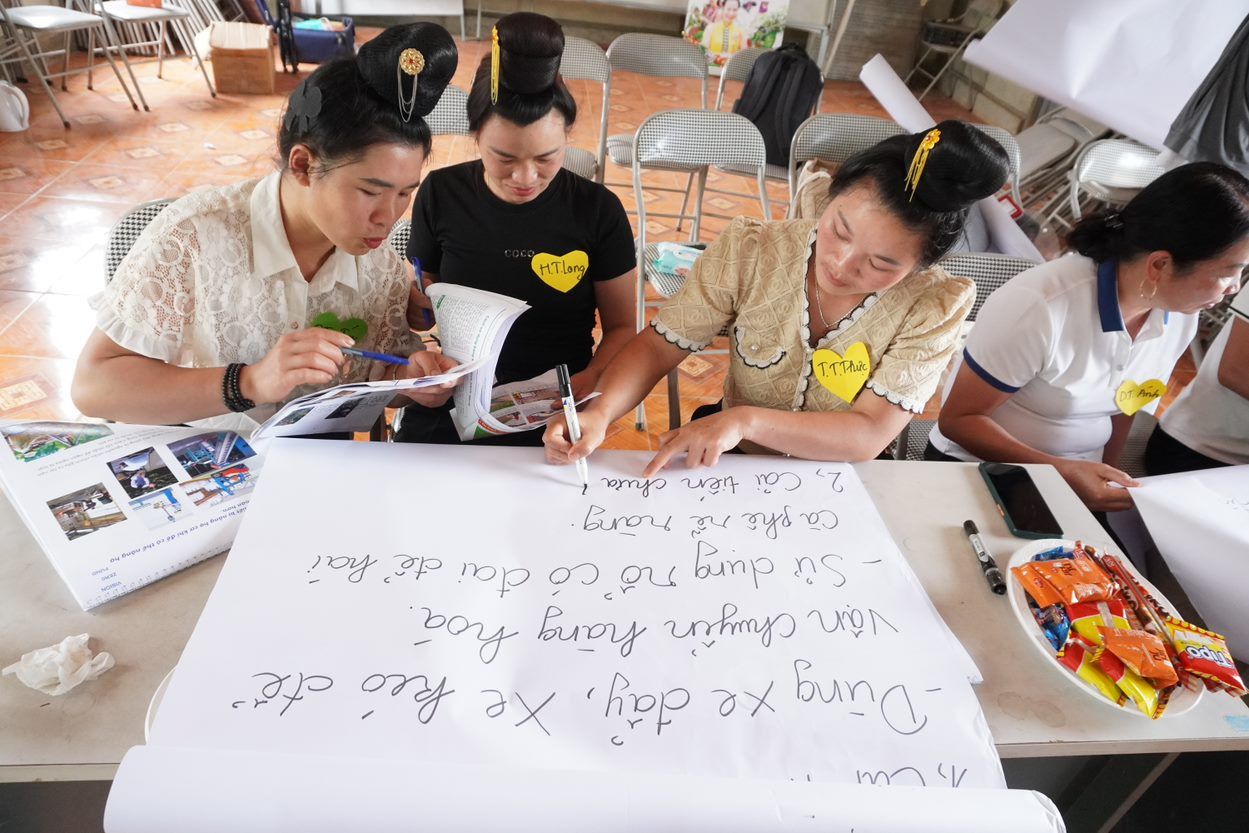
- March 2023: Supporting children's education and financial management trainers to organise training sessions for 65 women; organising the workshop "Empowering Women through Coffee" to raise awareness of women's confidence.
- April 2023: Adjusting existing training materials to meet the specific needs of the target group of female coffee farmers; implementing training for the target group (20 baristas).
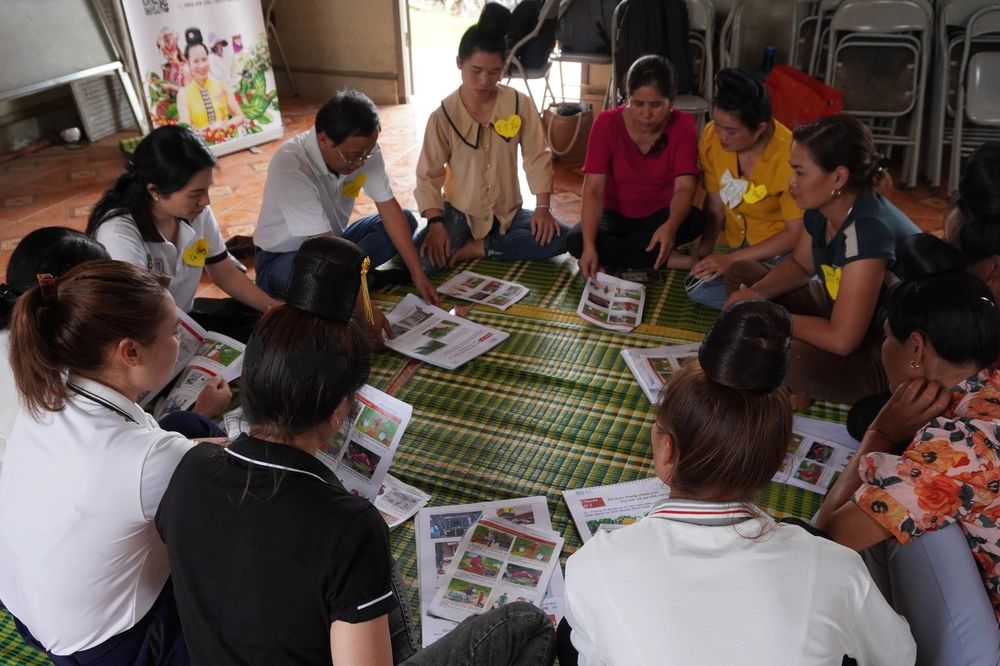
- May 2023: Developing new training materials (focus: integrating gender considerations and gender equality aspects into workplace safety and health training materials); conducting follow-up workplace visits and focus group discussions to collect information on positive changes and training effectiveness (20 Participants).
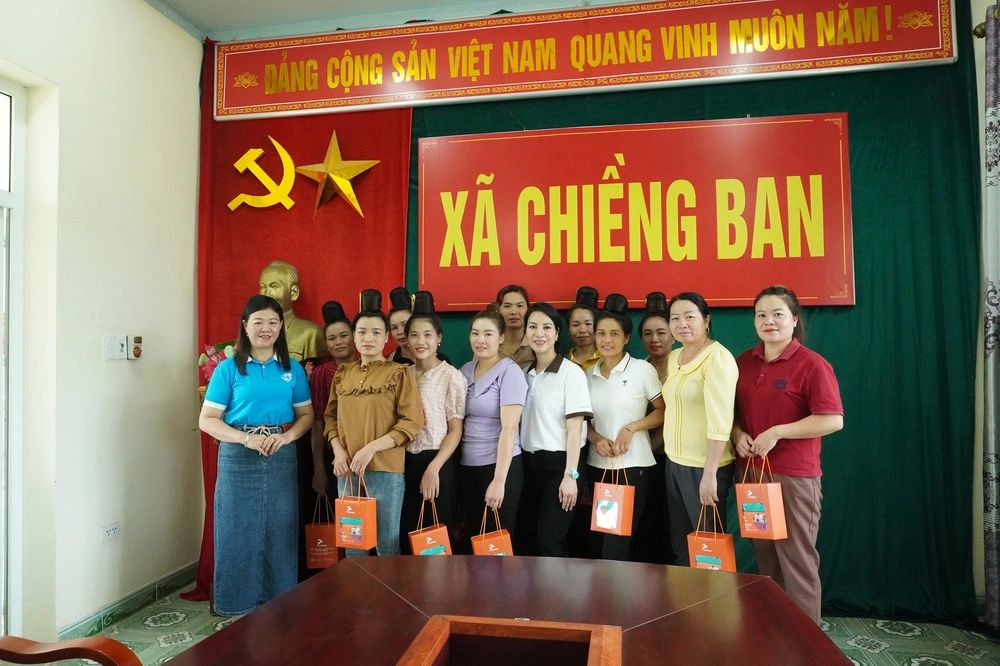
- June/July 2023: Organising a ToT course for 30 trainees from Mai Son District, Son La Province.
- June - November 2023: Organising follow-up workplace visits and focus group discussions to collect information on positive changes/training effectiveness for 100 participants who were baristas in Hanoi, Vietnam.
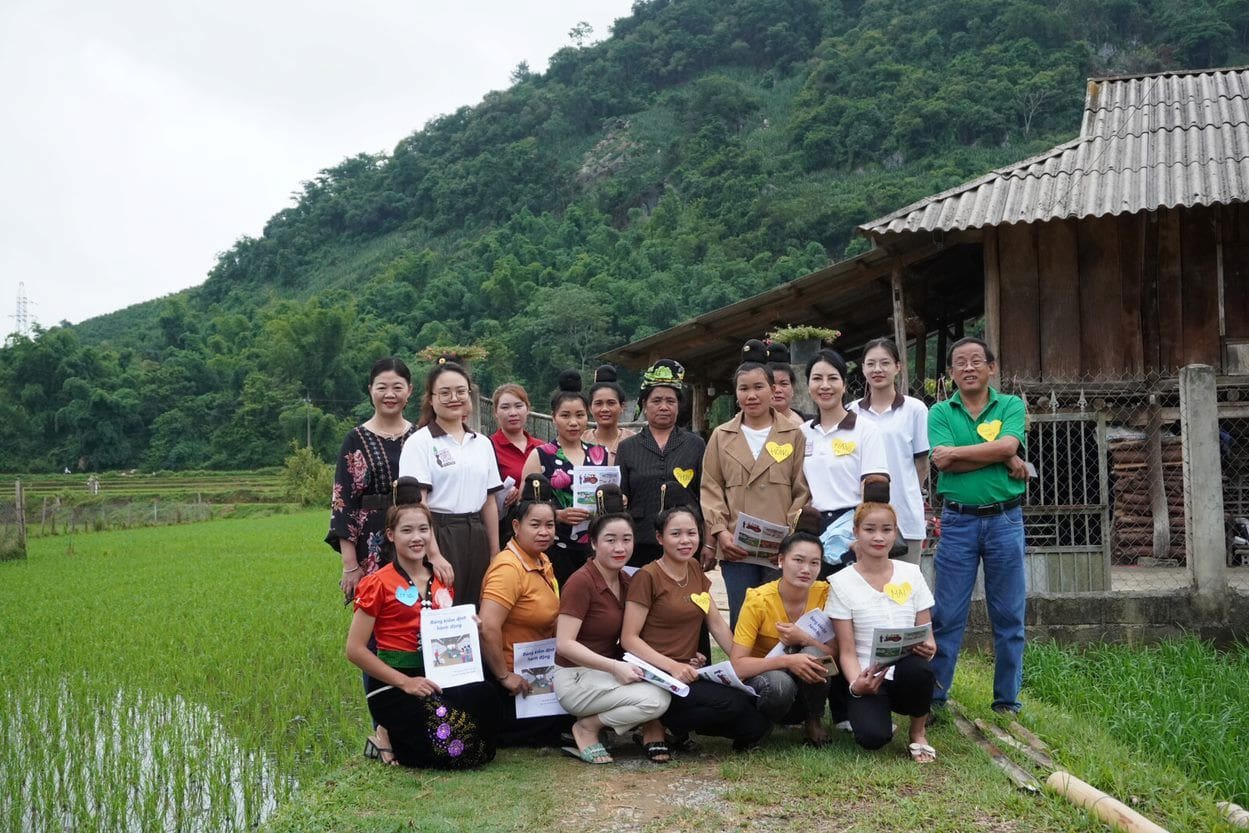
- October 2023: Providing training for women on ecotourism and organising 1-2 ecotourism tours for women to earn additional income.
Scope of implementation: Nationwide.
Budget
This project plays a pivotal and urgent role within the development planning and roadmap of both the coffee industry and the supported organisation. First of all, the project aims to empower and strengthen the confidence of female workers in the coffee industry, creating conditions for them to participate more actively in production and management. This not only promotes personal development but also contributes to sustainable economic growth for communities.
In terms of occupational safety, the project focuses on equipping coffee baristas with knowledge and skills to help them identify and respond to potential hazards. This both improves their quality of life and enhances the quality of coffee products.
From an industry management perspective, the project plays an important role in improving understanding of coffee origins and diversifying income for coffee farmers. Connecting coffee farmers with female farmers helps build an environment of collaboration and knowledge sharing, contributing to the sustainable development of the industry.
Overall, the project not only opens up development opportunities for female coffee workers and baristas but also makes a positive contribution to promoting economic development and safety in Vietnam's coffee industry.
The project has implemented various training and capacity-building activities for the community. Specifically, 10 participants received training on child education and family financial literacy. Additionally, 160 women were trained to improve workplace safety at farms and coffee shops in Hanoi. The program also engaged over 30 individuals to support female coffee farmers. Furthermore, 10 training sessions on ecotourism were conducted, helping to enhance the knowledge and skills of local residents. Building on these activities, two ecotourism tours were launched, creating opportunities for the community to generate additional income.
This model focuses on empowering and developing skills for women working in the coffee industry, particularly those who grow and harvest coffee. This is a vulnerable and disadvantaged group in society. Empowering them will help improve women's livelihoods and roles.
The model focuses on training women in skills to increase income, as well as occupational safety skills. These are practical skills that help women be protected and have more stable incomes.
The coffee industry has significant participation from women in many countries, especially developing countries. Therefore, this model can be fully applied in other countries with developed coffee industries.
The project can collaborate with non-governmental organisations and local women's associations to implement training and support women. The participation of stakeholders will help the model be applied more widely and effectively.
The model has been proven to bring practical benefits to women and can be expanded in scale. Therefore, it can be replicated in many other countries with similar circumstances to help vulnerable women in the coffee industry.
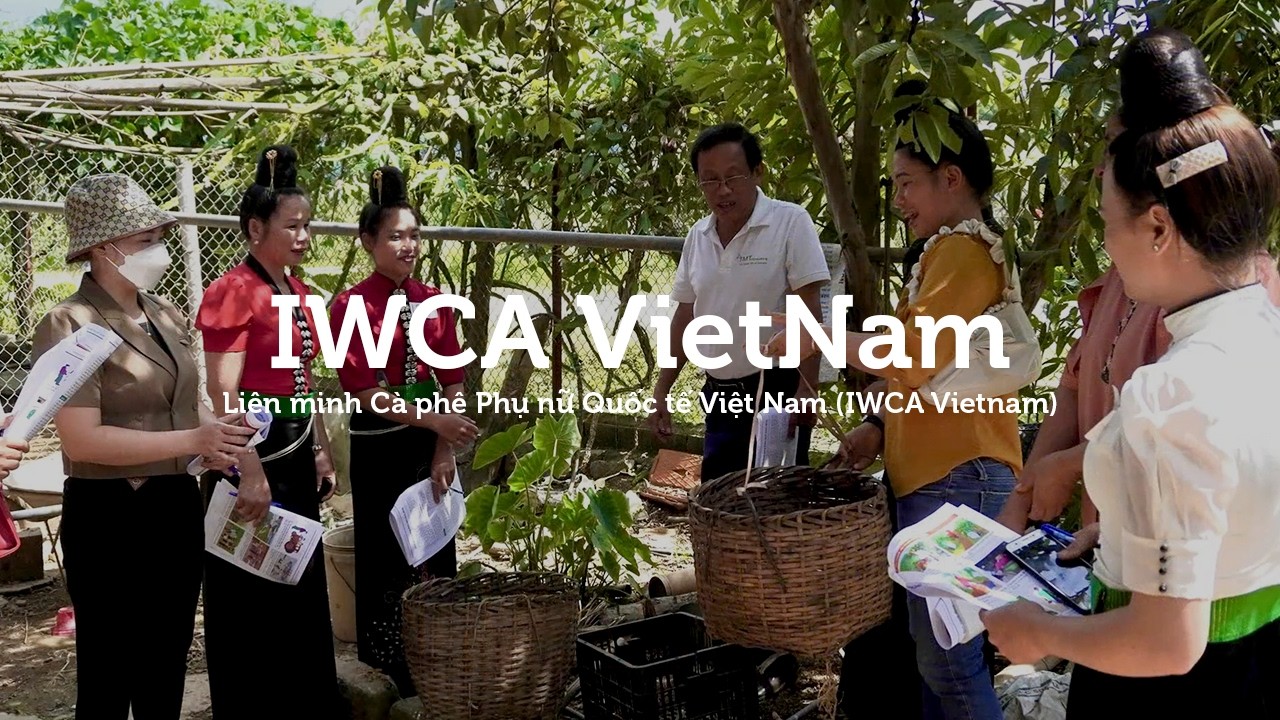
Empowering and Developing Skills for Coffee Staff on Workplace Safety
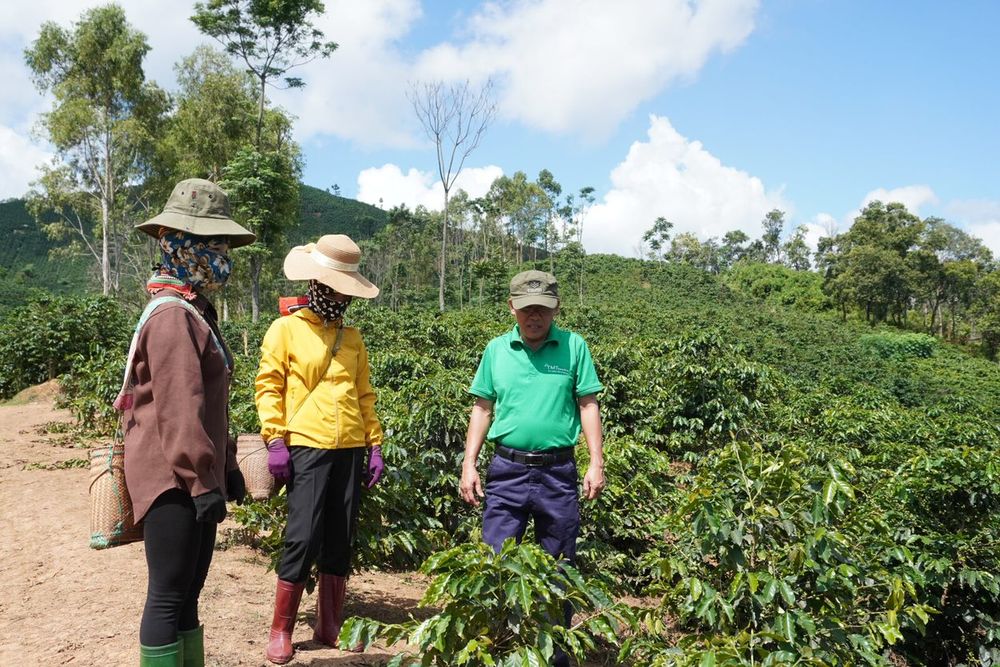
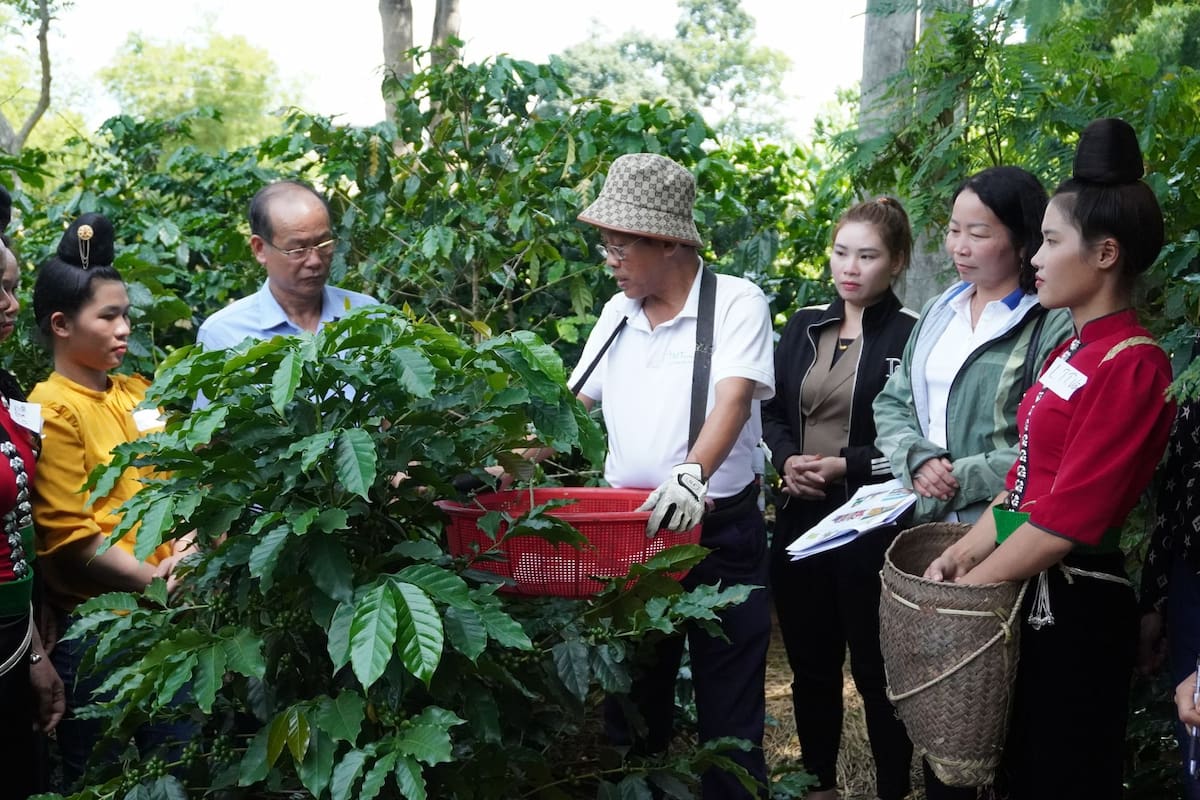
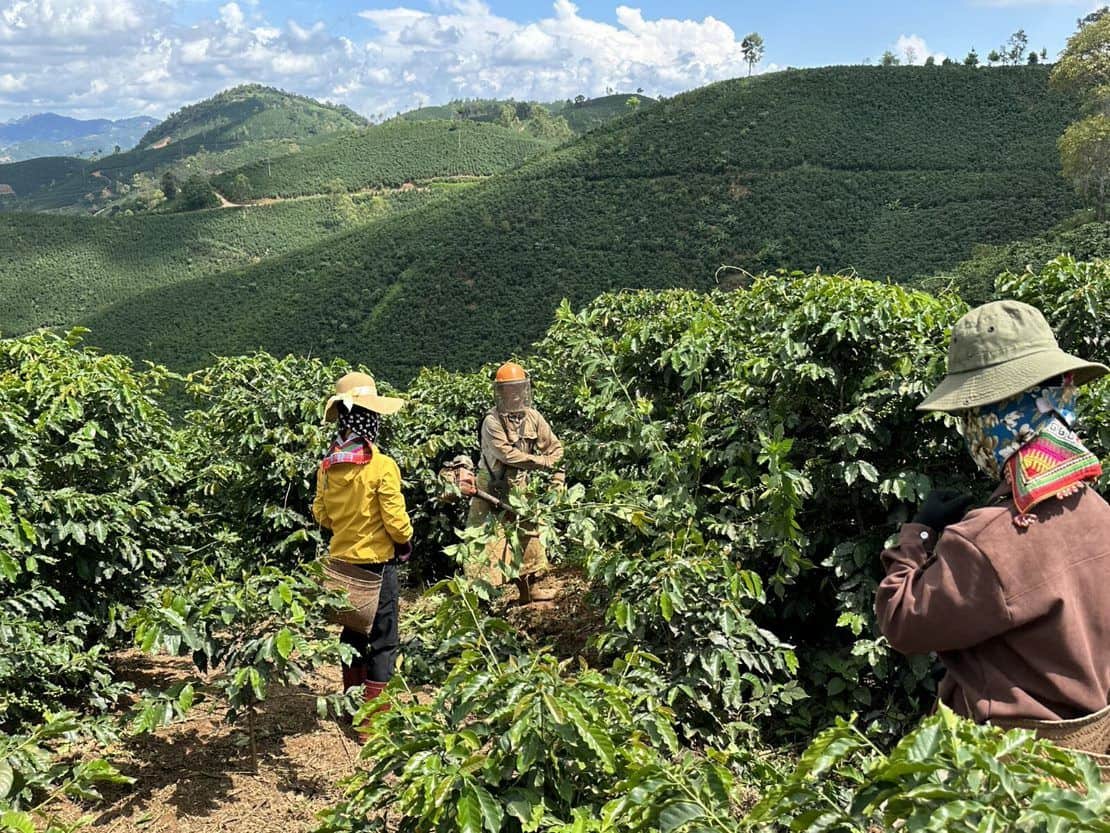
Case Ownership
Hosting Organisation: IWCA Vietnam – International Women’s Coffee Alliance Vietnam Social Enterprise Co., Ltd.
Collaborating Partners: Project funding and training partners; Women coffee-growing farmer communities in Son La; Coffee shops and baristas in Hanoi; Organisations and groups providing training support on occupational safety, financial education, children’s education and ecotourism
Stakeholders and beneficiaries: Women coffee workers; Women farmers in Son La; Female baristas in Hanoi; Families of women participating in the project; Local coffee-growing communities; Vietnamese coffee industry
Source: Human Act Prize (external link)
The copyright and legality of all images, videos, information, and data regarding the project published on this landing page are provided by and are the sole responsibility of the individuals/organizations registering for the Human Act Prize. The republished content on this landing page has been verified and authorised by VCCorp Corporation (the co-organiser of the Human Act Prize).
Specific SDG targets
SDG 4.4
Increase the number of young people and adults who have relevant skills for employment and entrepreneurship
SDG 5.5
Ensure women’s full and equal participation and opportunities in leadership and decision-making
SDG 5.a
Empower women with equal access to economic resources
SDG 8.5
Achieve full and productive employment and decent work for all
SDG 8.8
Protect labour rights and promote safe working environments