Three beliefs I dropped on my way to winning Sustainability Impact Challenge 2026

Three beliefs I dropped on my way to winning Sustainability Impact Challenge 2026

For RMIT student Hoang Thong, sustainability once meant little more than tote bags, paper straws and eco-friendly packaging. But winning Sustainability Impact Challenge 2026 opened his eyes to a bigger picture, challenging three long-held beliefs about how businesses can balance environmental impact, community needs and profitability.

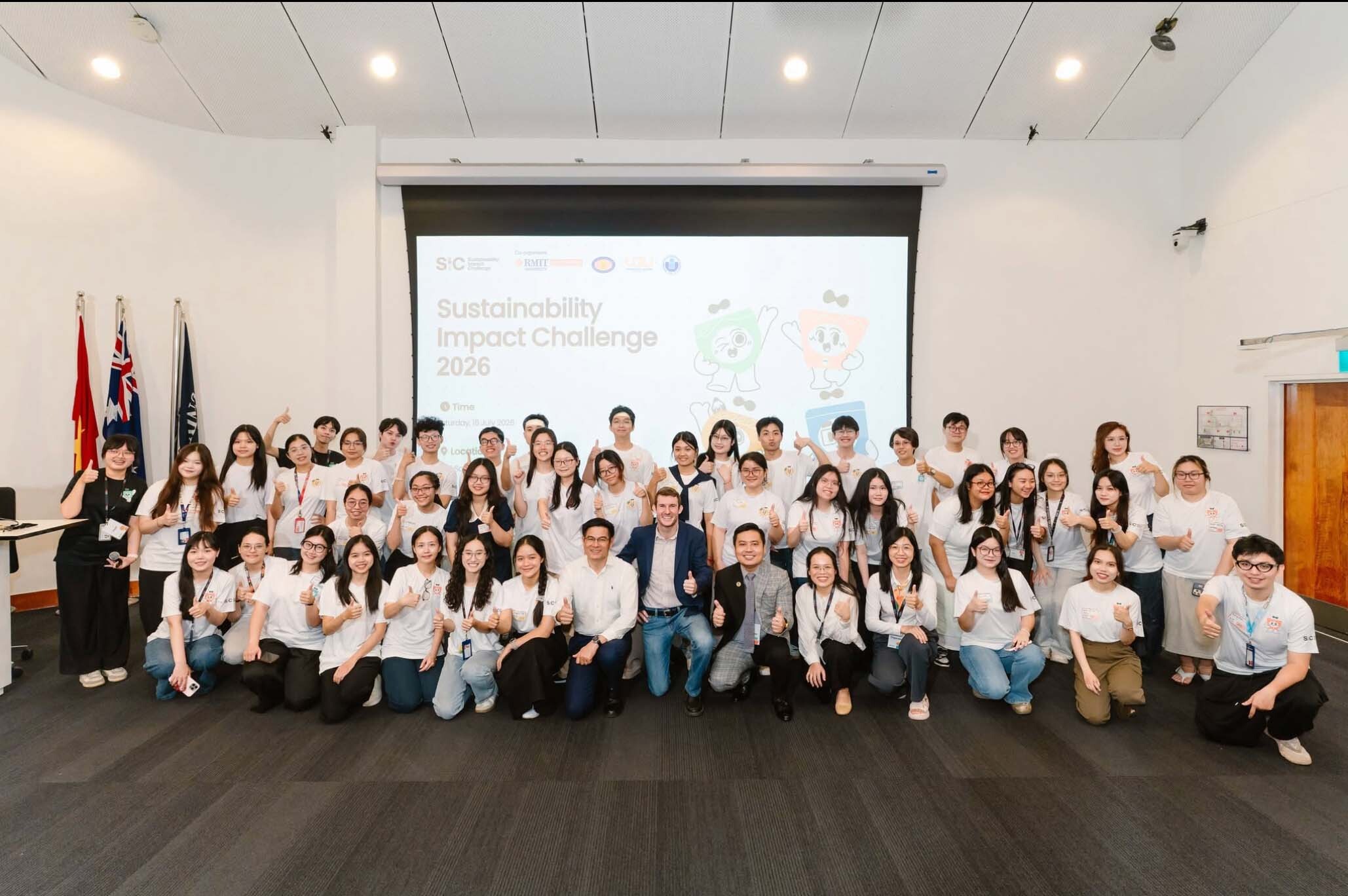
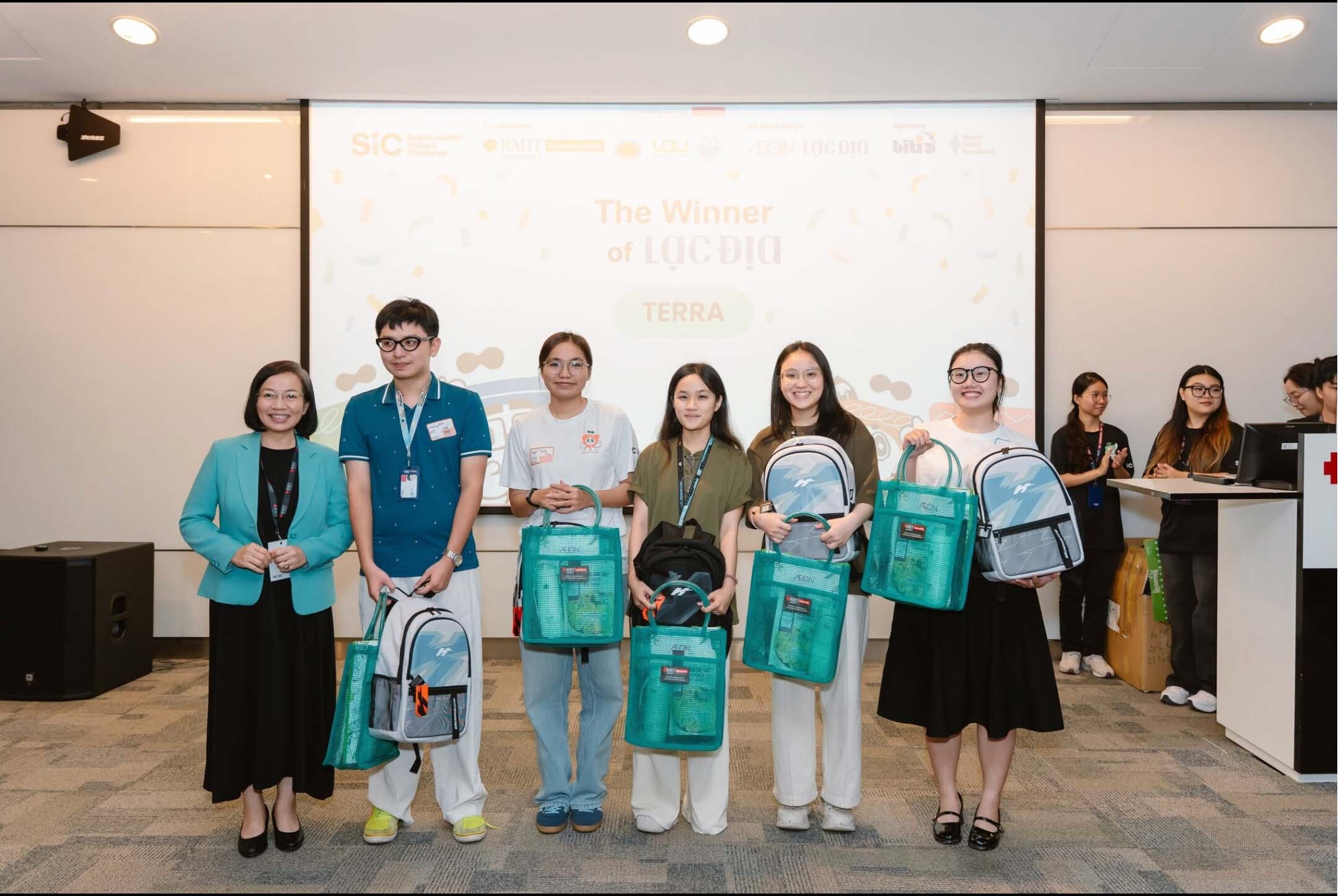
The Sustainability Impact Challenge (SIC) 2026 is a competition co-organised by RMIT and universities across Vietnam, where student teams tackle real-world business cases and pitch their solutions. I joined after a friend invited me to her team, without fully knowing what to expect. A few months later, I was holding the winner’s title. But winning is not the story I want to tell. What stayed with me are the three beliefs I had to let go of along the way.

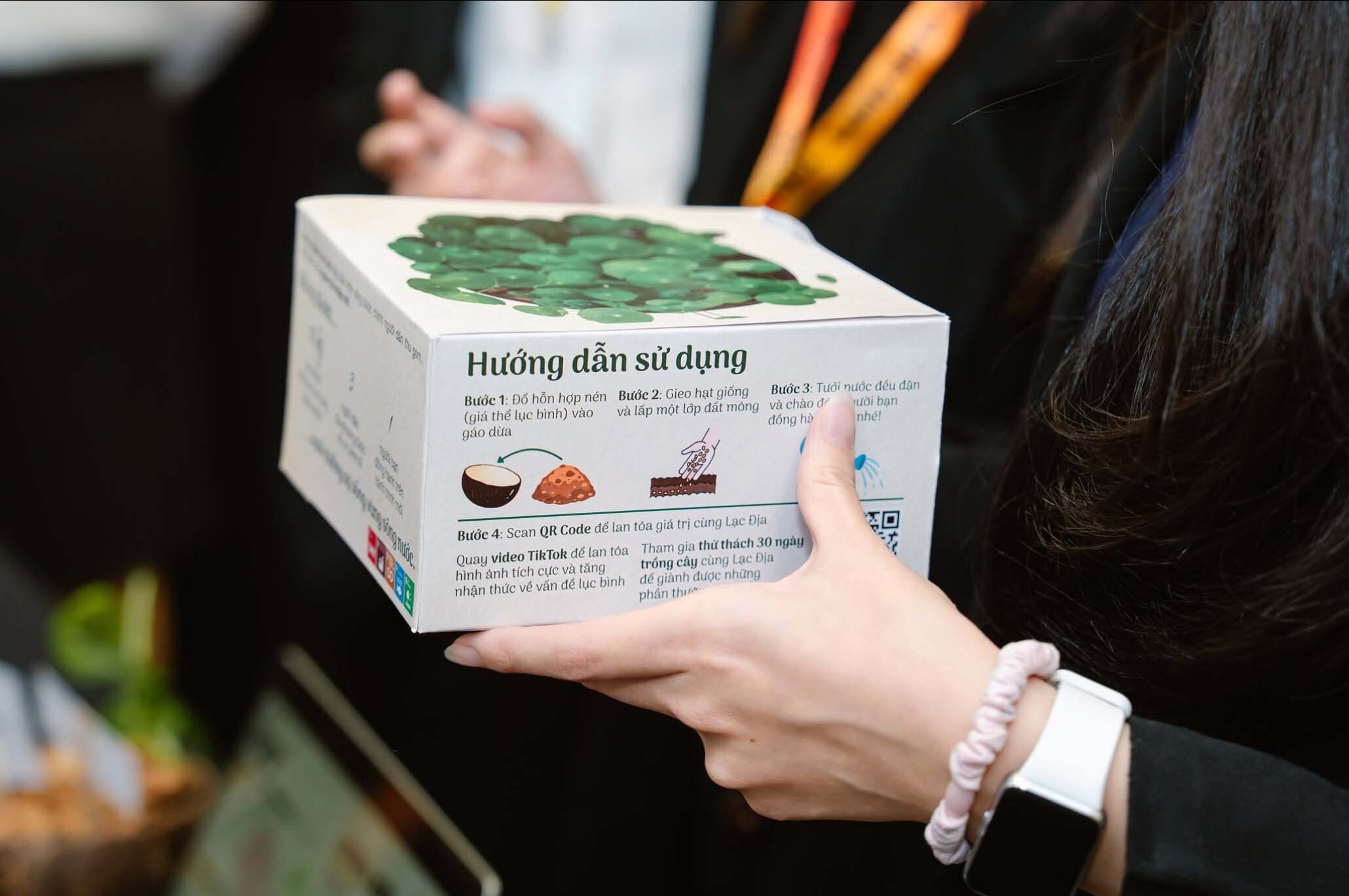
Our case came from Lac Dia, a business that had developed a substrate tablet from water hyacinth. Although the plant can obstruct waterways and interfere with local livelihoods, removing it with chemicals creates environmental problems of its own. Our task was to explore how the product could become a viable business.

Belief 1: “Sustainability is not my field”

Before SIC, I saw sustainability through a marketing lens. I assumed my role would be to make an idea appealing and communicate it effectively. However, the case demanded more than a compelling story. Who would buy the product? Why would they choose it over alternatives? How could it reach them and generate revenue?

Initially, I struggled to see where my marketing background fitted into questions about production, distribution and financial viability. I soon realised, however, that understanding customers was central to solving the business problem. We needed to identify potential buyers, understand their needs and determine what would encourage them to choose the product.

That changed how I viewed marketing. Rather than simply promoting a finished product, I could use my skills to help shape a solution around customer needs. I had underestimated how much marketing could contribute to a business challenge beyond communication.

I entered SIC believing sustainability belonged to people with specialised environmental knowledge. I left understanding that I did not need to be an expert in sustainability to contribute. I needed to understand the problem and recognise how my existing skills could help solve it.

Belief 2: “Sustainability is just about environment”

I used to judge a sustainable solution by its environmental benefits. Our case showed me that reducing environmental harm was only one part of the challenge.

Turning water hyacinth into a useful product was a promising starting point, but the business also depended on local communities collecting and supplying the plant. Without a workable collection process and a reason for people to participate, the product could struggle to secure the materials it needed.

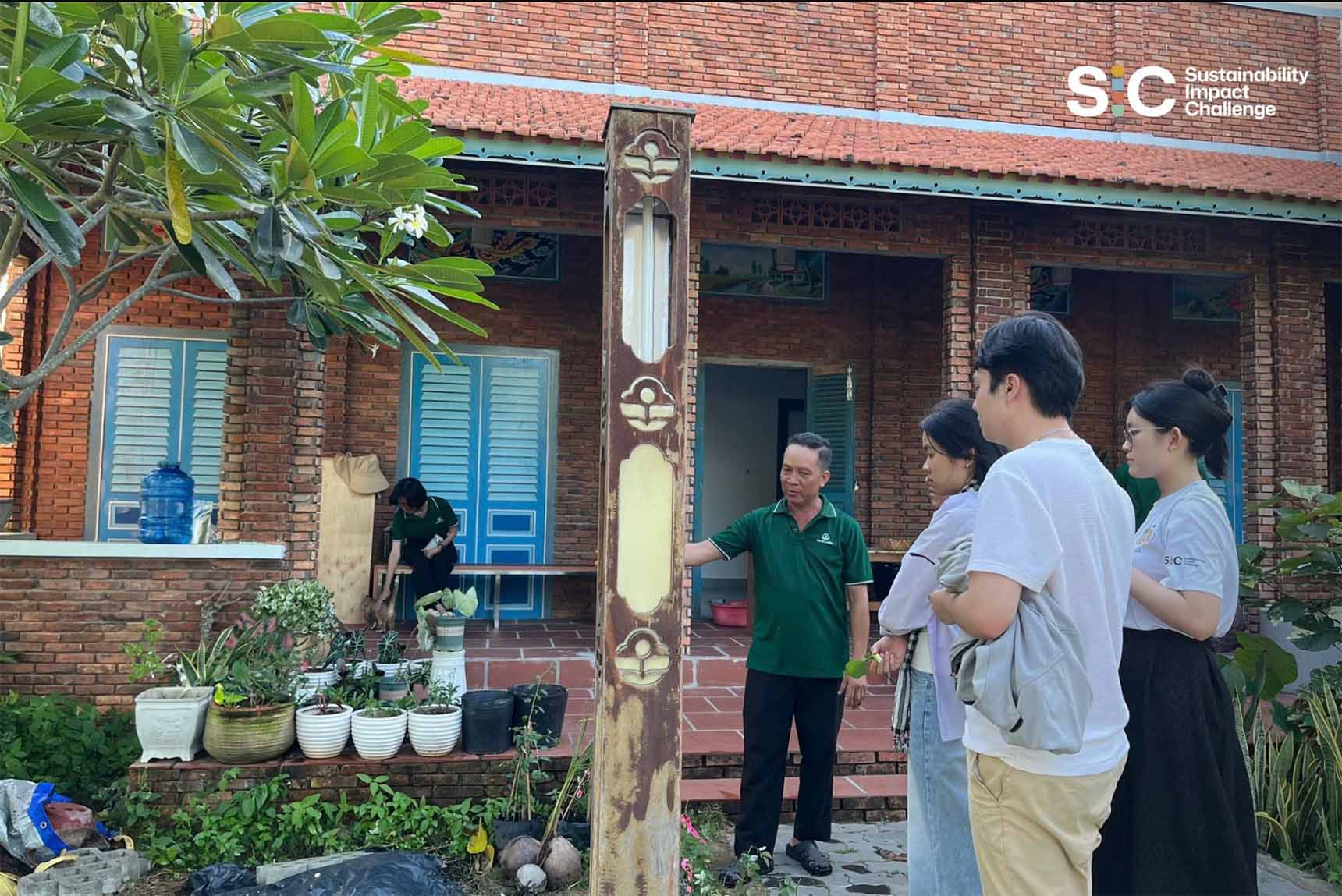
Our field trip to Ben Tre helped me see the issue beyond the product itself. I began asking whether collecting the plant would be practical for local communities and whether they would have reasons to continue supplying it. An environmentally beneficial idea would not work if it overlooked the people involved in making it possible.

This connected with the 3P framework: Planet, People and Profit. Planet concerns environmental protection and responsible resource use; People considers the well-being and interests of those affected by a business; and Profit focuses on financial viability. The framework showed me that these dimensions are interconnected. A solution can benefit the environment but still fall short if it does not work for the people involved or cannot sustain its operations.

I began to understand sustainability as more than reducing environmental harm. It also meant considering who would be affected by a solution and whether its benefits could last.

Belief 3: Being sustainable means losing benefit

Of the three dimensions in the 3P framework, Profit was the one I questioned the most. I used to see profit and sustainability as competing priorities. If a company wanted to do better for the environment or society, I assumed it had to give up money somewhere.

That belief started to shift once we had covered the environmental and social sides of our solution and still had to answer one question: could the business keep this model running? We realised profit was not what sustainability had to sacrifice. It was what would keep the solution alive after the competition ended.

This led us to explore a wholesale model that would supply the substrate tablets to plant and garden shops, tapping into interest in balcony gardening in Vietnam. The approach gave us a clearer picture of potential customers, a possible distribution channel and a way to generate revenue.

More importantly, I began to question why I had treated profit and sustainability as opposing goals. If the product could meet customer needs and generate revenue, profit could help maintain the business and support its environmental and social benefits beyond the competition. Without financial viability, even a well-intentioned solution might struggle to continue.

That was the shift in my thinking: profit did not have to come at the expense of sustainability. It could help make sustainability possible in the long run. I began to see the three dimensions of the 3P framework not as competing priorities, but as considerations a business must balance to create lasting value.

Rethinking what a win means

My three beliefs came from the same limitation: I had looked at sustainability too narrowly. I thought it belonged to a specific field, focused mainly on the environment and required businesses to compromise on profit. SIC challenged these assumptions and encouraged me to approach unfamiliar problems with greater curiosity.

Balancing the competition with my internship and coursework made the semester demanding. Yet winning SIC 2026 gave me more than a title; it gave me a starting point for learning beyond my field.

Story: Phan Do Hoang Thong, an RMIT Vietnam student. This article does not reflect the views of RMIT Vietnam as an institution.

21 October 2026

More news