
From café visits to creative practice: How RMIT students decoded Vietnam's cafés aesthetics

From café visits to creative practice: How RMIT students decoded Vietnam's cafés aesthetics

What does it take to turn a simple café visit into a meaningful creative artefact? Anchored in Vietnamese Gen Z’s café-driven digital culture, Urban Brews challenged students to look beyond the scroll, reimagining coffee dates as creative experiments where coffee culture evolved into purposeful digital production.

In Vietnam, café hopping is almost second nature to Gen Z. Following the nutty aroma drifting through narrow alleyways, we weave between motorbikes and storefronts in search of the next favourite spot. We are not just chasing a nice coffee cup, but a mood, a sunlit corner, a textured wall,... small details that might become reels-worthy. 

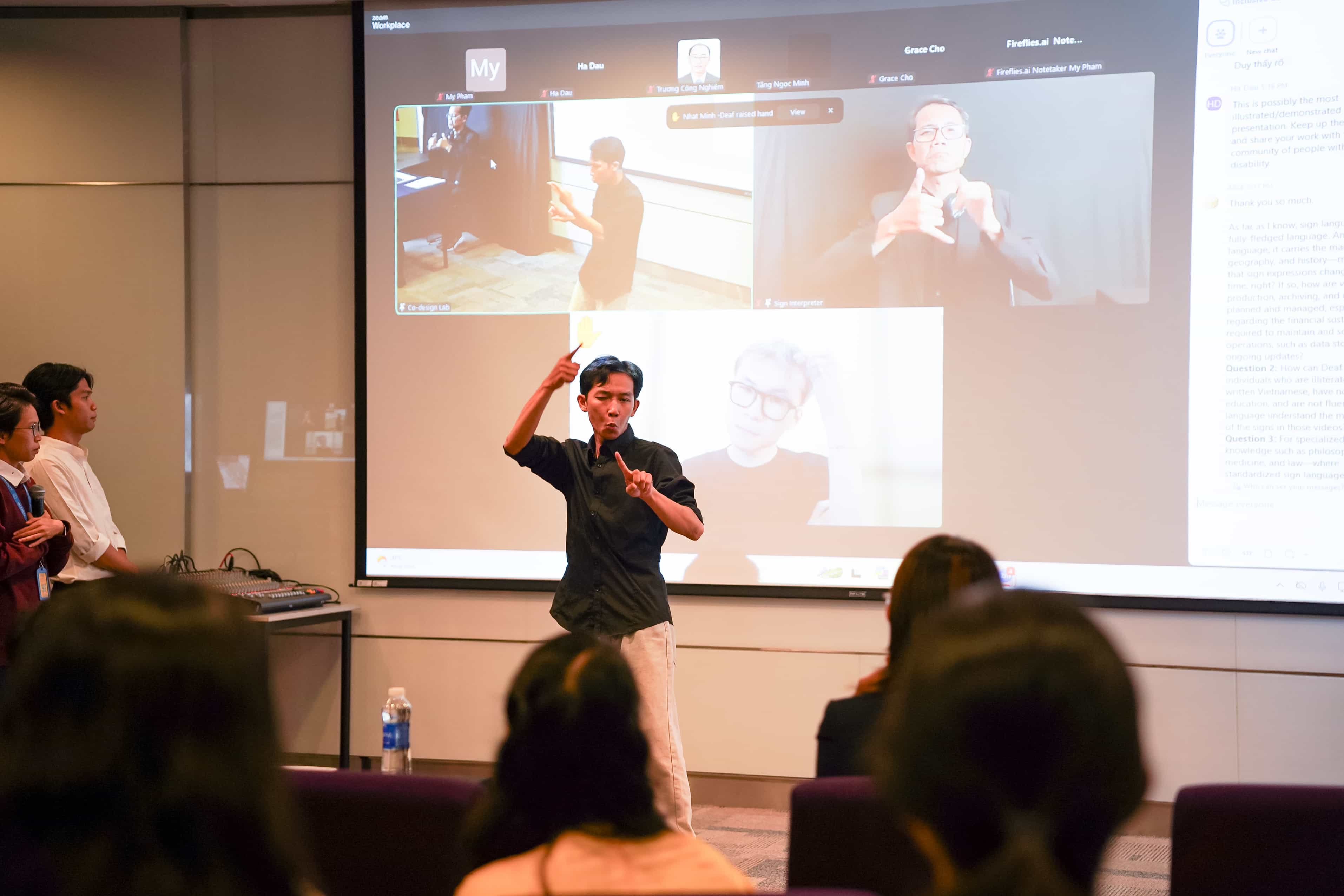
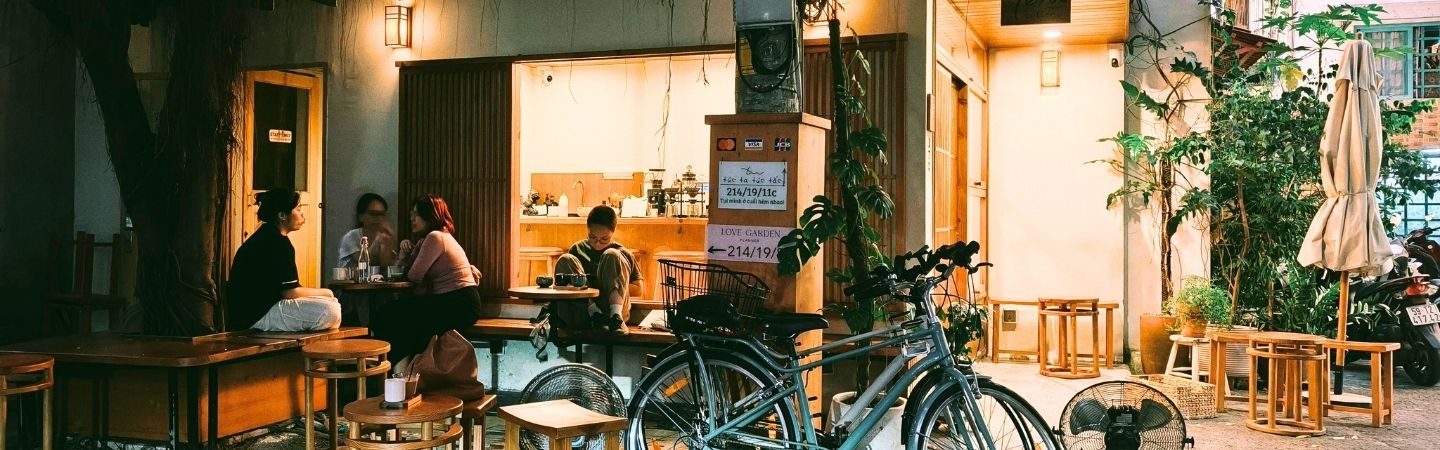
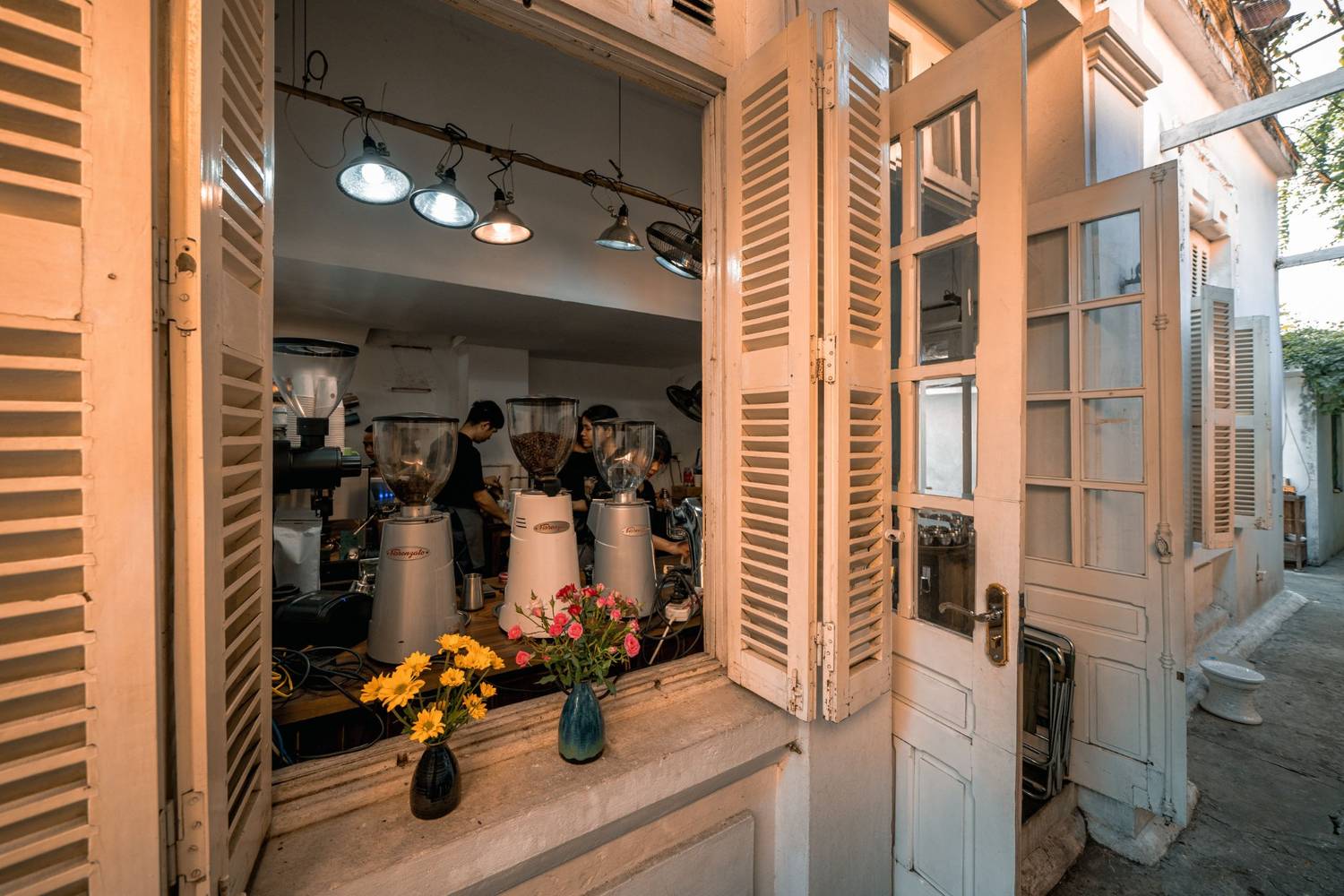
The event drew over 100 participants, with strong engagement across its activities Photos: Alberto Prieto and Mai Phương (2023)

It was this familiar café habit of Vietnamese GenZ, where café hopping and content creation often go hand in hand, that the Urban Brews Instagram Project set out to explore the question: what lies beneath Vietnam’s café aesthetics?  

Initiated by Dr. Adhvaidha Kalidasan using 2024 Teaching Award funds, the project was designed as an experiential “practice lab” challenging students to turn everyday café culture into meaningful digital storytelling. 

Over several weeks, 25 student creators explored cafés across Ho Chi Minh City, producing more than 50 short-form videos and nearly 200 photographs. Guided by themed prompts from historical figures to literary works, they were encouraged to interpret café visits through mood, narrative and audience perspective in Instagram reels. 

Seeing cafés differently

For Bao Tram, Ngoc Tram, and Yen Thi, second-year Professional Communication students, Urban Brews began as an extension of something they already enjoyed: video and content creation. What they did not expect was how it would change the very lens through which they perceived the experience around them. 

“Before this project, I thought content creators just needed to be good at writing scripts,” Yen Thi reflects. “But this project made me realise that ideas have to be real and authentic.” 

Authenticity, she discovered, begins long before the camera starts recording. It begins with intention and discovery.  

The event drew over 100 participants, with strong engagement across its activities Yen Thi's video

Assigned to explore a historical figure through location, she found herself searching not just for any café, but for one whose setting could genuinely echo that narrative. 

"I didn't really care much about the setting or the effort the owners put into it at first," she admits. But the project transformed her from casual consumer to careful observer, teaching her to ask what stories spaces were already telling before she arrived with her camera. 

Arriving at one café opened by the Chinese diaspora, she noticed shelves of curated artefacts, design choices that whispered of generational memory, and an owner who had transformed his café space into a cultural preservation. “I realised the owner put so much thought into conveying his culture,” she says. “Through this project, I try to look around more rather than just come to a café and sit.” 

Rethinking about café content

But in a feed saturated with latte shots and aesthetic corners, what truly makes viewers stop and stay? Within a post, each beverage turns into a time capsule, capturing unique moments in our collective online shared memory. Yet the real challenge is transforming those lived experiences into something performative without losing their authenticity. 

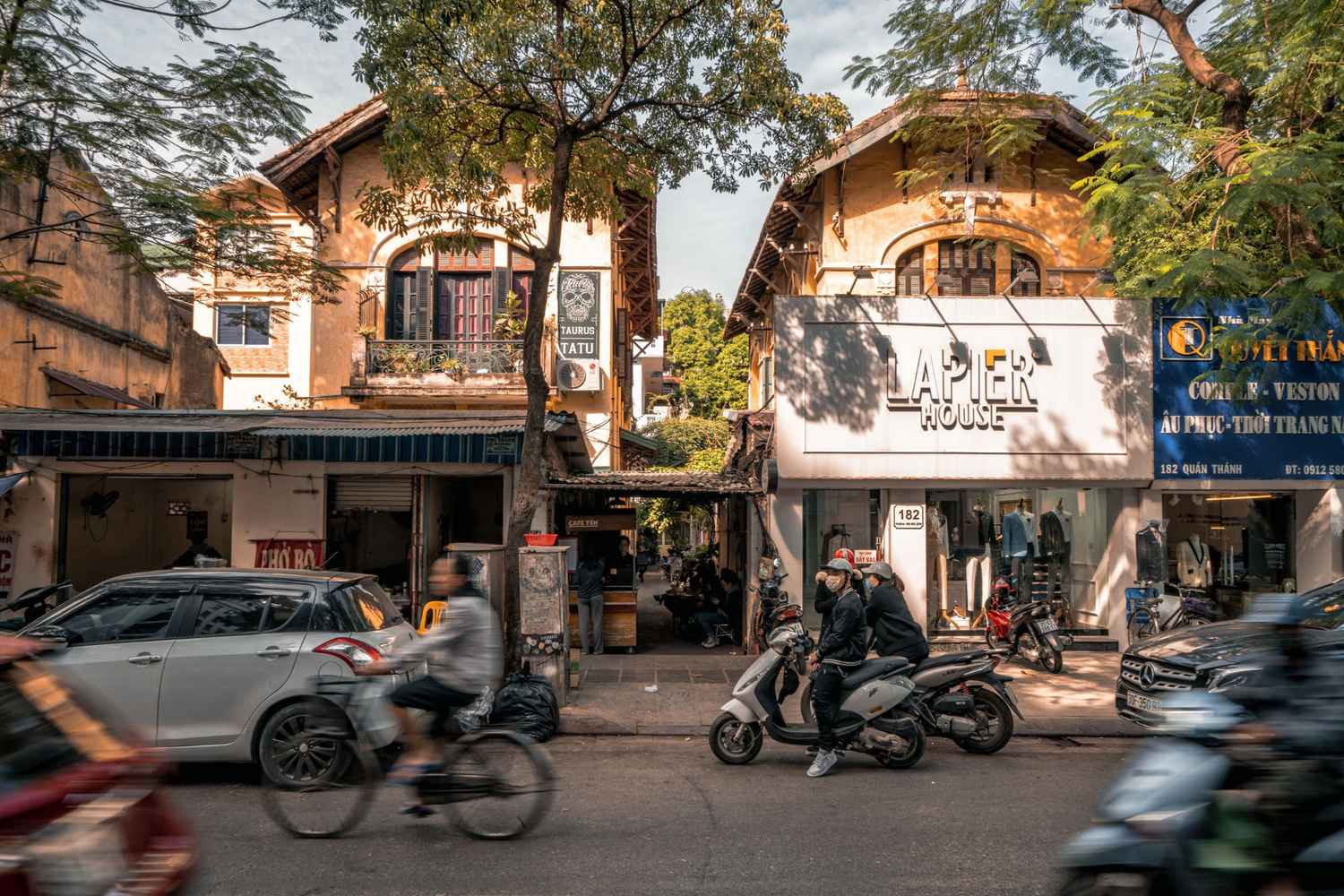
The event drew over 100 participants, with strong engagement across its activities Photo: Alberto Prieto (2023)

Upon creating her own cafe visit videos, Yen Thi noticed how easily originality dissolves into repetition. “They always talk about how chill the café is, how green it is, how the atmosphere looks,” she says. “Sometimes it’s just like a rotation, people repeat the same words.” 

Determined to break that cycle, she focused on identifying what genuinely distinguished each space. “I will always try to look for a special point to review,” she adds. 

Ngoc Tram reinforces this idea from an audience perspective. “We must prioritise the target audience of the café,” she says. “The décor and vibe are built depending on their audience. When we are creators, we should research that and convey a story that attracts them.”  

Café content, for them, became less about echoing trends and more about authenticity, aligning space, story, and audience with meanings. 

In the authentic recreation of café visits

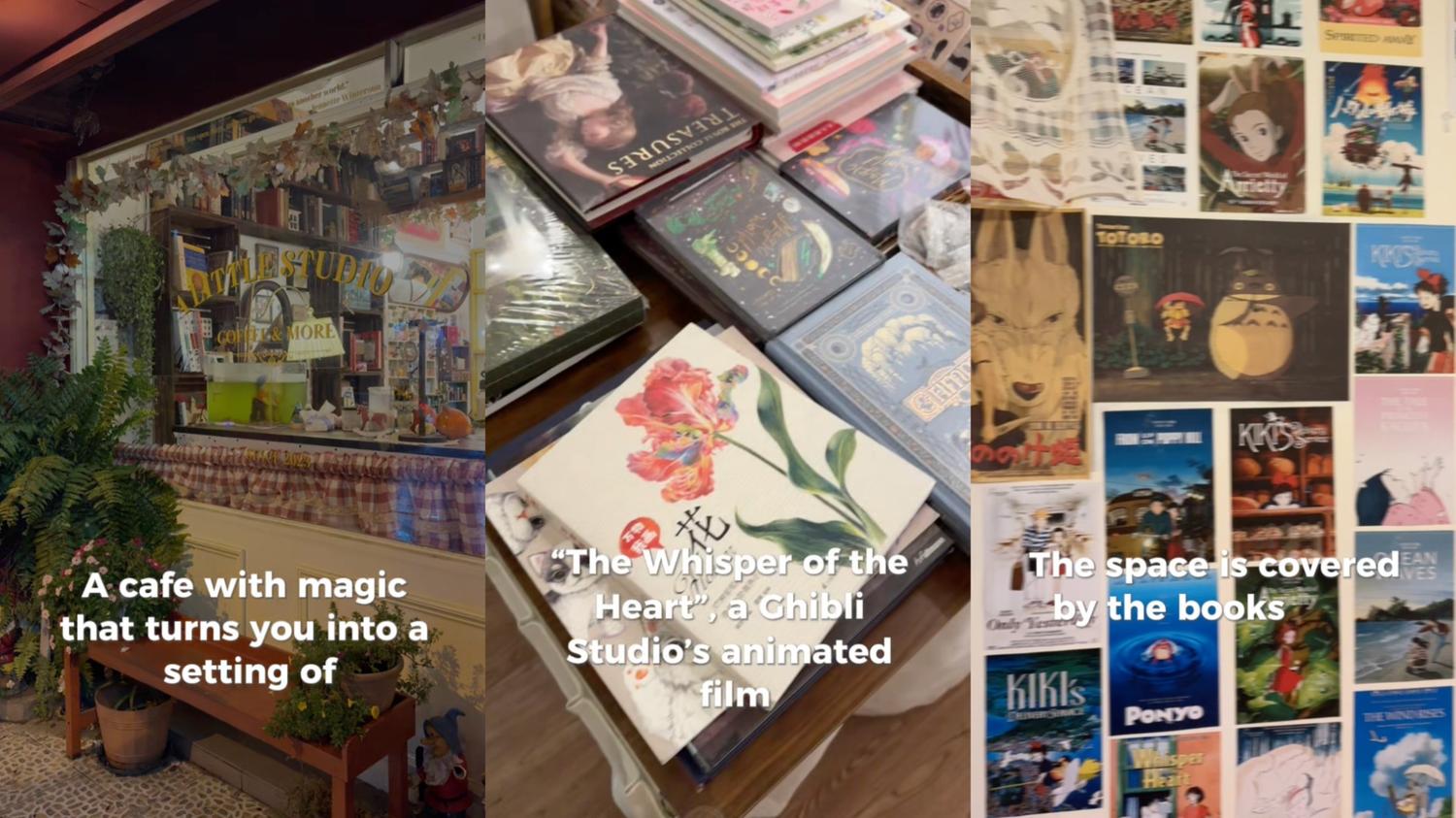
Seeing things differently soon led to creating things differently. For Bao Tram, the prompts opened a new creative pathway. Drawn to a Ghibli-inspired café, she filmed the video “A Little Studio Bookstore” to recreate the warm nostalgia of The Whisper of the Heart. But she quickly realised that visual appeal alone was not enough.  

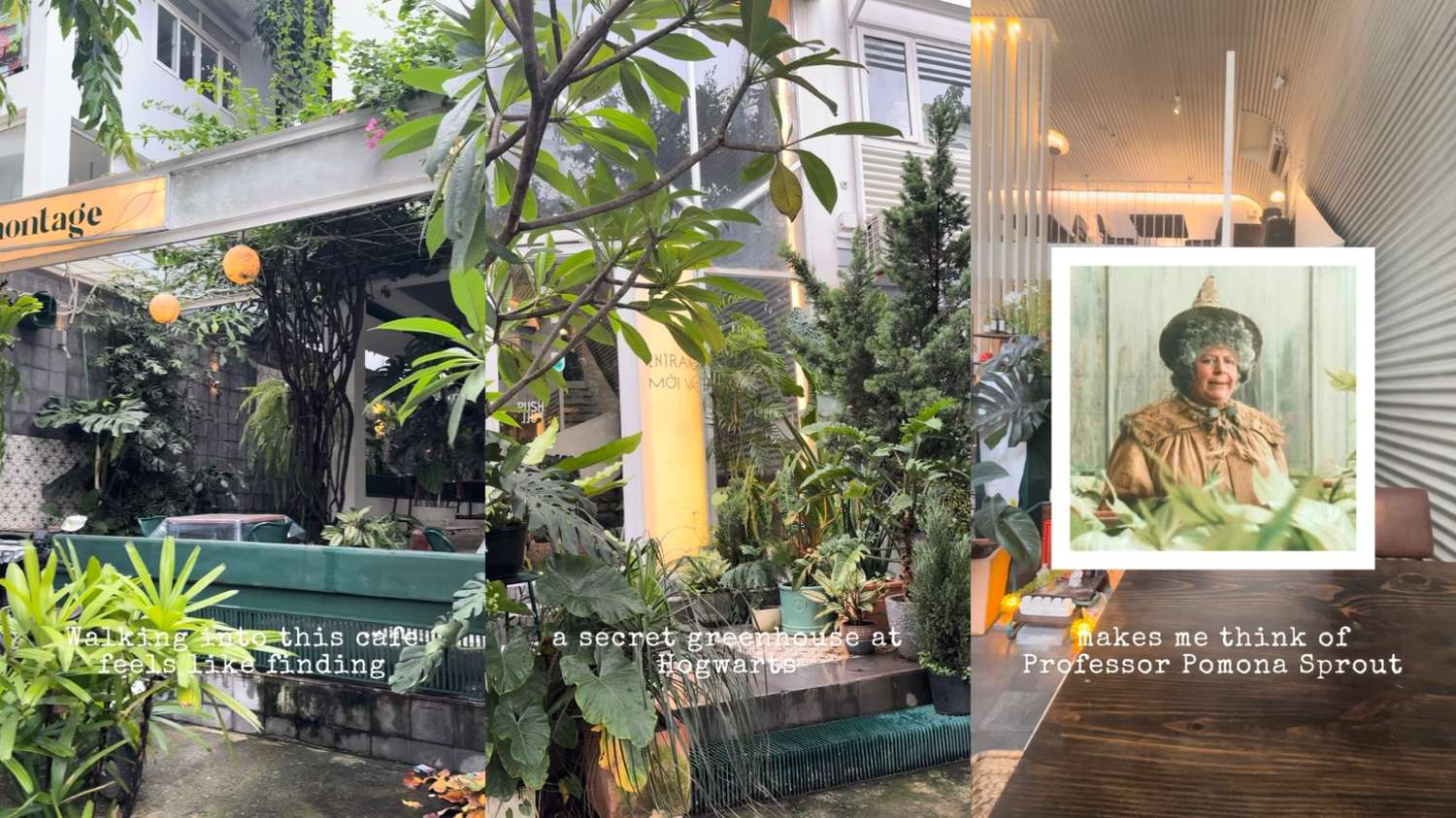
The event drew over 100 participants, with strong engagement across its activities Bao Tram's video of A Little Studio Bookstore café

“Beyond just looking nice on video, a good video needs to show the atmosphere, the experience that the café brings to the audience.”  

To achieve that atmosphere, she experimented with colour correction and sound editing tools for the first time, refining her work through repeated trials. Completing the video independently marked her personal breakthrough, not just technically, but creatively.  

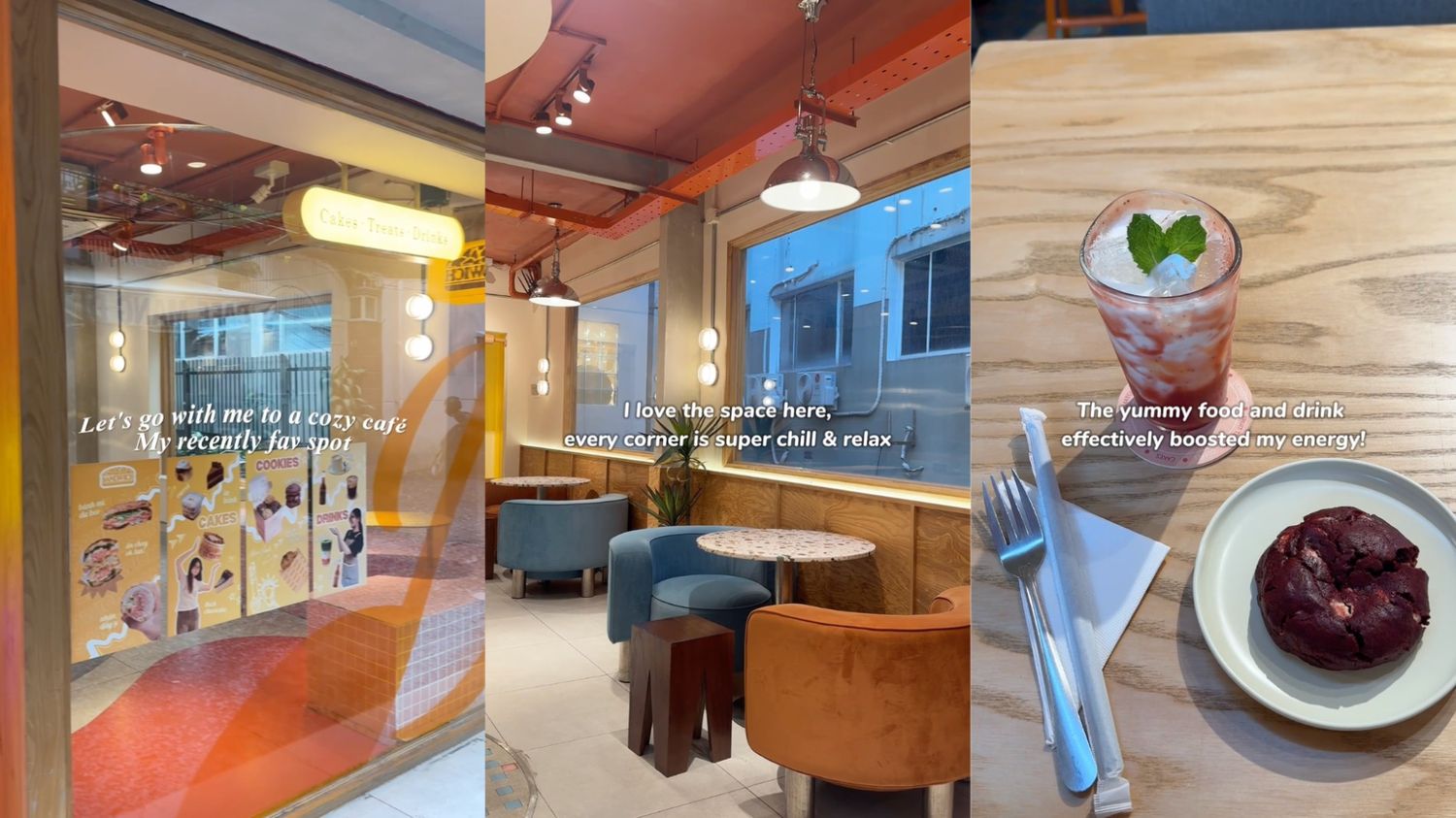
For Ngoc Tram, the atmosphere in those videos was not built through color, but through voice. Although she had filmed and edited before, she had “never dared to try voiceover.” Listening to her own recordings made her self-conscious. Her first voiceover, created for “Dulce de Saigon Café,” required multiple retakes.  

“I had to record the script several times because I was so nervous,” she recalls. 

By restructuring her script and recording segment by segment, she gradually gained control. The final version mattered not because it was flawless, but because it reflected growth. Stepping beyond hesitation became part of her creative identity. 

The event drew over 100 participants, with strong engagement across its activities Ngoc Tram's video of Dulce de Saigon Café

Beyond the lens, Yen Thi’s role as student manager strengthened her communication skills: listening to concerns, navigating challenges, and adjusting her approach to keep the team on track. Authentic recreation, she realised, extended beyond the screen into leadership, responsibility, and sustaining collective momentum. 

From lifestyle to professional readiness

A coffee date can simply be about a familiar drink and a quiet table by the window. But through Urban Brews, those ordinary moments became something more. 

“When audiences watch our videos, they might notice more interesting aspects of the café, the vibe, the music, the décor,” Ngoc Tram reflects. “We’re giving people new perspectives on their own café experiences.” 

For Dr. Adhvaidha Kalidasan, the project's strength lies in its authenticity. "This project is extremely close to my heart because it allows me to provide real-world work opportunities to students," she shares. Designed to emerge naturally from Gen Z café culture, it was meant to feel "effortless yet rewarding." 

"The student creations were outstanding," she says. "They proved that students are incredible storytellers capable of producing professional-quality content." 

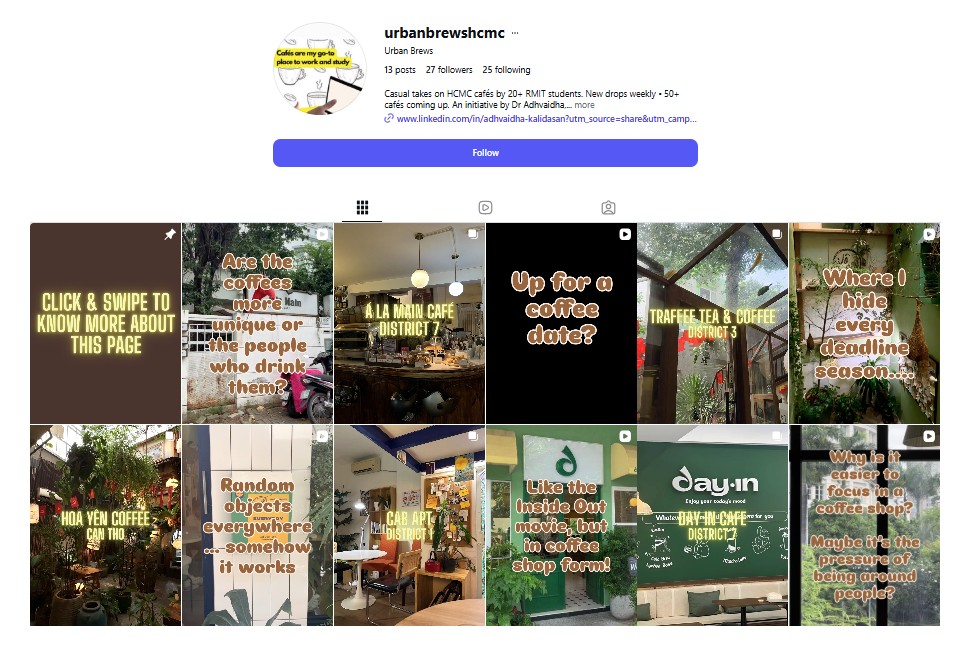
The event drew over 100 participants, with strong engagement across its activities Urban Brews’s official Instagram page - urbanbrewshcmc

With the official Instagram page, @urbanbrewshcmc, launched last month, Urban Brews not only maps more than Ho Chi Minh City’s café scene but also documents how students learned to observe more closely, create more intentionally, and lead more confidently. 

From casual coffee shop visits to curated digital artefacts, Urban Brews demonstrates how everyday casual experiences, when guided by reflection and practice, can become platforms for professional growth. 

Story: edited by Tram Hoang, a Professional Communication student at RMIT Vietnam, with original stories and input from Tram Nguyen Ngoc Bao, Thi Tran Ngoc Yen, and Tram Nguyen Nhu Ngoc. This article does not reflect the views of RMIT Vietnam.

Reference:

Alberto Prieto and Mai Phương. (2023) Ngõ Nooks: Cafe Yên, Where the Line Between Coffee Shop and Alley Blurs. Saigoneer

04 March 2026

Share

More news