
Tourists Go Home: When typography becomes a tool for change

Tourists Go Home: When typography becomes a tool for change

RMIT Vietnam students transformed Barcelona’s anti-tourism protest message into an award-winning typography campaign about tourism, housing and belonging, earning 10 awards at the Crowbar Awards 2025.

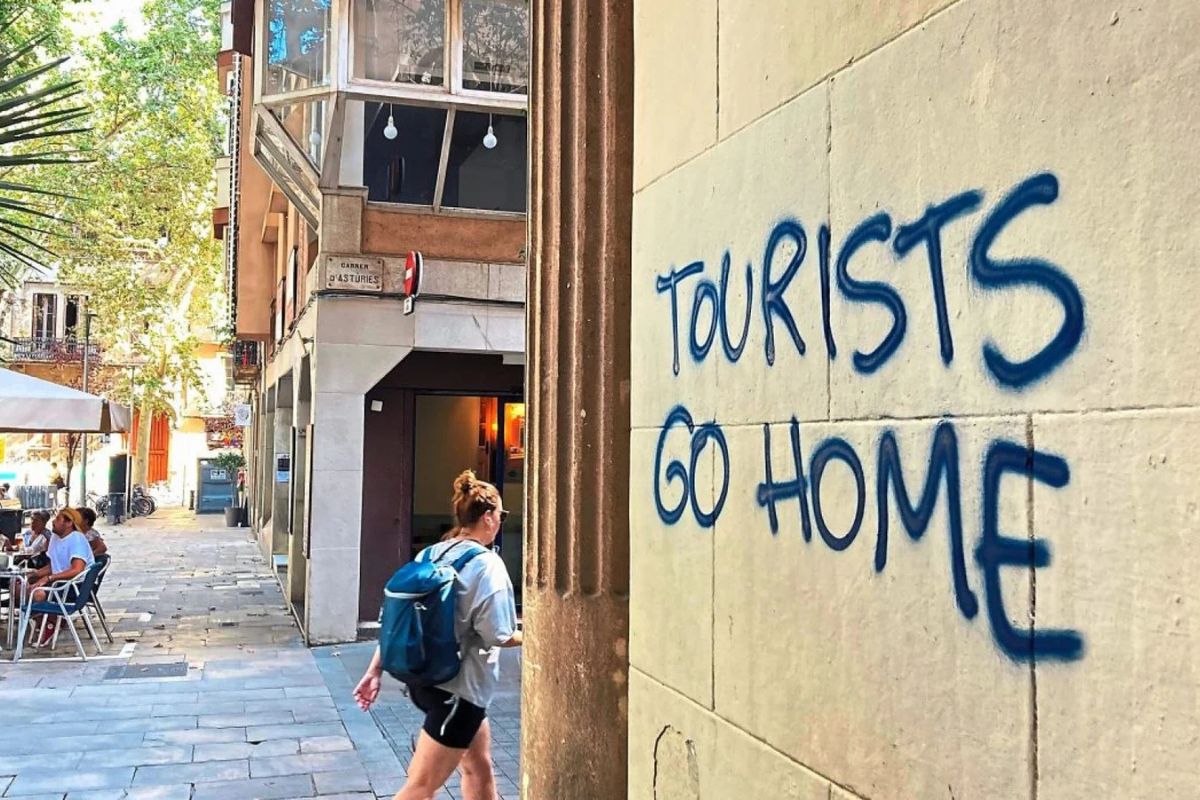
tourists-go-homePhoto: Ana Vila

On the walls of Barcelona, three words have come to represent a city under pressure: Tourists Go Home

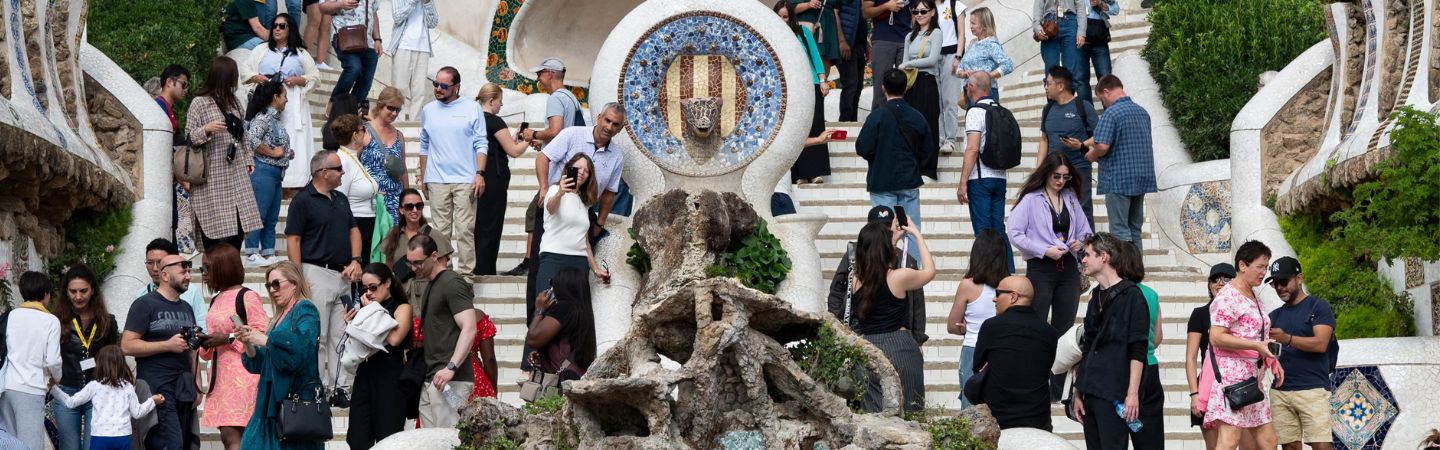
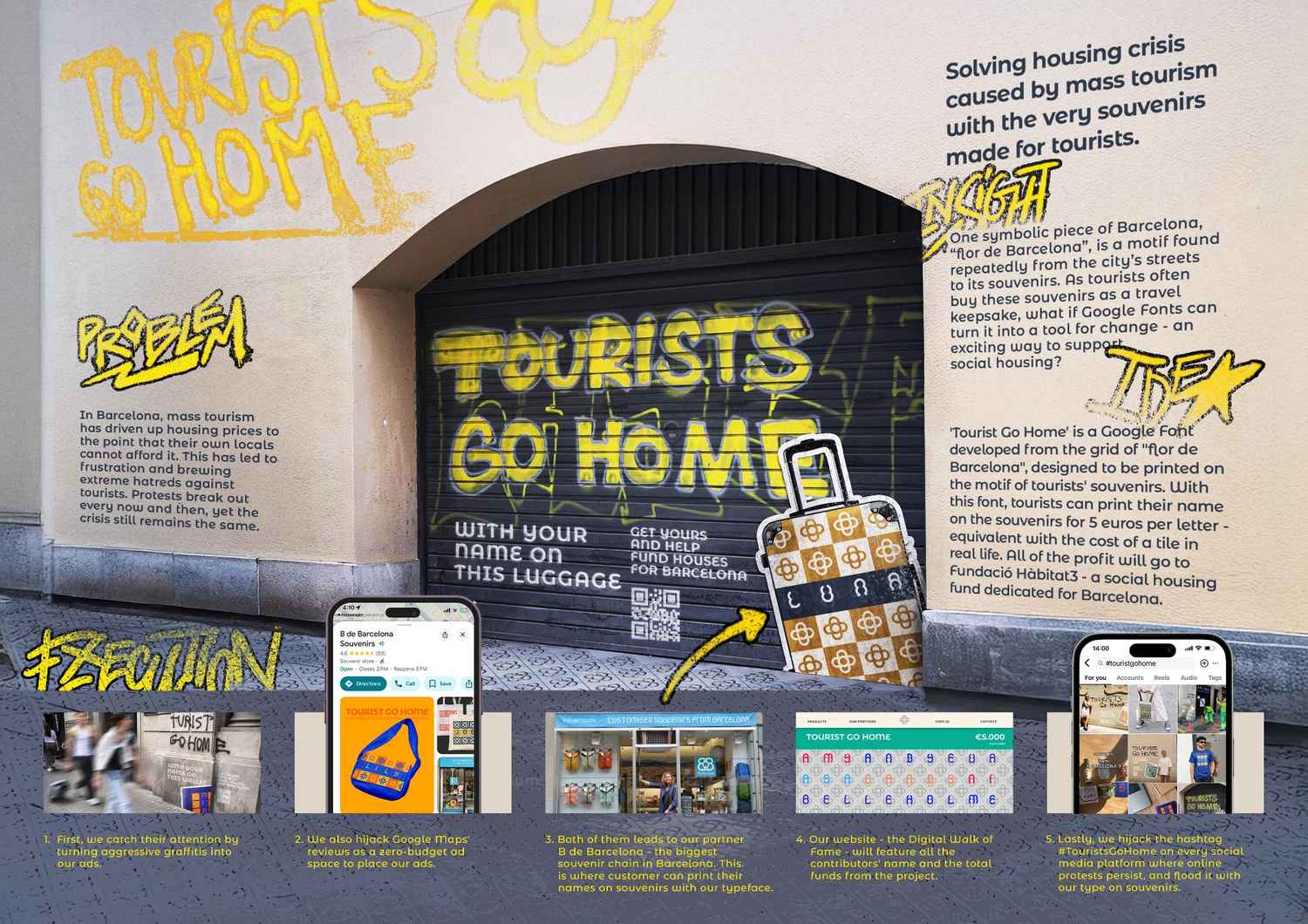
For many locals, the message appeared on walls as a direct expression of anger from residents who feel pushed out of the place they call home. As mass tourism continues to reshape Barcelona, housing has become increasingly unaffordable for those who call the city home. Streets once filled with everyday neighborhood life are now part of a global tourism economy, and many residents are asking how much more their city can give before it stops feeling like theirs. 

Yet, for a team of young RMIT Vietnam students, including Tri Tin, Ngoc Thao, Minh Hanh, Ngoc Huyen (Design Studies), and Chieu Nghi (Professional Communication), those words opened up a challenging creative question: Can a message of protest be transformed into a tool for change? 

Their answer became Tourists Go Home, a campaign design project that turns typography into an active force for social impact. The project went on to win 10 awards across multiple disciplines at the Crowbar Awards 2025. Yet, beyond the recognition is a deeper story about creative responsibility, collaboration, and what it means for students to design around an issue that is not easy to solve. 

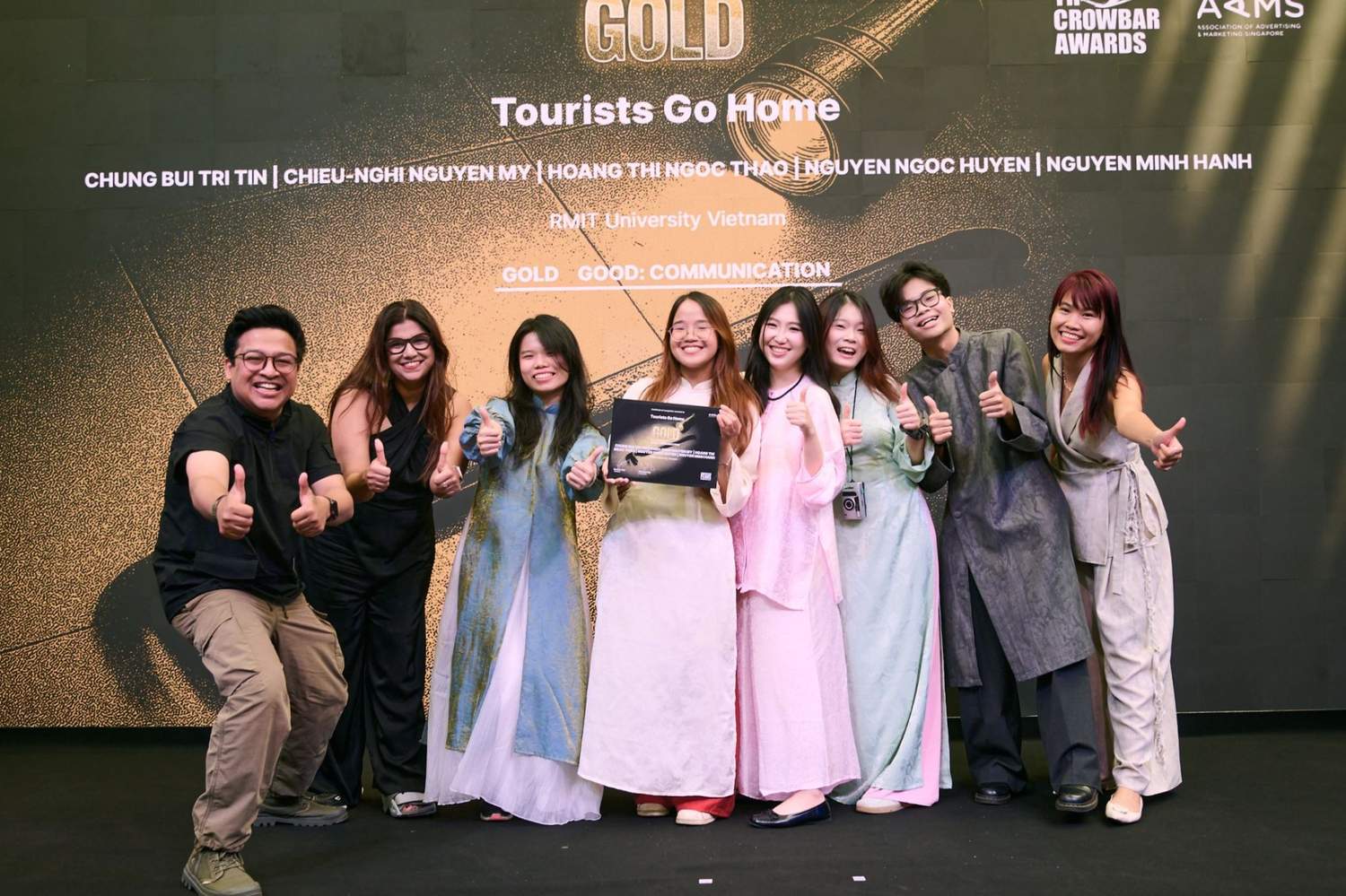
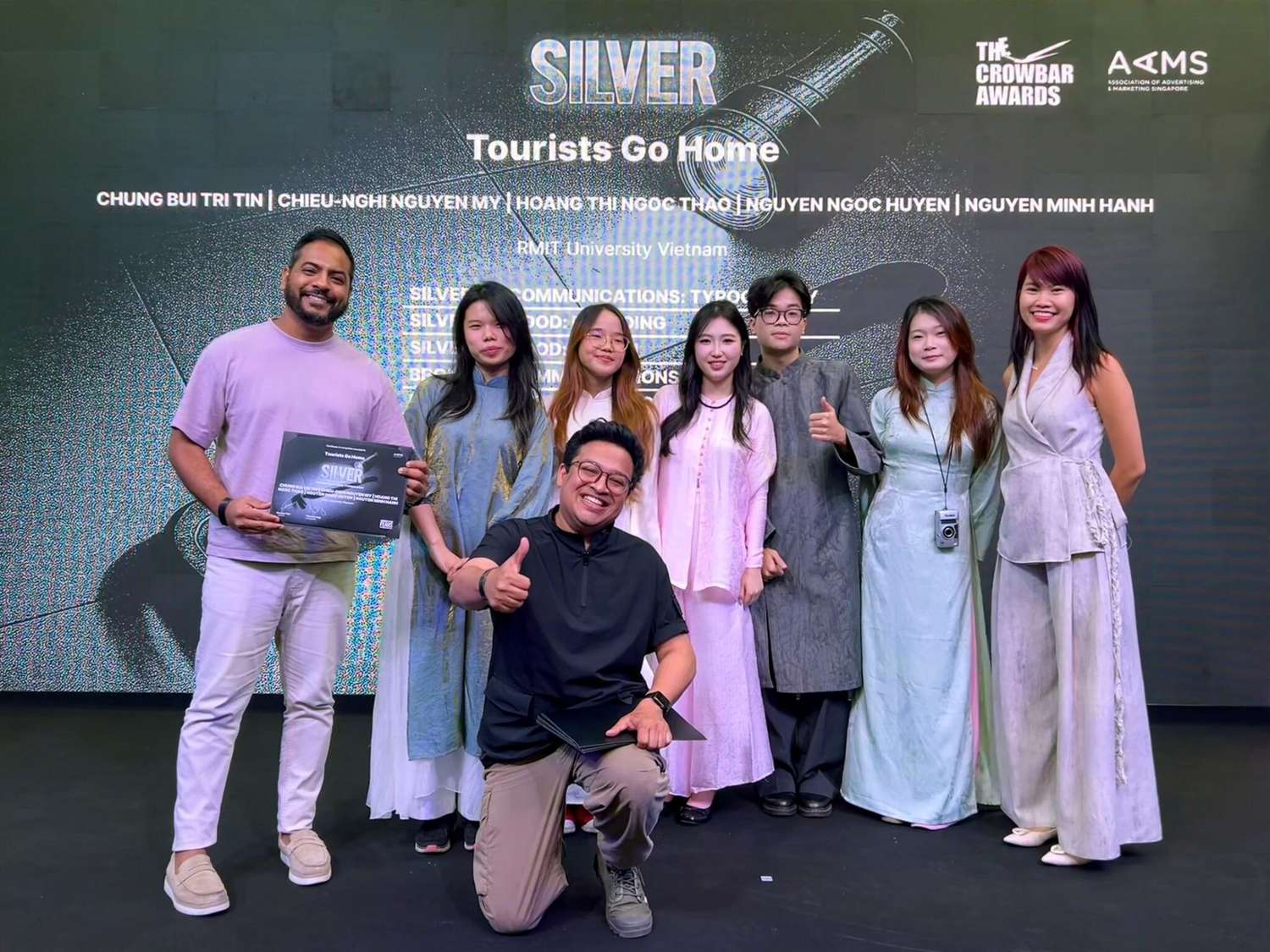
tourists-go-homeRMIT “Tourist Go Home” student team at the Crowbar Awards 2025

Seeing a global issue through a student lens

Although the team was designing from Vietnam, Barcelona’s housing crisis did not feel distant. For many Gen Z, including them, preparing to enter adulthood, finding housing, affordability, and a sense of belonging are increasingly familiar, no matter where they live. 

“As Gen Z, we relate to the global housing crisis and the difficulty of affording a home,” Thao shared. “Even though we’re far from Barcelona, we understand how serious and widespread this issue is.” 

Such a connection helped the team look beyond the phrase “Tourists Go Home” as a local protest message. To them, Barcelona became a starting point for a wider conversation about how cities grow, who gets to stay, and how design can respond when development begins to affect people’s sense of home. 

Tri Tin, a third-year Design Studies student, saw the project’s potential in how the idea could travel beyond Barcelona. “Barcelona was just one instance of a much larger condition,” he said. “What stayed with me was the potential for the project to scale.” 

Turning typography into action

Inspired by Barcelona’s local visual language, including patterns found across the city, they began exploring how type could carry not only a message, but also a sense of place, tension, and purpose.  

For Tri Tin, who had always been drawn to display type and lettering, this project made that belief more concrete: type could be expressive and playful, but it could also become a tool for engagement and change. 

tourists-go-home-3-campaign-proposalTourist Go Home campaign proposal

The idea became sharper when the team looked at one of the most familiar behaviours in tourism: buying souvenirs. Instead of asking tourists to turn away from Barcelona, Tourists Go Home reimagined souvenirs as a way for them to give back. Customisable typography products became part of a funding mechanism, with every letter purchased contributing to social housing initiatives. 

Yet the process was not simply about finding a clever format. The team had to carefully balance impact with respect, knowing that Barcelona’s housing crisis was a sensitive issue involving frustration, displacement, and belonging.  

“The most challenging part was turning a sensitive social issue into something creative without losing its seriousness,” Thao said. “We had to balance impact with respect.” The campaign needed to acknowledge local anger but also invite tourists to reflect rather than simply feel attacked. 

“There’s a fine line between impact and insensitivity,” Tin reflected. “For us, it was about easing the tension without neutralising the issue, making sure the work remained respectful, while still carrying enough weight to resonate”. 

tourists-go-home-4-rmit-vn-students-winning-awards

Go home or go big with changes

For students, the story of Tourists Go Home offers more than inspiration from an award-winning project. It shows what can happen when a team is willing to sit with discomfort long enough to create something thoughtful. 

Reflecting on the journey, Hanh said the project pushed the team to become more proactive and confident in their choices. “We took more ownership of our decisions,” she said. “Working with a larger group of people also made the experience more dynamic and interesting.” 

That ownership shaped the campaign’s strongest idea: taking a graffiti phrase of rejection and turning it into an invitation to reflect. “It is important to hold the mindset to approach the issue from both sides and respect the emotions involved,” Hanh shared. 

tourists-go-home-5-rmit-vn-at-crowbar-award-2025RMIT “Tourist Go Home” student team at the Crowbar Awards 2025

Ms Sea Nguyen, Design Studies Lecturer, saw this maturity throughout the process, describing the team as young designers who “consistently stay engaged with the evolving landscape of design — from tools to trends — while maintaining a strong grounding in design principles and visual sensitivity.” 

“At RMIT, we place strong emphasis not only on building design capability, but also on nurturing collaboration, communication, and the ability to thrive in team environments,” Ms Nguyen said. “Tourists Go Home is a powerful example of what can emerge when those values are fully realised.” 

Together with other RMIT-winning projects at the Crowbar Awards 2025, including Into Saigon Market, Year 13, and DropWise, Tourists Go Home marked an important milestone with 10 awards across multiple disciplines. Yet its deeper achievement lies in how the team worked: with resilience, ambition, and integrity, turning a difficult social tension into a campaign that asks people not only to look at a city, but to think about who gets to call it home. 

Story: Tram Hoang, a Professional Communication student at RMIT Vietnam. This article does not reflect the views of RMIT Vietnam. 

20 May 2026

Share

More news