




How to survive end-of-semester deadlines

How to survive end-of-semester deadlines

End-of-semester season can feel like everything is due at once: assignments, presentations, exams, group projects, internships, and life outside university. The goal is not to become “perfectly productive.” The goal is to stay functional, protect your energy, and finish the semester without burning out.

1. Spend time smartly

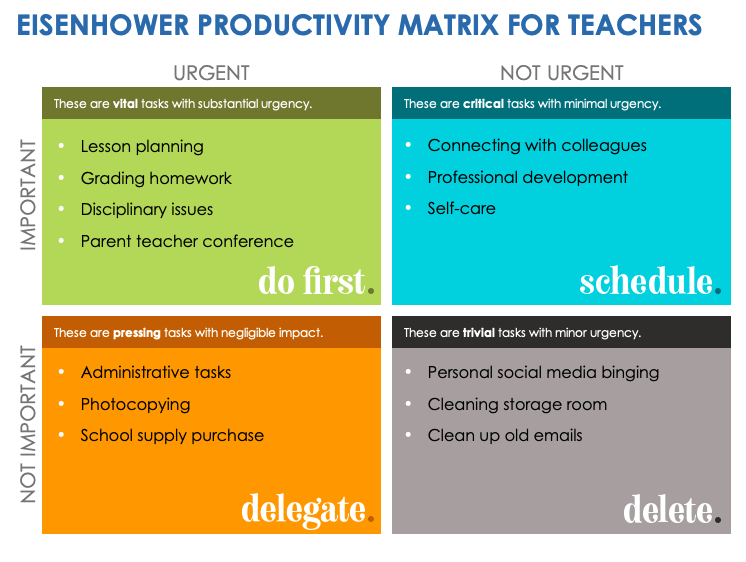
When deadlines pile up, your brain starts treating everything as equally urgent. That creates panic instead of action. Instead of starting 3 assignments and breaking down every job to be done in a mess at once, make a simple master list:

The Eisenhower Matrix is used to help you prioritise tasks by urgency and importance

Remember, strategic effort matters more than exhausting yourself trying to do everything at maximum intensity. Avoid submitting assignments late, as penalties can significantly affect your final grade, sometimes more than trying to perfect every detail for a slightly higher mark. 

Large assignments also feel far less overwhelming when broken down into smaller, manageable stages: 

  • Research: Use the library database to access credible academic sources such as peer-reviewed journal articles, books, industry reports, statistics, and other high-quality research materials. These sources strengthen your arguments with reliable evidence, improve the depth of your analysis, and make your assignments more academically trustworthy.
  • Outline & Writing: Visit the Writing and Learning Centre (WLC) for support with assignment planning, academic writing, AI use in study, research, grammar, referencing, and study skills. Learning Advisors can also provide feedback to help improve your academic performance. 
  • Brainstorming: If you feel stuck and are not ready to approach your lecturer yet, you can try visiting SAS (Student Academic Success). The student tutors there are academically strong and have solid skills in their fields. While they may not give you direct answers to your problems, their guidance and questions encourage independent thinking, which helps build critical thinking in the long term.

Saigon South campus

SAS office: Room 1.01.028  

Learning Advisor Service 
The Writing and Learning Center (WLC), Room 1.01.032   
Hours: Monday to Friday, 9am - 5pm 

Program Tutor Service  
Room 1.01.039 
Hours: Monday to Saturday, 10am - 4pm 

Hanoi campus

Learning Advisor Service Writing and Learning Center (WLC), room 1.2.001 

Hours: Monday to Friday, 10am - 3pm 

Please check the Program Tutor schedules for specific hours and locations for different programs and services.

  • Referencing: If citations and referencing still feel confusing, consider reaching out to the Librarian Liaisons. They can support you not only with referencing styles, but also with research strategies, finding academic sources, and locating useful data for your assignments. You can either drop by in person or book an online consultation session.

2. Treat yourself with kindness

During deadline season, taking care of yourself helps you stay focused, productive, and emotionally balanced. Protecting your energy matters more than most students realise, so don’t forget to prioritise yourself and check these boxes:

a. Sleep well

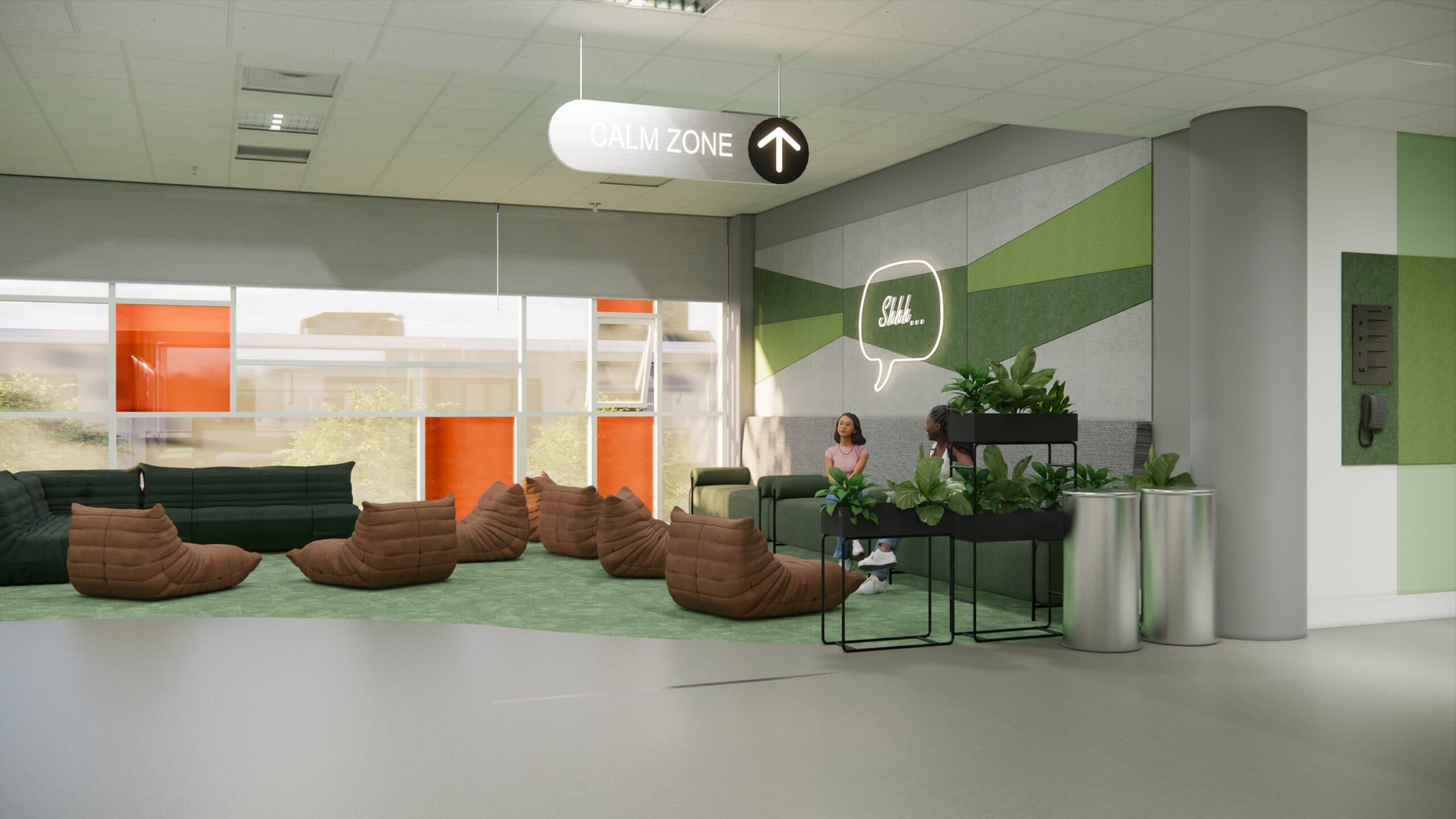
 If you feel completely drained, allow yourself to rest properly instead of forcing another unproductive study session. If you arrive early enough to find a spot during peak deadline season, quiet spaces like the Calm Zone can become a surprisingly effective place to recharge. Just remember to keep the space quiet and respectful for others resting there as well. 

Even a short 15–20 minute nap can significantly improve concentration and mental clarity.

b. Eat well

Don’t skip meals during deadline season. Your brain needs proper fuel to stay focused, productive, and energised during long study hours. Alongside meals, a coffee or matcha can be a nice boost to help you recharge, but try not to rely on them too much.

Extended Care is available at both the Saigon South and Hanoi campuses.

To support and encourage students during busy study periods, the Library is offering complimentary drinks daily from 8:00 AM to 7:00 PM until Week 13. Drop by with your own cup, grab a drink, and make yourself comfortable. You’re always welcome here!

3. Make use of study spaces

During deadline season, almost every study space on campus gets crowded, from the library and meeting rooms to classrooms and open study areas. If you need a spot to study or work on group assignments, try to arrive early or book in advance whenever possible.

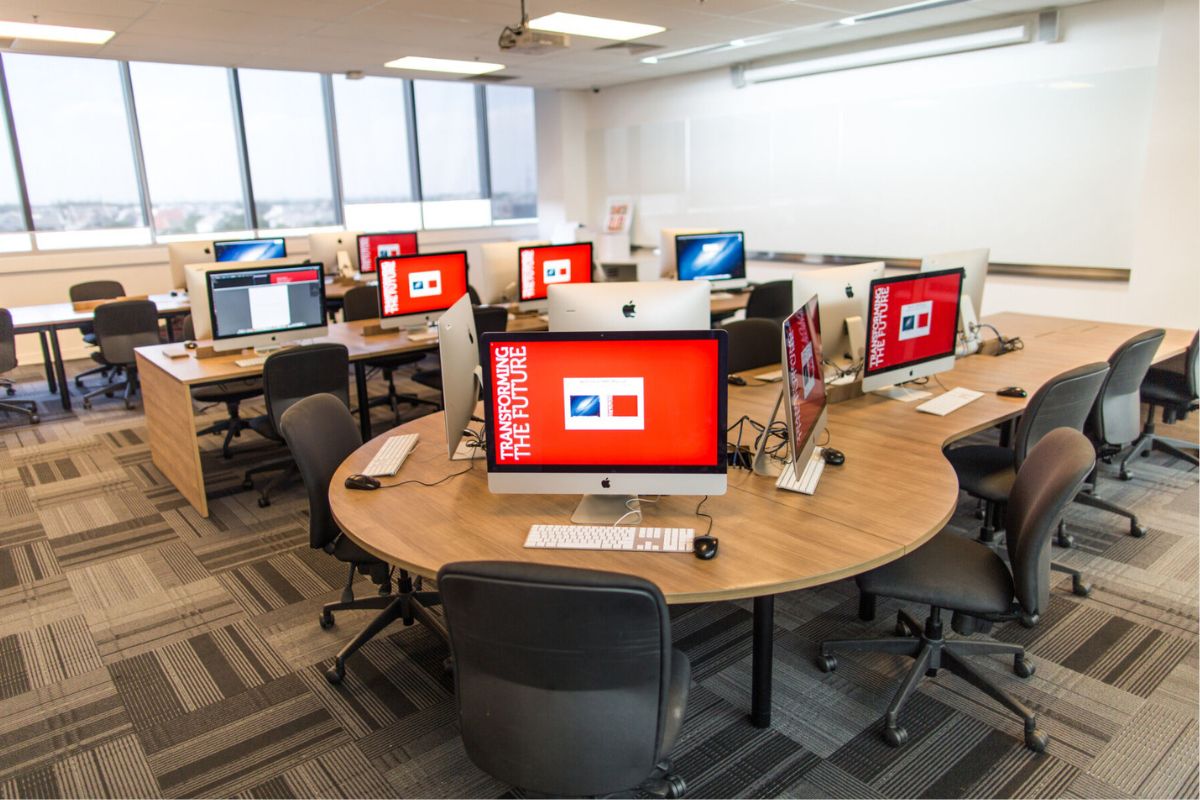
At the same time, don’t limit yourself to just the library. Many spaces around campus can become a great study spot if you find an available seat, including open spaces, Mac labs, discussion areas, and rooms with whiteboards for brainstorming or group work.

RMIT students can access various student spaces for self-study and group projects throughout the semester. You can also check the Saigon South and Hanoi space access schedules for building opening hours and available study areas by scanning the QR codes placed outside each room.

For student meeting rooms at Student Connect and the Library:

  • Bookings can be made up to one week in advance. 
  • Reservations can be placed via email, phone, or directly at the Library. 
  • Please check room availability before booking. 
  • Each student can reserve one room for up to two hours per slot each week. 
  • The group representative must present their student/staff ID when checking in.

4. Manage your pressure

Many of us may be facing multiple challenges at a time, whether related to deadlines, health, work, group projects, family matters, relationships, or personal issues. But do not cope with deadlines by avoiding the pressure altogether: ignoring Canvas notifications, ghosting group chats, delaying emails, or pretending deadlines are still far away.  

If things start to feel overwhelming, try to communicate clearly and early instead of disappearing. Ask tutors for clarification, update your teammates, request extensions before deadlines pass, or seek wellbeing support when needed. In many cases, proactive communication is received far more positively than silence, as people often evaluate your attitude, responsibility, and professionalism based on how you communicate and respond during difficult situations.

It is also important to define success realistically during finals season. Social media and classmates can make it seem like everyone else is managing perfectly, but people rarely show the stress, exhaustion, or struggles happening behind the scenes. Success does not always mean achieving perfect grades, but means submitting your work on time, passing a difficult course, making it through a challenging semester, or protecting your mental wellbeing while continuing your studies. 

At the end of the day, finals season is only one chapter of your university journey, not the definition of your worth or future. Try your best, take care of yourself, communicate when needed, and remember that getting through difficult periods is already something to be proud of. You do not have to handle everything perfectly to still be making progress.

21 May 2026

More news