From career to classroom: How an MBA course challenged my decision-making

From career to classroom: How an MBA course challenged my decision-making

After years in management, RMIT MBA student Anh Thi returned to university confident in her professional experience. But a group project on electric motorbike batteries challenged her familiar approach to problem-solving, revealing why effective business strategies sometimes require less complexity, more flexibility and a deeper understanding of people's needs.

From executive desk to classroom

When I first participated in the Master of Business Administration (MBA) program at RMIT University, I was eager to refresh my knowledge. I always had a strong desire to strengthen my professional qualifications and explore more perspectives on business. With my professional background when working, including leading teams, setting targets, and making business decisions, I naturally brought those habits into the classroom. In that context, the course's intensive structure has allowed me to apply my workplace knowledge to academic projects.

In our early assignments, I often relied on complex management models, structured frameworks, and corporate terminology. These were the tools that I had used throughout my career, so they felt familiar and reliable. However, when we moved on to the group project, I began to realize that the way I approach earlier in my career might not always be the most effective way to solve a problem.

What worked for me in the workplace didn't always work in the classroom

When complex thinking fell short

The turning point came when we were preparing for the final project of Product Innovation and Digital Business Strategy. Working alongside five classmates from different professional backgrounds, we developed a product strategy for VinFast electric motorbikes called “The Battery Health Passport.”

During our first meetings, the way I approached my assignment was quite similar to what I did at work. Drawing on my management experience, I believed that the more comprehensive our analysis was, the stronger our solution would be. However, during our fifth meeting, my teammate raised a question that challenged my confidence in our approach:

This sounds very smart, but if my mom buys a used electric scooter tomorrow, does this report tell her if the battery is safe or if she will lose money?

At the moment, I reflected on that question quite long after the meeting, which revealed an uncomfortable truth: my 77-page draft didn’t show a practical solution; it’s more a way to reassure myself that I was doing it correctly. After years in leadership, I demonstrate my expertise through detailed analysis. I wanted to bring that confidence into the classroom, yet I had overlooked a real & human-direct solution for ordinary users.

The next day, I returned to my team with a different perspective. Instead of refining our existing analysis, we rebuilt the strategy around two practical concerns: battery safety and resale value. Our technical models remained valuable, but they now served a clearer purpose.

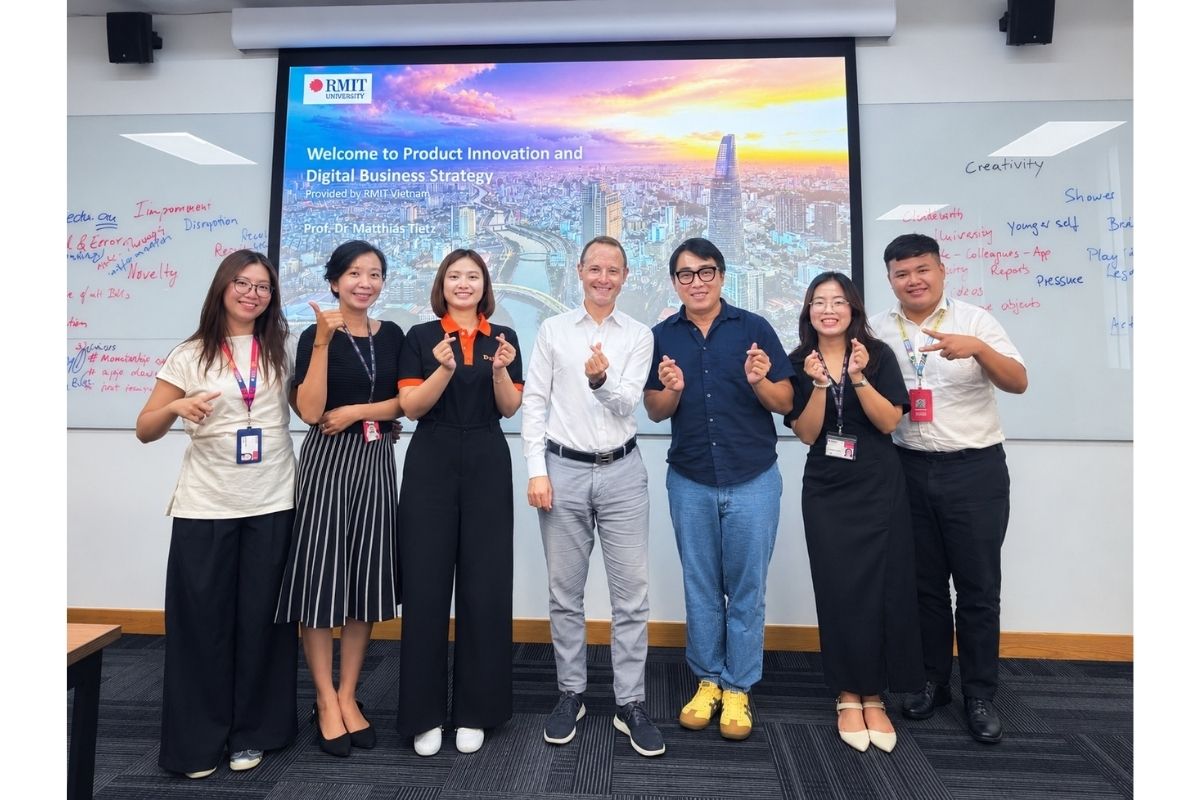
Student led CB - 21MBA students and their lecturer during the Product Innovation and Digital Business Strategy course at RMIT University Vietnam.

My biggest semester win: Learning to question what I thought I knew

Looking back, my biggest achievement this semester was learning to approach problems with greater humility and openness. I had always considered professional experience an advantage in decision-making. Yet, this lesson helped me realize that the experience I gained could be an advantage, but sometimes, it creates a burden to see an alternative perspective. I learned that effective collaboration requires the willingness to listen, question my own judgment, and listen thoughtfully to others' perspectives.

To undergraduates preparing for their careers, remember that you do not need fancy corporate buzzwords to build value. Clear communication and genuine empathy for real people will always matter more than trying to sound like an expert.

To working professionals considering higher education, use this space to fail safely, unlearn your professional habits, and listen deeply. Sometimes, the most valuable career lesson comes from a simple motorbike battery, reminding us that good strategy always starts with human needs.

Story: Tran Anh Thi, an MBA student at RMIT Vietnam. This article does not reflect the views of RMIT Vietnam as an institution.

21 October 2026

More news