

Newbie 101: Master the art of communicating with your lecturers

Newbie 101: Master the art of communicating with your lecturers

For many first-year students, adjusting to university isn't just about keeping up with assignments or navigating a new campus. It's also about learning a new way of communicating.

Have you ever drafted an email, deleted it, rewritten it, and read it thousands of times before hitting the 'Send' button? If this sounds familiar, you're not alone. 

The good news is that you don't need to master formal language or write the perfect email. Often, lecturers simply want to understand who you are, what you need, and how they can help. No matter which communication channel you use, the same principles apply: be clear, straightforward, and sincere. 

Understanding the difference between high school and university

If communicating with lecturers feels unfamiliar, that's completely normal. In high school, teachers usually know every student in the class and regularly check in with all of them. However, at university, you're expected to take responsibility for your own learning. Lecturers are always there to support you, but you need to take the initiative to start the conversation. 

That's why introducing yourself whenever you reach out is so important. Even a simple introduction can help the conversation get off to a much smoother start. 

Writing an email that makes sense at first glance

When your question requires more explanation, email is usually the best place to start. It gives you enough space to explain your situation clearly while allowing your lecturer time to respond thoughtfully. 

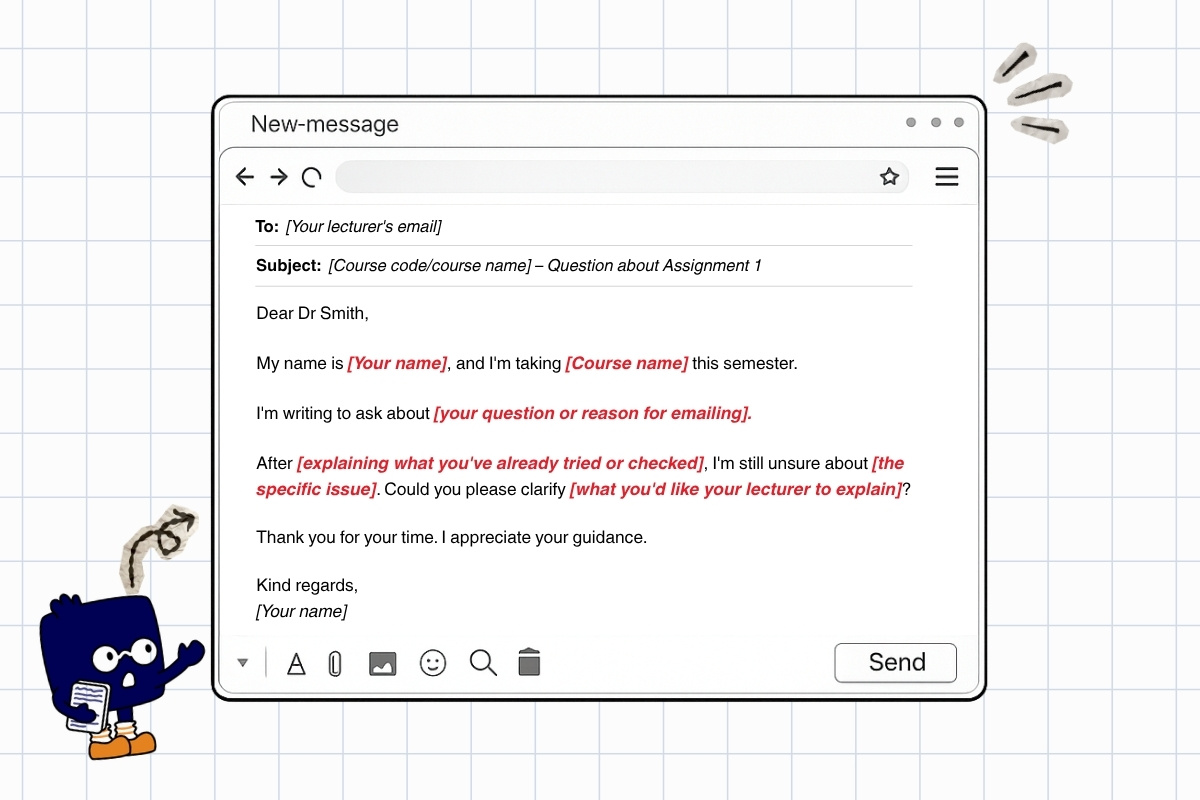
  • Introduce yourself first: Start your email with your name, student number, and the course you're taking. These small details help your lecturer quickly identify who you are. 
  • State your purpose early: Let your lecturer know why you're writing within the first few sentences. This makes your email easier to follow from the beginning. 
  • Provide enough context: If you're asking about an assignment, explain exactly which part you're unsure about, what you've already tried to understand, and how your lecturer's advice could help you move forward. 
  • Proofread before you hit ‘Send’: Take a moment to check for spelling mistakes, missing details, or unclear wording. A clear and complete email is much easier for your lecturer to understand and respond to. 
instruction-for-newbie-rmit-student-to-write-emailA simple email structure helps students communicate their questions clearly and professionally.

Microsoft Teams: Professional doesn't mean formal

Although Microsoft Teams feels more like a chat platform, it's easy to fall into the habit of writing messages the same way you would text a friend. To maintain professionalism, here are a few tips: 

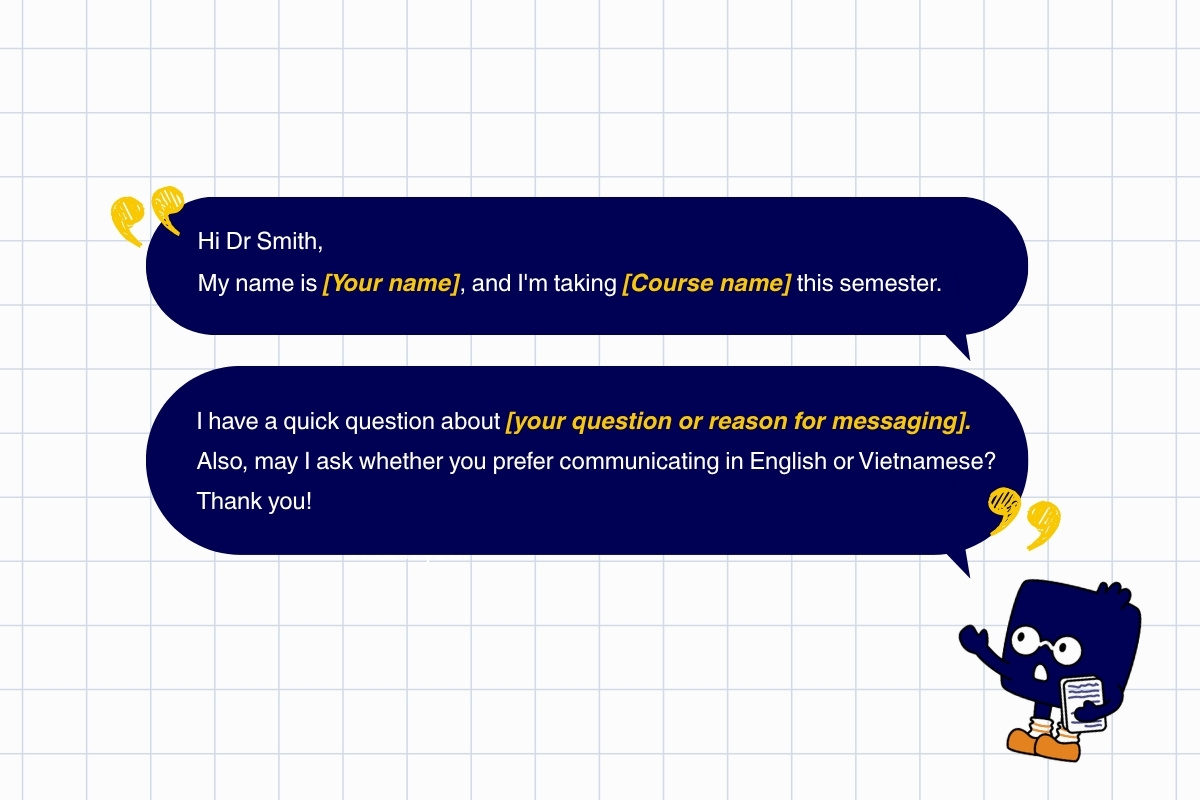
  • Keep it professional: Include a short greeting, a brief introduction, and a clear explanation of why you're getting in touch. 
  • Keep your message concise: Avoid long paragraphs or unnecessary details. A clear and concise message respects your lecturer's time and makes it easier for them to respond quickly. 
  • Ask about their language preference: If you're contacting your lecturer for the first time and you're unsure whether they prefer communicating in English or Vietnamese, don't hesitate to ask politely. 
instruction-for-newbie-rmit-student-to-use-teamsStep-by-step of how to communicate professionally via Teams.

Speaking in person: Sometimes the hardest step is saying 'Hello'

If you're naturally introverted, approaching a lecturer after class can feel like one of the hardest parts of university. Those feelings are completely understandable, especially when you're still building your confidence in a new environment. 

  • Remember that lecturers do welcome questions: Whether you need clarification about an assignment, feedback on an idea, or advice about your learning, asking questions shows that you're engaged and helps you get the support you need. 
  • Take the first step with confidence: If you're feeling nervous, that's completely normal. Take a deep breath, smile, introduce yourself, and briefly explain why you'd like to speak with them. You don't need to sound perfectly prepared – being honest and clear is often all it takes. 
  • End the conversation on a positive note: Before you leave, thank your lecturer for their time. It's a simple gesture that leaves a positive impression and can make future conversations feel much more natural and comfortable. 
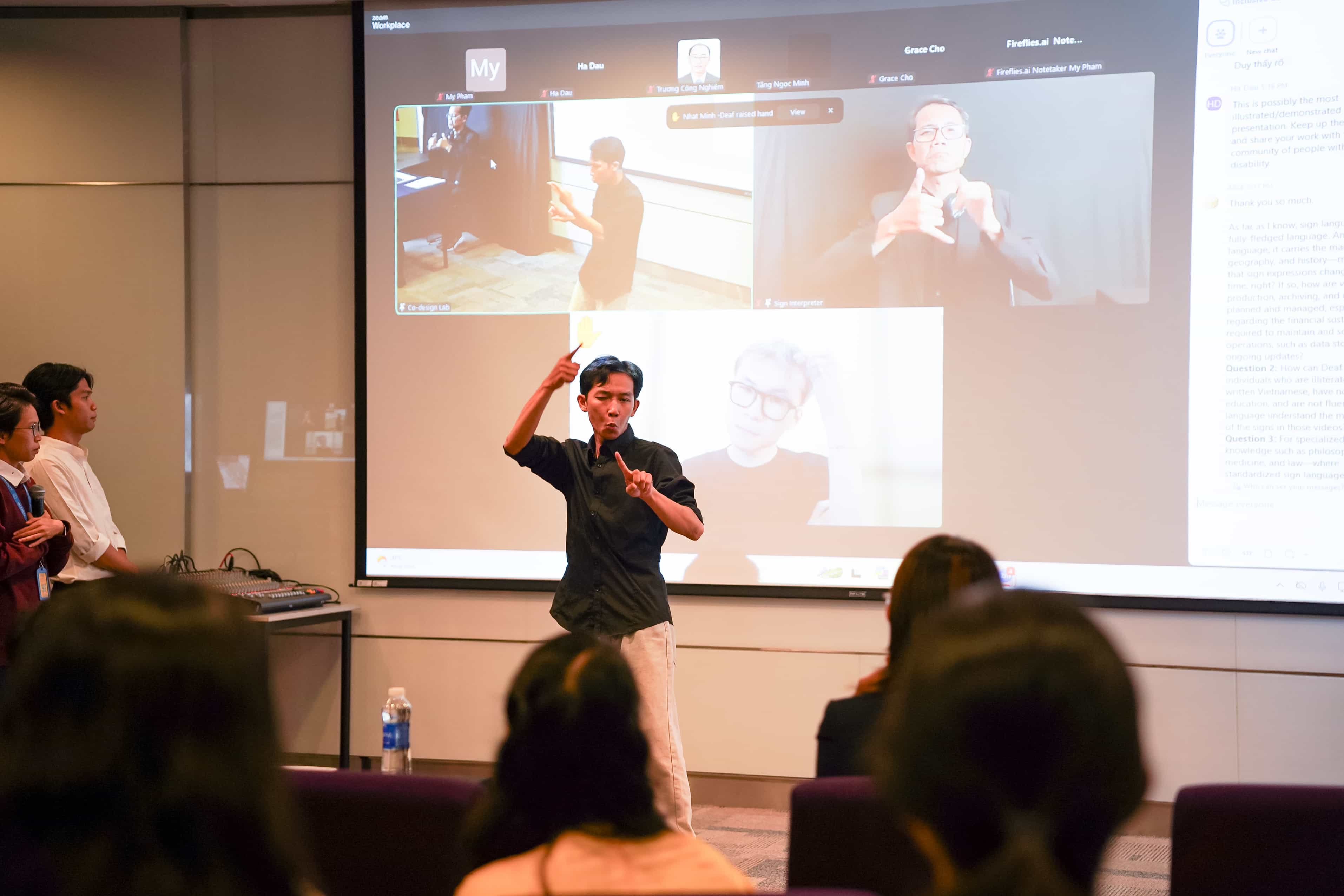
guidance-rmit-students-how-to-communicate-in-personFace-to-face communication tips for newbie. 

Communication is a skill you'll use beyond university

Like any new skill, communicating with lecturers becomes easier with practice. Your first email might take 20 minutes to write, while your tenth may only take two. 

Every conversation is an opportunity to build confidence, ask meaningful questions, and strengthen your relationships with the people supporting your learning. So, the next time you're hesitating before pressing 'Send' or walking over after class, remember that your lecturers aren't expecting perfection. They're simply looking for clear communication, genuine curiosity, and a willingness to learn. 

Story: Nguyen Lieu Thanh, Professional Communication student. This article does not reflect the views of RMIT Vietnam as an institution.

22 July 2026

Share

Check out the Newbie 101 article series

More news