
What is consent and why does it matters?

What is consent and why does it matters?

Sexual violence rarely begins with violence itself. More often, it begins with assumptions, blurred boundaries, and conversations that never happen. Discover how RMIT's Consent First: Understanding Healthy Sex and Relationships module is helping students understand consent, not simply as permission, but as a key step towards preventing sexual violence and building healthier relationships.

Beyond a "yes" or "no"

Consent is often reduced to a simple "yes" or "no", but it is much more than a single moment of agreement. It is an ongoing process of communication, where people freely express their choices, respect one another's boundaries and recognise that consent can be withdrawn at any time.

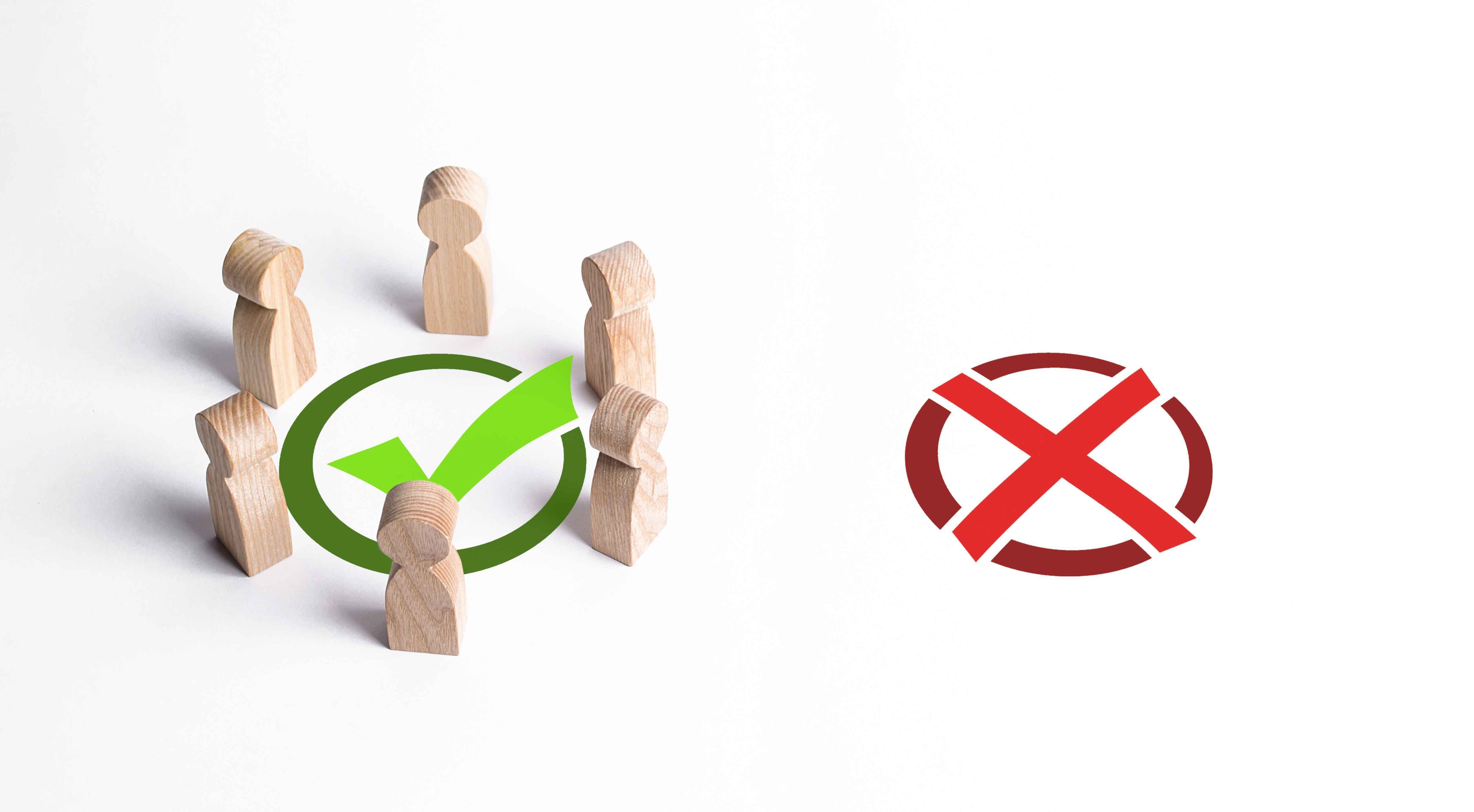
consent-is-not-just-yes-or-noConsent is more than a verbal “yes” or “no”.

Understanding consent matters because any sexual activity without consent is sexual violence. Yet many situations are not as straightforward as distinguishing between a clear "yes" or "no". Pressure, uncertainty, fear or assumptions can all affect a person's ability to communicate freely, making consent something that must be continuously understood rather than assumed. 

For many young people, however, these conversations are rarely part of their education. In Vietnam, discussions around sex, relationships and consent often remain taboo, leaving many to rely on social media, friends or online content, where misinformation and harmful stereotypes can shape expectations of relationships. 

To help bridge this gap, RMIT introduced the Consent First: Understanding Healthy Sex and Relationships module. Through interactive scenarios and practical discussions, the compulsory course encourages students to challenge common misconceptions, recognise how a lack of consent can contribute to sexual violence, and develop the confidence to communicate with respect and empathy. 

Preventing harm starts with understanding consent

Preventing sexual violence starts with understanding consent. When people respect each other's boundaries, communicate openly and recognise that everyone has the right to make their own choices, they are less likely to cross boundaries or cause harm. For RMIT students that we interviewed, consent means respect - for them and the people around.  

Khoi, a third-year Psychology student, shares that consent is fundamentally about recognising people's right to make decisions about their own bodies and boundaries, as well as your own. 

"To me, consent means when a person voluntarily agrees. It's a way to show respect - not only respect for the other person but also respect for yourself. It's a way to cherish your body and your whole self," he said. 

Khoi's reflection invites people to see consent as more than simply asking for permission. When respect becomes the foundation of a relationship, recognising and honouring another person's boundaries becomes a natural part of everyday interactions, rather than something considered only when problems arise. 

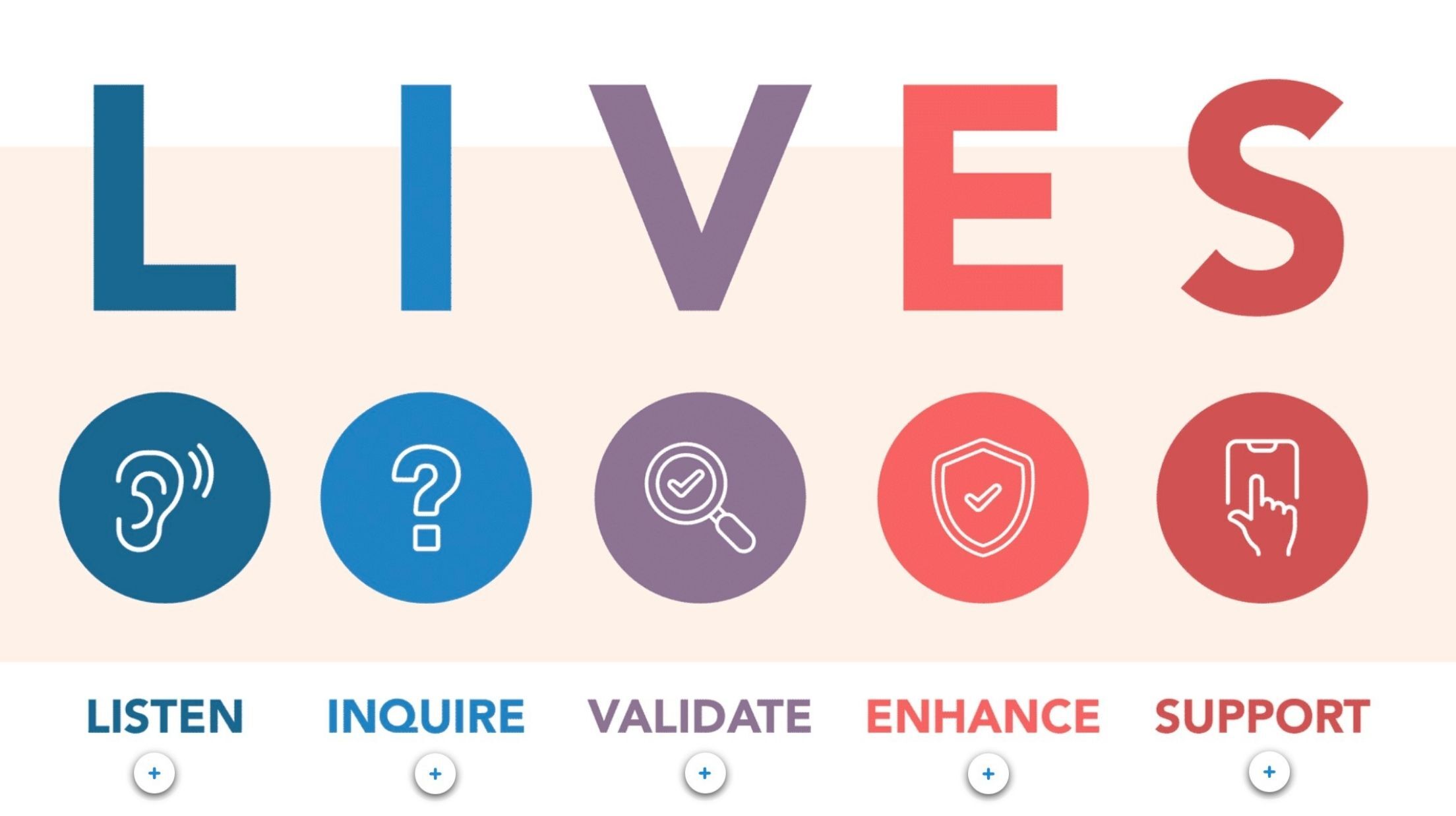
who-created-lives-a-guidance-to-understand-sexual-violence-victimThe LIVES model, developed by the World Health Organization (WHO), provides a practical framework for responding to someone who discloses an experience of sexual violence (Screenshot from the course).

Han, also a Psychology student, believes this principle extends beyond romantic relationships. 

"Everyone should have the right to say no to things they don't want to do. That goes for friendships and relationships with family too," she shared. 

Her perspective reminds us that consent is part of everyday life. Whether asking before sharing someone's photo, respecting a friend's decision or recognising when someone feels uncomfortable, these moments reinforce the same principle: everyone has the right to decide what happens to their own body, space and experiences. 

Together, their reflections show that consent is not simply about responding to sexual violence after it happens. It is about creating a culture where respect reduces the likelihood of harm in the first place.

When communication is replaced by assumptions

If respect forms the foundation of consent, communication is what puts it into practice. Yet this is often where misunderstandings begin. 

Instead of asking directly, many people rely on assumptions, body language, or previous experiences to interpret another person's comfort. While these signals may seem obvious, they can never replace open and honest conversations.

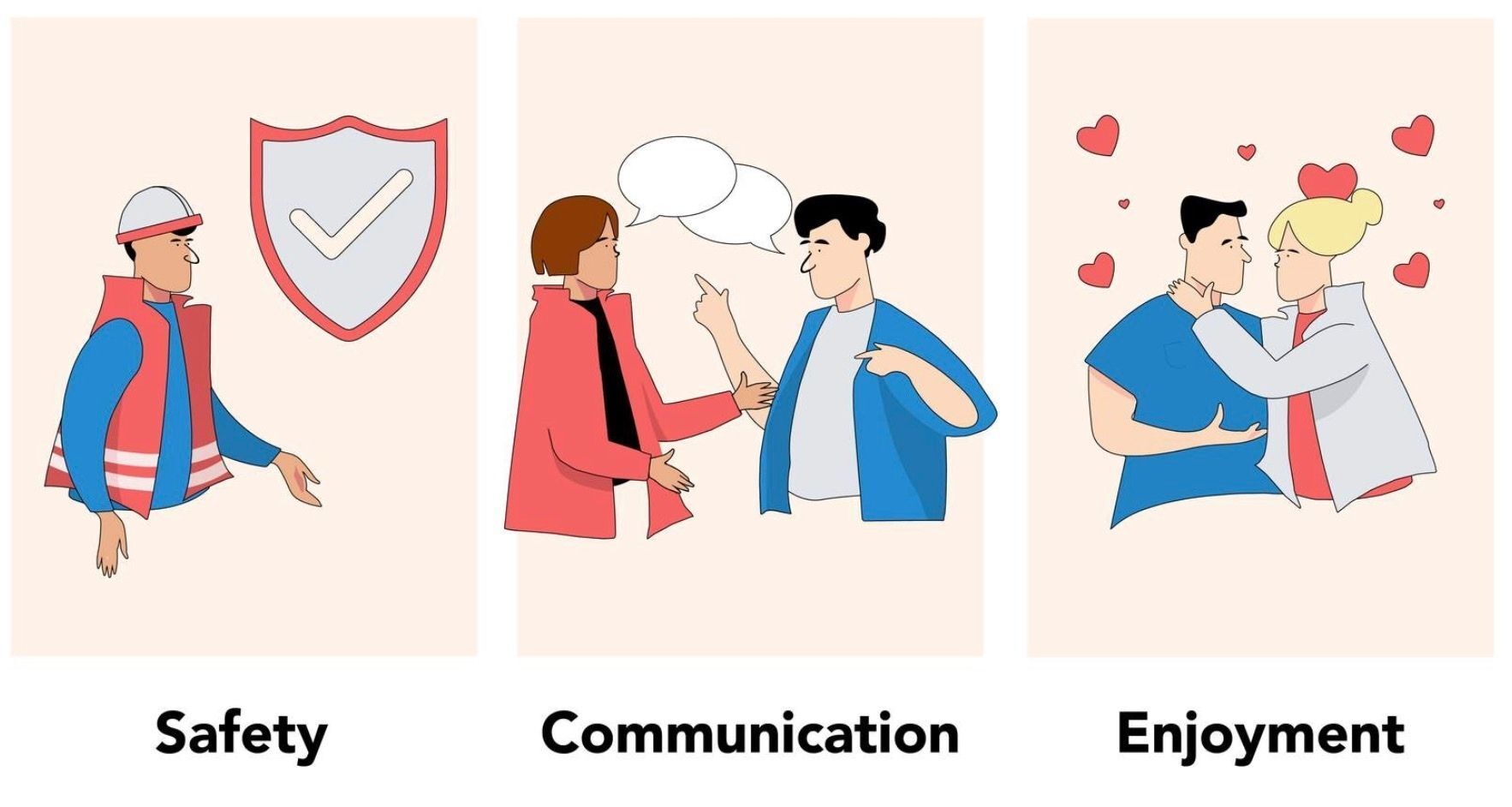
3-steps-to-have-a-healthy-relationshipScreenshot from Consent First course – 3 steps to a healthy relationship.

For Duong, a Digital Marketing student and member of the RMIT Queer & Alliance Club, this hesitation to communicate openly is one of the biggest challenges. 

"People haven't found the right words to talk about what they want. Instead, they often do things first and wait to see how their partner reacts," she observed. 

Her observation echoes one of the key messages of the Consent First module: consent should never be assumed. Open communication allows everyone involved to make informed and voluntary decisions, reducing the risk of misunderstandings before boundaries are crossed. 

Learning that consent can be and must be communicated can challenge assumptions people never realized they held. 

After completing the module, Khoi found that some situations required clearer communication than he had previously understood. 

"There were certain aspects in a relationship that I didn't know required my partner's consent until I completed the Consent First course," he reflected. 

His experience demonstrates why consent education matters. Misunderstandings are not always driven by bad intentions. Often, they stem from never having the opportunity to learn, question social norms or discuss healthy relationships openly. By encouraging students to reflect on realistic situations, the module helps address these gaps before they lead to harmful consequences.

Rethinking what is considered "normal"

Preventing sexual violece mean un-learn what is considered “normal”.  

According to Han, victim blaming is one of the most persistent issues.  

"People often say, 'You should have said no.' But many situations are much more complicated than that," she pointed out. 

Her reflection highlights that consent cannot be reduced to the absence of a "no". A person may feel pressured, intimidated or unable to communicate freely. Preventing sexual violence therefore requires moving beyond victim-blaming and recognising that ensuring consent is voluntary, informed and ongoing is a shared responsibility. 

Duong believes another barrier lies in the way inappropriate behaviours are sometimes dismissed as humour. 

"People joke about these behaviours so much that they stop recognising them as something serious," she added. 

When inappropriate comments, unwanted touching or disrespectful behaviours become normalised through jokes, it becomes harder to recognise when someone's boundaries have been crossed. Challenging these everyday attitudes is therefore just as important as recognising more obvious forms of sexual violence.

Building a safer community starts with consent

Sexual violence can happen when consent is absent, misunderstood or assumed. Understanding consent is therefore the first step towards preventing harm and building healthier relationships.

Khoi, Han and Duong's reflections show that consent is a practical life skill - one that helps people communicate openly, respect boundaries and build healthier relationships.

That is the purpose of Consent First: Understanding Healthy Sex and Relationships. More than a compulsory module, it equips students with practical knowledge to challenge misconceptions, strengthen communication and contribute to a campus culture where respect and safety are everyone's responsibilities.

As Khoi reflected: "Learning about consent is a way to make your relationships healthier."

Healthier relationships - and safer communities - do not happen by chance. They begin with understanding consent.

Story: Le Thanh Van, Professional Communication student. This article does not reflect the views of RMIT Vietnam as an institution.

27 July 2026

Share

More news