
What if men had an international day to cry?

What if men had an international day to cry?

What if men had one day a year when crying was not only accepted, but celebrated? That question inspired International Men’s Crying Day, a campaign created by five RMIT Vietnam students that went on to win a D&AD New Blood Yellow Pencil – one of the world’s most respected awards for emerging creatives.

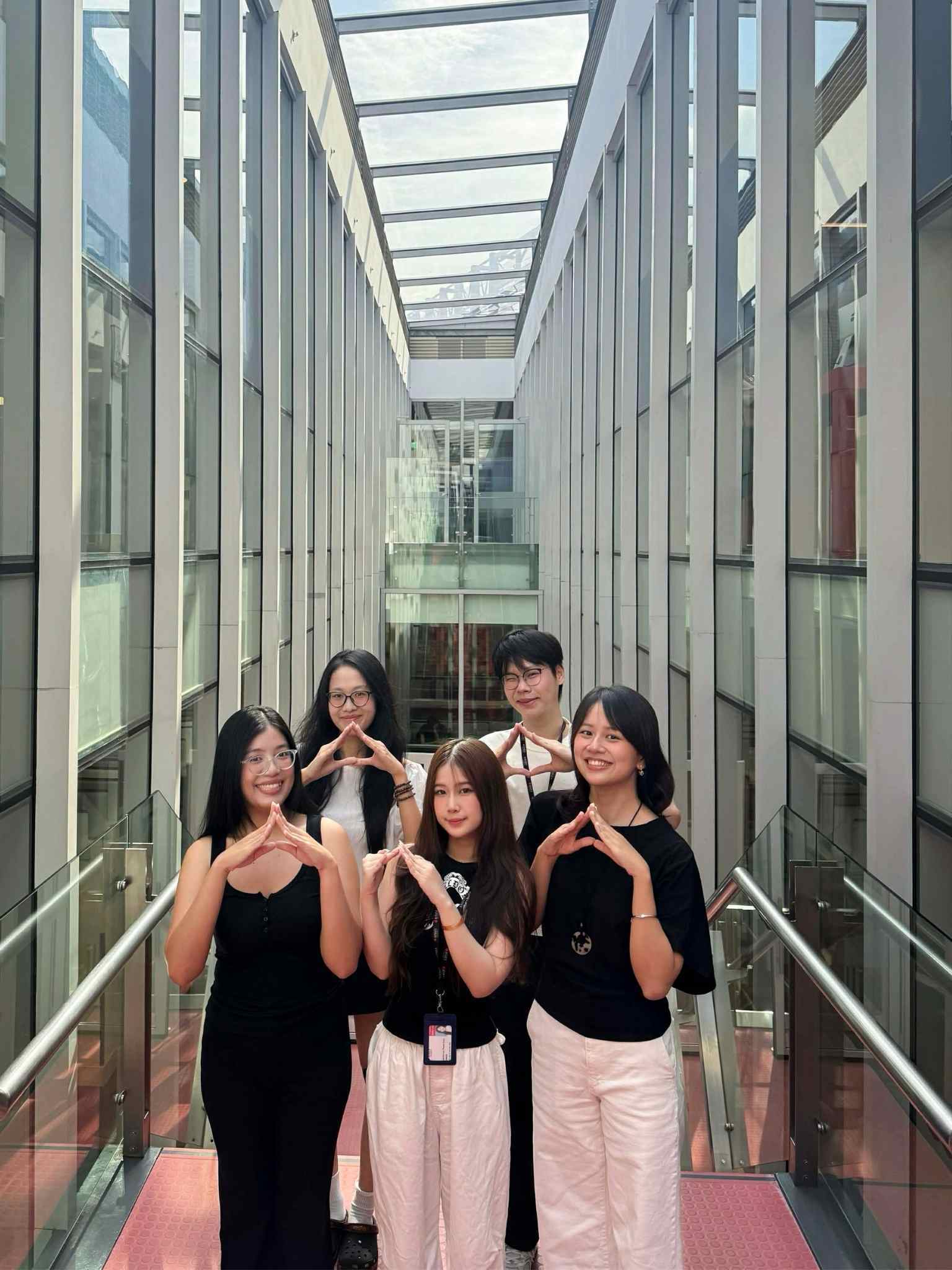
For Thao Nguyen, Mai Phuong, Tran Duy, Thanh Uyen and Minh Trang, the creative journey began long before the award. It started with a challenge from Kahf, an Indonesian men's skincare brand, to redefine modern masculinity through an idea that could resonate across cultures.

Team International Men’s Crying DayTeam International Men’s Crying Day

Looking beyond "Real Men Don't Cry"

As part of the D&AD New Blood brief, Kahf invited emerging creatives to rethink what masculinity means today. Although the brand is known for men's skincare, the team believed the brief presented an opportunity to explore something deeper than appearance: how men experience and express emotion.

"We wanted to tap into men's inner emotions," Thao Nguyen said, "One of the first things we thought of was the belief that men can't cry."

That belief felt familiar because many boys grow up hearing the same message - that showing emotion is a sign of weakness.

"We wanted to normalise the idea that men crying is completely normal," Mai Phuong added.  

Initially, the team considered the slogan "Real Men Cry." But the more they discussed it, the more they realised it still defined what a "real man" should be. Instead of replacing one stereotype with another, they shifted direction entirely.

"What if men had an international day to cry?". The question opened up a much bigger idea.

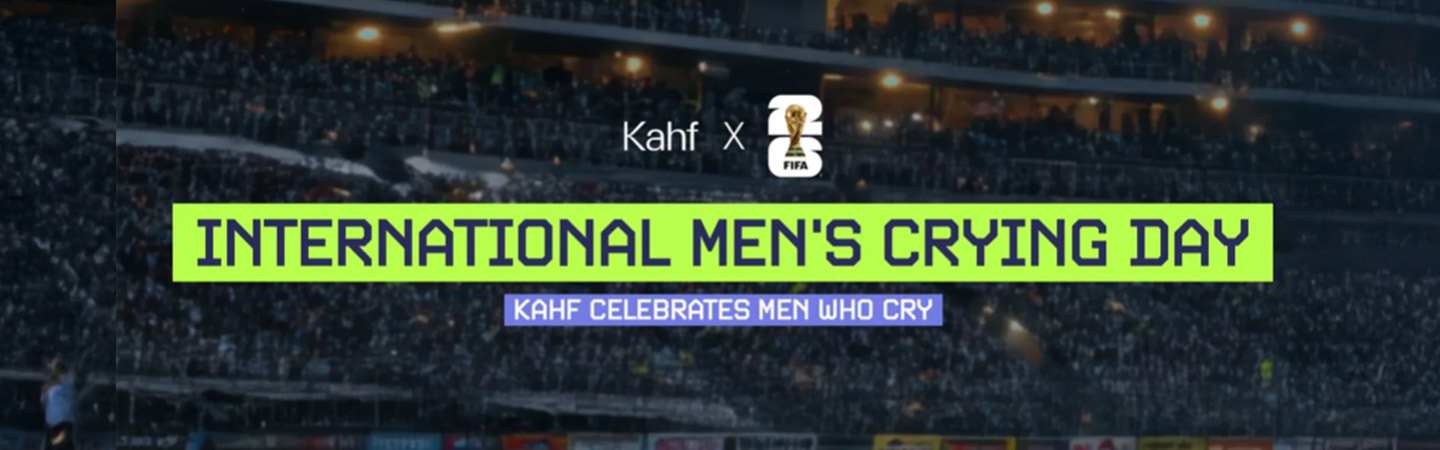
A simple question evolved into International Men's Crying Day - a campaign that redefined masculinity through a universal human insight. A simple question evolved into International Men's Crying Day - a campaign that redefined masculinity through a universal human insight.

Turning an insight into a campaign

Once the team had identified their central insight, the challenge shifted from what to say to how to bring the idea to life.

Before reaching the final concept, they spent weeks researching masculinity, interviewing people and testing different creative directions to ensure the campaign reflected a genuine human experience.

"We didn't really understand masculinity or toxic masculinity at first," Thao Nguyen admitted. "We had to research a lot and speak with many people before we found an insight that truly worked."

One question guided the next stage of the process: When do men already feel comfortable crying?

Parents spoke about crying when their children were born. Others mentioned personal milestones. While meaningful, those moments were deeply personal. The team wanted something that people around the world could experience together.

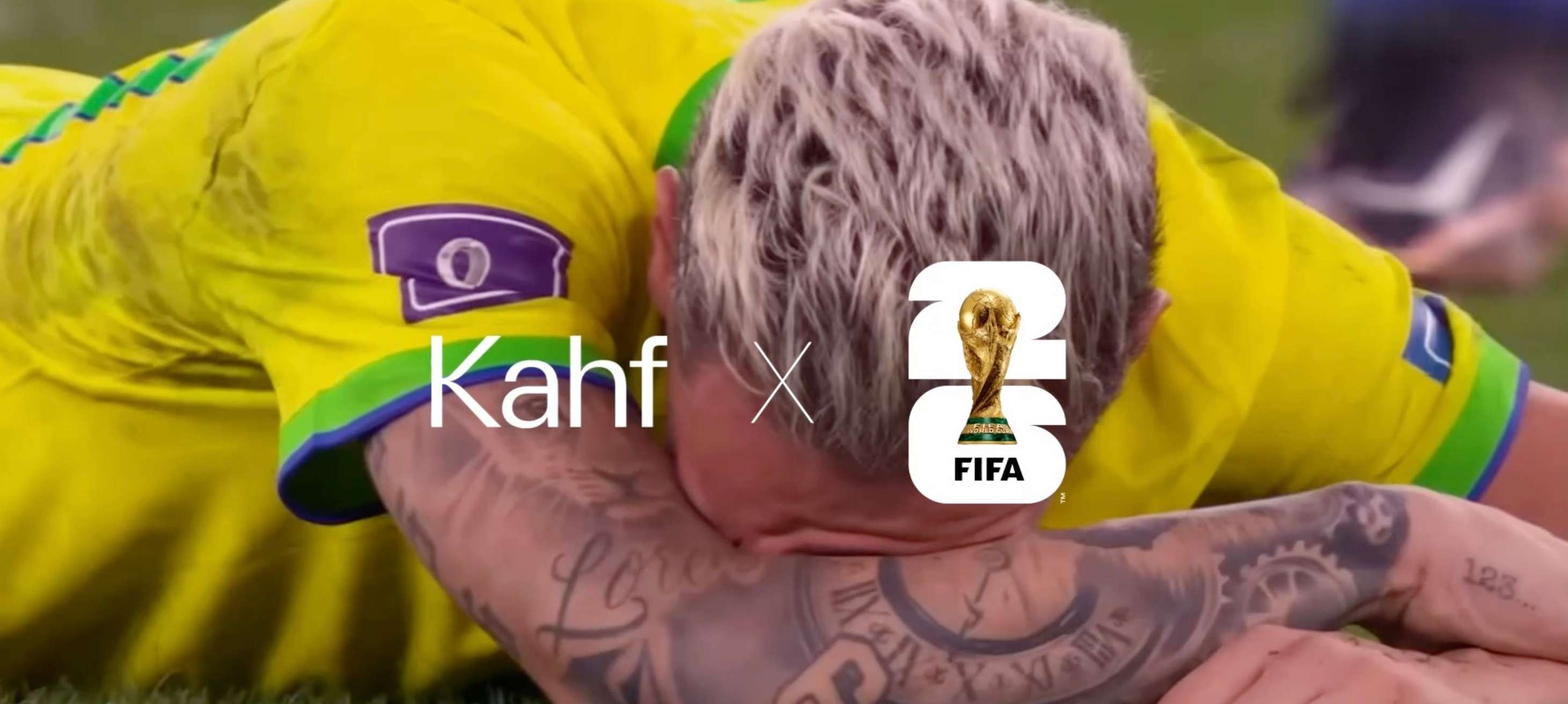
The breakthrough came with the FIFA World Cup final.

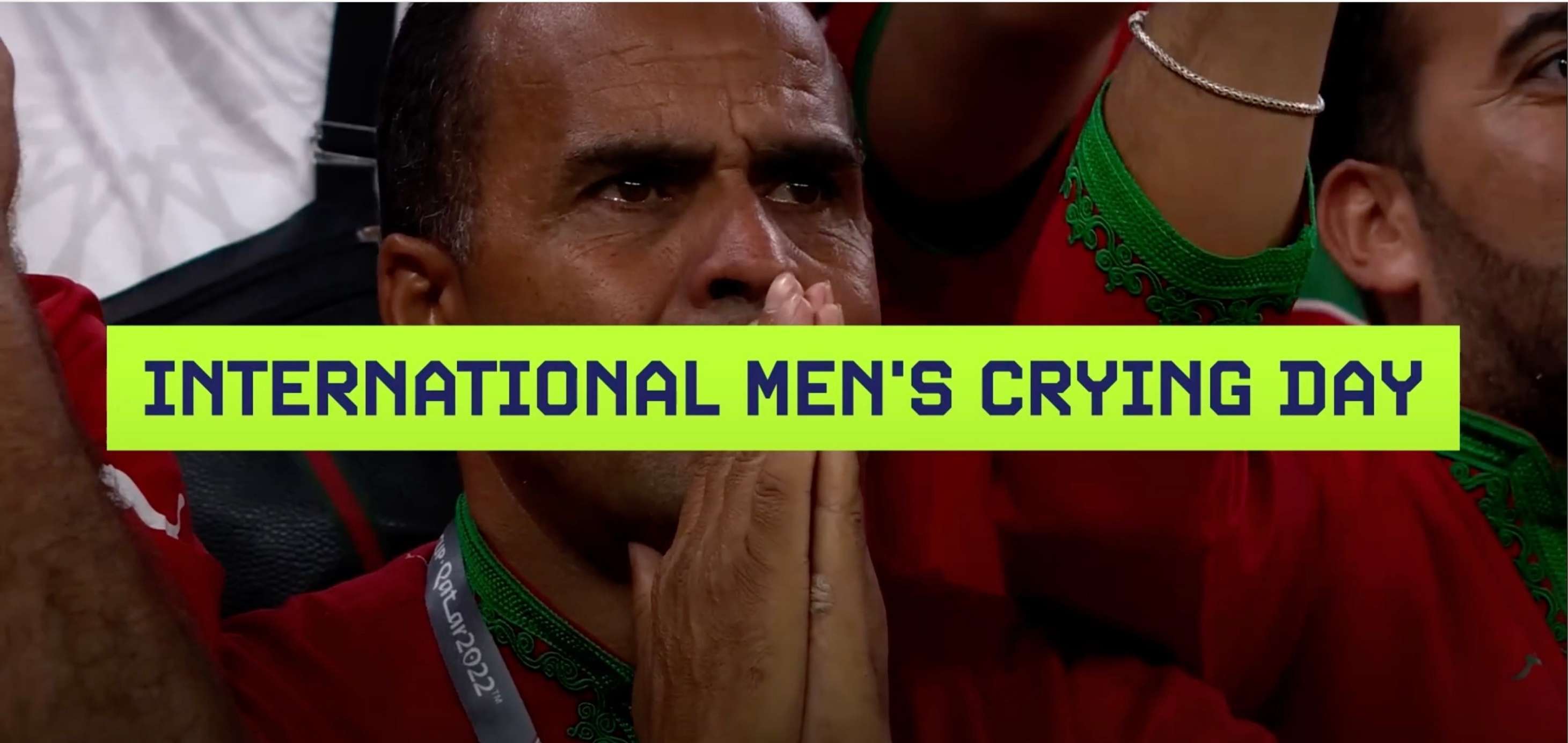
Their research led them to the FIFA World Cup final, where men openly express their emotions in front of millions of people.Their research led them to the FIFA World Cup final, where men openly express their emotions in front of millions of people.

Every four years, millions of supporters openly cry, hug strangers and celebrate their emotions, regardless of the match result. Instead of challenging that behaviour, the students decided to celebrate it.

That insight evolved into International Men's Crying Day, proposing the World Cup final as a global day to normalise men's tears.

"The brief challenged us to create something that could travel globally," Thao Nguyen said. "The World Cup gave us a moment that people everywhere could recognise."

With the central idea in place, every creative execution reinforced the same message.

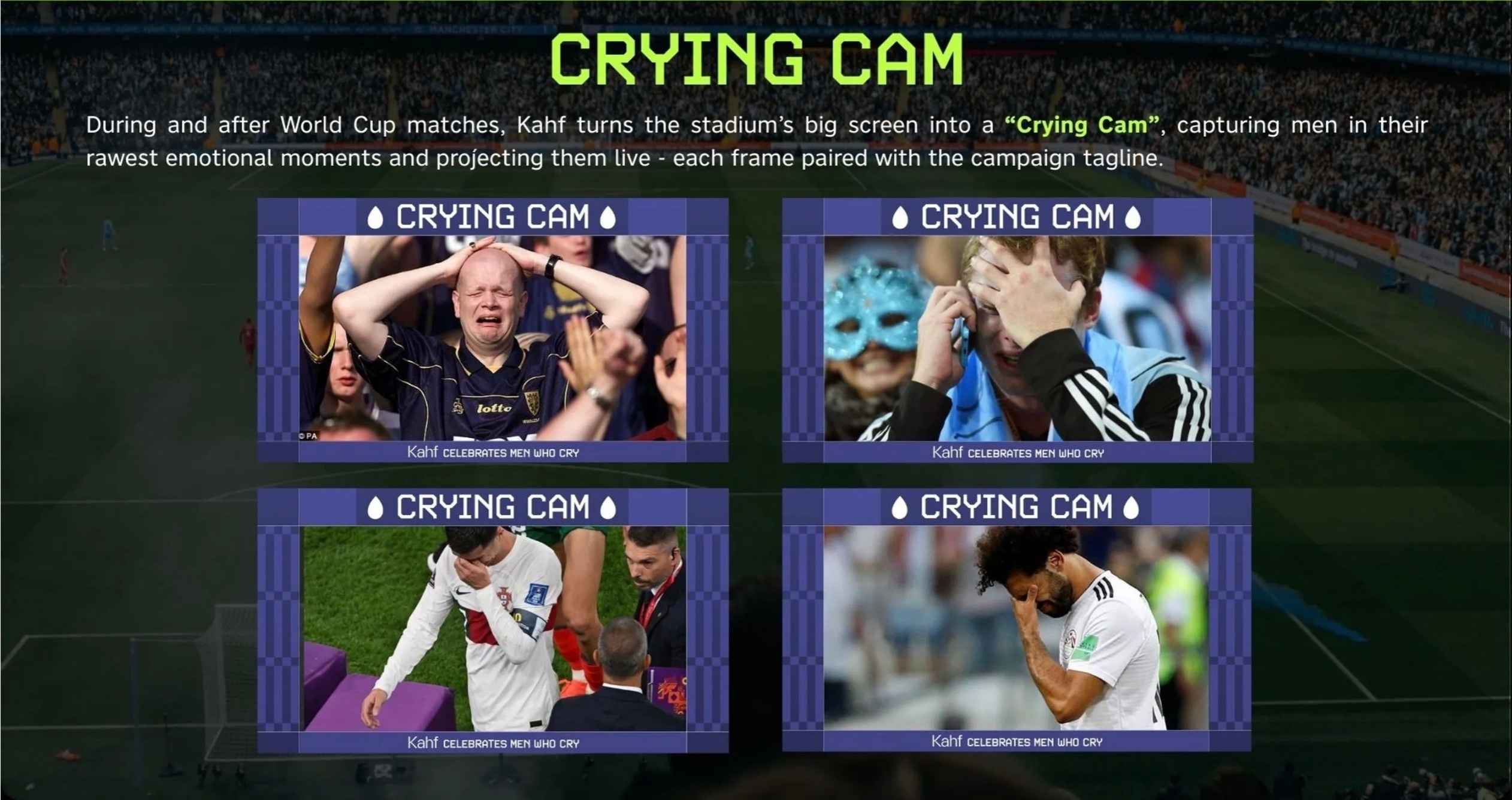
The team reimagined the familiar Kiss Cam as a Crying Cam, celebrating emotional supporters instead of shying away from their tears. They also designed sweatbands inspired by the instinctive gesture of wiping away tears during a match, along with supporting brand experiences that extended the campaign beyond the stadium.

The team's insight came to life through the Crying Cam - a reimagined Kiss Cam that celebrated men expressing their emotions during football matches. The team's insight came to life through the Crying Cam - a reimagined Kiss Cam that celebrated men expressing their emotions during football matches.

For the team, the creative process was ultimately about learning to simplify.

“D&AD taught us that everything needs to be simple,” Mai Phuong said. “The writing, the visuals and even the title had to communicate the idea immediately.”

For other students looking to enter creative competitions, the lesson was clear: a strong idea does not need to be complicated. It needs to focus on one meaningful human insight and bring it to life through every detail of the campaign.

Beyond the competition

Months of research, discussion and refinement eventually led the team to a D&AD New Blood Yellow Pencil. Yet when they look back on the experience, the award is rarely the first thing they talk about.

For Thao Nguyen, the project reshaped the way she approaches creativity.

"It changed my perspective on creativity," she said. "I'm much more confident about taking on international projects in the future."

For Minh Trang, the experience reinforced the importance of grounding creative work in genuine human insight. 

"I learned how to apply real insights into design and video," she said. "Working with the team improved my skills immensely."

When asked what advice they would give other RMIT students interested in creative competitions, the team's answer was simple: start before you feel ready.

"Give yourself a chance," Thao Nguyen said. "Even if you don't know anything about the competition, just try. Reach out to your lecturers and ask for help - they're always willing to support you."

Team members with their mentorsTeam members with their mentors

Their mentor, Dr. Soumik Parida, Associate Program Manager of Professional Communication, believes the campaign stood out because it paired a familiar human truth with an execution that felt both authentic and relevant to the brand.

"The insight was already there - men become emotional during sporting events," he said. "What made the campaign special was how the students transformed that insight into a creative idea that felt authentic and believable for the brand."

Just as importantly, he believes their success came from the way they approached the creative process.

"The ability to take rejection, take feedback and keep working until the end - that's what they did. Every winning team does that." 

From classroom insight to global recognition

The team's Yellow Pencil adds another chapter to RMIT Vietnam's growing presence at the D&AD New Blood Awards. More importantly, it reflects the qualities that shaped the journey from the very beginning: curiosity to question familiar assumptions, discipline to refine every detail and resilience to keep improving through feedback.

International Men's Crying Day began with a classroom brief and a simple question. Through thoughtful research, collaboration and human-centred storytelling, five RMIT Vietnam students transformed that question into an idea recognised on one of the world's most respected creative stages - showing what is possible when creativity is grounded in insight and brought to life with purpose.

Story: Le Thanh Van, Professional Communication student. This article does not reflect the views of RMIT Vietnam as an institution.

29 July 2026