

Free health check-up for eligible students at SGS campus in 2026
12 Oct 2026
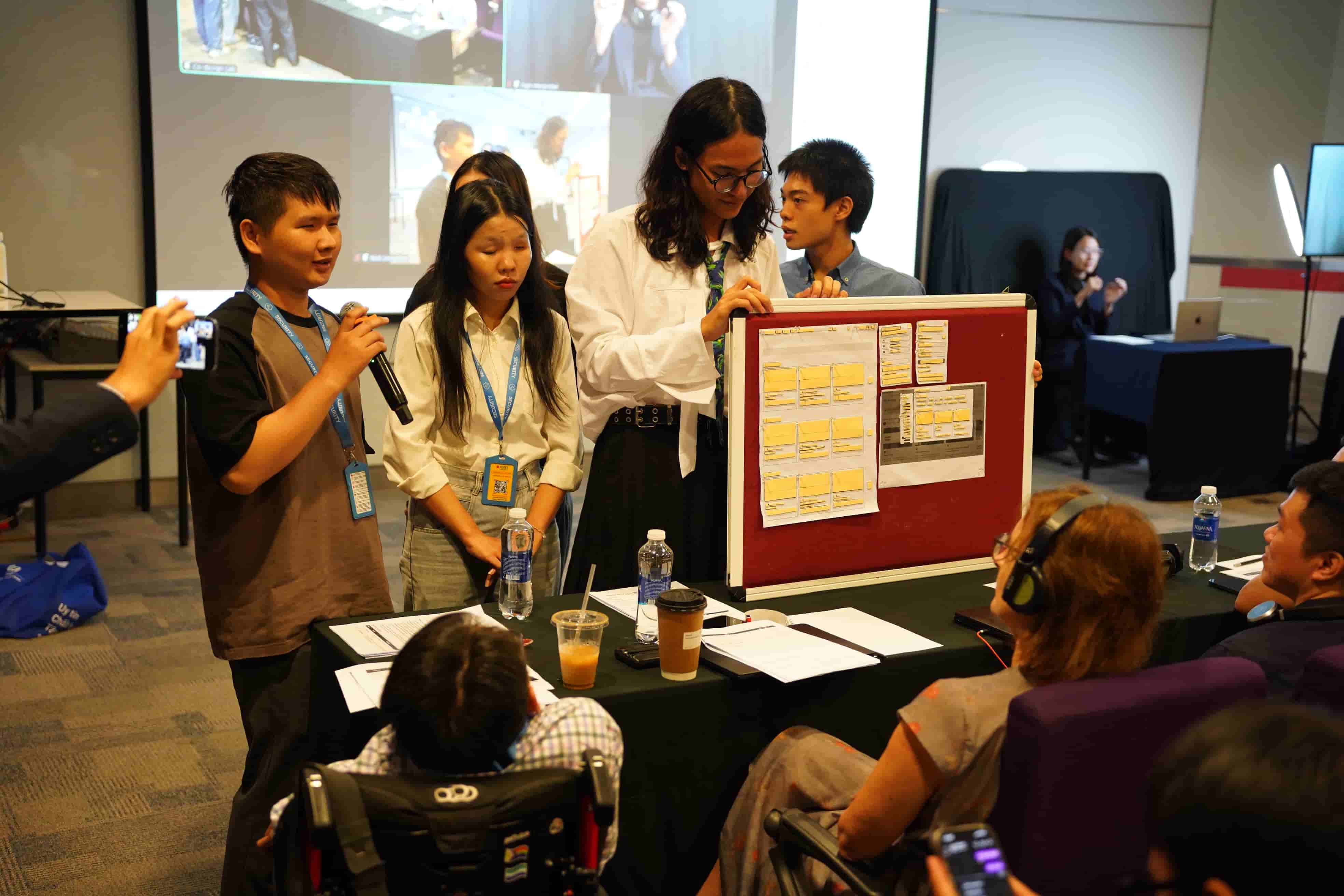
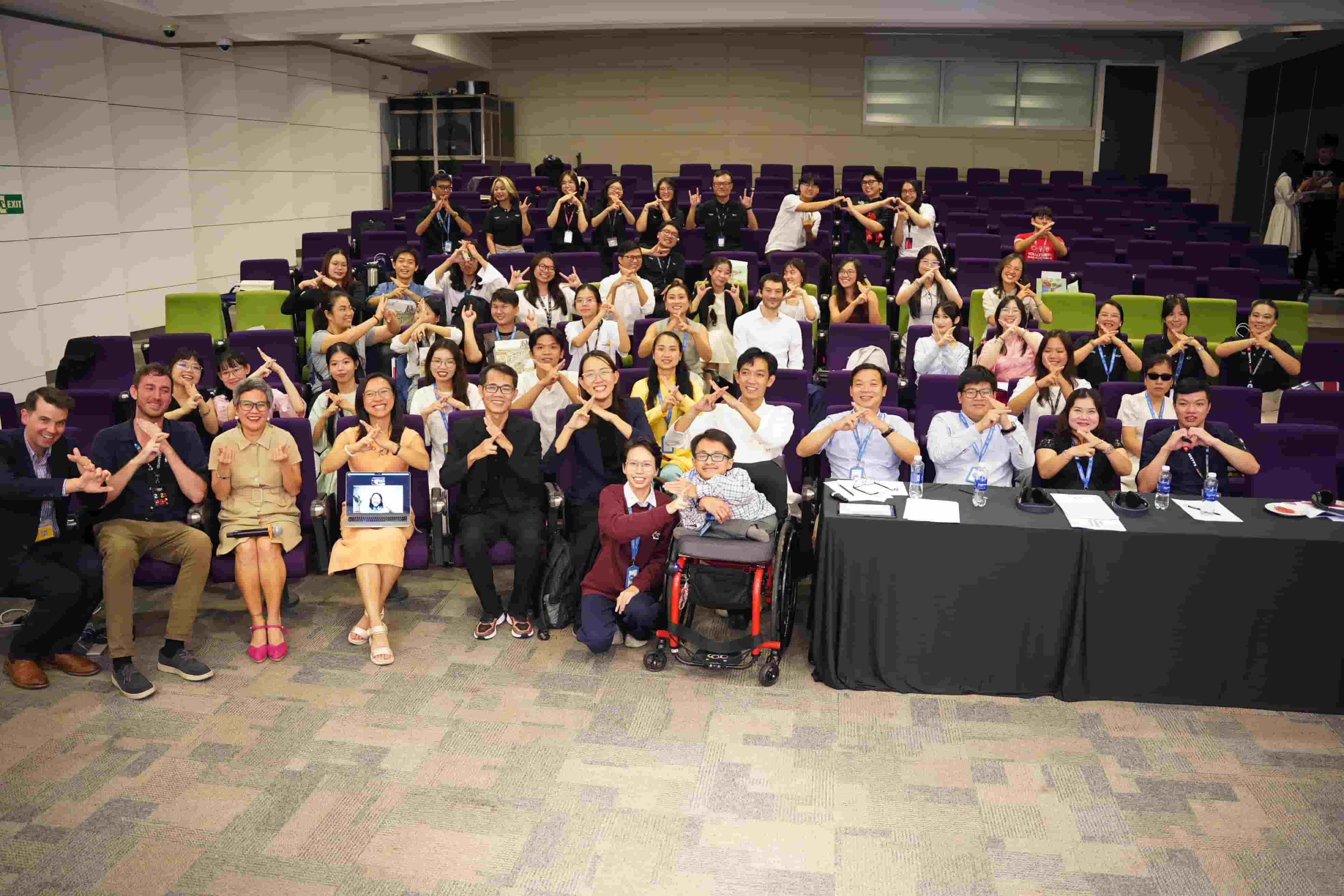
RMIT Vietnam is coordinating with Tan Hung Ward Health Station and Nam Sai Gon International General Hospital to organise periodic health check-ups for eligible students at the Saigon South (SGS) campus.
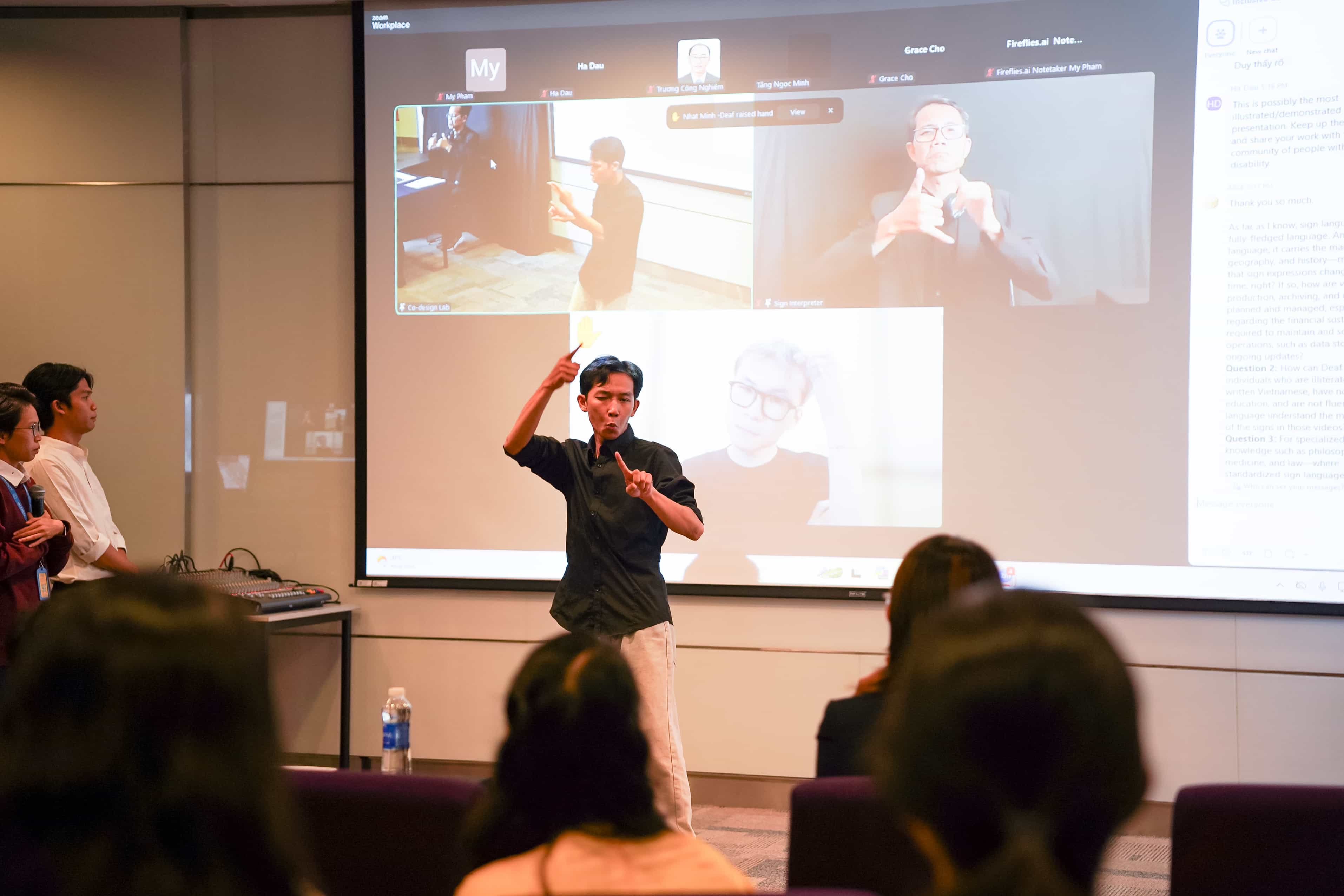
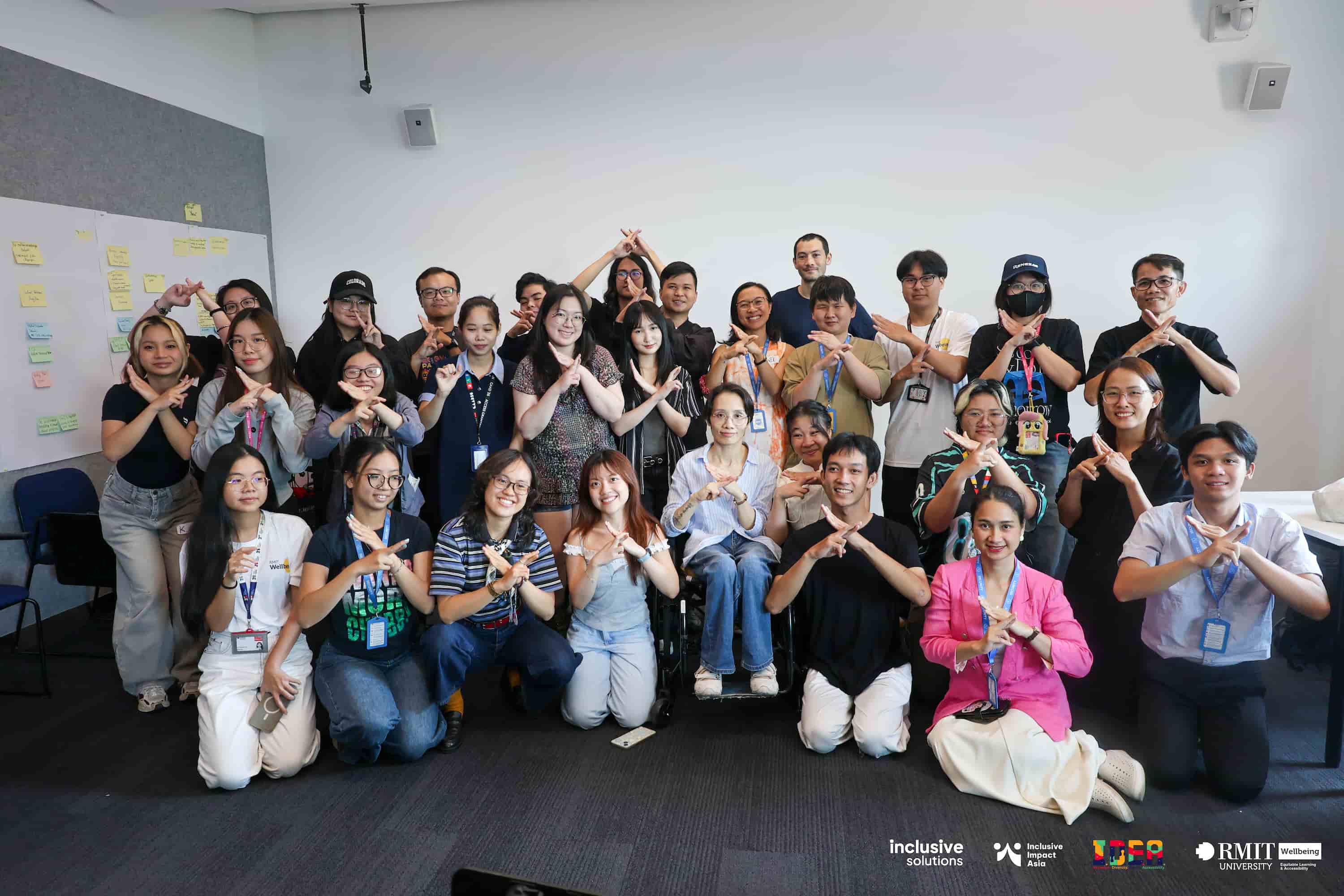
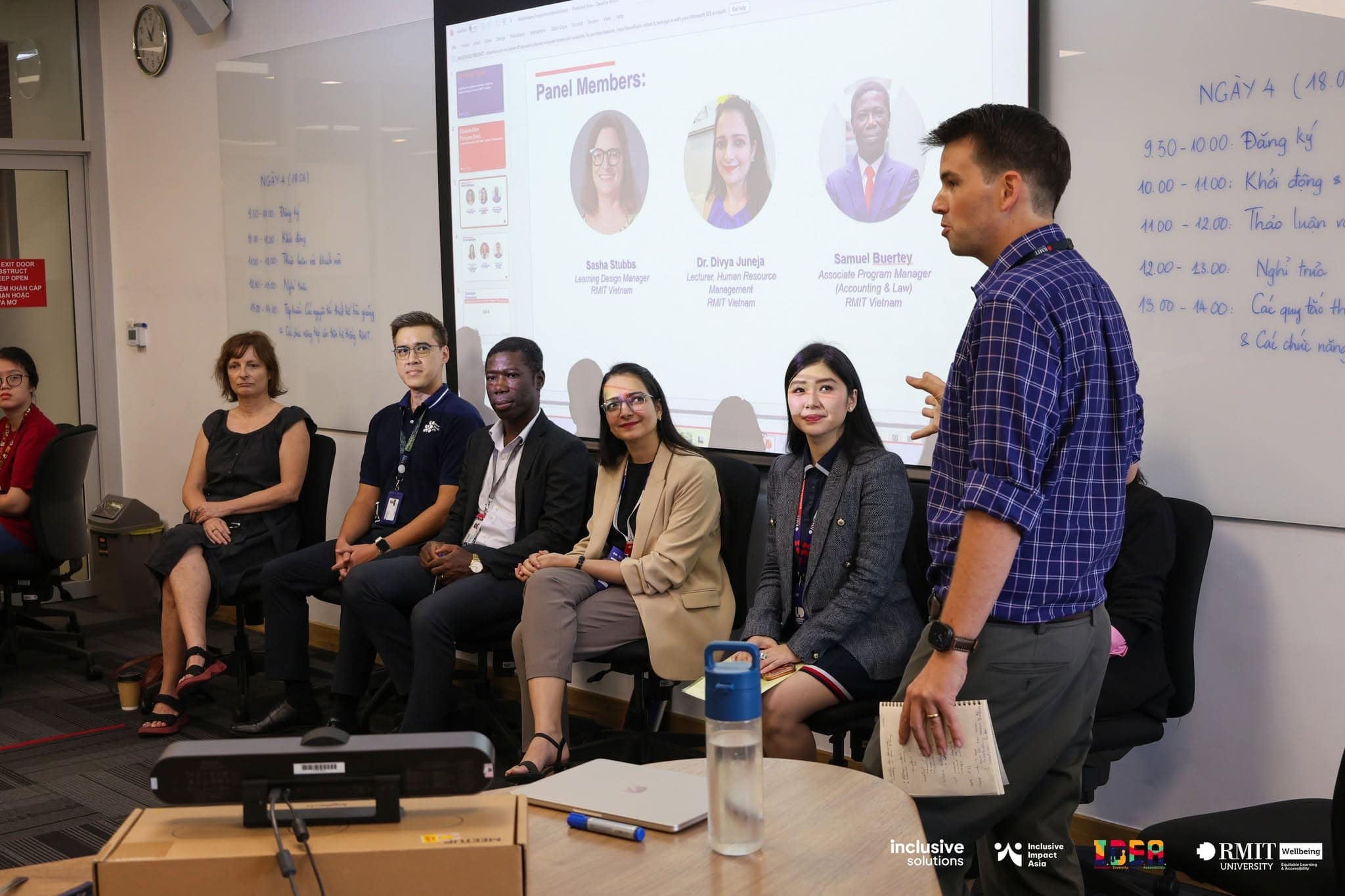
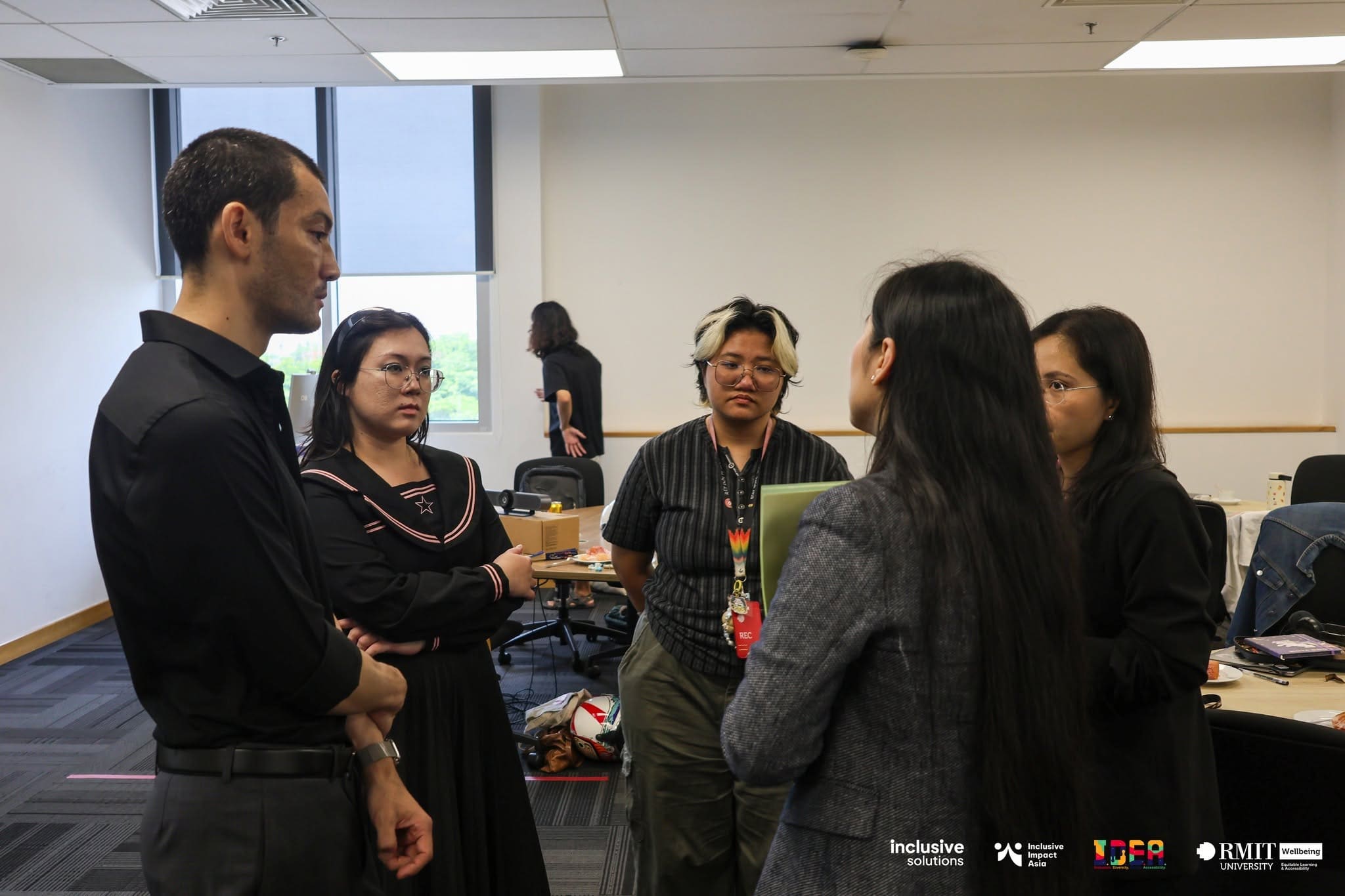
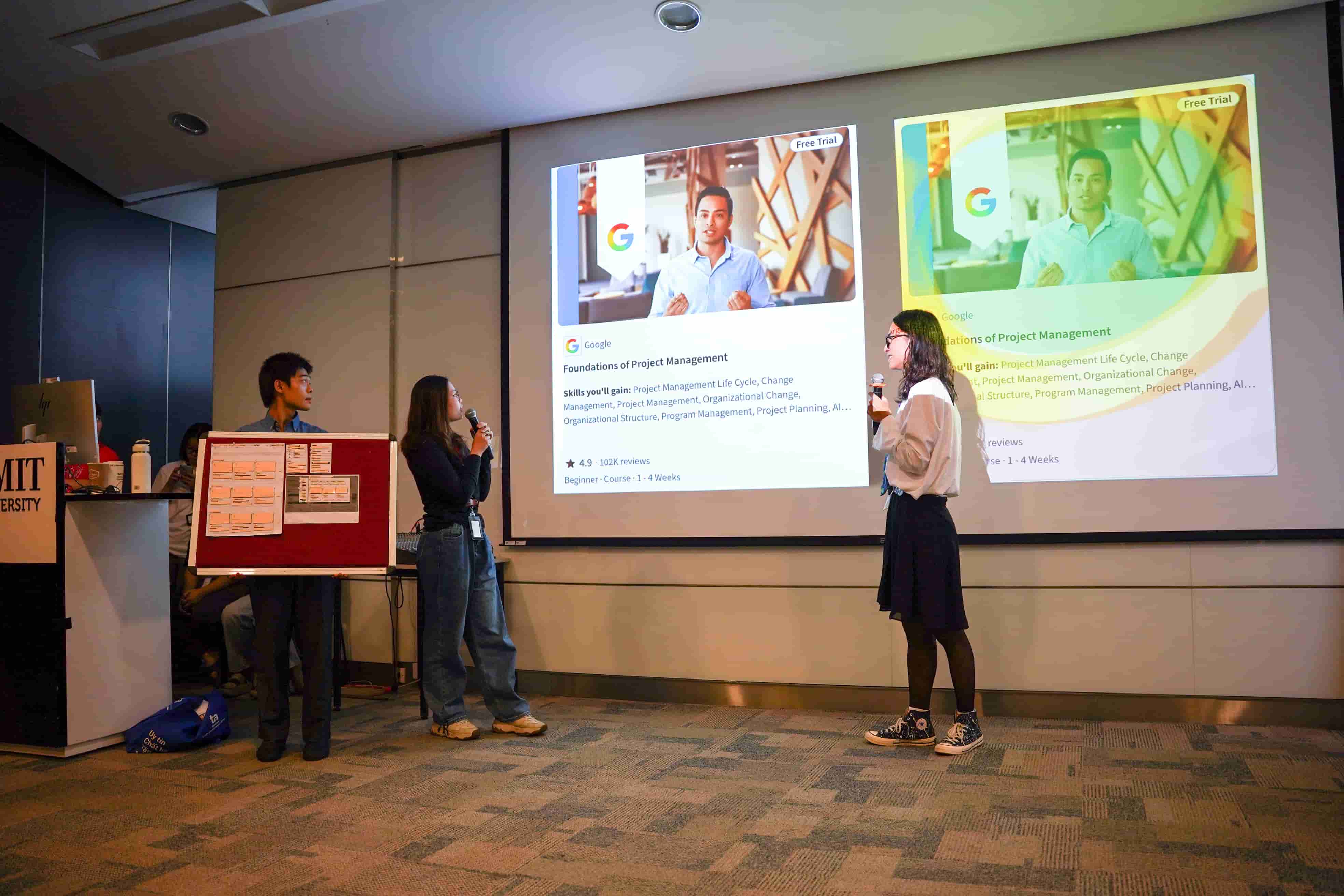
Designing with, not for: How lived experience is shaping more inclusive digital learning
23 Sep 2026
The same online class can offer very different experiences to different learners. Some may not be able to access visual content, while others may struggle to follow a lecture or interact with a digital platform in the same way. So when an online learning experience does not work for everyone, is the challenge with the learner, or with the way we design the experience?

A fresh new look for myTimetable is here!
22 Sep 2026
Welcome to the future of semester planning! The newly refreshed interface of myTimetable is officially here.