
Beyond the media: What RMIT students discovered in India

Beyond the media: What RMIT students discovered in India

"You have to see it for yourself.” Sometimes, a country can look very different from the way it appears in media or other people’s stories. For RMIT SCD students, two weeks in India offered a chance to look beyond those assumptions and experience the country’s culture and everyday life firsthand.

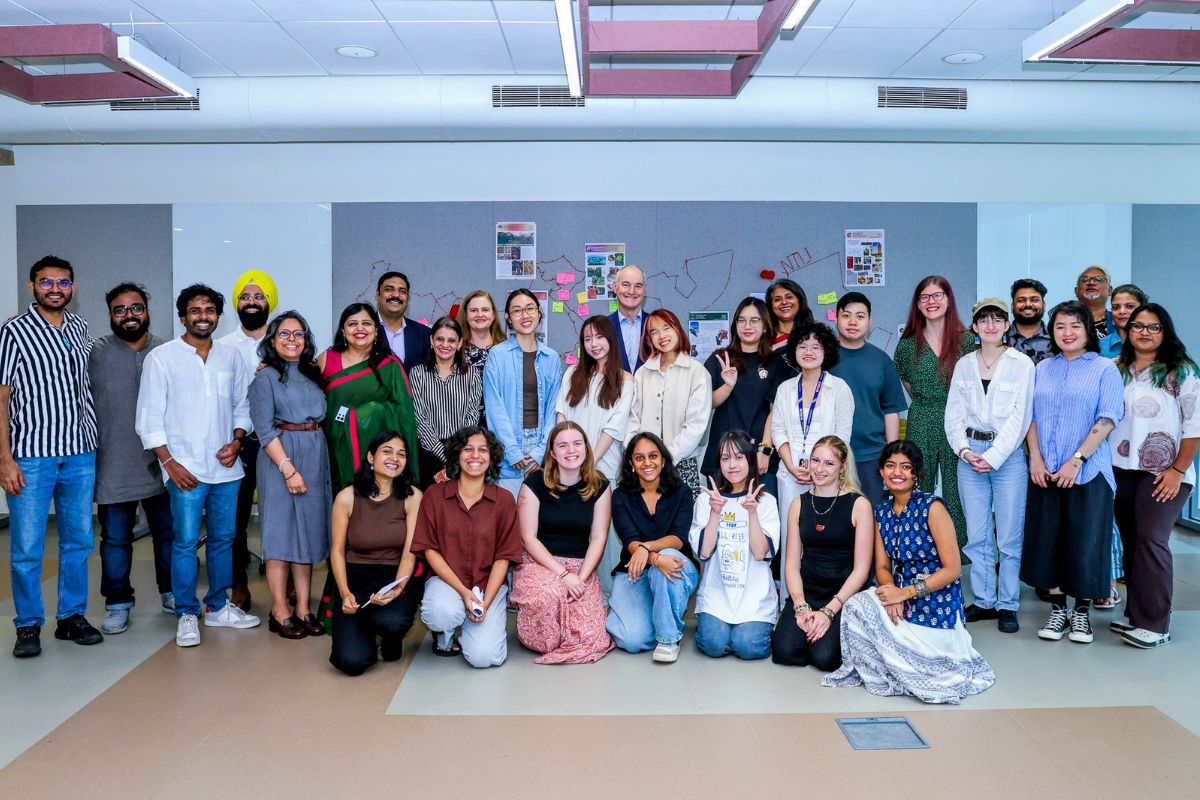
In early August 2026, RMIT School of Design and Communication (SCD) students travelled to Mumbai, India, for the BITSDES India Design Immersion at BITS Design School. The two-week trip brought together students from RMIT, BITS Design School and the UK, with activities ranging from cultural and industry visits to design workshops and collaborative studio practice. 

For Bachelor of Professional Communication student Nguyen Huynh Nhu and Design Studies student Dien Le Dieu Ha, the trip began with curiosity about a country they knew largely through media and other people’s perceptions. What they encountered was more complex and intriguing. 

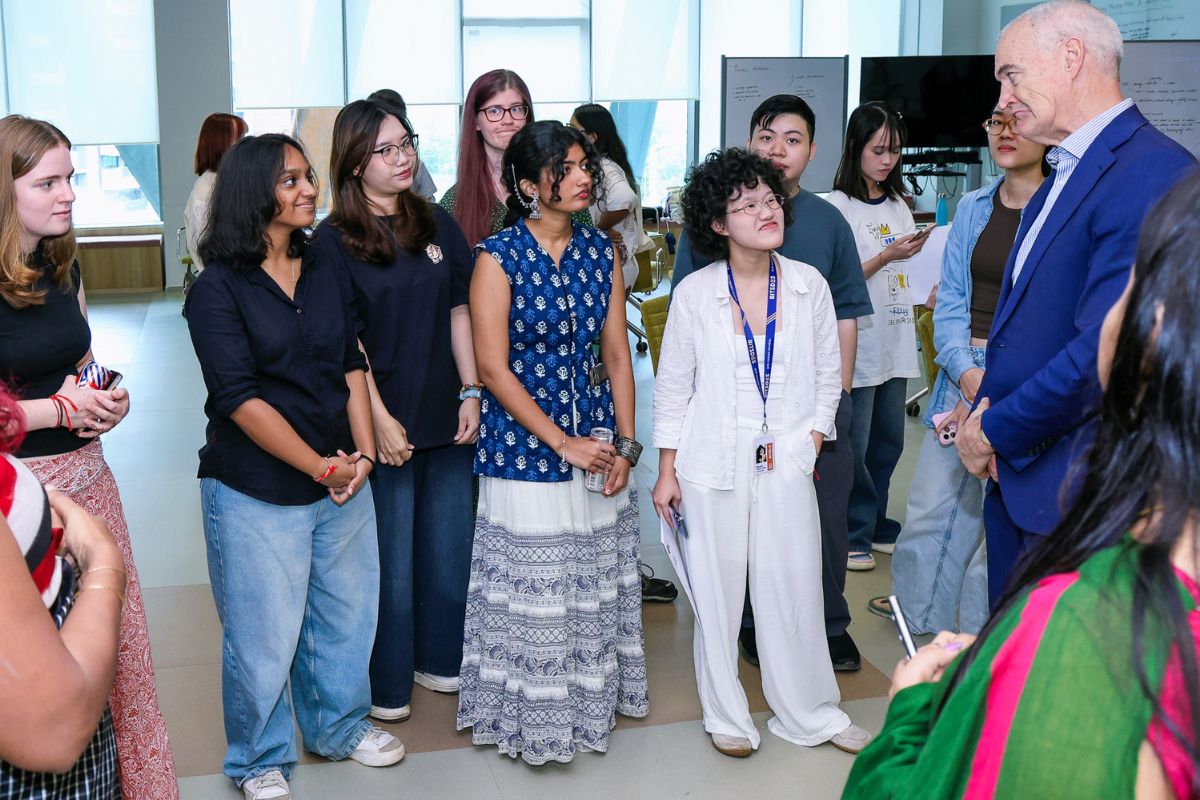
the-study-group-at-bits-schoolStudents and industry judges gathered at the Perfect Pitch 2026 Grand Finale.

From seeing beyond media

For Nhu and Ha, the decision to join the study trip came from a shared desire to challenge what they thought they knew about India. Through media, both students had seen a complex image of India, shaped by its vast population and rapidly changing cities. 

As a filmmaker and photographer, Nhu was conscious that what audiences see through the media is never the complete picture. She felt India’s rich culture, people and creative traditions were often represented through a narrower lens and wanted to understand what existed beyond those familiar images. 

“I want to experience it in real life,” she said. “I want to feel and know and see and talk to the people” 

Ha arrived with a similar curiosity, but also a personal motivation. She hoped that experiencing India firsthand would challenge not only her own perception, but also the way her family and people around her viewed the country. 

Before travelling, Nhu and Ha found themselves questioning the images of India they had encountered through the media. But experiencing a place firsthand does not always mean discovering that everything you have heard is wrong. 

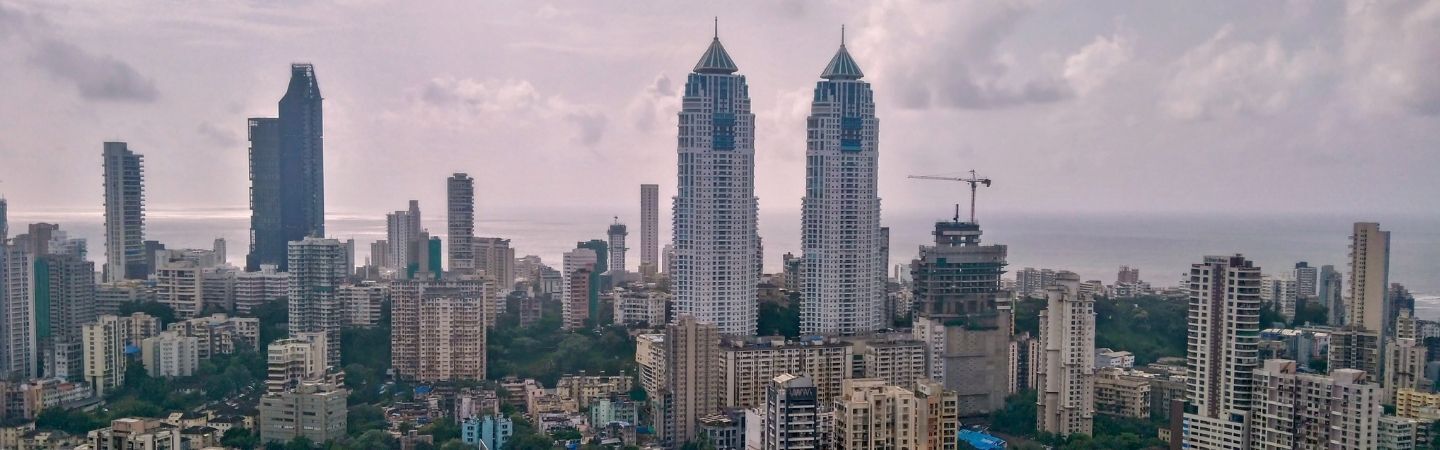
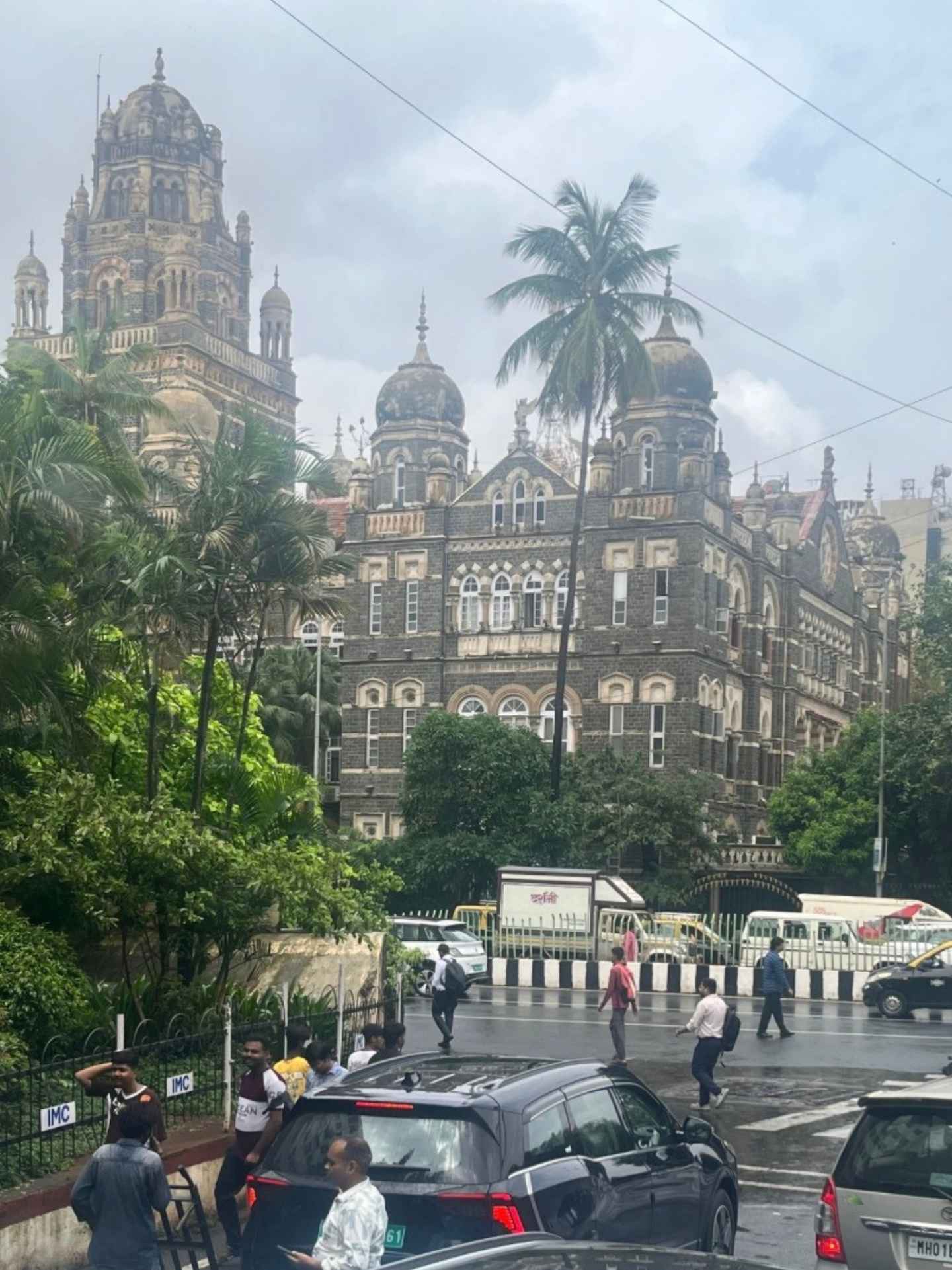
mumbai-flooded-by-heavy-rainMumbai experienced several days of heavy rain and flooding.

Some of the challenges the students encountered were real. Mumbai and the surrounding areas were busy and densely populated, while heavy rain and flooding made travelling between destinations difficult during the trip. At one point, Ha compared travelling by bus to being on a boat as the roads became flooded. 

These moments offered a glimpse of some of the challenges that come with living and travelling in a densely populated city during the monsoon. But they were only one part of the experience and neither student wanted them to become the whole story. 

Experiencing culture up close

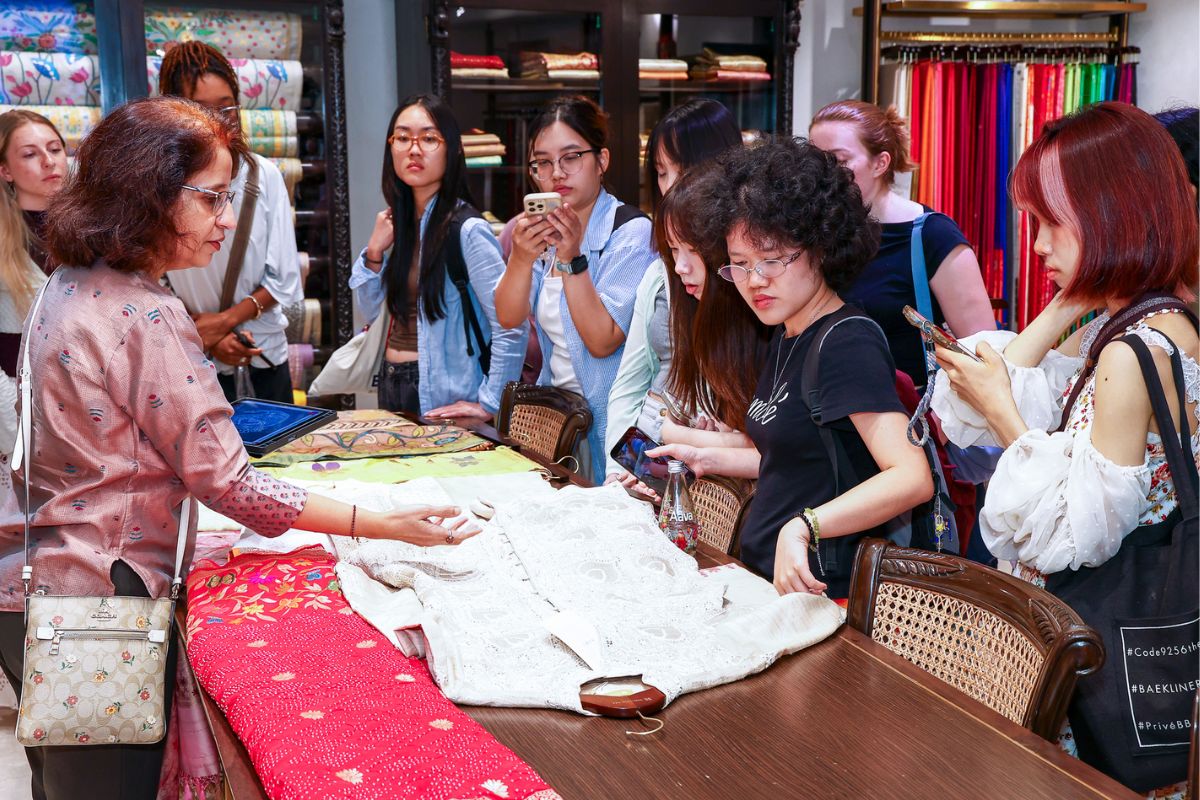
As the trip moved beyond first impressions, the students began to encounter aspects of Indian culture that could not be fully understood through photographs or social media. Through heritage sites and traditional craftsmanship, they saw how cultural practices could remain part of everyday life while adapting to a changing society. 

For Nhu, one of the most memorable experiences was visiting the Pandavleni Caves in Nashik, a historic Buddhist site. Accompanied by experts, she learned about the caves’ history and their connection to Buddhism in India. What struck her most was not only the history of the site, but the way it remained accessible and connected to everyday life. Local people could still visit the caves, spend time with their families and experience the space directly. 

nhu-in-front-of-the-cavesNhu pictured in front of the Pandavleni Caves in Nashik.

“Everything that I see in India, every reservation is not preserved behind glass,” Nhu said. “It’s something that is right there.” 

The experience challenged her understanding of what it means to preserve cultural heritage. Rather than keeping traditions distant or untouched, she saw how allowing people to continue engaging with them could keep them meaningful across generations. 

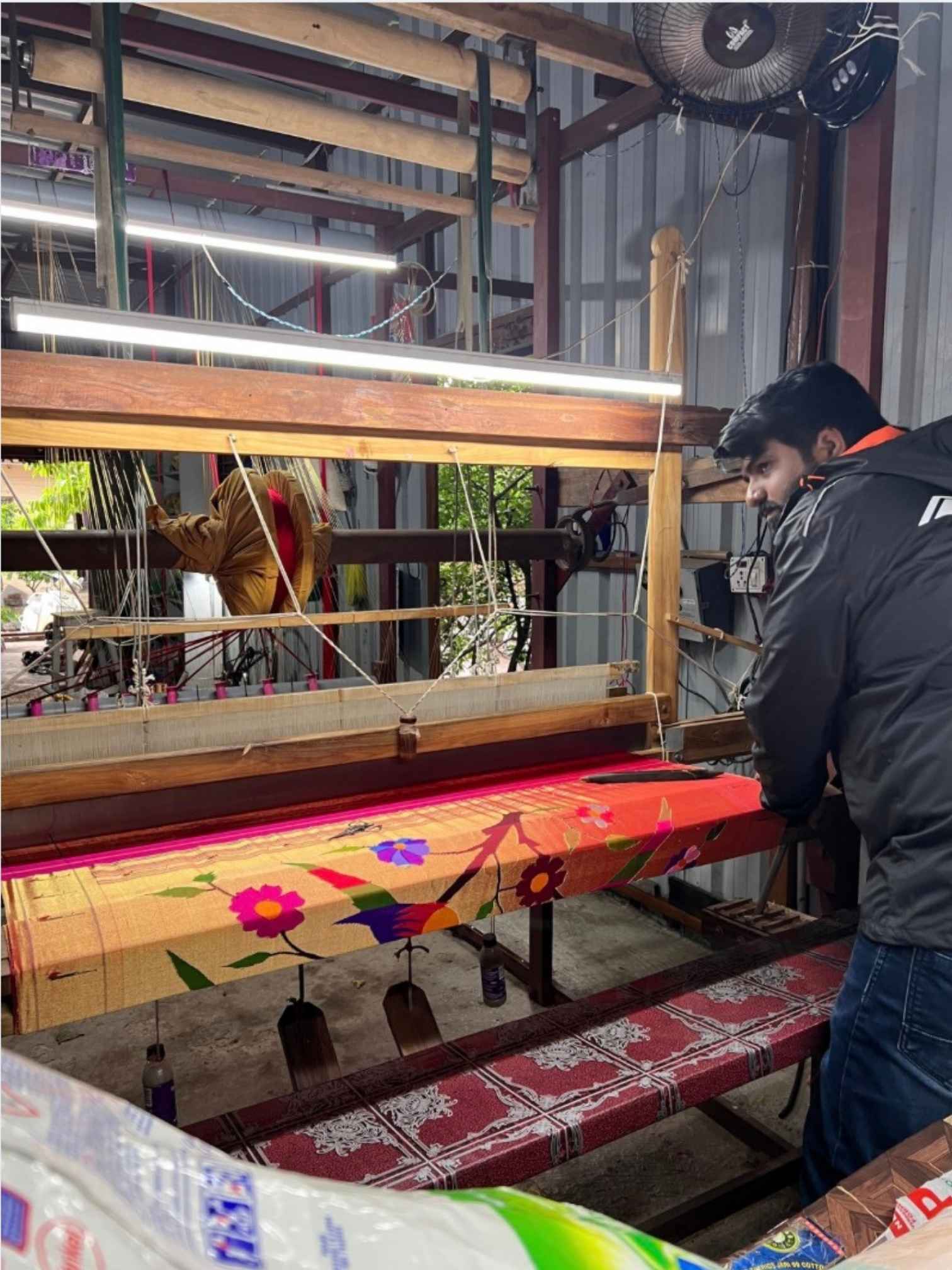
Ha encountered a similar approach through traditional weaving in the Nashik area. She was interested in how traditional craftsmanship had continued alongside modern technology, with established techniques adapting to changing ways of life.

traditional-weaving-techniqueHa was surprised by the intricate process of traditional weaving.

The experience also challenged one of her own assumptions. Before the trip, Ha had expected women to be the main practitioners of traditional crafts such as weaving. Instead, she was surprised to find many men carrying out the craft in India. The difference reminded her that even familiar traditions can take different forms across cultures. 

For both students, these encounters revealed something they had not fully appreciated before travelling: preserving culture does not necessarily mean keeping it unchanged. It can also mean allowing traditions to remain active, relevant and adaptable as society evolves. 

Turning experience into ideas

At the end of the trip, the students turned their cultural observations into practice, working alongside students from RMIT, the UK and BITS Design School to develop a creative project in just three days. 

Nhu’s team developed Interwoven, a concept exploring how different cultures could come together through design. The project proposed a customisable waistcoat combining materials and visual elements inspired by different cultural traditions, with users’ stories translated into symbols inspired by traditional art and craft. 

nhu-stood-by-her-group-projectNhu standing by her group’s project Interwoven.

“As a communication student, I got to see the broader picture,” Nhu reflected. “I would ask questions that a designer would not necessarily ask, like, ‘Is it ethical?’, ‘How does it help the economy?’ and ‘What is the story behind it?’” 

The project helped Nhu see how communication can contribute to cultural preservation. Beyond keeping traditions alive, it can help tell their stories responsibly and make them meaningful to new audiences, while respecting the people and context behind them. 

For Ha, the project reinforced what she had learned from observing Indian craftsmanship. Seeing traditional practices coexist with modern technology encouraged her to think about design not only as creating something new, but also as finding ways to carry cultural knowledge forward.

ha-in-indiaHa went beyond passive media consumption to experience everyday life and cultural heritage in India

Together, the cultural visits and creative project transformed the students’ initial curiosity into a more nuanced understanding of culture, creativity and their own disciplines.  

What began as a journey to see beyond the media became an opportunity for both students to experience culture up close, turn those experiences into ideas and bring new perspectives back to their studies and creative practice. 

Story: Le Thanh Van, Professional Communication student. This article does not reflect the views of RMIT Vietnam as an institution.

03 September 2026

More news