
Learn, unlearn, relearn: An MBA journey beyond industry experience

Learn, unlearn, relearn: An MBA journey beyond industry experience

Thi Tran Anh, with over 12 years of industry experience, is pursuing a Master of Business Administration at RMIT, where he is encountering new challenges not present in his previous studies, particularly in adapting to inter-teaching assignment formats, contributing to his growth.

From expert back to novice

Returning to university after many years in the professional world, Thi Tran Anh stepped into RMIT with quiet confidence. Having earned a Master of Arts in International Trade and Finance from Leeds Beckett University and built over 12 years of experience across strategy and planning in industries ranging from retail, consulting, real estate, electronics, and e-commerce, it’s understandable that he already assumed the transition back to academic life would come naturally. 

Inter-teaching at RMIT Vietnam, however, was something entirely new. Unlike traditional learning environments with closed-book tests, group projects, presentations, and written assignments, this approach requires active participation, discussion, and continuous engagement. "I had never experienced anything like it before," he shared. This type of assessment marking criteria is influenced by how actively you contribute your opinions in class. 

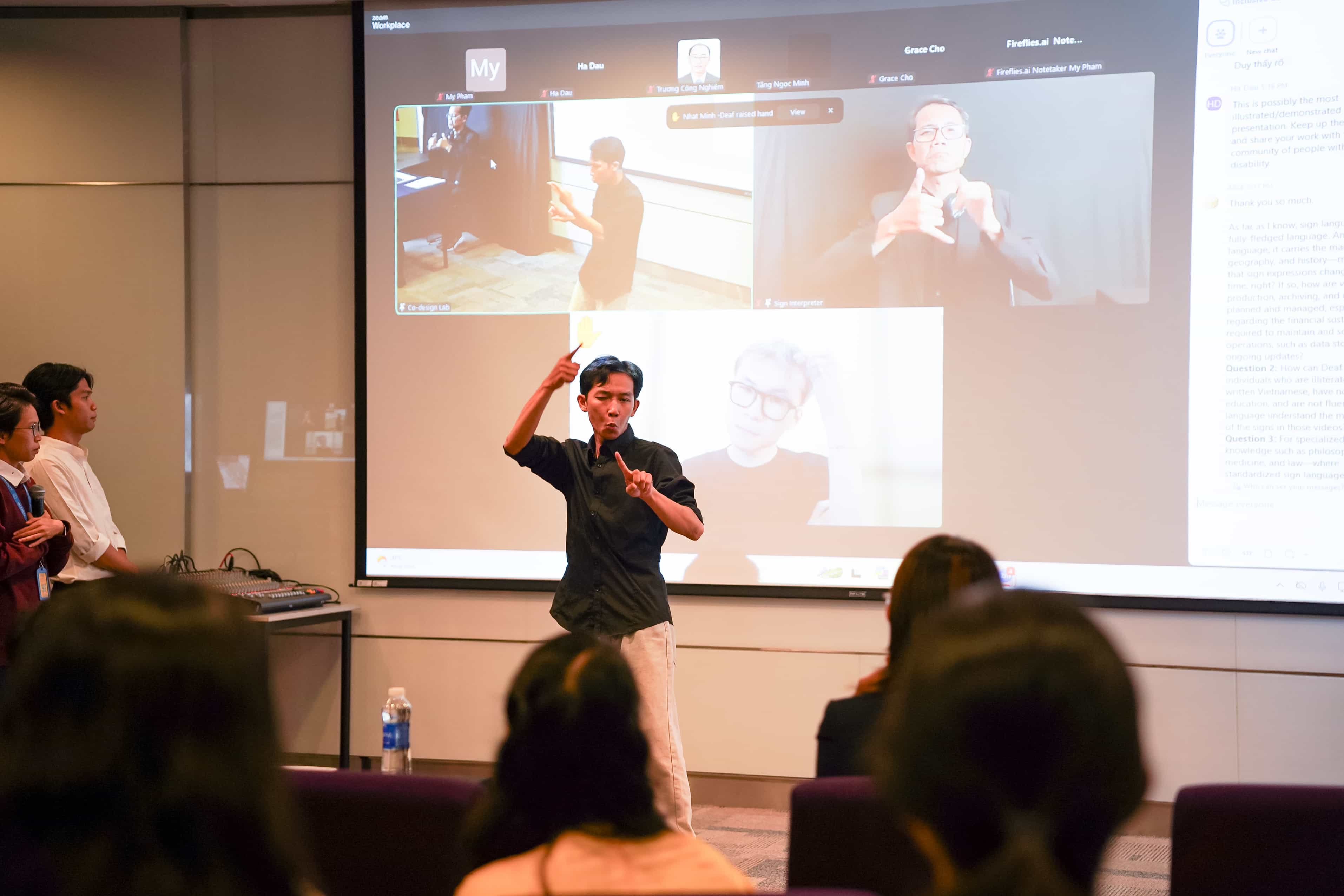
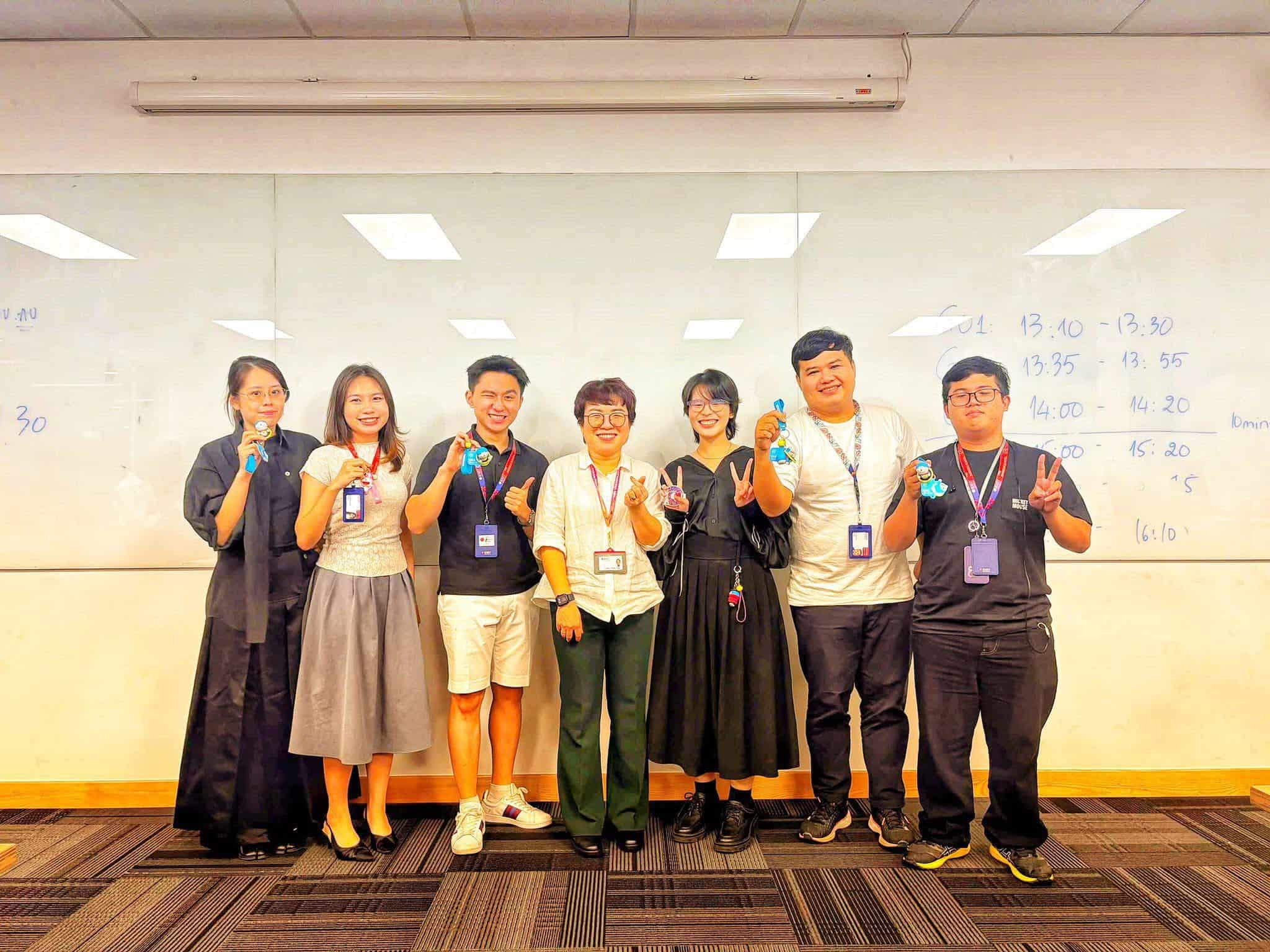
managent-of-technology-innovation-sem-2-2025-with-dr-tony-nguyen.

His approach reflected a mindset shaped by earlier experiences, where listening was respect, and speaking was often reserved. "I had ideas, but I kept them to myself," he said. "I was more cautious than I ever intended to be. Especially when it came to listening to different, often younger, perspectives without judging them too quickly." 

With years of seniority, Thi found himself caught in unexpected tension: On one side was the weight of expectations on leading discussions and offering strong insights. The other side was a growing sense of hesitation, as Thi found himself holding back more than he expected. He listened, observed, but rarely stepped into discussions.  

"I was a veteran at work, but in that classroom, I felt like a beginner again," he admitted.  

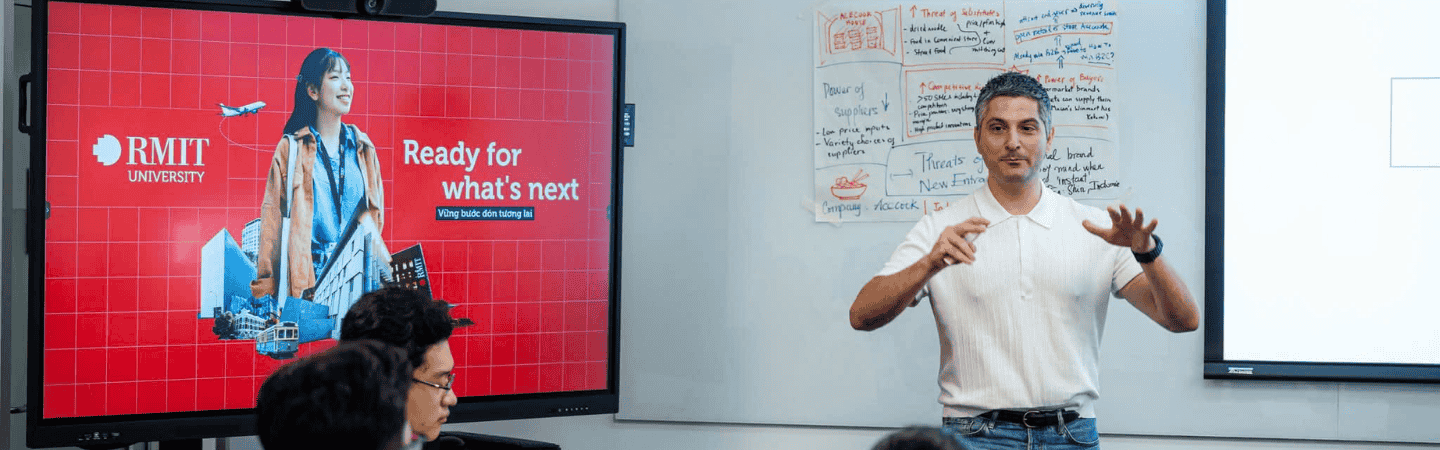
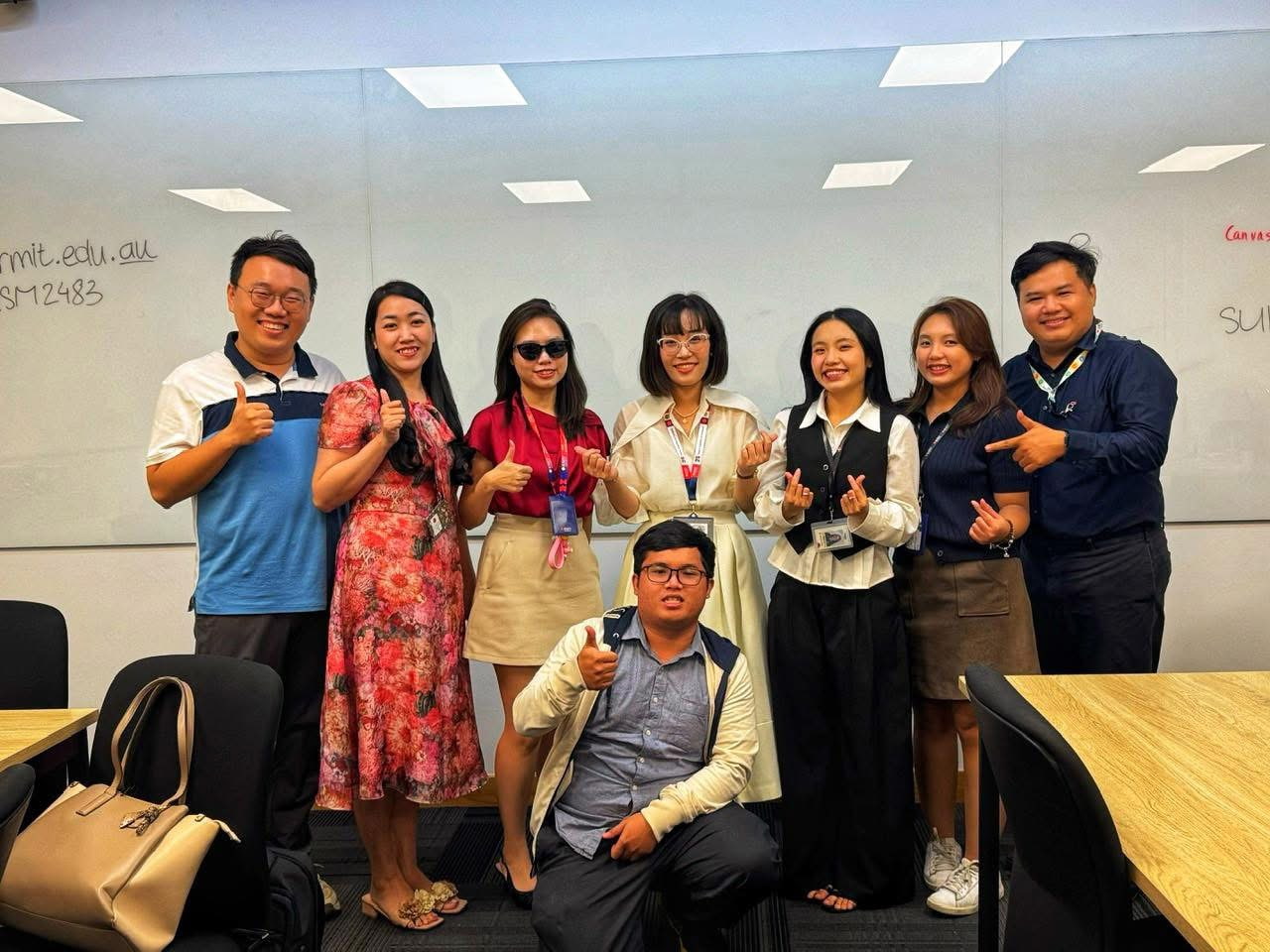
digital-risk-management-sem-3-2024-with-dr-andrew-colarik

The turning point came with his first course result: a CR, the result that challenged his expectations. More importantly, the feedback from his lecturer made him pause. "They told me I had strong thinking, but I wasn’t showing it," Thi recalled. "That was when I realised something was missing." 

He began to see that experience alone was not enough. Without actively connecting it to course content and discussion, it remained unused. "I realised I couldn’t rely on what I already knew," he said. "I had to learn how to learn again." 

Finding back his voice

"The hardest part was unlearning what I thought I already knew," he admitted. After more than 12 years of leadership, Thi was used to trusting his own judgment, shaped and validated by years of real-world experience. Yet in the classroom, that certainty became something he had to hold back. Letting go of that instinct required conscious effort, stepping away from authority, and allowing space for other voices to exist alongside his own. 

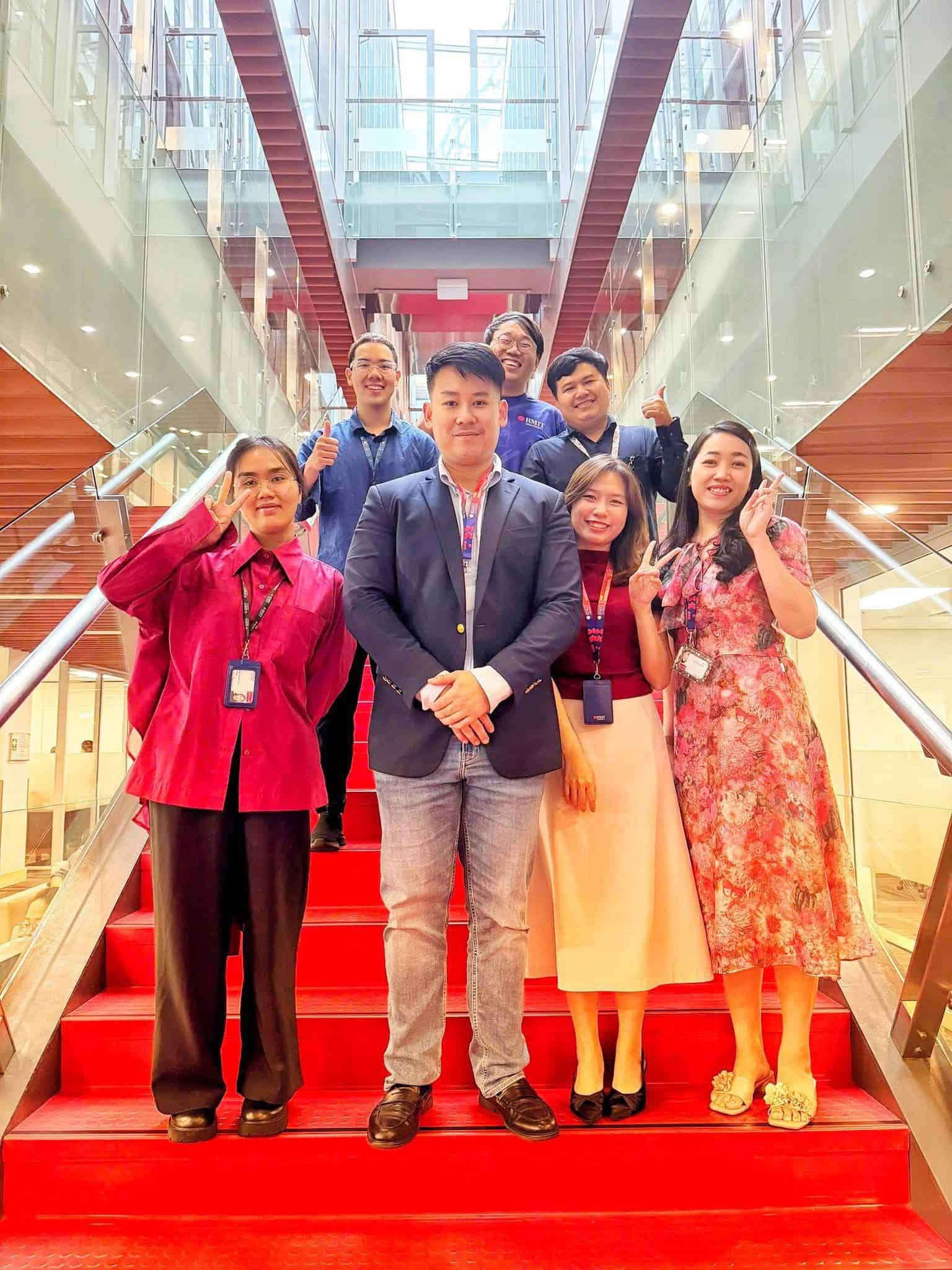
people-organizations-sem-2-2025-with-dr-thao-luong.A defining moment came during a People and Organisations class in Semester 2, 2025.

When a teammate struggled to explain why certain companies adopt specific management practices, Thi chose to contribute. Drawing from his own experience, he shared how Vietnamese firms led by entrepreneurs with Eastern European backgrounds often offer high compensation while demanding fast results and sustained high performance.  

Being recognised by his lecturer became a turning point: it made him realise that his old experience was not something to hide, but something he could share to support others’ learning. That moment marked a quiet shift. His experience was no longer something that set him apart, but something that could add value when shared. But finding his voice was only the beginning. 

Unlearn, then relearn

For years, he had viewed knowledge as something you acquire and carry forward. But in a world shaped by rapid technological change, that mindset no longer held. "I used to spend months coordinating data for strategic reports, now with the right tools, the same quality of work can be done in a week," he shared. The real challenge was not simply learning something entirely new, but unlearning old habits and relearning with greater agility. 

He began approaching class differently, preparing not just to understand the material, but to form his own perspective before entering discussions. Learning was no longer about finding the "correct" answer, but about questioning, engaging, and refining ideas through dialogue. 

"Over time, I realised that learning through sharing is one of the most effective ways to truly understand and retain knowledge," he said. "It’s not just about knowing something, but about being able to articulate it and connect it with others."  

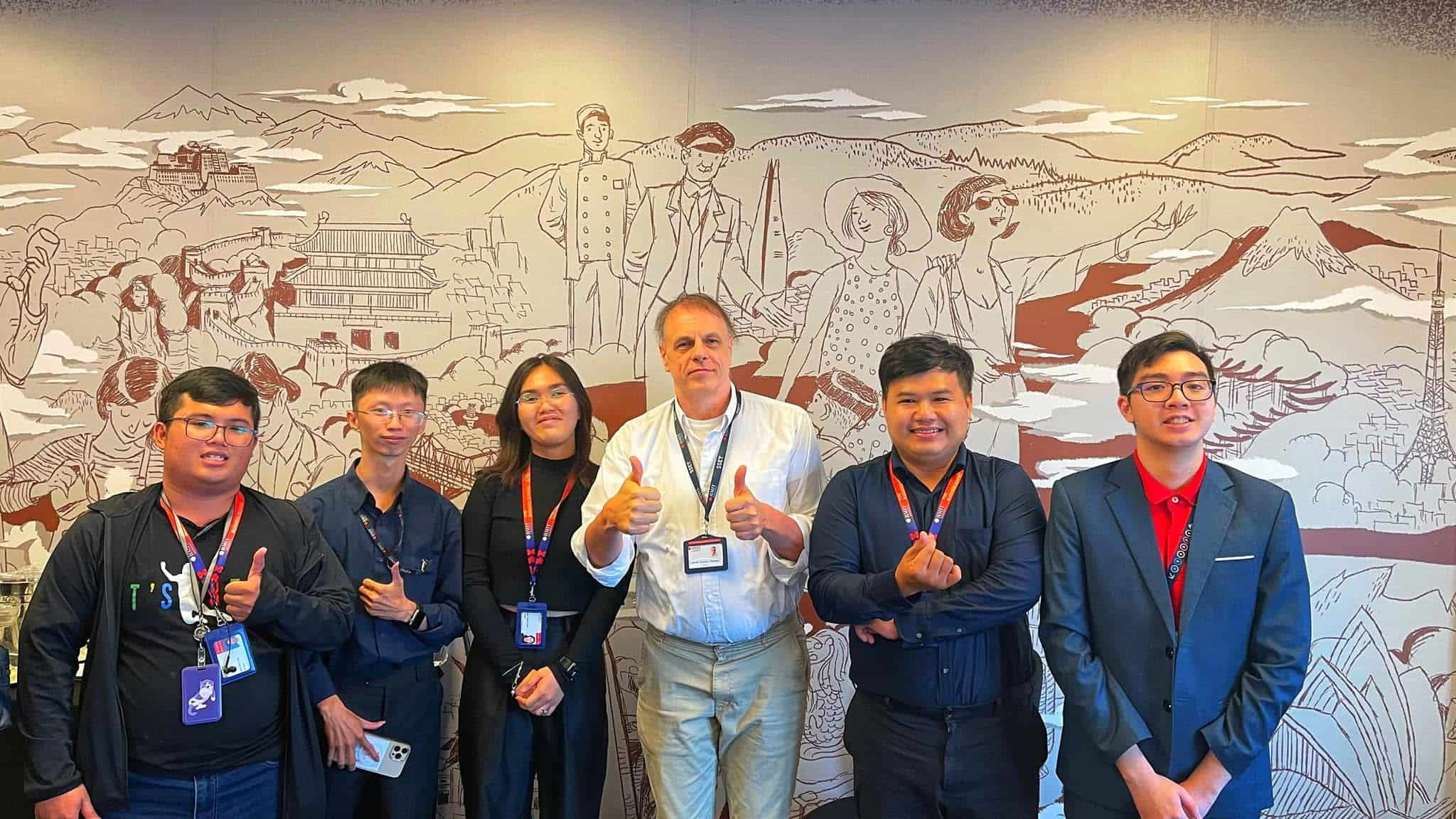
personal-branding-authentic-leadership-sem-3-2025-with-dr-quyen-dangAnd as his way of learning changed, so did the way he saw himself.

Another pivotal moment came during Semester 3, 2025, in the "Personal Branding & Authentic Leadership" course, where Thi was introduced to the "Three Masks of Identity" framework. For the first time, he articulated how he saw himself across different dimensions, as a reflective and purpose-driven individual, a structured and accountable professional, and a composed public presence. "It felt like a mirror," he shared. 

More importantly, the classroom became a space where he could move beyond polished narratives. He found himself sharing not only successes, but also mistakes and failures. He also shared: "These stories weren’t perfect, but because they were real, they led to the most meaningful lessons." In that environment, shaped by dialogue, openness, and mutual respect, Thi began to experience learning differently, not as an individual pursuit, but as a shared process. "In that kind of space, you feel safer to speak, to question, and to contribute," he reflected. 

Looking back, having completed most of his MBA journey, Thi sees his growth not only in academic results, but in something far less visible, yet more lasting. "The biggest gain wasn’t the GPA," he said. "It was finding my voice in the classroom." In the end, growth was never about proving what he already knew, but about having the courage to unlearn it, to start again, and to keep becoming, not just a professional who knows, but a leader who never stops learning. 

Story: Pham Thanh Thao, a Professional Communication student, with the input from Tran Anh Thi, an MBA undergraduate. This article does not reflect the views of RMIT Vietnam as an institution.

22 April 2026

Share

More news