

Zero working experience cheat code: 5 things that improve your chance

Zero working experience cheat code: 5 things that improve your chance

No work experience? No extracurricular activities? That doesn’t mean there’s nothing to talk about on your CV. Let’s break down five practical steps you can take to strengthen your CV from zero, helping you highlight your skills, mindset, and potential, even before your first job.

Landing your first job is never easy, especially when you have no prior experience. But everyone starts somewhere, and this is where you begin.

1. Take time to reflect

Reflection matters especially when you don’t have formal work experience, because it is the bridge between what you did and what employers can understand. Experience is valuable in many forms. It challenges you, helps you understand your strengths, and gradually reveals what you might want to pursue in the long run, and what truly defines its value is how well you reflect on it.

In reality, throughout university, we already accumulate a surprising amount of practical experience. Through industry-linked projects, brand-based case studies, and WIL (Work Integrated Learning) courses, we are constantly exposed to real-world problems that mirror professional environments.

The gap is not a lack of experience. It is the lack of translation.

Protip

When reading a job description and feeling like you have “no experience,” change how you approach it. Instead of looking for roles you have never held, break the description down into skills. This shift allows you to recognise experience you already have, even if it comes from academic or project-based work.

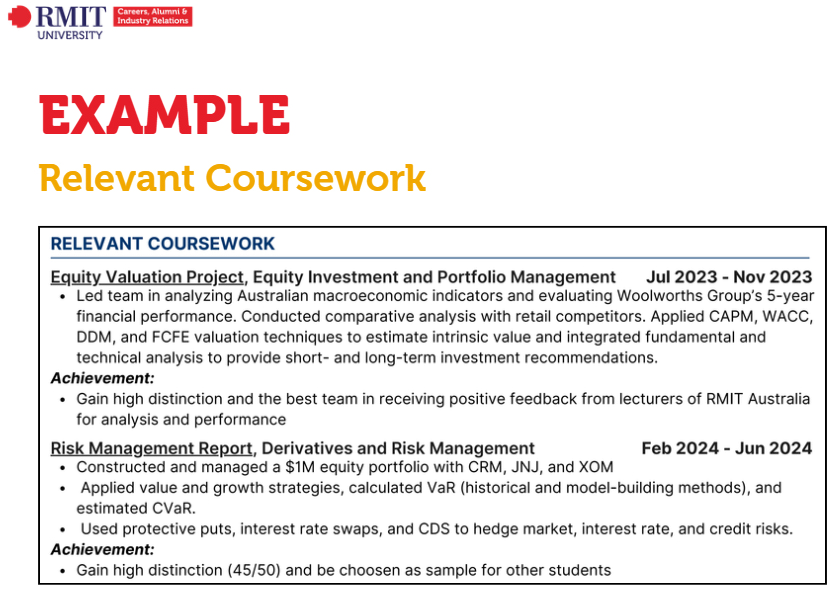
Next, map those skills to what you have actually done. University projects, deadlines, group work, and presentations all involve transferable skills such as coordination, problem-solving, and time management. These experiences may not look like jobs, but they still demonstrate how you work under real constraints.

Example:

The event drew over 100 participants, with strong engagement across its activities

Once the project or course ends, revisit your reflections. With the pressure of grades and deadlines removed, you can more clearly identify your role, the skills you relied on, and where you struggled. This distance helps you move from describing tasks to explaining decisions and outcomes.

This is where the Describe Interpret Evaluate Plan (DIEP) reflection format becomes useful for employability. Instead of saying “I participated in a project,” you can articulate how you managed workload, collaborated with others, responded to challenges, and adapted your approach. When you do not yet have work experience, this ability to frame learning as skill development is what demonstrates readiness, not just involvement.

Participants explored different forms of attraction (emotional, platonic, romantic, physical & intellectual attraction) that shape their personal connections and self-understanding.

2. Get one "quick-win" certification

After reflecting on your experiences and identifying specific skill gaps, short courses can be a practical way to strengthen those areas. A quick-win certification from platforms such as Google, Coursera, or LinkedIn Learning does not replace work experience, but it signals readiness and continuous learning. It shows that you understand the fundamentals of a role, take initiative in your learning, and can work with structured frameworks commonly used in professional settings.

The value lies not in the certificate itself, but in how you apply and articulate what you have learned. When including a short certification on your CV, avoid presenting it as passive learning. Instead, focus on:

  • The tools, frameworks, or terminology you gained.
  • How these concepts changed the way you approached university projects.
  • How the course strengthened a specific skill required in the job description, such as data analysis, project coordination, content strategy, or stakeholder communication.

Good news to you. At RMIT, LinkedIn Learning offers free, short online courses across diverse fields, covering both soft and hard skills, with certificates provided upon completion.

3. Stalk and talk to experienced

Stalk the people whose careers you want to work towards. It might feel a little awkward at first, but why not? Observing how experienced professionals position themselves and build their careers is one of the most accessible ways to learn when you do not yet have hands-on experience.

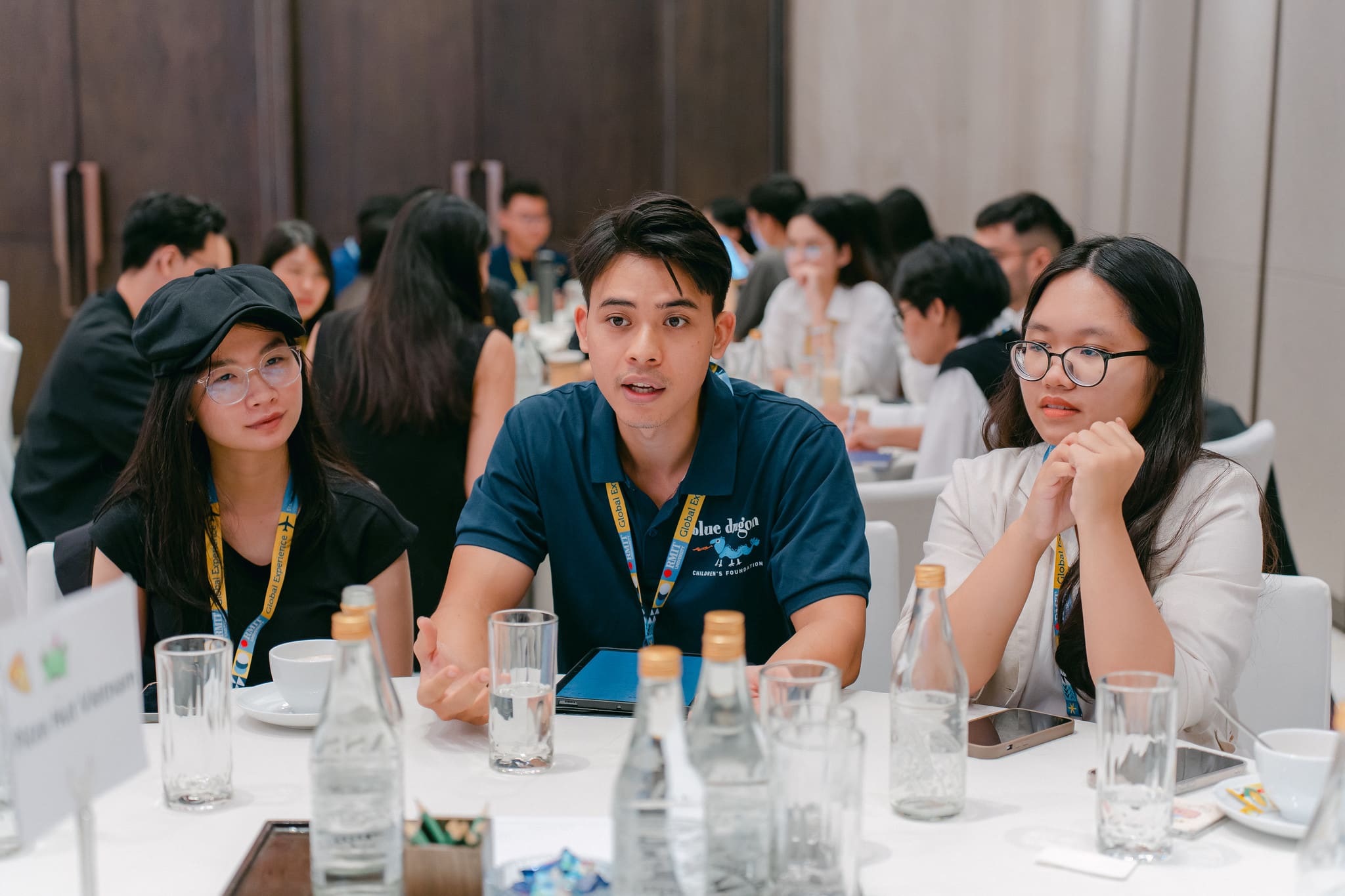
Start by following them on LinkedIn. Read their posts, notice the skills they highlight, and pay attention to the paths they took. Over time, this helps you understand what the role actually involves and what employers value beyond job titles. When you feel ready, take the next step and talk. Even brief exchanges can provide clarity, direction, and confidence long before you land your first role.

A short message asking for advice or insight is often enough to start a conversation. A short message asking for advice or insight is often enough to start a conversation.
Make the most of LinkedIn: Follow the industry practitioners and companies in your field to observe their hiring needs and culture. Many roles are announced on LinkedIn, company pages, or social media before they reach job boards, so staying connected helps you avoid missing opportunities.

4. There is no one-size-fits-all CV

Having limited experience does not hurt your chances, but presenting it the wrong way does. A personalised CV is far more effective than a generic one because it helps you prove relevance, not volume.

Each role prioritises a different skill set. A one-size-fits-all CV dilutes your experience, while a tailored version draws attention to the skills that directly match the job description. This helps recruiters quickly see your suitability, even when your experience comes from academic projects or extracurricular activities.

Personalisation also lets you reframe the same experience. A single group project can highlight project management for an account role, analytical thinking for a strategy role, or communication skills for a client-facing position. The experience stays the same, only the focus shifts.

When you do not yet have work experience, clarity matters most. A personalised CV ensures that every line clearly answers one question: why you are a strong fit for this specific role.

5. Never too late to start

Not having a clear career plan after graduation is completely normal. Instead of stressing about certainty, focus on gaining clarity step by step.

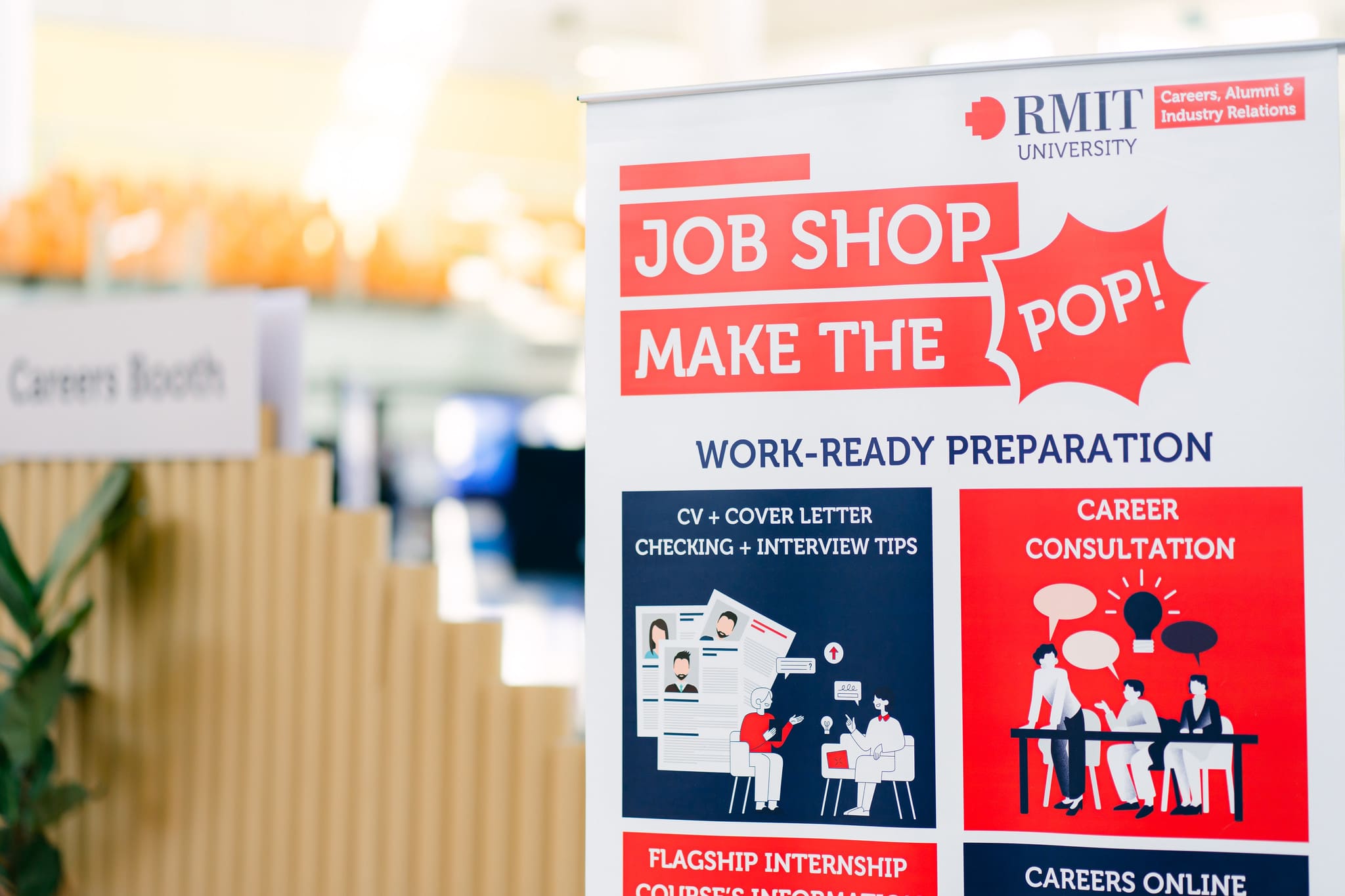
1. Talk to a careers advisor: your university's careers service at Job Shop can help you match your skills and interests to potential career paths. They can also connect you with useful resources and job opportunities.

2. Take a personality or strengths test: tools can highlight your natural abilities and suggest careers that align with them. You can also ask friends and family what they see as your strengths - you might be surprised by their insights.

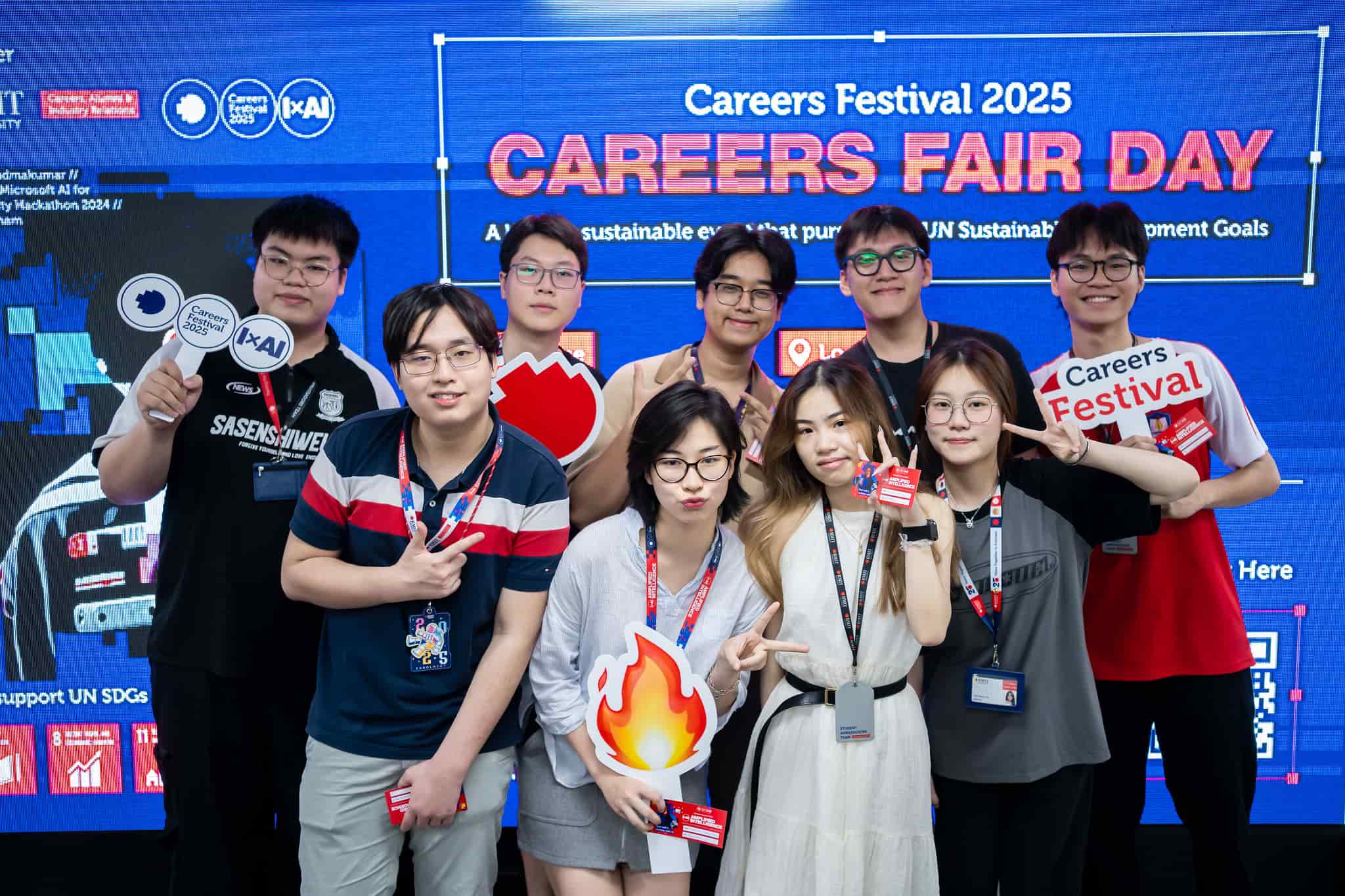
3. Attend careers fairs: meeting employers face-to-face can open your eyes to roles you may not have considered. Take a notebook and ask recruiters what they look for in candidates.

Beyond its impact at RMIT, RQAC extends its reach through local community engagement, evident in its participation in Asexual in Vietnam’s 12th-anniversary celebration

4. Gain work experience: job shadowing, clubs, internships, or part-time roles in different industries can give you a feel for what you enjoy (and what you don't). Even short, not-related to your major experiences can also provide valuable insight.

At the beginning, the process may feel overwhelming, with setbacks and moments of self-doubt. However, they are part of the learning process and a sign that you are moving forward. What matters most is being ready to act, stay open to learning, and keep going.

Lastly, if you have any questions or concerns about finding a job, whether you are in your first year or your final year, you can drop by the Job Shop or visit the Career Online Portal for support and advice. Good luck with taking your first steps into the job market!

Story: Pham Thanh Thao, Professional Communication student. This article does not reflect the views of RMIT Vietnam as an institution.

21 January 2026

Share

More news