
From Idea to nationwide Impact: How students organised a national scale competition through Hack-A-Venture 2025

From Idea to nationwide Impact: How students organised a national scale competition through Hack-A-Venture 2025

Organised by the RMIT Fintech Club, Hack-A-Venture 2025 grew from a campus observation into a hackathon competition that attracts 385 participants from 32 universities across Vietnam. Behind that journey lies a practical blueprint in ownership, trust, and building credibility for students ready to prove that “student-scale” is only a mindset.

Redefining “student-scale”

In recent years, conversations around innovation for a “Green Vietnam” have gained momentum. Yet for many students, leading a large-scale initiative still feels abstract and out of reach. National competitions, corporate partnerships, or industry mentorship - these are often seen as spaces reserved for experienced organisers or institutional authorities. Hack-A-Venture 2025, a national hackathon competition organised by RMIT Fintech Club, set out to challenge that assumption. 

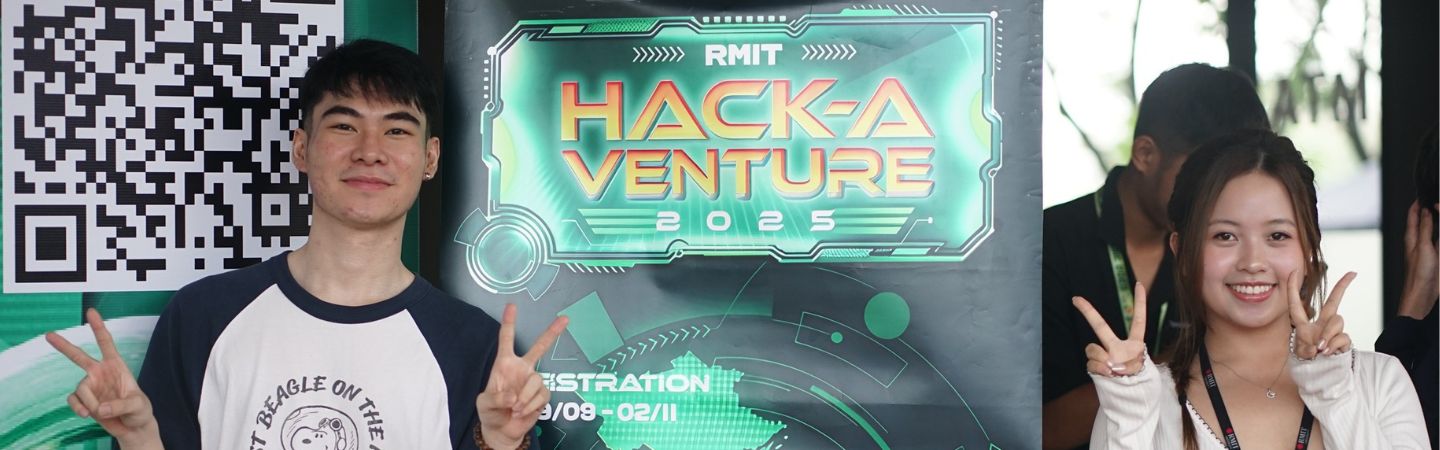
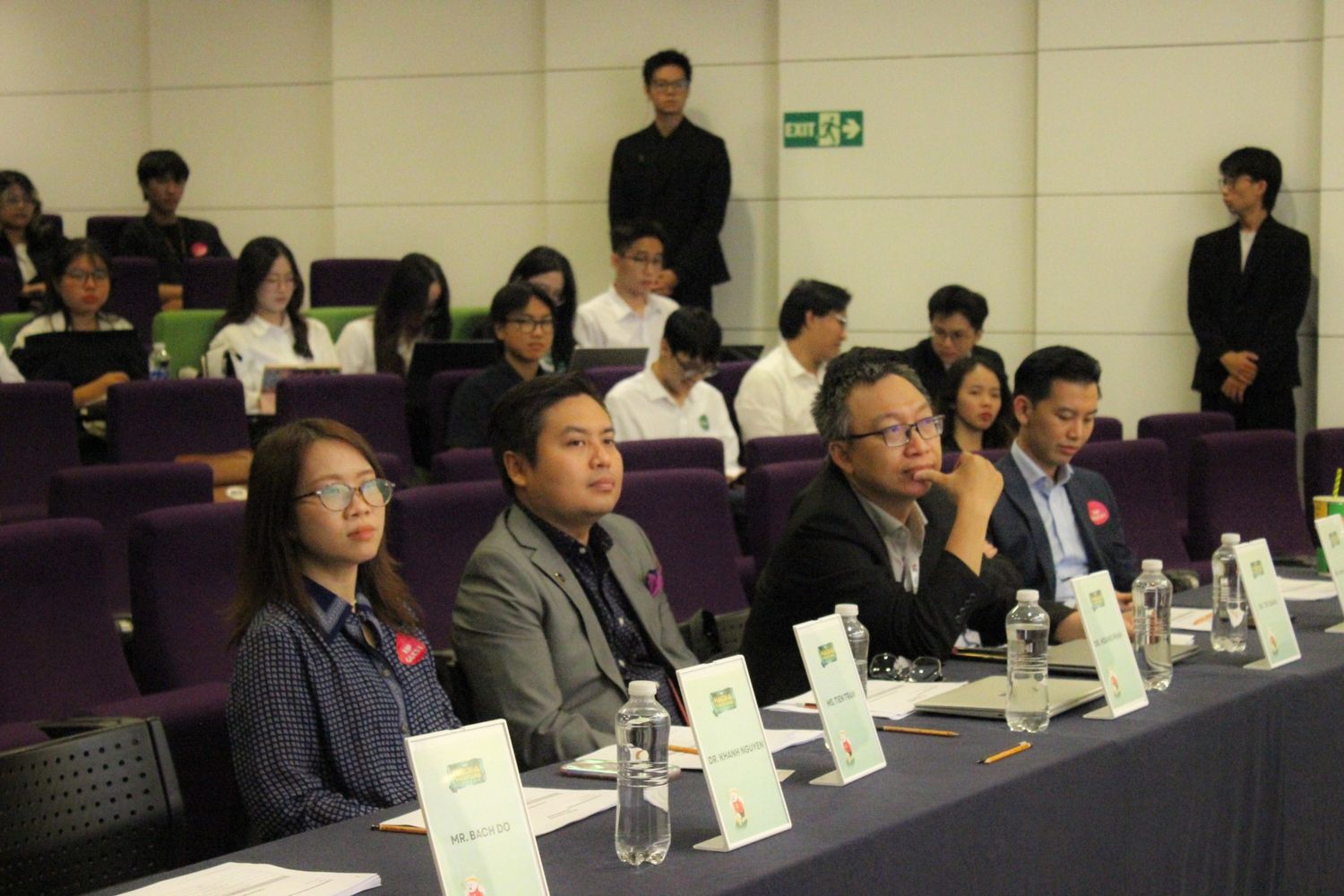
The event drew over 100 participants, with strong engagement across its activities Hack-A-Venture Competition 2025, organized by RMIT Fintech Club

What started as a campus observation within the RMIT Fintech Club evolved into a nationwide hackathon welcoming business and technology students from across Vietnam. But the scale was never the starting point. The problem was. 

Quoc Tri and Van Khue, this year’s Heads of Organising Committee for Hack-A-Venture 2025, broke down their initiative. 

“At RMIT, we observed the disharmony between technology and business comprehension,” they shared. Technology students could build impressive products at speed, yet often struggled to position them within a viable market. On the contrary, business students were strong in strategy and commercial thinking yet lacked the technical fluency to translate ideas into scalable solutions. 

Under the theme Open Innovation for a Green Vietnam, participants were challenged not only to develop a viable product, but to test their ideas against market viability, sustainability, and real-world feasibility. 

“Understanding this biz-tech synchrony is key to navigating the fast-paced, modern world.” Quoc Tri emphasized. “Hence, we created not just a hackathon competition, but a playground that consisted of workshops, real-life mentoring that encourages students to build things that markets actually need”. 

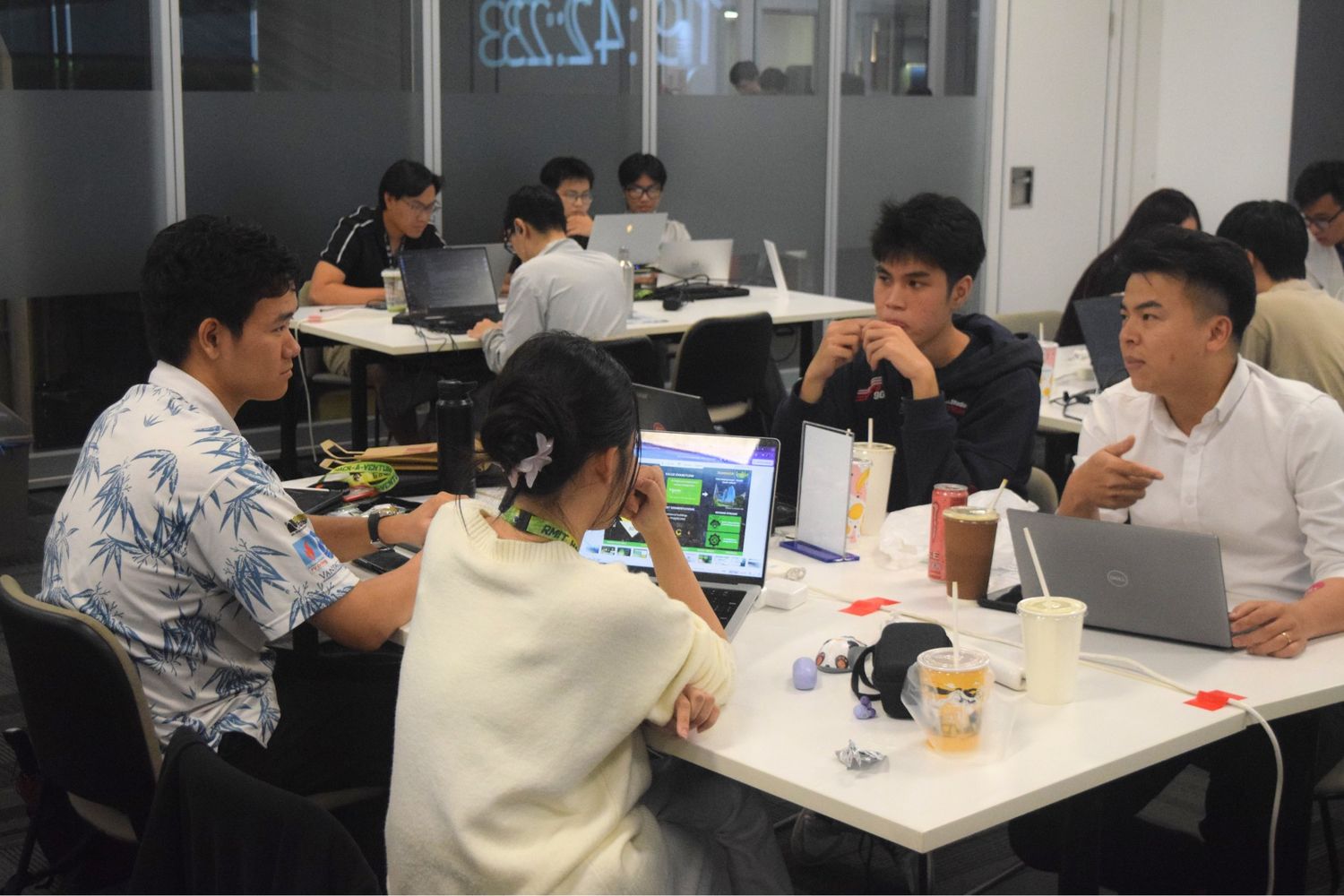
The event drew over 100 participants, with strong engagement across its activities

Veteran participants turned insightful creators

For the team, scaling the competition was far more than an operational decision but rather a belief in student power. In a student culture increasingly shaped by what participants can gain: prizes, networks, credentials, Quoc Tri believes it is equally important to ask who creates those opportunities in the first place. 

“For every person who takes, someone has to give,” Quoc Tri reflected. 

As students themselves, they understood the pressures, limitations, and ambitions of their peers; such inspirations allowed them to design a competition that was ambitious yet grounded in student realities. Taking initiative, in this sense, was more than about prestige but rather about ambitions and responsibility. 

In its early stages, Hack-A-Venture required intense coordination, heavy workloads, and difficult decisions. Through that strain, a defining value took root within the team: trust the process, trust each other, and trust yourself. 

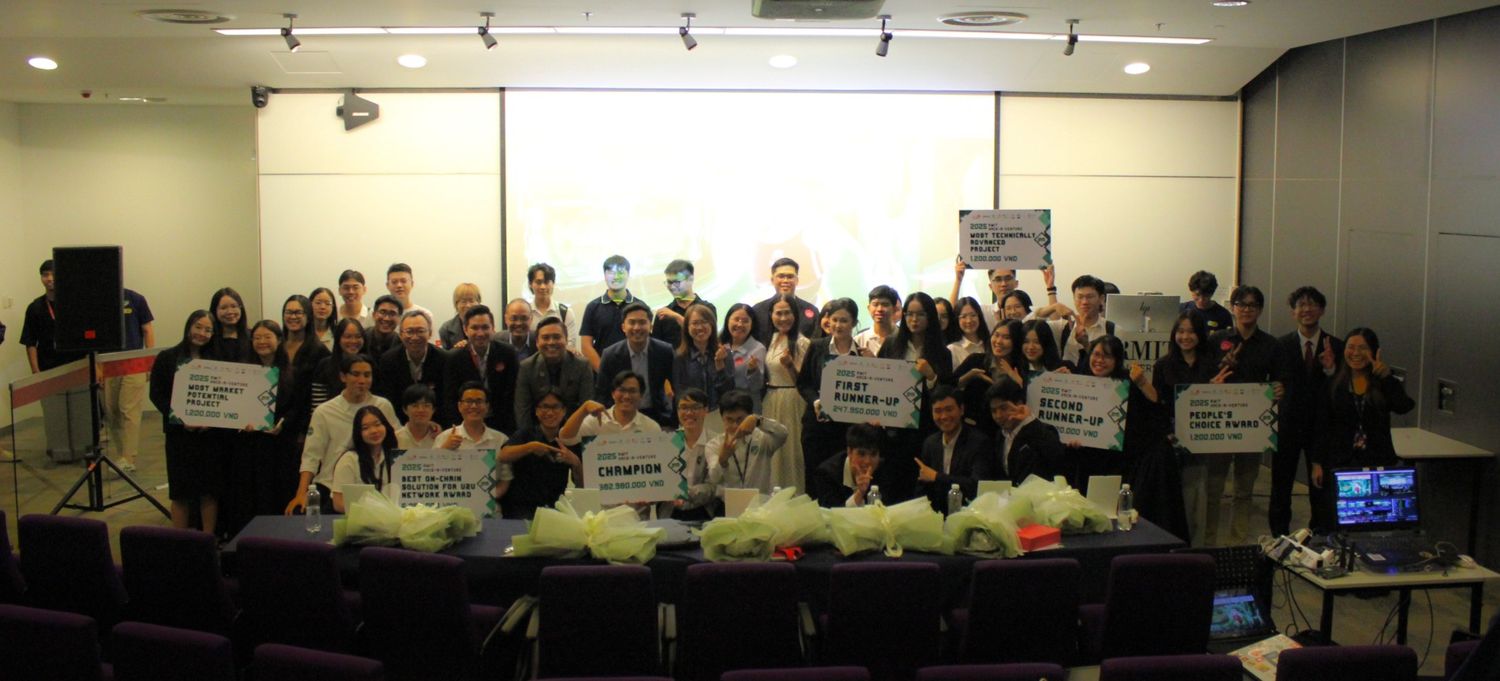
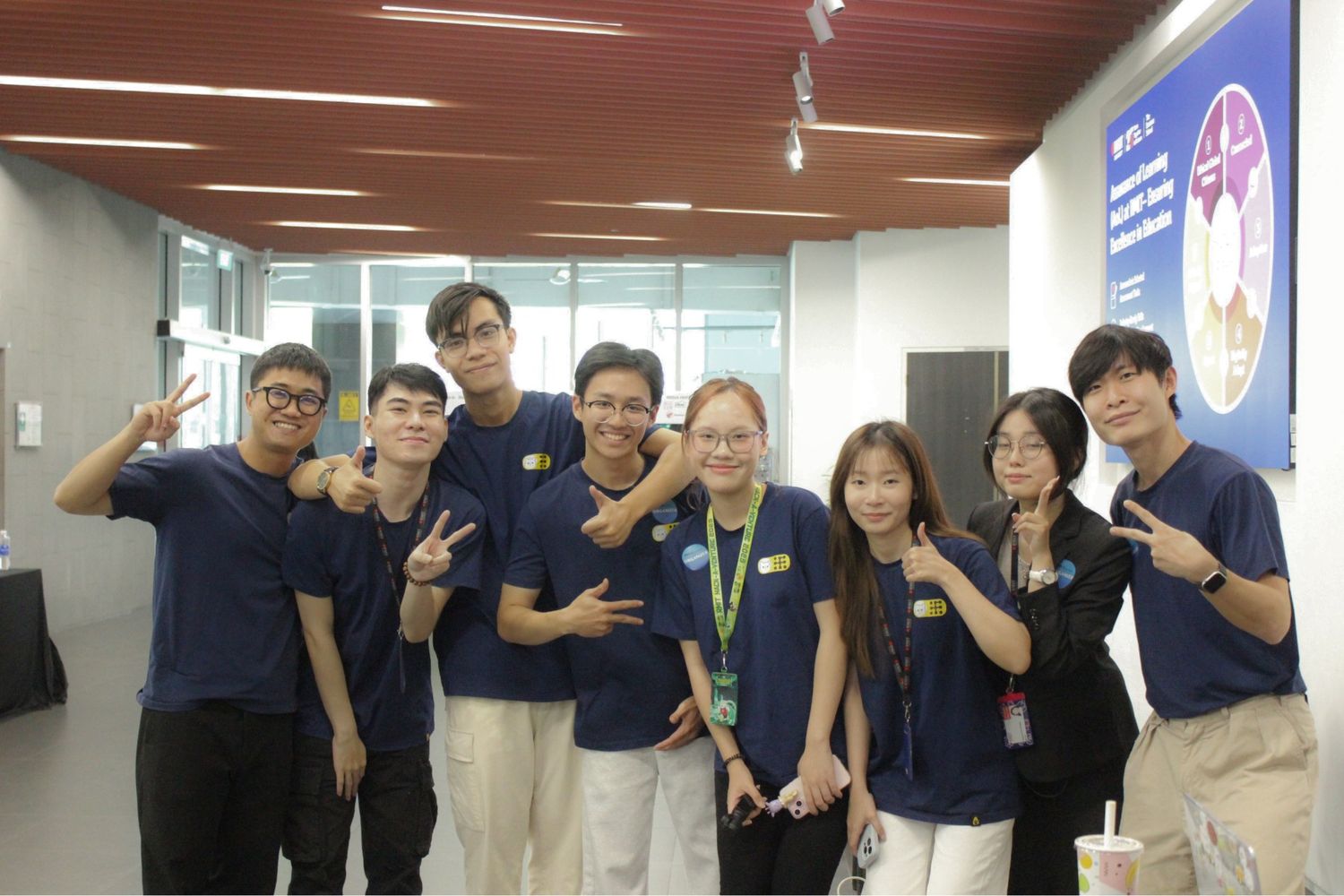
The event drew over 100 participants, with strong engagement across its activities Hack-A-Venture's organising committee

Vu Tam, who led the competition workshop, experienced this shift firsthand. "I was scared at first," he admitted. The weight of responsibility felt overwhelming initially, until he discovered that leaning into his team's support transformed overwhelming complexity into manageable steps. What began as intimidation gradually evolved into confidence through collaborative problem-solving. 

Yet trust alone was not enough. The team discovered that adaptability is trust’s essential companion. Plans shifted, deadlines moved, and unexpected challenges surfaced without warning. In the end, national-scale ambition proved to be less about bold ideas and more about trusting one another enough to move through uncertainty together. 

When vision turns into credibility

Internal belief, however, is only the first step. The harder question is: how does that belief translate into others' trust? For many student organizers, this credibility challenge becomes razor-sharp when courting sponsors, who rarely bet on untested student ventures regardless of their potential. 

As for the Hack-A-Venture Organising Committee, the breakthrough came when they turned credibility into something to claim and started treating it as something to demonstrate. 

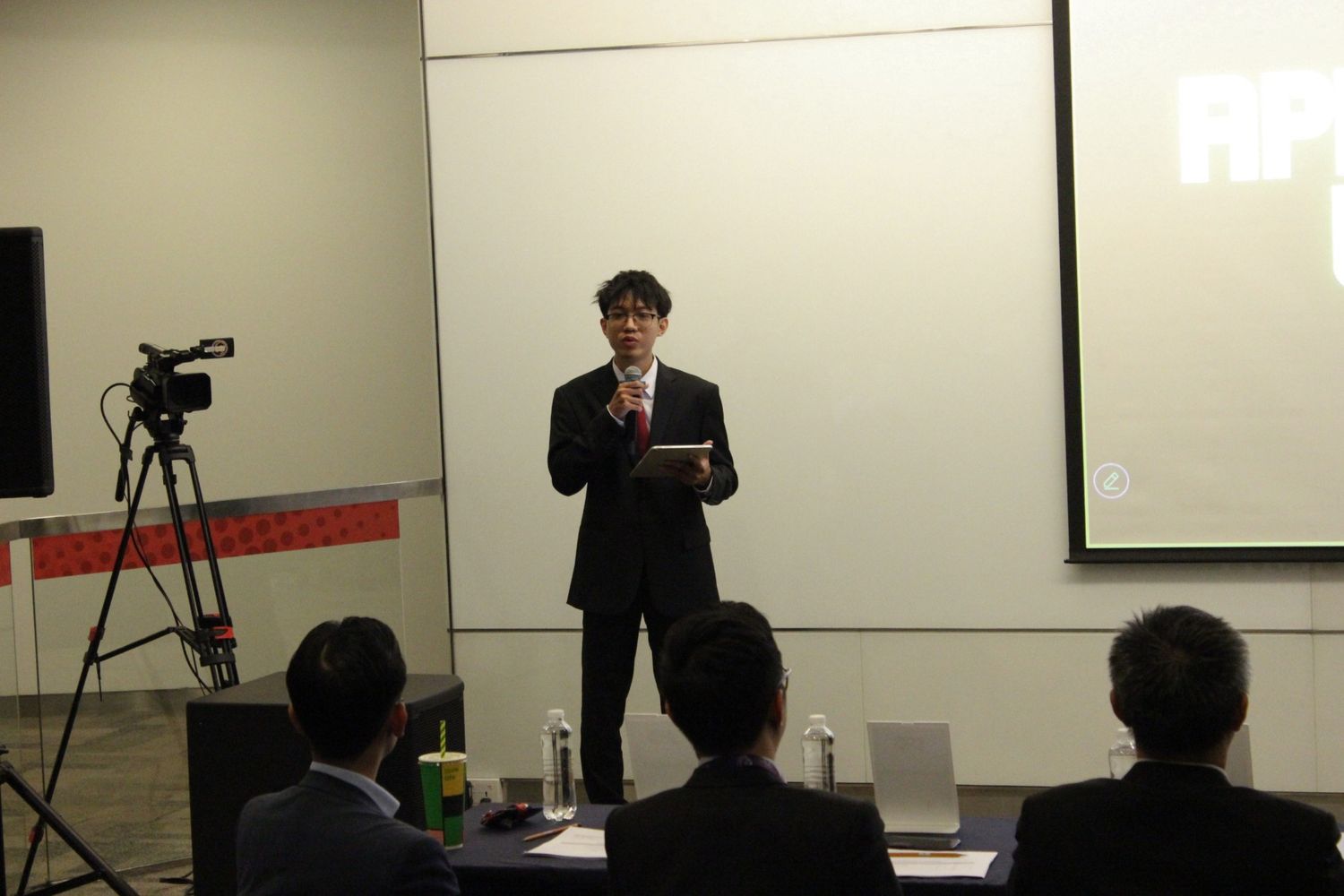
The event drew over 100 participants, with strong engagement across its activities

“We have to prove that our competition is worth it,” Quoc Tri shared, speaking from the position of a young competition still building its reputation. But proof, they learned, was not only delivered through polished slides, but through careful preparation. Structured workshops, a clear execution of the roadmap, and consistent clarity of purpose demonstrated that they were not just presenting an idea but delivering a plan ready to be realised. 

Van Khue shared that the most meaningful validation did not come from a cold email turning into a contract. After witnessing months of preparation and execution, a mentor chose to become a sponsor himself. As Van Khue observed, stakeholders struggle to visualize the competition's potential, but "when mentors or advisors become directly involved, they gradually build trust through proximity, observing how the competition evolves." 

Such involvement serves as the bridge to belief, turning scepticism into support and support into advocacy, paving the way for partnerships with academic mentors, judges, and guest speakers from RMIT, Vingroup JSC, PwC Vietnam, and NEAX & Hilios AI,...  

Hack-A-Venture as the blueprint for future organisers

Hack-A-Venture 2025 proves that scale does not begin with authority, but with initiative. With 385 participants from 32 universities across Vietnam and more than 91,000 media reach, the competition stands as a testament to what student-led ambition can achieve when grounded in ownership, adaptability, and earned trust. 

The blueprint they’ve created isn’t found in organisational charts; it lives in a mindset of bold action. “Grab the chances,” Vu Tam urges future organisers. “You won’t know how it will turn into valuable experiences and knowledge.”  

“Having confidence in yourself and trusting that you can deliver is a very important factor. It’s what motivates you to keep going,” Quoc Tri added. 

The event drew over 100 participants, with strong engagement across its activities

For students who have ever wondered whether their ideas are “too big” or “too early,” the journey of RMIT Fintech Club offers a quiet but powerful reminder: credibility is built step by step, leadership is learned through action, and impact begins the moment students choose not just to participate in change, but to initiate it.

Story: Tram Hoang, a Professional Communication student at RMIT Vietnam. This article does not reflect the views of RMIT Vietnam.

03 March 2026

Share

More news