
There’s more to stories than telling: From delivering messages to understanding people

There’s more to stories than telling: From delivering messages to understanding people

What began as a love of storytelling grew into a deeper curiosity about people, culture and the ways meaning is made. That journey eventually led My Tam, a Professional Communication student, back to Hoi An, where she brought that understanding into her work, using storytelling not just to inform, but to help younger audiences connect more deeply with cultural heritage.

Living in it without looking

I grew up around culture without really thinking about it. By the time I found myself in Hoi An, after having moved through more than one place and eventually returning, culture was already something I had been in and out of without noticing. In Hoi An, it was just there, familiar to the point of being invisible. I did not question it. I did not try to understand it. I simply lived in it. 

Maybe it was also because I never really stayed in one place long enough. I grew up moving between different parts of the country, and even when I returned to Hanoi for university while still calling Hoi An home, that sense of in-between never quite left. It was through those constant shifts that I began to notice the differences more clearly than before, between the North and the Central region, in the way people speak, behave, and see the world. Stories are told differently because they are shaped by the teller’s world. 

At the time, I did not have the language for it. I only knew that I had always been drawn to stories, first as someone who consumed them obsessively, and then as someone who could not help but make them too. I wrote, I photographed, I painted, and somewhere along the way, words became the medium that stayed with me the longest. So I brought that with me when I chose to study Professional Communication at RMIT. 

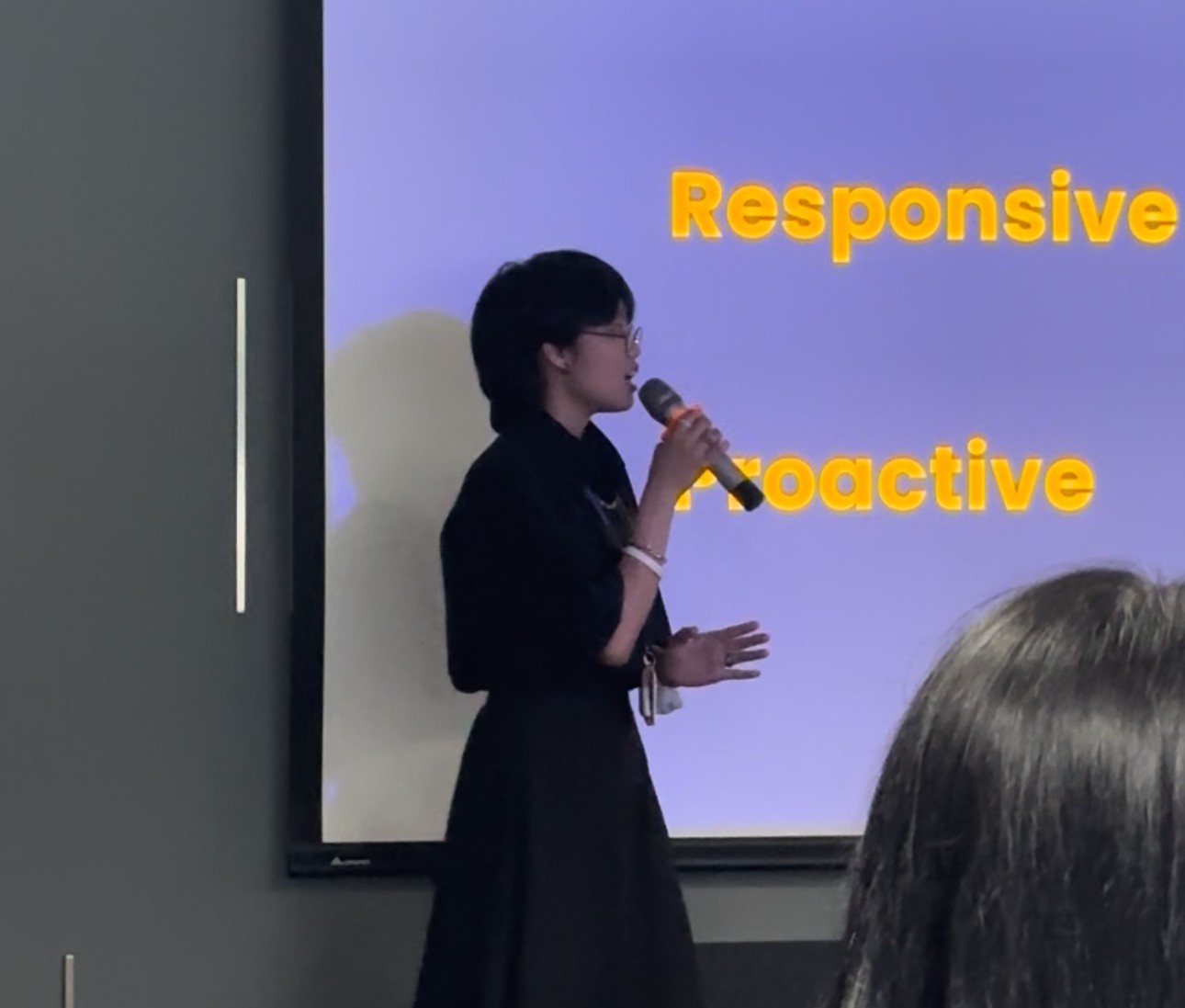
my-tam-1-presenting.

The first semester came, and I got to tell stories. For commercial brands, though. I wouldn’t say I disliked it, but I didn’t quite favor the thought that I was telling merely to sell something for someone else. Advertising is an art, yes, and I would fight with my life to defend it if someone dared to speak ill of this sophisticated practice, but I couldn’t imagine living with it for the rest of my life. I wanted to tell stories the other way, even when I hadn’t found that way yet. 

Despite my mild dissatisfaction with what I was being taught to do, I did them quite well. Telling stories, after all, is just telling stories. When you knew the formulas of how people want to hear stories, you could have for yourself charming ones to tell. I had told thousands of stories before I came here; apparently, I knew what to do. It felt familiar, almost too familiar. 

At some point, I remember thinking, “So this is Communication, huh?” 

That was enough, until it wasn’t

Not until I took the course Professional Communication Foundations did I find out I actually knew nothing about Communication at all. I always love to refer back to that Dunning-Kruger effect, where you thought you were on top of the mountain, when in fact, you had just stepped off the tourist van at the foothills. If the road is too easy, you are probably just wandering around the mainstream area, and everything you see has already been seen by everyone else. 

It was this course’s lecturer, Duong Tran, who fueled my aspiration for exploring the inner worlds of people, or should I say, their “culture”, on my journey to the Communication mountaintop. For the first time in forever, as a storyteller, I started to care about those listeners rather than the stories I tell them. 

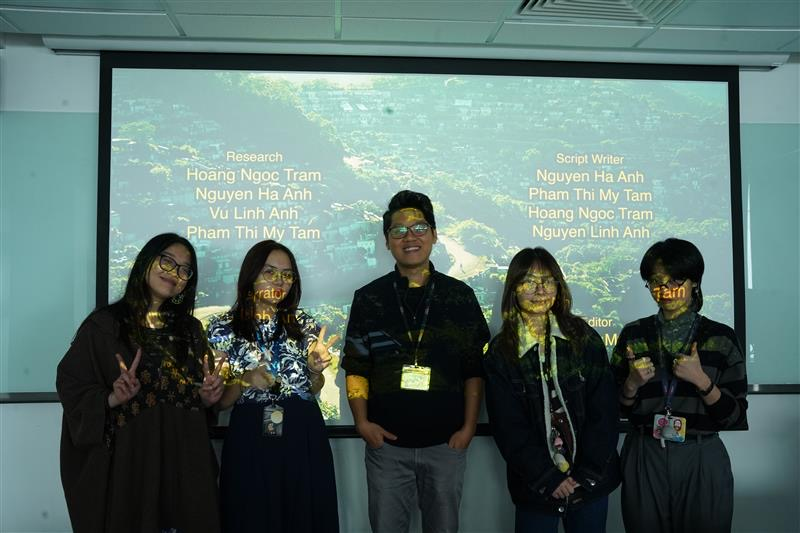
my-tam-2-with-teammates

Turns out there is more to a story than just how it is told. Why does someone understand it one way and not another? Why does it resonate with one group but not with others? If they were the ones telling it, how would they do it? 

After that foundation course, which I often playfully refer to as a “canon event”, the word “culture” slowly became something much more personal to me. I began to notice it everywhere, especially in the place I had always taken for granted, my own country. 

In class, I began to approach every assignment through that lens. What I aimed for when developing a campaign was no longer just delivering a message. I found myself asking: Who is this for? What kind of context are they living in? Why would this message speak to them, and not to someone else? 

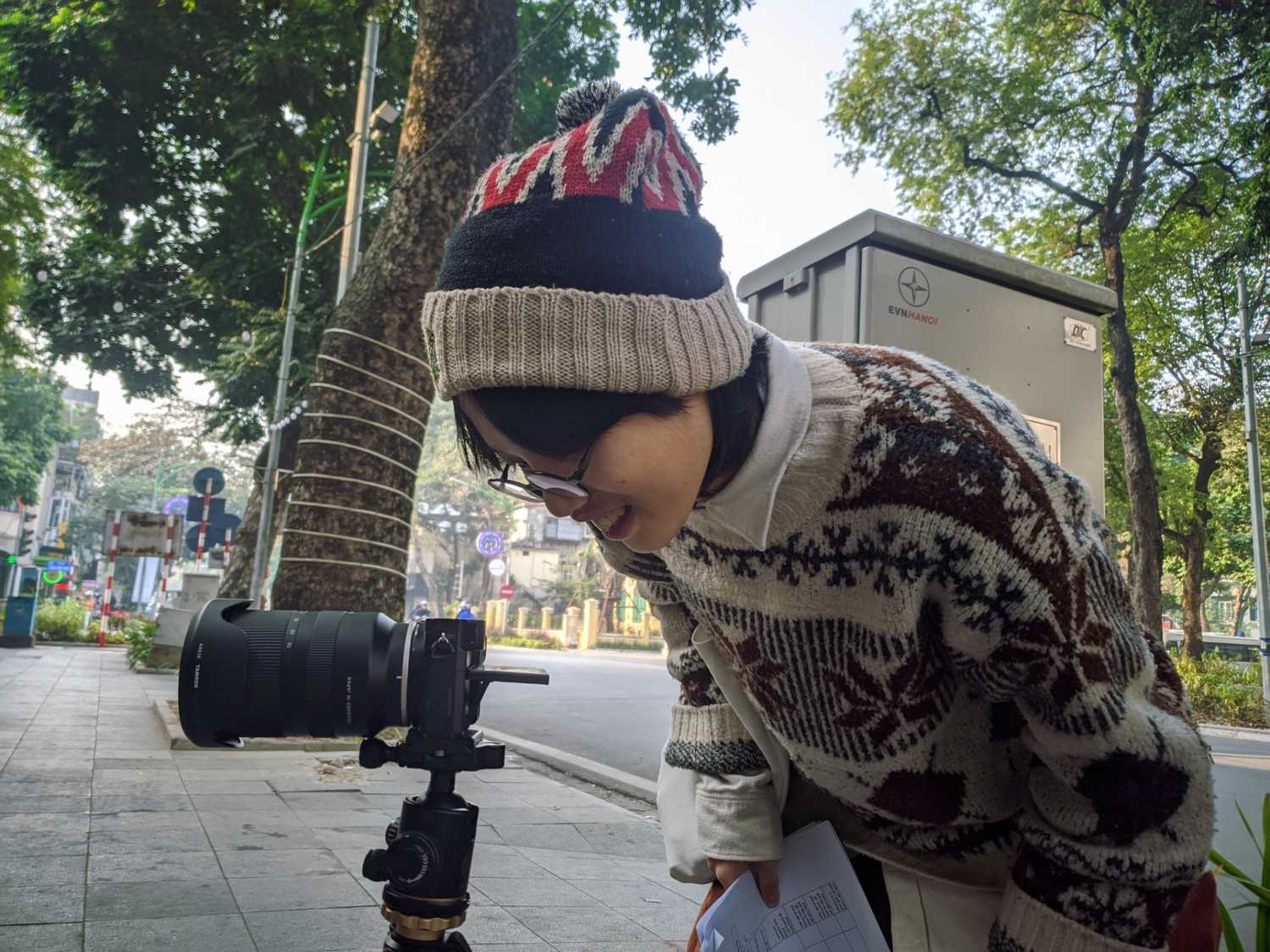
my-tam-1-with-camera

The art of telling culture

That shift followed me into my internship, where I decided to return to Hoi An and work at the Hoi An World Cultural Heritage Conservation Center. It felt like the most natural decision I could make, not just going home, but going back with a meaningful purpose. 

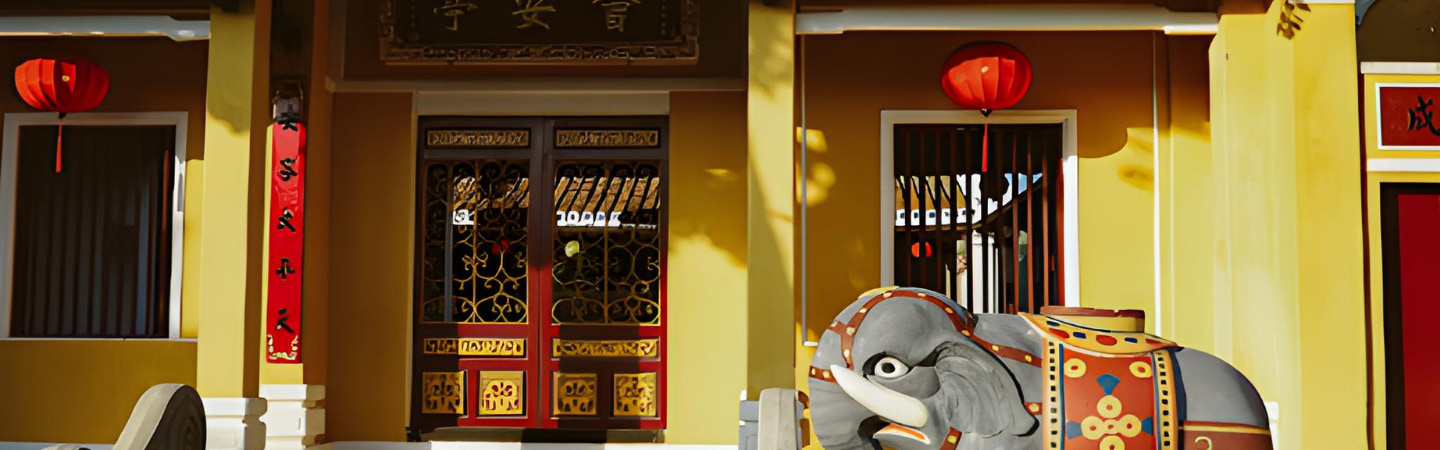
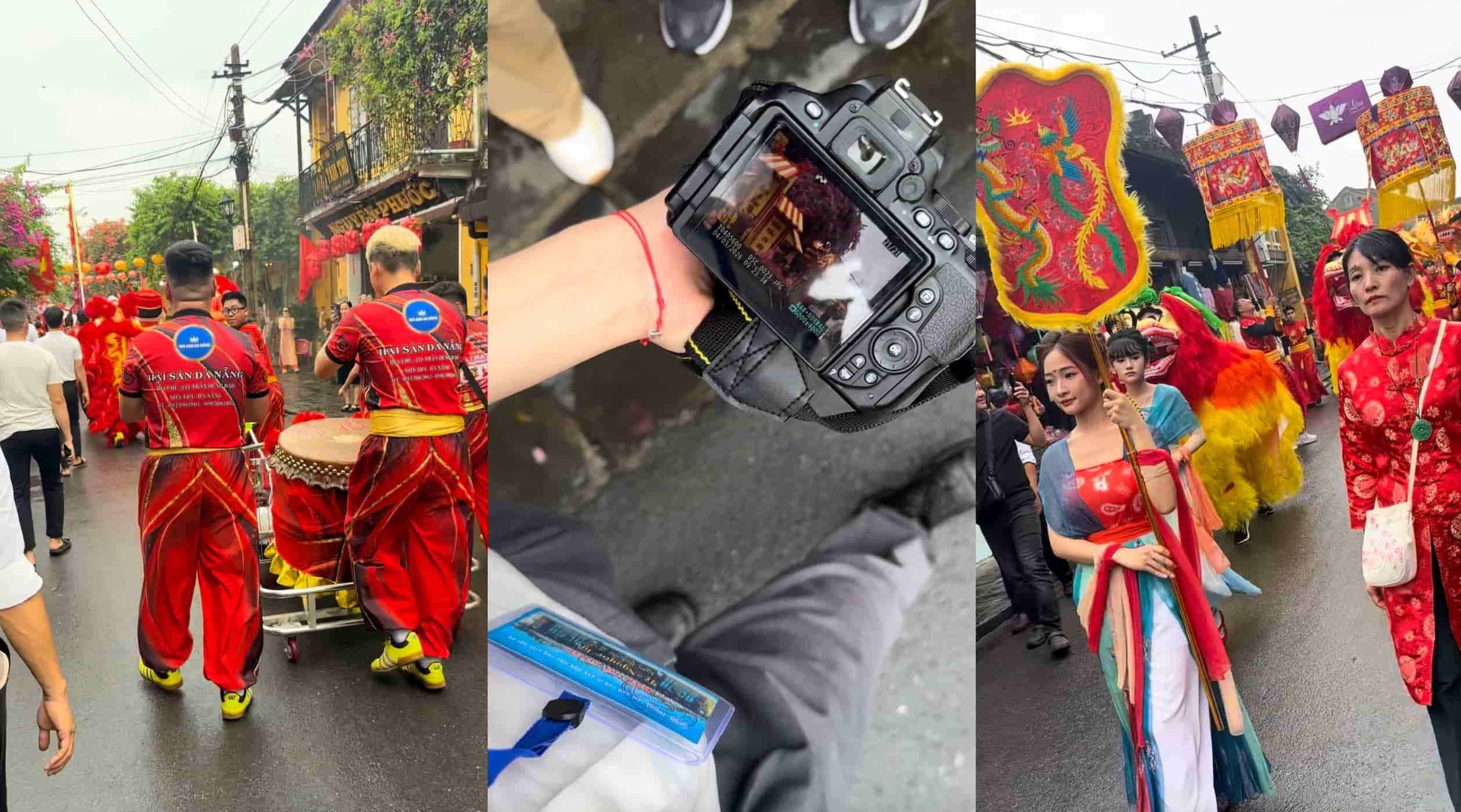
At the Centre, as I had been excited for, culture was not something abstract. It was present in everything. In the preserved architecture of the ancient town, in the details of old houses and assembly halls, in the festivals that still bring the streets to life, and in the everyday practices that locals continue without thinking much about them. I found myself drawn to all of it, as someone trying to understand and communicate its value. 

My role was to support communication work, but what that really meant was learning how to translate cultural knowledge into something people could connect with. 

my-tam-4-at-hoi-an-scenary

Writing about a heritage site was not simply about describing it. It was about deciding what part of it would matter to the people reading, especially younger audiences, and how to present it in a way that feels close rather than distant. At one point, while working on content related to the Centre’s activities, I found myself stuck on something unexpectedly simple: if a festival or architectural site had to compete with ten seconds of someone’s attention span, what exactly would make them stop? Certainly not a paragraph full of official descriptions.

So I began thinking less like an archive and more like a listener. Instead of treating heritage as something to be “introduced”, I started asking what tension, image, or human detail inside it was worth opening with. In other words, not “What is this?” but “Why should anyone care?” That question changed the way I approached everything after. 

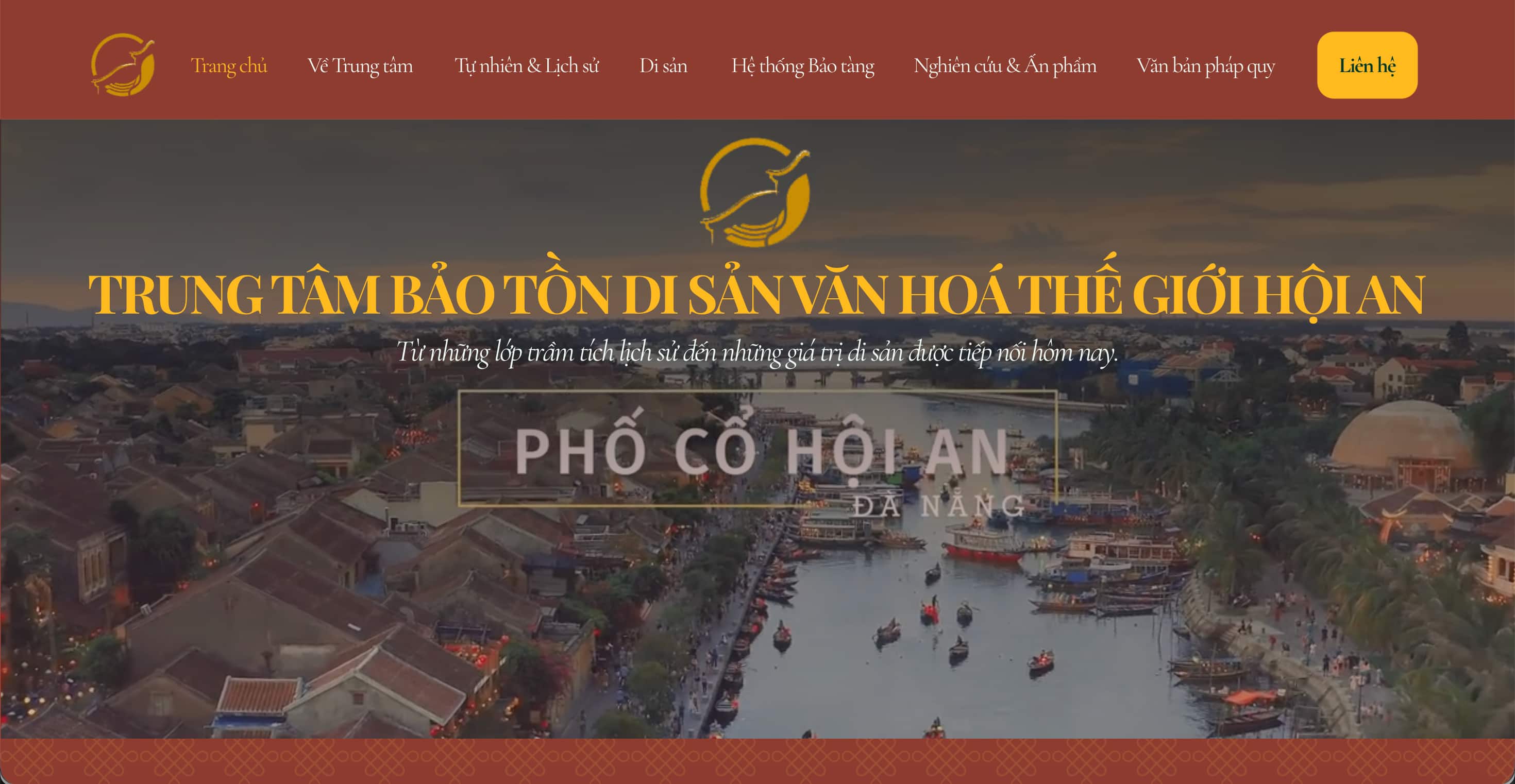
That leads to one of the first tasks I was assigned, which was to redesign the Centre’s website layout. At first, it sounded technical, almost detached from everything I had been thinking about. But the more I worked on it, the more I realised it was still, at its core, about storytelling. 

my-tam-5-hoi-an-world-cultural-heritage-conservation-center-wesbite-mockupHoi An World Cultural Heritage Conservation Center wesbite mockup

How information is arranged shapes how people understand it. What comes first, what is emphasised, how details are layered, all of these influence how someone moves through a story. A well-structured page could guide a visitor from a single building to the broader cultural context around it, without overwhelming them. 

That was especially clear to me when looking at how the website presented heritage information. Much of it was valuable, but buried. Important stories were often sitting several clicks deep, while the user experience did little to invite curiosity in the first place. In redesigning the layout, I was not just thinking about aesthetics or clarity, but rather about narrative entry points. If someone landed on the page knowing nothing about Hoi An, what would make them stay? What would make them want to keep going? I wanted the structure itself to do part of the communication work, to let people move through heritage not as a static archive, but as something alive, layered, and worth exploring. 

In that sense, I was no longer just telling stories. I was shaping how people access them. 

Even when the task seemed technical on the surface, I still found myself tracing it back to people, to their habits, attention, assumptions, and ways of seeing. Gradually, my interest had shifted beyond storytelling itself, toward the people behind stories, and the layers that shape how stories are told, received, and understood. 

What I was trying to do, across all of these tasks, was to make culture feel closer, especially for younger audiences. Cultural heritage can often feel distant, something preserved but not necessarily lived. But when it is communicated in the right way, it becomes something people can relate to, something they can see themselves in. 

An answer, eventually

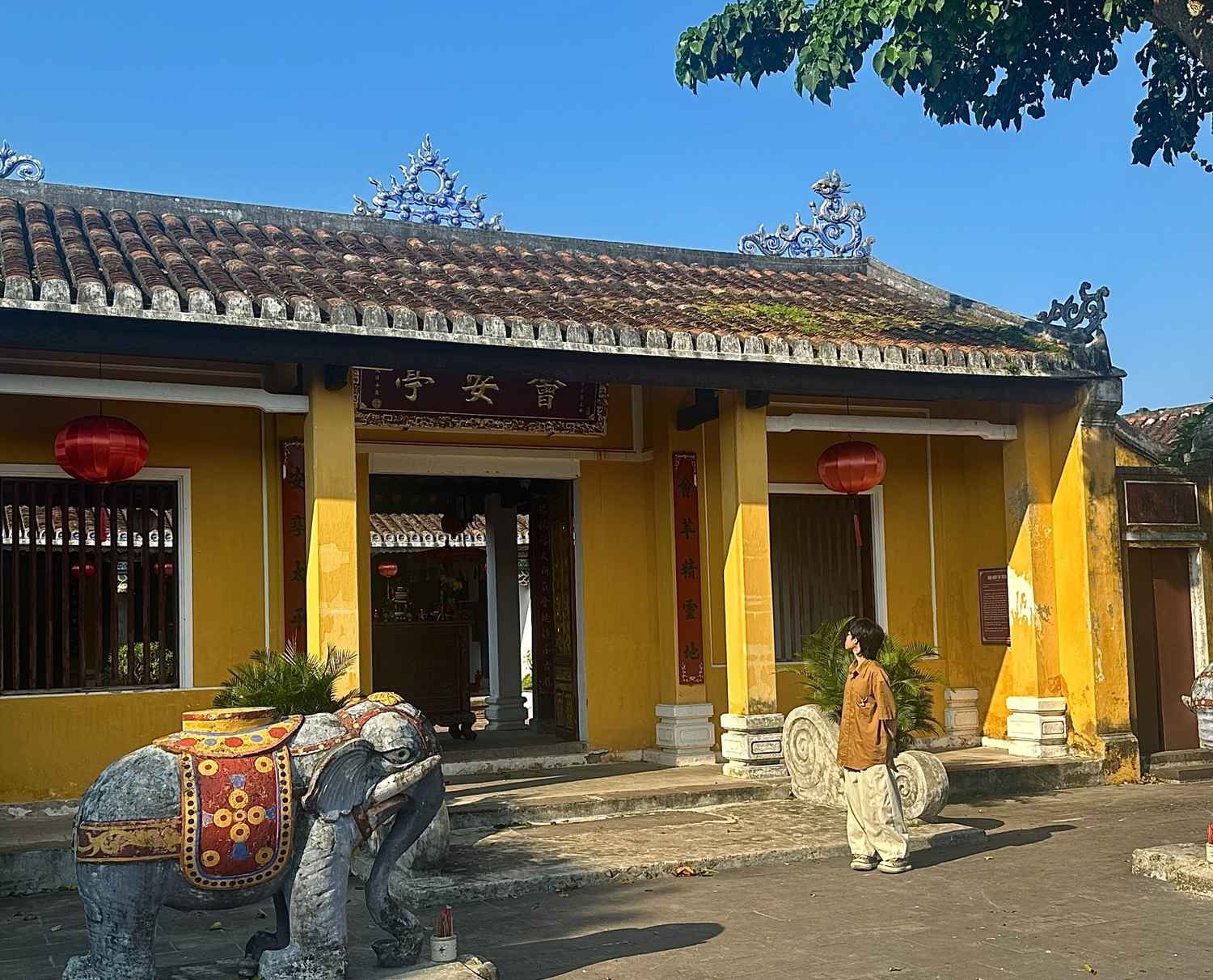
my-tam-6-at-hoi-an

Looking back at my time at RMIT, I think I finally have an answer to the “What is your passion?” question I used to avoid. 

It was never just “telling stories.” It was the curiosity about people that slowly grew into an interest in the ways they make meaning, and eventually, into culture. 

Never did I imagine I would discover my passion at university. But it turned out that the most ordinary parts of university life, just a course, just a kind lecturer, just a quiet interest in something, were enough to lead me there. Perhaps it was never something to be found all at once, but something you arrive at, gradually, without quite noticing. 

Communication was the path that helped me get there. It gave me the tools to move from simply telling stories to understanding why they matter and how they can be told in ways that connect. 

And now, I get to tell stories the other way, not solely to be heard, but to preserve, to connect, and to contribute, even in small ways, to the continuation of the culture that shaped me. 

Story: Pham Thi My Tam, a Professional Communication student. This article does not reflect the views of RMIT Vietnam as an institution.

22 April 2026

Share

More news