
Lessons from a multi-award-winning student start-up team

Lessons from a multi-award-winning student start-up team

Three RMIT Vietnam students, driven by curiosity and a sense of responsibility, achieved what many young innovators aspire to: three top prizes at international competitions with their sustainable solutions, turning local challenges into world-class impact through creativity, teamwork, and relentless curiosity.

Someday is not a strategy

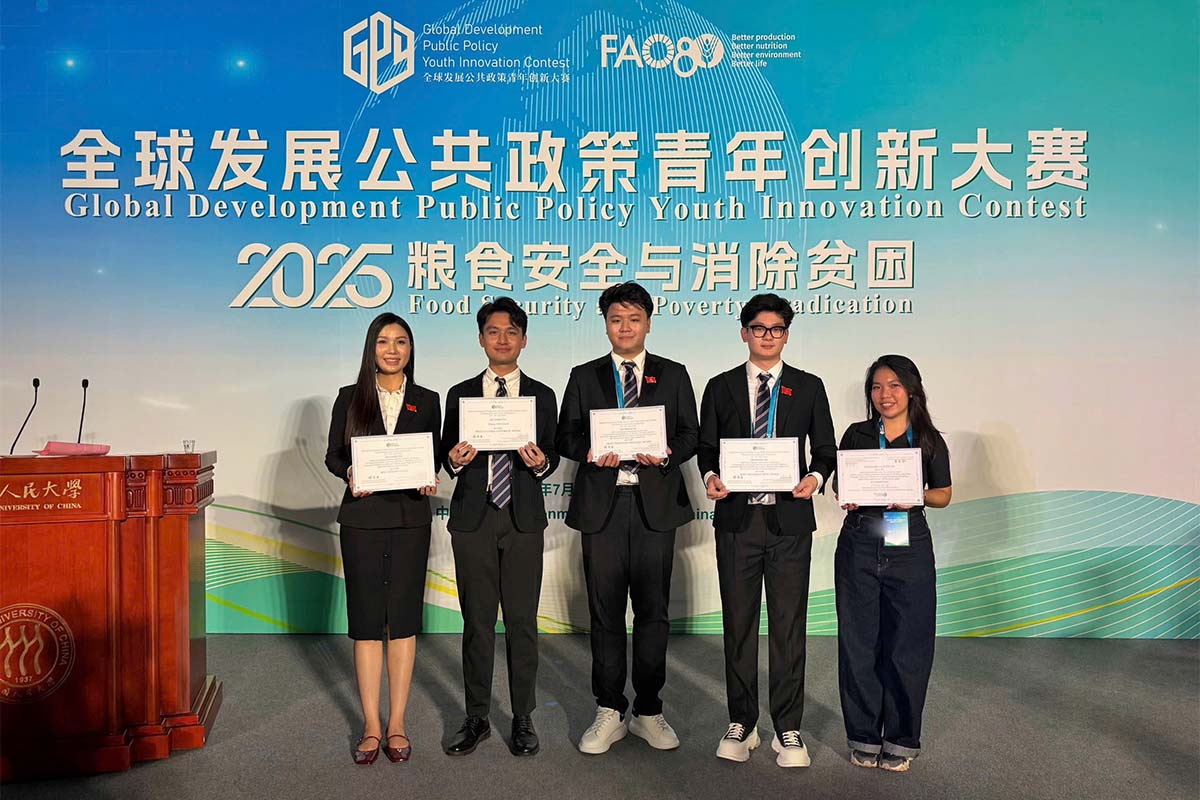
Before the headlines and international stages, Huỳnh Duy Thông (International Business), Lương Chí Thành (Global Business), and Lê Thanh Trúc (Digital Marketing) were three RMIT Vietnam students driven by curiosity and a sense of responsibility. Yet, they achieved what many young innovators aspire to: sweeping Gold at the China International Student Innovation Competition, then Second Place at the UNIVSTAR Vietnam–Korea Innovation Challenge, and Second Place globally at the Public Policy Youth Innovation Competition in Beijing. 

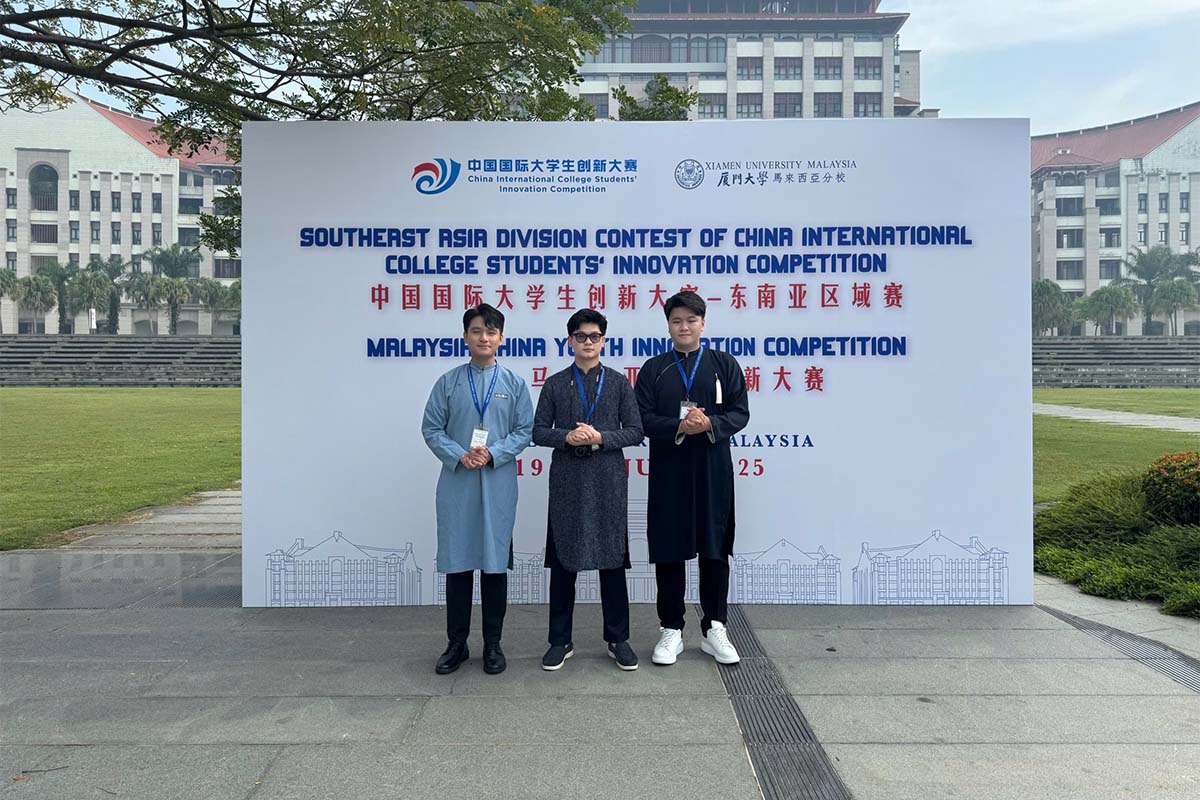
Shining at the China International Student Innovation Competition with a Gold Prize. Shining at the China International Student Innovation Competition with a Gold Prize.

Their journey began with a shared recognition, as Thong shared: “The world is facing urgent challenges, from climate anxiety to resource waste, and we didn’t want to wait until graduation to contribute.” Competitions became their testing grounds: places where they could turn theories into prototypes, run lab trials, and refine ideas with industry feedback, turning what they had learned at RMIT into real impact. 

This joint determination led them to develop their twin projects, Nhiên and JORP (Just Organics Renewable Program). Nhiên transforms fermented coconut water waste into biodegradable vegan leather, blending Vietnam’s agricultural heritage with biotechnology to produce a cruelty-free, plastic-free material with a meaningful narrative. JORP, meanwhile, integrates Micro Modular Anaerobic Digestion with a digital Enterprise Resource Planning system, turning food waste from university campuses into biogas, fertilizer, and carbon credits while empowering communities through transparent, data-driven waste management.  

Beyond just ideas, both projects in real policy frameworks, namely the Vietnam’s Green Growth Strategy (2021–2030), the Vietnam’s Law on Environmental Protection (2020) and Decision 08/2020/QĐ-TTg respectively. They were also backed lab trials and surveys across 40 universities, the team ensured their ideas were not only innovative but feasible and scalable. By the time the time reached Beijing, the projects were already feasible products, ready to be implemented.   

Innovation for the right cause

Behind their projects are personal experiences that quietly shaped the team’s approach. Growing up around his father’s aluminum workshop, Thông saw firsthand how much resourcefulness matters when waste starts to pile up. Meanwhile, Thành’s years of volunteering in environmental education revealed a recurring pattern: large, inspiring visions often collapse without simple, implementable systems behind them. Trúc, working from a marketing perspective, also acknowledges that sustainability only becomes socially real when it feels emotionally relatable to people’s lives, not just morally correct on paper. 

Their academic paths mirrored this diversity. Coming from International Business, Global Business and Digital Marketing, their differences became an asset rather than a barrier. Business brought feasibility, global strategy brought scalability, and communication brought soul. “Together, we formed what felt like a mini start-up, one that balanced science with storytelling, economics with empathy. Innovation, we realised, doesn’t happen in silos. It happens when different ways of thinking start listening to each other,” shared Thong.  

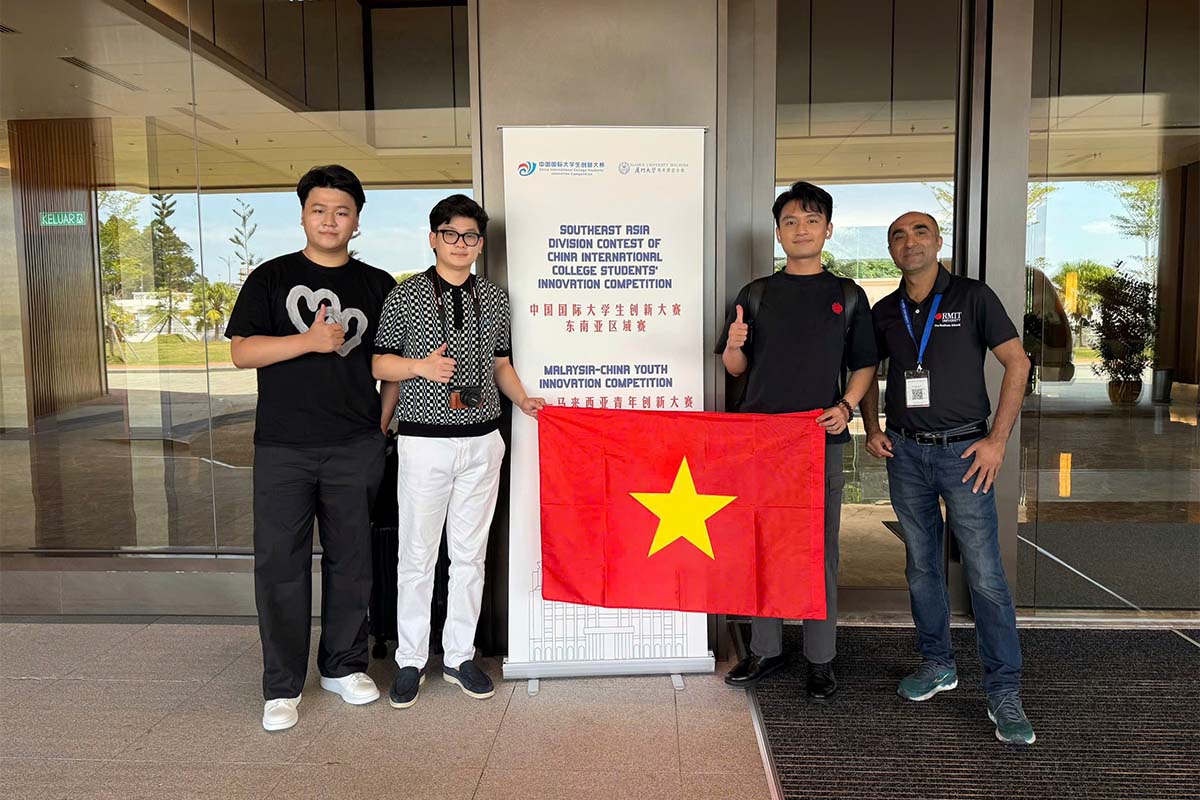
The team’s journey to the China International Student Innovation Competition. The team’s journey to the China International Student Innovation Competition.

Together, the team tested the game extensively, ensuring each card conveyed the story of the spirit it represented. One key innovation is how the game treats death. In Âm Binh, inspired by Vietnamese beliefs, death is not the end; it opens the possibility of reincarnation. Players can return and continue, making the gameplay distinctive and true to its cultural roots. 

Innovation begins within oneself

For the team, the most valuable outcome of their journey was not the trophies but the shift in how they understood innovation. “Innovation is not about intelligence, it’s about endurance. We learned that creativity only matters when paired with resilience, humility, and the willingness to rebuild.” Thông added, “We also learned to redefine success not as applause but as impact sustained beyond the stage.” 

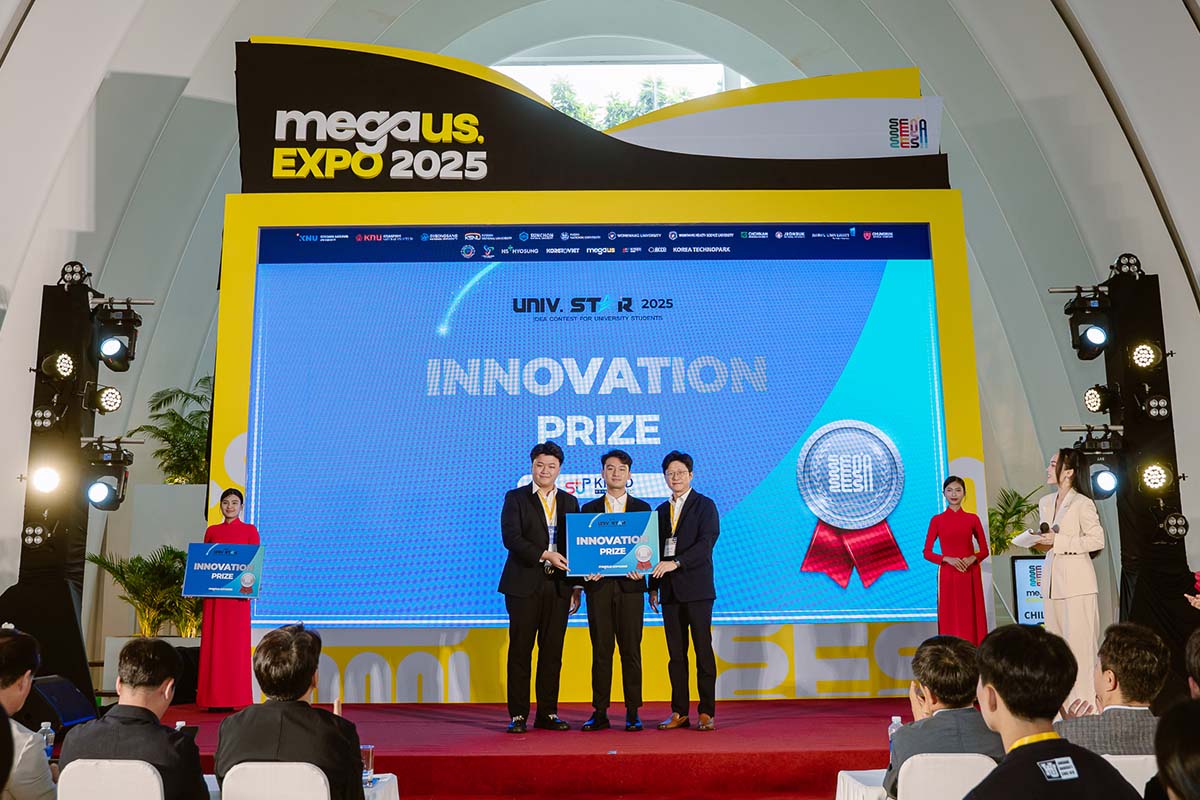
Taking home Second Place at the UNIVSTAR Vietnam–Korea Innovation Challenge. Taking home Second Place at the UNIVSTAR Vietnam–Korea Innovation Challenge.

That mindset underpins the advice they offer to other students. Rather than waiting to “feel ready”, they encourage starting small but deliberately: observe one problem you see every day, collaborate with someone outside your major, and prototype something simple to test in the real world. A single pilot or prototype, they believe, can grow into something bigger if you keep improving it.  

As the team reflected on their journey, they shared a message that encapsulates their philosophy: “Innovation doesn’t begin in fancy labs or boardrooms; it begins in moments of empathy, frustration, and hope. At RMIT, we learned that ideas only gain power when they step beyond the classroom and start changing lives.”  

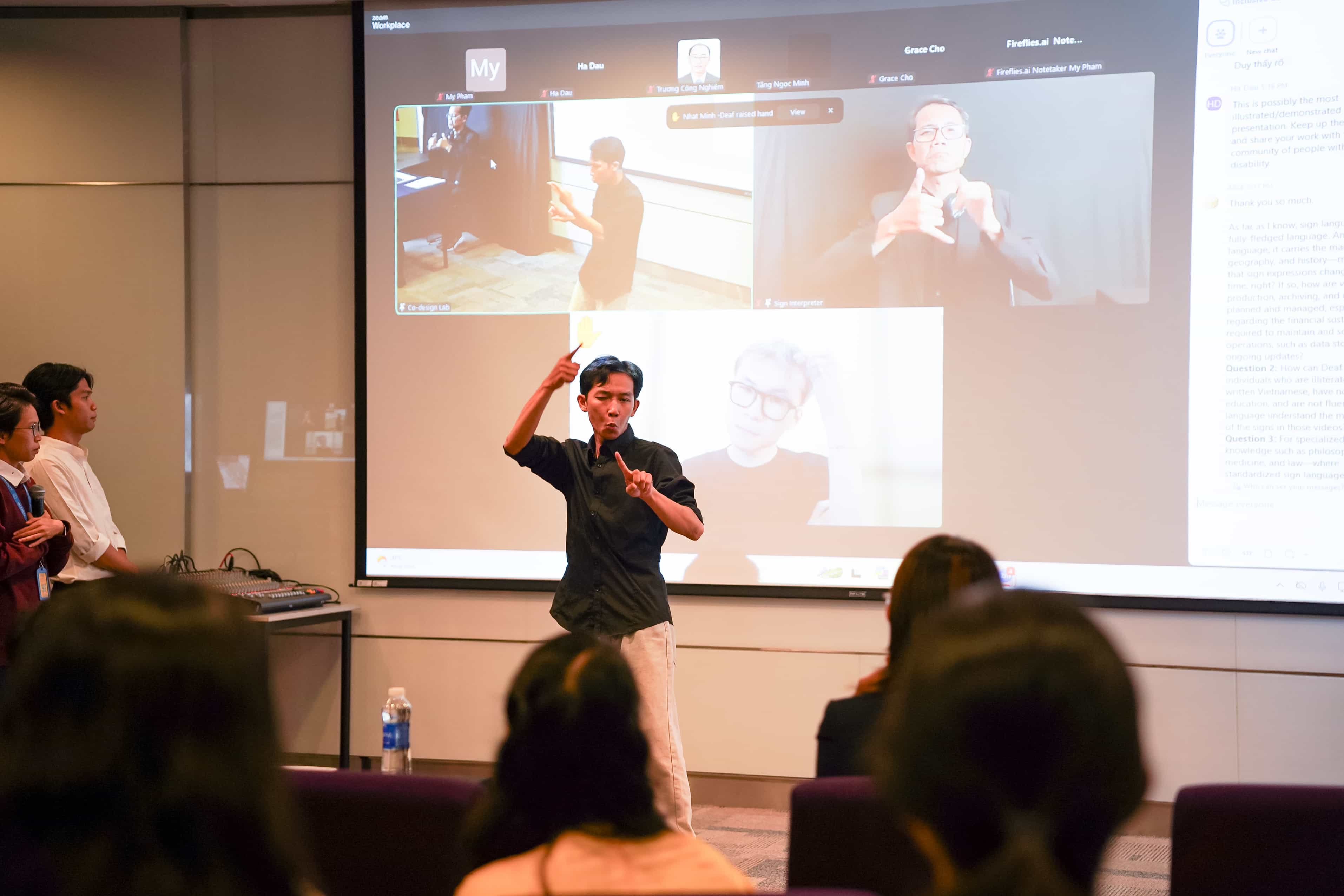
Representing RMIT Vietnam on the global stage at the Public Policy Youth Innovation Competition in Beijing. Representing RMIT Vietnam on the global stage at the Public Policy Youth Innovation Competition in Beijing.

Thông, Thành, and Trúc’s journey is a reminder that meaningful impact doesn’t begin someday in the future; it begins the moment you choose to start with the problem that moves you and the people around you. 

Story: Hoang Ngoc Tram, Professional Communication student. This article does not reflect the views of RMIT Vietnam as an institution.

29 November 2025

Share

More news