
Beyond pride: Discovering true inclusivity through leadership

Beyond pride: Discovering true inclusivity through leadership

On Thanh Tu's journey in founding RMIT Queer and Alliance Club, she's learned that real leadership begins when you make space for others to be heard, that’s where inclusivity starts to grow.

The beginning of RQAC

Lead. Leading. Leadership. Three forms of the same word, all rooted in one simple idea: to move first and influence direction, whether it’s people, ideas, or actions.

Back in high school, I used to believe that good leadership meant being loud, dominant, and having everything figured out. When I first entered university, I was having a difficult time relating to new friends. Meeting deadlines and socialising in clubs always gives me anxiety. But as a Bachelor of Professional Communication student, I’ve always been drawn to storytelling and to creating and joining communities that can help make a difference. Still, at the time, I didn’t think I was the kind of person who could truly lead one. 

Everything shifted during RMIT Pride Week 2023. It was where I met like-minded friends who made me feel seen for the first time. Nevertheless, while joining one of the events, we noticed that there were not many students joining the event, and even if they did, not many felt safe enough to share their own experiences. That’s when the new friends and I started asking "What if there’s a club that could make people feel safe to be themselves?” and somehow it just stuck. It felt crazy, I doubted myself a lot, but for the first time I wanted to trust my gut. Even if it doesn’t work out, at least it would be a beautiful memory we created together.
And that’s how Queer and Alliance club was born. We came up with the name because we didn’t want it to be a space for queer students, but also for allies, people who wanted to learn, to connect. 

Turning challenges into opportunities

Coming up with the name was one thing, but starting the club wasn’t easy. We faced many challenges to get students to join the club. Some students hadn’t come out yet, some wanted privacy, and others were still unsure about being involved.

When challenges came up, we were scared, of course, but we kept going and learning to figure things out, even through the fear. During those moments, we realised that many of the challenges we faced were exactly where students needed support the most.

To make every student feel safe, we adjusted some of our club’s policies to better protect member’s privacy. Everything that is shared or discussed within the club stays within the club. We also changed the way we promoted ourselves on social media and events, asking for students’ consent before taking photos and creating private registration forms. Eventually, the Schools even adopted these ideas as part of their own student policies. 

Later on, more students were just beginning to explore their queer identities and needed a friend, someone to listen and understand. So, we also changed how we communicated through social media and offline events. Instead of focusing only on Pride as a celebration, we shaped our activities around the real journey of a queer person: from learning and discovering, to finally embracing who they are. 

We also shifted our tone of voice to feel more like a close friend, warm, honest, and easy to connect with. One example was our Serenity exhibition in 2024, designed to mirror that journey, starting with moments of awareness through ice-breaker questions, and ending in release and acceptance at our confessions booth.

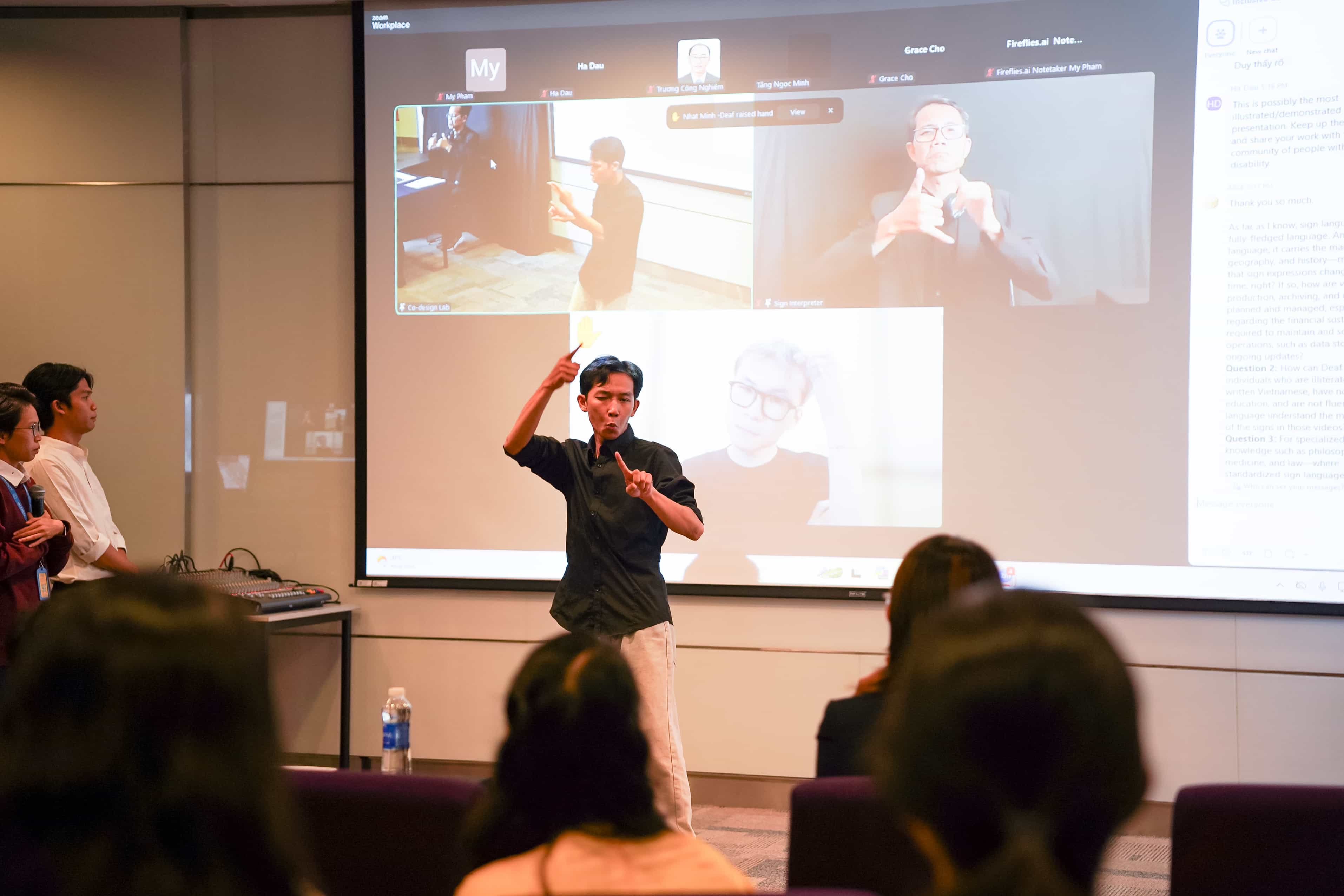
This year, as our club grows, we’re focusing on queer identities in the Vietnamese language,  helping students explore queer-related terms and how language shapes their meaning. 

And sure enough, once in a while, we’d get messages on Facebook and Instagram DMs from students and alumni thanking us for opening the club. Those messages meant a lot to me. They reminded me that what we were doing mattered. Through all of this, I learned what Inclusivity really means, not just in words, but in actions. It’s about speaking up, listening, and valuing each other, especially since we’re different. 

After 2 years, the most profound feeling for me is the sheer joy of never giving up. Each challenge, no matter how daunting, ultimately became a lesson in patience and resilience. It taught me the crucial importance of inclusivity and understanding. This journey has transformed me, and watching our members grow alongside me has been equally rewarding. RQAC to me has been more than a club, but a safe space of shared aspiration and support. We’ve built a space where everyone feels encouraged to contribute, fail, and rise again. This sense of unity, of building something meaningful with my peers, is what I cherish most, and is a reminder that this journey is worth every single step. 

For many more years to come, RQAC

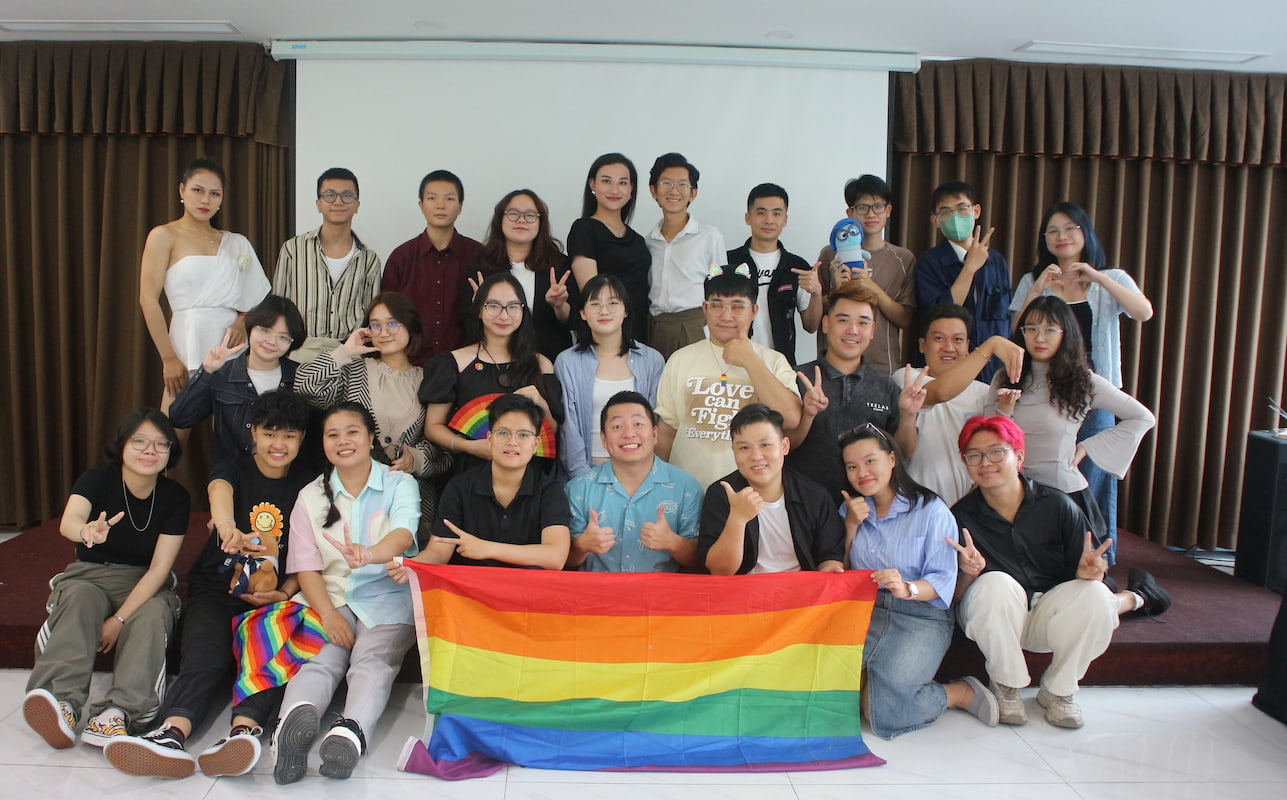
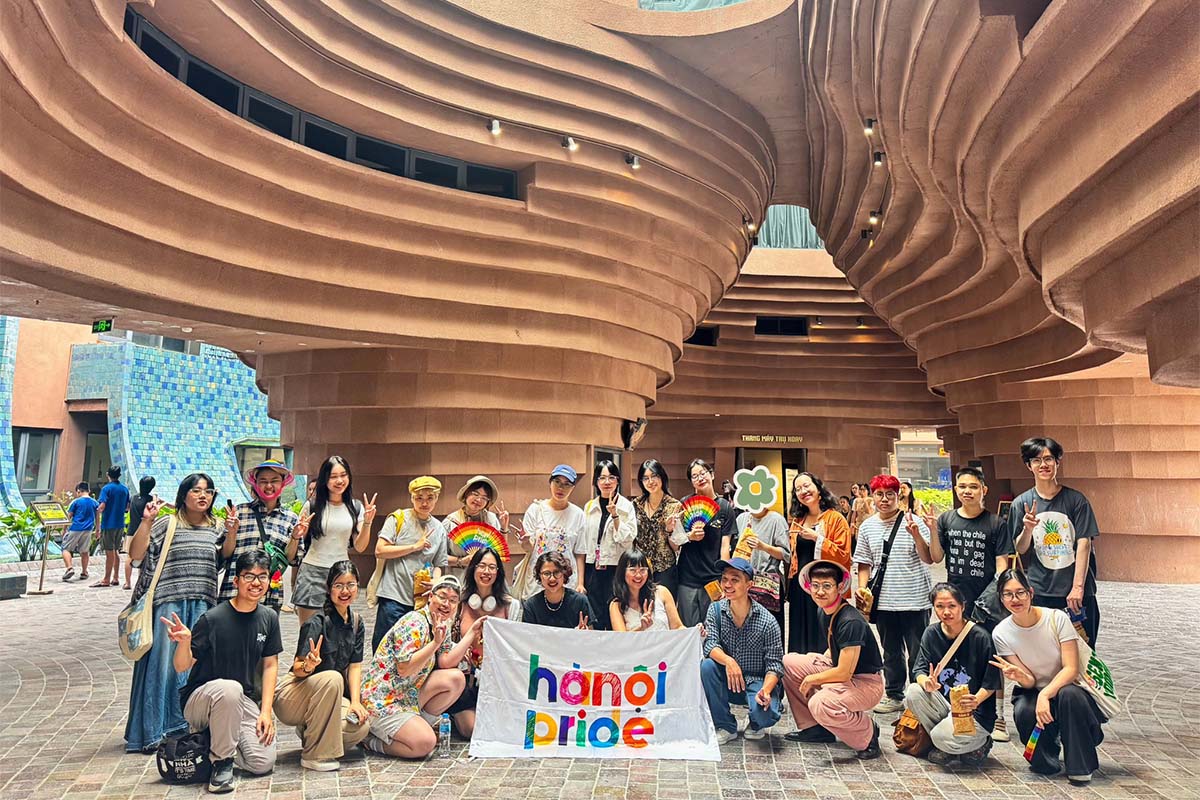
Since then, RQAC has grown so much and made queer visibility more present on campus. Thanks to the amazing teamwork of my very amazing team, we’ve worked with Hanoi Pride, created more inclusive events, and helped start more conversations about privacy, safety, and mental wellbeing for students in and outside of campus. We’ve also made so many new connections with other queer communities in Hanoi as well.

And one of the coolest things is seeing a queer club now open at the SGS campus. It’s great to know that what we started here is growing somewhere else too. One of my favourite memories is when we had a club bonding day, seeing our community come alive; watching my friends enjoying their time, being themselves, sharing and supporting each other freely. That’s when I feel like I have truly made something special.

Looking back, I realised that being a leader isn’t about being in charge or being the loudest in the room. It’s about caring enough to take action, and creating something that helps others feel like they belong. 

And maybe that’s what it truly means to lead: to walk beside people, not ahead of them.

Story: Nguyen Thanh Tu, a Professional Communication student from RMIT Queer and Alliance Club. This article does not reflect the views of RMIT Vietnam as an institution.

30 November 2025

Share

More news