Artificial Intelligence in Health Informatics

About the Artificial Intelligence in Health Informatics cluster

The Artificial Intelligence (AI) Health Informatics Research cluster advances healthcare by integrating AI and data science to improve patient care, address health inequalities and optimise healthcare delivery. Our interdisciplinary team leverages machine learning, natural language processing and predictive analytics to enhance decision-making, drive AI-based training for healthcare professionals, enable precision diagnostics in medical imaging and support effective public health communication. Through these efforts, we tackle critical challenges and promote informed, equitable healthcare.

Key themes

Photo of two male Asian doctors holding notebooks and discussing with each other
  • AI-based health informatics
  • Health inequality in AI technology
  • AI-driven training for healthcare professionals
  • AI-assisted publication health communication
  • AI-powered medical image analysis

Notable events

  • Established the Enabling Impact Network in Vaccines and Pandemic Preparedness 
  • Presented Keynote Speech in AI4VN 2024
  • Contributed two consultation papers to the Australian government regarding Health Inequality in AI Technology and Medical Education.
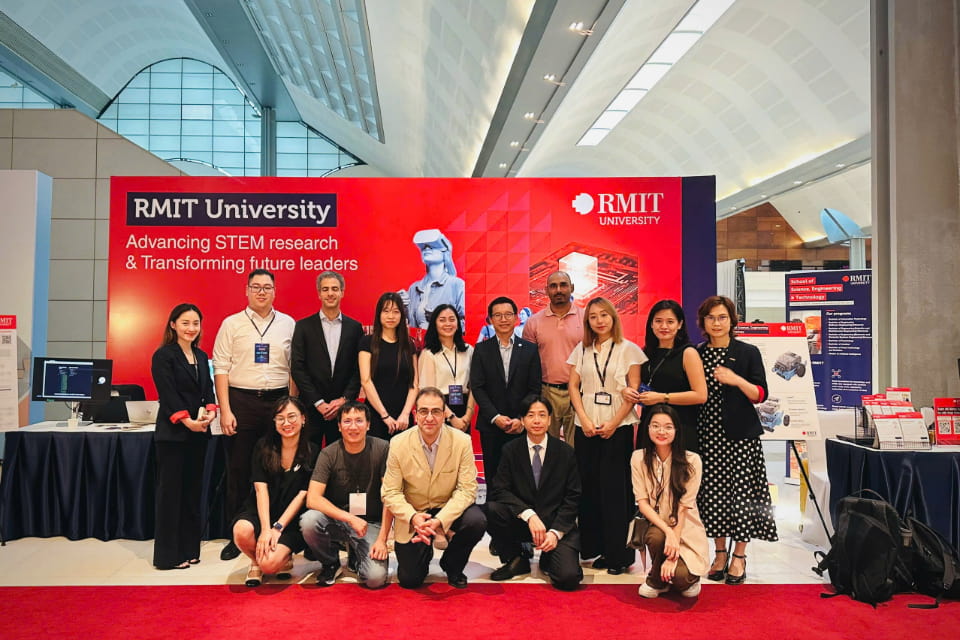
Photo of students and staff from RMIT attending the Advacing STEM research & Transforming future leaders conference

Key publications

  • Leung C.L.K., Li K.K., Tang A., Tam W.W.S., Wong S.Y.S., Wei W.I, Kwok K.O. (2026). Institutional Trust and Vaccination Delay as Key Metrics for Vaccination Rollout Success. Communications Medicine, 6(1):376. (SJR: Q1 – 9.24%) 
  • Tam W.S.W., Tung N., Lee S.X., Štiglic G., Huynh T., Tang A. (2026). Development and Evaluation of a Generative AI Chatbot for Database Searching in Systematic Review. Journal of Nursing Scholarship. 2026;58(2):e70076. (SJR: Q1 – 9.24%) 
  • Ahmed M.F., Whitby C.P., Popovich D.G., Ahmad R., & Rashidinejad A. (2026). Physicochemical Stability and Bio-Functionality of Liposome-Encapsulated Macadamia Husk Phenolic Extract. Foods. 2026;15(5):810. (SJR: Q1 – Top 5.08%)  
  • Culas M.S., Kaur L., Popovich D.G., & Rashidinejad A. (2025). Comparative efficiency of extraction techniques for bioactive compounds in Cinnamomum zeylanicum. Food Chemistry. 2025;493(Pt 3):145891. (SJR: Q1 – Top 2.59%) 
  • Vo H.T., Nguyen S., Tran A.T., Nguyen H., Ho H.B., Fowler P.W., Walker T.M., Nguyen T. (2025). Deep learning-based framework for Mycobacterium tuberculosis bacterial growth detection for antimicrobial susceptibility testing. Computational & Structural Biotechnology Journal. 2025;27:2208-2218. (SJR: Q1 – Top 7.74%) 
  • Lui, C.X., Yang, N., Tang, A., & Tam, W.W.S. (2025). Effectiveness evaluation of smart home technology in preventing and detecting falls in community and residential care settings for older adults: a systematic review and meta-analysis. Journal of the American Medical Directors Association, 26(1):105347. (SJR: Q1 - Top 1.74%) 
  • Tran, T.H., Vu, D.H., Tran, M.H., Dao, V.H., Vu, H., & Nguyen, T.T. (2025). GIFCOS-DT: One stage detection of gastrointestinal tract lesions from endoscopic images with distance transform, IEEE Access, 12, 163698-163714. (SJR: Q1 – Top 16.07%) 
  • Tang, A., Tung, N., Nguyen, H.Q., Kwok, K.O., Luong, S., Bui, N., Nguyen, G., & Tam, W. (2024). Health information for all: do large language models bridge or widen the digital divide? The BMJ, 387, e080208. (SJR: Q1 – Top 3.5%) 
  • Tang, A., Li, K.K., Kwok, K.O., Cao, L., Luong, S., & Tam, W. (2024). The importance of transparency: Declaring the use of generative artificial intelligence (AI) in academic writing. Journal of Nursing Scholarship, 56(2), 314–318. (SJR: Q1 - Top 10.27%) 
  • Woo, B., Huynh, T., Tang, A., Bui, N., Nguyen, G., & Tam, W. (2024). Transforming nursing with large language models: from concept to practice. European Journal of Cardiovascular Nursing, 23(5), 549–552. (SJR: Q1 – Top 3.57%) 
  • Wei, W.I., Leung, C.L.K., Tang, A., McNeil, E.B., Wong, S.Y.S., & Kwok, K.O. (2024). Extracting symptoms from free-text responses using ChatGPT among COVID-19 cases in Hong Kong. Clinical Microbiology and Infection, 30(1), 142.e1–142.e3. (SJR: Q1 – Top 3.0%) 

Cluster lead

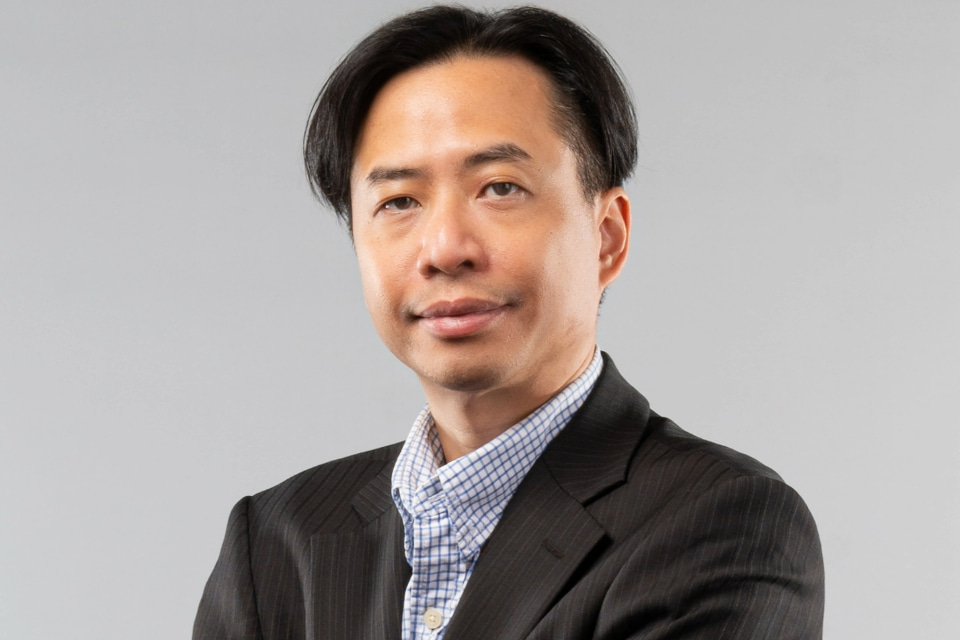
Photo of RMIT academic staff

Dr. Arthur Tang, Senior Lecturer

Dr. Arthur Tang is driving interdisciplinary research in AI Health Informatics through collaborations with prestigious institutions across Asia, including the National University of Singapore, the Chinese University of Hong Kong and the University of Hong Kong. His significant contributions to medical informatics are highlighted by policy citations from globally recognised organisations such as the US CDC and the WHO. He has authored more than 40 research articles in top-tier academic journals and has shared his expertise through opinion pieces and commentary in prominent media outlets.

Cluster members

PhD members

  • Khai Duy Doan
  • Tran Nguyen Binh Duc Huy
  • Vo Quoc Vu
  • To Minh Ngoc
  • Tom Huynh (Huynh Nguyen Minh Thong)
hands on a laptop on a wooden desk with stylish accents, a wallet and mobile phone beside the user.

Pursue a Graduate research degree at RMIT

RMIT offers fully funded scholarships (full tuition and a stipend of 14 million VND per month) for Vietnam based PhD candidates who fulfill the scholarship eligibility requirements, subject to availability of funding.

Contact our research team

Explore other research clusters