

How earthworms could keep old clothes out of landfill

How earthworms could keep old clothes out of landfill

What if your old clothes could help grow new life? RMIT University research shows earthworms could play an unexpected role in turning textile waste into nutrient-rich compost.
Your old clothes might have one final use after they leave your wardrobe – not as second-hand fashion or recycled fibres, but as compost.

While most conversations about sustainable fashion have focused on recycling and reuse, RMIT University researchers are exploring another option for garments that have reached the end of their life: turning them into nutrient-rich soil through composting.

The research, funded by the Cotton Research and Development Corporation (CRDC) and published in the Results in Engineering journal, addresses a growing global problem. Worldwide, more than 80% of textile waste ends up in landfill or is incinerated.

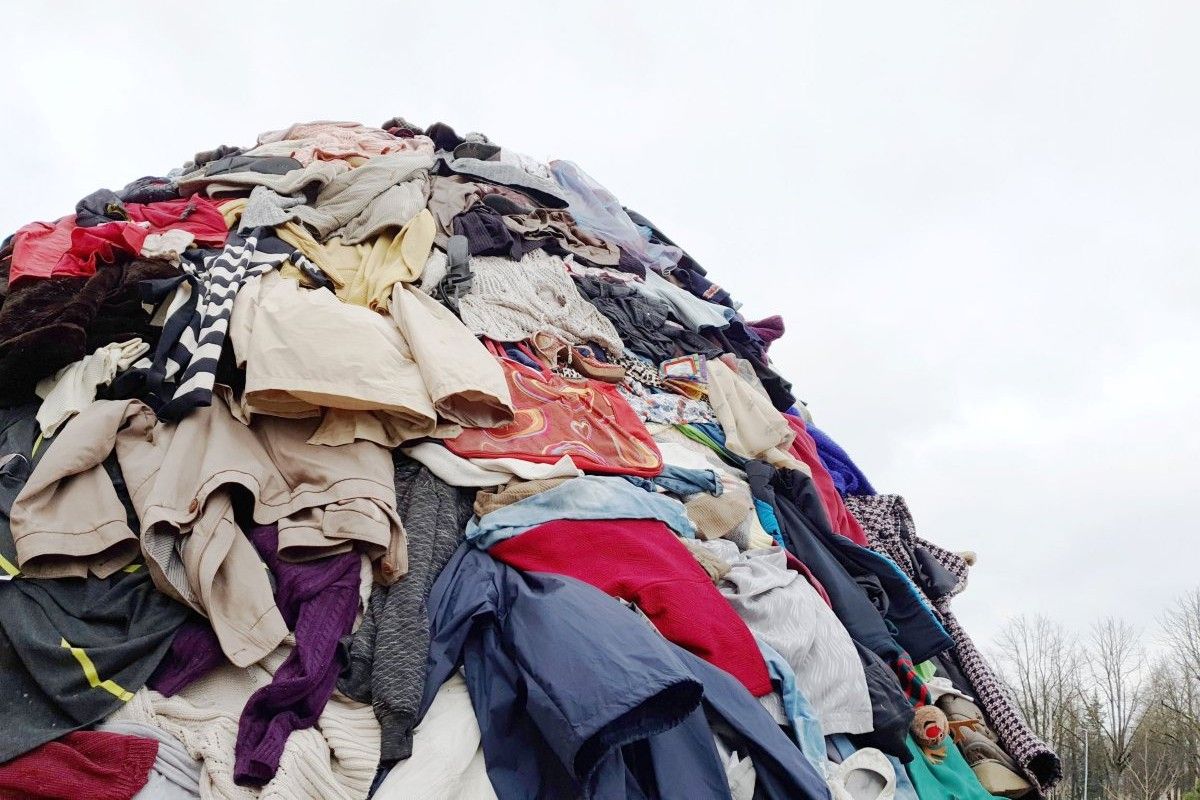
a high pile of discarded clothesTextile waste is a global problem. (Photo: annaspoka – stock.adobe.com)

For Vietnam, the challenge is especially significant. As one of the world's major textile and garment manufacturing hubs, the country generates large volumes of textile waste while still lacking large-scale recycling infrastructure.

According to lead researcher Professor Rajkishore Nayak from the Bachelor of Fashion (Enterprise) program at RMIT University Vietnam, textile composting offers a new pathway for circular fashion.

“Textile composting is the process of decomposition of textiles and clothing made from natural fibres into nutrient-rich organic soil through the action of microorganisms,” he explains.

“This process helps keep old garments out of landfill, recover resources, minimise greenhouse gas emissions, and transform waste into reusable products.”

Why earthworms may hold the answer

Textile composting itself is not a new concept. What RMIT’s research sought to understand was which composting approach works best.

The researchers found that vermicomposting, a process that uses earthworms to consume and break down organic matter, appears to offer the most effective solution for textile waste. Several advantages over conventional composting methods were identified.

“Compared to traditional aerobic composting, vermicomposting requires less space and energy, and it operates through a quicker and more efficient method, potentially generating economic opportunities in rural areas,” Professor Nayak says.

“Vermicomposting techniques are advised due to their simplicity and lower costs. They also offer better quality of compost and less odour release.”

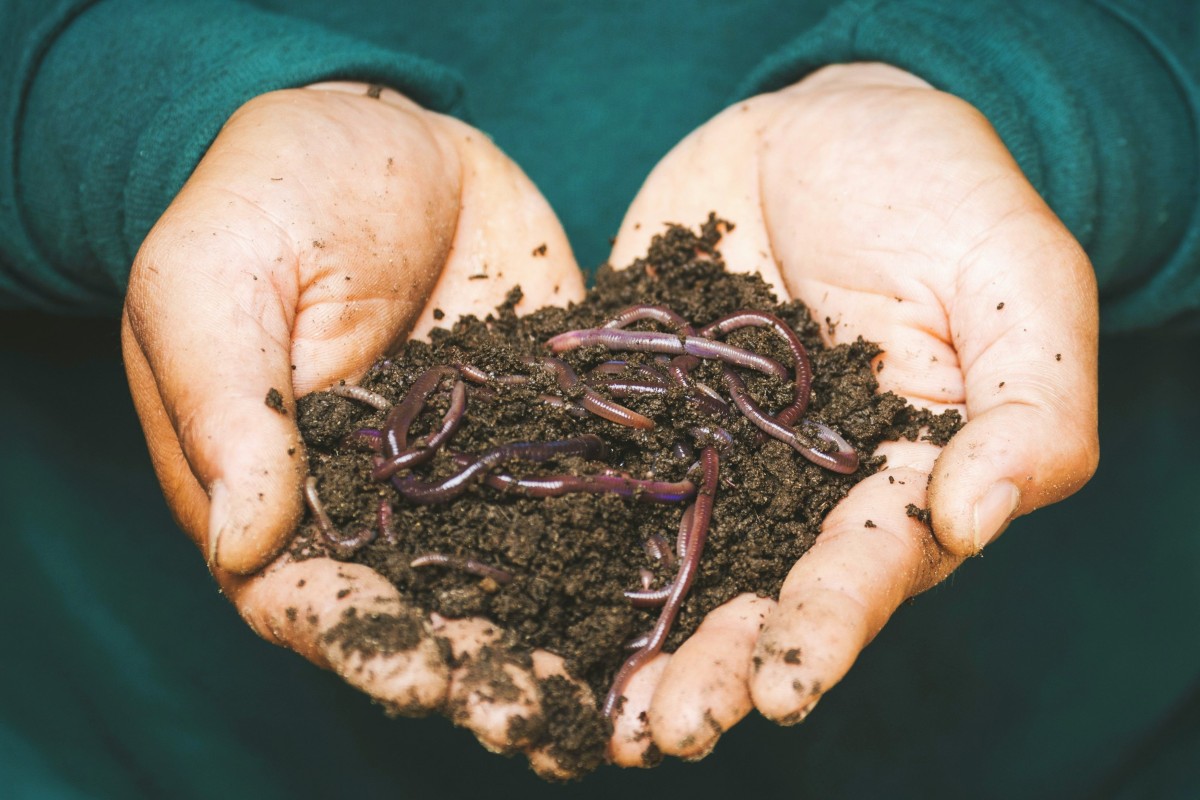
two hands holding a small pile of earth and wormsRMIT research found that vermicomposting textiles produces better quality of compost and less odour release. (Photo: Pexels)

The findings suggest that composting could complement recycling rather than compete with it. While recycling aims to transform old textiles into new materials, composting can provide a destination for natural-fibre garments that are no longer suitable for reuse, repair, recycling or upcycling.

The challenge: most clothes are not designed to compost

There is, however, a major obstacle. Many consumers assume that clothing made from natural fibres can simply be composted at the end of its life. In reality, modern garments are often far more complex.

“Textiles that can be effectively composted are composed entirely of natural fibres, which are derived from plants or animals,” Professor Nayak says. “In contrast, synthetic or blended products pose significant issues as it is hard to break the polymeric chain.”

For example, cotton, wool and silk generally biodegrade relatively well. Polyester, nylon and other synthetic fibres are far more resistant to decomposition and can remain in the environment for years.

Even garments made predominantly from natural fibres may contain dyes, chemical finishes, flame retardants, wrinkle-resistant treatments, buttons, zippers or other components that complicate the composting process.

As a result, scaling textile composting requires far more than simply collecting unwanted clothes and sending them to a composting facility.

Professor Rajkishore NayakProfessor Rajkishore Nayak, Professor of Fashion at RMIT University Vietnam (Photo: RMIT)

Building a circular fashion system

Professor Nayak believes some of Vietnam's greatest opportunities lie in garment manufacturing, where factories generate large quantities of relatively clean pre-consumer textile waste that is easier to identify, separate and process than clothing discarded by households.

To make composting viable at scale, he argues that Vietnam will need investment in composting infrastructure, better collection and sorting systems, greater consumer awareness, and more consistent approaches to designing garments with their end-of-life impacts in mind.

“In five to ten years, if we could build a textile composting ecosystem in Vietnam, it should not be a standalone project but an integral component of the country's circular fashion system,” he says.

If that vision becomes reality, some garments may no longer end their lives in landfill. Instead, they could return to the soil, completing a circular journey from fibre to fashion and back to nature.

Behind every major shift is a story worth exploring. The Ripple Theory is a series of expert perspectives informed by research from RMIT University Vietnam. By connecting academic insight with real-world stories, the series helps readers gain a deeper understanding of the shifts unfolding across the economy, society, environment, and technological world, while exploring solutions and opportunities for what lies ahead.

Story: Ngoc Hoang

Related news