Practical lessons
The research found that family businesses possess unique strengths that many larger organisations struggle to replicate.
Trust, loyalty and close relationships encourage employees to openly exchange ideas, share expertise and collaborate across multiple roles. Combined with strong leadership, these qualities create an environment where knowledge flows more freely, enabling businesses to respond quickly to changing customer expectations and market conditions.
Yet the research also highlights an important trade-off.
Informal systems can create risks, including human error, fragmented information, data loss and cybersecurity concerns. Therefore, Dr Chi highlights that informality and trust are valuable resources, but they cannot completely replace effective digital systems as a business grows.
The study also offers a fresh perspective on one of the biggest challenges facing family businesses: succession.
Vietnam is undergoing a large-scale digital transformation across all facets of society. New tax policies, governmental support for innovation, and the widespread adoption of e-commerce provide both significant opportunities and challenges for family businesses.
Rather than viewing succession as simply handing over ownership to the next generation, Dr Chi argues it should be seen as transferring knowledge, values and experience.
“The next generation needs access to the founder's tacit knowledge – the experience, relationships, values and practical judegment accumulated over many years. At the same time, successors should be given opportunities to develop their own knowledge, particularly in technology, sustainability and emerging markets.”
Successfully combining founders' experience with the digital capabilities and adaptability of younger generations will help family businesses preserve their heritage while continuing to innovate.
Building a stronger support ecosystem
The research also demonstrates that sustainable transformation is not the responsibility of businesses alone.
As part of a project funded by the Australian Alumni Grants Fund through Aus4Skills, Dr Chi and his research team have developed a cloud-based solution to support information and knowledge sharing among SMEs. He believes universities can translate research into practical tools and training, while business associations can facilitate knowledge exchange and connect businesses with experts, technology providers and potential partners. Government support for digital transformation can further accelerate the development of affordable management solutions tailored to Vietnamese enterprises.
Looking ahead, Dr Chi plans to expand the research beyond manufacturing to explore how knowledge management supports sustainability across different industries, while examining how growing sustainability expectations are reshaping the way businesses create, share and apply knowledge.
Ultimately, he hopes the research encourages business owners to see knowledge as one of their most valuable strategic assets.
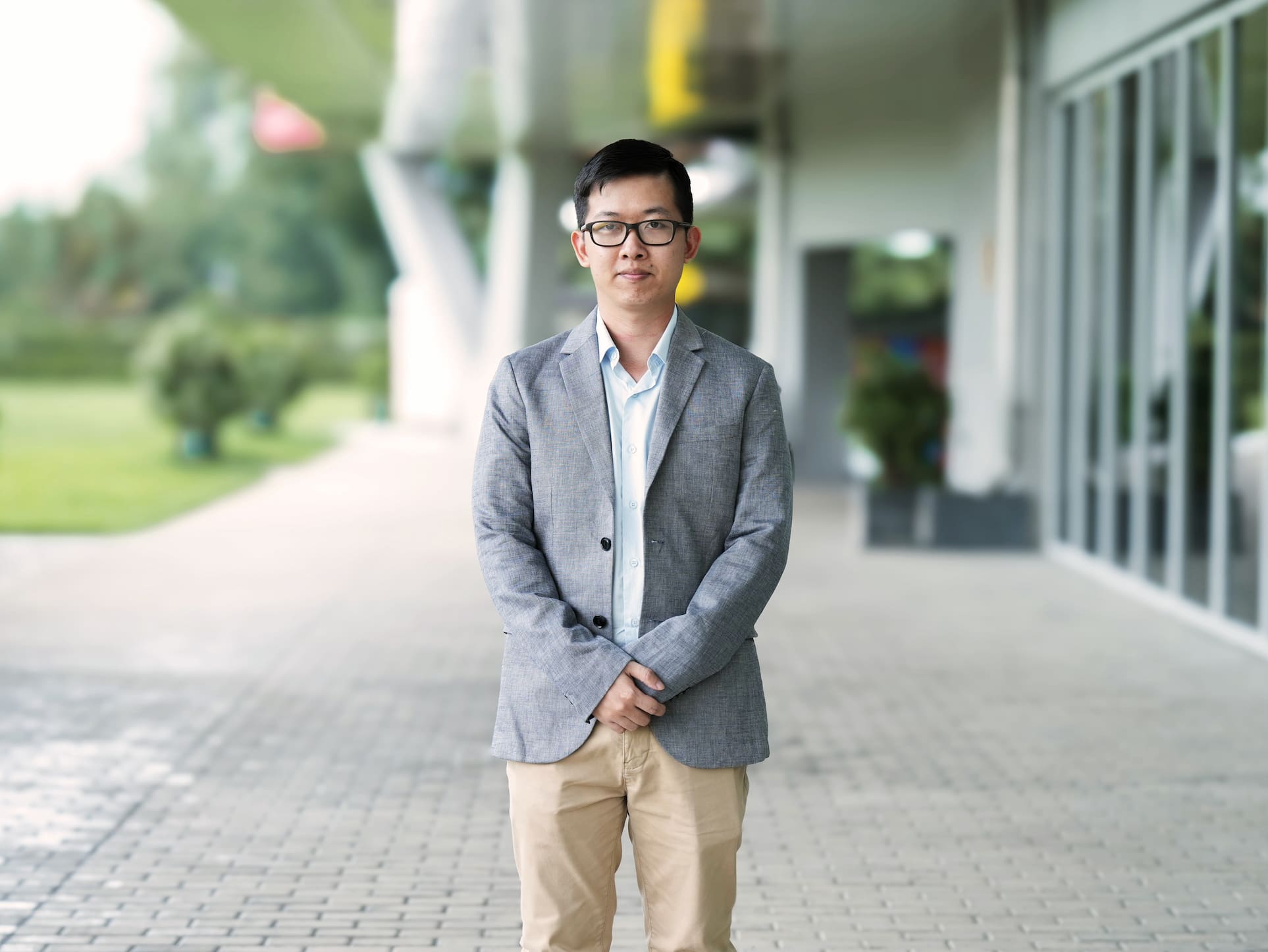
“Knowledge is a critical business asset and strategic resource for sustainability,” Dr Chi said.
“Technology can support the optimisation of knowledge management, but leadership and culture determine whether knowledge is shared, transformed and applied into action. By managing knowledge effectively, family businesses can protect their traditions while continuing to innovate, remain competitive and contribute positively to their employees, communities and the environment.”
Behind every major shift is a story worth exploring. The Ripple Theory is a series of expert perspectives informed by research from RMIT University Vietnam. By connecting academic insight with real-world stories, the series helps readers gain a deeper understanding of the shifts unfolding across the economy, society, environment, and technological world, while exploring solutions and opportunities for what lies ahead.
Story: June Pham