
A map for cooler, healthier cities
The implications extend well beyond research. Vietnam's cities are growing rapidly, and decisions made today about urban planning and infrastructure will shape how communities cope with rising temperatures in the decades ahead.
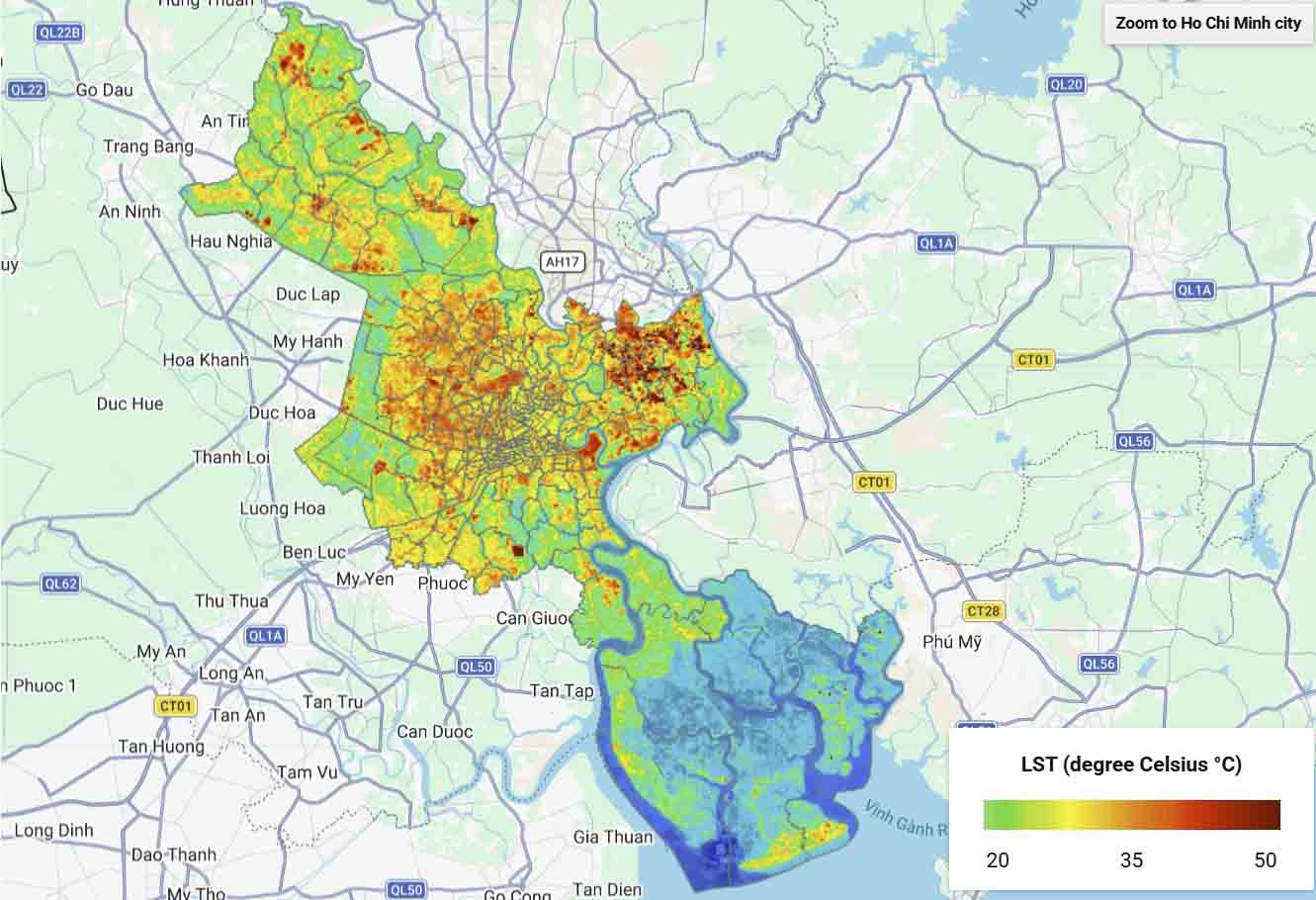
The report provides evidence that governments can use to identify priority locations, design heat prevention plans and integrate climate resilience into future development. Highly built-up areas with extensive concrete surfaces and limited vegetation can experience up to 100 heatwave days per season, according to simulations in the report. Without intervention, some areas could face an additional 40 to 60 heatwave days each year by mid-century. Identifying which communities are most vulnerable becomes more than a planning exercise. It is a critical step in protecting public health, strengthening climate resilience and ensuring that limited adaptation resources are directed where they can have the greatest impact.
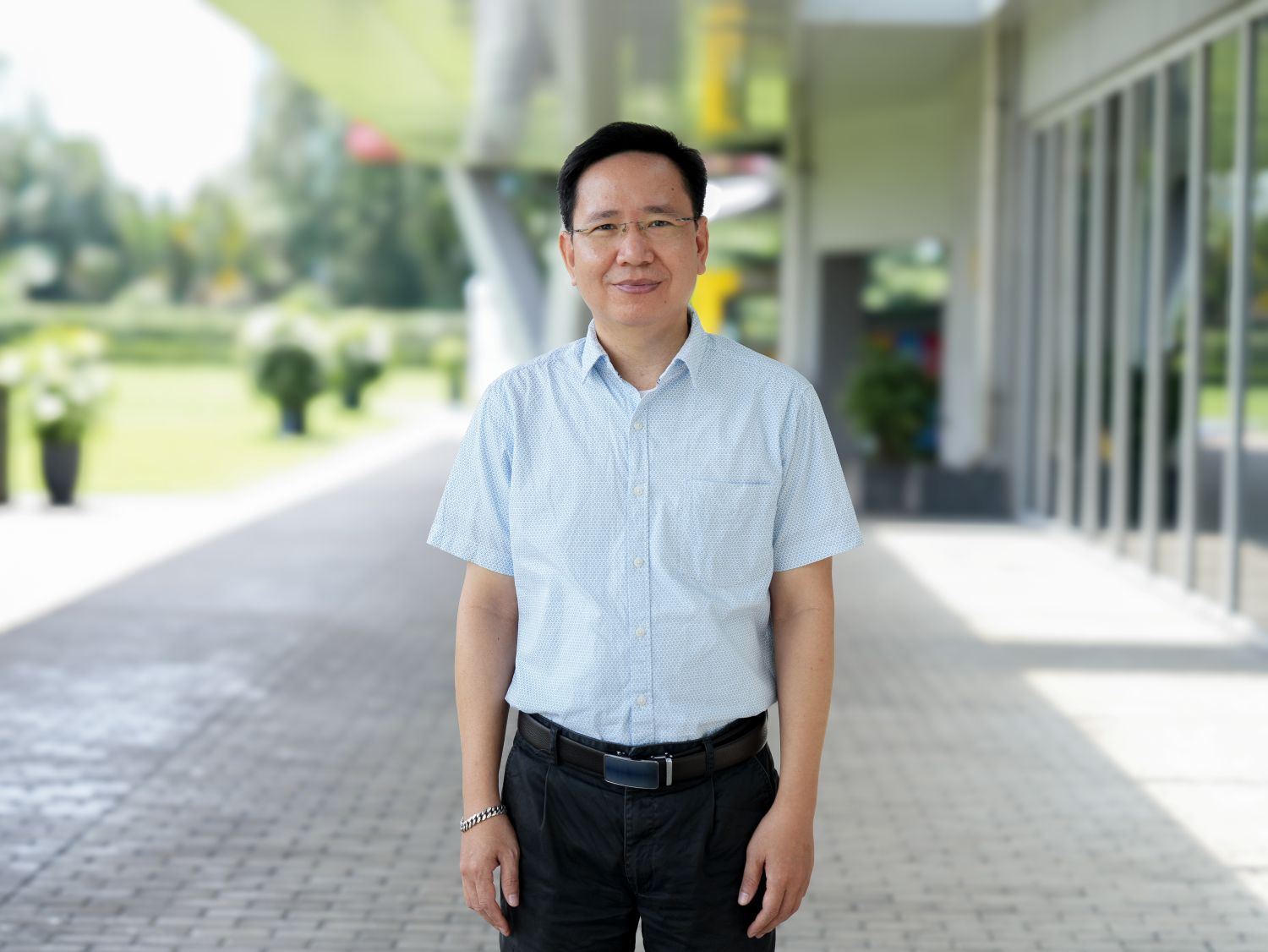
"Our studies can quantitatively show the areas impacted severely by urban heat issues that call for mitigation actions," Dr Trinh said. "The findings and the tool developed in the project help inform targeted actions and future planning of urban heat resilience in Vietnam."
The research can also support urban designers, developers and environmental practitioners seeking to create cooler, healthier and more liveable cities. Instead of relying on assumptions, they can use evidence to guide investments in green infrastructure and climate adaptation measures.
Importantly, the work is already generating interest beyond Vietnam. During dissemination events, urban planning organisations and NGOs, including organisations from Indonesia, expressed interest in using the methodology to map urban heat hotspots, communicate with their urban housing projects on impact of extreme heat and guide mitigation planning. The growing interest reflects a shared challenge across Southeast Asia, where rapidly urbanising cities are grappling with rising temperatures and climate risks.