
A roadmap for cities
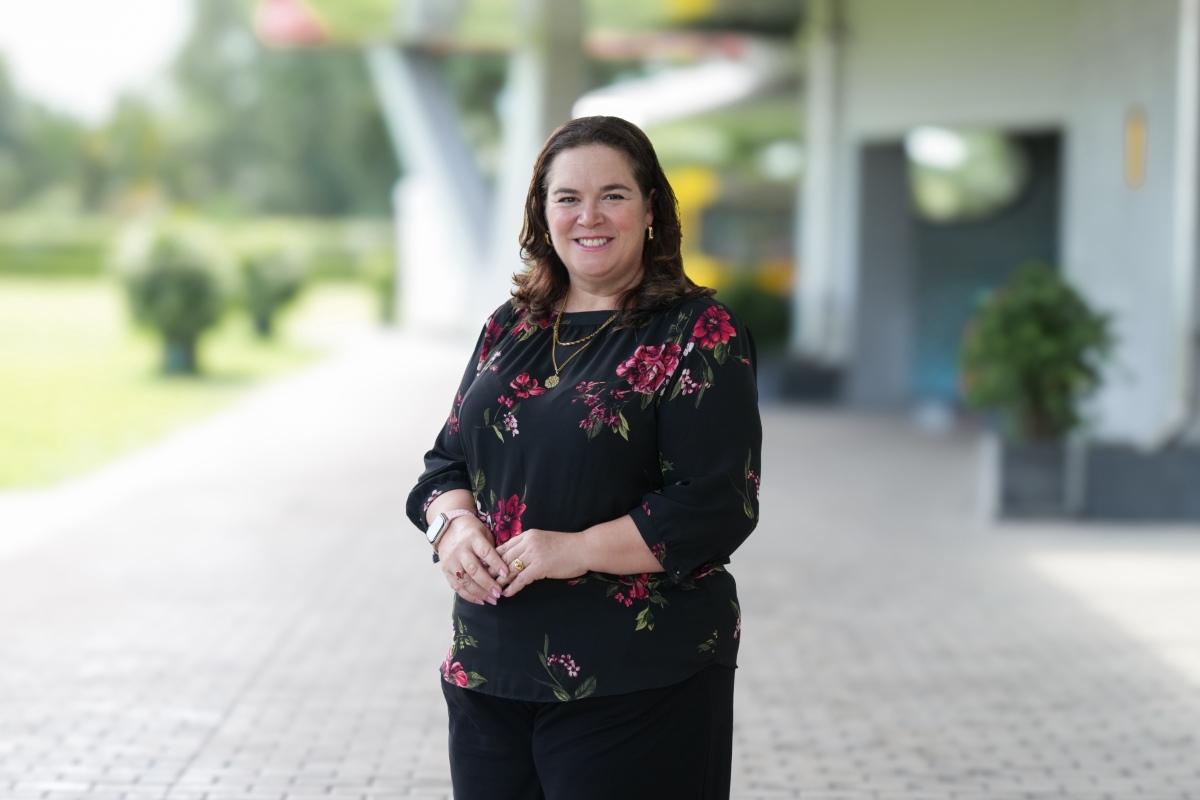
Associate Professor Warren believes Vietnamese cities have an opportunity to forge their own paths when it comes to communicating climate action.
“The lesson from the UK and Canada is that having good climate policies is not enough if nobody joins the dots,” she says. “Vietnam has an opportunity to join those dots from the beginning – connecting policy, investment, development, communication and public participation around a shared vision of the future.”
For city leaders seeking to build credible climate-focused identities without falling into the trap of greenwashing, Associate Professor Warren's advice begins with reality.
"First, map what the city is genuinely doing across the entire policy value chain – climate and environment, certainly, but also transport, planning, tourism, economic development, FDI, infrastructure and community engagement,” she says.
Second, communication professionals should be involved much earlier in the policy process because they bring knowledge of audiences, behaviour, stakeholder relationships and public sentiment that can improve policy design and implementation.
Third, cities must also recognise that climate action means different things to different audiences. A local resident, a small and medium-sized enterprise, a multinational investor and a tourist all have different motivations and barriers. The communication strategy must reflect this.
Most importantly, people need to encounter the transition in everyday life through visible proof points. And finally, both perception and behaviour should be measured over time.
Success, as Associate Professor Warren explains, ultimately depends on closing the gap between ambition and experience. The goal is getting better alignment between what a city says, what it does, and what people actually experience.
“A city brand should not simply describe the city you want people to see. At its best, it helps build the city you want people to actually live in. That is where climate action and place branding become extremely powerful together,” she says.
Behind every major shift is a story worth exploring. The Ripple Theory is a series of expert perspectives informed by research from RMIT University Vietnam. By connecting academic insight with real-world stories, the series helps readers gain a deeper understanding of the shifts unfolding across the economy, society, environment, and technological world, while exploring solutions and opportunities for what lies ahead.
Story: Ngoc Hoang