

New research from RMIT Vietnam suggests the region is not only becoming a global hotspot for social entrepreneurship but also generating valuable insights into how businesses can create lasting social and environmental impact alongside economic growth.
However, the study also identifies a major challenge: while research in the field has expanded rapidly over the past decade, stronger collaboration across countries, sectors and disciplines will be essential to translate knowledge into meaningful change.
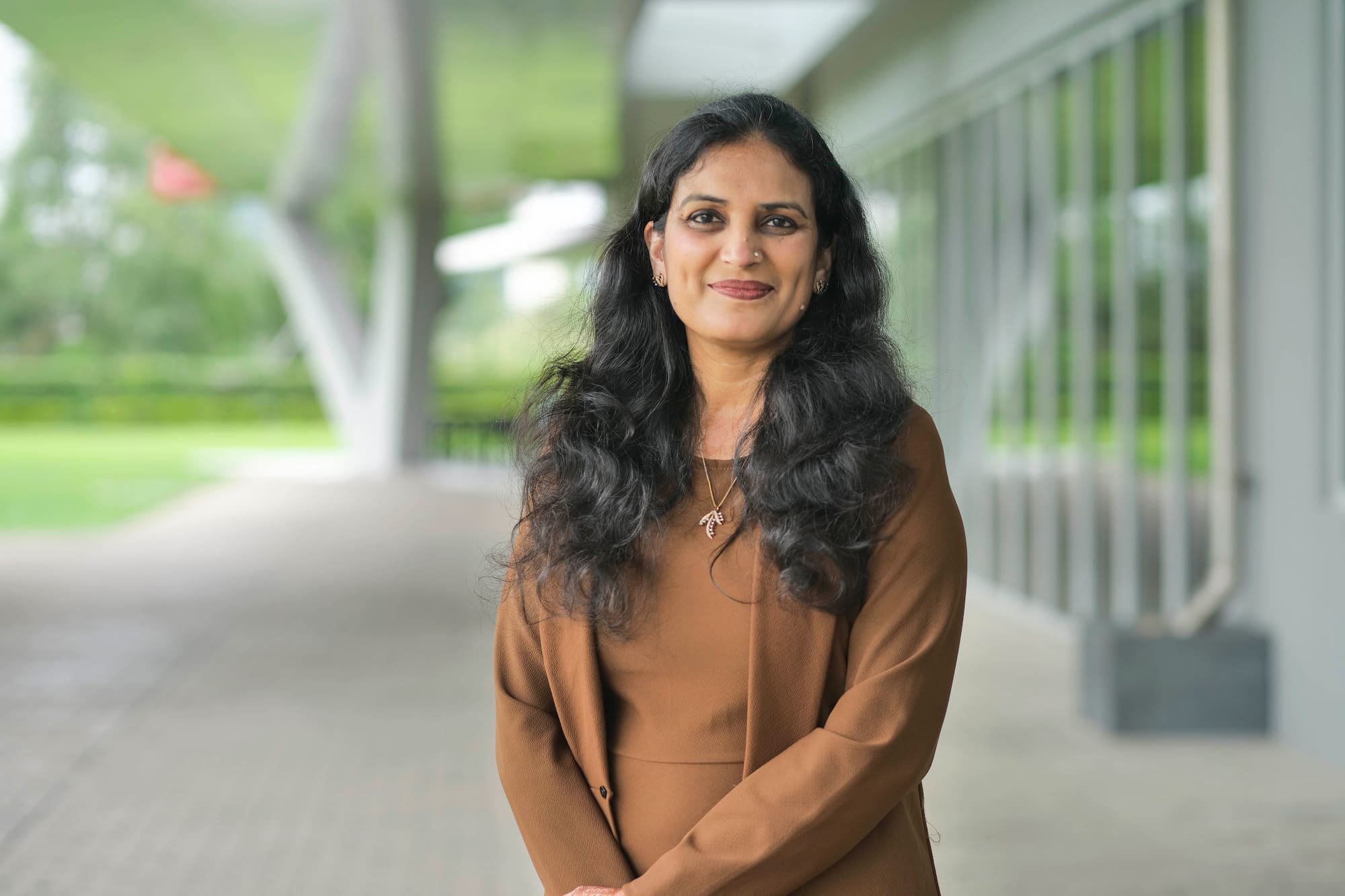
For Associate Professor Maheshwari, the inspiration behind the research came from witnessing Southeast Asia's remarkable transformation first-hand.
Having lived and worked in Vietnam for nearly two decades, she has witnessed the country's rise into one of Southeast Asia's most dynamic innovation ecosystems.
“At the same time, rapid economic growth has brought new social and environmental challenges, reinforcing the need for entrepreneurial solutions that create positive impact alongside economic success,” she said.
She believes Southeast Asia offers a unique environment for understanding how social entrepreneurship can contribute to sustainable development.
Unlike many other regions, Southeast Asia combines extraordinary economic diversity, different political and institutional contexts, and shared sustainability challenges. This diversity creates opportunities for researchers and practitioners to learn from a wide range of approaches while developing solutions tailored to local communities rather than relying on one-size-fits-all models.
The review found that research on social entrepreneurship accelerated significantly following the adoption of the United Nations Sustainable Development Goals (SDGs) in 2015. It also revealed that the field has expanded well beyond traditional social enterprises to include sustainable tourism, corporate social responsibility, entrepreneurial ecosystems, digital transformation and sustainability innovation.
“Perhaps the most important message from our study is that social entrepreneurship in Southeast Asia is evolving from a niche research area into a strategic driver of sustainable development,” Associate Professor Maheshwari said.
“As governments, businesses and communities increasingly recognise the need for more inclusive and sustainable growth, social entrepreneurship has enormous potential to create innovative solutions that address complex societal challenges while generating long-term economic and social value.”
One finding, however, stood out above all others. Despite the rapid growth in research, collaboration across Southeast Asia remains surprisingly limited, with most studies still conducted within individual countries rather than through regional partnerships.
According to Associate Professor Maheshwari, this represents one of the greatest opportunities for the field.
“This matters because many of the challenges social entrepreneurs are trying to solve, including climate change, poverty, inequality, public health and sustainable development, are shared across national borders,” she said.
“Greater regional collaboration would strengthen both research and practice. It would enable researchers to undertake larger comparative studies, generate more robust evidence for policymakers, and identify successful approaches that could be adapted across different Southeast Asian contexts.”